Back
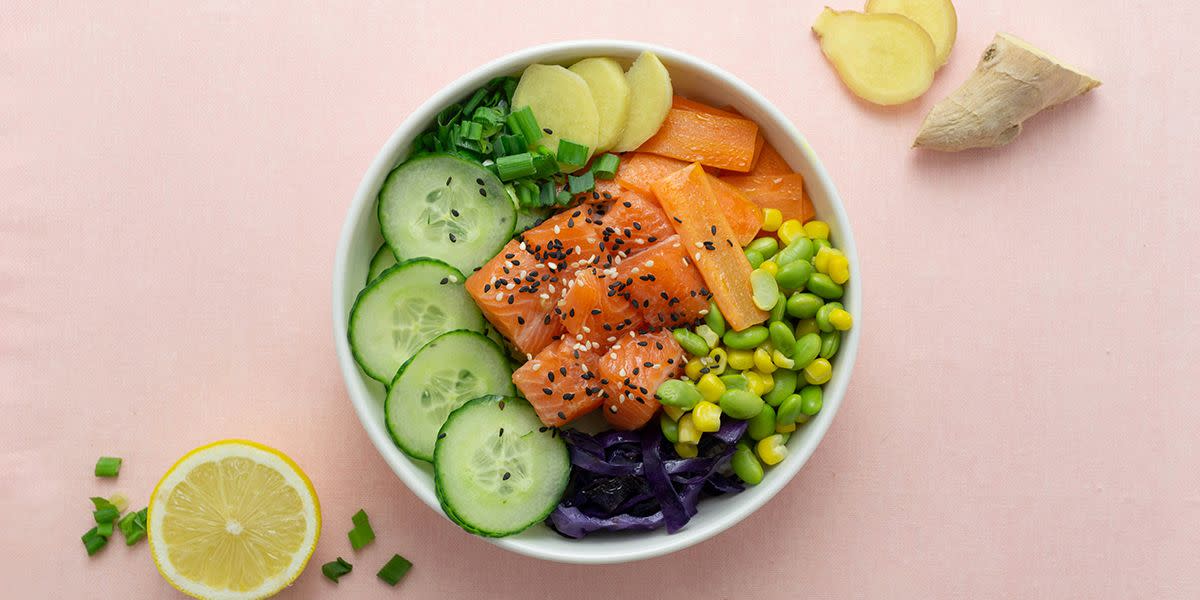
Poke (pronounced POH-keh) is one of the most recognizable Hawaiian dishes, rooted in island tradition but continually evolving. What began as a simple preparation of freshly caught fish seasoned with salt and seaweed has transformed into a global favorite. Today’s poke bowls blend tradition with innovation, offering endless ways to enjoy fresh seafood, bold sauces, and colorful toppings.
In this guide, we’ll break down what poke is, where it came from, and how chefs across cultures are adapting it. Whether you’re new to poke or just looking to explore beyond the basics, you’ll find insights on classic Hawaiian preparations, modern fusion styles, and even plant-based and cooked variations.
Key takeaways:
Poke (pronounced POH-keh) is a traditional Hawaiian dish made with cubed raw fish, typically served over rice and topped with a variety of seasonings and garnishes.
Classic versions use ahi tuna with simple ingredients like sea salt, seaweed, and kukui nuts. Modern adaptations draw on Japanese, Korean, and other global influences.
Poke bowls can be tailored with cooked seafood, vegetarian proteins, or grain-free bases to suit different dietary needs and flavor preferences.
What is poke?
Poke (pronounced POH-keh) is a traditional Hawaiian dish made with cubed raw fish, typically marinated and served over rice with assorted toppings. The word poke means “to slice” or “cut crosswise” in Hawaiian, a nod to the dish’s original preparation.
At its most traditional, poke features fresh ahi tuna mixed with sea salt, limu (seaweed), and crushed kukui nuts. Over time, Japanese influence introduced ingredients like soy sauce, sesame oil, and green onions, giving rise to a now-familiar style found in many poke bowls today.
A poke bowl brings together three elements: a base (often rice), a protein (usually raw fish), and flavorful toppings and sauces. What began as a quick, nourishing snack for Hawaiian fishermen has since become a globally recognized staple of Hawaiian cuisine.
Origins and evolution of Hawaiian poke
Ancient Hawaiian roots
Poke traces back centuries to native Hawaiian fishermen who would cut leftover portions of their catch into cubes. These early versions were simple but flavorful, seasoned with sea salt harvested from tidal pools and mixed with limu (seaweed) and inamona (roasted crushed kukui nuts).
This Hawaiian dish was born of necessity and practicality, utilizing fresh ingredients available to island inhabitants. The fishermen would eat their poke right on their boats as a quick, nourishing meal.
Traditional Hawaiian cuisine valued fresh, local ingredients, and poke exemplified this philosophy perfectly. The fish was always consumed fresh, never frozen, highlighting the quality-focused approach to Hawaiian food.
For generations, poke remained a local staple, enjoyed at family gatherings and celebrations. The dish represented the islands' connection to the ocean and the importance of fresh ingredients in Hawaiian cuisine.
Modern global influences
Poke began its transformation in the 1970s when Japanese culinary influences introduced soy sauce, sesame oil, and green onions to the traditional recipe. This fusion created what many now recognize as "classic" poke.
Poke began gaining popularity on the mainland United States in the early 2010s, gradually evolving into a national food trend. By 2016, poke restaurants began appearing in major cities across the United States, from Los Angeles to New York, reflecting the dish's growing popularity.
As poke bowls traveled globally, they absorbed influences from various culinary traditions:
Korean influences: Gochujang, kimchi, and gochugaru
Mexican touches: Cilantro, jalapeño, and avocado
Mediterranean elements: Olive oil, lemon, and olives
Today's poke bears both similarities and differences to its Hawaiian origins. While traditional elements remain, modern poke has become highly customizable, allowing for endless variations.
Looking for meals that are inspired by global flavors and made by award-winning chefs? Explore the weekly menu and select your meals.
Common ingredients in poke bowls
Fish selection
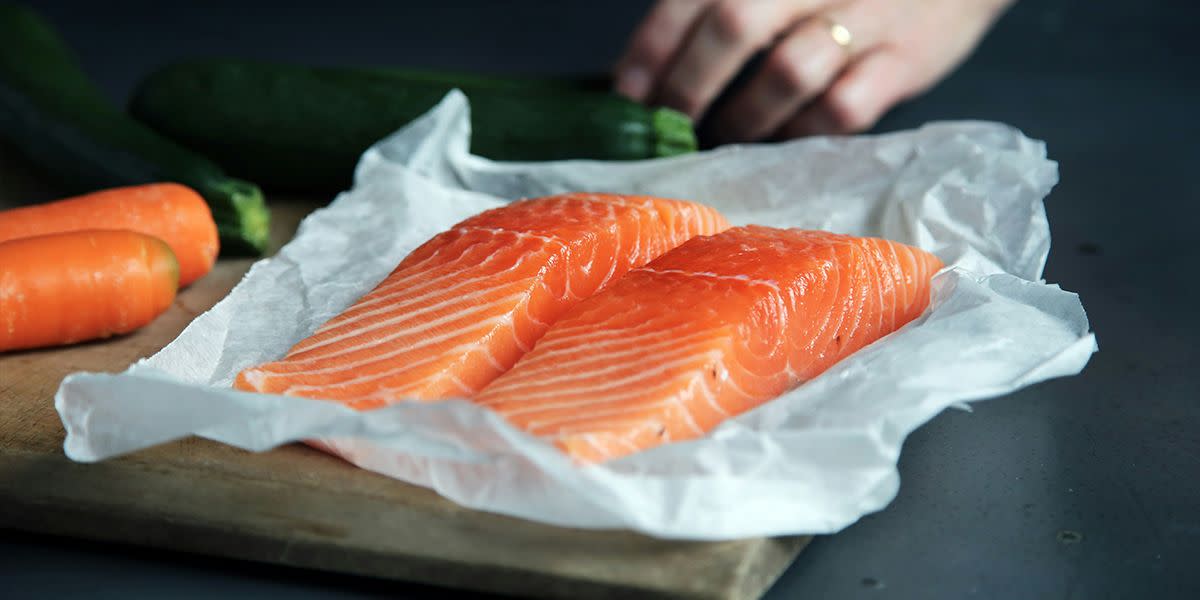
Ahi tuna (yellowfin or bigeye) stands as the traditional and most popular fish choice for authentic poke. Its firm texture holds up well to marination while offering a mild, clean flavor.
Salmon has emerged as a popular alternative, particularly in regions where high-quality tuna is less accessible. Its rich, buttery texture makes it an excellent canvas for poke seasonings.
Other seafood options have expanded poke's appeal:
Hamachi (yellowtail): Buttery, mild flavor
Tako (octopus): Chewy texture, traditional option
Shrimp and scallops: Cooked alternatives for those who avoid raw fish
For poke, fish quality is paramount since it's consumed raw. Look for "sushi-grade" or "sashimi-grade" designations, which indicate proper freezing to eliminate parasites.
Enjoy fresh fish meals made by award-winning chefs.
Sauces and seasonings
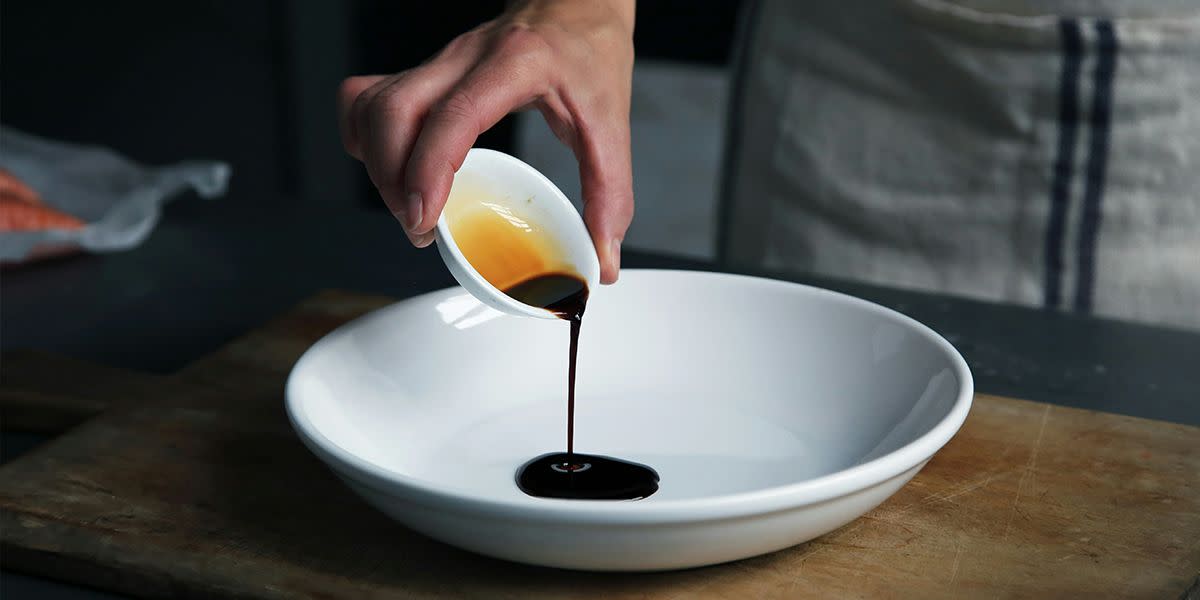
Traditional Hawaiian poke features minimal but impactful seasonings. Sea salt, limu seaweed, and inamona formed the original flavor profile, highlighting the fresh fish rather than masking it.
Japanese influences introduced soy sauce (shoyu), sesame oil, rice vinegar, and wasabi to poke. These ingredients add umami depth while complementing the natural flavors of the fish.
Essential poke seasonings include:
Soy sauce: Provides umami and saltiness
Sesame oil: Adds nutty depth and richness
Sea salt: Traditional Hawaiian seasoning
Green onions: Fresh, bright flavor contrast
Chili peppers: Adds heat to balance richness
Modern fusion approaches have expanded poke's flavor horizons with additions like sriracha, ponzu, spicy mayo, and even fruit-based sauces. These contemporary interpretations offer exciting new taste experiences.
Toppings and add-ons
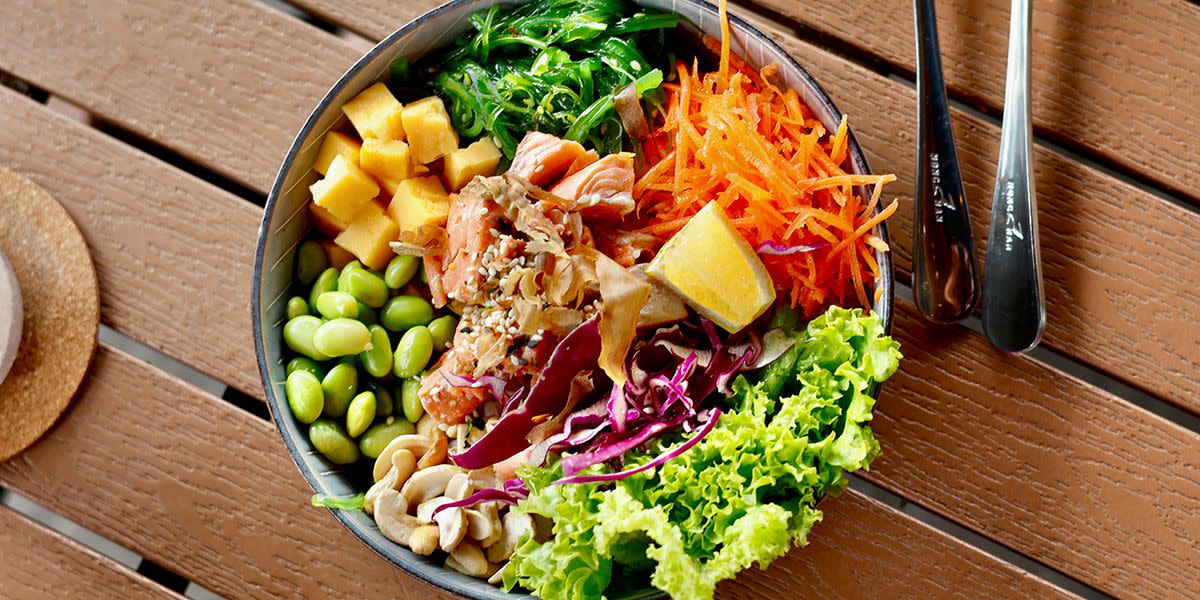
Traditional Hawaiian toppings focus on textural contrast and complementary flavors. Limu seaweed adds a briny crunch, while sweet Maui onions provide sharp contrast to the rich fish.
Contemporary poke bowls embrace a wider range of toppings that draw from global cuisines. Avocado adds creamy richness, while mango brings sweet-tart balance to the savory fish.
Texture plays a crucial role in a satisfying poke bowl:
Crispy elements: Fried garlic, wonton strips, tempura flakes
Soft components: Avocado, mango, fish
Crunchy additions: Cucumber, radish, cabbage
Chef Santiago Lopez's Japanese Shrimp Tempura Bowl demonstrates creative fusion approaches to poke, featuring crispy tempura shrimp and traditional Japanese toppings.
Types of poke bowls today
Classic Hawaiian bowls
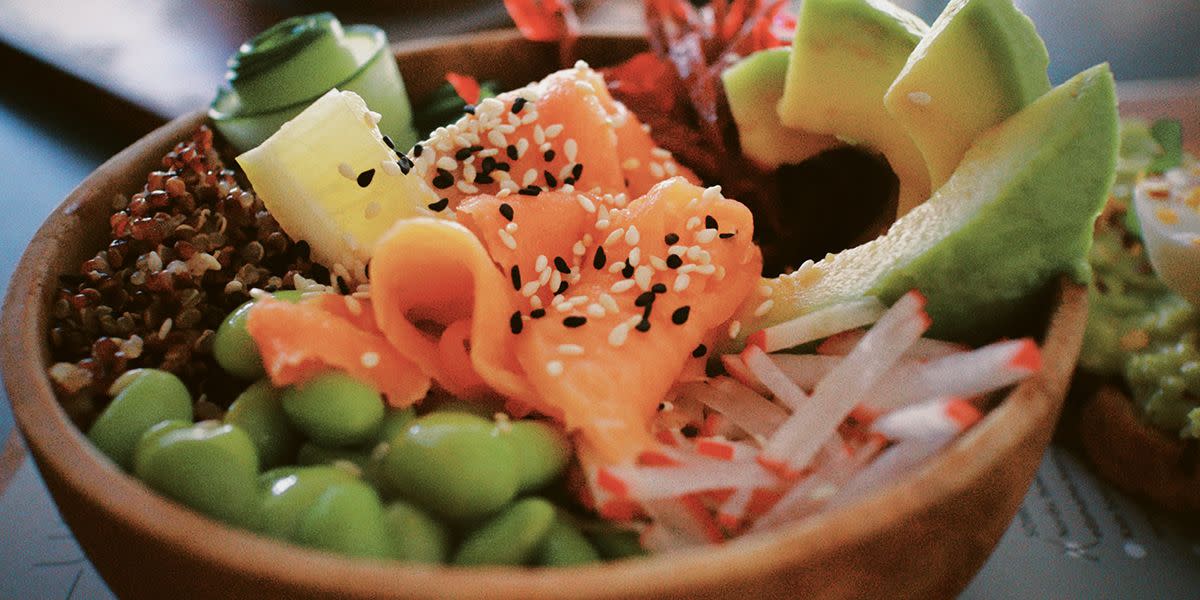
Ahi limu poke represents perhaps the most traditional style, featuring cubes of tuna mixed with limu seaweed, salt, and sometimes kukui nuts. This preparation highlights the clean ocean flavors of the islands.
Shoyu poke emerged as Japanese influences reached Hawaii, introducing soy sauce, sesame oil, and green onions to the dish. This style has become what many consider the "classic" poke flavor profile.
Spicy ahi poke adds heat through chili peppers or sriracha-based sauces, often mixed with mayonnaise for a creamy, spicy coating. This contemporary adaptation has become extremely popular worldwide.
Style | Main fish | Key seasonings | Distinctive features |
|---|---|---|---|
Limu Poke | Ahi tuna | Seaweed, sea salt | Most traditional style |
Shoyu Poke | Ahi tuna | Soy sauce, sesame oil | Japanese-influenced |
Spicy Ahi | Ahi tuna | Chili pepper, mayo | Contemporary adaptation |
He'e (Octopus) | Octopus | Sea salt, limu | Chewy texture, traditional |
Fusion-style creations
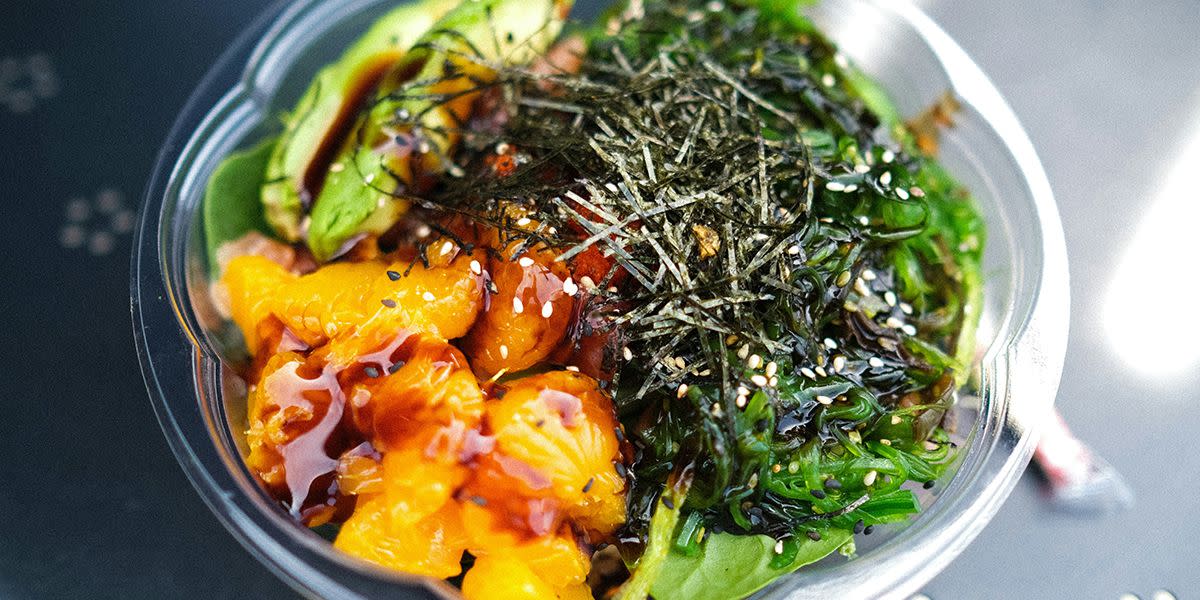
Korean-inspired poke bowls incorporate ingredients like gochujang, kimchi, and gochugaru. These additions bring bold, spicy flavors and probiotic benefits to the dish.
Japanese-influenced versions might feature ponzu sauce instead of traditional soy, along with toppings like furikake, tobiko, or shredded nori. These elements enhance the umami aspects of poke.
Mexican fusion poke introduces ingredients like cilantro, jalapeño, lime, and avocado. Some versions even incorporate mango salsa or chipotle-based sauces for a Latin American twist.
Chef Paul Suh's Korean Bibimbap demonstrates how cross-cultural inspirations can create exciting new dishes that share poke's emphasis on balanced flavors.
Alternative protein options
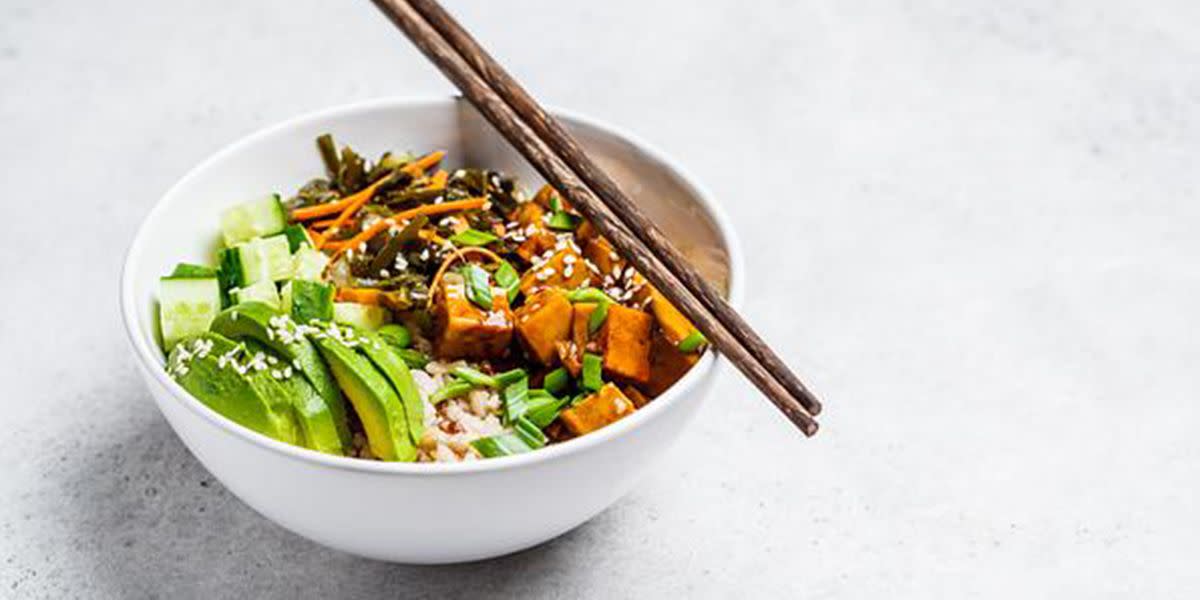
Cooked seafood poke offers options for those who prefer not to consume raw fish. Shrimp, crab, lobster, and seared or poached fish can all be prepared "poke-style" with traditional marinades.
Vegetarian and vegan poke has gained popularity, with plant-based alternatives like tofu, watermelon, and beets standing in for fish. These options mimic the texture and appearance of traditional poke.
Cooked meat variations expand poke's appeal to those who don't enjoy seafood. Chicken, beef, or pork can be cubed and marinated in poke-inspired sauces, then served over rice with traditional toppings.
How to enjoy and customize poke
Serving suggestions
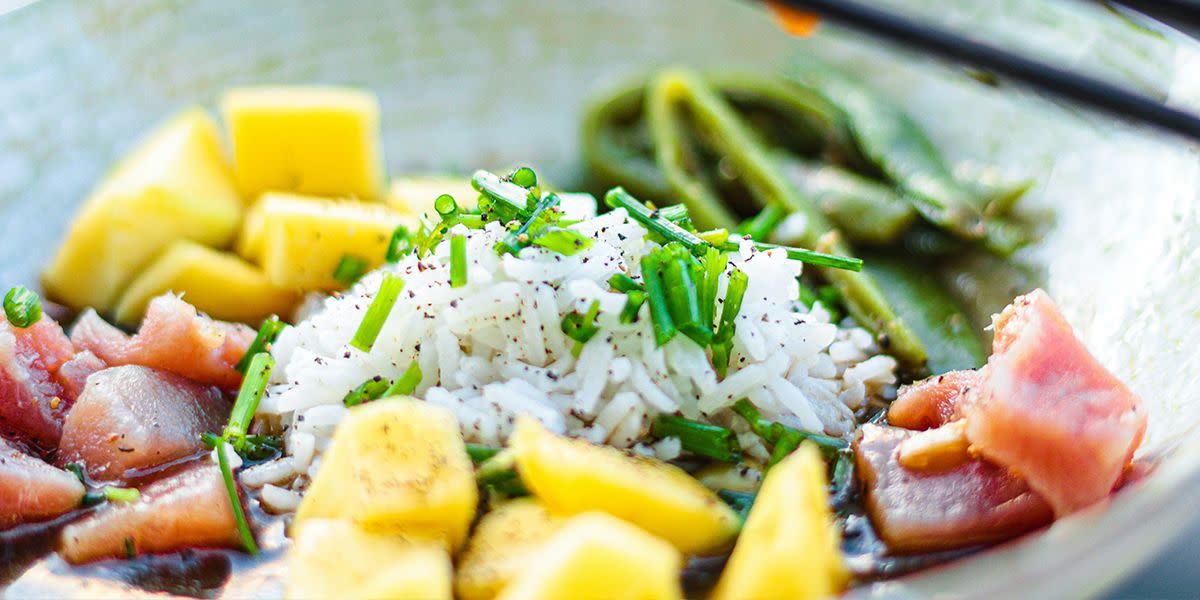
White rice serves as the traditional base for poke bowls, providing a neutral canvas that absorbs the flavorful marinades. Short-grain or sushi rice works particularly well due to its sticky texture.
Brown rice offers a more nutritious alternative with added fiber and a pleasant nutty flavor that complements the fish. Its chewy texture adds another dimension to the eating experience.
Alternative bases have expanded poke's appeal to various dietary preferences:
Zucchini noodles: Low-carb option
Mixed greens: Lighter, nutrient-dense base
Quinoa: Protein-rich alternative
Cauliflower rice: Grain-free option
Chef Walther Adrianzen's Roasted Aji Panca Miso Salmon offers inspiration for creative salmon preparations that maintain the fresh, vibrant spirit of poke.
Tips for building your own bowl
Creating balanced poke bowls starts with understanding flavor profiles. Aim for a mix of sweet, salty, spicy, and umami elements that complement rather than overwhelm the fish.
Textural contrast elevates the poke experience. Combine soft (fish, avocado), crunchy (cucumber, onion), and crispy (tempura flakes, fried garlic) elements for a satisfying mouthfeel.
Follow these steps to build a perfect poke bowl:
Choose your base: Rice, greens, or a combination
Select your protein: Traditional raw fish or alternatives
Pick your sauce: Traditional shoyu, spicy mayo, or other options
Add crunch: Cucumber, onion, radish, or fried garlic
Finish with toppings: Avocado, seaweed salad, tobiko, or sesame seeds
Visual appeal matters in poke presentation. Arrange ingredients in sections rather than mixing everything together to showcase the vibrant colors and allow diners to appreciate each component.
Explore fresh flavors
Poke has captured global attention because it perfectly balances healthy and delicious eating. The dish offers clean protein, healthy fats, and vibrant vegetables in a format that feels both nourishing and indulgent.
The customizable nature of poke bowls makes them accessible to various dietary preferences and taste profiles. Whether you prefer traditional preparations or contemporary fusion approaches, there's a poke variation for everyone.
Poke represents successful cultural fusion at its best, honoring Hawaiian traditions while embracing global influences. This respectful blending of culinary traditions has created a dish with universal appeal.
At CookUnity, top chefs create fish-forward meals inspired by poke traditions, like Chef Santiago Lopez's Japanese Salmon Poke Bowl. This authentic representation features premium salmon cubes marinated in a balanced blend of soy, sesame, and citrus. And you can have it delivered straight to your door. All you have to do is explore the weekly menu and select your meals.
Frequently asked questions about poke
Are poke bowls safe for pregnant women?
Pregnant women should avoid traditional poke with raw fish due to increased risks of foodborne illness, but can enjoy cooked seafood or vegetarian poke bowl alternatives.
How do I store leftover poke?
Leftover poke should be refrigerated immediately and consumed within 24 hours, though the quality and texture will deteriorate once the fish has been marinated.
Can I make poke without raw fish?
Yes, poke can be made with cooked seafood like shrimp or crab, or plant-based alternatives such as tofu, watermelon, or beets while maintaining the same marinades and toppings.
What is the difference between poke and sushi?
Poke features cubed raw fish marinated in sauces and served with toppings, while sushi combines vinegared rice with raw fish and is often wrapped in seaweed or served as individual pieces.
How is poke pronounced correctly?
Poke is pronounced "POH-keh" with emphasis on the first syllable and a short "eh" sound at the end, not "poke" as in "to poke something."

Be the first to know about new offers
Multiorder discounts, free items and more.