Back
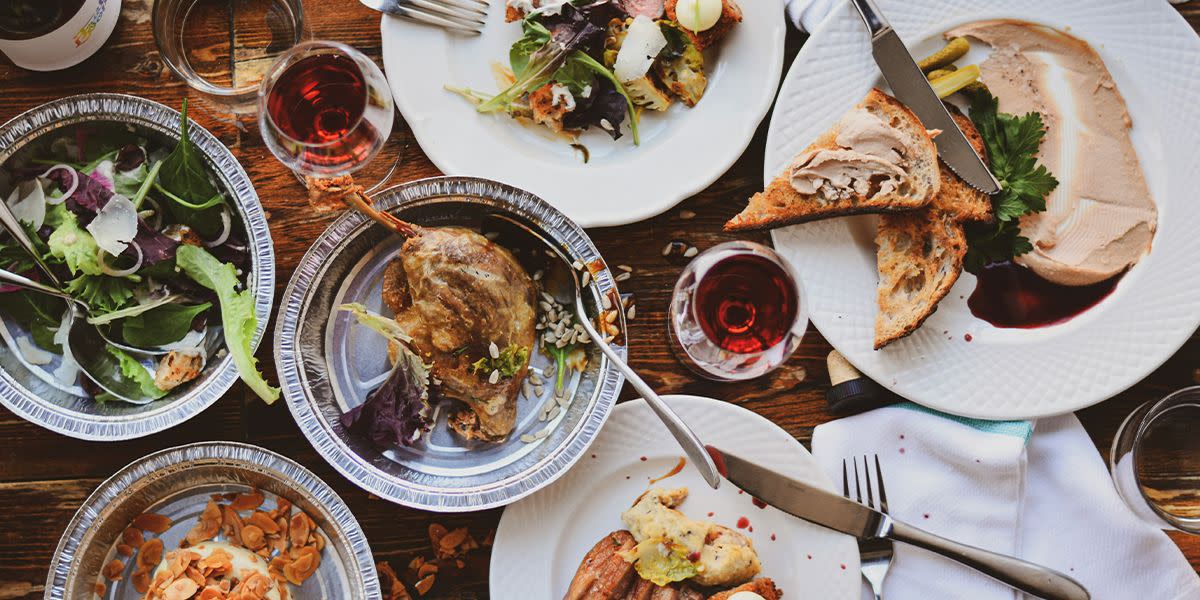
French cuisine has long captivated food lovers with its timeless elegance, technical precision, and passion for seasonal, high-quality ingredients. From rich sauces to rustic stews, it is a tradition that elevates even the simplest components into unforgettable meals.
This isn't just about recipes. It is a deeper look at the art of French cooking, the culture behind traditional French food, and the techniques that have shaped kitchens around the world.
In this guide, you'll find the core principles of French cuisine, explore 10 classic French dishes that define it, and understand how this culinary tradition continues to influence the way we cook and eat today.
Key takeaways:
French cuisine is rooted in technique over trends. Rather than simply following recipes, it emphasizes methods like sauce-making, seasonal cooking, and regional specialties that build deep, layered flavor.
Classic French dishes such as boeuf bourguignon and ratatouille show how time-honored techniques can turn humble ingredients into elegant, satisfying meals.
The traditional structure of French meals—from appetizer to cheese course to dessert—reflects the belief that dining is something to be savored, not rushed.
Many of today’s professional kitchens are still influenced by French cooking methods and systems, from culinary school curriculums to the brigade-style kitchen organization developed in France.
What is French cuisine?
French cuisine is a refined culinary tradition built on precise technique, high-quality ingredients, and deep regional diversity. More than just a way of cooking, it has shaped how professional chefs around the world think about flavor, structure, and presentation.
Its roots run deep—from medieval kitchens and royal courts to the groundbreaking work of chefs like Auguste Escoffier, who helped codify the techniques still taught in culinary schools today. At its core, French food is about building flavor through method, not masking it with heavy seasoning.
The foundation of French cooking rests on four essential pillars:
Technique-driven cooking: French cuisine values mastery of methods like braising, sautéing, and flambéing over simply following step-by-step recipes.
Seasonal ingredients: Many traditional French dishes are designed to change with the seasons, using what is fresh and locally available.
Regional diversity: From the butter-rich dishes of Normandy to the olive oil-forward flavors of Provence, each region brings something unique to the national table.
The five mother sauces: Béchamel, velouté, espagnole, hollandaise, and tomato sauce are the building blocks for countless classic recipes.
These techniques and principles continue to shape the culinary world. In fact, many professional kitchens are still organized according to the brigade system, a French invention that streamlines teamwork and precision on the line.
How French cooking evolved over time
French cuisine began in medieval kitchens, where heavily spiced dishes were used to signal wealth and preserve food. During the Renaissance, cultural exchange between Italy and France likely influenced the evolution of French food, with figures like Catherine de Medici often associated with introducing new techniques and ingredients to the French court.
By the 18th century, establishments in France began serving restorative broths, a practice that gradually evolved into the modern dining experience we now associate with restaurants. After the French Revolution, chefs from aristocratic households opened their own restaurants in Paris, making refined cooking available to the public. This shift helped establish France as the culinary center of Europe.
In the 19th century, Auguste Escoffier systematized French cooking methods and introduced the brigade system—a kitchen structure still used in professional kitchens today. Over the following decades, French cuisine was shaped by several culinary movements, including a focus on lighter preparations and more refined techniques during the rise of nouvelle cuisine in the mid-20th century.
Even today, food in France is deeply tied to daily life. During the first COVID-19 lockdown in 2020, 42 percent of respondents reported cooking more frequently at home¹, reflecting the country’s enduring connection to the rituals of home cooking.
10 classic dishes that define French cooking
1. Boeuf bourguignon
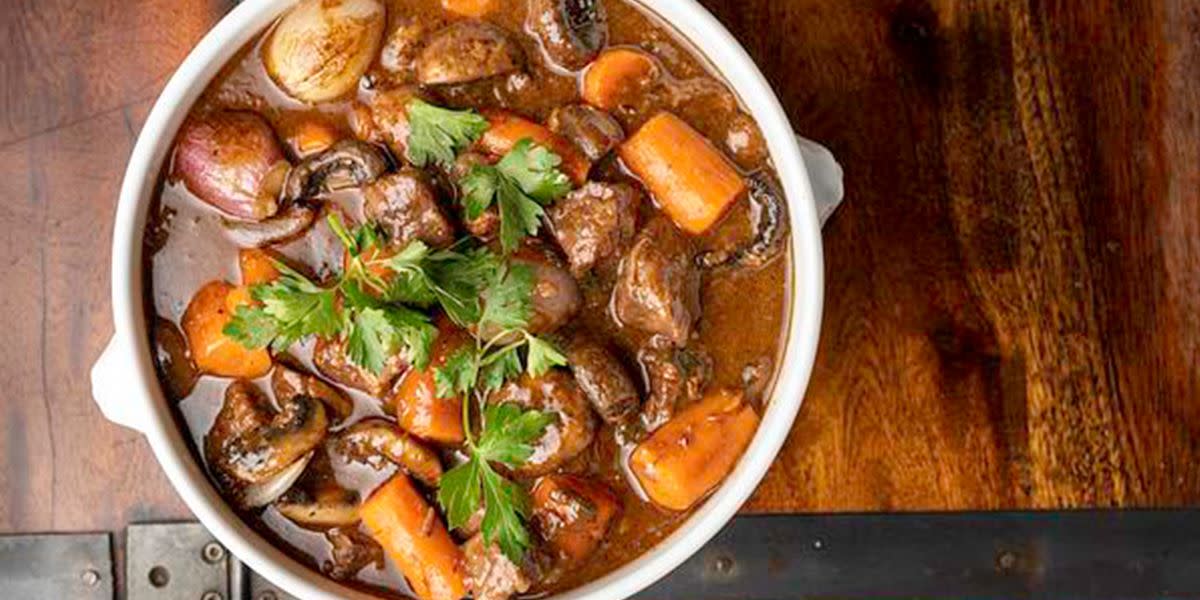
Boeuf bourguignon is a perfect example of how French cuisine transforms simple ingredients into something deeply flavorful through patience and precision. This iconic beef stew from Burgundy features chunks of beef slowly braised in red wine with pearl onions, mushrooms, and lardons.
The dish highlights several foundational techniques in French cooking—marinating for depth, browning to develop flavor, and slow braising to tenderize tougher cuts. Want a true taste of Burgundy without the hours in the kitchen? Chef Hugh Acheson brings it home with our Classic Beef Bourguignon, a traditional recipe served with glazed carrots, creamy mashed potatoes, and a hint of horseradish for balance and brightness.
2. Coq au vin
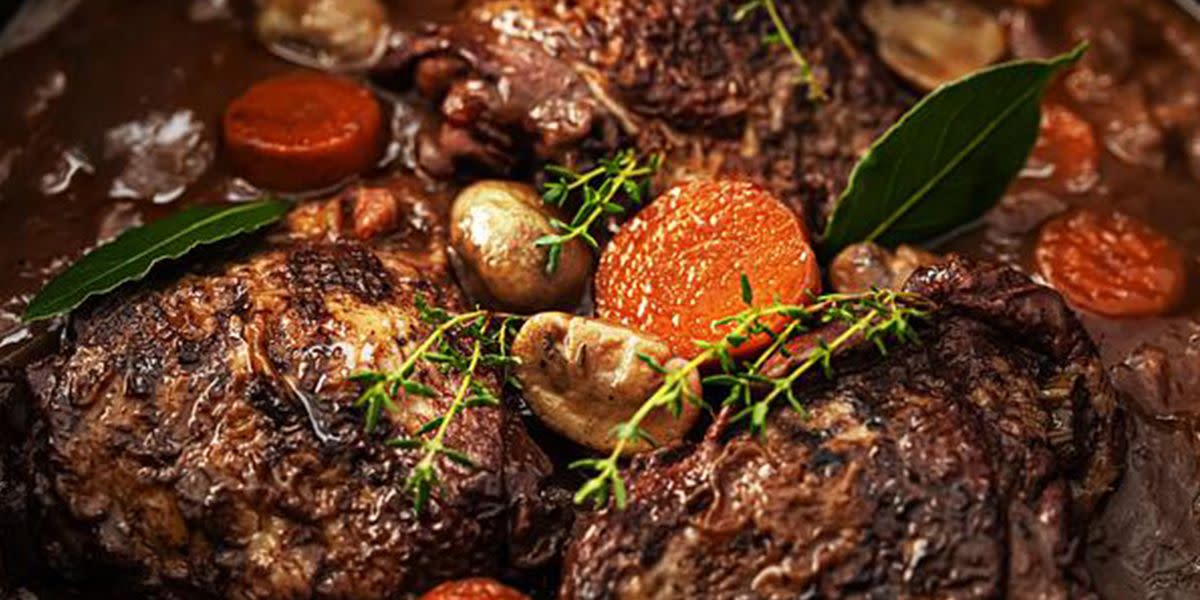
Coq au vin shares many of the same techniques as Boeuf Bourguignon but centers around chicken slowly braised in wine until meltingly tender. Traditionally made with rooster, the dish was originally developed to soften the texture of older, more flavorful birds through long, slow cooking.
Its classic preparation includes bacon, mushrooms, and pearl onions, all simmered together in a rich, wine-based sauce. This layered approach to flavor-building is a hallmark of French cooking. At CookUnity, Chef James Grody draws on similar inspiration with his Dijon Mustard Chicken Thighs. Featuring Dijon—a staple from Burgundy—his dish captures the balance and depth that define both coq au vin and French cuisine as a whole.
3. Quiche Lorraine
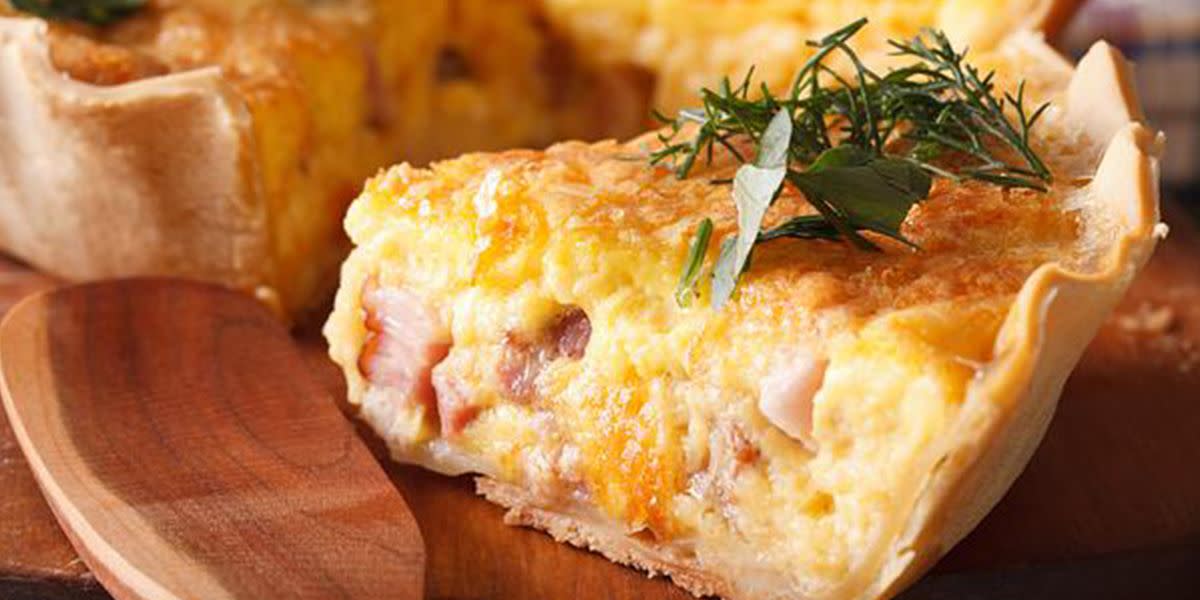
Quiche Lorraine comes from the eastern Lorraine region and showcases the French mastery of both pastry and custard techniques. This savory tart features a flaky, buttery crust filled with a silky blend of eggs, cream, and lardons.
Originally enjoyed as a breakfast dish in rural France, quiche has evolved into a versatile favorite around the world—equally at home on a brunch table, as a light lunch, or served as an elegant appetizer. Its adaptability is a perfect example of how traditional French food continues to evolve without losing its roots.
For a taste of France made easy, we offer fresh, chef-crafted French dishes and more, delivered right to your door.
4. Duck confit
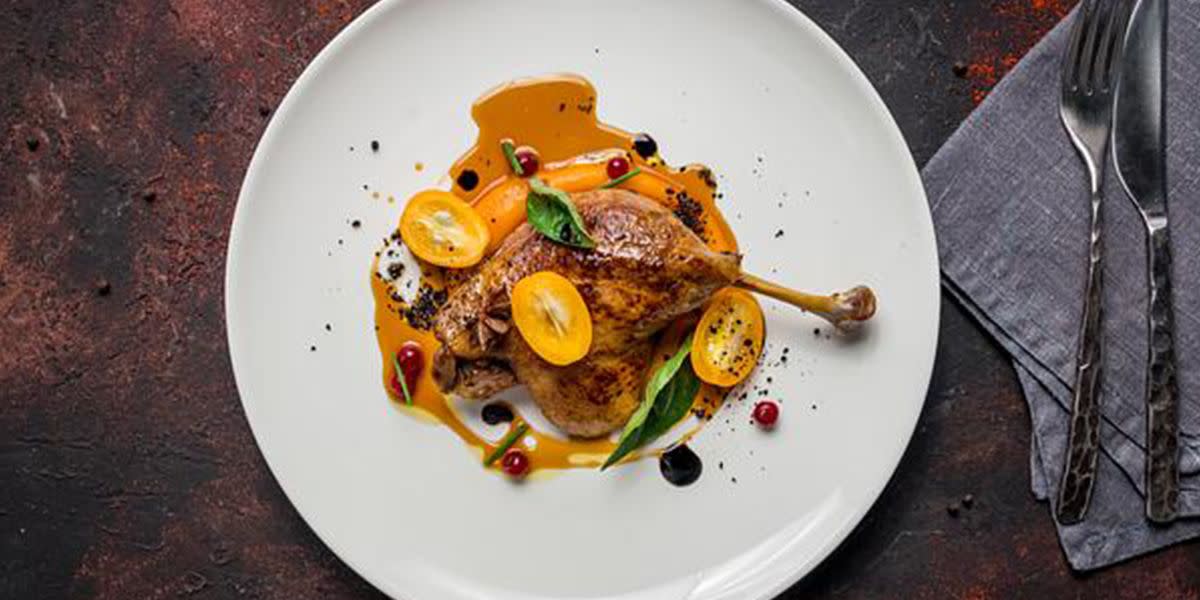
Duck confit is a brilliant example of French culinary ingenuity, turning preservation into an art form. Originating in Gascony in southwest France, this technique involves salt-curing duck legs and then slowly cooking them in their own fat until meltingly tender.
Once a practical method for preserving meat before refrigeration, confit is now celebrated for its deep, rich flavor and luxurious texture. At CookUnity, Chef Ludo Lefebvre channels these same traditions in dishes like his Classic Salad Niçoise, where carefully prepared components and bold French flavors come together in perfect balance.
5. Ratatouille
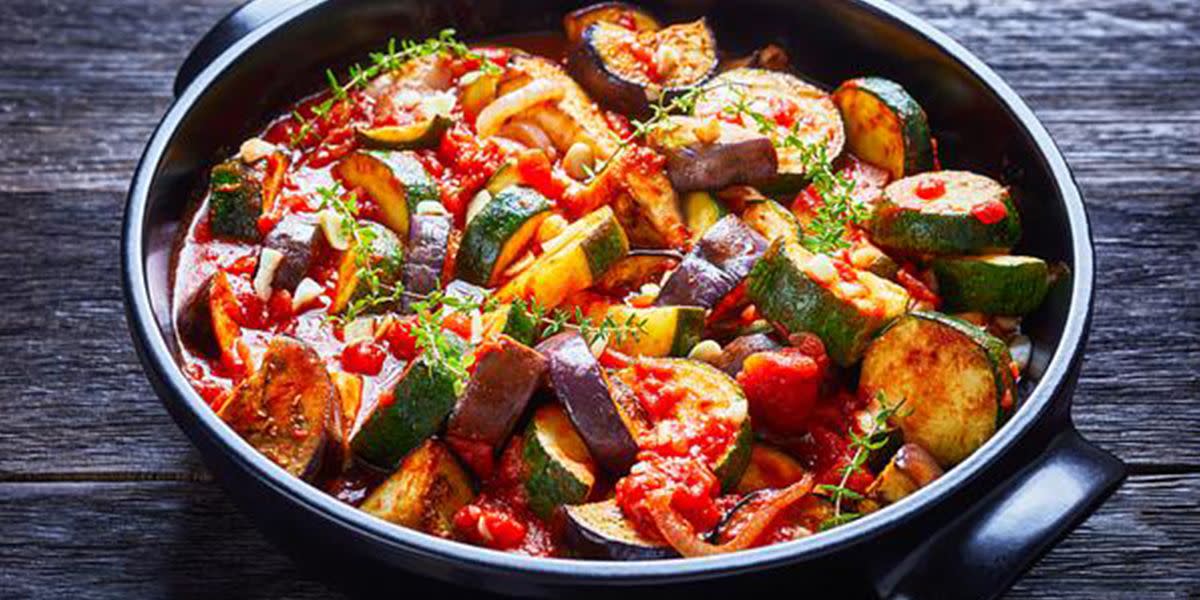
Ratatouille is a celebration of the vibrant, sun-ripened vegetables of Provence in southern France. This rustic vegetable stew brings together eggplant, zucchini, bell peppers, and tomatoes, slowly simmered with olive oil, garlic, and herbs de Provence.
The dish reflects French cuisine’s deep respect for regional ingredients and shows how thoughtful technique can turn simple produce into something extraordinary. Want ratatouille delivered to your door? Chef Ludo Lefebvre honors this tradition with our Pan-Seared Branzino with Ratatouille, pairing the classic Provençal medley with expertly cooked fish for a dish that feels both grounded and elevated.
6. French onion soup
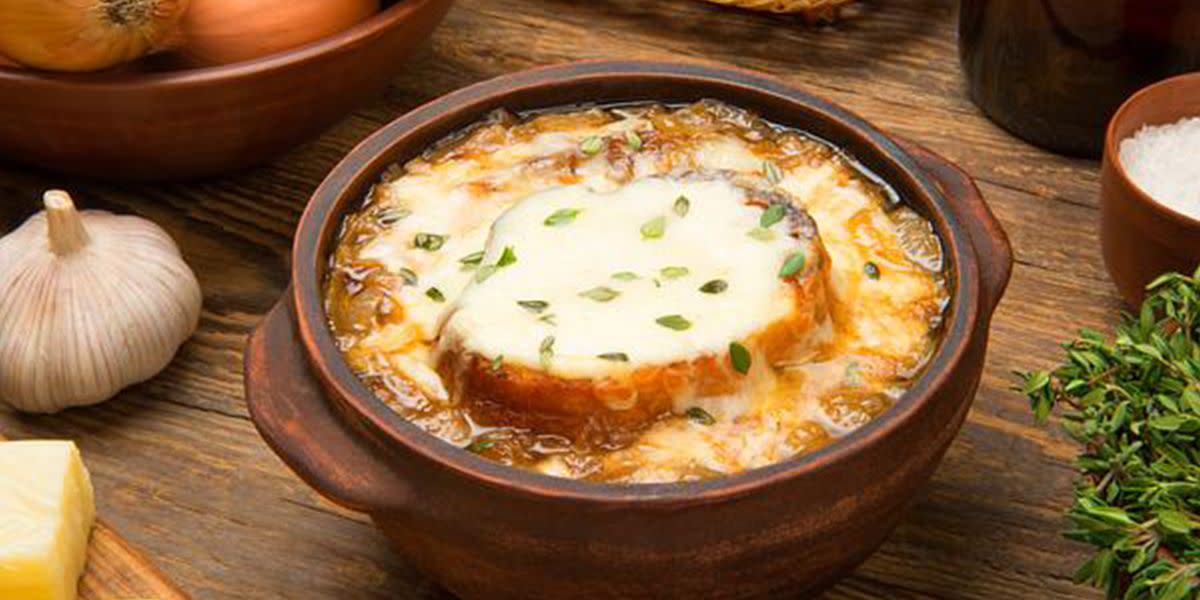
French onion soup shows how French cuisine elevates the humblest ingredients through technique and patience. Onions are slowly caramelized until deeply golden, then simmered in rich beef broth and topped with crusty bread and gratinéed Gruyère cheese.
The dish began as peasant food, proof that flavor doesn’t require extravagance—just time and care. Want French onion soup without spending hours at the stove? Chef James Grody captures the same slow-cooked depth in our Beef Bourguignon, pairing tender beef with rich, onion-forward flavor for a comforting classic that’s ready when you are.
7. Steak frites
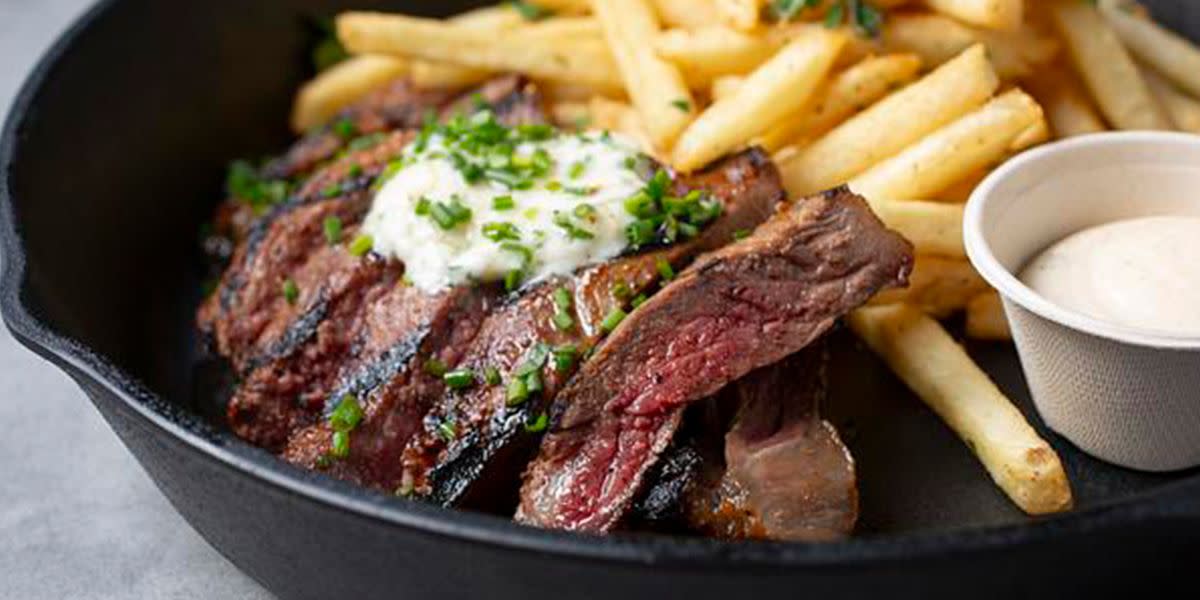
Steak frites is a classic expression of French culinary minimalism, where restraint and precision let the ingredients shine. A simply seasoned, expertly cooked steak is paired with golden, twice-fried potatoes, creating a dish that’s both comforting and refined.
It reflects the French philosophy of respecting the ingredient and mastering technique. The crisp frites and tender steak rely on nothing more than careful preparation, proving that simplicity, when done well, can be extraordinary.
8. Croque monsieur

Croque monsieur is a shining example of how French cuisine turns everyday ingredients into something indulgent and refined. This iconic sandwich layers ham and Gruyère between slices of bread, then tops it with silky béchamel and more cheese before being baked or pan-fried to golden, bubbling perfection.
It highlights several classic techniques in French cooking, from making béchamel—one of the five mother sauces—to balancing textures with a crisp exterior and creamy interior. Its playful cousin, the Croque Madame, adds a fried egg on top, proving that French food often blends precision with just the right amount of flair.
9. Cassoulet
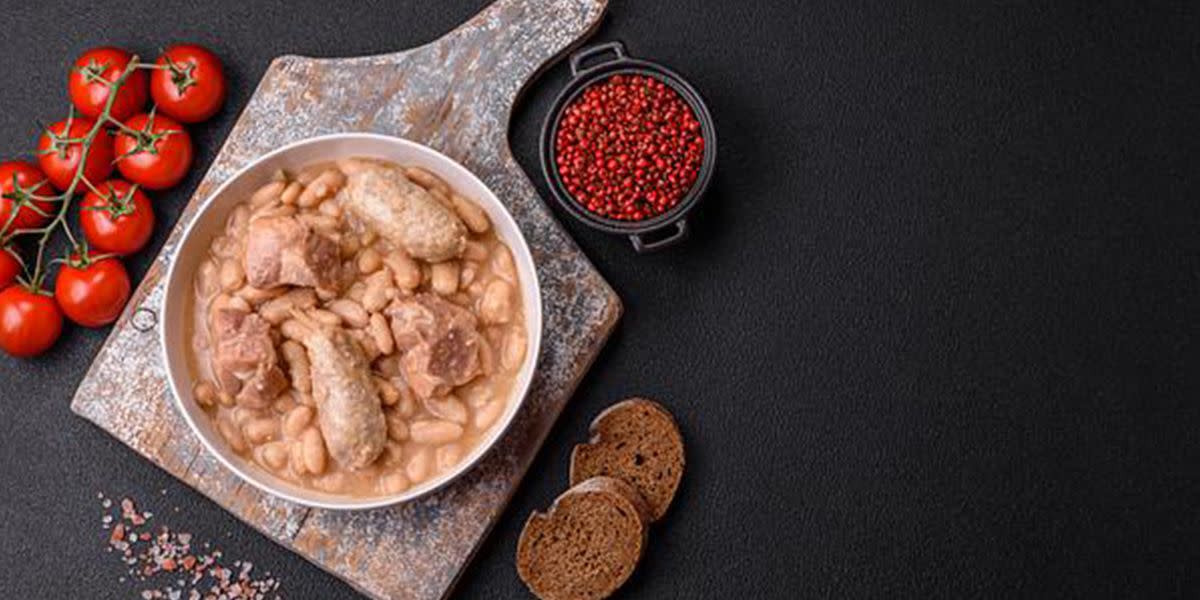
Cassoulet is a hallmark of French slow-cooking and regional tradition. Originating in Languedoc in southwest France, this hearty stew features white beans simmered low and slow with an array of meats—often including duck confit, pork shoulder, sausage, and sometimes lamb.
The dish reflects the French commitment to resourcefulness and depth of flavor, using preserved meats and humble ingredients to create something rich and deeply satisfying. Want cassoulet-inspired comfort without the all-day cook time? Chef Ludo Lefebvre brings that same rustic soul to our Parisian Chicken Kebab, combining classic flavors with modern simplicity.
10. Tarte tatin
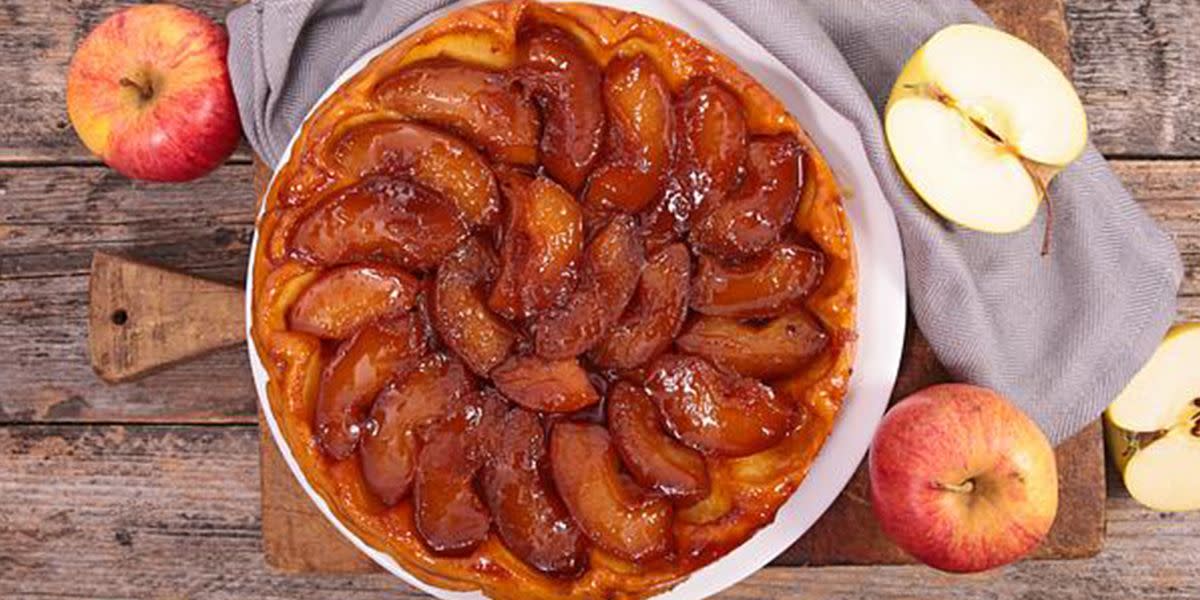
Tarte tatin is a testament to French culinary creativity and the beauty of happy accidents. This iconic dessert features caramelized apples baked beneath a buttery pastry crust, then flipped upside down before serving. Its origin is famously tied to a kitchen mishap at the Tatin sisters’ hotel, though the exact details remain part of French food folklore.
French cuisine is about storytelling through food. Tarte tatin captures that spirit perfectly, blending rustic charm with refined pastry skills. Its golden crust and deeply caramelized fruit have earned it a place on menus around the world, inspiring countless variations with pears, stone fruit, and beyond.
Essential ingredients in French cooking
French cuisine relies on a foundation of high-quality ingredients that form the basis of its distinctive flavors:
Ingredient | Role in French cuisine |
|---|---|
Butter | Foundation for sauces, pastries, and cooking medium |
Wine | Used for deglazing, braising, and sauces |
Fresh Herbs | Provides aromatic foundations (bouquet garni, fines herbes) |
Quality Cheese | Served as courses and incorporated into dishes |
Shallots & Garlic | Base flavors for countless preparations |
French cooking relies on a foundation of carefully selected ingredients that work together to build flavor, texture, and balance. These essentials come to life through time-honored techniques that create the depth and complexity French cuisine is known for.
Butter forms the base of many sauces and pastries, bringing richness and body. Wine adds acidity and unlocks flavor when used for deglazing, braising, or building sauces. Fresh herbs are applied with precision, often in classic combinations like fines herbes—a blend of parsley, chives, tarragon, and chervil—or in a bouquet garni, a bundle of thyme, bay leaf, and parsley used to infuse stocks and stews.
Cheese also plays a central role. Whether folded into dishes or served on its own between the main course and dessert, each variety is chosen to enhance and complement the overall meal experience.
Regional influences in France's culinary scene
French dishes vary dramatically by region, with each area's geography, climate, and cultural history shaping its unique culinary traditions. From rich, butter-laden recipes in the north to olive oil and herbs in the south, French cuisine is a tapestry of local specialties.
Northern France: Known for butter-based cooking, this region features apples, dairy, and seafood in many of its classic dishes.
Alsace: With strong German influences, Alsace is home to hearty dishes like choucroute garnie and tarte flambée.
Burgundy and Lyon: These regions are celebrated for wine-based dishes, braised meats, and some of the finest poultry in France.
Provence: Mediterranean flavors shine here with the use of olive oil, tomatoes, garlic, and herbs like thyme and rosemary.
Southwest France: Rustic and indulgent, this area is famous for duck, foie gras, cassoulet, and rich, slow-cooked preparations.
From north to south, these regional specialties continue to define how people experience and enjoy food in France, and inspire chefs around the world today.
Typical meal structure and dining culture
Food in France follows a structured approach that values balance, a natural progression of flavors, and the social ritual of dining. Meals are a moment to pause, connect, and enjoy.
Despite this cultural emphasis on produce, only 19.5 percent of the French population² meets the recommended daily intake of five servings of fruits and vegetables.
Breakfast (le petit déjeuner) is typically light and simple. It often consists of coffee or hot chocolate with bread, butter, and jam or a croissant. Unlike American breakfasts, it rarely includes eggs or meat.
Lunch (le déjeuner) was traditionally the main meal of the day, often including multiple courses and lasting up to two hours. While modern schedules have shortened lunch for many, the French still value sitting down for a proper meal whenever possible.
Dinner (le dîner) is served later than in many countries, usually starting around 8:00 p.m. Family dinners remain an important social tradition, encouraging conversation and connection over several courses.
The classic French meal follows this structure:
Apéritif: A pre-dinner drink, often served with small bites
Entrée: The starter course, not the main dish as in American English
Plat principal: The main course, featuring a protein, vegetable, and sometimes a starch
Fromage: A cheese course, typically served at room temperature to highlight its full flavor
Dessert: A light finish, often fruit, pastry, or a small sweet
Digestif: A post-meal drink such as cognac or eau de vie
This approach to eating reflects the French belief that food should be savored, never rushed.
Why these dishes still matter today
French cuisine continues to shape global cooking through its techniques, flavor principles, and ingredient-driven philosophy. Professional culinary education around the world is still rooted in the French tradition, with fundamentals like stock preparation, the five mother sauces, and precise knife skills forming the foundation of chef training.
The French approach to honoring ingredients and building flavor through method instead of heavy seasoning remains highly relevant. As more diners seek authentic food experiences and deeper connections to culinary heritage, classic French dishes offer a timeless window into centuries of refined, thoughtful cooking.
French cuisine is also remarkably adaptable. It continues to evolve alongside modern dietary preferences and global palates. Chef Ludo Lefebvre’s Trout Almondine is a perfect example of how classic French cooking can feel both traditional and contemporary—balancing richness with freshness and texture.
Frequently asked questions about French cuisine
Are these meals safe for those with severe dietary allergies, such as dairy, soy, and nuts?
While our meals are crafted without certain ingredients, they're prepared in kitchens where cross-contamination may occur. If your allergy is life-threatening, we recommend reviewing ingredient labels carefully before eating.
What makes French cuisine different from other European cooking styles?
French cuisine stands apart through its codified techniques, mother sauces, and regional diversity combined with an emphasis on precise methods rather than heavy seasoning. Unlike Italian cuisine's regional focus or Spanish cuisine's bold flavors, French cooking centers on technique-driven transformation of ingredients.
How can I adapt classic French dishes for dietary restrictions?
Classic French recipes can be modified using plant-based butters, gluten-free flours, and alternative proteins while maintaining traditional techniques and flavor profiles.
Where can I find authentic French ingredients in the United States?
Specialty food shops, farmers markets, and online retailers offer authentic French ingredients, while CookUnity delivers chef-crafted French meals directly to your door.
Sources:

Be the first to know about new offers
Multiorder discounts, free items and more.