Back
French sauces: Learn the 5 mother sauces, uses & techniques
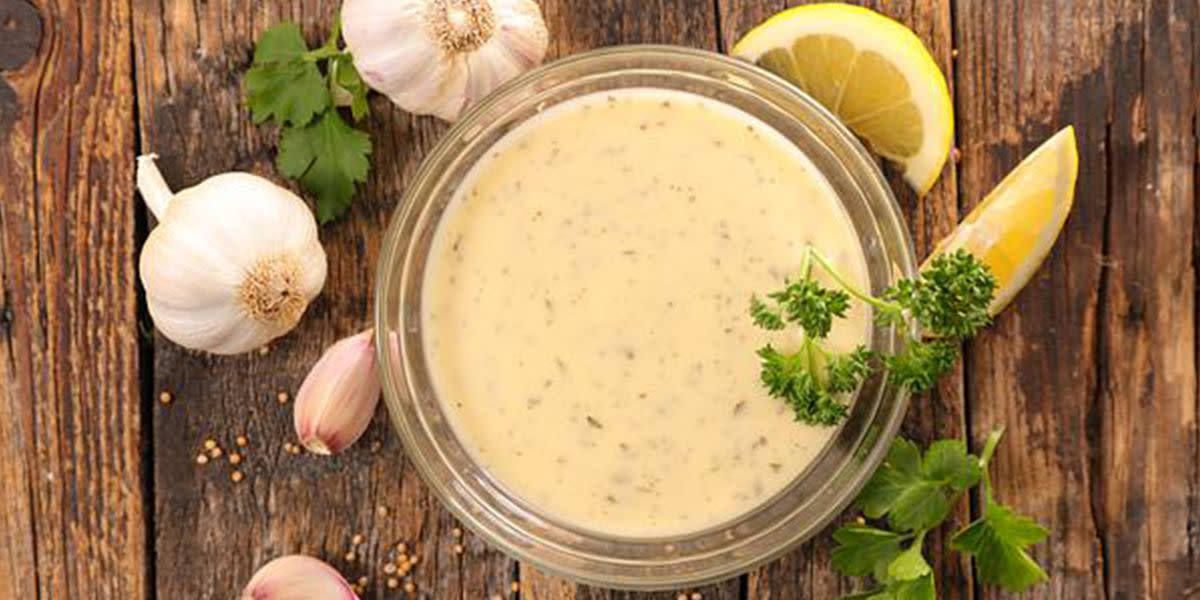
The heart of French cuisine lies not only in its iconic dishes but in the sauces that bring them to life. From silky béchamel to rich espagnole, these classic French sauces have shaped the way the world cooks and eats. Known as the five mother sauces, they provide the foundation for hundreds of variations, influencing everything from rustic home cooking to haute cuisine.
Mastering French sauces is about understanding the techniques that transform simple ingredients into extraordinary flavors. Whether you’re curious about the history of French cooking, eager to try your hand at traditional sauce-making, or simply looking to elevate weeknight meals, this guide explores the essential sauces every home cook should know.
Key takeaways:
The five French mother sauces (béchamel, velouté, espagnole, tomato, and hollandaise) form the foundation of classical French cooking and spawn hundreds of derivative sauces.
Each mother sauce uses a specific thickening method and base liquid, creating distinct flavors and textures that complement different dishes.
Master a few key techniques like proper roux-making, egg tempering, and flavor balancing to create perfect sauces every time.
French sauce-making skills transfer across cuisines, elevating your overall cooking abilities while adding depth and complexity to everyday meals.
What are French mother sauces?
The five French mother sauces form the backbone of classical cuisine, serving as the foundation for countless variations. Standardized by Chef Auguste Escoffier in the early 20th century, these sauces—béchamel, velouté, espagnole, tomato, and hollandaise—remain essential to both professional kitchens and home cooking.
Each mother sauce is built on a distinct base liquid and thickening method, giving it a unique flavor profile and texture. They’re called “mother sauces” because they give rise to dozens of derivatives, often referred to as “daughter sauces.” From creamy mornay to aromatic béarnaise, these offshoots showcase the versatility and influence of the original five.
Mother sauce | Base ingredients | Texture | Common uses |
|---|---|---|---|
Béchamel | Milk + white roux | Creamy, smooth | Gratins, soufflés, mac and cheese |
Velouté | White stock + blonde roux | Light, velvety | Poultry, fish dishes |
Espagnole | Brown stock + brown roux | Rich, deep | Stews, braises, red meat dishes |
Tomato | Tomatoes + aromatics | Bright, tangy | Pasta, pizza, Mediterranean dishes |
Hollandaise | Egg yolks + butter | Buttery, silky | Eggs Benedict, asparagus, fish |
The French mother sauces represent one of the most important culinary systems ever created. They not only shaped classical French cuisine but also influenced cooking techniques around the world, forming the backbone of professional culinary education to this day.
A brief history of French sauce classification
The classification of French sauces developed over centuries, evolving from practical cooking techniques into a formal culinary system. This organization gave structure to French cuisine, codifying techniques that elevated sauce-making from simple kitchen practice to a cornerstone of culinary art.
Marie-Antoine Carême's early classifications
Marie-Antoine Carême, often referred to as the 'King of Chefs and Chef of Kings,' played a significant role in shaping early French sauce classification during the 19th century. Working in the kitchens of European nobility, Carême identified four primary sauces¹: Espagnole (brown), Velouté (blond), Allemande (based on velouté), and Béchamel (white).
Marie-Antoine Carême's influential 1833 work, 'L'Art de la Cuisine Française,' reflected his groundbreaking approach to organizing and refining French culinary methods.
Auguste Escoffier's refinements
Auguste Escoffier built upon Carême's foundational work in the early 20th century, helping to shape the modern classification of the five mother sauces commonly taught in classical French cuisine today. In his cookbook 'Le Guide Culinaire' (1903), Auguste Escoffier presented a refined list of mother sauces that included Hollandaise and Tomato, while treating Allemande as a derivative of velouté.
Escoffier's streamlined approach established the culinary standards still taught in cooking schools worldwide.
Discover chef-made French classics delivered to your door. Explore our French meal delivery featuring dishes crafted by award-winning chefs who honor traditional techniques while adding their own creative touch.
The five mother sauces and their characteristics
Each of the five mother sauces has its own base, thickening method, and signature flavor profile. Together, they form the foundation of classical French cooking and teach essential techniques that apply far beyond French cuisine. Mastering these sauces builds the skills to create hundreds of variations and elevates everyday meals with depth and refinement.
Béchamel: the white sauce
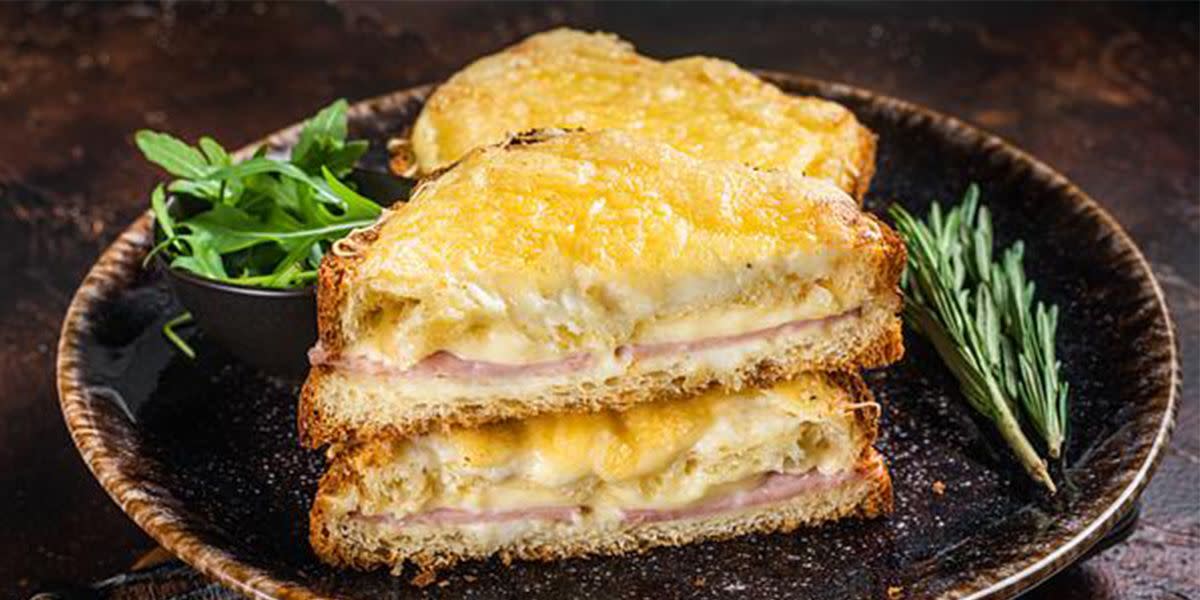
Béchamel, one of the most recognizable French sauces, actually traces its roots back to Tuscany before being refined in French kitchens. It begins with a white roux—equal parts butter and flour cooked just long enough to remove the raw flour taste without allowing color to develop. Warm milk is then whisked in gradually to create a smooth, creamy base.
Classic seasonings often include:
Bay leaf
A hint of grated nutmeg
An onion studded with cloves (optional)
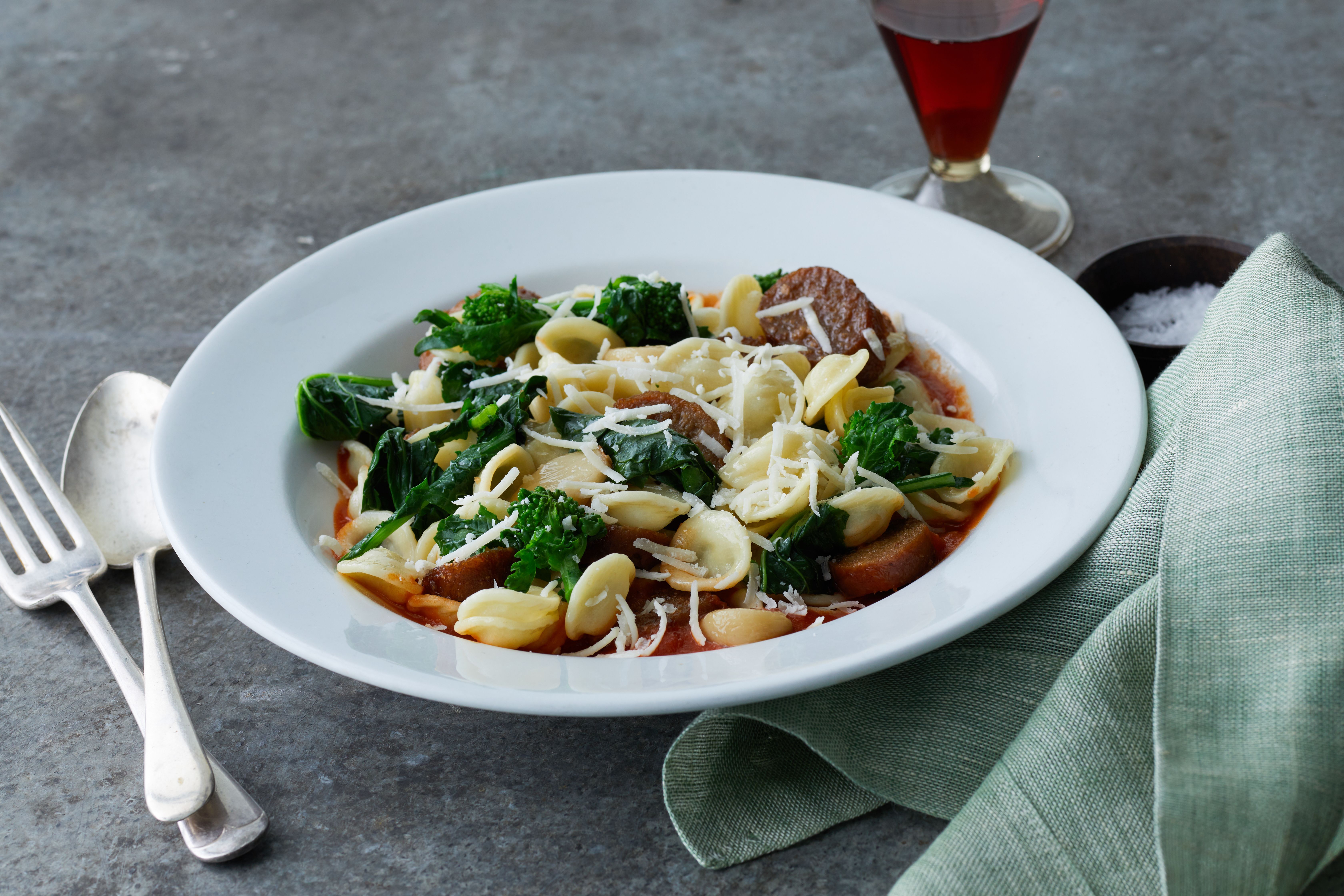
This silky sauce serves as the foundation for gratins, soufflés, and countless baked dishes. When enriched with cheese, it transforms into Mornay, the sauce behind beloved recipes like macaroni and cheese. Chef John DeLucie’s Classic Fettuccine Alfredo takes inspiration from this tradition, elevating béchamel with a luxurious blend of cheeses.
Velouté: the versatile stock-based sauce
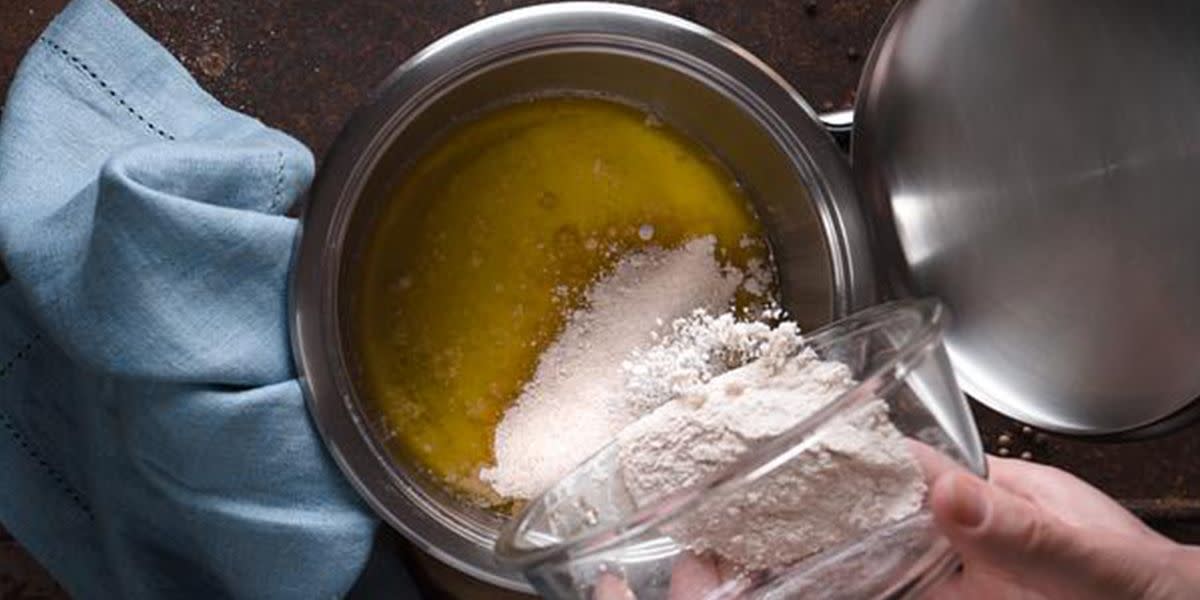
Velouté, meaning “velvety” in French, showcases how a simple base can adapt to countless dishes. It begins with a blonde roux—cooked slightly longer than the white roux for béchamel, but not enough to brown—before being whisked together with a light stock.
The type of stock determines its use:
Chicken velouté: the foundation for poultry dishes
Fish velouté: delicate enough for seafood preparations
Veal velouté: ideal for light meat dishes
From this elegant base spring some of French cuisine’s most refined sauces. Suprême adds cream for richness, allemande blends in egg yolks and lemon for brightness, and poulette introduces mushrooms, parsley, and lemon for an earthy, aromatic finish.
Espagnole: the brown sauce
Espagnole, or brown sauce, is the deepest and most complex of the mother sauces. It begins with a brown roux, cooked until nutty and dark, then built up with brown stock—usually veal or beef—along with mirepoix (onions, carrots, and celery) and tomato purée. The result is a sauce layered with richness and depth.
Because of its intensity, Espagnole is rarely served on its own. Instead, it serves as the foundation for demi-glace and other luxurious sauces that pair beautifully with red meats and hearty braises. The slow cooking process allows the Maillard reaction to work its magic, developing robust umami notes that elevate even the simplest cuts of meat.
For a restaurant-worthy French dining experience without hours in the kitchen, explore our French meal delivery featuring chef-crafted classics.
Tomato: the red sauce
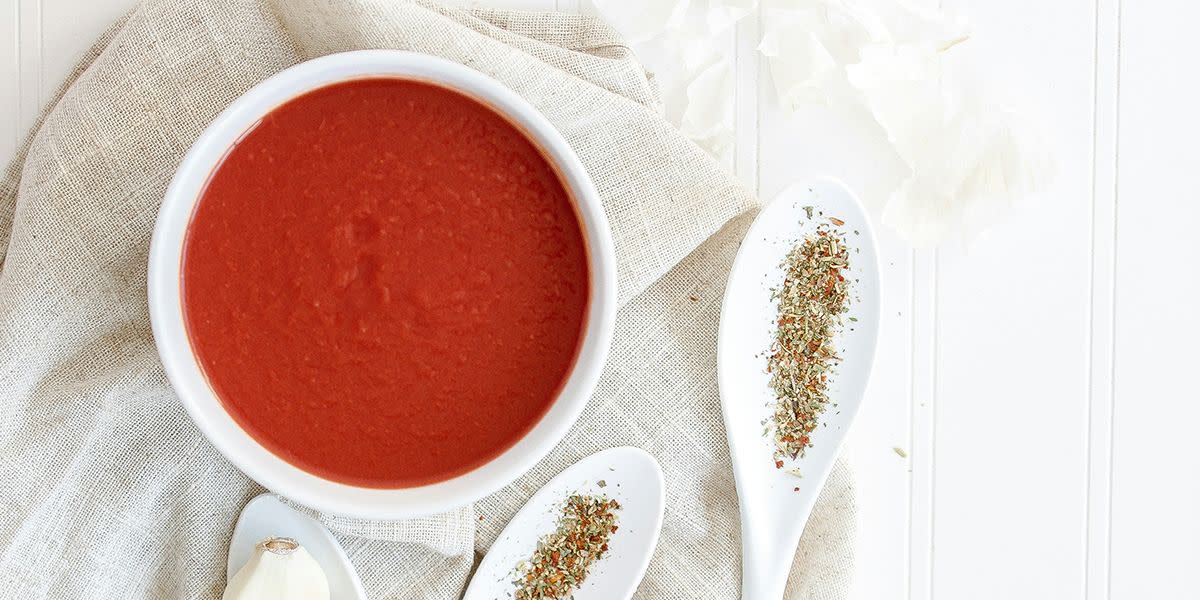
Tomato sauce is the simplest of the French mother sauces, yet one of the most versatile. It begins with sautéed aromatics like onions, carrots, and garlic, then builds depth from fresh or canned tomatoes, often enriched with stock or broth. The result is a sauce that balances brightness with savory complexity.
While most closely associated with Italian and Mediterranean cooking, tomato sauce has long held a place in French cuisine as well. It serves as both a base and a complement, lending acidity and freshness to a wide variety of preparations.
For a taste of how this classic foundation crosses borders while staying true to its roots, Chef Silvia Arevalo’s Classic Spaghetti Napoli highlights a tomato-based sauce that captures both French technique and Italian tradition.
Hollandaise: the emulsified butter sauce
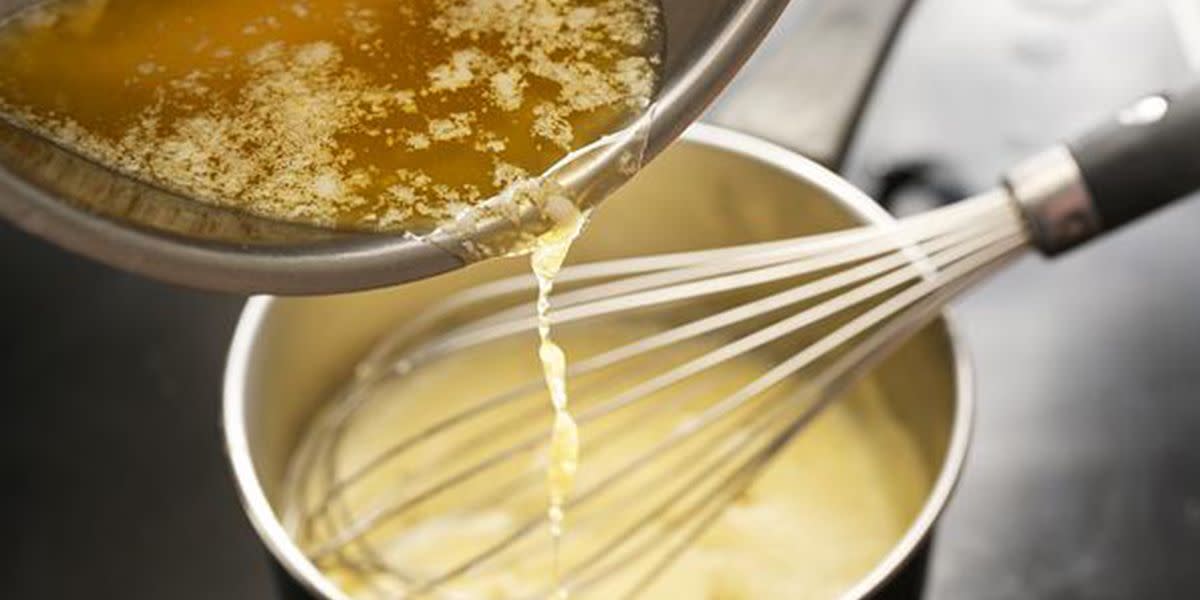
Hollandaise stands apart from the other French mother sauces because it relies on an emulsion rather than a roux for its signature texture. Egg yolks are gently heated while whisking, then warm melted butter is slowly incorporated to form a smooth, silky sauce.
Its delicate balance requires precise temperature control — too much heat and the eggs scramble, too little and the emulsion fails to hold. Traditionally finished with lemon juice, hollandaise delivers a buttery richness lifted by a bright, tangy note, making it a classic accompaniment to vegetables, eggs, and fish.
For a modern interpretation that draws inspiration from this classic, Chef Lena Elkousy’s Grilled Asparagus with Lemon Shallot Sauce captures the essence of hollandaise while adding a fresh, contemporary twist.
Key techniques for making classic French sauces
Mastering a few fundamental techniques opens the door to creating perfect French sauces. These skills transfer to many other cooking applications beyond sauce-making.
Building a proper roux for thickening
A roux forms the foundation of three mother sauces: béchamel, velouté, and espagnole. This mixture of equal parts fat (usually butter) and flour is cooked to varying degrees:
White roux: Gently cooked just long enough to eliminate the raw flour taste while maintaining a pale color, making it ideal for béchamel sauce.
Blonde roux: Cooked until it develops a light golden color, typically used as the base for velouté sauce.
Brown roux: Cooked until it develops a deep brown color and nutty aroma, typically used as the base for espagnole sauce.
The key to a lump-free sauce is adding liquid gradually while whisking constantly. Begin with just a small amount of warm liquid, creating a paste before slowly incorporating the remaining liquid.
Chef tip: When making a roux, use a heavy-bottomed pan that distributes heat evenly to prevent hot spots that could burn the mixture.
Tempering eggs for emulsified sauces
Tempering is essential for egg-based sauces like hollandaise to prevent scrambling. This technique gradually acclimates the eggs to higher temperatures by slowly adding small amounts of hot liquid while whisking constantly.
For hollandaise:
Whisk egg yolks with a small amount of cold water or lemon juice
Heat gently over a double boiler, whisking constantly until thickened
Remove from heat periodically if the mixture gets too hot
Once properly thickened, slowly drizzle in warm melted butter while continuing to whisk
Balancing flavors with acidity and seasoning
The hallmark of a great French sauce is perfect balance. Acidity from wine, vinegar, or citrus cuts through richness and brightens flavors.
Season gradually throughout the cooking process rather than all at once at the end. This builds layers of flavor and allows you to adjust as the sauce reduces and concentrates.
Classic herb and spice combinations:
Béchamel: Bay leaf and nutmeg
Velouté and Espagnole: Thyme and peppercorns
Tomato sauce: Basil and oregano
Hollandaise: Cayenne or white pepper
Popular derivatives and small sauces
The beauty of the mother sauce system lies in its expandability. By adding different ingredients to these five foundations, French cuisine has developed hundreds of derivative sauces.
Béarnaise: hollandaise’s aromatic cousin
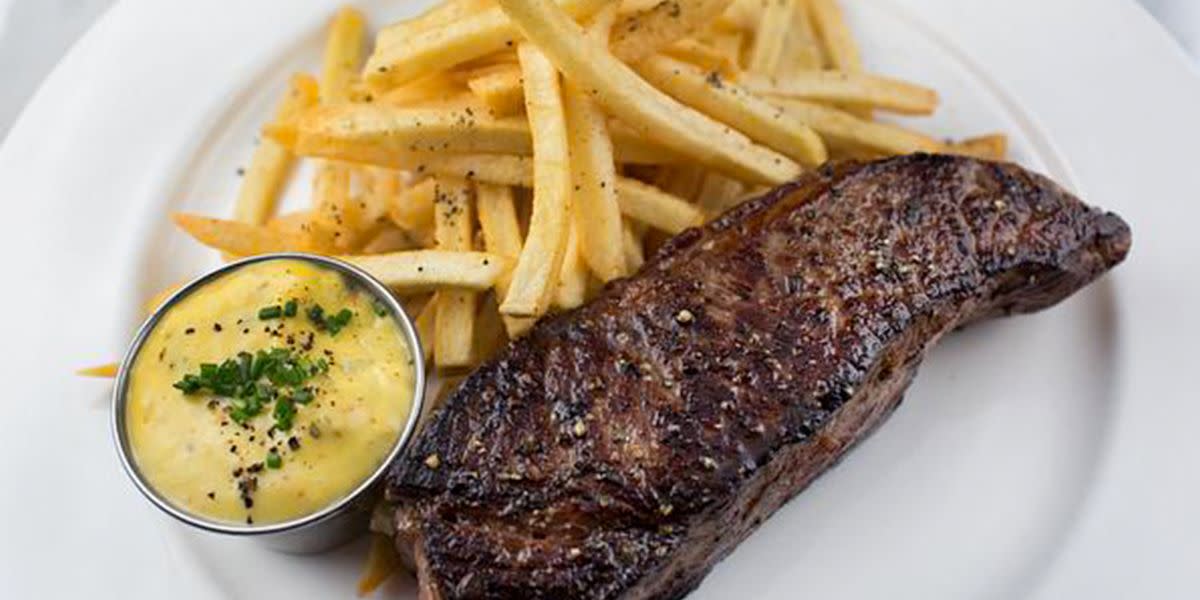
Béarnaise builds directly on the technique of hollandaise, but swaps citrus for an aromatic reduction of white wine vinegar, shallots, tarragon, and peppercorns. The result is a sauce that layers herbal complexity over buttery richness.
Traditionally paired with steak, béarnaise enhances the meat’s savory depth while adding a bright, tangy lift. Its balance of richness and acidity makes it one of the most enduring and beloved French steak sauces.
Mornay: béchamel with cheese
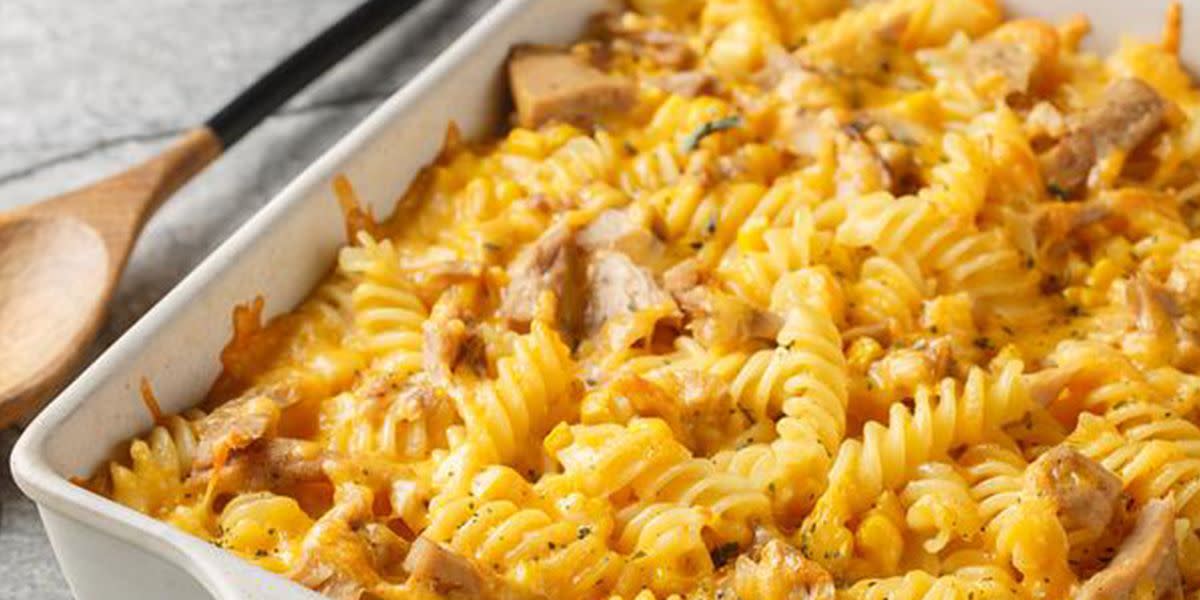
Mornay takes the simple elegance of béchamel and transforms it into a decadent cheese sauce by whisking in Gruyère and Parmesan once the base is perfectly thickened. The result is a velvety sauce that clings beautifully to pasta, vegetables, and gratins.
While the classic combination calls for Gruyère and Parmesan, variations often feature different cheeses, making Mornay one of the most adaptable French sauces.
For a comforting example of this sauce in action, Chef Tracey Bloom's Creamy 4-Cheese Baked Rigatoni showcases a delicious Mornay application. While traditional Mornay uses Gruyère and Parmesan, variations can incorporate different cheese combinations.
Bordelaise: the wine-enriched sauce
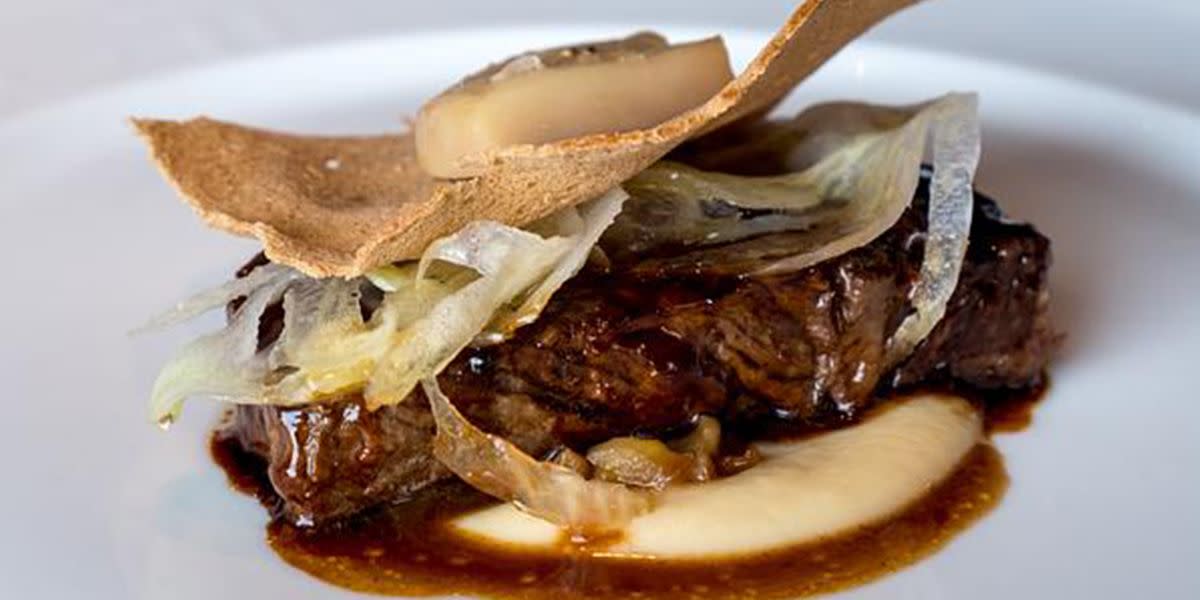
Bordelaise showcases the French mastery of balancing richness with acidity. It begins with a reduction of dry red wine—traditionally from Bordeaux—shallots, and herbs. This concentrated base is then combined with demi-glace (a refined Espagnole sauce) and often finished with bone marrow for luxurious depth.
The result is a deeply flavored sauce that perfectly complements premium cuts of beef like filet mignon or ribeye, cutting through their richness while enhancing their savoriness.
Chasseur: the hunter's sauce
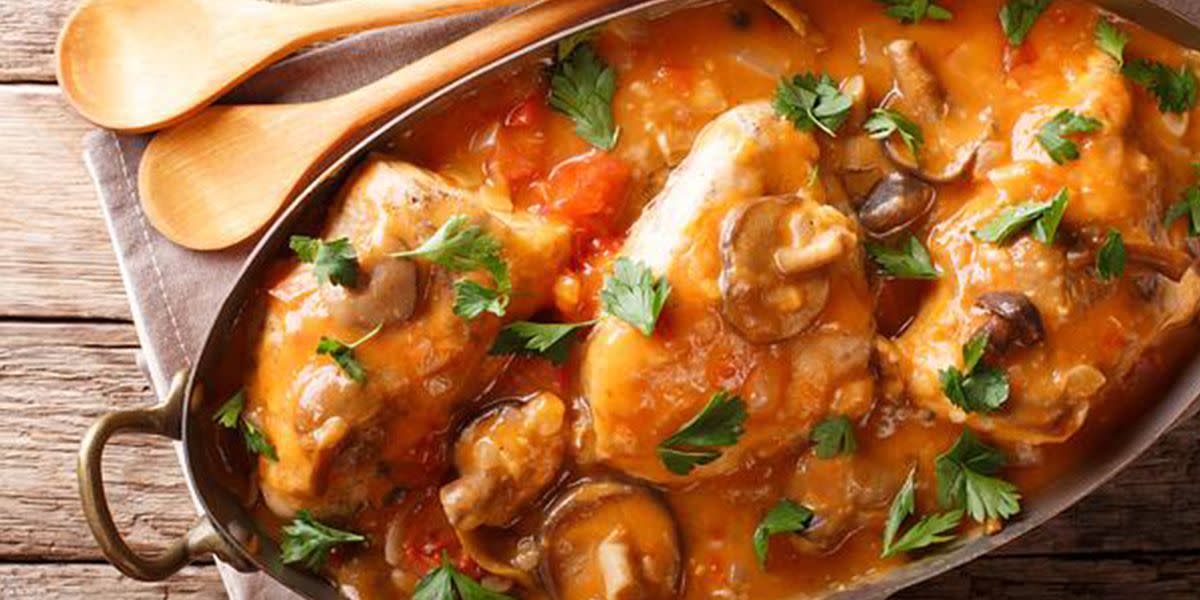
Chasseur, or “hunter’s sauce,” is a rustic French classic that highlights earthy, foraged flavors. Mushrooms and shallots are sautéed until golden, then deglazed with white wine and brandy to create a savory, aromatic base. The result is a hearty sauce that enhances game birds, chicken, and veal with layers of depth and richness.
Chef Dustin Taylor’s Classic Duck Confit demonstrates how sauces like chasseur can elevate poultry and game, adding a robust complement to tender, slow-cooked meats.
Solving common sauce problems
Even experienced chefs encounter sauce challenges. Understanding the science behind common issues and knowing how to fix them can save a sauce from disaster.
Fixing a broken emulsion
Emulsified sauces like hollandaise can "break" when the fat separates from the water components. This typically happens when the sauce gets too hot or the fat is added too quickly.
To rescue a broken sauce:
Add a tablespoon of cold water to a clean bowl
Whisk in a small amount of the broken sauce until smooth
Gradually whisk in the remaining broken sauce, a little at a time
If needed, gently warm the recombined sauce over low heat
Salvaging a lumpy sauce
Lumps in roux-based sauces like béchamel and velouté usually occur when the liquid is added too quickly or the roux isn't whisked sufficiently.
To fix a lumpy sauce:
Whisk vigorously to break up small lumps
For stubborn lumps, blend with an immersion blender until smooth
As a last resort, strain the sauce through a fine-mesh sieve
Adjusting thickness and consistency
A sauce that's too thick or thin can be easily adjusted:
For too-thick sauces: Add small amounts of the appropriate liquid (milk for béchamel, stock for velouté or espagnole)
For too-thin sauces: Continue simmering to reduce and concentrate, or use a beurre manié (equal parts soft butter and flour kneaded together)
The ideal consistency for most sauces is "nappe" – thick enough to coat the back of a spoon and hold a line when you draw your finger through it.
Bringing French flavors to your table
French sauces may sound intimidating at first, but they rely on simple, repeatable techniques that become easier with practice. Mastering just one mother sauce opens the door to countless culinary possibilities.
Start small by working one into your weekly cooking routine. A silky béchamel can elevate a simple mac and cheese, while a bright tomato sauce transforms pasta night or doubles as a braising liquid for proteins. Over time, these foundational skills—roux-making, emulsifying, balancing flavors—become second nature and enrich your overall cooking, no matter the cuisine.
And when life doesn’t leave time for sauce-making, you can still savor the elegance of French cuisine. Our top chefs craft restaurant-quality meals inspired by these very techniques, delivered fresh to your door. It’s an effortless way to bring the sophistication of French cooking to your table, no whisk required.
Looking for more culinary techniques from master chefs? Discover the expertise behind our meals in Famous Chefs at CookUnity: Masters of Culinary Craft.
Frequently asked questions about French sauces
Are these meals safe for those with severe dietary allergies, such as dairy, soy, and nuts?
While our meals are crafted without certain ingredients, they're prepared in kitchens where cross-contamination may occur. If your allergy is life-threatening, we recommend reviewing ingredient labels carefully before eating.
What is the king of all French sauces?
Espagnole (brown sauce) is often considered the "king" of French sauces due to its rich complexity and role as the foundation for demi-glace and numerous other sophisticated derivatives.
Which French mother sauce is easiest for beginners to master?
Tomato sauce is generally the most approachable for beginners, requiring fewer technical skills while still teaching fundamental sauce-making principles like flavor development and reduction.
Can I make French mother sauces ahead of time and store them?
Many of the mother sauces can be prepared in advance and stored in the refrigerator, but hollandaise is typically best when made fresh due to its delicate texture and sensitivity to reheating.
What essential tools do I need for making French sauces at home?
A good whisk, heavy-bottomed saucepan, fine-mesh strainer, and instant-read thermometer are the most important tools for successful sauce-making.
How can I reduce calories in classic French sauces while maintaining flavor?
You can create lighter versions by using low-fat milk in béchamel, reducing butter in hollandaise, or using vegetable stock instead of meat stock in velouté.
Sources:

Be the first to know about new offers
Multiorder discounts, free items and more.