Back
Low-Carb Diet Guide: Pros, Cons, & Expert Tips for Success
Reviewed by Culinary Nutritionist | Kristy Del Coro, MS, RDN, LDN
What Is a Low-Carb Diet?
Any food we eat is a combination of three macronutrients: protein, fat, and carbohydrates. A low-carb diet aims to reduce the percentage of carbohydrates eaten in a day and replace them with higher percentages of protein and fat.
There are numerous types of low-carb diets that all take slightly different approaches to tweaking the percentages of carbs, fats, and proteins eaten in a day. None of these diets completely eliminate carbs but instead, greatly reduce the amount and type of carbs eaten. They focus on complex, natural sources of carbs such as whole grains while eliminating the refined carbs found in sugary foods.
Types of Low-Carb Diets Not all low-carb diets are created equal, and there are numerous ways to follow a diet that reduces or nearly eliminates carbohydrates.
Atkins Diet
The Atkins diet is one of the earliest examples of a modern low-carb diet. Founded by cardiologist Robert C. Atkins in the 1960s, the Atkins diet is divided into phases where carbs are initially reduced before being gradually reintroduced as participants lose weight¹.
During the first phase of Atkins, called the induction phase, participants are expected to keep their carb intake to fewer than 20 grams of carbohydrates per day. To achieve this, it’s necessary to cut out nearly all foods containing carbs, such as bread, pasta, alcohol, and even most fruits.
As participants begin losing weight, they progress through the next phases of the diet, which slowly reintroduce carbohydrates. The Atkins diet focuses on protein and fat intake but provides flexibility with carbohydrate intake once participants reach the later phases of the diet.
Ketogenic Diet
The ketogenic, or keto, diet is a stricter low-carb diet than Atkins. Ketogenic diets have actually been around since the 1920s, although for most of that time, they had a different health goal than treatment for obesity. The keto diet was originally developed as a treatment for drug-resistant epilepsy in children and is sometimes still prescribed today as a treatment for seizures if other treatment options are unavailable².
Unlike the Atkins diet, which slowly reintroduces carbohydrates as weight loss is achieved, the keto diet maintains a strict carb restriction. With such low carb intake, the body is forced to switch from using carbohydrates as an energy source to using ketones, which are created as the body breaks down fat.
This state of ketosis is only possible when maintaining very low carbohydrate intake and a high fat intake, as the body prefers relying on glucose stores for energy and will switch back to using carbs as soon as they’re available. A keto diet, with a carb allowance of less than 50 grams per day and an exceptionally high fat intake with 70-75% of calories coming from fat, is even more restrictive than a traditional low carb diet, which allows for low-fat foods and a higher daily carb intake.
Learn everything you need to know about the Keto Diet, and more, in our Keto Diet Guide for Beginners.
Low-Carb Mediterranean Diet
The Mediterranean diet, based on traditional diets in countries bordering the Mediterranean Sea, focuses on foods like olive oil, fish, fruits, vegetables, and whole grains while limiting dairy products, red meat, refined carbs, and added sugars³.
A low-carb Mediterranean diet places a higher emphasis on low-carb vegetables and protein sources like lean meats and fish. The Mediterranean diet’s focus on whole foods, less restrictive carb limits, and benefits for heart health make it a great alternative for people who are looking to reduce their carb intake but don’t want the rigid phases of Atkins or strict carb limitations of keto.
Core Principles of Low-Carb Eating
Low-carb eating focuses on reducing the overall number of carbohydrates consumed. Although some low-carb diets focus on replacing carbs with more protein while others increase fat intake, all of them recommend eating mostly foods that are naturally low in carbs but still make for a satisfying meal.
Foods to Eat on a Low-Carb Diet
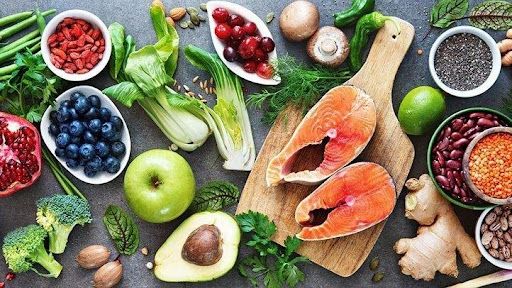
Low-carb staples include foods that are naturally low in carbohydrates, such as many vegetables, meats, fish, and healthy fats. Whole, minimally processed low-carb foods are the healthiest choice, but low-carb alternatives to high-carb treats can also find a place in a low-carb meal plan⁴.
Low-Carb Vegetables
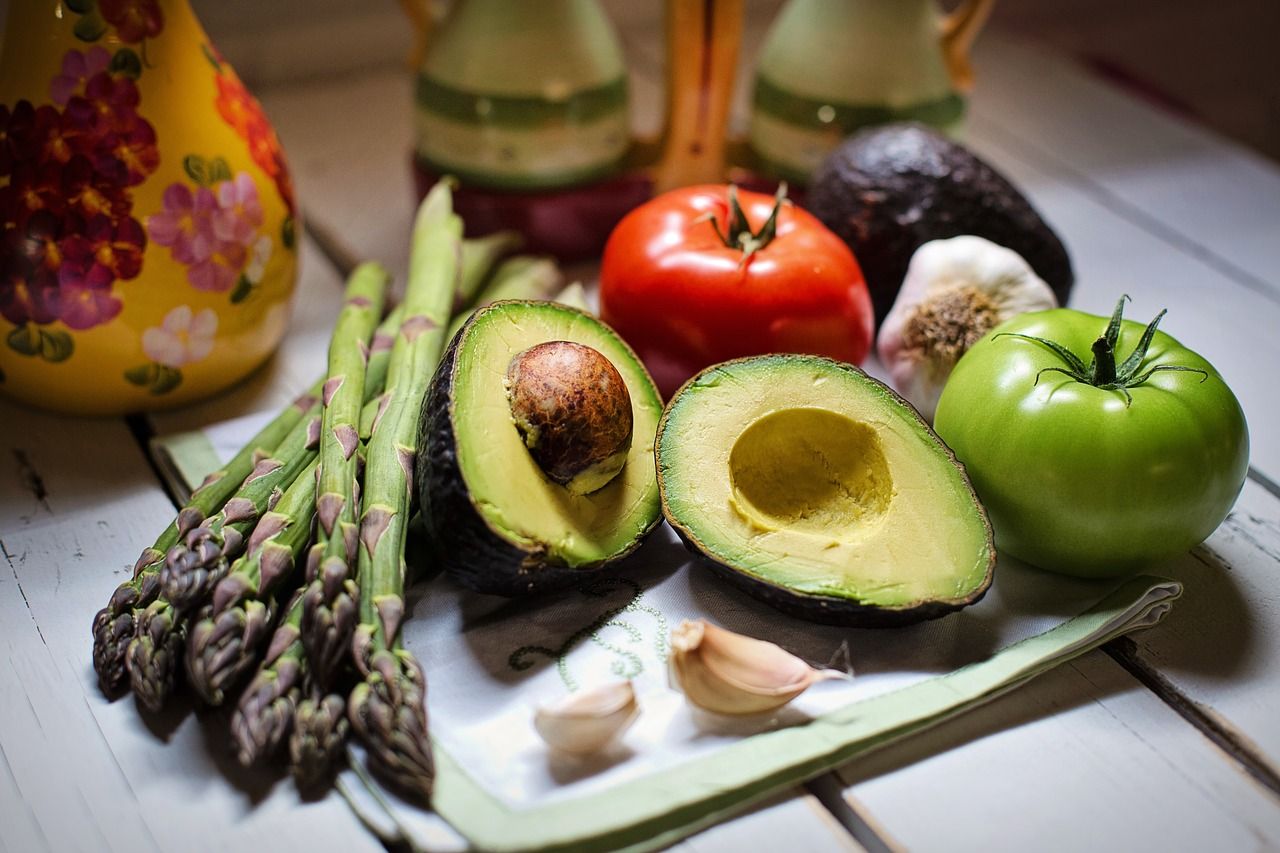
Many vegetables are low in carbohydrates and are a crucial addition to healthy, satisfying low-carb diets. Vegetables that contain fewer than 5 grams of carbohydrates per serving include:
Lettuce
Spinach
Olives
Mushrooms
Avocados
Cabbage
Asparagus
Cucumbers
Eggplant
Broccoli, peppers, kale, onions, and carrots are higher in carbohydrates but can also be sparingly added to a low-carb meal plan.
Although most vegetables are low in carbohydrates, starchy vegetables like potatoes and corn are high in carbs and are typically eliminated or consumed in small quantities while on a low-carb diet.
Low-Carb Fruits
Fruits are excellent sources of vitamins and great contributors to fiber intake but contain high amounts of naturally occurring sugars. Due to their sugar content, fruits are often eliminated from low-carb diets but they don’t have to be.
Berries, such as strawberries, raspberries, and blackberries, have lower sugar content than sugary fruits like apples and mangoes and can be included in a low-carb diet.
Low-Carb Breads
Bread tends to have a high carbohydrate content and is typically eliminated or drastically reduced while on a low-carb diet. It’s possible to include small amounts of bread in less restrictive diets, like a low-carb Mediterranean diet or later phases of the Atkins diet.
One slice of bread can pack 10-20 grams of carbohydrates so if you eat a sandwich with two slices, that can be almost your entire carbohydrate allotment for the day. Because of this high carb content, it’s typically easier to use low-carb bread alternatives instead of attempting to fit bread into the daily carb allowances of strict low-carb diets. Certain low carb diets, such as keto, may also calculate net carbs which are calculated by subtracting fiber from the total amount of carbohydrates. Choosing a high fiber bread (>5g per slice) will make it easier to still include bread in your low carb diet.
Low-Carb Breakfast Options
Breakfast cereals are usually packed with added sugars that can easily overrun the daily carbohydrate allowance on low-carb diets. High-fat or high-protein breakfast alternatives include:
Bacon and other breakfast meats
Scrambled eggs
Omelets filled with meats or low-carb veggies
Low-Carb Pastas
Pasta can be challenging to fit into a low-carb diet but it is not impossible! A one-cup serving of cooked pasta typically contains over 40 grams of carbs, which can be close to the daily max or even above the limit of some low carb diets. However there are a lot of excellent high protein, lower carb pastas on the market now to provide more options.
Vegetable substitutions, like zucchini noodles or spaghetti squash, can be a healthy alternative option to pasta, or something you can mix in with your pasta to help cut carbs.
Low-Carb Desserts
Low-carb diets typically eliminate added sugars, which typically excludes desserts like cake, cookies, and candy from the menu unless they are made with alternative sweeteners such as stevia or monk fruit extract. Ice cream, which typically has 10-20 grams of carbs per serving, can be occasionally incorporated into less restrictive low-carb diets.
Low-carb fruits like raspberries, small amounts of dark chocolate, and dessert recipes tweaked to reduce the number of carbs can be supplemented for dieters with a sweet tooth.
High-Protein and Low-Carb Foods
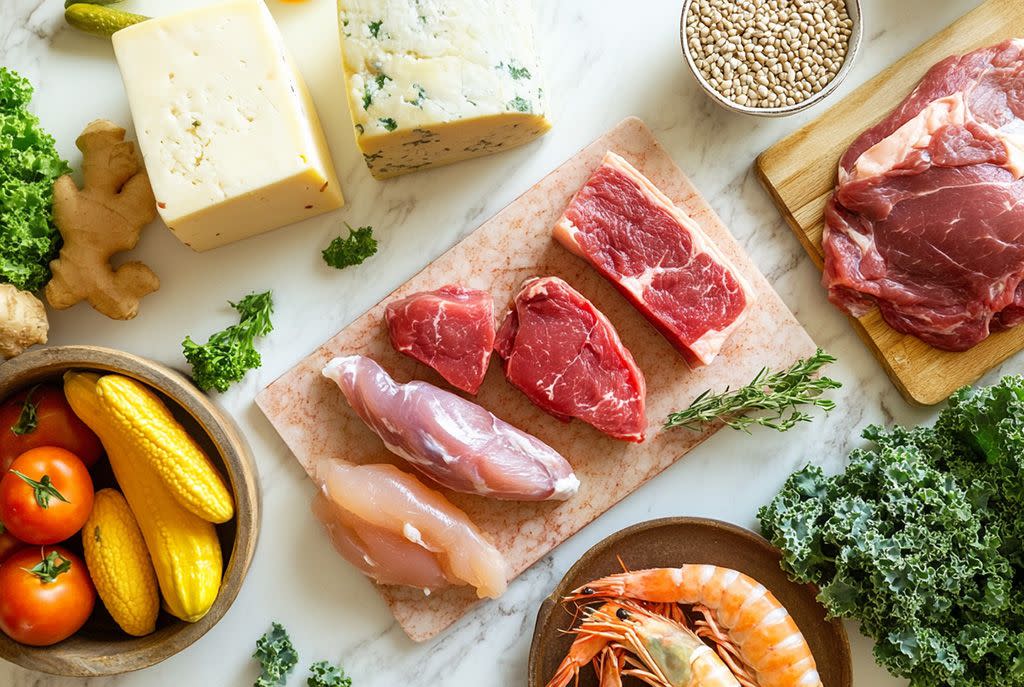
Many sources of protein are low in carbohydrates and can increase satiety while following a low-carb diet. High-protein foods that are low in carbs include:
Meat, such as chicken, beef, and pork
Eggs
Fish
Unsweetened dairy products, such as cheese and yogurt
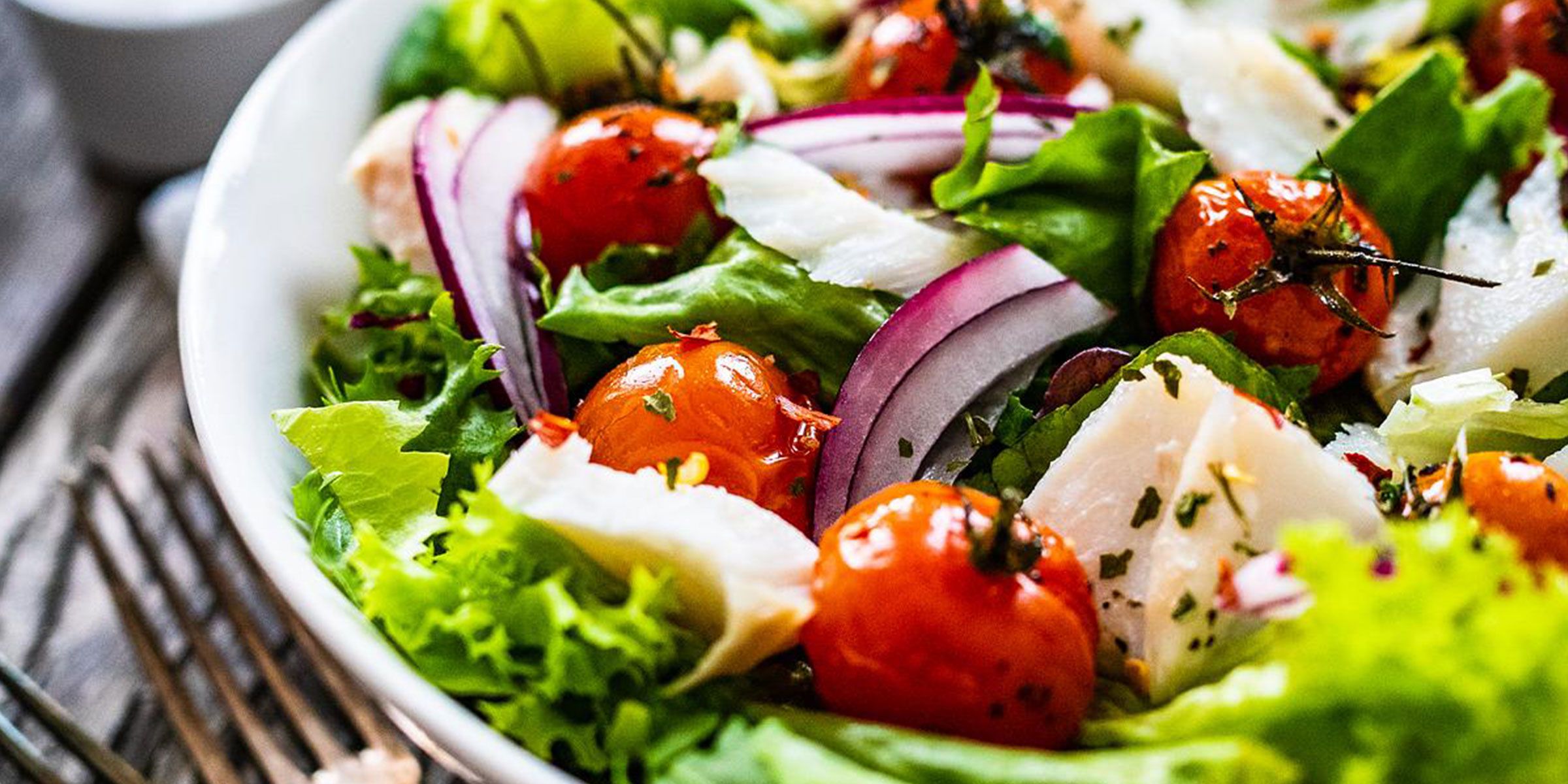
Looking for a protein-forward low-carb meal?: Try our Nicoise Salad with Tuna by Chef Kristy Flores or Greek Grilled Chicken Salad by Chef Ruben Garcia.
Foods to Limit
It’s not necessary to eliminate foods altogether in order to maintain a low daily intake of carbohydrates. It’s more about portioning high-carb foods correctly. Here are some foods to eat in moderation while on a low-carb diet:
Grains, like bread, rice, and pasta
Sugary foods, like candy, soda, and breakfast cereals
Starchy vegetables, like potatoes and corn
High-sugar fruits like mangoes
Pro-Tips for Successful Meal Prep
Our in-house nutritionist explains how to increase your chances of success on a low-carb diet by meal prepping:
“Carbohydrates typically make up the largest portion of a daily diet. Because carbs are so common, it can be tricky to maintain a low-carb diet without careful planning and meal prep,” says Kristy Del Coro, MS, RDN, LDN
Fortunately, meal planning doesn’t have to be difficult. Kristy's tips to meal prep for success include:
Prep multiple servings of meals on the weekends and marinate or pre-bake proteins like chicken and salmon that can be combined with low-carb sides during the week.
Pre-wash and cut low-carb veggies as soon as you come home from the grocery store or buy pre-cut veggies for convenient snacks and meal sides.
Lean on nuts and seeds, sliced cheese, hard boiled eggs, and low carb dips like guacamole, greek yogurt, or edamame “hummus”, sliced cheese for nutritious low-carb snacks.
Like what you're hearing? Steal our 14 day low-carb meal plan curated by Nutritionist Kristy Del Coro.
When you're short on time or don't know what to make anymore, CookUnity's menu of low-carb meals will feed you well while ensuring you stick to your eating plan. Breakfast, lunch, and dinner done for you. Check out all the delicious options: Low-Carb Meals.
Benefits of Low-Carb Diets
Although cutting carbohydrates may seem restrictive, the potential benefits of low-carb diet plans can be worth the extra meal planning.
Weight Loss and Maintenance
Low-carb diets are often cited as a tool for weight management, and studies have found that diets low in carbs do lead to greater short-term weight loss than other types of diets.
One theory as to why low-carb diets are good for weight loss is that the increased protein and fat intake necessary to make these diets work actually increases feelings of fullness. Feeling full for longer can lower overall daily calorie intake and lead to weight loss. However low carb diets can be difficult to maintain as a lifestyle so there is the risk of regaining the weight that is lost once carbohydrates are increased again.
Improve Blood Sugar and Cholesterol Levels
A low carb diet may improve heart health by lowering triglycerides and increasing HDL (good) cholesterol and decreasing total LDL (bad) cholesterol⁵.
In addition to helping with weight loss and maintenance, reducing carbs can stabilize blood sugar levels. Blood sugar spikes when the body breaks food down into glucose for energy, releasing the sugar into the bloodstream. In response to these spikes, the pancreas releases insulin to get glucose out of the ⁷.
Eating large amounts of refined carbohydrates, especially without the right balance of protein, fat, and fiber, can cause large swings in blood sugar levels, which can lead to serious health complications over time. Low-carb diets have been shown to significantly reduce blood sugar levels and may improve insulin resistance, potentially helping mitigate health complications like type 2 diabetes⁸.
It is important to note that the type of low-carb diet matters when it comes to improving blood sugar levels. One study found that low-carb diets that didn’t focus on whole, quality foods were not effective at preventing the onset of type 2 diabetes⁹
Increase Energy Levels
The stabilization of blood sugar levels thanks to a low-carb diet may also help increase overall energy levels.
Hypoglycemia, also known as low blood sugar, can occur when blood sugar levels drop after a meal. Foods higher on the glycemic index, like the refined carbs that get eliminated from low-carb diets, are more likely to cause blood sugar swings and attendant symptoms like dizziness, shakiness, and fatigue. Eliminating refined carbs can stabilize blood sugar levels and increase overall energy levels¹⁰, ¹¹.
Another energy-boosting benefit of low-carb diets actually happens within your cells. Some studies have found that the keto diet can increase the number of mitochondria in muscle cells. Mitochondria are critical for cellular energy production, and increased muscle mitochondria may raise overall energy levels¹².
Always consult a healthcare professional or registered dietitian before adopting a new diet especially if you have any health conditions, such as diabetes or heart disease.
Potential Drawbacks of Low-Carb Diets
Although there are many benefits to low-carb diets, there are also some significant potential drawbacks, particularly during the initial few weeks of starting the diet.
In the short term, drastically cutting carbs out of your diet can cause side effects like constipation, headaches, and muscle cramps. These effects typically improve after the first couple weeks of following a low-carb diet ¹³.
The keto diet, which most significantly reduces carb intake, has a unique possible drawback. Ketosis, the process by which the body breaks down fat instead of carbs, creates ketones that can cause bad breath².
Low-carb diets tinker with the proportion of macronutrients consumed each day, but micronutrients are still a critical part of any healthy diet. Because certain low-carb diets cut out some foods, like fruits, that provide certain micronutrients, it’s critical to plan out meals and supplement any vitamins or minerals the diet doesn't cover¹³.
Low-carb diets are not recommended for athletes or anyone performing high levels of physical activity whose bodies need a large reserve of easily accessible energy. Carbohydrates are the easiest source of fuel the body can use and are necessary for athletes and people who are very active¹⁰.
Finally, low-carb diets are challenging to maintain as a long-term lifestyle so any benefits that you see may only be temporary. For many this is not a sustainable healthy eating pattern.
Final Thoughts
Low-carbohydrate diets can be a great tool for losing weight, managing blood pressure, and increasing energy levels. You should always make sure your diet matches your personal needs and consult with a professional if you have any particular concerns. The flexibility to choose between different types of low-carb diets makes it easy to reduce carbohydrate intake without sacrificing any major food groups.
Reducing carbohydrates on your own is tricky, but low-carb diet meal plans are a convenient, delicious way to try out a low-carb lifestyle without investing hours into meal planning. CookUnity offers low-carb diet meal plans created and cooked by top culinary talent, delivered right to your door.
CookUnity’s chef-created, conveniently delivered meals are a perfect way to see if a low-carb diet is right for you. Check out CookUnity’s low-carb meal offerings and experience low-carb meals that don’t feel like you’re on a diet.
FAQs About Low-Carb Diets
What kind of foods can you eat on a low-carb diet?
Low-carb diet food is low in carbohydrates. Meat, fish, cheese, and non-starchy vegetables are cornerstones of low-carb diets.
What qualifies as a low-carb diet?
There are several types of low-carb diets, but typically a diet counts as low in carbs if less than 45% of daily food intake is in the form of carbohydrates. This generally translates to fewer than 150 grams of carbohydrates per day. For comparison, a typical American diet includes 225 - 325 grams of carbohydrates per day¹¹.
What happens after 2 weeks of no carbs?
Low-carb diets can lead to short-term weight loss over the course of a couple of weeks.
Very low carb diets, like the keto diet, can cause the “keto flu” during the first couple of weeks as your body adjusts to using a new energy source. The keto flu typically comes with symptoms like brain fog, fatigue, irritability, and constipation. However, most symptoms clear up after two weeks of following the diet.
How to start a low-carb diet for beginners?
As with any lifestyle change, it’s important to consult with your doctor before starting a new diet. If you’re a beginner to low-carb diets, it’s important to set attainable goals, focus on healthy foods, research low-carb recipes and snacks, and meal prep to set yourself up for success.
What is the number one carb to avoid?
Refined carbs like added sugar, white bread, and sugary drinks can cause blood sugar spikes and nutritionally leave a lot to be desired. Refined carbs are one of the biggest food groups that low-carb diets cut.
What is the most filling low-carb food?
Many low-carb foods are also very filling. Foods with high protein content, like meat, chicken, fish, and eggs; healthy fats like olive oil and avocados; and vegetables with high fiber content are all great, filling choices that are low-carb¹³.
What’s the worst carb for belly fat?
No individual carb is particularly bad for belly fat, but refined carbs that contain a lot of added sugar and little nutritional value are high in calories and can make losing belly fat more difficult
What is the 5 to 1 rule for carbs?
The 5 to 1 rule for carbs compares the amount of carbohydrates in a food to its amount of fiber. On a low-carb diet, you generally want to eat foods that have no more than 5 grams of carbs per 1 gram of fiber. Foods with unprocessed, complex carbohydrates such as whole grains generally have a lower ratio of carbohydrates to fiber than foods with refined carbs like sugary drinks and desserts.
What food has no carbs or sugar?
Proteins, like meat, fish, and eggs, and some non-starchy foods and vegetables with high water content, like celery, spinach, and mushrooms, have no or very few carbs per serving.
What is the #1 anti-inflammatory carb?
Low-carb fruits like strawberries and raspberries contain anti-inflammatory antioxidants that are good for overall health. Things like French fries, and sugary foods and drinks are high in refined carbs that may cause inflammation in the body¹⁴.
SOURCES

Be the first to know about new offers
Multiorder discounts, free items and more.