Back
Meal prep for beginners: the simple system (and the cheat code)
Deciding what to eat can feel like the hardest part of mealtime. Meal prep flips that equation, and if you do it right (or find the right shortcut), you might never stare blankly into your fridge again.
Key takeaways:
Meal prepping means cooking and portioning meals ahead of time so weekday eating requires zero decision-making and minimal effort.
A simple four-step system—planning, shopping, batch cooking, and portioning—can set you up with ready-to-eat meals for the days ahead.
Rotating proteins, vegetables, and flavor profiles each week prevents the boredom that kills most meal prep habits.
Chef-crafted meal delivery from CookUnity works as a cheat code, filling your fridge with restaurant-quality meals made by award-winning chefs without any of the prep work.
What is meal prepping and why does it work?
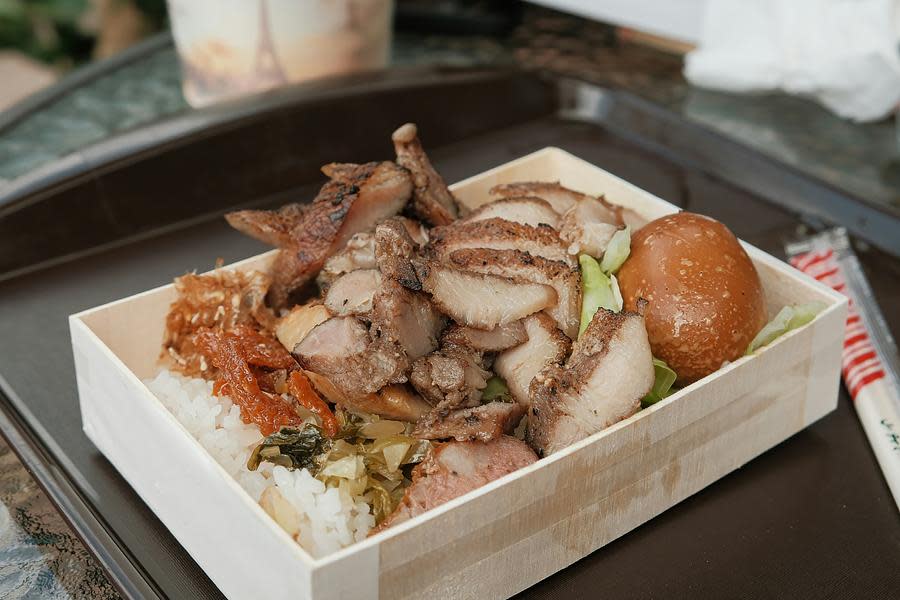
Meal prepping means preparing some or all of your meals ahead of time, then storing them in containers so they're ready to eat throughout the week. It works because it eliminates the daily scramble of deciding what to cook, which is the exact moment most of us default to takeout or whatever's lurking in the back of the freezer.
You don't need to cook all your meals in one afternoon. Most beginners start by prepping just lunches or dinners for the workweek, which usually means two to three healthy meal prep recipes¹ cooked in about 90 minutes on a Sunday.
There are three common approaches:
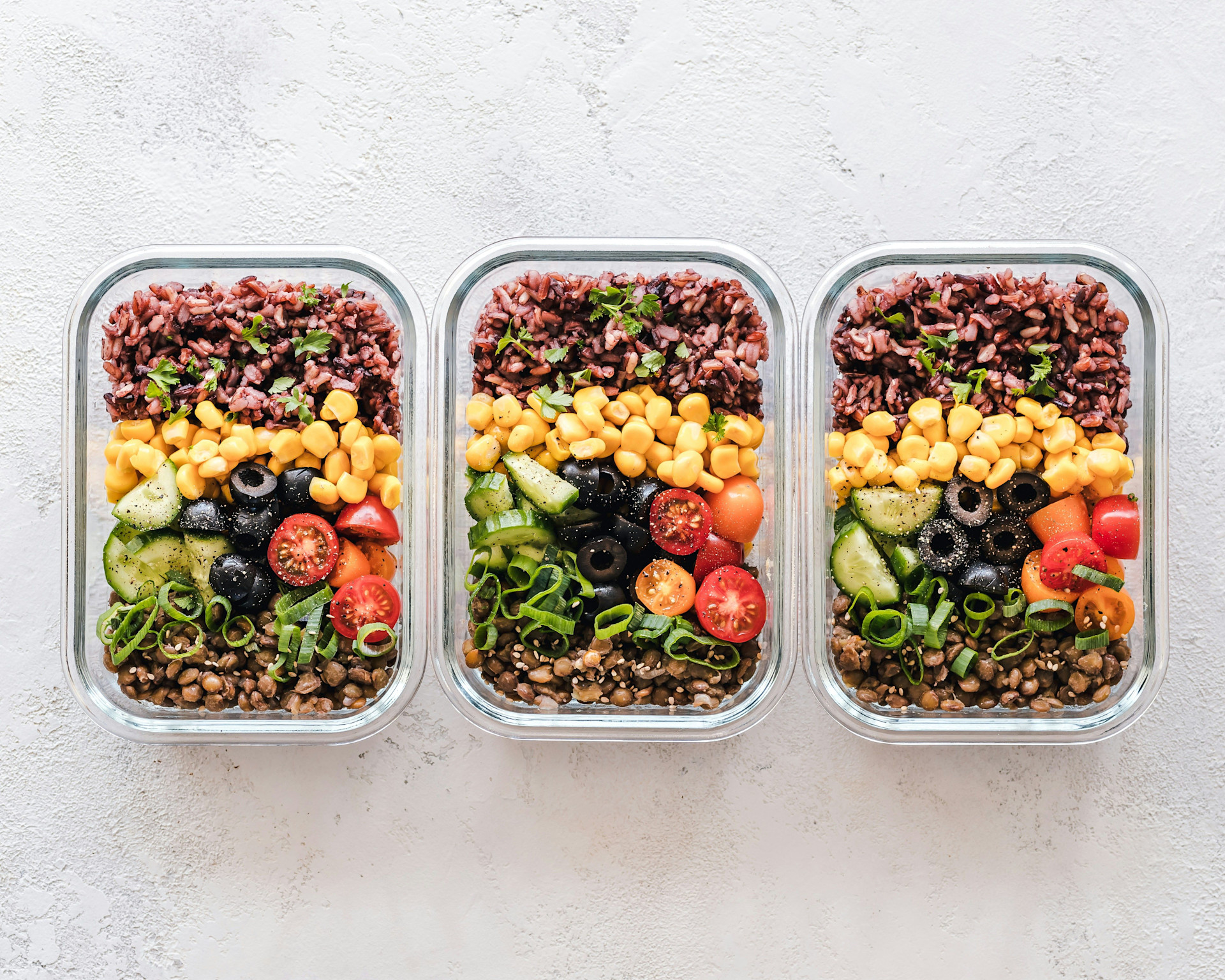
Full meal prep: Complete meals portioned into individual containers, ready to heat
Batch cooking: Large quantities of one or two recipes divided into servings
Ingredient prep: Washing, chopping, and cooking components separately for quick assembly during the week
Why meal prepping saves more than just time
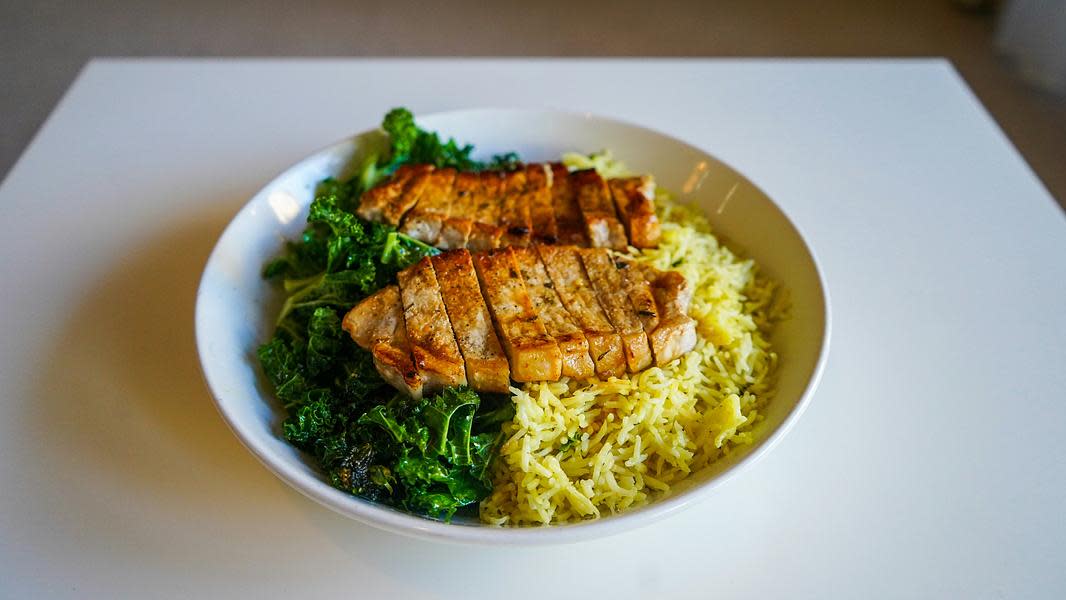
The obvious win is convenience, but the ripple effects run deeper. When your meals are already made, you're far less likely to impulse-order delivery or grab something processed. That alone can help you spend less on food each month.
Meal prepping also slashes food waste. Instead of buying ingredients with vague intentions and watching them wilt in the crisper drawer, you purchase exactly what you need and use all of it.
If you're exploring healthy meal prep ideas for weight loss, prepping is one of the simplest tools available. Portions decided during a calm Sunday afternoon look very different from portions decided during a ravenous Tuesday evening.
The simple system for weekly meal prep
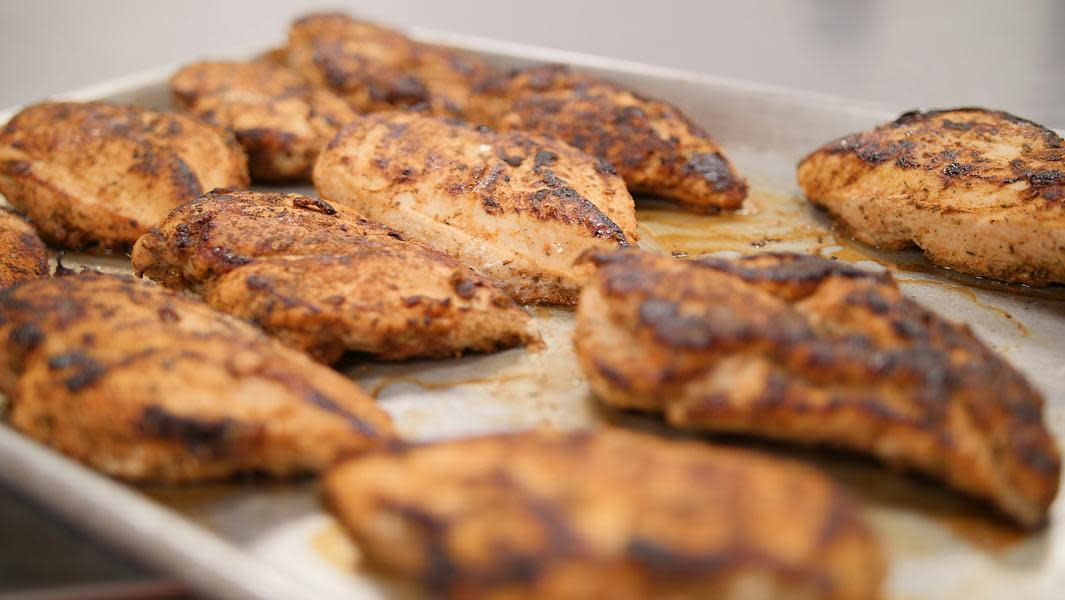
1. Plan your meals for the week
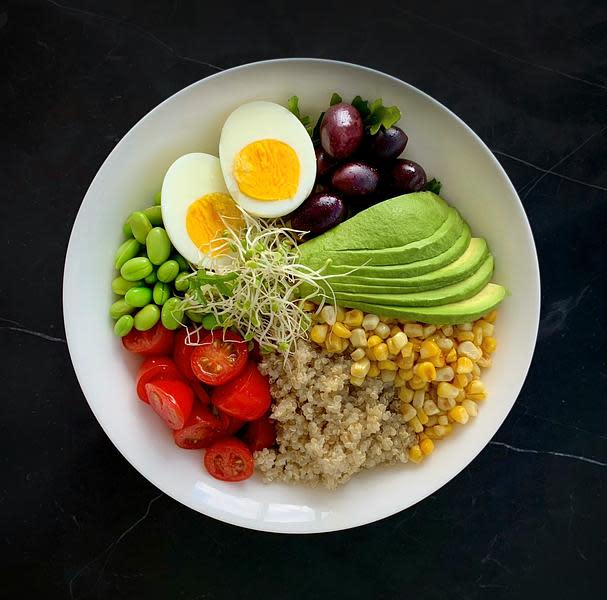
Choose three to four recipes that share overlapping ingredients. If chicken thighs appear in both a grain bowl and a stir-fry, you only need to cook one big batch of protein. Look for one-pan or one-pot healthy meal prep ideas for the week that minimize cleanup.
Aim to prep for three to five days at most. Beyond that, food quality declines, and nobody deserves a sad container on Thursday.
2. Shop with a focused list
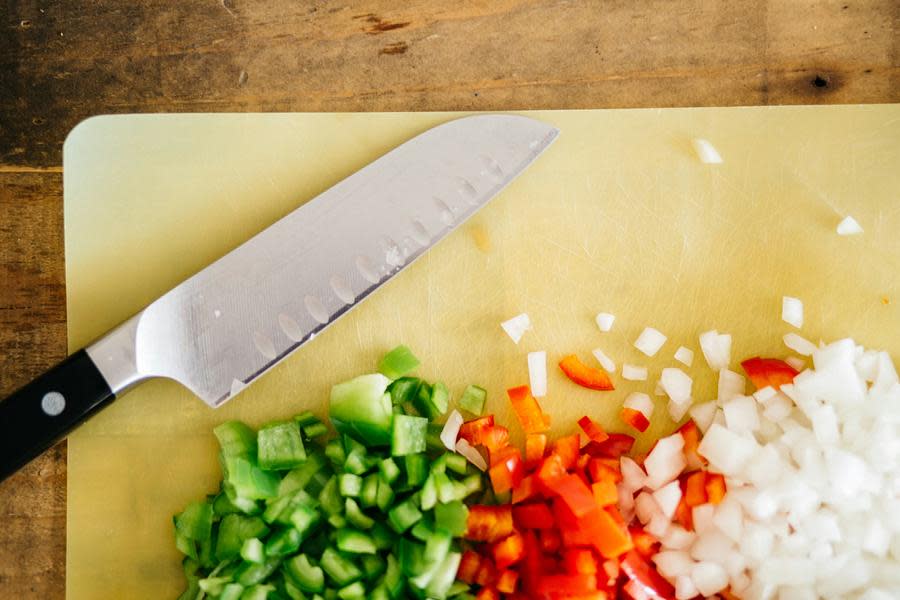
Build your grocery list directly from your meal plan, organized by store section. Before you shop, check your pantry for staples like rice, olive oil, spices, and canned beans.
Versatile ingredients are your best friends: sweet potatoes, chicken breast, quinoa, broccoli, and eggs can become dozens of different meals depending on how you season them.
3. Cook in batches for efficiency
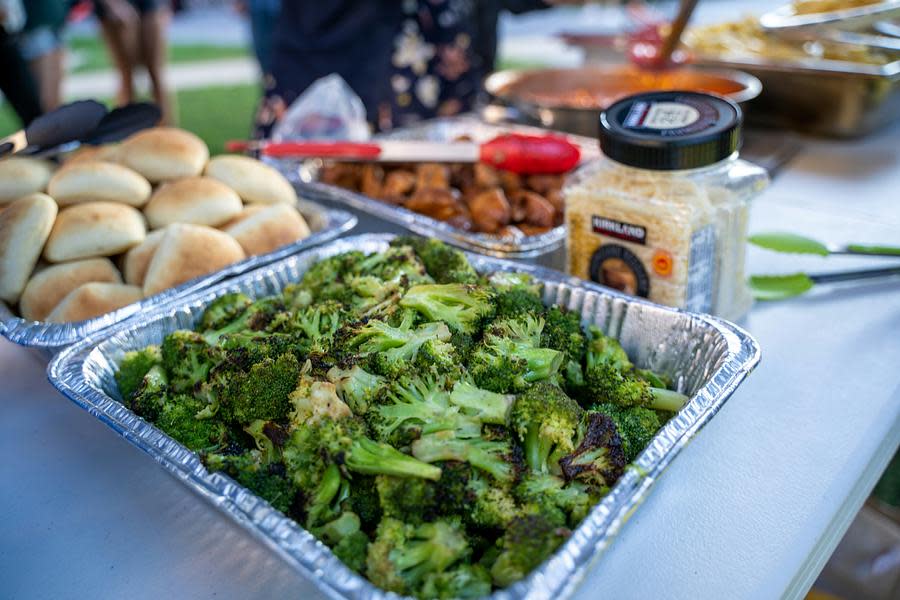
Start your oven and stovetop simultaneously. Roast vegetables on sheet pans while grains simmer and protein cooks in a skillet or slow cooker. Most beginner-friendly batch cooking takes 60 to 90 minutes.
Cook proteins and grains separately from sauces and dressings. This keeps components fresh longer and lets you mix flavors throughout the week.
4. Portion and store properly
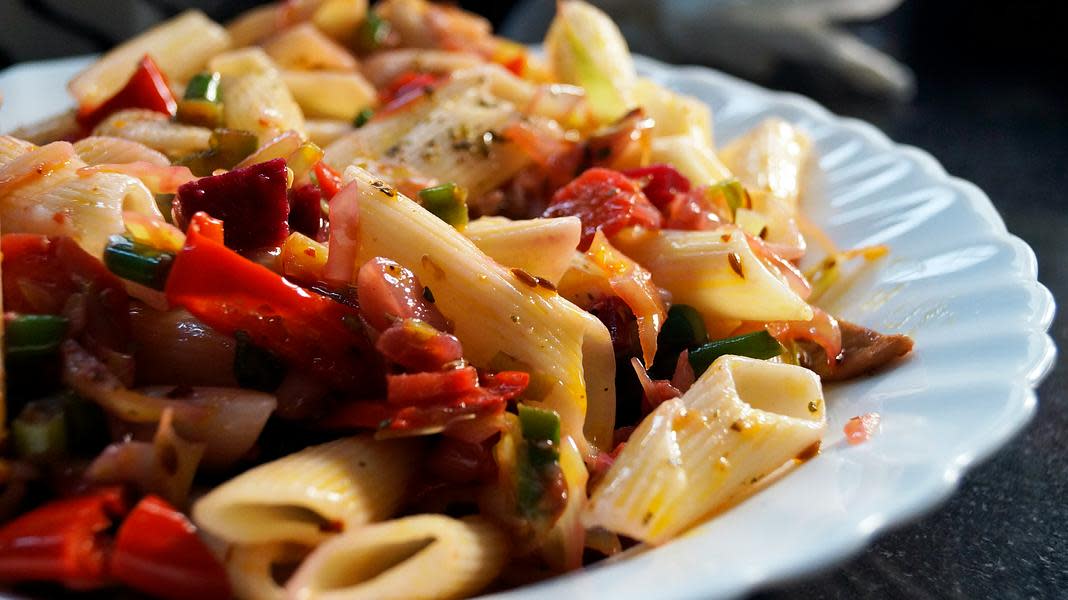
Divide meals into individual airtight containers while everything is still warm, then label each with the meal name and date. Refrigerate meal-prepped dishes and plan to eat them soon, or freeze cooked meals for longer storage.
Let food cool to room temperature before sealing lids. Trapping steam inside creates excess moisture, which leads to soggy textures and faster spoilage.
Curious about prepping eggs ahead of time? Read Can you meal prep eggs and how? Dos and don'ts for techniques that keep them delicious all week.
Healthy meal prep ideas for every part of the day
Breakfasts that fuel the morning
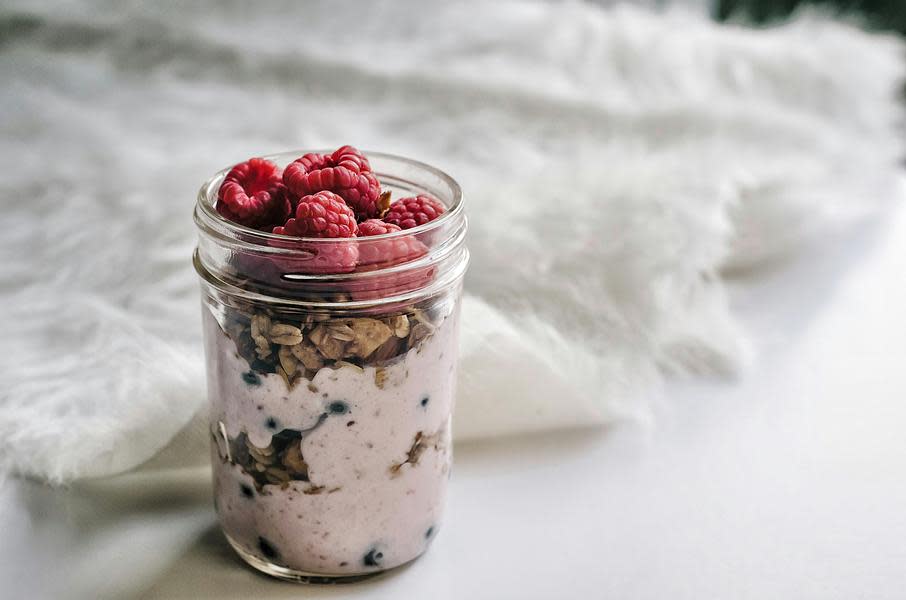
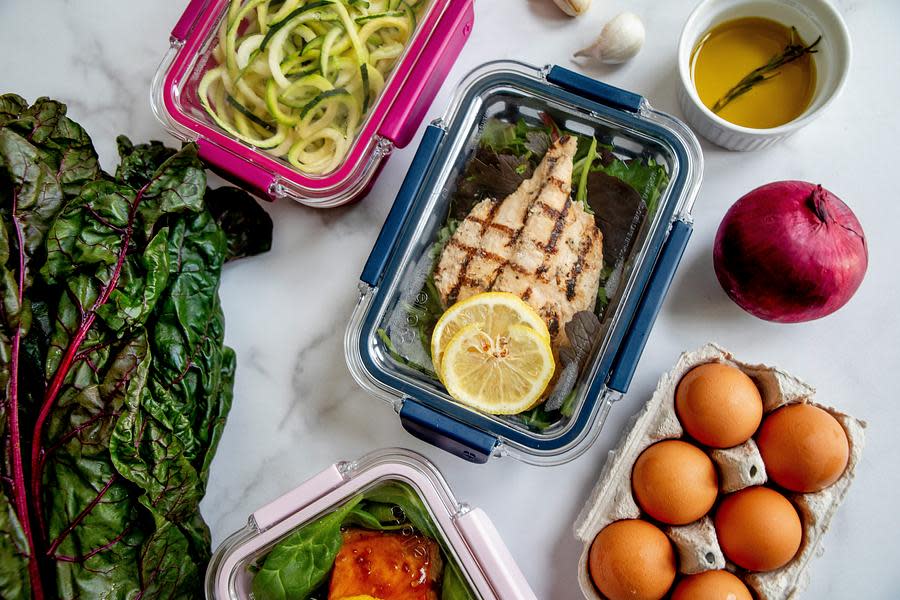
Egg muffins loaded with vegetables and cheese are one of the easiest make-ahead breakfasts. Bake a dozen on Sunday and reheat one or two each morning. Overnight oats work beautifully too: combine oats, milk, chia seeds, and fruit in a jar the night before, and breakfast is waiting when you wake up.
Lunch meal prep ideas high in protein
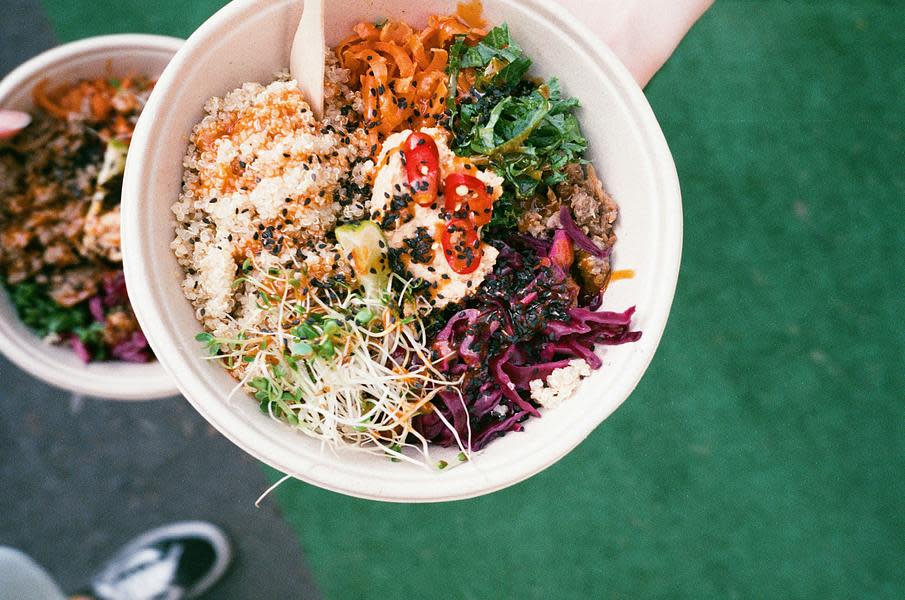
Grain bowls are the workhorse of lunch prep. Layer cooked quinoa or brown rice with roasted vegetables, grilled chicken or chickpeas, and a simple dressing. Mason jar salads also travel well when you put the dressing on the bottom, sturdy vegetables in the middle, and greens on top.
For more substantial lunch meal prep ideas high-protein, wraps with hummus, turkey, and leafy greens hold up for two to three days when wrapped tightly. Explore Easy high-protein meal prep ideas: plant and meat-based recipes for more inspiration.
Dinners worth coming home to
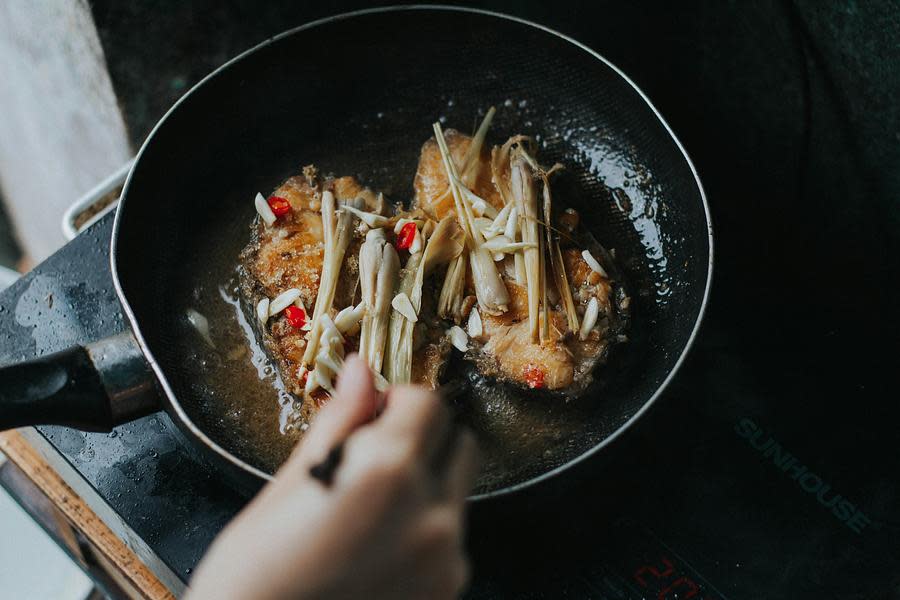
Sheet pan meals are the dinner equivalent of a perfectly told joke. Toss chicken thighs, broccoli, and sweet potatoes with olive oil and spices, roast at 400°F for 25 minutes, and you've got four dinners sorted. Stir-fries with pre-chopped vegetables and cooked rice reheat beautifully in a skillet or microwave.
Essential tools and containers for meal prep
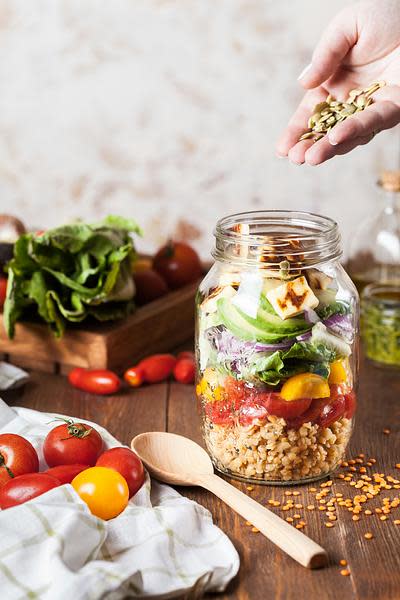
You don't need a professional kitchen. A few smart investments make the process faster and more enjoyable.
Tool | Why it matters |
|---|---|
Glass containers with locking lids | Microwave-safe, won't stain, keeps food fresh |
Sheet pans (at least two) | Roast proteins and vegetables simultaneously |
A sharp chef's knife | Speeds up chopping significantly |
Slow cooker or Instant Pot² | Hands-off cooking for grains, soups, and proteins |
Glass containers are worth the investment over plastic. They don't absorb odors, they're dishwasher safe, and they last for years.
How to keep meal-prepped food fresh and safe
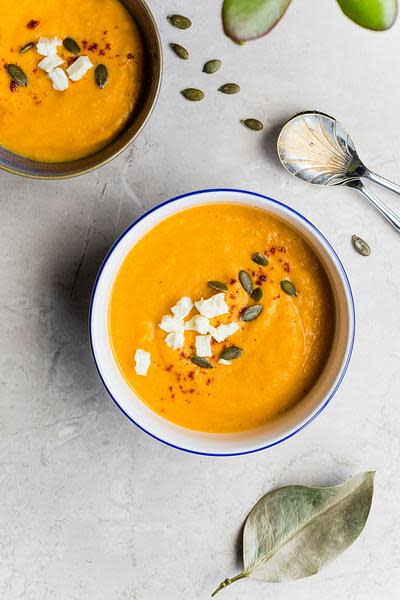
Get hot food cooled and into the fridge within two hours of cooking. Store meals at 40°F or below and plan to eat them within three to four days. Anything beyond that window should go into the freezer.
When freezing, leave about an inch of headspace for liquids to expand. Always thaw frozen meals in the refrigerator overnight, never on the counter.
Proteins like chicken and fish are the most time-sensitive. If you're prepping for five days, consider freezing Thursday and Friday's meals immediately after cooking and moving them to the fridge the night before.
Ways to keep your weekly menu interesting
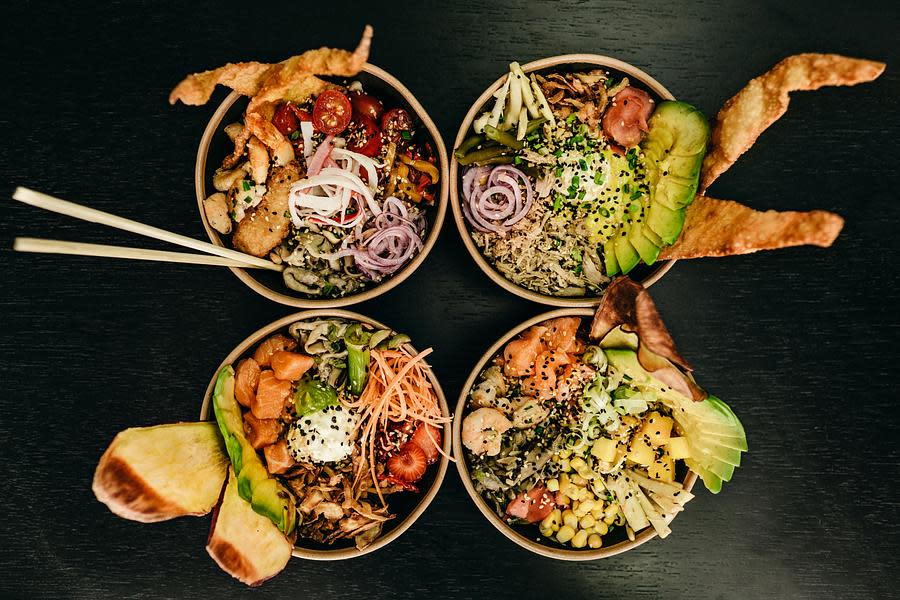
The fastest way to abandon meal prep is boredom. Eating the same grilled chicken and rice five days straight is a punishment, not a system.
Rotate proteins and vegetables each week
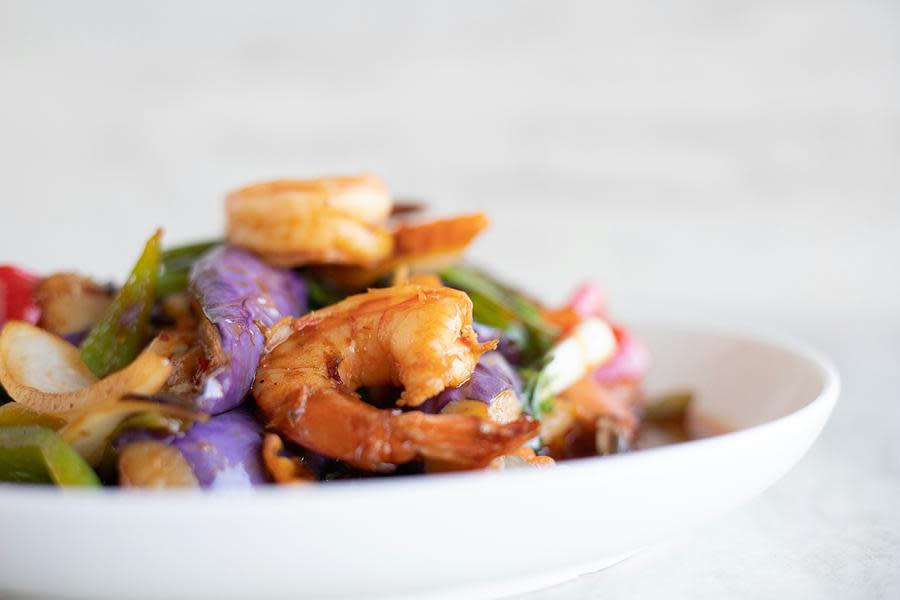
Swap chicken for shrimp one week, ground turkey the next, and tofu after that. Rotate seasonal vegetables so your meals reflect what's fresh and affordable.
Change the flavor profile, not the formula
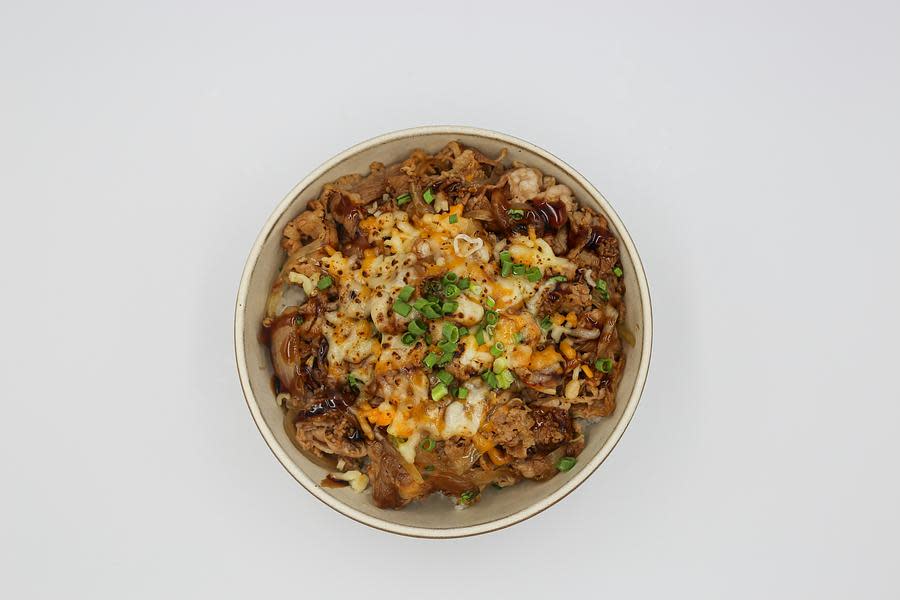
The same base of protein, grain, and vegetables becomes a completely different meal depending on the spices:
Italian: Garlic, basil, oregano, marinara
Mexican: Cumin, chili powder, lime, salsa
Asian-inspired: Soy sauce, ginger, sesame oil, rice vinegar
Mediterranean: Lemon, olive oil, za'atar, tahini
Want to take your salad prep further? Read How to meal prep a salad: dos and don'ts (+ recipes) for tips on keeping greens crisp all week.
The cheat code for meal prep beginners
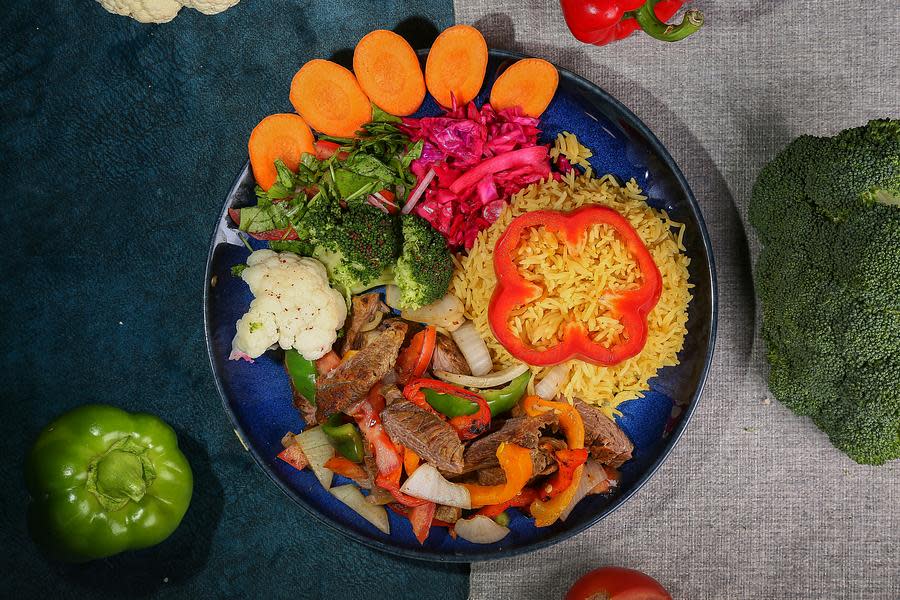
Here's the truth nobody in the meal prep world talks about enough: you don't have to do all of it yourself. The biggest reason beginners quit is that Sunday cooking starts to feel like a second job. Between planning, shopping, chopping, cooking, and cleaning, your entire afternoon disappears.
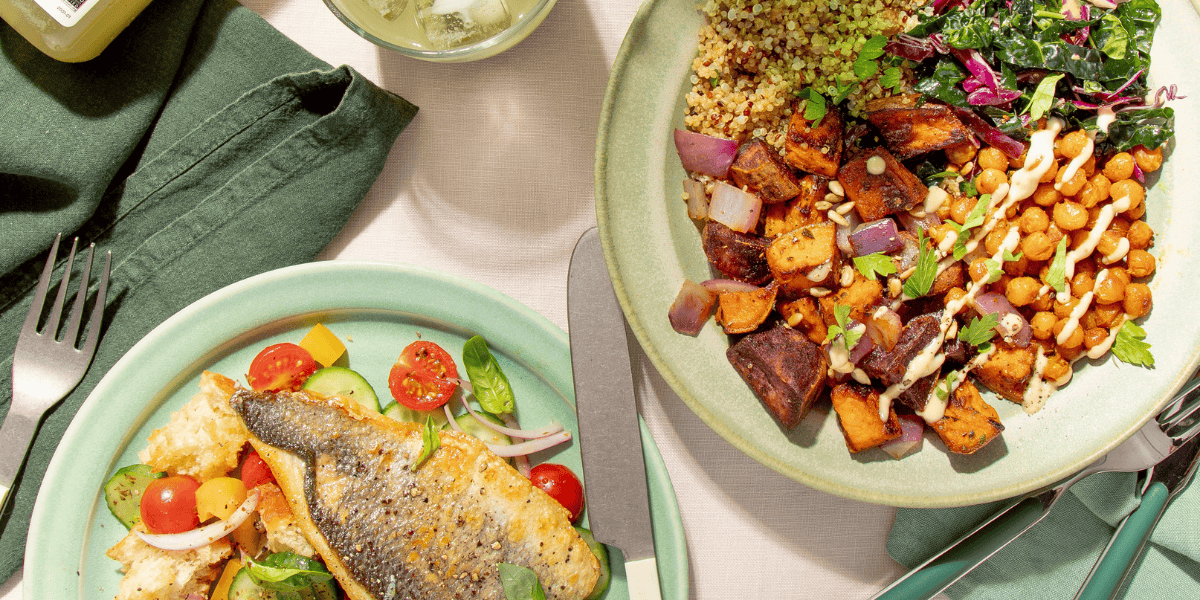
That's where CookUnity changes the equation. Instead of spending hours prepping, you can fill your fridge with restaurant-quality meals crafted by real, award-winning chefs. Each dish is made fresh, delivered to your door, and ready to eat after a quick reheat.
The difference between CookUnity and other meal delivery options is who's behind the stove. These aren't factory-assembled trays. They're dishes designed by top chefs, including James Beard Award³ winners and Food Network⁴ alums. Chef Chris Ratel's Grilled Skirt Steak Grain Bowl is a perfect example: protein-forward, Mediterranean-inspired, and more exciting than anything most of us would batch-cook on a Sunday.
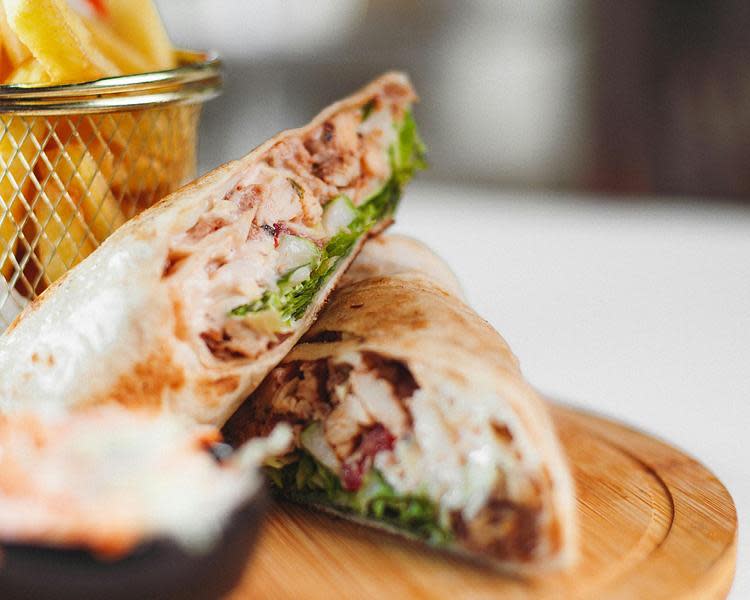
You can also mix approaches. Prep your own breakfasts and lunches, then let A-list chefs handle dinner with dishes like:
The menu rotates weekly with options for keto, vegan, gluten-free, and Mediterranean preferences, so variety is built in without any extra effort.
Explore the weekly menu and select your meals. A variety of chef-crafted dishes, updated regularly.
Making meal prep work for your actual life
Start small. If prepping five days of three meals feels overwhelming, begin with just weekday lunches. Once that becomes second nature, add breakfasts or dinners.
Keep a running list of recipes that worked well and ones that didn't reheat nicely. Over time, you'll build a personal rotation of reliable favorites that makes planning almost automatic.
And on the weeks when life gets chaotic, give yourself permission to skip the prep entirely and let someone else cook. That's not failure. That's the cheat code doing exactly what it's supposed to do.
FAQs about meal prep for beginners
Are these meals safe for those with severe dietary allergies, such as dairy, soy, and nuts?
While our meals are crafted without certain ingredients, they're prepared in kitchens where cross-contamination may occur. If your allergy is life-threatening, we recommend reviewing ingredient labels carefully before eating.
How long do meal-prepped foods stay fresh in the refrigerator?
Most cooked meals stay fresh in the fridge for three to four days when stored in airtight containers at 40°F or below. For longer storage, freeze portions immediately after cooling and reheat thoroughly before eating.
How much does weekly meal prepping cost compared to ordering takeout?
For one person, a week of home-prepped meals is generally more budget-friendly than ordering delivery for the same number of meals, with the final cost varying based on protein choices and where you shop.
What proteins are easiest for meal prep beginners to cook and reheat?
Chicken thighs, ground turkey, hard-boiled eggs, canned beans, and tofu all reheat well and absorb a wide range of seasonings, making them forgiving choices for beginners.
Is it safe to meal prep cooked rice for multiple days?
Cooked rice should be refrigerated within one hour of cooking and consumed within three to four days. For longer storage, freeze individual portions immediately after cooling and reheat to 165°F before eating.
Sources:

Be the first to know about new offers
Multiorder discounts, free items and more.