Back
18 spring vegetables to brighten your plate: a seasonal guide
Many vegetables found in grocery stores are harvested outside their natural growing season and transported long distances, which can impact their flavor and freshness by the time they reach your kitchen. Spring changes everything, delivering produce so fresh and vibrant it barely needs more than a drizzle of olive oil to taste extraordinary.
Key takeaways:
Spring vegetables like asparagus, peas, radishes, and fava beans are often enjoyed between March and June, when many people find their flavor and texture especially appealing.
Proper storage techniques, such as removing greens from root vegetables and standing asparagus in water, can extend freshness by days.
Simple cooking methods like roasting, blanching, and quick sautés let seasonal produce shine without complicated recipes.
Award-winning chefs at CookUnity craft ready-to-eat meals featuring fresh, seasonal vegetables, so you can enjoy spring flavors without the prep work.
What are spring vegetables
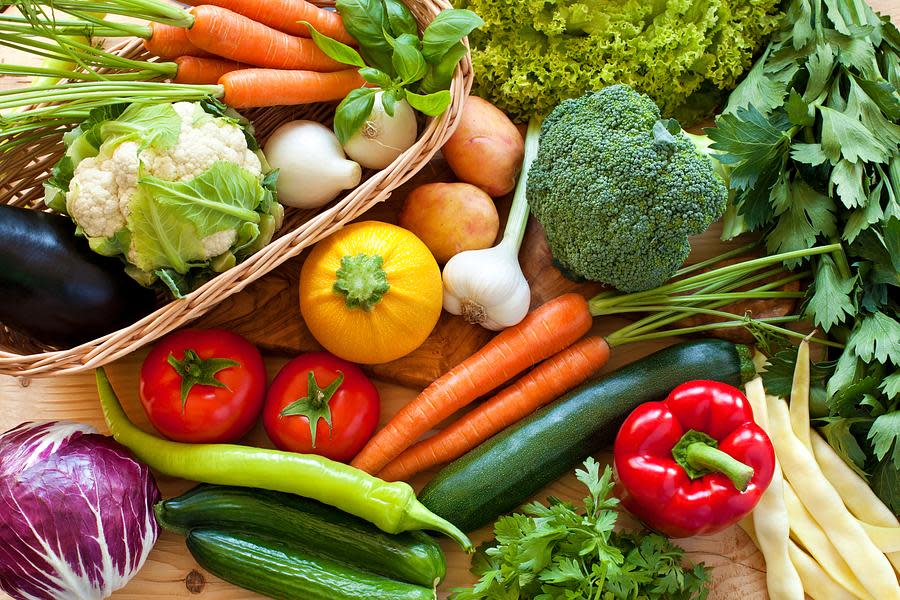
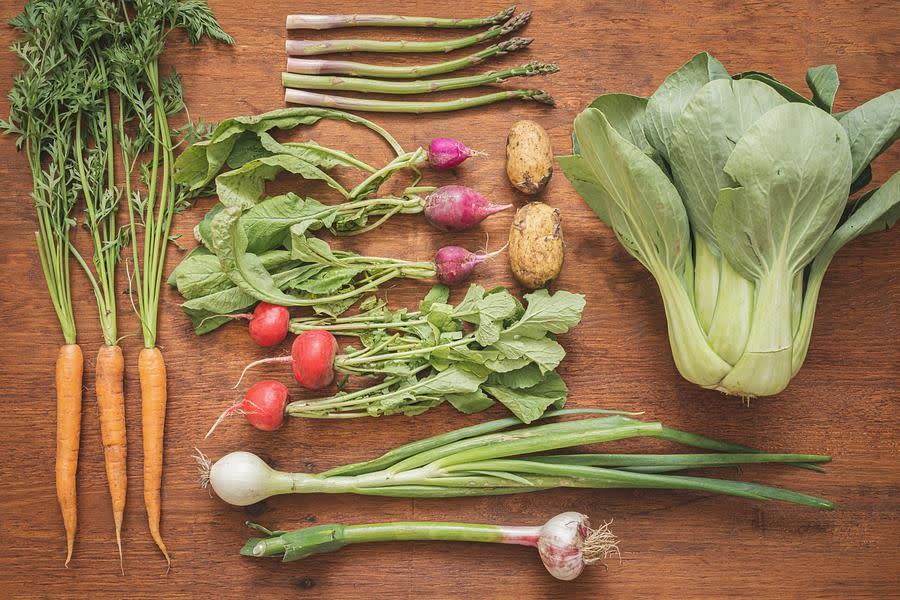
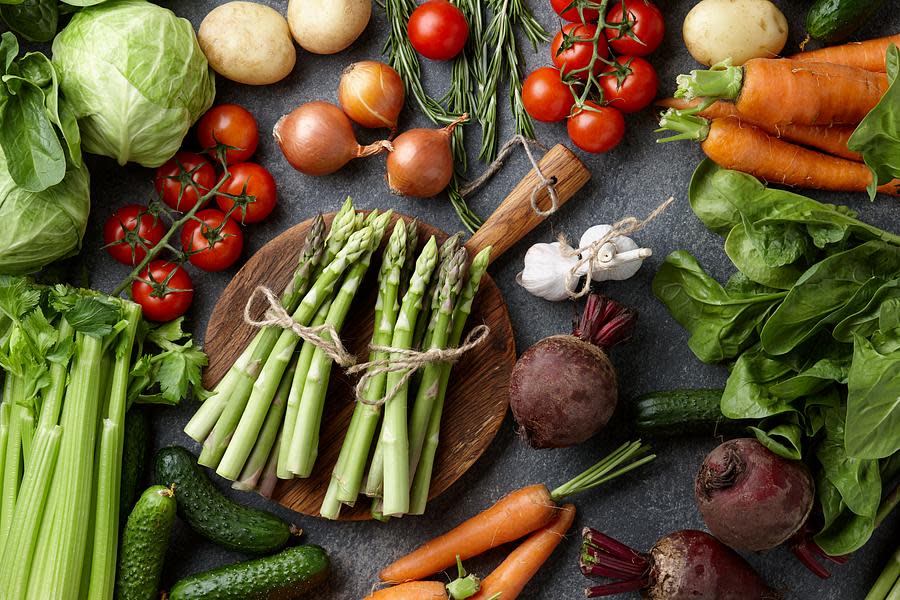
Spring vegetables are crops that reach peak flavor and nutrition between March and June, thriving in cool temperatures before summer heat sets in. This vegetables list includes tender greens like spinach and arugula, crisp stalks like asparagus, earthy roots like beets and radishes, and sweet gems like peas and fava beans. They're the first fresh produce available after winter, and they deliver vitamins A, C, and K along with fiber, folate, and antioxidants.
Eating vegetables in season now means you're getting produce at its absolute best, as some can lose up to 30% of nutrients¹ within three days of harvest. Visit your local farmers market or grocery store in spring and look for vibrant color, firm texture, and fresh-looking leaves. If it looks alive and smells like the earth, you're on the right track.
18 spring vegetables worth knowing
Asparagus
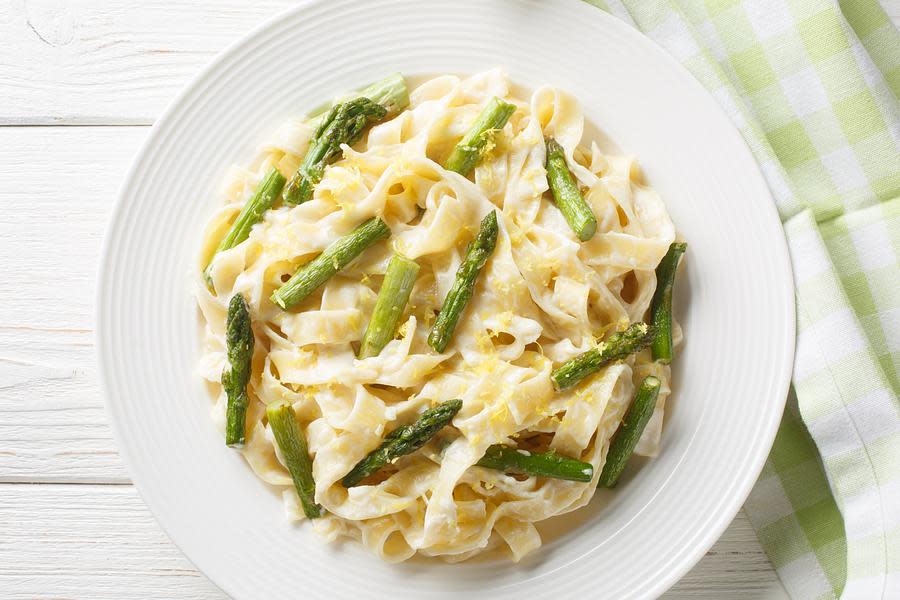
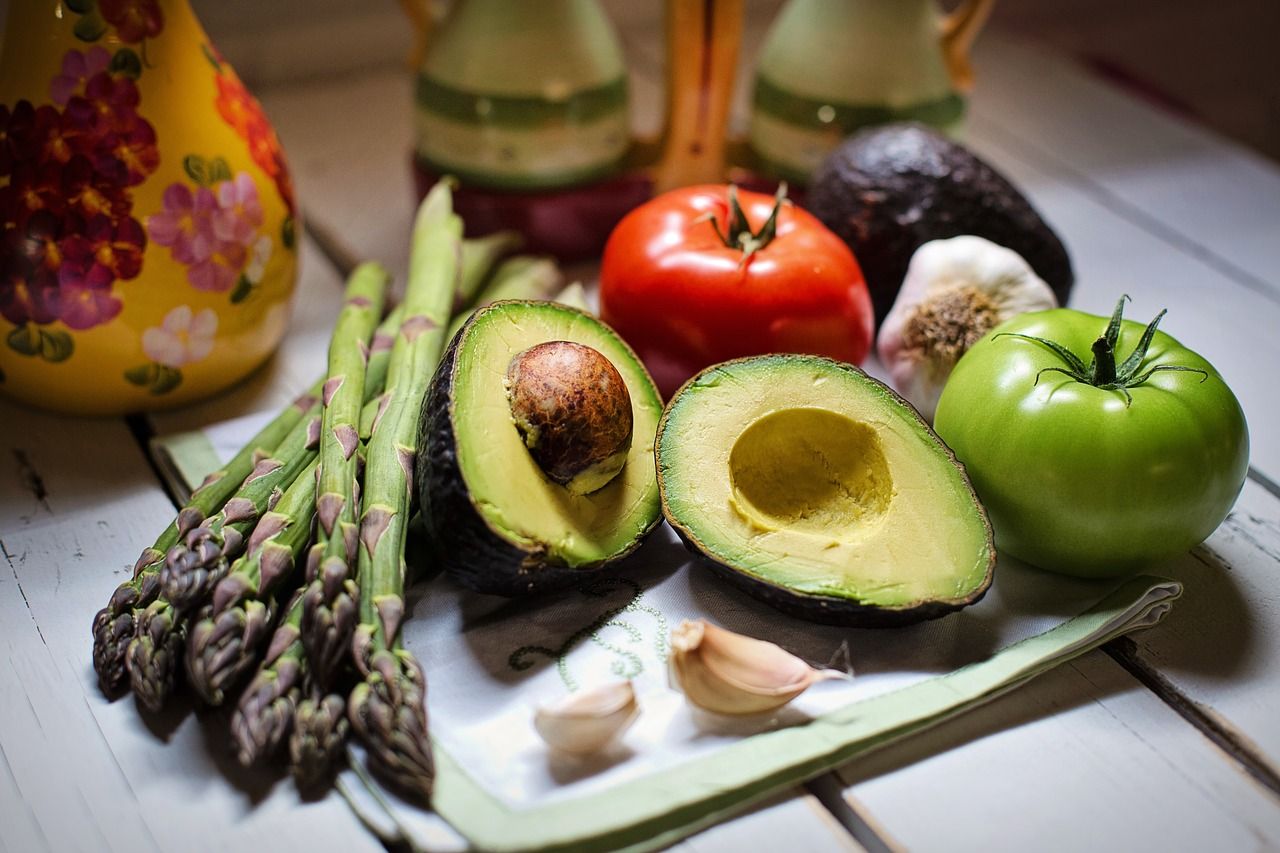
One of spring's most iconic vegetables, asparagus is available from March through June. Look for firm, straight spears with tight tips. Trim the tough ends and roast asparagus at 400°F with olive oil and salt until tender and lightly browned.
For a chef-crafted take, try Chef John DeLucie's Seasonal Grilled Vegetables with Chicken Breast, which pairs perfectly charred seasonal vegetables with tender, juicy chicken.
Artichokes
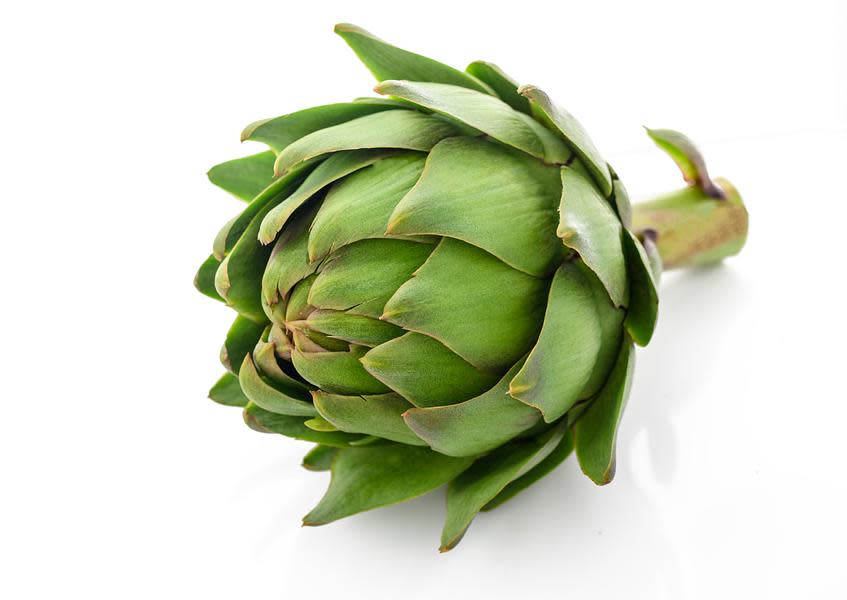
Artichokes have a slightly nutty flavor that rewards the effort of prepping them. Choose ones that feel heavy with tightly closed leaves. Trim the stem, remove the top portion of the artichoke, and steam until the leaves become easy to pull off, which typically takes some time depending on size and freshness. Serve with lemon and olive oil, or add hearts to dips and pastas.
Peas
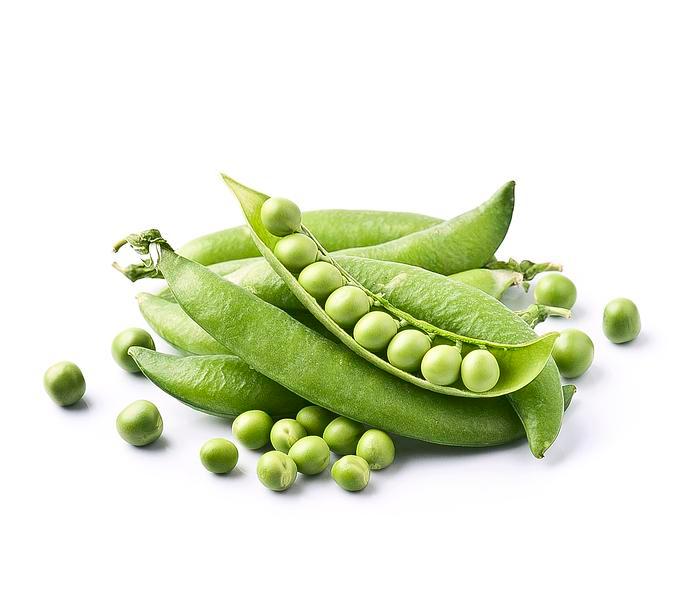
Fresh spring peas are available from April through June. Choose plump, bright green pods and shell them just before cooking to preserve their natural sweetness. Lightly cook peas to keep their texture, stir them into risottos, or enjoy them raw in salads for added freshness.
Chef Isaac Friedman's Salmon with Minted Pea Risotto showcases spring peas beautifully alongside perfectly cooked salmon.
Arugula
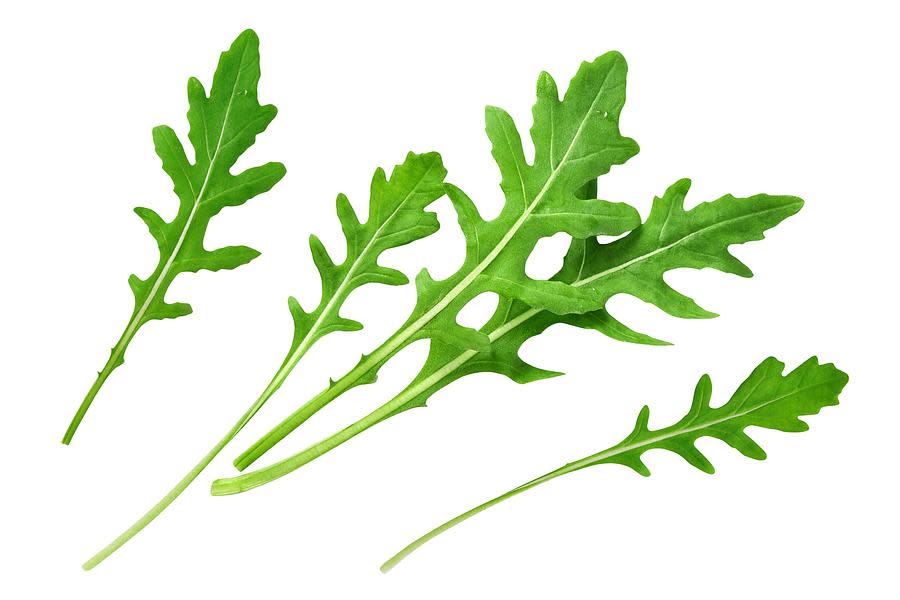
Peppery, slightly nutty, and wonderfully bold, arugula wakes up any dish. Look for bright green leaves without yellowing and keep them loosely wrapped in a damp paper towel to help maintain freshness. It shines raw in salads, piled on pizza, or tossed into pasta at the last second so it barely wilts.
Looking for plant-based spring meals crafted by real chefs? Explore fresh vegetarian meals made by award-winning chefs and discover new seasonal favorites.
Radishes
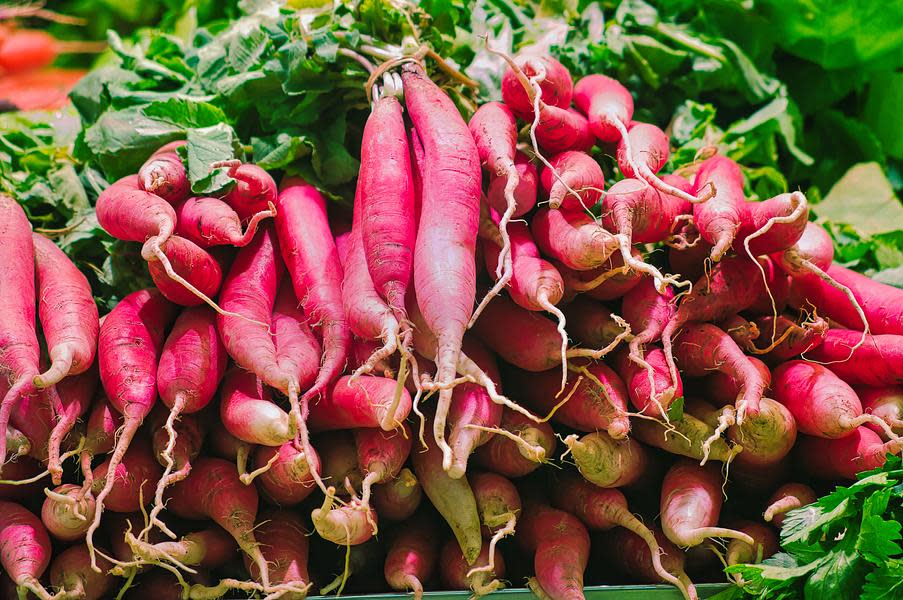
Crisp and peppery, radishes add color and bite to spring meals. Choose firm ones with smooth skin. Slice them thin for salads, pickle for tacos, or try roasting to bring out a milder, sweeter flavor.
Beets
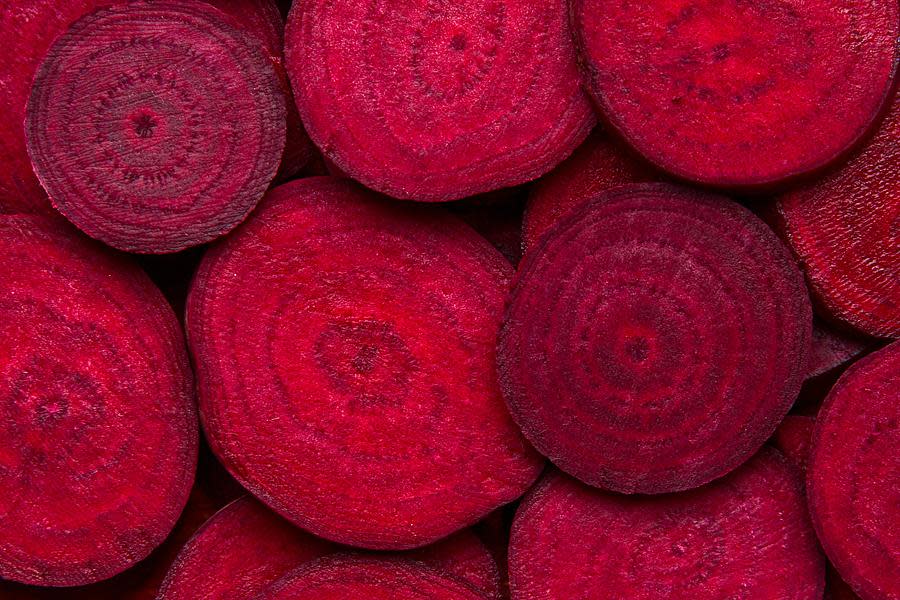
Spring beets are more tender and sweet than their fall counterparts. Choose firm, smooth beets with fresh greens attached. Wrap in foil and roast at 400°F until tender, then let cool before peeling. They pair beautifully with goat cheese, citrus, and walnuts.
Chef Andres Mendez's Beet Hearty Veggie Bowl puts this vibrant root vegetable center stage in a satisfying, nutrient-packed bowl.
Spinach
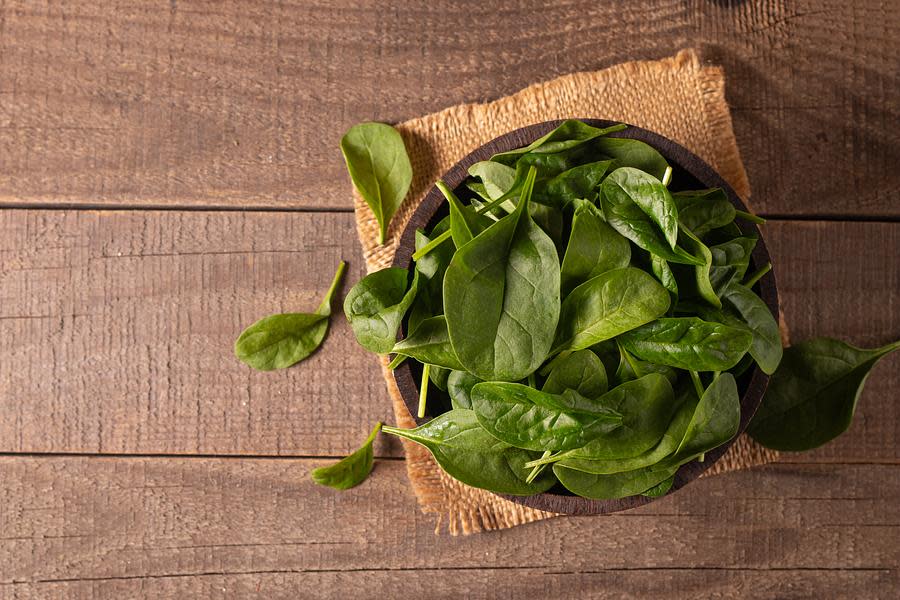
Spring spinach is tender, mild, and incredibly versatile. Choose bright green leaves without sliminess and rinse thoroughly, as spinach holds onto grit. Eat it raw in salads, blend into smoothies, or wilt briefly into sautés and egg dishes. Additionally, some studies link higher intake of green leafy vegetables to a 14% lower diabetes risk².
Carrots
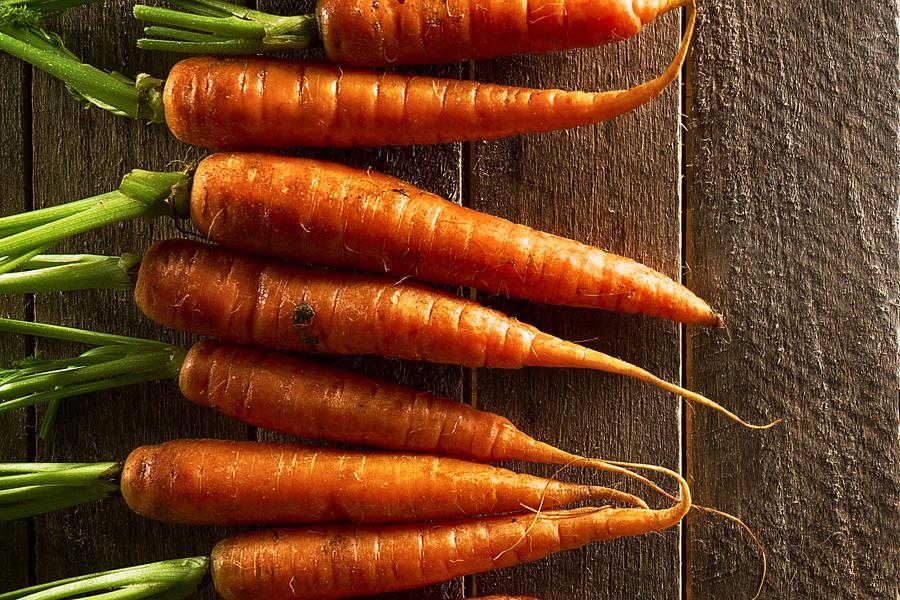
Spring carrots sold in bunches with green tops are sweeter and more tender than winter storage carrots. Choose firm, smooth ones without cracks. Enjoy raw, roasted with cumin, or shaved into ribbons for salads.
Spring fun fact: "Baby carrots" sold in bags are actually regular carrots cut and shaped. For true baby carrots, look for bunches with greens attached at farmers markets.
Fava beans
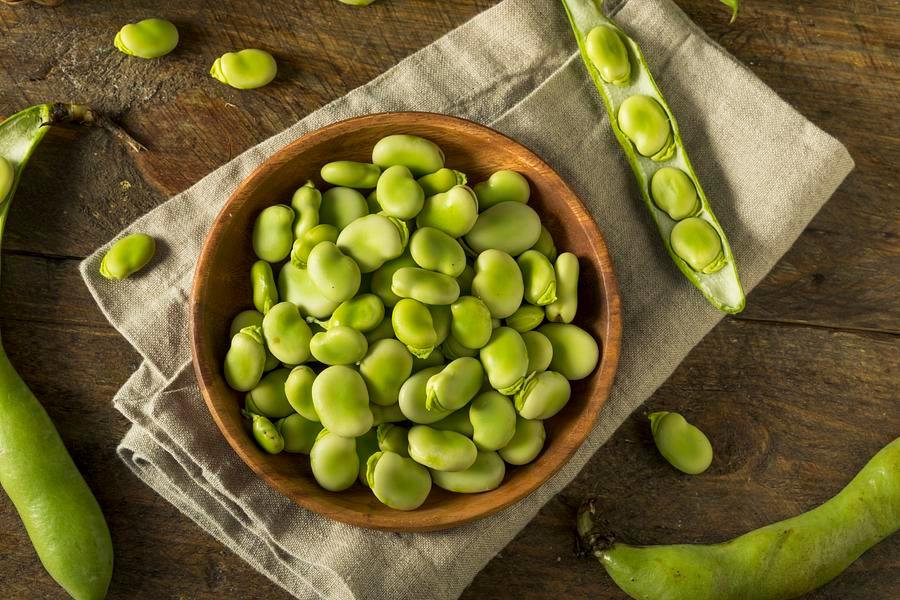
Fava beans (also called broad beans) have a buttery, earthy flavor. Choose firm, bright green pods. Shell the fava beans, blanch briefly, and remove the outer skin to uncover the tender beans inside. Add to pastas, spread on toast, or toss into salads with pecorino and mint.
Swiss chard
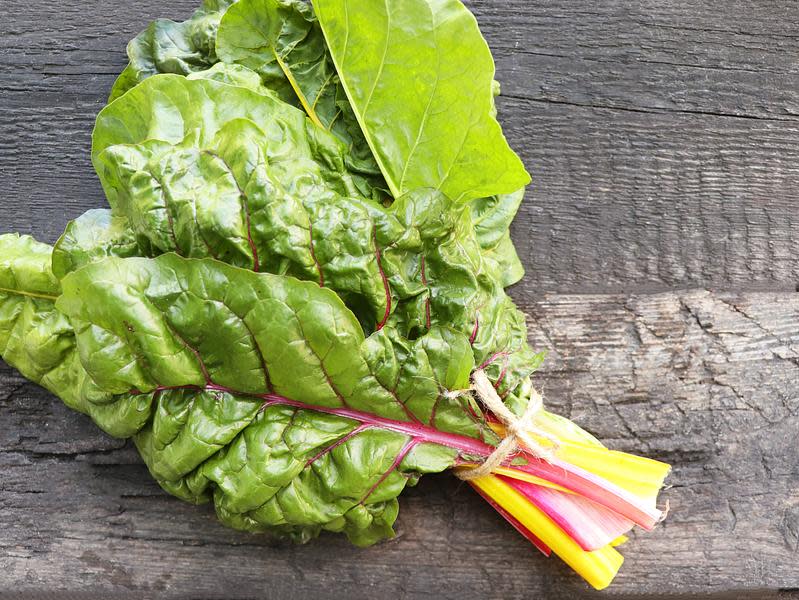
Swiss chard brings gorgeous color with vibrant red, yellow, and orange stems. Separate the stems from the leaves during prep since they cook at different rates. Sauté stems first, add leaves until just wilted, and finish with garlic and olive oil.
Ramps
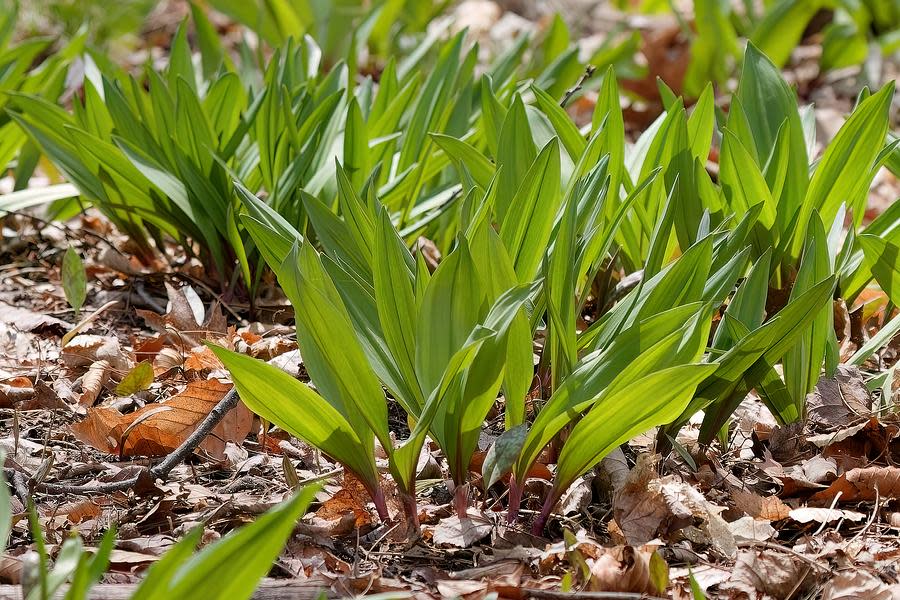
Ramps are wild leeks with a bold, garlicky flavor and a fleeting season from April through May. Look for bright green leaves and firm white bulbs. Grill, sauté, or pickle them. They make incredible pesto and are fantastic scrambled into eggs.
Scallions
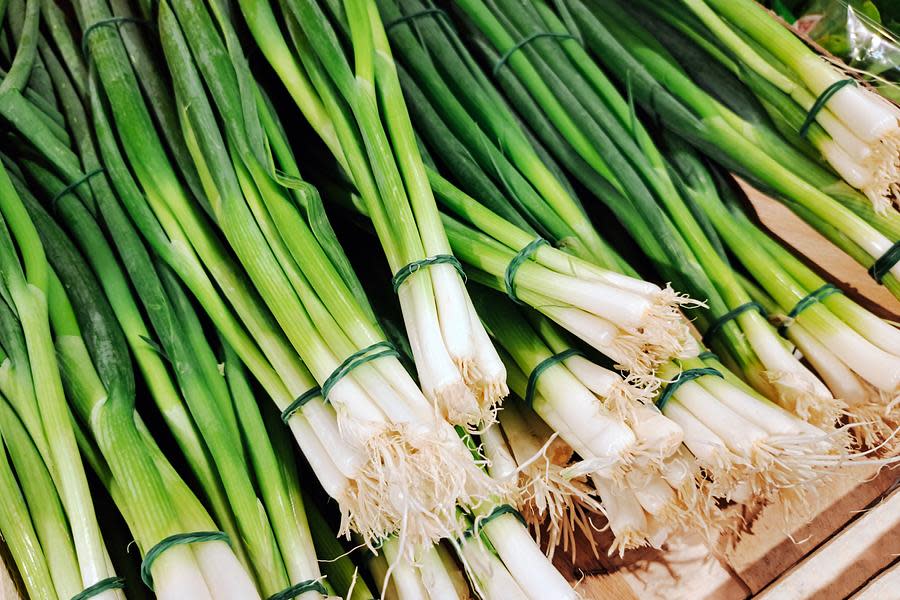
Scallions (also called green onions) deliver mild onion flavor with a slightly sweet finish. Both the white and green parts are edible. Slice thinly for garnishes, chop into stir-fries, or grill whole until charred and tender.
Skip the prep and let A-list chefs handle the seasonal cooking. CookUnity's rotating menu features dishes made with fresh, seasonal ingredients, delivered ready to heat. Explore the weekly menu and select your meals.
Spring onions
Spring onions look like oversized scallions with a small, rounded bulb at the base. They have a sweeter, milder flavor than regular onions. Grill them whole until caramelized for a smoky-sweet side dish, or slice into salads.
Fennel
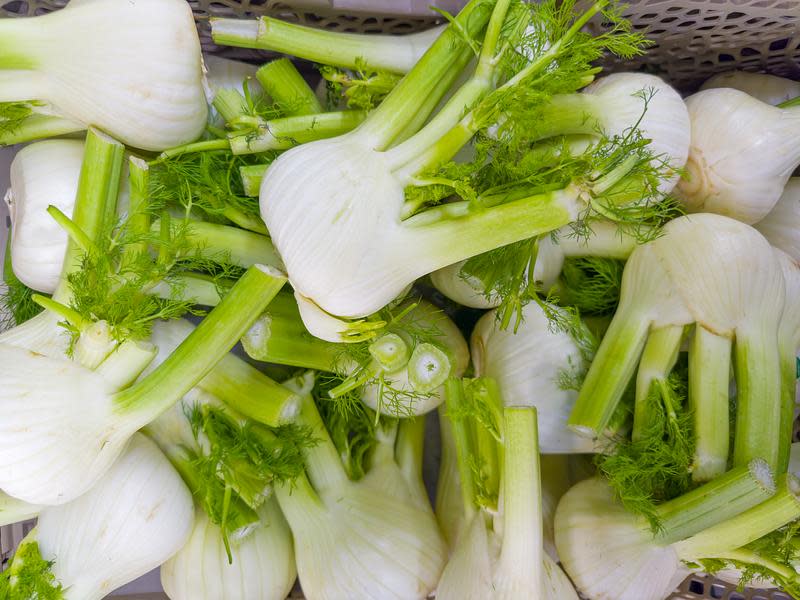
Fennel has a mild anise³ flavor that sweetens when cooked. Choose firm, white bulbs with bright green fronds. The bulb, stalks, and feathery fronds are all edible. Slice the bulb thinly for raw salads with citrus, or roast wedges until caramelized.
Rhubarb
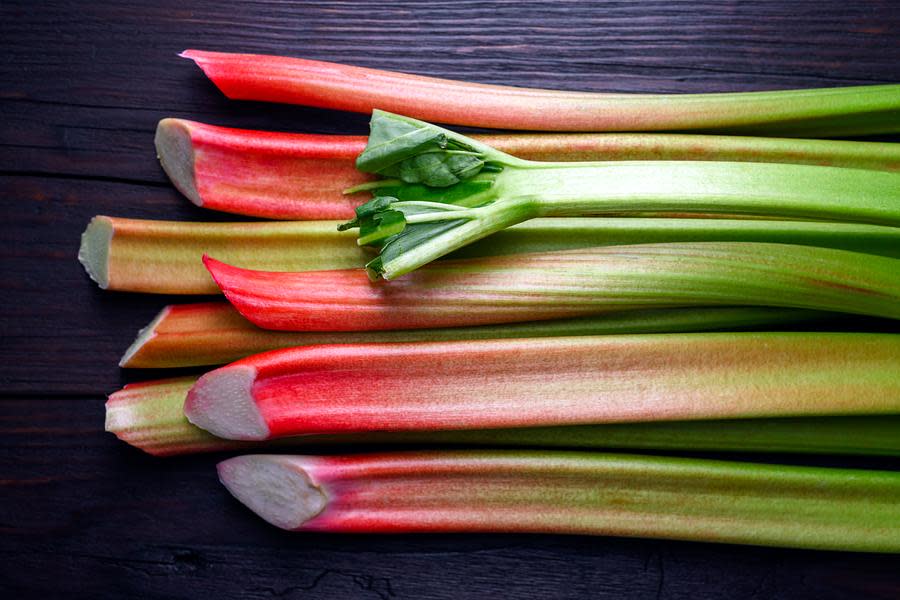
Technically a vegetable but treated like a fruit, rhubarb has a tart, tangy flavor perfect for pies, crumbles, and compotes. Choose firm, crisp stalks. Always discard the leaves, which contain oxalic acid⁴ and are toxic. Chop stalks and cook with a bit of sugar or honey to balance the tartness.
Lettuces
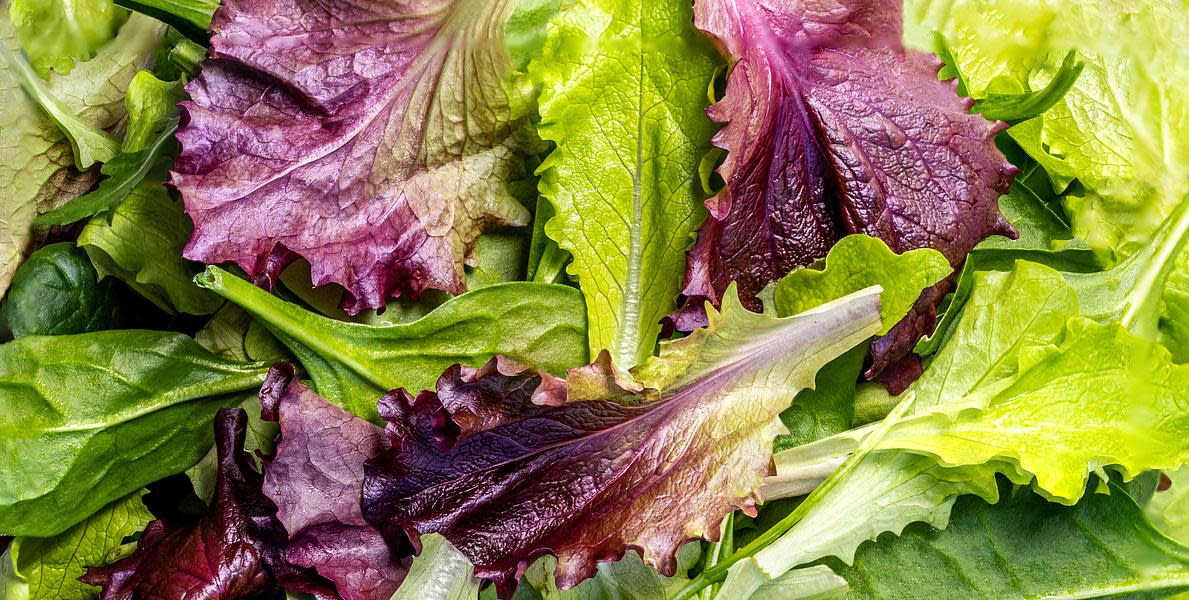
Spring is prime lettuce season, offering butter lettuce, romaine, oak leaf, and mesclun mixes at their tender best. Rinse and dry thoroughly with a salad spinner before building salads or using sturdy leaves as wraps. Dress lightly just before serving.
Sugar snap peas
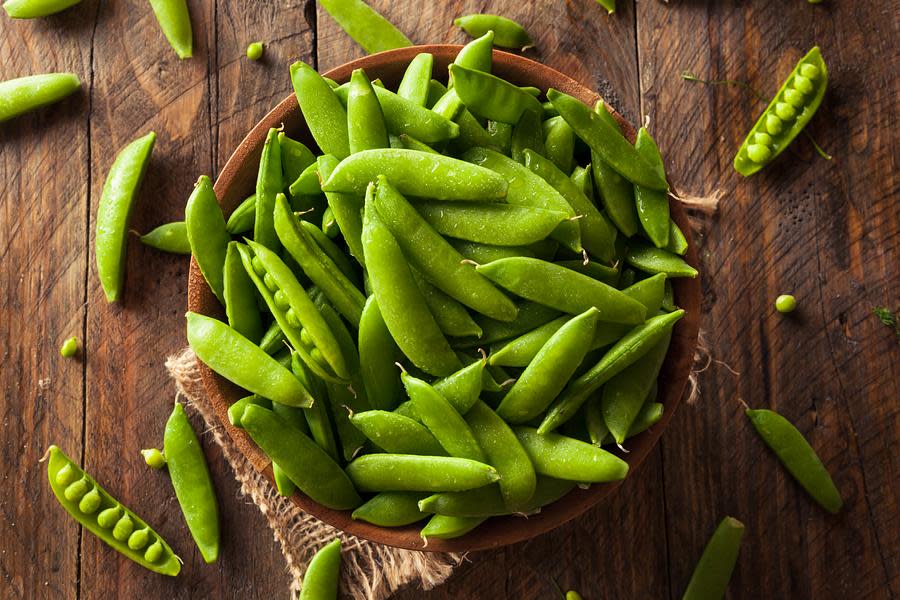
Sweet, crunchy, and entirely edible pod and all, sugar snap peas barely need preparation. Trim the stem end and pull away the string along the seam. Eat raw with dip, toss into stir-fries for the last minute, or blanch briefly for salads.
Microgreens
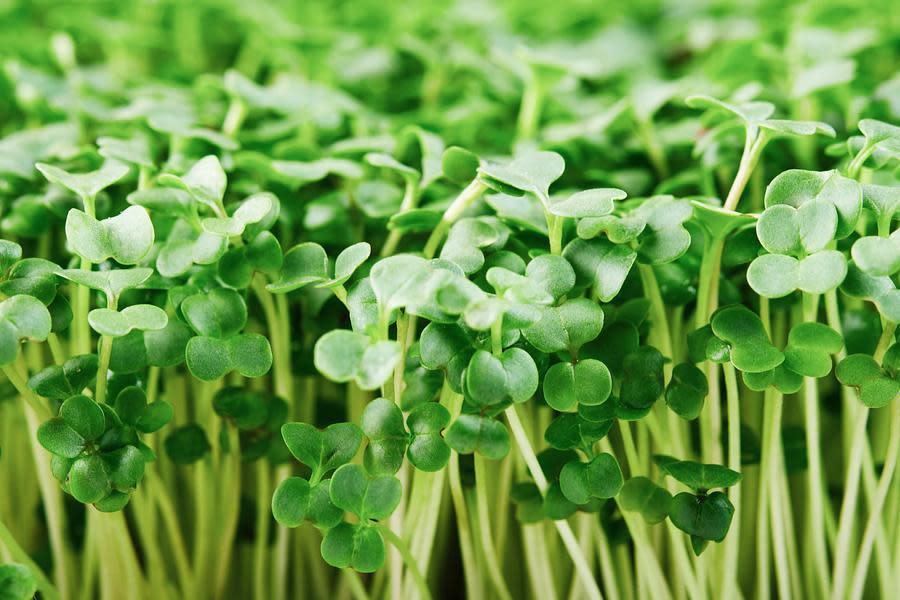
Microgreens are young seedlings harvested one to three weeks after germination. Despite their tiny size, they pack concentrated flavor and impressive nutrients. Use as salad toppings, sandwich garnishes, or finishing touches on soups and bowls. Popular varieties include sunflower, radish, pea shoot, and broccoli.
Want to explore how top chefs use seasonal vegetables in unexpected ways? Check out 15 high-protein vegetables you should add to your diet for more plant-powered inspiration.
How to store spring produce so it lasts
Proper storage extends the life of your spring produce by days. The general rule: most spring vegetables prefer cold, slightly humid conditions, but not all of them like being wet.
Leafy greens: Wrap loosely in a damp paper towel and store in an open bag in the crisper drawer. Use within five days.
Asparagus: Trim ends and stand upright in a jar with an inch of water, loosely covered. Refrigerate up to five days.
Root vegetables (beets, carrots, radishes): Remove greens, which draw moisture from the roots, and store in a bag in the crisper for one to two weeks.
Peas and fava beans: Keep in pods and refrigerate. Use within three to four days for the best sweetness.
Alliums (ramps, scallions, spring onions): Wrap in a damp paper towel and bag in the fridge. Use within a week.
Avoid washing vegetables before storing them. Excess moisture speeds up spoilage, so wash just before you're ready to cook or eat.
Simple ways to cook with spring vegetables
You don't need complicated recipes to make seasonal produce shine. These techniques let natural flavors do the work.
Roasting: Toss asparagus, radishes, fennel, or carrots with olive oil and salt, then roast at 400 to 425°F until caramelized.
Blanching: Briefly boil peas, fava beans, or green beans, then plunge into ice water to preserve color and crunch.
Raw and shaved: Use a mandoline or peeler to create thin ribbons of radishes, fennel, or carrots for elegant salads.
Quick sautés: Cook spinach, Swiss chard, or ramps in olive oil for just a minute or two, finishing with a squeeze of lemon.
A drizzle of good olive oil, a pinch of flaky salt, and a squeeze of citrus can transform even the simplest vegetable into something memorable.
Frequently asked questions about spring vegetables
Can you freeze spring vegetables for later use?
Spring vegetables can often be frozen by blanching them briefly in boiling water, cooling in an ice bath, and storing in airtight freezer bags to help preserve their quality.
What is the difference between scallions and spring onions?
Scallions have thin, straight white bases with no bulb, while spring onions have a small, rounded bulb and a slightly stronger, sweeter flavor.
Are rhubarb leaves safe to eat?
No, rhubarb leaves contain high levels of oxalic acid and should always be discarded. Only the stalks are safe to eat.
Which spring vegetables are highest in protein?
Peas and fava beans are among the most satisfying spring vegetables, offering a hearty bite and plant-based protein that make them a favorite for seasonal meals.
Does CookUnity accommodate food allergies in its spring vegetable meals?
CookUnity provides detailed ingredient and allergen information for every meal on its menu, so you can review each dish before ordering to ensure it fits your dietary needs.
Sources:

Be the first to know about new offers
Multiorder discounts, free items and more.