Back
What is bánh mì? A guide to Vietnam’s iconic sandwich
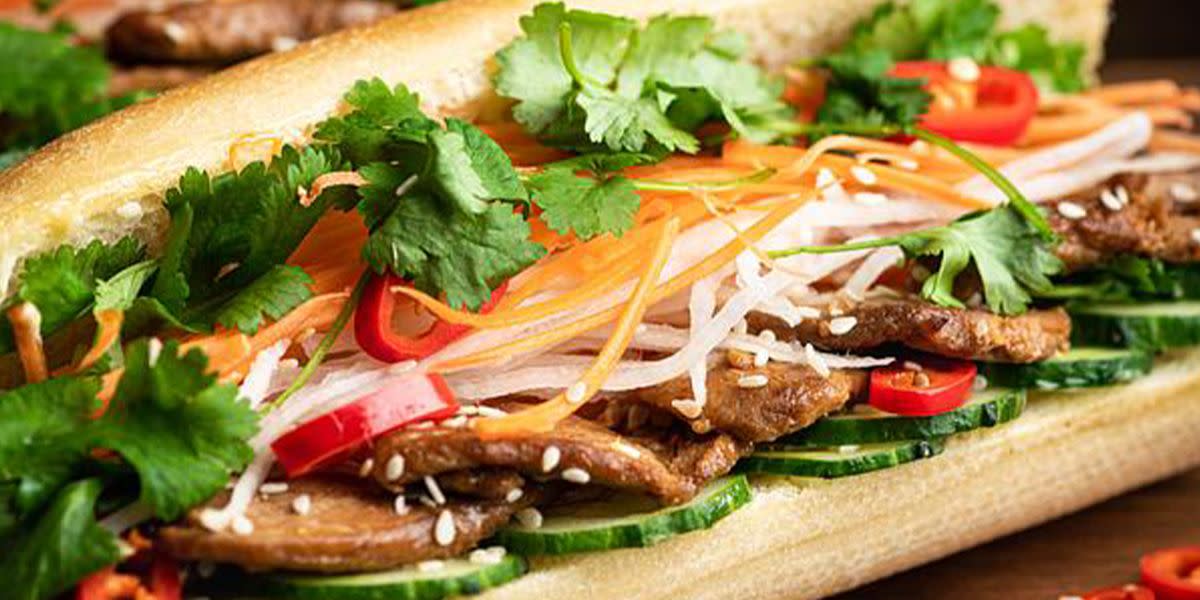
Few foods capture the spirit of culinary fusion quite like the bánh mì. This beloved Vietnamese sandwich blends French colonial influence with bold Vietnamese ingredients and ingenuity, creating a handheld masterpiece that’s equal parts crunchy, savory, tangy, and fresh. What started as a humble street food in the bustling markets of Saigon has grown into a global favorite, found everywhere from food trucks to fine dining.
In this guide, we’ll explore what makes bánh mì so special, from the distinctive Vietnamese baguette and classic fillings to its flavorful origins and modern-day variations. Whether you're curious about its cultural significance or looking to make an authentic version at home, this deep dive will give you everything you need to know.
Key takeaways:
Bánh mì refers to both the unique Vietnamese-style baguette and the sandwich built on it, known for its light, crispy crust and airy interior, often made with a mix of wheat and rice flour.
The traditional bánh mì sandwich features a combination of pork-based proteins, pickled vegetables, fresh herbs, and savory condiments for a perfectly balanced bite.
Its origins trace back to French colonization, but it was Vietnamese creativity that made it what it is today: adaptable, affordable, and full of flavor.
Modern bánh mì includes variations with chicken, beef, or tofu, making it one of the most versatile icons of Vietnamese cuisine.
What is bánh mì?
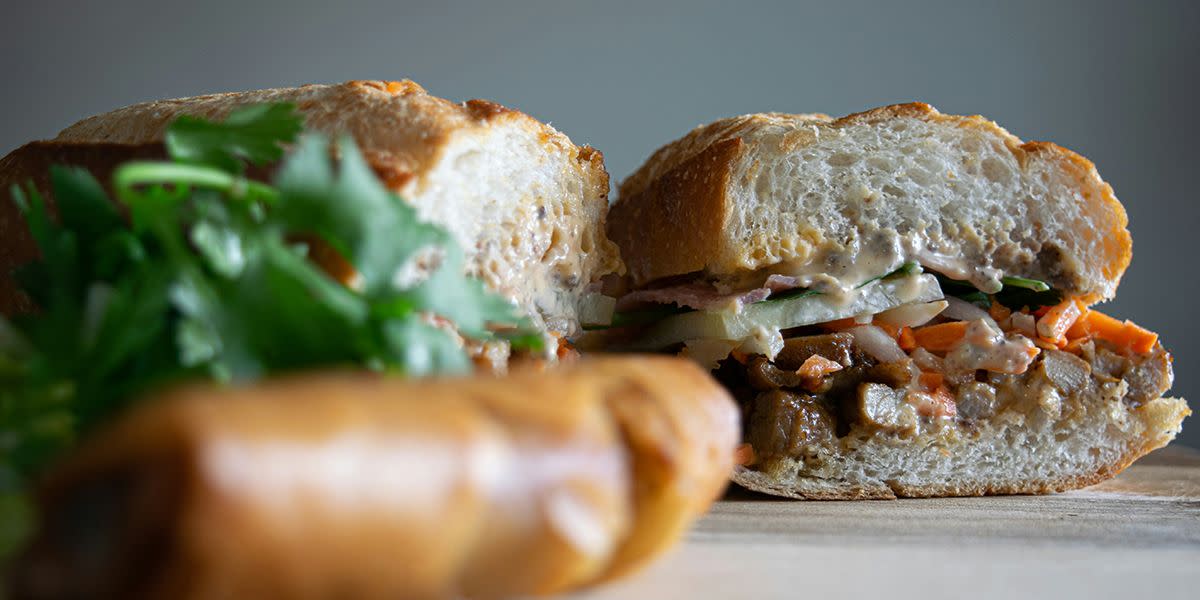
Bánh mì is a symbol of Vietnam’s culinary ingenuity. In Vietnamese, "bánh" means bread or cake, and "mì" refers to wheat. Together, the term describes the signature Vietnamese baguette that forms the base of this iconic street food.
What sets bánh mì apart is its perfect balance of textures and flavors. A crisp, airy baguette cradles savory proteins, tangy pickled vegetables, fresh herbs, and rich condiments like pâté or mayo. Each bite delivers contrast: crunch and tenderness, heat and coolness, brightness and umami. It’s a portable flavor bomb that tells the story of Vietnamese cuisine, rooted in tradition, shaped by history, and endlessly adaptable.
Key components of a classic bánh mì:
The vessel: A crispy-exterior, airy-interior Vietnamese baguette that provides the perfect crunch
The protein: Savory fillings such as cold cuts, grilled pork, or smooth pâté
The crunch: Pickled daikon and carrots for tangy contrast
The freshness: Bright herbs like cilantro and refreshing cucumber slices
The richness: Creamy mayonnaise, earthy pâté, and spicy chili for depth and heat
History and origins
The story of bánh mì begins during the French colonial era, when European-style bread was first introduced to Vietnam. Originally, these baguettes were filled with imported French ingredients and served to colonists and the wealthy elite.
After French colonial rule ended in 1954, Vietnamese bakers made the baguette their own. By incorporating local ingredients like rice flour, they created a lighter, crispier version better suited to Vietnam’s climate and palate. Local cooks then began stuffing these modified loaves with affordable, flavorful Vietnamese ingredients, transforming what was once a luxury item into an everyday staple.
The modern bánh mì sandwich is credited to Nguyen Thi Tinh and her husband, who in 1950s Saigon (now Ho Chi Minh City) began layering French-inspired elements like pâté with native herbs and pickles. This combination launched a culinary legacy.
A true Vietnamese baguette should crackle and shatter slightly when you bite into it. If it bends without breaking, locals say it’s not the real deal.
Following the Vietnam War and the spread of Vietnamese communities around the world, bánh mì found a global audience. Today, this humble Vietnamese sandwich is celebrated in kitchens and street stalls from Hanoi to New York City—an international ambassador of flavor and culture.
The Vietnamese baguette
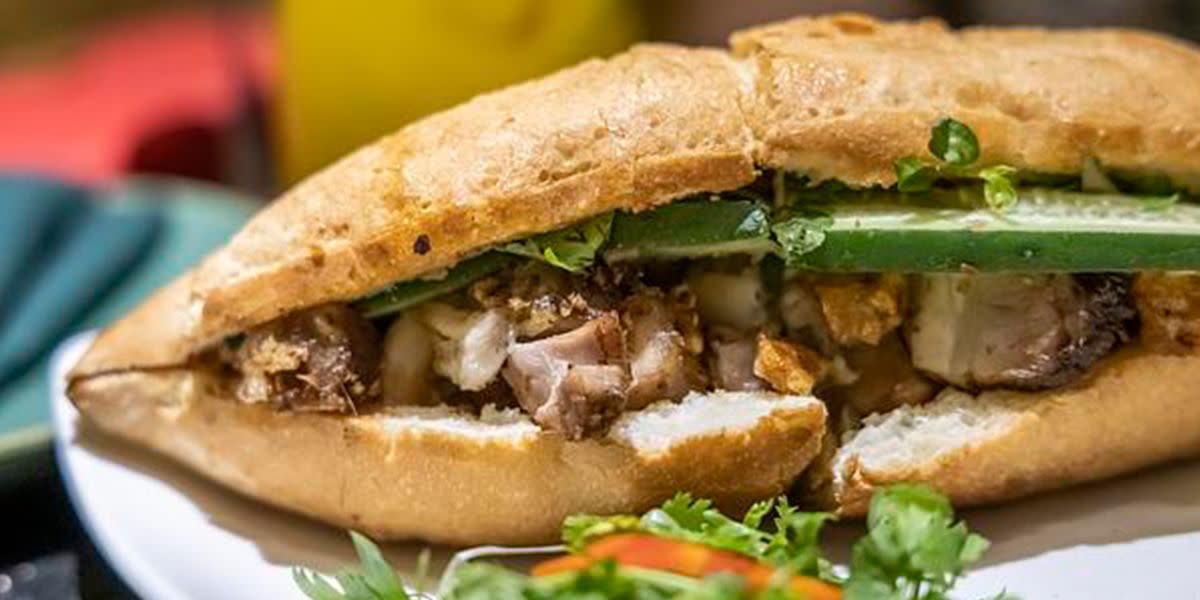
The Vietnamese baguette—known locally as bánh mì—is a distinct evolution of its French predecessor. Adapted to suit Vietnam’s tropical climate and local ingredients, this baguette is lighter, airier, and uniquely crisp. It forms the literal and symbolic foundation of what makes the bánh mì sandwich so special.
Unlike the dense, chewy crust of a traditional French baguette, the Vietnamese version features a paper-thin crust that shatters on the first bite and a pillowy interior that feels almost weightless. This contrast in texture is key to the sandwich’s signature mouthfeel and makes it the ideal vessel for its flavorful fillings.
Feature | Vietnamese baguette | French baguette |
|---|---|---|
Crust | Thin and shatteringly crisp | Thick and chewy |
Interior | Very light and airy | Denser and chewier |
Size | Shorter, personal-sized | Longer, meant for sharing |
Ingredients | Rice flour + wheat flour | 100% wheat flour |
Texture | Shatters when bitten | More resistance when bitten |
The addition of rice flour is what gives the Vietnamese baguette its distinctive structure. It creates a delicate crumb and ultra-thin crust that cracks, not tears—an essential feature for holding all the vibrant fillings without overwhelming them.
To find an authentic Vietnamese baguette, your best bet is to visit a Vietnamese bakery or well-stocked Asian market. If that’s not an option, a light French baguette can work in a pinch, though it may lack the airy crispness that defines the real thing.
Classic fillings and condiments
The magic of bánh mì lies in its contrast. Every ingredient has a role to play in creating the vibrant balance that defines this globally loved Vietnamese food. From savory meats to pickled crunch, and creamy spreads to fresh herbs, each element builds toward one harmonious bite.
Essential proteins
At the heart of a classic bánh mì is a bold, savory, and often pork-based protein. These flavorful fillings bring richness and depth to every bite of this iconic Vietnamese sandwich:
Thịt Nguội (Cold Cuts): A medley of Vietnamese deli meats like ham, head cheese, and pork roll, typically sliced thin and layered for maximum complexity.
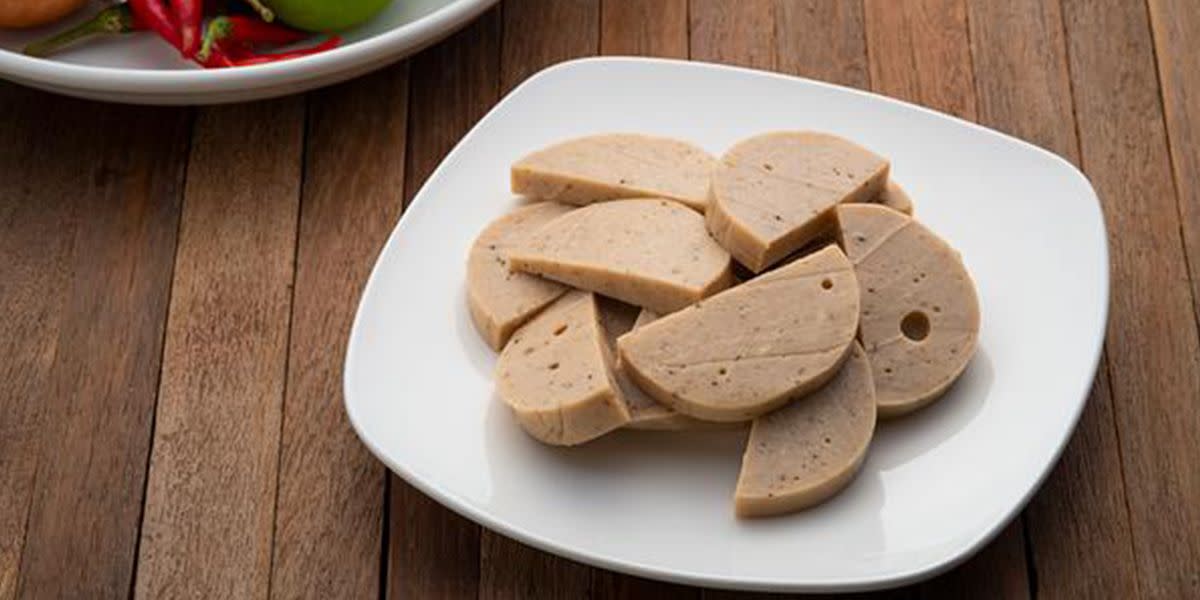
Chả Lụa: A smooth, springy pork sausage made from finely pounded pork, seasoned and wrapped in banana leaves before steaming.
Thịt Nướng: Marinated pork grilled until caramelized, thanks to a blend of lemongrass, fish sauce, garlic, and sugar. This version delivers smoky, sweet-savory flavor that pairs beautifully with crisp pickles and herbs.
Pickled vegetables
No bánh mì is complete without đồ chua, the tangy pickled vegetables that bring essential crunch and balance. This vibrant mix adds acidity, brightness, and contrast to every bite.
Daikon and carrot: Julienned and quick-pickled in a solution of vinegar, sugar, salt, and water. The result is a sweet-sour snap that defines the sandwich’s flavor.
The longer they sit, the more intense the flavor becomes. A quick pickle works in a pinch, but letting them marinate overnight enhances both texture and taste. These pickles help cut through the richness of the meats and spreads, bringing freshness to the mix.
Craving bold Vietnamese flavors without the prep? Try our Vietnamese meal delivery and enjoy chef-crafted dishes delivered fresh to your door.
Fresh herbs and spreads
The fresh elements in a bánh mì are what elevate it from a tasty sandwich to a craveable, flavor-packed experience. These ingredients bring contrast, complexity, and balance to every bite.
Cilantro: Adds a burst of brightness and an unmistakable herbaceous finish
Cucumber: Thin slices offer a clean, crisp crunch that refreshes the palate
Jalapeño or bird’s eye chili: Introduces customizable heat to wake up the flavor
Mayonnaise: Typically lighter and slightly sweeter than Western mayo, it brings creaminess and richness
Maggi sauce: Just a few drops add deep umami flavor and subtle saltiness
Together, these finishing touches create that irresistible mix of cool, spicy, and savory that defines the bánh mì sandwich and makes it a global favorite in Vietnamese cuisine.
Popular variations
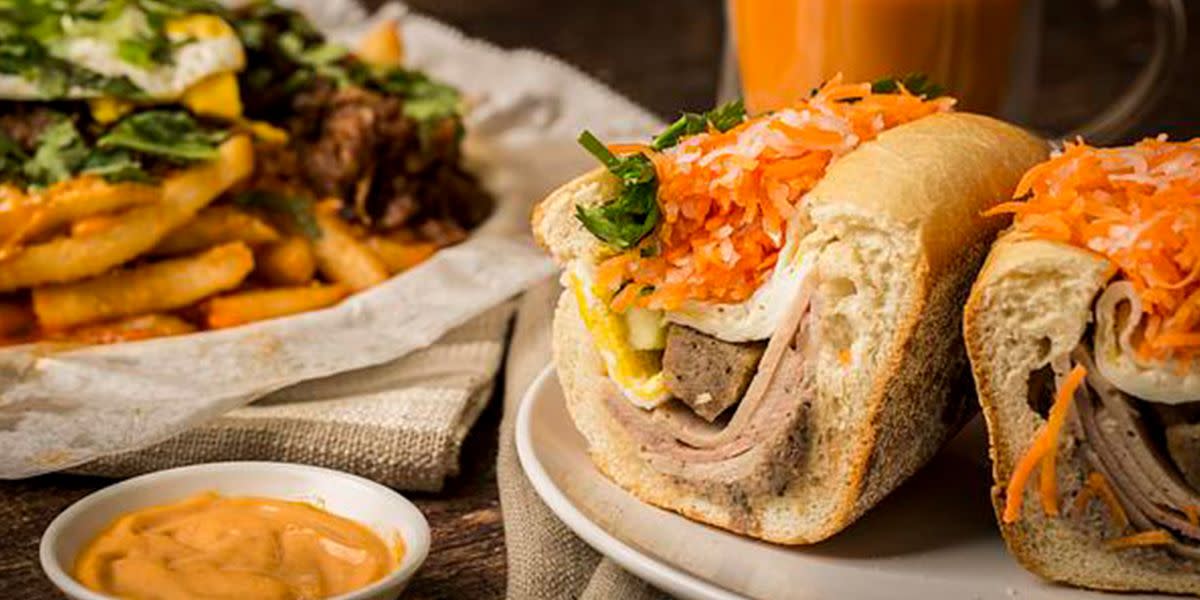
While the classic bánh mì is a staple in Vietnamese street food culture, its versatility has inspired countless regional twists and international takes. Each version celebrates the sandwich’s signature balance of textures and flavors while adding its own spin.
From grilled meats to meatballs, and even plant-based alternatives, the bánh mì has evolved into a global favorite that reflects the creativity of Vietnamese cuisine. Whether you're keeping it traditional or trying something new, there's a version of this sandwich for every palate.
Pork-based versions
Pork is the protein most closely associated with the traditional bánh mì, offering rich, savory depth that plays perfectly against the sandwich’s pickled and herbal elements.
Bánh mì thịt nguội: Often called the “combination” or “special,” this version layers an assortment of Vietnamese cold cuts, creamy pâté, and all the classic garnishes for maximum flavor complexity.
Bánh mì thịt nướng: Marinated in lemongrass, fish sauce, and garlic, the grilled pork in this version is caramelized to perfection and pairs beautifully with crunchy pickles and fresh herbs.
Bánh mì xíu mại: Features tender Vietnamese-style meatballs in a tomato-based sauce, making for a saucier, more indulgent take on the classic.
Craving these bold flavors without the prep? Explore our weekly menu and discover chef-crafted meals inspired by authentic global cuisines—delivered fresh to your door.
Chicken or beef
If you prefer alternatives to pork, these protein options offer equally satisfying takes on the classic bánh mì, while keeping all the flavor and character that define this Vietnamese sandwich.
Bánh mì gà nướng: Features grilled chicken marinated in lemongrass and fish sauce. This version is lighter than pork but delivers similar savory-sweet notes with a hint of smokiness.
Bánh mì bò kho: A heartier variation filled with tender beef from Vietnamese beef stew, often paired with carrots and a rich, aromatic gravy infused with star anise.
Bánh mì gà xé: Made with shredded poached chicken tossed in Vietnamese herbs and fish sauce. It’s clean, flavorful, and perfect for those who want something lighter without sacrificing depth.
Vegan or vegetarian
Plant-based versions of bánh mì stay true to the sandwich’s bold, balanced flavors while offering something for every dietary preference. These meat-free options are just as satisfying, thanks to smart seasoning and texture.
Bánh mì chay: The classic vegetarian take, often filled with tofu, seitan, or wheat gluten prepared to mimic the texture and savory depth of traditional pork.
Tofu bánh mì: Uses tofu marinated in lemongrass, five-spice, and soy sauce, then grilled or fried for maximum flavor and a satisfying bite.
For a chef-crafted version that brings all the flavor without the prep, try Chef Cami Sepulveda’s Tofu Bánh Mì on CookUnity. It’s proof that plant-based Vietnamese food can be just as crave-worthy as the original.
Assembly tips for an authentic sandwich
Creating the perfect bánh mì at home requires attention to both ingredients and technique. The assembly process is crucial for balancing flavors and ensuring structural integrity.
Layering strategy
Building a great bánh mì is all about thoughtful layering. Each step helps maintain structure while delivering that signature flavor harmony in every bite.
Split and hollow: Slice the baguette lengthwise and gently remove some of the interior crumb to make room for fillings without overcrowding.
Spread the base: Apply a thin layer of mayonnaise and/or pâté to both sides of the bread. This creates a barrier that prevents sogginess and adds richness.
Add the protein: Place your main protein first on the bottom half. It serves as a sturdy base and anchors the rest of the ingredients.
Pile on pickles and cucumber: Add pickled daikon and carrots, plus thin cucumber slices for crunch and tang.
Finish with herbs and chilies: Top with fresh cilantro sprigs and slices of jalapeño or bird’s eye chili for brightness and heat.
Fun fact: In Vietnam, bánh mì is often enjoyed for breakfast or a quick lunch. Its portability and punchy flavor made it a go-to street food for locals on the move in the mid-20th century. And it’s still just as popular today.
Toasting and warming
To get the most out of your Vietnamese baguette, give it a quick toast. Lightly warming the bread crisps the exterior while keeping the inside soft and airy, enhancing both texture and aroma without making it too tough.
If your bánh mì includes warm proteins like grilled pork or chicken, heat them separately before assembling. This keeps the meat juicy and hot without wilting the fresh herbs or softening the pickled vegetables.
For versions with cold cuts or pâté, bring those ingredients to room temperature before serving. Letting them sit for a few minutes ensures the full depth of flavor comes through. Cold-from-the-fridge fillings just don’t have the same impact.
Tips for customizing at home
Making bánh mì at home opens up endless ways to personalize while staying true to its bold, balanced character. With a few simple techniques and smart substitutions, you can create a sandwich that fits your taste and dietary needs, without losing the heart of what makes it special.
Whether you're adjusting the heat level, swapping proteins, or experimenting with spreads, the key is to keep that signature contrast of crispy, savory, tangy, and fresh.
Sourcing ingredients
Getting the right components is key to making an authentic bánh mì at home. While some specialty items may require a bit of searching, there are great options available both locally and online.
Vietnamese or Asian markets: Ideal for finding traditional bánh mì bread, Vietnamese cold cuts, pickled vegetables, and specialty condiments like Maggi sauce and fish sauce
Mainstream grocery stores: Look for light French baguettes, quality deli meats, and mayonnaise (you can sweeten it slightly to mimic Vietnamese-style mayo)
Online sources: Great for ordering harder-to-find ingredients like Vietnamese pâté or specialty sauces
In many cities, Vietnamese bakeries offer freshly made bánh mì bread and ready-to-eat sandwiches. These spots are not only convenient but also great for inspiration and understanding how the flavors come together.
Substitutions for dietary needs
The beauty of bánh mì is how easily it can be adapted to suit different lifestyles and dietary needs. With a few thoughtful substitutions, you can enjoy all the bold flavors in a way that works for you.
Gluten-free: Try using rice paper wraps as a creative alternative to bread, or look for gluten-free baguettes from specialty bakeries.
Low-carb: Swap the baguette for large butter lettuce leaves to create a refreshing lettuce wrap version. You’ll still get the crunch and flavor without the carbs.
Looking for more gluten-free options that don’t compromise on taste? Check out What Breads Are Gluten Free? for delicious alternatives to traditional wheat-based baguettes.
Flavor boosters
Want to take your homemade bánh mì to the next level? These simple upgrades add extra depth, heat, and complexity without much effort.
Homemade sriracha mayo: Mix three parts mayonnaise with one part sriracha for a creamy spread that adds both richness and a spicy kick.
Enhanced pickle brine: Drop in a stalk of lemongrass or a few slices of fresh ginger to your pickle mix for added aroma and a more layered tang.
Protein marinades: For bold flavor, marinate your meats or tofu in a blend of fish sauce, sugar, lemongrass, and garlic for at least 30 minutes before cooking.
These little touches help recreate the complexity of a shop-made bánh mì right in your own kitchen.
Enjoying Vietnam's iconic sandwich
Bánh mì is more than a sandwich. It is a story of cultural fusion, born from French influence and transformed by Vietnamese creativity into something entirely its own.
What makes bánh mì so unforgettable is its perfect balance. Every element plays a role: the crispy yet tender baguette, the savory proteins, the tangy pickles, the bright herbs, and the rich condiments all come together in one harmonious, handheld experience.
Making bánh mì at home is a rewarding way to explore Vietnamese cuisine, but you can also enjoy it without lifting a finger. We offer chef-crafted Vietnamese-inspired meals, bringing authentic flavor and texture straight to your door.
Frequently asked questions about bánh mì
What does bánh mì taste like?
Bánh mì offers a perfect balance of flavors: savory meats, tangy pickled vegetables, fresh herbs, creamy spreads, and spicy chilies, all contained in a crispy-exterior, soft-interior baguette.
What is the yellow ingredient in bánh mì?
The yellow component in bánh mì is pickled daikon radish, which provides a tangy crunch and helps balance the richness of the meats and spreads.
How should I store leftover bánh mì ingredients?
Store components separately in the refrigerator and assemble just before eating, as pre-assembled sandwiches quickly become soggy.
Can I make bánh mì with gluten-free bread?
Yes, gluten-free baguettes or rolls can be substituted, though they may lack the characteristic light texture of traditional bánh mì bread.
Which vegetables can I substitute if daikon is unavailable?
Regular radishes, jicama, or turnips can substitute for daikon, providing similar crunch and taking on the pickling flavors well.

Be the first to know about new offers
Multiorder discounts, free items and more.