Back
Vietnamese cuisine: Culture, ingredients, and iconic dishes
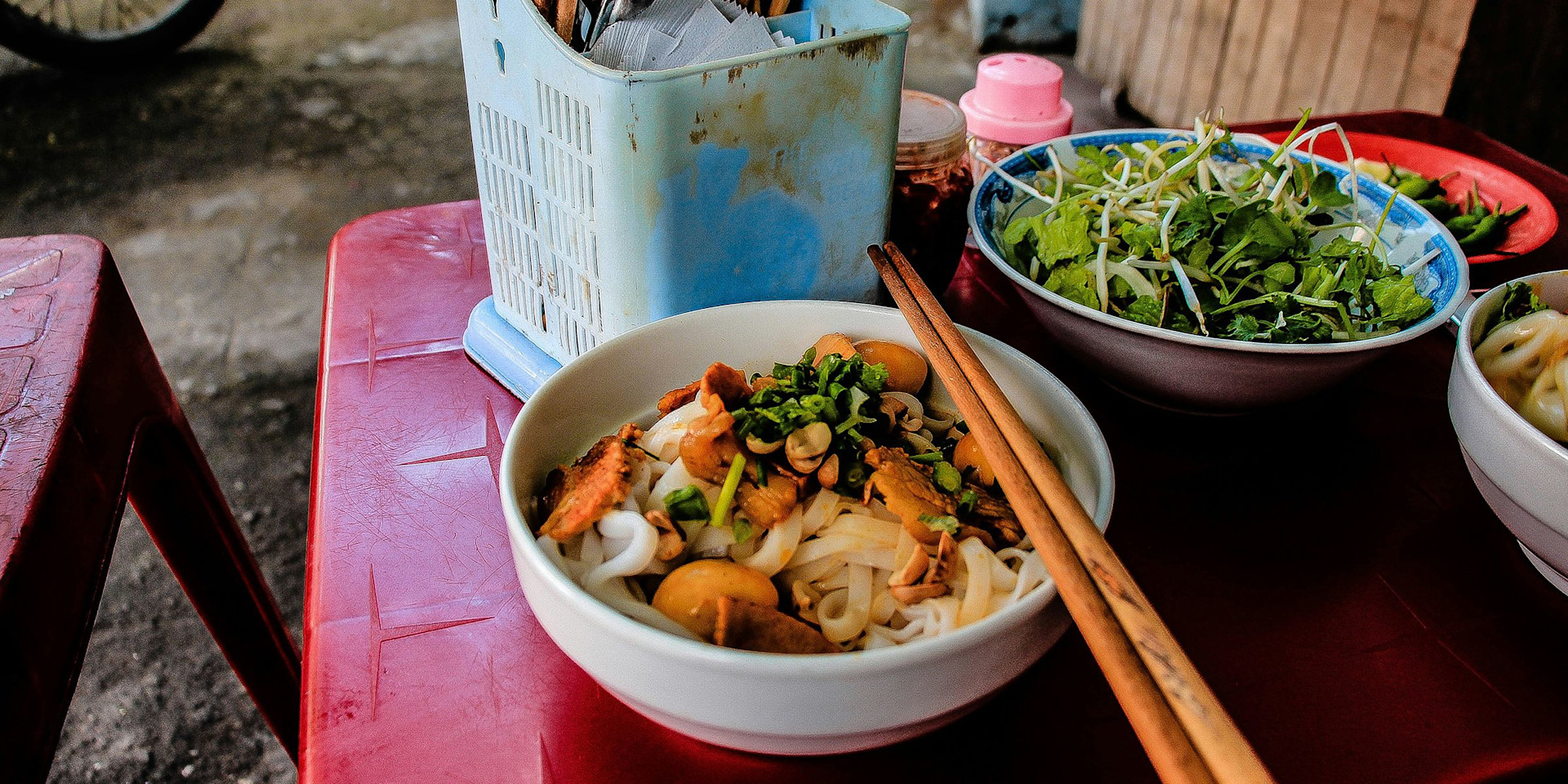
Vietnamese cuisine is more than a collection of recipes. It’s a celebration of balance, freshness, and flavor. Every dish invites you into a world where sweet, salty, sour, spicy, and umami work together in perfect harmony.
Rooted in centuries of tradition and influenced by global cultures, Vietnamese food is light yet deeply satisfying. From steaming bowls of pho to crisp banh mi sandwiches and delicate spring rolls, Vietnamese meals transform everyday eating into something unforgettable.
This guide takes you on a journey through the ingredients, techniques, and Vietnamese dishes that define one of the world’s most vibrant and beloved cuisines.
Key takeaways:
Vietnamese cooking is known for its balance of flavors and emphasis on fresh herbs. It typically uses less oil and dairy than other global cuisines.
Regional styles vary significantly, from the subtle, Chinese-influenced Vietnamese dishes of the North to the spicy imperial cuisine of Central Vietnam and the sweeter, herb-forward cooking of the South.
Essential Vietnamese ingredients include fish sauce (nuoc mam), rice in all its forms, and a wide variety of aromatic herbs that define the cuisine’s signature profile.
Iconic Vietnamese foods like pho, banh mi, and fresh spring rolls highlight the cuisine’s signature balance of flavor, texture, and nutritional value.
What is Vietnamese cuisine?
Vietnamese cuisine is built on balance. Every dish brings together five fundamental flavors: sweet, salty, sour, spicy, and umami. The result is food that feels light on the palate yet deeply satisfying, with minimal use of dairy or heavy oils.
Fresh herbs and vegetables take the spotlight in most Vietnamese food preparations. Daily trips to local markets ensure peak-season ingredients, which keep every bite bright and full of life.
Rice is the foundation of most Vietnamese meals and reflects the country’s deep agricultural roots. Whether it appears as steamed rice, noodles, or paper, it plays a central role in the cuisine. Cooking techniques focus on enhancing natural flavors rather than covering them up.
For an authentic taste of Vietnamese food without the travel, explore our Vietnamese meal delivery options prepared by award-winning chefs who honor traditional techniques while adding their own creative twist.
Chef Chase Evans’ Vietnamese Grilled Chicken brings this philosophy to life. His dish combines tender chicken with fresh herbs and a layered sauce that captures all five signature flavor notes of Vietnamese cuisine.
Cultural roots of Vietnamese food
Historical Influences
Vietnamese cuisine reflects centuries of cultural exchange, blending global influences with local ingredients to create something entirely its own.
Chinese influence introduced essential elements like stir-frying, noodles, and chopsticks, which remain staples in Vietnamese cooking.
French colonization brought baguettes, pâtés, and coffee, all reimagined into uniquely Vietnamese dishes such as the beloved banh mi.
Neighboring countries like Cambodia, Laos, and Thailand added flavor techniques that vary by region, from spicy broths to aromatic herbs.
What makes Vietnamese food special is how these influences were adapted, not copied. Local cooks took foreign ideas and infused them with Vietnamese ingredients and sensibilities, resulting in Vietnamese dishes that feel both familiar and entirely fresh.
Philosophical balance
At its core, Vietnamese cuisine follows a deep belief in balance. Not just of taste, but of energy and nourishment. Meals are often guided by the yin-yang principle, which encourages harmony between hot and cool, raw and cooked, light and rich.
Vietnamese cooking also draws from the five-element theory, aligning each dish with specific flavors and their corresponding elements:
Element | Flavor | Examples in Vietnamese cuisine |
|---|---|---|
Wood | Sour | Lime, tamarind, vinegar |
Fire | Bitter | Bitter melon, herbs |
Earth | Sweet | Sugar, fruits |
Metal | Spicy | Chili, pepper |
Water | Salty | Fish sauce, salt |
This philosophy helps explain why Vietnamese meals often include contrasting flavors, temperatures, and textures. Vietnamese food is beloved for creating a sensory experience that feels both nourishing and exciting.
Regional styles in Vietnam
"Vietnamese cuisine doesn't exist as a singular thing. Each region has its own culinary traditions that reflect local ingredients, climate, and historical influences." – Chef Mai Pham
Northern classics
Northern Vietnamese cuisine is known for its subtle flavors and restrained use of spices. Influenced by Chinese cooking, these dishes rely more on black pepper than chili for heat and often feature seasonal vegetables and freshwater fish from the Red River Delta.
Hanoi’s version of pho is a prime example. The broth is clear and delicate, served with wider rice noodles and fewer herbs than southern styles. Northern Vietnamese food tends to be balanced and light, with an emphasis on preserving the natural taste of ingredients.
To explore even more regional flavor profiles, check out our guide to Asian street food delights you can enjoy at home.
Central specialties
Central Vietnam is home to some of the most vibrant and complex Vietnamese dishes. The cuisine from this region is known for bold spices, rich broths, and colorful presentations that reflect the imperial history of Hue, Vietnam’s former royal capital.
Small, intricately prepared dishes were originally designed to please emperors, and that attention to detail lives on today. Bun Bo Hue, with its lemongrass-infused broth and spicy kick, is a standout example. Chef Esther Choi’s Spicy Beef Pho takes inspiration from these bold, central Vietnamese flavors.
Southern delicacies
Southern Vietnamese cuisine is bright, fresh, and a little sweeter, thanks to the influence of Cambodia and Thailand and the abundance of tropical produce in the Mekong Delta. Cooks here make generous use of sugar, coconut milk, and herbs, layering in complexity with every bite.
Pho from the South is typically served with a large platter of herbs, bean sprouts, lime, and chili slices. This gives each person the chance to build their bowl to taste, a signature trait of southern Vietnamese meals that celebrates freshness and personal flavor balance.
Essential ingredients in Vietnamese cooking
The heart of Vietnamese cuisine lies in its ingredients. Simple, fresh, and full of flavor, each component plays a specific role in creating harmony on the plate.
Fish sauce (nuoc mam) is the soul of Vietnamese food. Made from fermented anchovies, it delivers a deep umami kick that anchors everything from dipping sauces to marinades and soups.
Rice is the foundation of many Vietnamese meals and appears in nearly every form imaginable: steamed grains, chewy rice noodles, delicate rice paper, and finely milled flour. Each version serves a purpose, whether it’s wrapping fresh herbs in goi cuon or soaking up flavorful broth in a bowl of pho.
Fresh herbs are essential to Vietnamese cooking. They don’t just garnish the dish; they define it. Expect to see bold handfuls of:
Cilantro
Mint
Thai basil
Lemongrass
Perilla leaf (tia to)
These herbs add brightness, complexity, and a burst of aromatics that bring Vietnamese dishes to life.
Fruits and vegetables also play a leading role. Ingredients like bean sprouts, chili peppers, and lime add texture, acidity, and heat that balance richer components in the meal.
Curious to try these flavors without a trip to the market? Explore weekly chef-curated Vietnamese meals from CookUnity, crafted with authentic ingredients and bold creativity.
Chef Chase Evans’ Vietnamese Grilled Chicken is a standout example, showcasing the citrusy depth of lemongrass paired with tender protein and vibrant herbs.
Must-try Vietnamese dishes
From noodle soups to street-style sandwiches, Vietnamese cuisine offers a wide range of dishes that are packed with flavor, balance, and history. These iconic options showcase the best of Vietnamese food and are a great entry point for anyone exploring the cuisine.
Noodle soups (pho, bun bo hue)
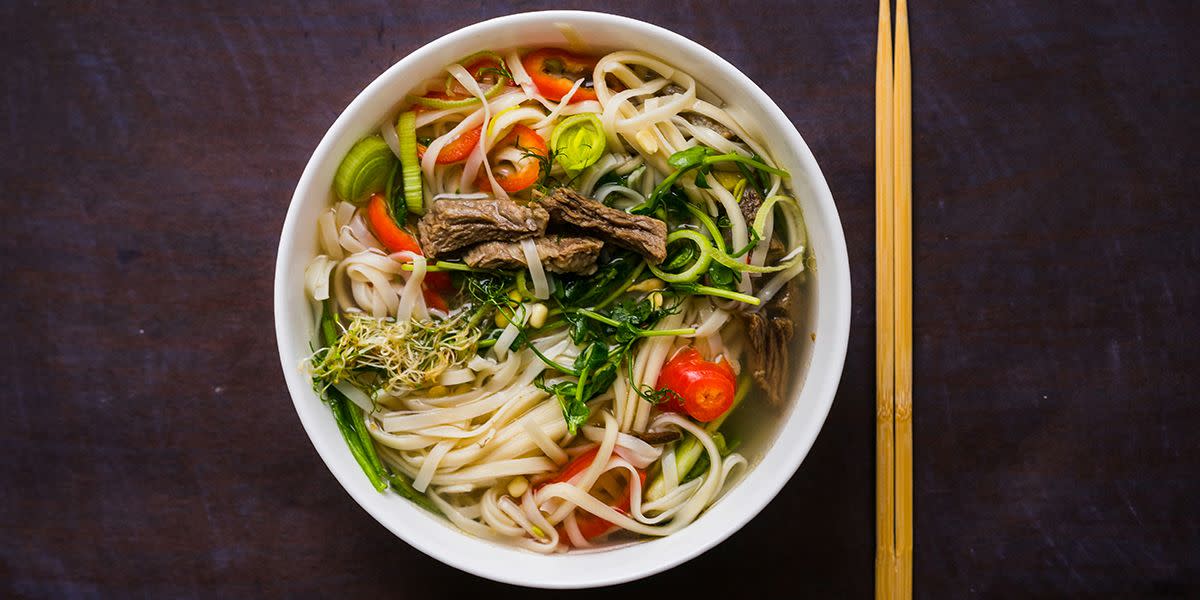
Pho is Vietnam’s most recognized dish, and for good reason. This aromatic noodle soup features a clear broth infused with star anise, cinnamon, and charred ginger. Served with rice noodles and thin slices of beef or chicken, pho is often accompanied by fresh herbs, bean sprouts, lime, and chili so each person can tailor their bowl.
Bun bo hue is a spicier option from central Vietnam. Its lemongrass-forward broth is deeper in color and flavor, often made with beef and pork, and thickened with rice noodles. The vibrant red hue comes from annatto seeds and chili oil, creating a bold and comforting dish.
Both soups are excellent examples of how Vietnamese cuisine layers flavor while keeping the ingredients clean and focused.
Iconic sandwiches (banh mi)
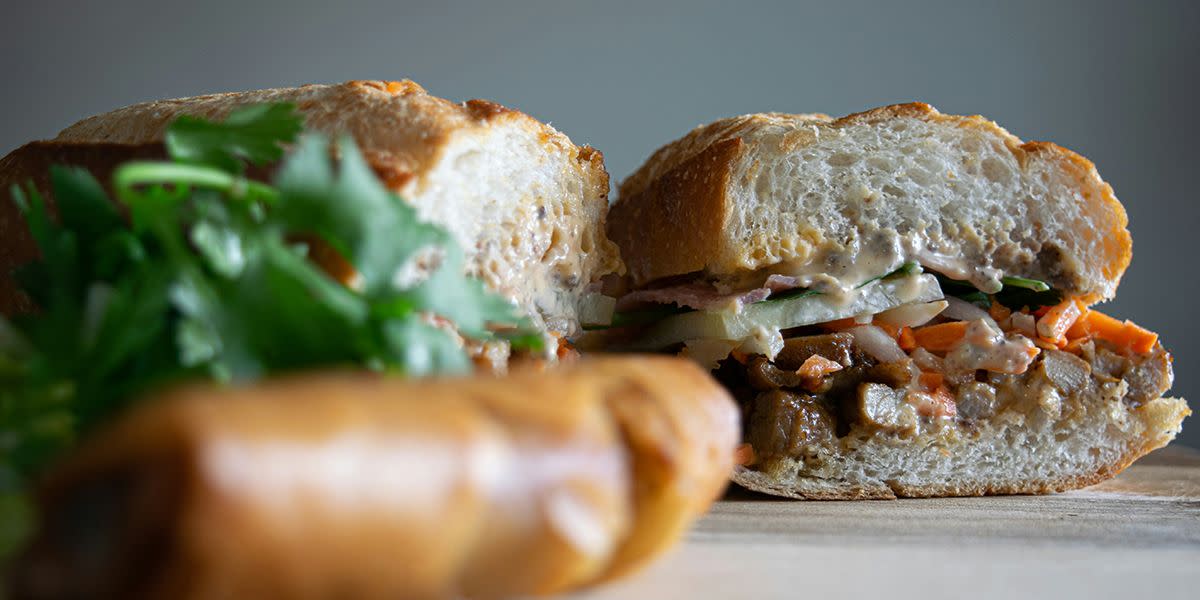
Banh mi is a true fusion of French and Vietnamese cooking. A crusty baguette is filled with savory meats or tofu, pâté, pickled vegetables, fresh herbs, and chili. The result is a sandwich that’s crunchy, rich, bright, and satisfying all at once.
Regional variations abound. Hanoi tends to keep it simple with ham and pâté, while Saigon leans more flavorful and layered. For a plant-based twist, Chef Cami Sepulveda’s Tofu Nanh Mi keeps the textures and contrasts that make this dish so iconic.
Rolls and wraps (goi cuon, nem)
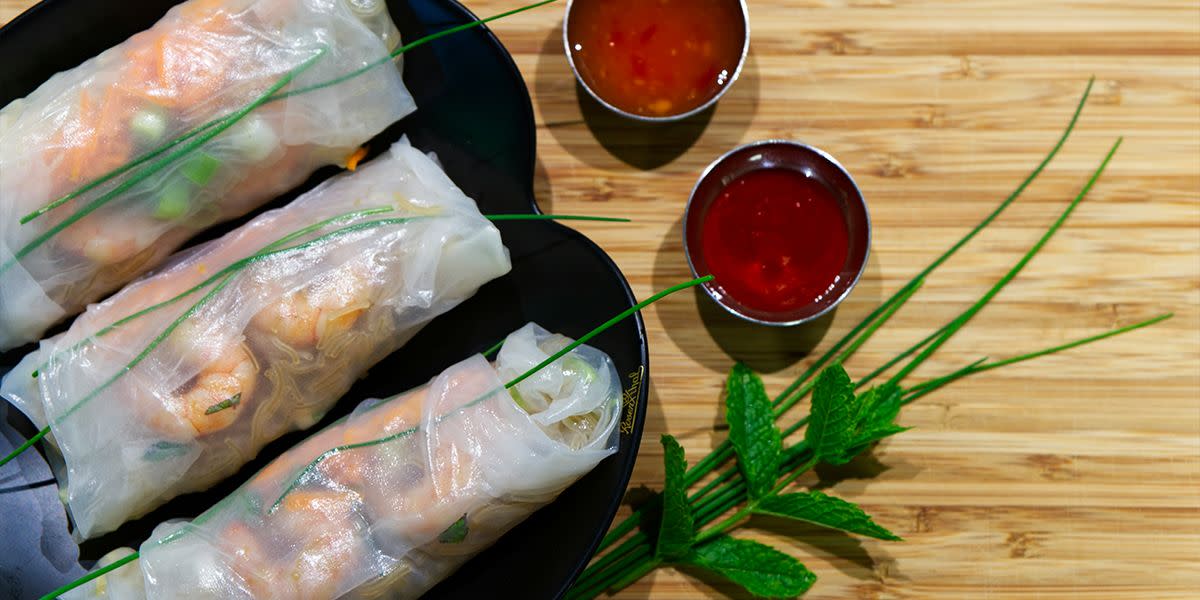
Goi cuon, or fresh spring rolls, are a refreshing favorite. Made with rice paper and filled with vermicelli noodles, shrimp or pork, and lots of fresh herbs, these rolls are light and crisp. They’re often served with peanut sauce for dipping.
Nem (also called cha gio or crispy spring rolls) are the fried counterpart. Filled with pork, mushrooms, and vegetables, these rolls are golden and crunchy, usually served with nuoc cham (a sweet, sour, and salty dipping sauce that brings everything together).
Chef Nelson Brizuela’s Vietnamese Shrimp Noodle Bowl reimagines the flavors of these traditional rolls in a fresh, deconstructed format.
Rice plates (com tam, clay pot variations)
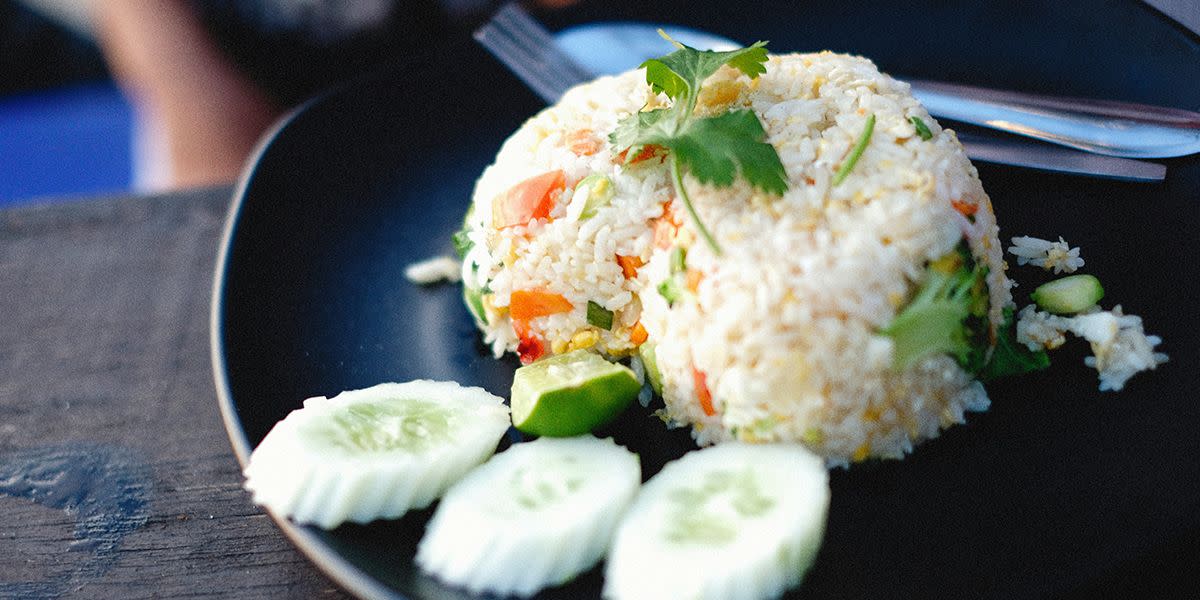
Com tam, or broken rice, is a southern Vietnamese staple. The dish features grilled meats, pickled vegetables, a fried egg, and nuoc cham sauce. The broken rice grains soak up flavor beautifully, making each bite satisfying and textural.
Clay pot dishes are slow-cooked meals where fish or meat is caramelized with sugar, fish sauce, and pepper. The clay pot locks in moisture and creates a flavorful crust that adds depth to the entire dish.
Unique serving traditions and dining etiquette
In Vietnamese food culture, how you eat is just as important as what you eat. Meals are centered around connection, balance, and the joy of sharing. Whether it’s a quick lunch or a special occasion, the dining experience reflects deep-rooted traditions that celebrate togetherness.
Meals are typically served family-style, with several dishes placed at the center of the table and shared by everyone. This approach encourages variety across flavors, textures, and cooking methods. Instead of balancing each individual plate, the meal as a whole is designed to feel complete and satisfying.
Rice is considered the centerpiece, with most other Vietnamese dishes viewed as accompaniments. Soups, grilled proteins, stir-fried vegetables, and dipping sauces all revolve around the bowl of rice at the center of the table.
Chopsticks are the standard utensil, often paired with ceramic spoons for soups. Shared dishes are served with communal utensils to show consideration and respect. It’s common to serve others before yourself, especially elders.
A traditional Vietnamese meal progresses from light to rich, but soup may be sipped throughout the meal rather than at the beginning. This rhythm reflects the broader Vietnamese approach to food: intuitive, balanced, and always anchored by contrast.
How sauces and condiments elevate flavor
No Vietnamese meal is complete without the sauces and condiments that tie everything together. These elements may seem simple, but they’re responsible for delivering the complexity and balance that define Vietnamese cuisine.
Nuoc cham
Nuoc cham is the go-to dipping sauce found at nearly every Vietnamese table. Made with fish sauce, lime juice, sugar, garlic, and chili, it brings together sweet, sour, salty, and spicy flavors in perfect balance.
This all-purpose sauce pairs beautifully with spring rolls, rice plates, and noodle dishes. While the base ingredients remain the same, each region—and even each cook—may adjust the proportions. Northern versions lean less sweet, while southern versions often include more sugar and chili for added warmth.
Fermented pastes (mắm)
Fermented pastes, known as mắm, bring bold umami depth to many Vietnamese dishes. Though their pungent aroma can be intense, their flavor transforms everything from soups to dipping sauces.
Mắm tôm (fermented shrimp paste) is famously used in bun dau mam tom, a street food dish featuring fried tofu, herbs, and rice noodles. Its strong, salty kick is an acquired taste, even for many locals.
Mắm nêm, popular in central Vietnam, blends fermented anchovy paste with pineapple, chili, and sugar to create a rich, savory sauce that’s often served with beef.
These condiments are a window into the bold, layered flavors that make Vietnamese food so memorable. A little goes a long way, but the impact is undeniable.
Frequently overlooked dishes and modern twists
Beyond pho and banh mi, Vietnamese cuisine offers a rich world of lesser-known dishes and creative reinterpretations. From vegetarian meals rooted in Buddhist tradition to fusion recipes born from global kitchens, these dishes show just how adaptable and exciting Vietnamese food can be.
Vegetarian or vegan approaches
Vietnam has a deep history of vegetarian cooking, shaped by Buddhist practices and local ingredients. Many temples serve elaborate meals built around tofu, seitan, and mushrooms, often designed to mimic the textures of meat.
Vegetable-driven Vietnamese dishes like canh chua (a tangy tamarind-based soup) highlight how much flavor can be coaxed from simple produce. Sour, sweet, and spicy notes combine in a broth that feels light yet layered.
Today’s chefs are expanding the idea of plant-based Vietnamese food, blending global techniques with traditional flavor profiles. The result is a fresh take on comfort food that feels both familiar and new.
Fusion-style creations
Across the globe, Vietnamese flavors are showing up in unexpected ways. Vietnamese-American cuisine has created its own identity, with dishes that reflect both tradition and innovation.
Garlic noodles, made popular in San Francisco, bring together Vietnamese seasoning and Chinese technique
Pho tacos and banh mi sliders offer street food-style formats with bold Vietnamese flavor
Desserts and drinks like Vietnamese coffee ice cream or pho-spiced cocktails give classic recipes a modern twist
These reimagined Vietnamese dishes offer a playful way to explore the cuisine while honoring its roots.
Bringing Vietnamese flavors into everyday life
You don’t need a passport or a pantry full of rare ingredients to enjoy Vietnamese food at home. With a few essentials and the right mindset, anyone can bring the bold, balanced flavors of Vietnamese cuisine into their daily routine.
Stocking a Vietnamese-inspired pantry
Start with a handful of core ingredients that appear in many Vietnamese recipes:
Fish sauce for umami depth
Rice paper for making fresh rolls
Rice noodles for soups, stir-fries, and noodle bowls
Lemongrass for aromatic, citrusy flavor
Fresh herbs like mint, cilantro, and Thai basil
These staples make it easy to build quick, flavorful Vietnamese meals. No complicated techniques required.
Easy Vietnamese meals to try at home
Begin with simple recipes that highlight the core elements of Vietnamese cuisine. A few ideas:
Fresh spring rolls with herbs, shrimp, and vermicelli
Nuoc cham dipping sauce to serve with grilled meats or vegetables
Rice bowls topped with marinated tofu or lemongrass chicken
These dishes are flexible, fast, and packed with flavor. Once you master the basics, it’s easy to start experimenting.
Finding authentic ingredients is easier than ever thanks to growing international aisles in supermarkets and a wide range of online retailers. For specialty items like perilla leaf or Vietnamese coriander, local Asian markets are a great resource.
If you’d rather skip the prep, our chef-crafted Vietnamese meals bring bold, balanced flavor straight to your door. Created by chefs who respect tradition and love to experiment, these meals are a delicious way to enjoy Vietnamese food with zero effort.
Frequently asked questions about Vietnamese cuisine
Are these meals safe for those with severe dietary allergies, such as dairy, soy, and nuts?
Many Vietnamese meals are naturally dairy-light, but some may contain soy, peanuts, or other allergens. Our meals are crafted with care, but because they're prepared in shared kitchens, cross-contamination is possible. If you have a severe allergy, we recommend checking ingredient labels closely and consulting with our team before ordering.
What are some lesser-known Vietnamese dishes beyond the familiar pho and banh mi?
Vietnamese cuisine is incredibly diverse. Regional specialties like cao lau (Hoi An-style noodles), mi quang (turmeric noodles with shrimp and pork), and bun oc (snail noodle soup from Hanoi) offer bold, unique flavors that are less familiar but just as satisfying.
How can I maintain authenticity in Vietnamese cooking using ingredients from local grocery stores?
Stick to core ingredients like fish sauce, rice noodles, and fresh herbs. Many international sections now stock these essentials. If you can’t find everything, focus on flavor balance, not perfection. A great Vietnamese dish is more about harmony than hard rules.
Is Vietnamese food similar to Chinese food in terms of flavor and preparation?
There are shared techniques and ingredients due to historical influence, but Vietnamese food is typically lighter, fresher, and more herb-forward. It uses less oil, more raw vegetables, and places strong emphasis on clean, balanced flavor.
What is Vietnam's most commonly eaten food in everyday meals?
Rice is the staple in most Vietnamese homes. Whether served steamed, broken, in noodle form, or wrapped in paper, it’s the foundation of daily meals, often accompanied by fresh vegetables, herbs, and grilled or braised proteins.

Be the first to know about new offers
Multiorder discounts, free items and more.