Back
BackSoul food explained: From historical roots to modern twists

Soul food is a story of survival, resilience, and creativity passed down through generations. Born from the resourcefulness of enslaved African Americans who transformed humble ingredients into deeply flavorful meals, soul food has grown into one of the most beloved pillars of American cuisine.
In this guide, we’ll explore the rich history and cultural significance of soul food, its African and Native American influences, and how chefs today are preserving and reimagining soul food with healthier, plant-forward, and globally inspired twists. From fried chicken and collard greens to gumbo and cornbread, you’ll discover the origins, evolution, and enduring impact of these iconic soul food meals.
Key takeaways:
Soul food originated from the creativity of enslaved Africans who transformed limited resources into flavorful meals that nourished communities and preserved cultural identity.
The cuisine combines African ingredients like okra and black-eyed peas with Native American staples such as corn and traditional Southern cooking techniques.
Classic soul food dishes like fried chicken, collard greens, and black-eyed peas are rich in history and cultural meaning, not just satisfying in flavor.
Modern soul food continues to evolve through healthier approaches, plant-based recipes, and global influences while staying rooted in African American traditions and values.
What is soul food?
Soul food is a deeply flavorful cuisine that reflects the heart of African American culture and history. It was born from resourcefulness and resilience, when enslaved Africans turned limited ingredients into nourishing meals that sustained both body and spirit.
At its core, soul food is made up of hearty dishes built from humble elements—leafy greens, beans, cornmeal, and less-desirable cuts of meat—elevated through time-honored techniques and bold seasoning. These soul food meals weren’t just about survival; they were about preserving culture, building community, and passing down tradition through every bite.
Soul food is more than just a style of Southern cooking. It's a living legacy of resistance, creativity, and pride. Every pot of greens, every skillet of cornbread tells a story of cultural endurance and shared identity.
Chef Akhtar Nawab’s Southern Soul Gumbo, available on our menu, is a powerful example of this legacy in action. Layered with African, European, and Native American influences, his rich, hearty gumbo honors soul food’s traditional roots while embracing the creativity that keeps this cuisine alive today.
Where soul food originated

1. Enslaved Africans and early food traditions
The roots of soul food run deep in West African culinary heritage. Many enslaved Africans brought to America carried with them not only memories of home, but also generations of cooking techniques, flavor traditions, and agricultural knowledge. These practices would become the foundation of what we now know as soul food.
During slavery, African Americans were often given only the scraps—less desirable cuts of meat and limited rations of grains or vegetables. But through remarkable ingenuity, they transformed these humble ingredients into meals that were nourishing, comforting, and full of flavor.
Many of the core ingredients in soul food and Southern cuisine today trace directly back to West Africa, including:
Okra
Black-eyed peas
Rice
Yams
What began as a necessity became a powerful expression of resilience and creativity, laying the groundwork for one of America's most enduring and influential culinary traditions.
2. Influence of the American South
The American South is where soul food took root and flourished. The region’s warm climate and fertile land shaped what ingredients were available, from corn, okra, and sweet potatoes to pork, chicken, and wild game. This gave rise to many of the signature dishes we associate with Southern and soul food cooking.
On plantations, enslaved African American cooks prepared meals for white families using European techniques, while preserving and adapting their own foodways with the ingredients they could access. This dual culinary experience helped shape both Southern cuisine more broadly and soul food more specifically, leading to a deeply layered, distinctly American cooking tradition.
Key regional influences:
Coastal areas: Seafood-driven dishes like shrimp and grits
Inland South: Pork, chicken, and preserved meats became staples
Louisiana: Creole and Cajun flavors added heat, depth, and complexity
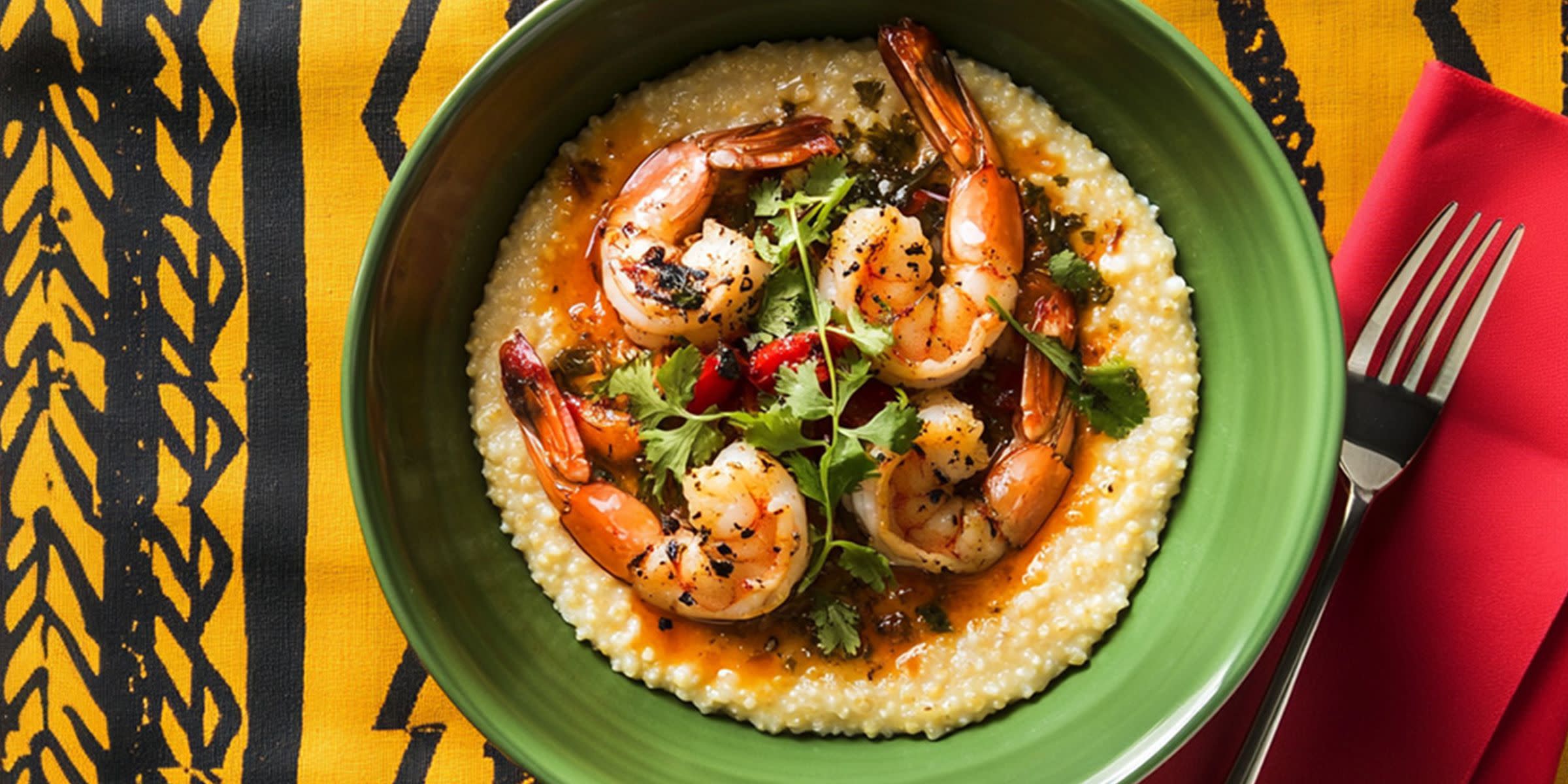
Chef Chris Ratel’s Blackened Shrimp & Fresh Corn Grits reflects this regional richness beautifully. His dish brings together Cajun seasoning, sweet corn, and pepper jack cheese over creamy grits, an elevated take on a classic that honors its roots while adding a chef-crafted twist.
African and Native American influences

1. Ingredients introduced from Africa
West African culinary traditions laid the foundation for many iconic soul food dishes. Enslaved Africans brought more than just flavor preferences—they carried with them deep agricultural knowledge and cooking techniques that would help shape what we now recognize as American cuisine.
Okra, a vegetable native to Africa, became a soul food staple, especially in dishes like gumbo where it acts as both an ingredient and a natural thickener. The word itself comes from the Igbo term okuru, one of many lasting linguistic and cultural links to African heritage found in soul food traditions.
Black-eyed peas, another essential African ingredient, are central to many soul food meals. Beyond their everyday comfort, they carry symbolic weight—especially when served as Hoppin’ John on New Year’s Day, a tradition rooted in hopes for luck and prosperity in the year ahead. This dish, made with black-eyed peas and rice, remains a beloved ritual in many African American households.
These ingredients are more than pantry staples. They're powerful reminders of a legacy that turned resilience into ritual and survival into celebration.
2. Native agriculture and cooking methods
Native American agricultural knowledge and cooking traditions were essential in shaping early soul food. Indigenous communities introduced both enslaved Africans and European settlers to local crops and techniques that became foundational to Southern and soul food cuisine.
Corn, domesticated by Native Americans long before European arrival, became a cornerstone of soul food. Ground into meal using traditional stone-grinding techniques, it gave rise to now-iconic dishes like cornbread, grits, and hominy—all staples in African American kitchens.
Beyond corn, Native American contributions extended to preservation and flavor-building:
Corn cultivation: Essential to the development of many soul food dishes
Smoking techniques: Adopted for curing and preserving meats
Local herbs and vegetables: Enhanced the flavor and variety of early soul food meals
Together, these Indigenous practices helped create a uniquely American cuisine—one rooted in shared knowledge, cultural exchange, and deep respect for the land.
Why it’s called soul food

1. Emergence of the term
The phrase "soul food" became widely associated with African American cuisine during the cultural awakening of the 1960s. While the cooking traditions stretch back centuries, the term itself gained prominence during the Civil Rights era and the Black Power movement, when there was a renewed celebration of Black identity, heritage, and pride.
“Soul” became a powerful expression of culture, used to describe not just food, but also music, style, and kinship. Terms like “soul music” and “soul brother” signaled a deep connection to African American roots, and applying it to food was a way of honoring that legacy through the lens of everyday nourishment.
“Soul food reminds us of where we’ve been and sustains us for where we’re going.” — Maya Angelou
By embracing the name, communities reclaimed traditions once tied to hardship and reframed them as symbols of creativity, resilience, and cultural power.
2. Cultural movements and language
During the Civil Rights Movement and the rise of the Black Power Movement in the 1960s, soul food emerged as more than just a style of cooking—it became a powerful cultural statement. As African Americans reclaimed pride in their heritage, food became a meaningful way to honor and express identity.
In cities across the country, soul food restaurants became community hubs for Black families who had migrated north from the South. These spots were more than places to eat—they served as gathering spaces, cultural anchors, and even sites for political organizing.
Soul food’s cultural significance includes:
Community building: Soul food restaurants offered safe, welcoming spaces during segregation and beyond.
Economic empowerment: Black-owned soul food establishments supported local economies and entrepreneurship.
Cultural pride: Dishes once tied to survival were redefined as symbols of resilience and creativity.
This era helped solidify soul food as a cornerstone of African American culture, celebrating not just flavor, but history, dignity, and collective strength.
Popular soul food dishes

1. Fried chicken and waffles
Few soul food meals capture the genre’s ingenuity like fried chicken and waffles. Fried chicken has long been a cornerstone of African American cuisine, originally served as a special-occasion dish for Sunday dinners and celebrations when meat was scarce. Over generations, cooks perfected frying techniques that delivered a crispy, golden crust with juicy, seasoned meat inside.
The combination of fried chicken and waffles reflects the creative spirit at the heart of soul food. This sweet-savory pairing gained popularity in Harlem during the Jazz Age, when late-night musicians craved something that hit both breakfast and dinner notes.
Chef Chris Ratel’s Southern Fried Chicken with Spicy Honey puts a bold twist on the classic. Juicy, tender chicken is fried to golden perfection, then finished with a drizzle of spicy honey for a satisfying blend of heat and sweetness. It’s a chef-crafted take that keeps the soul of the original intact while delivering crave-worthy modern flavor.
2. Collard greens and cornbread
Collard greens are a cornerstone of soul food meals, valued not just for their nutritional benefits but for their deep cultural roots in African American cuisine. Historically, these hardy greens provided essential vitamins and minerals when fresh produce was scarce, making them a staple in Southern kitchens.
Traditional soul food preparation calls for slow-cooking collard greens with seasoned pork—think ham hocks, salt pork, or bacon—until tender. The result is a savory, smoky pot of greens with rich pot liquor, the flavorful cooking liquid often sopped up with a wedge of cornbread.
Cornbread, with its Native American origins and Southern soul, completes the pairing. Whether skillet-baked or griddled as hot water cornbread, it brings texture and balance to the dish.
3. Smothered pork chops and black-eyed peas
Smothering is a hallmark of soul food cooking, a technique that transforms humble ingredients into something rich, comforting, and deeply flavorful. Smothered pork chops are a classic example, slow-cooked in a savory gravy until fork-tender and infused with soulful seasoning.
Served alongside, black-eyed peas bring both nutrition and tradition to the table. A staple in Southern food, these legumes are especially symbolic during New Year’s celebrations, believed to bring prosperity and good fortune for the year ahead.
Looking for a soul-satisfying meal without the prep? Our rotating weekly menu features chef-crafted versions of traditional soul food meals like these—made with care, packed with flavor, and delivered fresh to your door.
Modern interpretations and health considerations
1. Vegetarian and vegan options
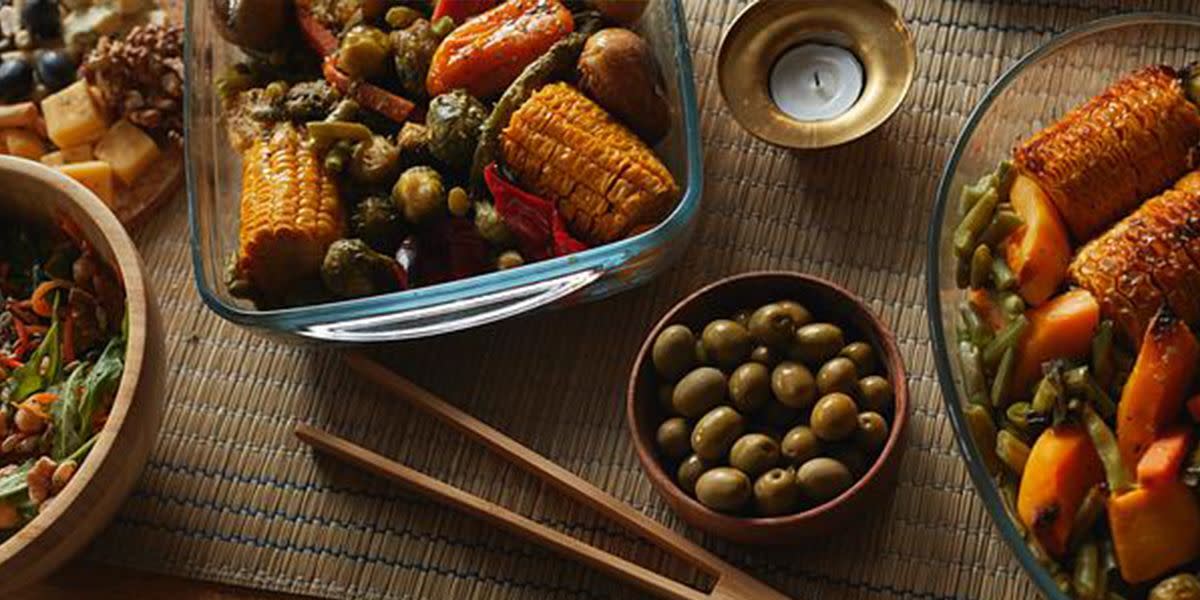
Soul food is undergoing a flavorful evolution as chefs reimagine traditional dishes with plant-based ingredients, without sacrificing the bold, comforting flavors that define the cuisine. From collard greens cooked with smoked paprika instead of pork fat to black-eyed peas simmered with herbs and spices, today’s soul food meals are proving that plant-based can still be deeply satisfying.
These updates aren't just modern substitutions. They reconnect with the plant-forward roots of many West African diets that helped shape American cuisine. For some chefs and cultural historians, vegan soul food is less a departure from tradition and more a return to its origins. It’s soul food for a new generation: health-conscious, heritage-rich, and full of flavor.
2. Reducing sodium and fat
As soul food continues to evolve, many chefs are embracing health-conscious techniques that keep the flavor while cutting back on sodium and fat. These thoughtful adaptations help address long-standing health disparities—like higher rates of hypertension and heart disease—without losing the cultural soul of the dish.
Modern approaches to soul food meals include:
Swapping pork fat for smoked turkey in greens
Using bold herbs and spices in place of excess salt
Baking or air-frying classics like chicken instead of deep-frying
These changes prove that soul food can nourish the body while still honoring the tradition, comfort, and heritage at its heart.
Cultural significance in African American communities
1. Family reunions and holidays
Soul food plays a vital role in African American family life. It’s the kind of cooking that turns a meal into a memory, rooted in love, shared history, and the joy of coming together.
Family reunions often feature elaborate spreads with time-honored dishes passed down through generations. These meals become a way to reconnect, celebrate identity, and honor the cooks who came before.
During holidays like Juneteenth, Christmas, and Thanksgiving, soul food traditions shine even brighter. Red foods such as hibiscus tea and watermelon symbolize remembrance on Juneteenth, while festive tables often include mac and cheese, greens, sweet potatoes, and glazed ham, each dish telling its own story.
2. Food and social justice movements
Soul food is about survival, self-determination, and community. Today, chefs and activists are using it as a tool for change, spotlighting issues like food access, health equity, and cultural preservation.
In many Black communities, fresh, affordable ingredients aren’t easy to come by. That’s why preserving and adapting soul food traditions matters so much. Educational programs, cooking classes, and nonprofit initiatives are helping teach the history behind the meals while also introducing healthier twists rooted in heritage.
This movement ensures soul food continues to nourish—not just bellies, but whole communities.
Soul food’s global influence
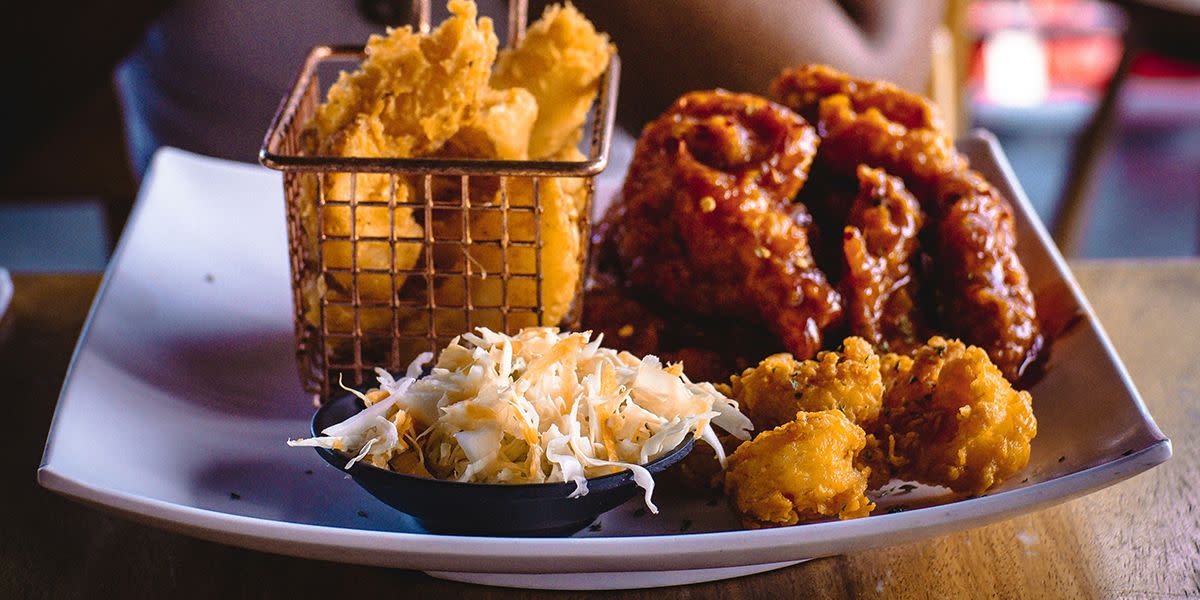
Soul food’s impact reaches far beyond the American South. Its techniques, ingredients, and storytelling power have helped shape the broader landscape of American cuisine—especially when it comes to comfort food. Dishes like mac and cheese, cornbread, and slow-braised greens, once rooted in survival, are now beloved nationwide.
But its reach doesn’t stop there. Around the world, chefs are blending soul food traditions with global influences, paying homage to its depth and complexity while creating something entirely new.
Chef Pierre Thiam’s Jollof Pasta with Grilled Chicken Suya is a stunning example. Inspired by the West African classic jollof rice, this dish reimagines the bold tomato-based sauce tossed with perfectly al dente pasta instead of rice. It’s paired with tender grilled chicken suya—smoky, spiced, and deeply satisfying—and finished with a sprinkle of fresh parsley. The result is a soulful, cross-continental comfort dish that’s both elegant and rooted in heritage.
Frequently asked questions about soul food
What is the difference between soul food and southern food?
Soul food is specifically connected to African American culinary traditions, while southern food encompasses the broader regional cuisine of the American South, though there is significant overlap between the two due to their shared history and geography.
What are some traditional soul food meals for special occasions?
Traditional celebration meals include whole fried fish, smothered turkey wings, oxtails, ham with pineapple glaze, and sweet potato pie, often served with multiple sides like black-eyed peas, collard greens, and mac and cheese.
How has soul food influenced modern American cuisine?
Soul food has profoundly shaped American cuisine through techniques like slow-cooking and barbecue, flavor profiles that balance sweet and savory, and iconic dishes that have become national favorites, from fried chicken to cornbread.

Be the first to know about new offers
Multiorder discounts, free items and more.