Back
American cuisine: History, regional styles & iconic dishes
From Thanksgiving turkeys to roadside diners serving apple pie, American cuisine tells the story of a nation shaped by waves of immigrants and diverse culinary traditions. In this guide, we’ll explore the rich history of American food, the regional styles that define it, and the iconic dishes that have become national staples. Whether you're curious about its indigenous roots, regional barbecue styles, or how modern chefs are reinventing comfort food, this deep dive will help you understand—and appreciate—the full flavor of American cuisine.
Key takeaways:
American cuisine blends Native American ingredients with global influences to create regional cooking styles from New England seafood to Southern barbecue and Southwestern fusion.
Iconic American dishes like hamburgers, fried chicken, and chocolate chip cookies were born from cultural exchange and creative adaptation of traditional recipes.
Regional differences in ingredients, cooking methods, and cultural influences make American cuisine impossible to define by a single dish or tradition.
Award-winning chefs continue to reimagine American classics, elevating traditional comfort foods with modern techniques while honoring their historical roots.
What is American cuisine?
American cuisine represents a diverse collection of cooking styles, ingredients, and dishes that have evolved through centuries of immigration, regional development, and cultural exchange. What is American cuisine? It's a melting pot of flavors that blends indigenous ingredients with global influences to create a food landscape as varied as the country's geography.
American food encompasses everything from Native American staples to immigrant traditions that have been adapted over generations. Regional differences play a significant role in defining what Americans eat, with distinct cooking styles emerging from the Northeast to the Southwest.
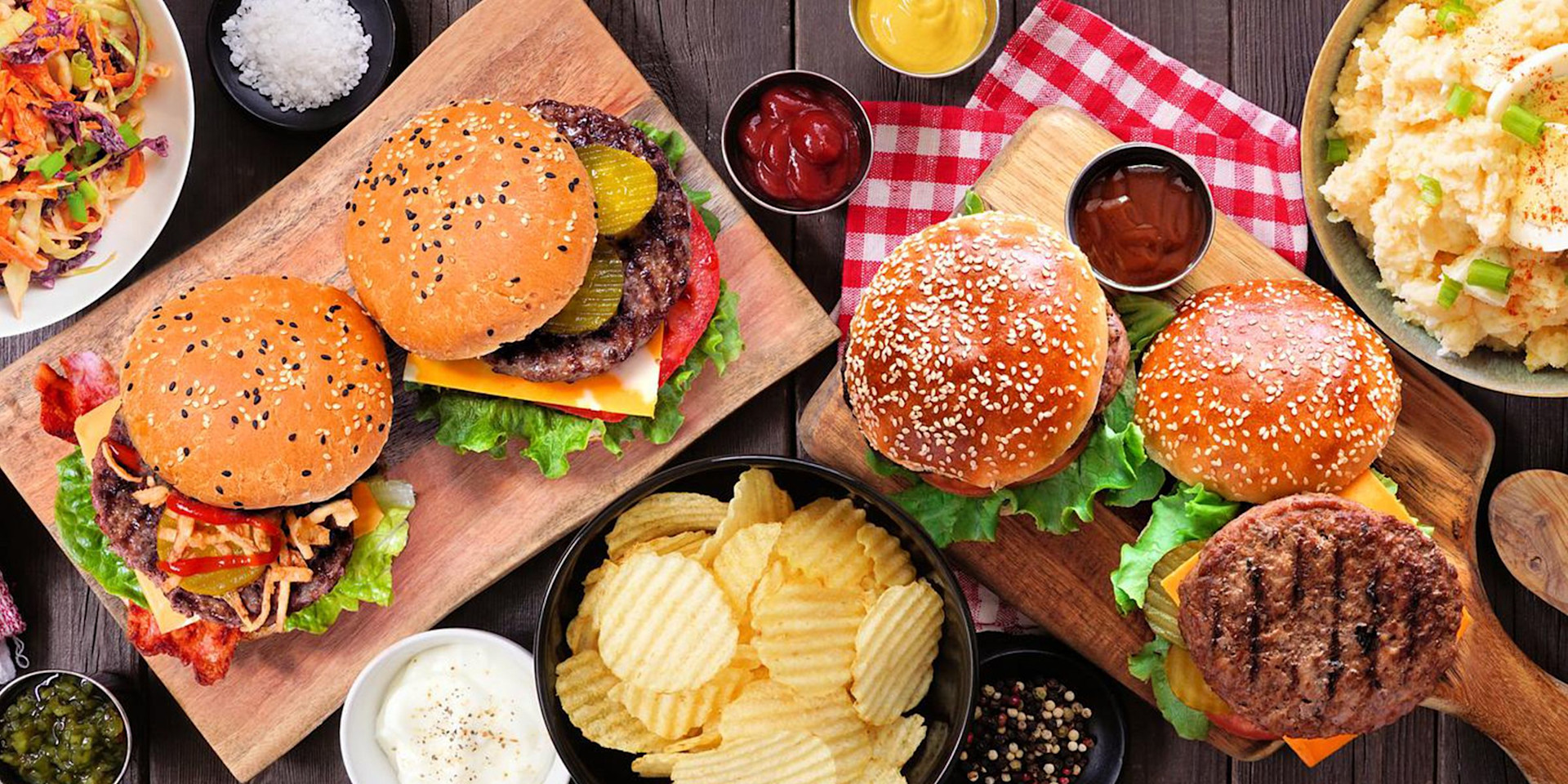
Want a taste of a true American classic without having to fire up the grill? Chef Chris Ratel’s All-American Bacon Cheeseburger Deluxe is a CookUnity favorite that captures the essence of this iconic dish. A hearty 7-ounce beef patty is flame-broiled and piled high with American cheese and crispy bacon, plus all the fixings—lettuce, tomato, onion, and bread & butter pickles—on a plush brioche bun. A creamy gochujang aioli (Chef Chris's signature “Bang Bang Sauce”) adds a spicy kick that keeps you coming back for bite after juicy bite.
Curious about how modern chefs are reimagining traditional American food? Discover how Chef Marc Forgione continues his family's American cuisine legacy while bringing his own innovative touch to classic recipes.
Early history of food in the United States
1. Native American influence
Indigenous peoples established the foundation of American cuisine through their agricultural practices and cooking methods. They cultivated the "Three Sisters" (corn, beans, and squash), which remain staples in American cooking today.
Native Americans developed preservation techniques like smoking meats and drying berries that influenced regional cooking styles across the continent. Their knowledge of local ingredients and sustainable food practices formed the bedrock of what would eventually become American cuisine.
Key Native American contributions to American food:
Corn (maize) cultivation and preparation methods
Wild game cooking techniques
Maple syrup harvesting
Bean varieties and preparation
Smoking and drying preservation methods
2. Colonial settlements and European ingredients
European settlers brought their culinary traditions and adapted them to available ingredients in the New World. The first American cookbook¹ was published in 1796, reflecting these early culinary adaptations by British, Dutch, German, and French colonists who merged their techniques with Native American foods.
This cultural exchange created early American dishes like cornbread, succotash, and clam chowder. Colonists learned to use indigenous ingredients while incorporating familiar foods from their homelands, creating the first truly American fusion cuisine.
Regional cuisines across the country
American cuisine varies dramatically from region to region, with distinct flavors and cooking methods developing based on local ingredients, climate, and cultural influences. These regional differences are what make American food so diverse and impossible to define by a single dish or cooking style.
1. Northeast and New England
New England cuisine centers around seafood harvested from the Atlantic Ocean, with dishes like creamy clam chowder, lobster rolls, and fresh oysters. The region's cold climate and short growing season influenced preservation methods and hearty cooking styles.
2. Midwest
The Midwest, America's heartland, developed cuisine based on its agricultural abundance and farming heritage. Hearty dishes like casseroles (called "hot dishes" in Minnesota), meat and potatoes, and corn-based recipes reflect the region's farming roots.
Chicago deep-dish pizza, Cincinnati chili, and St. Louis-style ribs emerged as distinctive regional specialties. German, Scandinavian, and Eastern European immigrant influences shaped Midwestern cooking, contributing dishes that became traditional American food over time.
Ready to explore authentic American dishes created by award-winning chefs? Browse our American cuisine menu and enjoy restaurant-quality meals delivered to your door.
3. Southern United States
Southern cuisine is perhaps the most distinctive and celebrated regional American cooking style. Soul food, with its African roots, features dishes like fried chicken, collard greens, black-eyed peas, and cornbread that tell the story of resilience and creativity.
Barbecue traditions vary across the South, from the vinegar-based sauces of North Carolina to the tomato-based versions in Kansas City. Cajun and Creole cuisines in Louisiana blend French, Spanish, African, and Caribbean influences into unique dishes like gumbo, jambalaya, and étouffée.
Craving a taste of the South without firing up the stove? Try Chef Chase Evans' Cajun Blackened Fish, available on our menu. This dish brings the bold flavors of Gulf Coast cuisine straight to your table, with a perfectly seasoned fish filet coated in authentic Cajun spices. No passport (or prep) required.
4. Southwest and Tex Mex
Southwestern cuisine blends Native American, Spanish, and Mexican influences with ingredients like chiles, corn, beans, and game meats. This fusion created distinctive dishes like Hatch green chile stew, Navajo tacos, and sopaipillas.
Tex-Mex emerged as its own cuisine where Texas met Mexico, featuring beef-forward dishes, yellow cheese, wheat flour tortillas, and distinctive spice profiles dominated by cumin and chili powder. Fajitas, nachos, and chili con carne are all Tex-Mex innovations that have become American favorites.
Tex-Mex vs. Authentic Mexican: Key differences
Ingredients: Tex-Mex uses more beef, yellow cheese, and wheat flour; authentic Mexican relies on corn, varied chiles, and white cheeses.
Spices: Tex-Mex features cumin-forward profiles; authentic Mexican has more complex, regional variations.
Popular dishes: Tex-Mex created fajitas, nachos, and chili con carne; authentic Mexican includes regional specialties like mole, pozole, and cochinita pibil.
Cheese usage: Tex-Mex uses abundant cheddar and Monterey Jack; authentic Mexican uses cotija and queso fresco more sparingly.
Iconic American dishes and their origins
1. Foods originated in the USA
Many beloved foods were invented in America, often by creative cooks adapting traditional recipes to new ingredients or circumstances. Buffalo wings, often associated with the Anchor Bar in Buffalo, New York, have grown in popularity and are now a common feature on bar menus across the country.
The chocolate chip cookie, an all-American favorite, was invented by Ruth Wakefield at the Toll House Inn in Massachusetts in the 1930s. It quickly became a national treasure and remains one of the most beloved desserts in the country. Today, chefs continue to reinvent this classic.
Chef Aarthi Sampath’s Miso & Brown Butter Chocolate Chip Cookies is a standout example. She folds umami-rich miso and nutty brown butter into the dough, creating a cookie that’s subtly savory, irresistibly gooey, and finished with a toasty, caramelized depth. It’s a modern take on an American icon, perfect for sharing (if you can bring yourself to part with one).
Other American originals include ranch dressing, which gained popularity in the mid-20th century, and the Cobb salad, associated with Hollywood’s Brown Derby restaurant.
2. Classic American Dishes
The hamburger stands as perhaps the most iconic American food, evolving from German Hamburg steak to become a national symbol. Apple pie, despite its European origins, became so associated with American identity that it spawned the phrase "as American as apple pie."
Fried chicken, with roots in both Scottish and West African cooking traditions, became a cornerstone of American cuisine, particularly in the South. Macaroni and cheese, popularized by Thomas Jefferson after encountering pasta in France, has evolved from an upper-class dish to a beloved comfort food.
Few dishes celebrate that comforting, down-home appeal better than Chef Chris Ratel’s BBQ Chicken, a soulful pairing of smoky pulled chicken and ultra-gooey macaroni and cheese. His sweet-and-smoky BBQ sauce brings subtle heat to the tender meat, while a pepper Jack cheddar crust takes the mac to rich, melty perfection. It’s a modern spin on two American staples that’s hard to beat.
America's most iconic dishes:
Hamburgers and cheeseburgers
Hot dogs and corn dogs
Fried chicken
Apple pie
Barbecue (with regional variations)
Macaroni and cheese
Buffalo wings
Chocolate chip cookies
Looking for modern interpretations of American classics? Explore our American meal options featuring innovative dishes that honor tradition while embracing contemporary cooking techniques.
Cultural influences that shaped American food
1. African and Caribbean contributions
Enslaved Africans brought culinary techniques, ingredients, and food knowledge that profoundly shaped American cuisine, particularly in the South. Okra, black-eyed peas, watermelon, and certain rice varieties came to America through the transatlantic slave trade.
African cooking methods like deep-frying and one-pot stewing became central to Southern cuisine. The origins of barbecue can be traced partly to African smoking techniques, while dishes like gumbo show clear West African influence in their use of okra as a thickening agent.
2. European and Mediterranean influences
European immigration during the 19th and early 20th centuries introduced new culinary traditions that influenced the evolution of American food culture. Italian immigrants introduced pasta dishes and pizza, which evolved into distinctly American versions like spaghetti with meatballs and Chicago deep-dish pizza.
German immigrants brought hamburgers, hot dogs, and beer traditions that became central to American food identity. Irish, Polish, Jewish, and Scandinavian communities all contributed dishes that were adapted to American ingredients and tastes over generations.
Key European contributions to American foods:
Italian: Pizza, pasta, Italian-American red sauce dishes
German: Hamburgers, frankfurters (hot dogs), pretzels, beer culture
Irish: Corned beef and cabbage, Irish-American stews
Eastern European: Pierogies, kielbasa, deli culture
Scandinavian: Swedish meatballs, fish preservation techniques
3. Asian and Latin American adaptations
More recent immigration has continued to diversify American cuisine. Chinese-American dishes like chop suey and General Tso's chicken evolved to suit American palates while maintaining elements of their origins.
Mexican influences extend far beyond Tex-Mex, with tacos, burritos, and guacamole becoming mainstream American foods. Japanese, Thai, Vietnamese, and Korean cuisines have all found footholds in American food culture, often adapting to create fusion dishes that reflect both traditions.
Modern takes and New American styles
Contemporary American cuisine embraces both tradition and innovation, with chefs exploring heritage ingredients while incorporating global techniques. About two-thirds of U.S. adults² are overweight or obese, a reminder of the complex dietary challenges coexisting with culinary creativity. The farm-to-table movement reconnected Americans with local food systems and seasonal eating, emphasizing quality and sustainability.
Fusion cuisine has become a hallmark of modern American cooking, with chefs freely borrowing elements from various culinary traditions. Regional American dishes are being elevated and reimagined by top chefs who bring fine dining techniques to traditional recipes.
Want to taste what modern American cooking looks like today? Explore our weekly menu to discover chef-crafted meals that honor tradition while pushing culinary boundaries. All delivered fresh to your door.
Is there a national food of America?
Unlike many countries, America has no officially designated national dish, reflecting the nation's diverse culinary landscape. What is American food? It's impossible to define with a single dish, though hamburgers make a strong case as America's food ambassador, with their ubiquity and recognition both domestically and internationally.
Apple pie, despite its European origins, has become so intertwined with American identity that it's often suggested as the national dish. Regional specialties like barbecue also have passionate advocates who argue for their status as America's defining food.
The absence of a single national dish actually represents American cuisine perfectly: it's diverse, evolving, and impossible to define by one food tradition. This culinary pluralism reflects the country's immigrant history and regional development.
Experience authentic American cuisine at home
Exploring American cuisine is a journey through the country’s history, geography, and diverse cultural influences. While home cooking remains a cherished way to enjoy traditional recipes—often passed down through generations—not everyone has the time (or energy) to cook from scratch.
That’s where we come in. At CookUnity, we deliver chef-crafted regional American specialties straight to your door, making it easy to enjoy authentic flavors from across the country without stepping into the kitchen. Our meals celebrate both classic comfort food and bold, modern interpretations of American favorites.
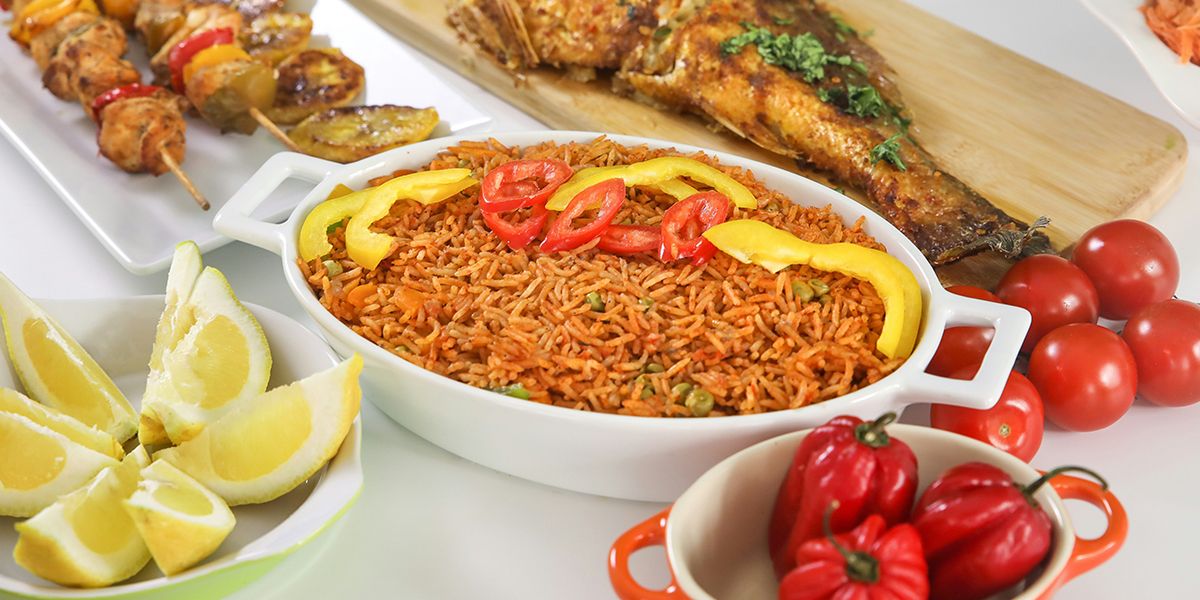
Craving something hearty and full of Southern soul? Chef Chase Evans’ Creole Chicken & Andouille Sausage Jambalaya brings the flavors of Louisiana home with tender jasmine rice, sliced chicken thighs, and spicy, smoky Andouille sausage. The “Holy Trinity” of onions, celery, and green pepper—plus roasted tomatoes—builds a rich, flavorful base that captures the spirit of true Creole cooking.
Frequently asked questions about American cuisine
Are these meals safe for those with severe dietary allergies, such as dairy, soy, and nuts?
While our meals are crafted without certain ingredients, they're prepared in kitchens where cross-contamination may occur. If your allergy is life-threatening, we recommend reviewing ingredient labels carefully before eating.
What dishes are considered truly American food?
Truly American dishes include those created in the United States like buffalo wings, Cobb salad, chocolate chip cookies, and regional specialties like Southern barbecue, New England clam chowder, and Cajun gumbo that evolved from indigenous and immigrant influences.
How can I experience authentic regional American cuisine without traveling?
You can enjoy authentic regional American dishes through chef-crafted meal delivery services like CookUnity, which partners with top chefs specializing in various regional cooking styles and delivers their creations directly to your home.
What distinguishes American cuisine from other countries' food traditions?
American cuisine stands apart through its regional diversity, innovative fusion of global influences, emphasis on abundance, and continuous evolution as new immigrant groups contribute their culinary traditions to the national food landscape.
Which American foods have gained the most popularity internationally?
Hamburgers, hot dogs, barbecue, fried chicken, and chocolate chip cookies have achieved global recognition and serve as culinary ambassadors of American food culture around the world.
Sources:

Be the first to know about new offers
Multiorder discounts, free items and more.