Back
10 delicious Vietnamese noodle dishes to explore in 2025
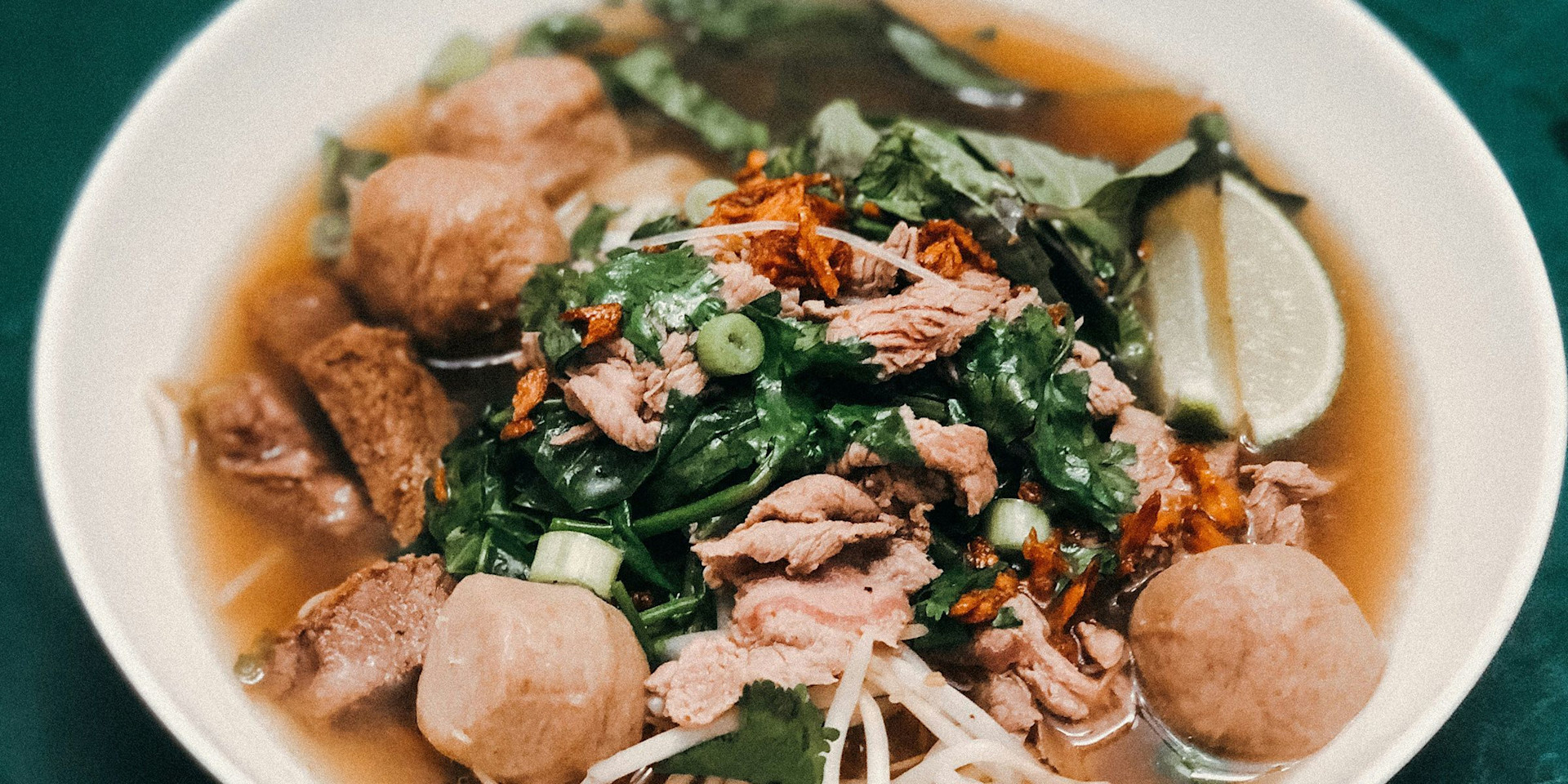
Vietnamese noodles are more than just a staple. They represent Vietnam’s vibrant culinary heritage, combining texture, flavor, and tradition in every bowl. From steaming Vietnamese noodle soups like bun bo Hue to chilled vermicelli bowls like bun thit nuong, each dish tells a story rooted in culture and creativity. This guide introduces 10 must-try Vietnamese noodle dishes, celebrating the variety and depth of flavors that continue to inspire food lovers around the world.
Key takeaways:
Vietnamese noodle dishes are known for balancing sweet, salty, sour, and spicy flavors, paired with fresh herbs and vegetables for a layered and vibrant experience.
Noodles like banh pho, bun, mi, hu tieu, and mien each offer distinct textures and are used in different traditional Vietnamese recipes.
Regional specialties such as bun bo Hue from central Vietnam and hu tieu from the south showcase local ingredients and cultural influences unique to each area.
CookUnity’s award-winning chefs prepare Vietnamese noodle dishes using time-honored techniques and premium ingredients, making it easy to enjoy authentic flavors at home.
What are Vietnamese noodles?
Vietnamese noodles are the foundation of one of the world’s most celebrated culinary traditions. Known for their diversity and bold yet balanced flavors, these noodles come in many forms. They are made from rice, wheat, or mung beans, and each type offers a unique texture that suits different kinds of dishes.
In Vietnamese cuisine, noodles serve as the perfect base for layering fresh herbs, crisp vegetables, savory proteins, and flavorful broths. Whether in soup or served dry, the combinations reflect a blend of tradition, creativity, and regional character.
The cultural role of noodles in Vietnam goes far beyond simple sustenance. They represent generations of culinary evolution shaped by Chinese influence, French colonial history, and the country’s own regional variety.
What makes Vietnamese noodles truly distinct is the emphasis on freshness and balance. Every dish is designed to bring together sweet, sour, salty, and spicy flavors in harmony. Fresh herbs like cilantro, mint, and Thai basil add brightness and complexity that set Vietnamese food apart from other noodle traditions.
If you’re looking for an easy way to enjoy these flavors at home, we offer Vietnamese dishes made with traditional techniques and high-quality ingredients. It’s an effortless way to experience the depth of this cuisine without cooking from scratch.
Types of traditional Vietnamese noodles
Banh pho (bánh phở): Flat, wide rice noodles that form the base of Vietnam’s most iconic noodle soup, pho. These translucent white noodles have a silky, tender texture that soaks up rich bone broth while holding their shape.
Bun (bún): Thin, round rice vermicelli noodles that are lighter and more delicate than banh pho. Bun is used in a wide range of dishes, including noodle soups like bun bo Hue and refreshing room-temperature bowls like bun thit nuong.
Mi (mì): Yellow wheat noodles similar to Chinese egg noodles, often made with egg for added richness and color. These noodles are firmer and chewier than rice-based varieties and work well in both stir-fried and soupy preparations.
Hu tieu (hủ tiếu): Clear, chewy noodles made primarily from tapioca starch, sometimes blended with rice flour. These noodles have a slightly bouncy texture and are popular in southern Vietnamese soups with pork or seafood.
Mien (miến): Glass noodles made from mung bean starch. These delicate, slippery noodles turn translucent when cooked and absorb broths and sauces especially well. Mien is often featured in lighter soups such as mien ga (glass noodle chicken soup).
How to enjoy a Vietnamese noodle bowl
1. Choose your noodles
The noodle you choose sets the tone for the entire dish. For pho, wide, flat rice noodles (banh pho) provide the ideal silky texture to absorb rich, aromatic broth. For lighter, room-temperature bowls like bun thit nuong, thin rice vermicelli noodles (bun) keep things fresh and delicate.
Most Vietnamese noodles require minimal cooking. A quick soak in hot water or a brief boil is usually enough. Be sure not to overcook them, though. Noodles should retain a slight chew or “bite” to hold their texture and prevent a mushy bowl.
2. Pick a protein
Protein brings depth and richness to Vietnamese noodle dishes. In pho, thinly sliced beef is a classic choice. It’s often added raw to the bowl just before serving, allowing the hot broth to gently cook it to tender perfection.
In bun noodle bowls, grilled pork (thit nuong) is a popular favorite. It’s typically marinated in a fragrant mix of lemongrass, garlic, and fish sauce, adding smoky, savory flavor to the dish.
Seafood is common in coastal recipes, with shrimp, squid, and fish offering a natural sweetness that pairs beautifully with light broths or dry-style noodles.
For plant-based options, tofu and tempeh are excellent choices. They absorb Vietnamese marinades well and hold their texture in both warm and cold noodle preparations.
3. Add fresh produce
Fresh vegetables and herbs elevate Vietnamese noodle dishes, adding color, crunch, and balance to every bowl.
Bean sprouts provide crisp texture and a burst of freshness, especially when tossed into hot soups just before serving.
Sliced cucumber offers a cooling contrast that balances spicy or grilled elements.
Shredded lettuce creates a light, refreshing base for room-temperature dishes like bun thit nuong.
Fresh herbs such as cilantro, mint, Thai basil, and culantro (ngo gai) deliver the bright, aromatic notes that are essential to Vietnamese cuisine.
These ingredients not only enhance flavor and texture, they also reflect the cuisine’s deep commitment to freshness and balance.
4. Drizzle sauces and mix
The final layer of flavor in any Vietnamese noodle dish comes from its sauces and condiments. Nuoc cham, a classic dipping sauce made with fish sauce, lime juice, sugar, garlic, and chili, adds brightness, umami, and acidity to room-temperature noodle bowls.
In pho, hoisin and sriracha are commonly added at the table, allowing each person to adjust sweetness and spice to their liking.
For dry noodle dishes, thorough mixing is essential. Toss the noodles well to ensure the sauce coats every ingredient, delivering a balanced mix of flavor and texture in each bite.
Looking for authentic Vietnamese flavors without the prep work? Explore the weekly menu and select your meals, featuring Vietnamese dishes crafted by award-winning chefs and delivered fresh to your door.
10 authentic noodle dishes to try
Vietnamese noodles come in many forms, each tied to a unique region, flavor profile, and cultural influence. Whether you’re craving a comforting bowl of broth or a refreshing plate of noodles served with grilled meats and herbs, there’s a dish to match every mood.
1. Pho
Pho is Vietnam’s most iconic Vietnamese noodle soup, known for its fragrant broth and delicate balance of flavors. The soup starts with a slow-simmered beef or chicken stock infused with warming spices like star anise, cinnamon, cloves, and charred ginger. Wide, flat rice noodles (banh pho) serve as the base, topped with thinly sliced beef or chicken that gently cooks in the hot broth.
Regional styles vary: northern pho (from Hanoi) is clear and delicate with minimal garnishes, while southern pho (from Ho Chi Minh City) is sweeter, richer, and often served with herbs, lime, chili, and bean sprouts on the side.
For a bold twist on tradition, try our Spicy Beef Pho by Chef Esther Choi. This version combines tender beef, aromatic broth, and classic toppings with a touch of heat for a more adventurous flavor.
2. Bun bo Hue
Bun bo Hue is a bold, spicy Vietnamese noodle soup that originates from the imperial city of Hue in central Vietnam. It offers a deeper, more complex flavor than pho, thanks to a rich broth made from beef and pork bones simmered with lemongrass, fermented shrimp paste, and chili oil. The result is a deeply savory soup with a reddish hue and a fragrant, spicy kick.
The dish features thick, round rice noodles (bun), which have a satisfying chew that stands up to the richness of the broth. Traditional versions may include beef shank, oxtail, pig’s feet, and congealed pig’s blood, although many modern takes simplify the proteins while keeping the broth’s signature intensity.
The name translates to “Hue-style beef noodles,” though pork is also a common component. Widely considered one of Vietnam’s spiciest and most flavorful noodle soups, bun bo Hue highlights the bold, assertive style of central Vietnamese cuisine.
3. Bun thit nuong
Bun thit nuong is a vibrant, room-temperature noodle dish that contrasts beautifully with Vietnam’s many soup-based recipes. It features thin rice vermicelli noodles (bun) topped with grilled lemongrass-marinated pork, fresh herbs, pickled vegetables, and a generous pour of nuoc cham (Vietnamese fish sauce dressing).
This dish showcases the harmony of Vietnamese cuisine. The smoky, caramelized pork is balanced by bright herbs, tangy pickles, and the soft, neutral base of the noodles. Every bite delivers a mix of savory, sweet, and refreshing flavors.
For a delicious twist, try our Vietnamese Shrimp Noodle Bowl by Chef Nelson Brizuela, which substitutes succulent shrimp for the traditional pork while maintaining the dish's vibrant, fresh character.
4. Bun rieu
Bun rieu is a tangy, aromatic Vietnamese noodle soup that turns simple ingredients into something truly memorable. Its signature tomato and crab-based broth delivers a sweet-sour depth that's both comforting and bold. The flavor comes from crab paste made by pounding freshwater crabs, shells included, and straining the mixture to create a rich, briny base.
Thin rice vermicelli noodles (bun) form the base of the dish, topped with an array of unique ingredients. Common toppings include tofu, fresh tomatoes, congealed pig’s blood, and occasionally snails. Fresh herbs, shredded banana flower, and bean sprouts are added just before serving to brighten the flavors and add texture.
Bun rieu is beloved for its complexity and balance, making it one of Vietnam’s most distinctive and flavorful noodle soups.
5. Hu tieu
Hu tieu is a clear, flavorful Vietnamese noodle soup that reflects the multicultural influences of southern Vietnam, especially around the Mekong Delta. A blend of Chinese and Khmer culinary traditions, this dish features chewy tapioca noodles served in a light, slightly sweet pork or seafood broth.
The toppings are just as diverse. You’ll often find sliced pork, shrimp, squid, and quail eggs, which contribute to the dish’s seafood-forward character. Hu tieu can be served in two styles: as a soup ("wet") or as a dry noodle bowl with the broth served on the side for dipping or sipping.
Its gentle sweetness and delicate texture make hu tieu a beloved staple of southern Vietnamese cuisine.
6. Mi Quang
Mi Quang is a colorful and hearty noodle dish from Quang Nam province in central Vietnam. It features wide, turmeric-infused rice noodles that are slightly thicker than other Vietnamese varieties, giving them a distinct texture and golden hue.
Unlike traditional noodle soups, mi Quang is served with just a small amount of intensely flavored broth—enough to coat the noodles without turning the dish into a soup. This style falls somewhere between a dry noodle bowl and a broth-based dish.
Toppings often include shrimp, pork, chicken, and occasionally quail eggs. The bowl is finished with crushed peanuts, crispy rice crackers, and a generous handful of fresh herbs. The bold flavors come from a base of fish sauce, shallots, garlic, and black pepper, delivering a rich, savory bite in every forkful.
7. Cao lau
Cao lau is a specialty of Hoi An, a historic trading port in central Vietnam, and it reflects the city’s unique culinary identity. The dish features thick, chewy noodles that resemble Japanese udon. Traditionally, these noodles are made with water from the ancient Ba Le well and ash from local trees, giving them a distinct texture and earthy flavor.
Cao lau is served with slices of char siu-style pork, crispy pork crackling, fresh herbs, and bean sprouts. Instead of a full broth, the dish uses just a splash of concentrated sauce to moisten the noodles and tie the flavors together.
With its blend of texture, minimal broth, and fragrant toppings, cao lau offers a completely different experience from other Vietnamese noodle dishes, and one that’s deeply rooted in Hoi An’s local traditions.
8. Banh canh
Banh canh is a comforting noodle soup known for its thick, chewy noodles made from a blend of tapioca starch and rice flour. These substantial noodles have a slippery, slightly elastic texture—similar to udon—that holds up well in rich, hearty broths.
The soup itself can range in consistency, often falling somewhere between a traditional broth and a thick, gravy-like sauce. Tapioca starch is sometimes used to thicken the liquid, giving it a smooth, velvety finish.
There are many regional variations of banh canh. Banh canh cua features crab in a thick, savory broth. Banh canh gio heo includes pork knuckles, while banh canh cha ca is served with fish cake. The version from Trang Bang, a southern specialty, offers a lighter take with a clear broth, bamboo shoots, and tender pork.
Each variation highlights the adaptability of these noodles and the regional diversity of Vietnamese cuisine.
9. Bun cha
Bun cha is a beloved northern Vietnamese noodle dish that gained international attention when Anthony Bourdain and President Obama shared a bowl in Hanoi in 2016. This Hanoi specialty features grilled pork patties and thin slices of pork belly, both marinated and cooked over charcoal for a rich, smoky flavor.
The pork is served in a bowl of warm, sweet-savory dipping broth, typically made with fish sauce, vinegar, garlic, sugar, and chili. Alongside it, you’ll find a plate of rice vermicelli noodles (bun) and a generous mix of fresh herbs like mint, perilla, and lettuce.
What sets bun cha apart is its interactive style. Instead of being pre-mixed, the dish is served in separate components, allowing each diner to build their own perfect bite by dipping, mixing, and wrapping as they go.
10. Mien ga
Mien ga is a light, nourishing Vietnamese noodle soup made with glass noodles and a clear, savory chicken broth. The noodles, made from mung bean starch, turn translucent when cooked and absorb the broth’s clean, delicate flavor. Shredded chicken adds protein and heartiness, while fresh herbs and a squeeze of lime bring brightness to the bowl.
This soothing dish is a common comfort food in Vietnamese households and is often served to those feeling under the weather. With its gentle flavors and restorative qualities, mien ga is considered Vietnam’s answer to classic chicken noodle soup.
For a more adventurous twist on glass noodles, try our Thai Glass Noodles with Shrimp by Chef Esther Choi. This dish highlights the versatility of these silky noodles in a more vibrant, fusion-style preparation.
Essential toppings and sauces
1. Herbs and veggies
Fresh herbs are the heart of Vietnamese noodle dishes, adding fragrance, balance, and brightness to every bowl. Each herb brings its own signature flavor:
Thai basil: Offers subtle hints of anise and licorice
Cilantro: Brings a light, citrusy note
Mint: Adds cool, refreshing contrast
Culantro (ngo gai): Delivers a bold, cilantro-like flavor that holds up well in hot soups
Vegetables play an equally important role by adding crunch and nutrition. Bean sprouts should be added just before eating to preserve their crisp texture. Sliced onions, whether raw or quick-pickled, introduce a sharp bite that cuts through rich broths and balances heavier flavors.
2. Nuoc cham
Nuoc cham is the essential Vietnamese dipping sauce and dressing that ties many noodle dishes together. Made with a blend of fish sauce, lime juice, sugar, water, garlic, and chili, this versatile condiment delivers a perfect balance of salty, sweet, sour, and spicy flavors.
It’s most commonly paired with room-temperature noodle bowls like bun thit nuong, where it acts as both a dressing and a flavor booster. Just a few spoonfuls can transform a simple bowl of noodles into something bright, bold, and deeply satisfying.
The combination of acidity and umami in nuoc cham brings out the best in every ingredient it touches, making it a cornerstone of Vietnamese cuisine.
3. Chili sauce or oil
Chili condiments are an essential part of Vietnamese noodle dishes, giving diners the ability to customize the level of heat to their taste. Fresh chilies, often bird’s eye or Thai varieties, are typically sliced and added directly to soups or dipping sauces for a quick, vibrant punch of spice.
Sriracha, though Thai in origin, is widely used in Vietnamese restaurants. It delivers concentrated heat with a hint of garlic, making it a go-to for those who prefer a more controlled spiciness.
Chili oil is especially common in central Vietnamese cooking. It brings not only heat but also a rich, slightly smoky depth that enhances both broths and dipping sauces. Whether you prefer a subtle warmth or a fiery finish, chili condiments play a key role in personalizing each noodle bowl.
Experience Vietnamese noodles at home
Vietnamese noodle dishes strike the perfect balance between comforting and adventurous, making them an ideal way to bring global flavor into your own kitchen. With their fresh ingredients, bold herbs, and clean, bright broths, these dishes satisfy deeply without ever feeling heavy.
Our chefs love Vietnamese noodles for their adaptability. Whether you're vegetarian, gluten-free, or just craving something light and flavorful, there's always a version that fits your needs without compromising authenticity.
While it’s easier than ever to find ingredients like rice noodles, fish sauce, and hoisin at local grocery stores, we know not everyone has time to simmer broths or prep fresh herbs. That’s where we come in.
At CookUnity, our award-winning chefs craft Vietnamese noodle dishes using premium ingredients and time-honored techniques. We bring the flavors of Vietnam—layered, fresh, and unforgettable—straight to your door. No passport, no prep, just pure noodle joy.
Frequently asked questions about Vietnamese noodles
What is the difference between pho and bun noodles?
Phở noodles are flat, wide rice noodles used in soup, while bún noodles are thin, round rice vermicelli typically used in both soups and room-temperature dishes.
Are Vietnamese rice noodles gluten-free?
Pure rice noodles are naturally gluten-free, but always check labels for cross-contamination or added ingredients if you have celiac disease or gluten sensitivity.
How do you pronounce common Vietnamese noodle dish names?
Phở is pronounced "fuh" (like "duh"), bún sounds like "boon," and hủ tiếu is pronounced "hoo tee-u" with a slight rising tone on the final syllable.
What are some vegetarian Vietnamese noodle options?
Vegetarian options include bún chay (vermicelli with tofu and vegetables), phở chay (rice noodle soup with vegetable broth), and miến xào chay (stir-fried glass noodles with vegetables).
How nutritious are Vietnamese noodle dishes?
Vietnamese noodle dishes offer balanced nutrition with lean proteins, fresh vegetables, herbs, and moderate portions of carbohydrates, making them lower in calories and fat than many other cuisines.

Be the first to know about new offers
Multiorder discounts, free items and more.