Back
From smoky street foods to slow-simmered stews, African cuisine is a celebration of bold ingredients, deep-rooted traditions, and regional flair. Across 54 countries and five distinct culinary regions, you’ll find African dishes that reflect a continent rich in culture, history, and flavor.
Whether you're new to African food or looking to deepen your appreciation, this guide explores the ingredients, cooking methods, and iconic recipes that define the continent’s cuisine. You’ll also discover how to bring these flavors home through simple techniques, smart ingredient swaps, and chef-crafted meal delivery.
Key takeaways:
African cuisine reflects a rich diversity of ingredients, cooking techniques, and cultural influences shaped by the continent’s geography and history.
Staple foods like cassava, yams, and ancient grains form the foundation of most African meals and are often paired with stews, sauces, or grilled meats.
Traditional cooking techniques such as slow-cooking, one-pot meals, and bold spice blends create the layered, vibrant flavors characteristic of African dishes.
Many African recipes can be recreated at home with simple adaptations, or enjoyed through chef-crafted meal delivery that brings authentic flavors straight to your door.
Studies show that adopting a traditional African diet may reduce inflammation and support overall wellness.¹
What is African cuisine?
African cuisine captures the culinary traditions of 54 countries across five distinct regions. It brings together a wide range of ingredients, flavors, and cooking techniques shaped by geography, climate, and centuries of cultural exchange.
At the core of African food is balance. Meals often combine hearty starches like fufu, injera, or couscous with slow-cooked stews, spiced vegetables, or grilled meats. These combinations reflect local ecosystems, available ingredients, and deep-rooted food customs.
Across the continent, eating is a shared experience. Many African dishes are served communally, often from a single platter, inviting conversation and reinforcing connection through food.
Here’s a breakdown of what makes African cuisine unique:
Regional diversity: Each region has developed its own signature ingredients, flavor profiles, and culinary techniques.
Historical influences: African cooking reflects a mix of indigenous methods and global flavors shaped by trade, migration, and colonization.
Cultural significance: Food is central to daily life, family traditions, and major celebrations. Preparing and sharing meals is a meaningful way to express community.
If you’re curious to explore authentic African flavors, our African meal delivery offers chef-crafted dishes made with care and rooted in tradition.
Major regional traditions
African cuisine is far from monolithic. With five main culinary regions—North, West, East, Central, and Southern Africa—each area tells its own story through spices, ingredients, and cooking methods. Research on African diets² shows distinct variations in everything from staple crops to flavor preferences, particularly between west African food and east African food.
These culinary traditions have evolved over centuries, shaped by geography, trade routes, climate, and community values. The result is a rich spectrum of flavors that range from smoky and bold to delicate and aromatic.
In the sections that follow, we’ll explore what makes each region of African cuisine unique—from the fiery one-pot stews of West Africa to the spice-laced tagines of the North.
Central Africa
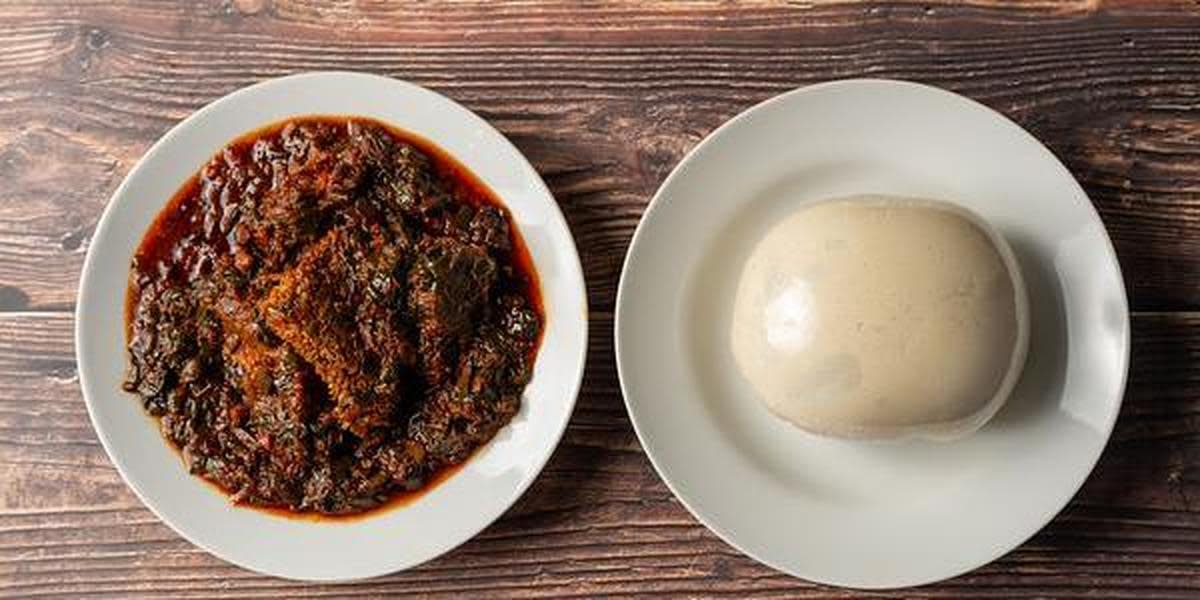
Central African cuisine is rooted in ingredients like cassava, yams, and plantains—staple crops that are transformed through age-old techniques such as pounding, fermenting, and slow cooking. These starches form the base of many meals and are often paired with stews made from leafy greens, palm oil, and warming spices.
One of the region’s most iconic dishes is fufu, a smooth, stretchy dough made from cassava or plantains. Fufu is traditionally used as both food and utensil, perfect for scooping up richly flavored stews and sauces by hand.
Chef Kendra Robinson’s Nigerian Efo Stew captures the essence of this tradition. Her version layers tender greens, bold aromatics, and velvety palm oil into a deeply satisfying, plant-forward dish that honors Central African flavor.
North Africa
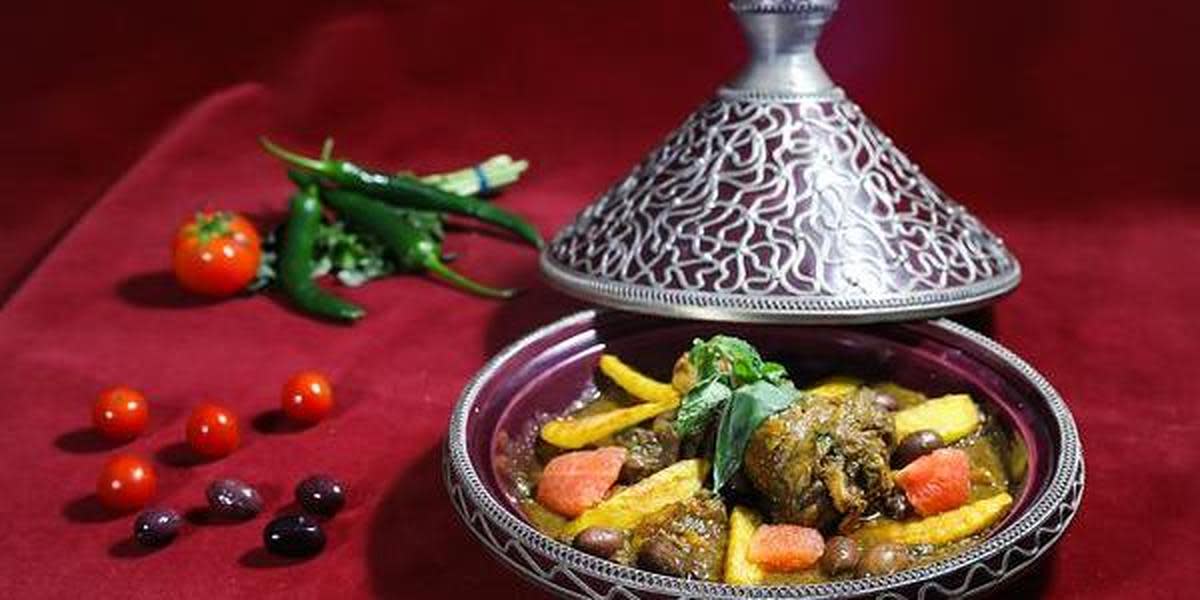
North African food blends Mediterranean freshness with Middle Eastern spice. Olive oil, preserved lemons, and warm spice blends like ras el hanout give the region’s dishes their signature depth and aroma. Ras el hanout often includes a mix of cardamom, cumin, cinnamon, and even rose petals—each adding a unique layer of flavor.
Slow-cooked tagines, airy couscous, and pillowy flatbreads are staples across Morocco, Algeria, Tunisia, and beyond. These dishes are often built slowly, allowing ingredients to mingle and deepen in flavor.
Chef Einat Admony’s Moroccan Chicken Couscous Tagine is a perfect example. It combines tender chicken, preserved lemon, and briny olives with fluffy couscous and a bold blend of spices, creating a dish that captures the richness of north African cuisine in every bite.
East Africa
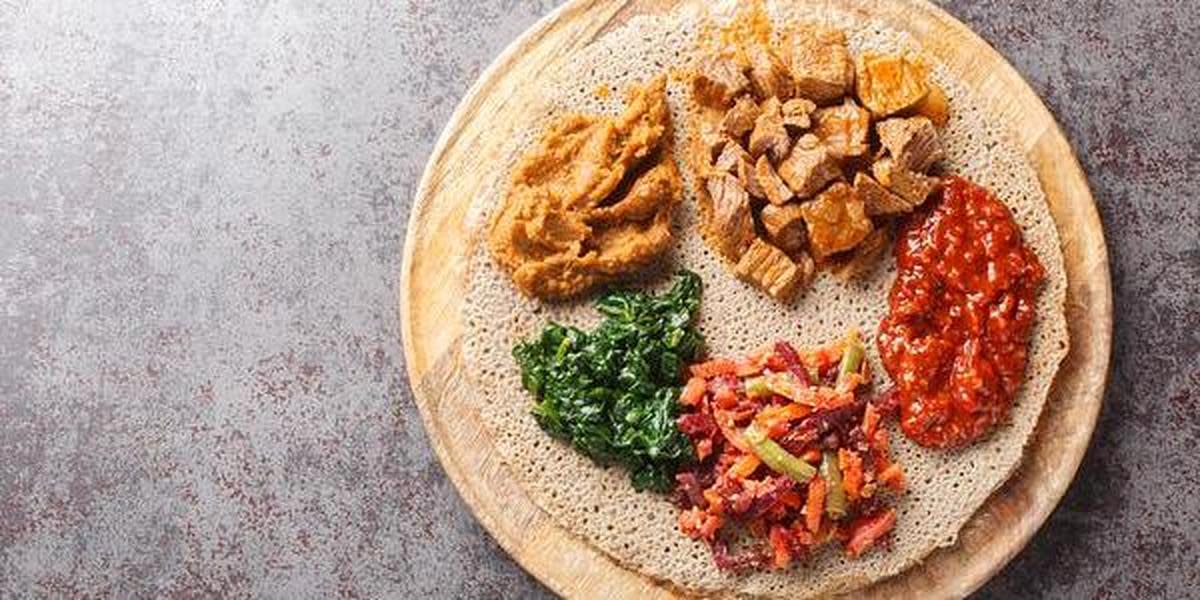
East African food is known for its bold spices, tangy fermented breads, and deep cultural rituals around sharing meals. At the center of the table, you’ll often find injera, a sourdough flatbread made from teff flour. It has a spongy texture and tangy flavor, and is traditionally used to scoop up stews and salads with your hands.
Ethiopian and Eritrean cuisines are rich with flavor, thanks in part to berbere, a complex spice blend made with chili peppers, fenugreek, and a wide mix of aromatic ingredients. This blend forms the base of many stews and meat dishes throughout the region.
Many east African dishes highlight lentils, beans, and vegetables, making this regional cuisine especially appealing for plant-based eaters. Chef Anthony Nichols’ Berbere Roasted Chicken uses the region’s signature spices to create a dish that is both bold and balanced.
The Ethiopian coffee ceremony is also a defining part of the food culture in East Africa. This multi-step process can take hours and reflects the deep hospitality and communal spirit of the region’s culinary traditions.
Southern Africa
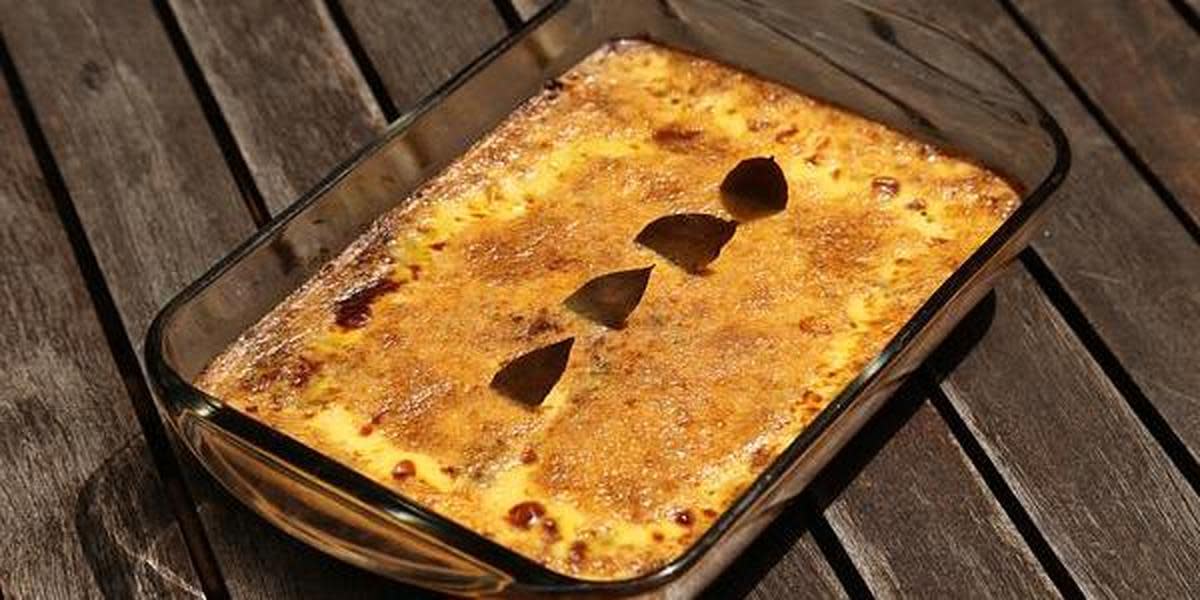
Southern African cuisine is a fusion of indigenous traditions and global influences, with flavors shaped by Dutch, British, Indian, and local cooking practices. One of the region’s most iconic culinary customs is the braai—a communal barbecue where meats are grilled over open flames, producing smoky, deeply flavorful results.
Staple dishes include pap, a maize porridge often served with chakalaka, a spicy vegetable relish, and potjiekos, a slow-cooked stew prepared in cast iron pots over open fire. Each dish reflects both local ingredients and generations of shared technique.
One standout example is bobotie, often considered South Africa’s national dish. It features spiced minced meat baked with a savory egg custard and showcases the blend of Cape Malay spices with European-style preparation. The result is hearty, complex, and unmistakably Southern African.
West Africa
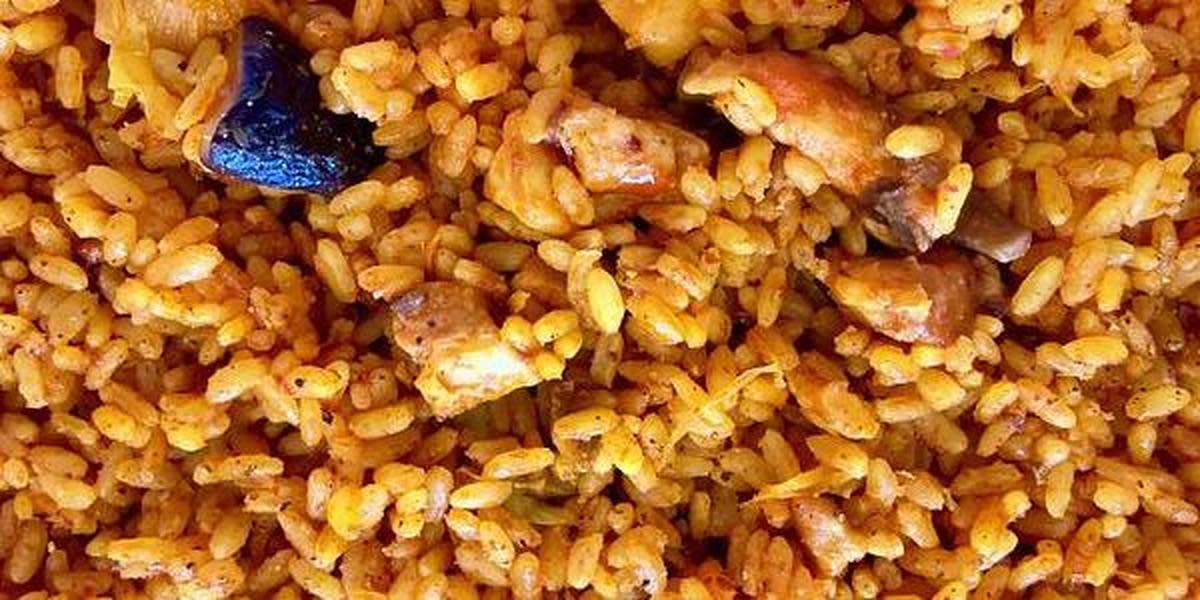
West African food is known for its bold flavors, vibrant colors, and deeply satisfying textures. Many dishes begin with a base of onions, garlic, ginger, and tomatoes, then build complexity through slow cooking and region-specific ingredients like scotch bonnet peppers, palm oil, and peanuts.
One-pot stews and soups are central to West African cuisine, often served with starchy staples such as fufu, jollof rice, or pounded yam. These meals are designed for sharing, with rich sauces that invite you to scoop, dip, and savor every bite.
Chef Miriam Milord’s Ghanaian Chicken Peanut Stew is a classic example. It combines tender chicken with vegetables and ground peanuts to create a dish that is both comforting and complex. For a creative twist, Chef Pierre Thiam’s Jollof Pasta Grilled Chicken Suya reimagines traditional West African flavors in a pasta format that bridges heritage and innovation.
Our West African meal delivery makes it easy to explore these bold, layered dishes from home. Each meal is prepared by chefs who honor the techniques and traditions behind every bite.
Essential ingredients and techniques
To truly appreciate African cuisine, it helps to understand the ingredients and methods that give it such depth and variety. Across the continent, cooks rely on locally grown staples, bold spices, and time-honored techniques to create meals that are both nourishing and full of flavor.
From the starchy foundations of African dishes to the spice blends that define regional character, these are the essential building blocks behind the continent’s most beloved meals.
Grains and tubers
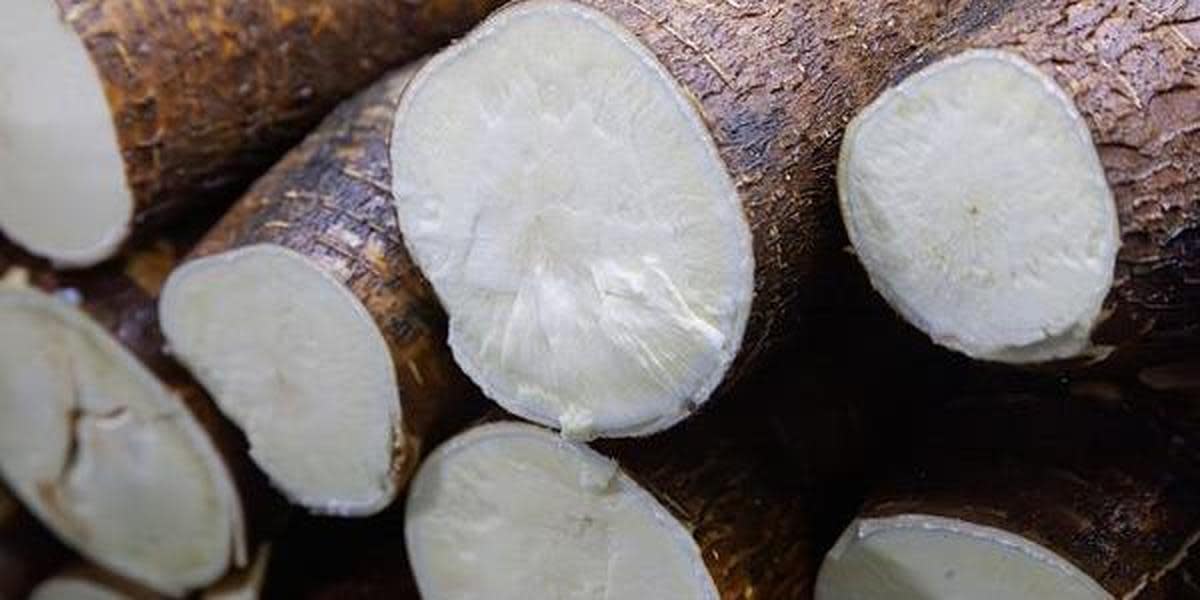
Starchy staples are the backbone of African food, forming the base of countless meals across the continent. While ingredients vary by region, they all serve a similar role: to satisfy hunger and carry the bold, flavorful sauces and stews that define African cuisine.
Cassava is one of the most versatile ingredients in Central and West Africa. This root vegetable is processed in many ways, from the stretchy dough of fufu to fermented gari granules, or simply boiled and roasted depending on the dish.
Yams—not to be confused with sweet potatoes—are larger, starchier, and have a drier texture when cooked. In West African cuisine, they’re often pounded into a smooth dough for dipping into soups and stews.
Other foundational grains and tubers include:
Cassava: Must be processed to remove natural toxins; used in fufu, gari, and boiled preparations.
Yams: Common in West Africa; often pounded or boiled.
Millet and sorghum: Ancient grains used in porridges, flatbreads, and fermented drinks.
Maize (corn): Introduced through trade and now central to many dishes in Southern and East African food traditions.
Vegetables and spices
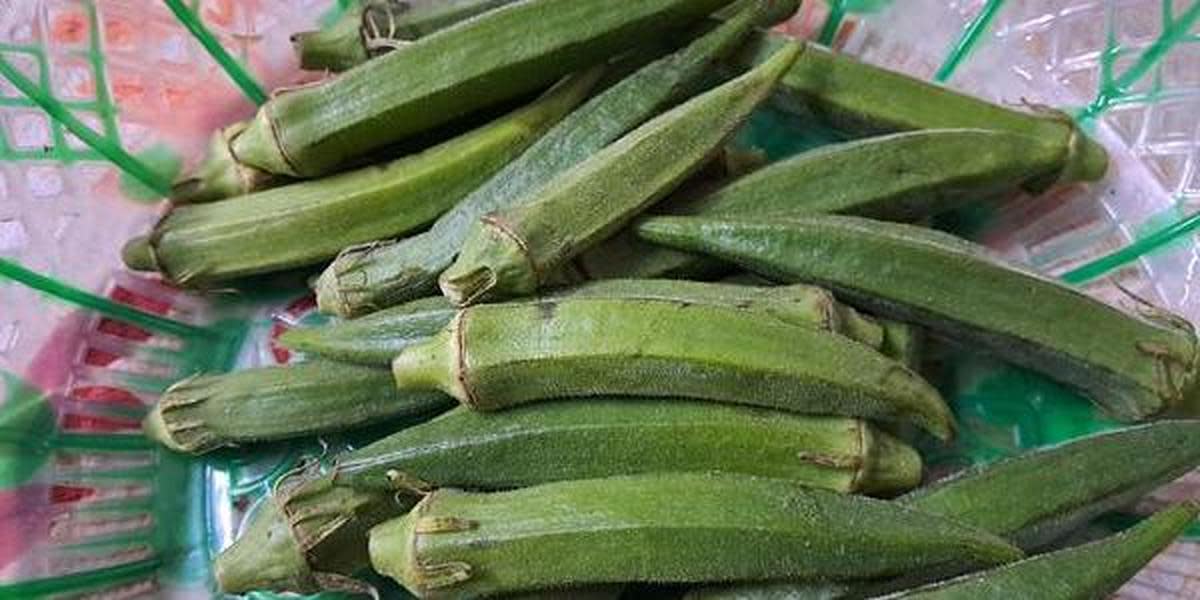
One of the defining traits of African cuisine is its bold use of vegetables and spices. Across the continent, cooks rely on local greens, aromatic herbs, and region-specific blends to build depth and complexity in every dish.
Leafy greens like amaranth, cassava leaves, and kale are staples in many African dishes, especially in stews and soups. These ingredients offer both nutritional value and earthy, distinctive flavor. In West African food, okra is often used not just as a vegetable, but also as a natural thickener in soups and sauces.
Chef Lena Elkousy’s Moroccan Chickpea Tagine shows how vegetables and spices come together beautifully in North African cuisine. This dish combines chickpeas and vegetables with warming spices such as cinnamon, cumin, and coriander. Slow cooking allows the flavors to meld into something rich, aromatic, and deeply satisfying.
Key spice blends used across African regions include:
Berbere (East Africa): A fiery, aromatic blend often made with chili peppers, fenugreek, and other warming spices.
Ras el hanout (North Africa): A fragrant mix of up to 30 spices, often including cardamom, cumin, and rose petals.
Suya spice (West Africa): A spicy, nutty blend made with ground peanuts, chili, garlic, and ginger, used to season grilled meats.
Cooking methods
Traditional techniques across African cuisine are designed to bring out deep, layered flavors while making the most of available ingredients and resources. From slow-cooked stews to open-fire grilling, each method tells a story of cultural ingenuity and culinary care.
Clay pot cooking is common across many regions. These pots hold heat evenly and slowly, allowing stews to simmer until the ingredients are tender and the flavors fully developed. One-pot cooking is another widespread technique that creates complex dishes with minimal equipment, especially useful in areas where fuel must be conserved.
Grilling and smoking are particularly central to Southern African food culture, where braai (barbecue) traditions bring people together over open flames.
Chef Pierre Thiam’s Yassa Grilled Chicken demonstrates a beloved West African technique. Marinating chicken in onions, lemon, and spices before grilling creates a dish that balances bright acidity with the rich smokiness of the fire.
Core techniques found across African cooking:
One-pot cooking: Builds flavor over time while minimizing cleanup and fuel use.
Clay pot cooking: Encourages slow, gentle cooking that deepens taste and tenderness.
Grilling and smoking: Adds a distinct char and flavor, central to many meat-based dishes.
Explore the weekly menu to try chef-crafted meals that honor these traditional methods and showcase bold, authentic African flavors.
Popular African dishes
African cuisine is full of standout dishes that reflect the rich culinary heritage of the continent. From region to region, you’ll find meals that are deeply comforting, highly flavorful, and rooted in tradition. Whether it’s a slow-cooked stew, a vibrant rice dish, or a beloved street food, these African dishes capture the essence of African cooking: bold, satisfying, and always made to be shared.
Iconic stews and soups
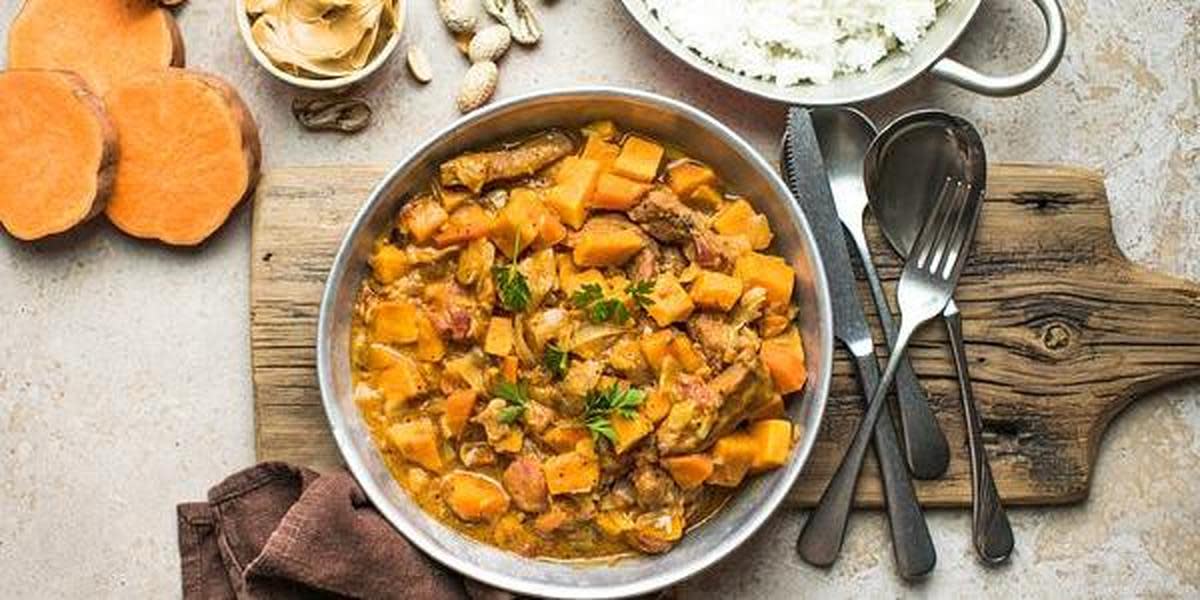
Stews and soups are foundational to African cuisine. Each region brings its own signature version, built on bold ingredients and time-honored techniques.
In West African food, groundnut stew is a classic. It combines chicken, vegetables, and peanuts in a rich, savory sauce with a gentle heat from chili peppers. This dish is often paired with fufu or rice and is known for its nutty depth and satisfying texture.
North African dishes often feature tagines, slow-cooked meals prepared in a conical clay pot. These stews are made with meats or vegetables and flavored with preserved lemons, olives, and warm spices like cinnamon and cumin. The result is a dish that is both aromatic and deeply layered.
In East African cuisine, doro wat is a standout. This Ethiopian chicken stew is simmered with onions, garlic, and berbere spice until the sauce becomes thick, spicy, and full of depth. It is traditionally served with injera and often enjoyed during holidays and special gatherings.
Region | Signature stew | Key ingredients | Flavor profile |
|---|---|---|---|
West Africa | Groundnut Stew | Peanuts, tomatoes, chicken | Rich, nutty, slightly spicy |
North Africa | Tagine | Preserved lemons, olives, meat | Aromatic, tangy, complex |
East Africa | Doro Wat | Chicken, berbere, onions | Spicy, deep, robust |
Central Africa | Ndolé | Bitter leaves, peanuts, fish/meat | Savory, bitter, rich |
Southern Africa | Potjiekos | Mixed meats, vegetables | Hearty, smoky, layered |
Rice and grain-based favorites
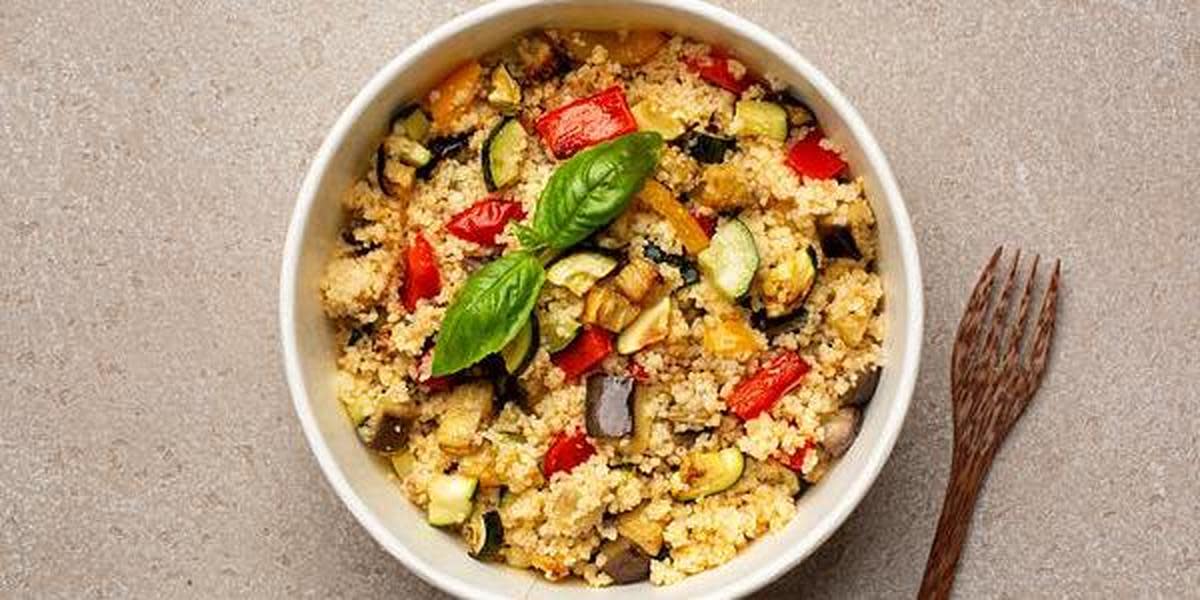
Rice and grains play a starring role in African cuisine, offering a base for some of the continent’s most beloved dishes. These meals reflect regional techniques, cultural influences, and local ingredients, all while showcasing bold, unforgettable flavor.
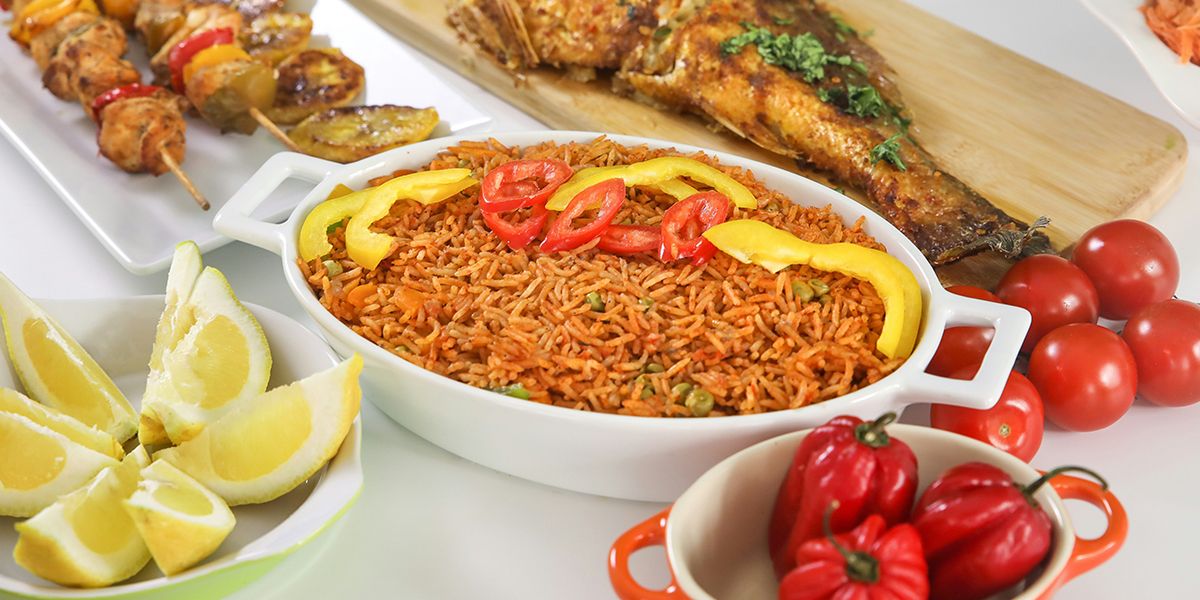
Jollof rice is one of the most iconic West African dishes. It features rice simmered in a tomato-based sauce with onions, peppers, and spices. Ghana, Nigeria, and Senegal each claim the best version, fueling friendly rivalries across the region.
In North African cuisine, couscous is a staple made from steamed semolina. Traditionally, it is prepared through multiple rounds of steaming for a light, fluffy texture. It is often paired with slow-cooked stews featuring vegetables, lamb, or chicken.
East African pilau reflects Arab influence, combining rice with spices like cardamom, cinnamon, and cloves. It’s often served with meat and is a staple at celebrations and family gatherings.
Another standout is thieboudienne, Senegal’s national dish. This one-pot meal combines rice, vegetables, and fish in a rich, tomato-based sauce. It’s a deeply satisfying dish that represents the heart of Senegalese cuisine.
Key grain dishes in African food:
Jollof rice: Spiced tomato-based rice dish with regional variations across West Africa.
Couscous: Steamed semolina served with vegetable and meat stews in North Africa.
Injera with wot: Sourdough flatbread paired with spicy stews in Ethiopia and Eritrea.
Thieboudienne: One-pot fish, vegetable, and rice dish from Senegal.
Unique street foods
Street food is a vital part of African cuisine, offering bold flavors and quick bites that reflect regional creativity and local culture. These dishes are often rooted in tradition and bring communities together through casual, everyday eating.
In West Africa, suya is a beloved staple—skewered meat coated in a spicy peanut-based rub and grilled over open flame. It's flavorful, smoky, and often sold by street vendors wrapped in paper or served with onions and tomatoes.
South Africa’s bunny chow is another standout. This dish features a hollowed-out loaf of bread filled with fragrant curry, blending Indian and African influences in a satisfying, handheld meal.
In Uganda, the popular rolex wraps an omelet with vegetables inside a freshly made chapati. It’s a simple, portable street food that’s perfect any time of day.
North African food includes iconic street fare like koshari, Egypt’s national dish. This hearty bowl combines rice, lentils, pasta, fried onions, and spicy tomato sauce for a layered, flavorful experience.
Want to taste these bold, regional favorites without leaving home? Try chef-crafted street food from our North African meal delivery menu, featuring dishes inspired by authentic local traditions.
How to explore African cuisine at home
You don’t need a specialty kitchen or rare ingredients to start cooking with the bold, vibrant flavors of African cuisine. With a little curiosity and a few pantry staples, you can bring the continent’s rich culinary traditions into your own home. Whether you’re drawn to the spice blends of East African food or the one-pot comfort of West African dishes, a world of flavor is within reach.
Key shopping tips
Sourcing ingredients for African cuisine can be easier than you think, especially with a few smart strategies. While some staples may not be available in conventional supermarkets, there are plenty of ways to find what you need—or make simple swaps that preserve the spirit of the dish.
Specialty African markets in larger cities often carry essentials like palm oil, fufu flour, and regional spice blends. You can also find ingredients such as cassava, plantains, and scotch bonnet peppers at many international or Asian grocery stores.
For even more convenience, online retailers now offer a wide range of African pantry items, including grains, shelf-stable sauces, and curated spice blends from across the continent.
When a specific item proves hard to find, try using thoughtful substitutions:
Sweet potatoes can stand in for yams
Habanero peppers work well in place of scotch bonnets
Natural peanut butter can replace ground peanuts in many West African dishes
These simple swaps let you enjoy authentic African flavors while making the most of what’s accessible.
Simple meal ideas
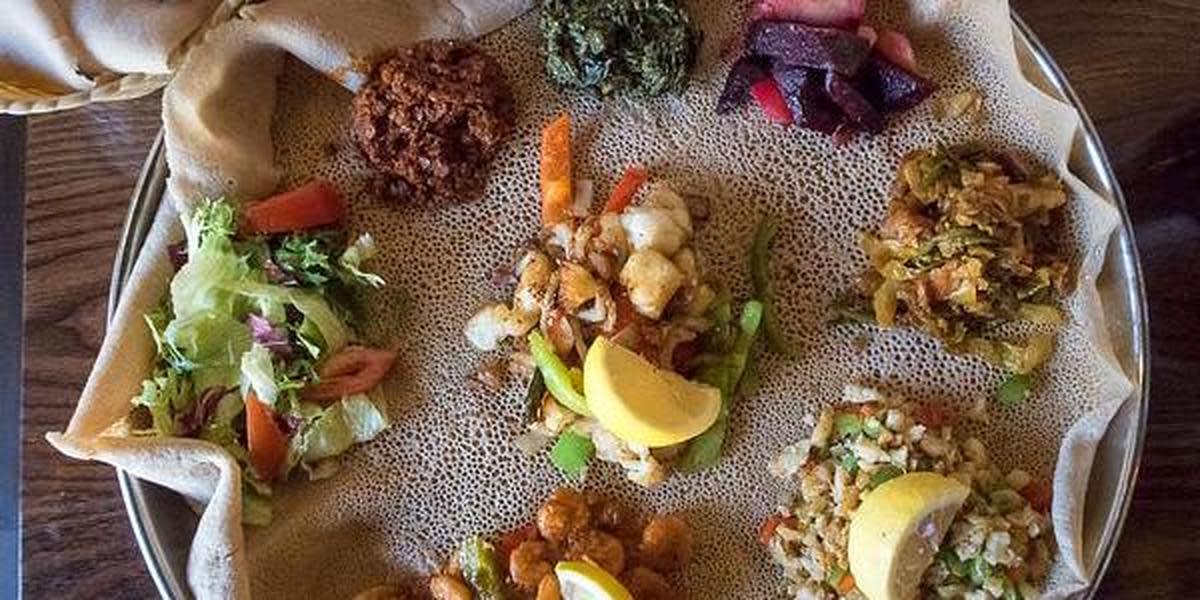
Exploring African cuisine at home can start with a few easy, flavorful dishes that rely on familiar techniques and pantry-friendly ingredients. These recipes offer a taste of regional traditions without requiring hard-to-find components or hours in the kitchen.
A classic West African peanut stew is a great starting point. Made with chicken, sweet potatoes, tomatoes, spinach, and peanut butter, it’s hearty, satisfying, and easy to prepare with ingredients found in most supermarkets.
North African couscous bowls also come together quickly. Combine instant couscous with chickpeas, sautéed vegetables, and warming spices like cumin and cinnamon for a fast, aromatic meal.
For a plant-based option, try Ethiopian-style lentils. Red lentils cook quickly and take on the bold flavors of onions, garlic, and berbere spice, creating a dish that’s both nutritious and deeply flavorful.
Beginner-friendly African dishes to try:
Basic peanut stew: Chicken, sweet potatoes, tomatoes, spinach, and peanut butter in a rich sauce.
Moroccan-inspired couscous: Instant couscous with chickpeas, vegetables, cumin, and cinnamon.
Ethiopian-style lentils: Red lentils with garlic, onions, and berbere spice.
Modern twists on traditional recipes
Contemporary takes on African cuisine make it easier than ever to enjoy these bold, regional flavors in new and creative ways. By adapting traditional components to modern formats, home cooks can bring the essence of the dishes into everyday meals.
Grain bowls are a flexible starting point. Try layering quinoa or farro with Moroccan-spiced vegetables, Ethiopian lentils, or a rich West African peanut sauce. These combinations deliver big flavor while fitting a variety of dietary needs.
Sheet pan dinners offer another convenient option. Roasting vegetables or proteins with berbere or suya spice is a simple way to bring authentic taste to your weeknight routine.
While some traditional recipes may take time, these modern adaptations allow you to explore African food in a format that works for your lifestyle, without losing the soul of the original dishes.
Frequently asked questions about African cuisine
Are these meals safe for those with severe dietary allergies, such as dairy, soy, and nuts?
While our meals are crafted without certain ingredients, they're prepared in kitchens where cross-contamination may occur. If your allergy is life-threatening, we recommend reviewing ingredient labels carefully before eating.
Where can I find African ingredients if my local store does not carry them?
Look for international or specialty food markets in larger cities, or explore online retailers that specialize in African ingredients and spice blends.
Are there vegetarian or vegan African dishes I can try?
Many traditional African cuisines feature plant-based dishes like Ethiopian lentil stews, Moroccan vegetable tagines, and West African bean dishes that are naturally vegetarian or easily adapted.
Which African spices should I start with if I am new to this cuisine?
Begin with versatile spices like cumin, coriander, ginger, and garlic powder, then gradually add regional blends like berbere or ras el hanout as you become more comfortable.
Sources:

Be the first to know about new offers
Multiorder discounts, free items and more.