Back
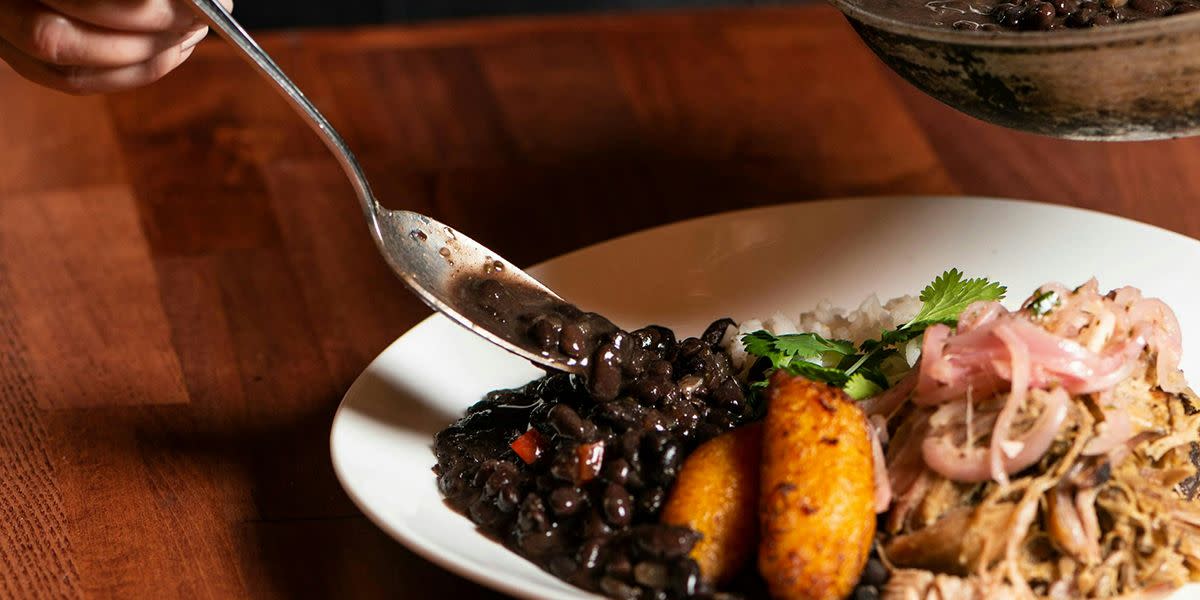
Cuban cuisine is bold, soulful, and built for sharing. Born at the crossroads of Spanish influence, African heritage, and Caribbean flair, it’s a vibrant celebration of flavor and history. From slow-roasted pork kissed with citrus to rich, simmering stews and crave-worthy sides, Cuban food is an experience everyone should have. Whether you're exploring traditional Cuban dishes like ropa vieja or discovering new spins on classic Cuban meals, this is a cuisine that speaks to the heart (and keeps you coming back for seconds).
In this guide, we’re diving into 10 essential Cuban dishes that define the soul of Cuban cuisine—classics, staples, and hidden gems that belong on every food lover’s radar.
Key takeaways:
Cuban cuisine blends Spanish, African, and Caribbean influences into bold, soulful meals.
Traditional Cuban dishes often feature slow-cooked meats, aromatic sofrito, and citrus-based marinades.
Essential Cuban meals include ropa vieja, lechón asado, Cuban sandwiches, and congrí (black beans with rice).
Cuban food is rich and savory, focusing on flavor—not heat—making it approachable for most palates.
CookUnity’s award-winning chefs bring authentic Cuban food to your door, freshly made and ready to enjoy.
What is Cuban cuisine?
Cuban cuisine is a bold fusion of Spanish, African, and Caribbean influences. It’s the foundation of Cuban food and brings together rich traditions under one delicious umbrella. Known as comida criolla, this style of cooking features slow-cooked meats, citrus marinades, aromatic sofrito, and hearty staples like rice and black beans. The flavor profile is savory with just the right touch of tang, offering traditional Cuban dishes that are vibrant, comforting, and easy to love.
Key ingredients in traditional Cuban dishes include:
Rice and beans: Foundation of most meals, either cooked together (congri) or separately
Pork and beef: Slow-roasted or braised with citrus marinades
Root vegetables: Yuca, malanga, and sweet potatoes provide hearty substance
Citrus: Sour oranges and limes feature prominently in marinades
Experience authentic Cuban flavors without the travel with our Cuban meal delivery service, featuring dishes crafted by real chefs who understand the essence of this vibrant cuisine.
Cultural influences and flavor profile
Most traditional Cuban dishes start with sofrito, a savory base of sautéed onions, garlic, and bell peppers that builds deep, foundational flavor. Another essential component is mojo, a vibrant marinade made with sour orange juice, garlic, oregano, and olive oil. It adds brightness and depth to many classic Cuban meals.
Cuban cooking techniques focus on slow, intentional preparation rather than complex spice blends. The flavors develop through time and care, creating rich, satisfying Cuban dishes that feel both familiar and unforgettable.
Cuisine | Primary flavors | Heat level | Key techniques |
|---|---|---|---|
Cuban | Garlic, citrus, oregano | Mild | Slow braising, marinating |
Puerto Rican | Sofrito, adobo, recaito | Medium | Frying, stewing |
Dominican | Oregano, lime, garlic | Mild-Medium | Slow cooking, frying |
Jamaican | Allspice, scotch bonnet, thyme | Hot | Grilling, stewing |
1. Ropa vieja
Ropa Vieja, meaning 'old clothes,' is a beloved Cuban dish that reflects the core flavors and traditions of the island’s cuisine. Flank steak is slowly braised in a tomato-based sauce until it falls apart, resembling shredded cloth (hence the name).
This iconic dish includes bell peppers, onions, and olives that add layers of flavor to the tender meat. The slow cooking process allows the beef to absorb the sauce completely, creating a rich, satisfying meal typically served with white rice.
For an authentic taste of this Cuban classic, try our Ropa Vieja Cubana by Chef Ruben Garcia. His version features perfectly tender shredded beef with a side of vegetable couscous.
2. Lechon asado
Lechon Asado showcases the importance of pork in Cuban cuisine. This celebratory dish features pork shoulder marinated in mojo sauce before slow-roasting to create crispy skin and tender meat.
The marinade typically includes:
Sour orange juice (or regular orange juice mixed with lime)
Copious amounts of garlic
Oregano
Cumin
Olive oil
Experience this festive dish with our Cuban Lechon Asado Roasted Pork by Chef Jose Garces. His preparation honors traditional techniques while delivering restaurant-quality flavor.
Did you know? Lechon asado is traditionally prepared for Christmas and special celebrations in Cuban households, often involving whole-community participation in the cooking process.
3. Cuban sandwich
The Cuban sandwich represents how Cuban food evolved as it traveled to Florida with immigrants. This pressed sandwich layers roast pork, ham, Swiss cheese, pickles, and mustard between crisp Cuban bread.
What makes it special is the pressing technique using a plancha (sandwich press), creating its distinctive flat form and crispy exterior. Regional variations exist, with Tampa versions adding salami while Miami styles remain more traditional.
Enjoy our Classic Cuban Sandwich by Chef Fabiola Rivera. Her version balances the perfect ratio of meats, cheese, and pickles.
4. Picadillo
Picadillo exemplifies the sweet-savory balance in Cuban cuisine. This versatile ground beef dish combines tomatoes, olives, capers, and raisins for a complex flavor profile.
The dish can be served in multiple ways:
Over white rice as a main course
As filling for empanadas
Alongside fried plantains
Stuffed into potatoes or peppers
Try our Cuban Beef Picadillo by Chef Angelia Cole. This dish features perfectly seasoned ground beef with steamed rice.
Explore the weekly menu and select your meals.
5. Vaca frita
Vaca Frita ("fried cow") transforms boiled beef into a crispy delight. The preparation involves:
First cooking: Beef is boiled until tender
Shredding: The meat is pulled apart into thin strands
Marinating: Lime juice, garlic, and salt infuse the beef
Frying: The marinated meat is pan-fried to achieve a crispy exterior
This textural contrast makes Vaca Frita distinctive among Cuban dishes. It's typically served with white rice, black beans, and sweet plantains.
Experience these delightful textures with our Cuban-Style Crispy Shredded Beef by Chef Silvio Rodriguez.
6. Arroz con pollo
Arroz con Pollo showcases the Spanish influence in Cuban cuisine. This one-pot chicken and rice dish gets its yellow color from saffron or annatto.
The Cuban version often includes beer or wine in the cooking liquid, distinguishing it from similar dishes in other Latin American countries. The chicken becomes tender while the rice absorbs all the flavors, creating a complete meal beloved throughout Cuba.
This hearty dish reflects Cuba's Spanish heritage while incorporating local ingredients and techniques. Every family has their own special version, making it one of the most cherished Cuban meals.
Craving more Latin American flavors? Explore Latin American meal delivery for a wider range of authentic dishes crafted by award-winning chefs.
7. Congrí
Congrí combines black beans and rice cooked together in one pot. The name "Moros y Cristianos" (Moors and Christians) cleverly references the contrast between black beans and white rice.
This everyday staple appears at virtually every Cuban table. Small pieces of salt pork or bacon add richness and depth to this seemingly simple dish. The beans color the rice slightly gray, creating a distinctive appearance.
Unlike many cuisines that prepare rice and beans separately, congrí cooks them together, allowing the beans to infuse the rice with flavor. This efficient cooking method also saves fuel, reflecting the practical nature of Cuban food.
8. Yuca con mojo
Yuca con Mojo features boiled cassava root drizzled with garlicky citrus mojo sauce. This starchy root vegetable has a neutral flavor that perfectly absorbs the bright, aromatic sauce.
Proper preparation requires removing the woody core of the yuca before cooking until tender. The contrast between the mild, starchy yuca and the bold, tangy mojo creates a balanced dish that complements many Cuban main courses.
This versatile preparation serves as both a side and appetizer in Cuban cuisine. The dish demonstrates how Cuban food transforms simple ingredients into flavorful experiences through thoughtful preparation and sauce combinations.
9. Tostones
Tostones showcase the versatility of plantains in traditional Cuban dishes. These twice-fried green plantain slices create a crispy, savory snack or side dish.
The preparation follows a specific technique:
Slice green plantains into thick rounds
Fry once until softened
Smash each slice flat
Fry again until golden and crispy
These versatile bites may be seasoned simply with salt or served with garlic sauce or mojo for dipping. Tostones appear throughout Cuban meals as appetizers, sides, or snacks.
10. Medianoche
The Medianoche sandwich shares ingredients with the Cuban sandwich but uses sweet egg bread instead of crusty Cuban bread. Its name means "midnight," referring to when it's traditionally enjoyed as late-night fare.
This popular option became a favorite in Cuban nightclubs and remains popular in Cuban communities today. The slight sweetness of the bread creates a perfect counterpoint to the savory fillings of roasted pork, ham, Swiss cheese, pickles, and mustard.
The softer bread creates a different texture experience while maintaining the same delicious filling as the Cuban sandwich. It's a perfect example of how Cuban meals adapt to different occasions.
Looking for more Cuban-inspired meals? Check out this preview of the CookUnity menu to discover chef-crafted options delivered fresh to your door.
Essential Cuban pantry items
Creating authentic Cuban food at home requires stocking a few key ingredients. These staples help you prepare traditional Cuban dishes any time:
Black beans and white rice: Foundation of countless Cuban meals
Citrus fruits: Oranges and limes for mojo and marinades
Spices: Oregano, cumin, and bay leaves
Olive oil: Used in many Cuban preparations
Garlic: Essential for sofrito and mojo sauce
Finding specialty ingredients has become easier in many areas. Look for items like frozen yuca, plantains, and mojo marinades in the international section of well-stocked supermarkets or Latin American specialty stores.
Modern approaches to Cuban cuisine
Cuban cuisine continues to evolve as chefs reimagine traditional recipes through a modern lens. Award-winning chefs are putting creative spins on classic Cuban dishes while staying true to the flavors and techniques that define them.
New approaches include vegetarian versions made with ingredients like mushrooms or jackfruit in place of meat. Lighter preparations using leaner cuts and less oil offer fresh takes on traditional Cuban meals without sacrificing flavor or authenticity.
If you’d rather leave the cooking to the pros, explore our menu and let our chefs bring the bold, soulful flavors of Cuban cuisine straight to your door. Select your meals, sit back, and savor the experience.
Frequently asked questions about Cuban cuisine
What makes Cuban cuisine different from other Caribbean food traditions?
Cuban cuisine features milder flavors compared to other Caribbean traditions, with an emphasis on slow cooking rather than spice heat. The Spanish influence is more pronounced, and citrus marinades play a central role in flavor development.
What are the most essential spices needed for authentic Cuban cooking?
Cumin, oregano, bay leaves, and garlic form the backbone of Cuban seasoning. Unlike some Latin cuisines, Cuban food rarely uses hot chilies, focusing instead on aromatic herbs and garlic for flavor.
What vegetarian options exist in traditional Cuban cuisine?
Black bean dishes, yuca con mojo, tostones, and vegetable-based sofrito rice make excellent vegetarian Cuban options. Modern adaptations have also created plant-based versions of classics like picadillo using textured vegetable protein.
Are Cuban meals from CookUnity safe for those with severe dietary allergies, such as dairy, soy, and nuts?
While our meals are crafted without certain ingredients, they're prepared in kitchens where cross-contamination may occur. If your allergy is life-threatening, we recommend reviewing ingredient labels carefully before eating.

Be the first to know about new offers
Multiorder discounts, free items and more.