Back
Back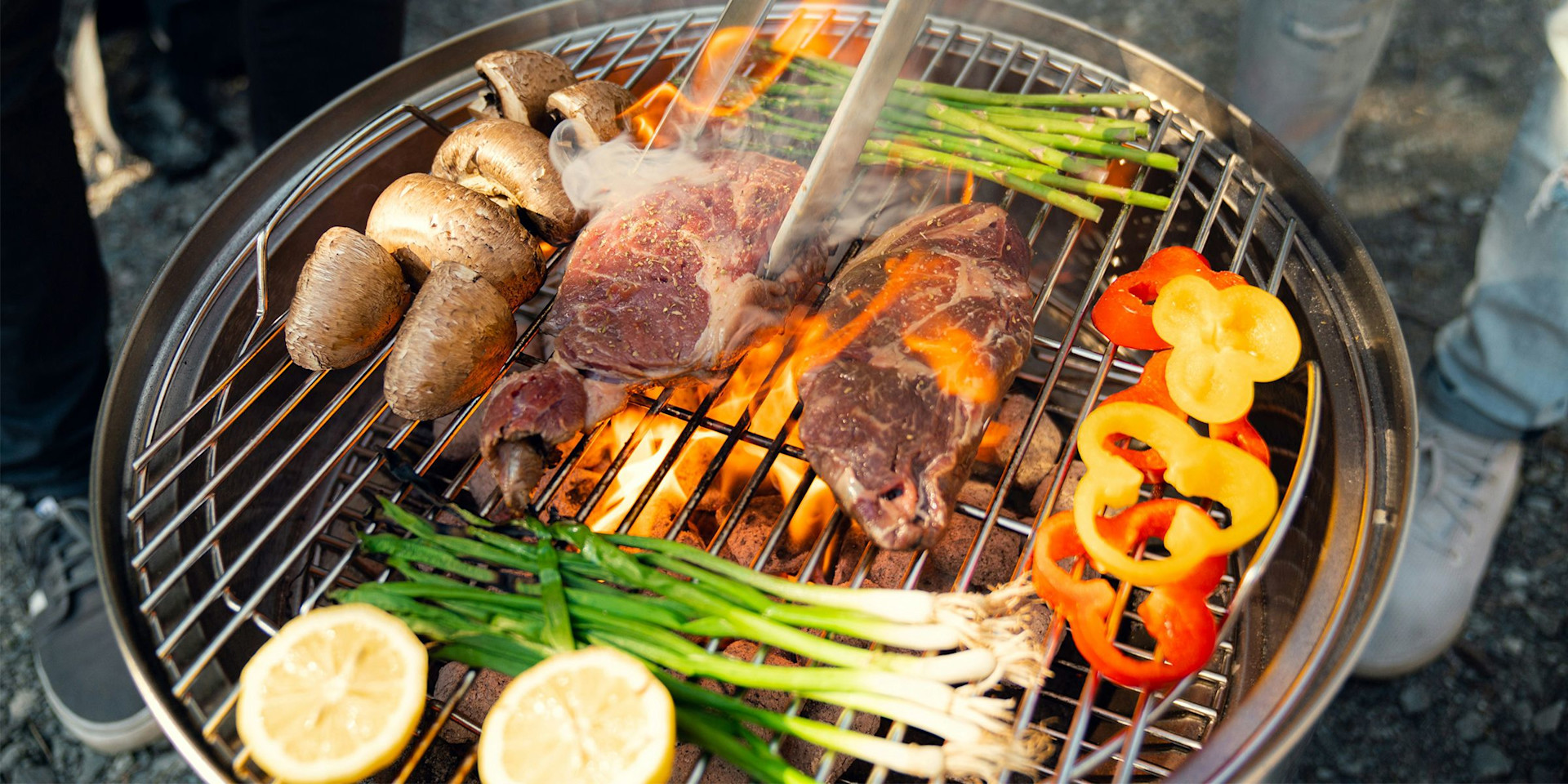
Nothing says summer like the sound of a sizzling steak hitting the grill. That smoky aroma, the flicker of open flame, the perfect char. Grilling isn’t just cooking, it’s a ritual. Whether you’re lighting the coals for the first time or fine-tuning your flame game, this guide is your shortcut to grilling mastery. From essential tools to pro-level tips, we’ll help you turn everyday ingredients into unforgettable, fire-kissed meals.
Key takeaways:
Create two heat zones on your grill for maximum cooking flexibility and better results with different foods.
Let meats rest after grilling to redistribute juices and ensure every bite is tender and flavorful.
Use a reliable meat thermometer instead of guessing doneness to achieve perfect results every time.
Keep grill grates clean and well-oiled to prevent sticking and create those coveted grill marks.
Grilling 101: Your crash course in flame and flavor
Grilling is the art of cooking food over open flame on a grate. It's simple, primal, and incredibly delicious. That seared crust and smoky aroma come from direct contact with high heat, transforming everyday ingredients into flavor-packed favorites.
There are two main grilling techniques:
Direct heat places food right over the flame for fast, high-heat cooking. It’s great for burgers, steaks, and anything that needs a quick sear.
Indirect heat moves food to the side, away from the flame. This creates an oven-like environment, perfect for roasting larger cuts slowly and evenly.
Grill glossary:
Direct heat: Fast, hot cooking over the flame
Indirect heat: Slower cooking away from the flame
Searing: High-heat technique that locks in juices and builds a crust
Flare-ups: Sudden flames caused by dripping fat
How to choose the right grill
1. Charcoal basics
If you’re chasing that classic, smoky flavor, charcoal is the way to go. It brings a depth of taste that gas just can’t match.
There are two main types of charcoal:
Lump charcoal lights quickly and burns hot, making it great for searing and fast cooks like steaks or burgers.
Briquettes burn more steadily and last longer, which makes them ideal for low-and-slow recipes like ribs or whole chickens.
Choosing the right charcoal is your first step toward grill greatness.
For authentic grilled flavors without the work, we deliver chef-crafted meals with that perfect char. Explore our menu, featuring dishes from award-winning chefs.
2. Gas grill advantages
If speed and simplicity are your priorities, gas grills have your back. With push-button ignition and precise temperature control, they heat up fast. (No waiting on coals.)
Temperature knobs let you fine-tune the heat, making gas grills especially beginner-friendly. And cleanup? A breeze. No ash, no mess. Just turn it off, wipe it down, and you're done.
Gas grills are perfect for weeknight dinners when time is tight but flavor still matters.
3. Setting up two heat zones
Two heat zones = total control. This simple setup lets you sear, roast, and rest all on the same grill.
On a charcoal grill, pile coals on one side for direct heat and leave the other side coal-free for indirect heat.
On a gas grill, crank some burners to high and leave others on low or off.
Use the hot zone to sear and the cooler zone to finish cooking gently or keep food warm.
Pro tip: For thicker cuts like chicken breasts or pork chops, sear over direct heat, then shift to indirect to cook through without burning the outside.
Essential grilling techniques
1. How to light a charcoal grill
The chimney starter method is your foolproof way to fire up. Fill the chimney with charcoal, then tuck crumpled newspaper underneath.
Light the paper in several spots and let the coals heat up until they’re coated in light gray ash. That’s your sign they’re ready. Carefully pour them into the grill and arrange for direct or indirect cooking.
Charcoal readiness signs:
Gray ash coating: Indicates optimal cooking temperature
Glowing red center: Too hot for most cooking
Black coals with no ash: Not yet ready for cooking
2. Food thermometer tips
For an accurate reading, insert the thermometer into the thickest part of the meat, steering clear of bone or fat. Wait until the number holds steady before removing it.
Always clean the thermometer between uses to avoid cross-contamination.
Available on our menu, Chef Dustin Taylor's Grilled Strip Steak is a prime example of how proper temperature monitoring delivers that perfect medium-rare every time.
Safe internal temperatures:
Poultry: 165°F
Ground meats: 160°F
Beef/lamb (medium-rare): 145°F
Pork: 145°F with 3-minute rest
Fish: 145°F or until opaque and flakes easily
3. Common safety precautions
Grilling is fun. But safety comes first. Always set up your grill a safe distance from buildings, railings, and overhanging trees.
Never leave a lit grill unattended, especially if kids or pets are around.
Keep a spray bottle of water nearby to control flare-ups without dropping the heat. And once you're done, let coals cool completely before tossing them to avoid accidental fires.
How to grill steak
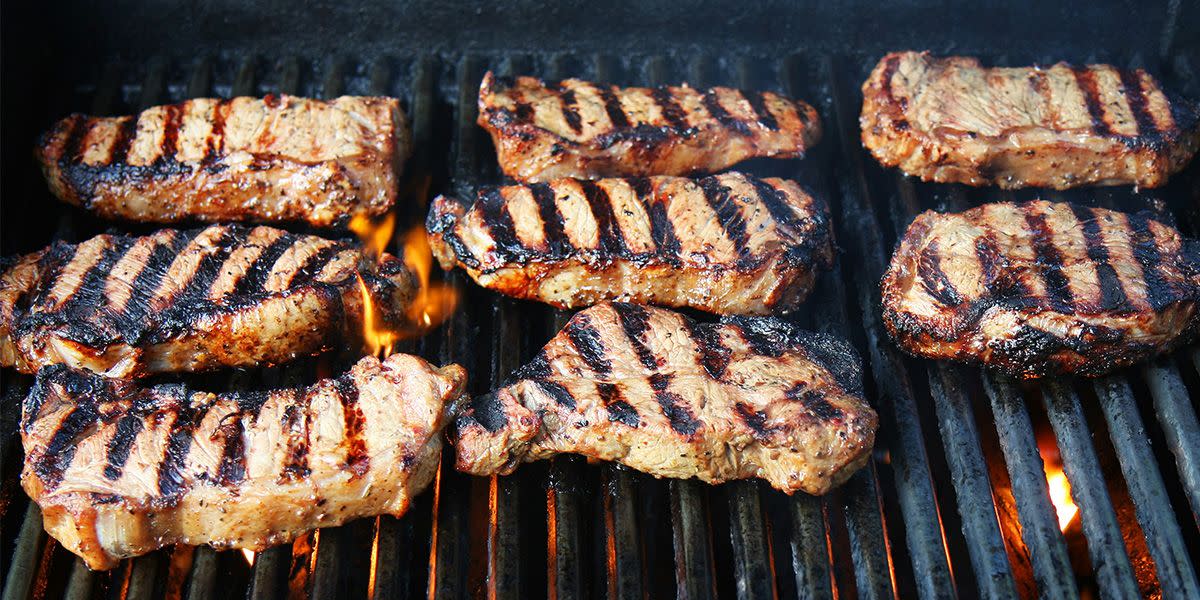
Let your steak come to room temperature before grilling. This helps it cook evenly all the way through.
Pat it dry, then season generously with salt and pepper (or your favorite rub). Sear it over high heat to build that craveable crust, then move it to indirect heat to finish cooking to your preferred doneness.
Once off the grill, let it rest for a few minutes before slicing. This locks in the juices and keeps every bite tender.
Looking for the perfect steak without firing up the grill? Enjoy fresh steak meals made by award-winning chefs delivered right to your door.
Steak grilling tips
Start at room temperature to ensure even cooking
Pat the surface dry for a better sear and crisp crust
Flip only once to lock in juices and build flavor
Let it rest before slicing to keep it juicy and tender
Available on our menu, Chef Akhtar Nawab's Grilled Flat Iron Steak shows exactly what’s possible with proper technique: perfect sear, tender texture, and bold, beefy flavor.
How to grill chicken
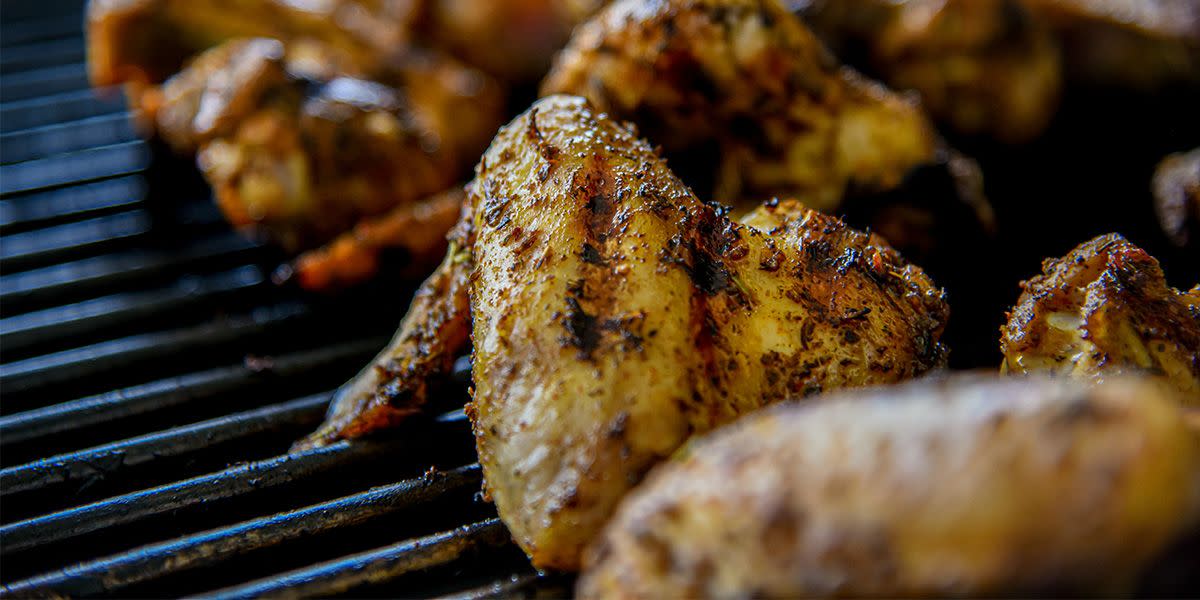
Start with a good marinade. It adds flavor, locks in moisture, and—bonus—it can help reduce harmful compounds that form during high-heat cooking. For best results, marinate for at least 30 minutes, or up to an hour.
To make a simple marinade, mix oil, an acid like lemon juice, herbs, and spices. Coat the chicken completely, then refrigerate in a sealed container.
Grill skin-side up over indirect heat to gently cook through, then move to direct heat to crisp the skin. If you’re using BBQ sauce, brush it on during the last 5 to 10 minutes to avoid burning.
Always cook chicken to an internal temperature of 165°F for safety.
Chef Tracey Bloom’s Grilled BBQ Chicken nails that perfect balance of smoky char, crispy skin, and juicy tenderness.
How to grill fish and seafood
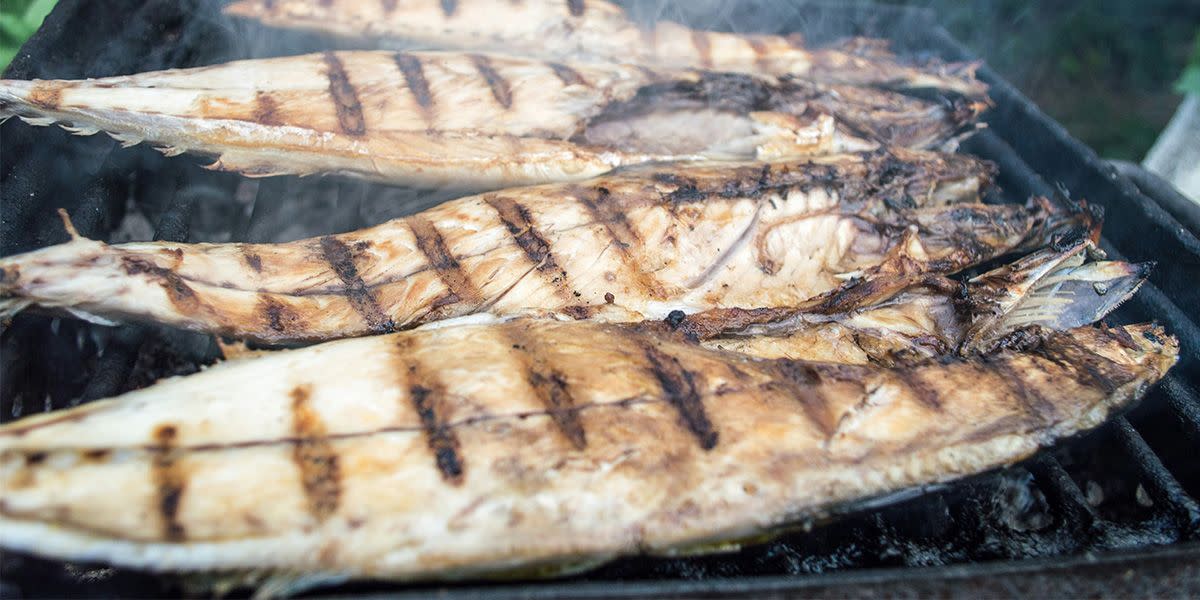
Grilling seafood can be delicate, but with the right technique, it’s a breeze.
For fish, use a fish basket or oil the grates well to prevent sticking. When possible, cook with the skin on. (It adds flavor and helps hold the fish together.) Flip only once and grill until it flakes easily with a fork and looks opaque throughout. Adjust cooking time based on thickness and heat level.
For shrimp, thread them onto skewers to keep them from falling through the grates. Grill for 2 to 3 minutes per side, just until they turn pink and opaque. They cook fast, so keep a close eye.
Chef Meena Sreenivas’s Grilled Garlic Butter Shrimp is a shining example of seafood done right: tender, flavorful, and full of smoky charm.
How to grill corn on the cob
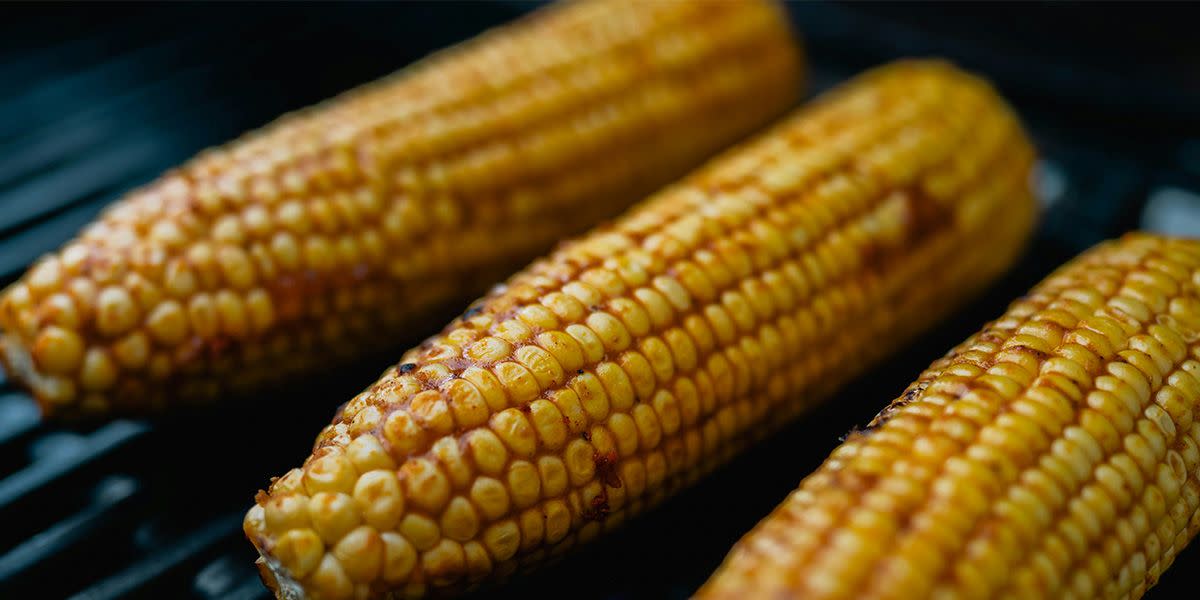
Soak corn in the husks for 15 to 30 minutes before grilling. This helps create steam inside the husk and prevents burning. Grill the soaked corn for 15 to 20 minutes, turning occasionally for even cooking.
For more flavor, you can remove the husks and wrap the corn in foil with butter, herbs, or spices. Corn is ready when the kernels are bright yellow and tender when pierced with a fork.
Corn grilling methods:
In husks: Steams the kernels for a juicy, tender bite
Husked and direct: Adds char and smoky flavor
Foil-wrapped: Infuses flavor with butter and herbs
Plank grilling: Brings a subtle hint of wood smoke
How to grill vegetables
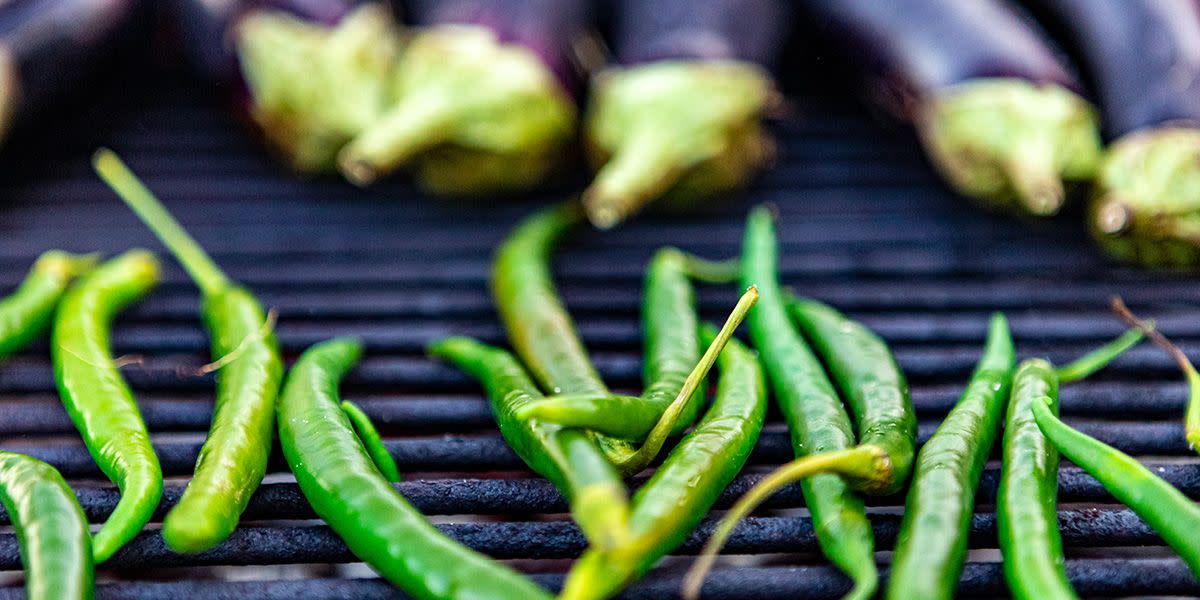
Grilled veggies are all about texture, char, and keeping things simple.
For asparagus, trim the woody ends and toss with olive oil, salt, and pepper. Lay them across the grates so they don’t fall through, and grill—turning occasionally—until they’re tender with a nice char.
For zucchini, slice into 1/4-inch planks, brush with oil, and season. Grill for 2 to 3 minutes per side until grill marks appear and the texture softens slightly.
Chef Chris Ratel’s Grilled Asparagus With Citrus Garlic Butter is a masterclass in how to bring out bold flavor and perfect tenderness with just a few smart moves.
Craving bold Southern flavor without firing up the grill? Learn how to bring that crispy, crave-worthy taste home with our guide to perfect Southern fried chicken—no charcoal required.
Tips for grilling pizza
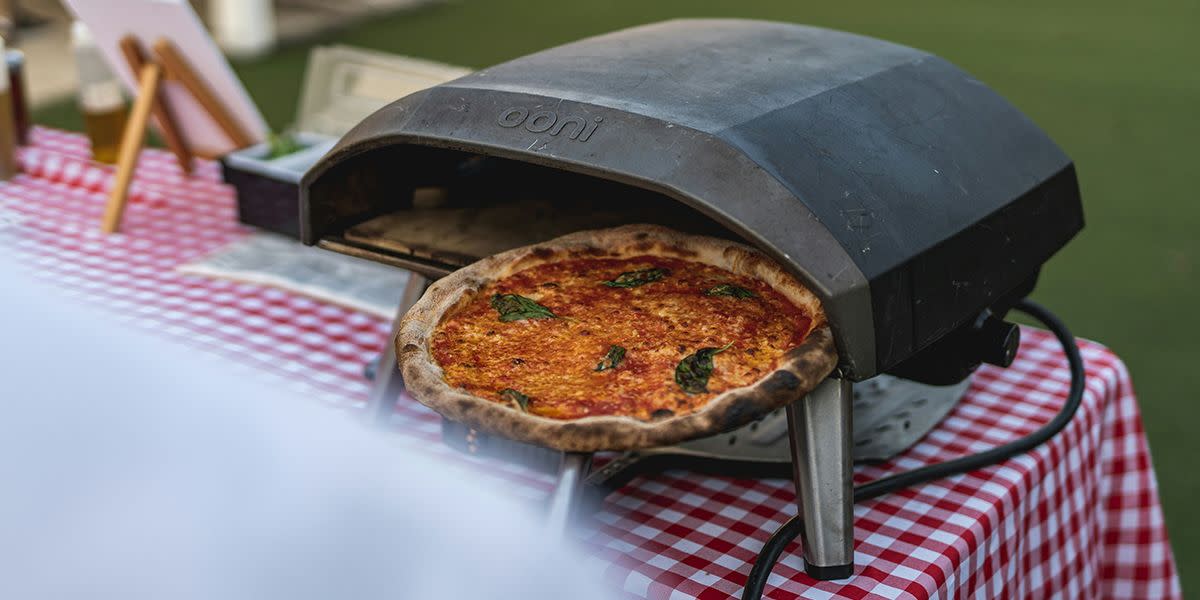
Let the dough sit out for a bit before stretching. This way, it’ll be more pliable and easier to shape into a 1/4-inch thick crust. Brush one side with olive oil to prevent sticking and encourage a golden, crispy finish.
Place the oiled side down on direct heat and grill for 2 to 3 minutes, until the bottom has clear grill marks. Flip the dough, quickly add toppings to the grilled side, then move it to indirect heat and close the lid to melt the cheese and finish cooking.
Make sure your grates are very clean and well-oiled before you start. And don’t try to flip the crust too soon. When it’s properly seared, the dough will release from the grill on its own.
Common grilling mistakes to avoid
Grilling is part skill, part patience. And rushing it can ruin a great meal. Here are the top mistakes to steer clear of:
Flipping too often disrupts the sear and causes moisture loss. Flip most items just once.
Pressing down on burgers or steaks squeezes out all those flavorful juices. Resist the urge.
Skipping preheating leads to uneven cooking and food that sticks to the grates. Always start with a hot, clean grill.
Skipping the rest period can dry out your meat. Let steaks and larger cuts rest for 5 to 10 minutes before slicing. Even burgers benefit from 2 to 3 minutes off the grill.
Use a timer, trust the process, and let the grill do its thing.
Grilling tools you need
The right tools make grilling safer, easier, and way more enjoyable. Here’s what to keep within arm’s reach:
Long-handled tongs give you control and keep your hands safely away from the heat.
A sturdy spatula is key for flipping delicate items like fish or burgers without tearing them.
A grill brush helps clean grates before and after cooking for better flavor and less sticking.
Heat-resistant gloves protect your hands when adjusting hot grates or working over open flames.
A grill thermometer lets you monitor the grill’s internal temperature, and an instant-read meat thermometer ensures your food is cooked safely and perfectly.
Craving delicious American classics without firing up the grill? Our American meal delivery service brings chef-crafted comfort foods right to your door, with 50% off your first week.
Final thoughts on grilling
Grilling doesn’t have to be complicated. Start with the right equipment for your setup and lifestyle, and focus on mastering the basics, especially temperature control.
Begin with simple favorites like burgers or chicken breasts before moving on to more complex recipes like ribs. As Chef Isaac Friedman's Grilled Chicken shows, even the basics can deliver restaurant-quality results when done right.
And if you’re craving that grilled flavor but don’t have time to fire up the grill, we bring chef-crafted meals straight to your door—fresh, flavorful, and ready when you are.
Frequently asked questions about grilling
Are these meals safe for those with severe dietary allergies, such as dairy, soy, and nuts?
While our meals are crafted without certain ingredients, they're prepared in kitchens where cross-contamination may occur. If your allergy is life-threatening, we recommend reviewing ingredient labels carefully before eating.
How do I store leftover grilled food safely?
To help maintain quality and reduce the risk of spoilage, it's best to refrigerate grilled foods promptly in shallow, airtight containers once they have cooled. Perishable foods should be stored within 2 hours (and within 1 hour if the temperature is above 90°F).
What should I do if my grill flares up during cooking?
Move food to the indirect heat zone temporarily and spray the flames with a water bottle. Avoid using too much oil or marinades that can drip and cause excessive flare-ups.
How do I clean my grill grates properly?
Clean grates when they're still warm using a wire brush, then wipe with an oiled paper towel to remove residue and create a non-stick surface for your next grilling session.
What's the difference between grilling and barbecuing?
Grilling is cooking food quickly over direct high heat, while barbecuing involves cooking food slowly over indirect low heat, often with smoke for flavor development.

Be the first to know about new offers
Multiorder discounts, free items and more.