Back
BackMediterranean Diet Meal Plan, Curated by a Nutritionist
Reviewed by Culinary Nutritionist | Kristy Del Coro, MS, RDN, LDN
Are you ready to transform your eating habits and embrace a lifestyle known for its remarkable health benefits? A Mediterranean diet meal plan might just be your gateway to a healthier you. Characterized by a flavorful mix of lean proteins, fresh vegetables, and heart-healthy fats, this diet is not just about losing weight—it’s about gaining a wealth of health benefits. But what is the Mediterranean diet all about, and why is it worthy of consideration? We’ll answer those questions and much more in this guide. From your initial week to a lifetime commitment, let us navigate the rich flavors of the Mediterranean way of eating together. Ready to embark on this delectable expedition? Let’s roll!
Understanding the Mediterranean Diet
In terms of a solid meal plan, Mediterranean diet approaches are flexible and stuffed with delicious options. Much of this culinary style’s versatility is due to its delicious flavors and balanced approach to eating. Originating from the dietary traditions of countries bordering the Mediterranean Sea, this diet focuses heavily on plant-based foods, lean proteins, and healthy fats. Central to its philosophy is the consumption of daily servings of fresh vegetables and fruits, whole grains, and legumes, which provide essential nutrients and antioxidants.
Protein sources in a Mediterranean diet meal plan primarily include fish and seafood, which are recommended several times a week; for their omega-3 fatty acids, which can be beneficial for heart health¹. Poultry, eggs, cheese, and yogurt are recommended 1-2 x per week. Red meat is consumed less frequently, emphasizing quality over quantity. Healthy fats are another cornerstone, with extra virgin olive oil used liberally as a healthier alternative to butter or refined oils. Nuts and seeds are also integral, offering additional protein and fat without heavy processing.
This diet minimizes the intake of processed foods and sugar, instead promoting natural ingredients and traditional cooking methods. It’s not just about what is on the plate; the Mediterranean lifestyle also encourages eating meals with others, turning mealtime into a social, engaging experience that supports mindful eating habits and portion control.
Health Benefits of the Mediterranean Diet
Always consult your healthcare provider or a registered dietitian before changing your diet.
Most notably, many people adopt a Mediterranean diet meal plan for weight loss. While it’s true this diet can help you manage your weight, the health benefits extend far beyond weight management. Research has consistently shown that this diet plan can help combat cardiovascular disease, and reduce risks of heart attacks, strokes, and hypertension². The high intake of antioxidants and anti-inflammatory foods plays a critical role in this protective effect.
Beyond heart health, the Mediterranean diet is associated with a lower incidence of various chronic diseases and health conditions³. For instance, it supports better blood sugar control, which can help in managing or preventing type 2 diabetes, and helps manage blood pressure levels. In addition, the diet’s rich fiber content enhances digestive health and helps in maintaining a healthy gut microbiome.
There is also growing evidence that the Mediterranean diet may contribute to longer life expectancy and better brain health, potentially reducing the risk of Alzheimer's disease and other cognitive disorders⁴. Its emphasis on healthy fats, like those from olive oil and fish, aids in reducing inflammation throughout the body, which is a trigger for many age-related health issues.
For those looking to adopt a healthier lifestyle, a meal plan for Mediterranean diet options offers a sustainable and enjoyable approach to eating that nurtures the body and delights the palate. With its rich flavors and proven health benefits, it’s a diet plan that doesn’t feel like a sacrifice but rather a joyful adoption of a healthier, fuller life.
For more information on the Mediterranean Diet, read our complete guide: Mediterranean Diet: Get Started w/ Tips, Food List & Meal Plan.
Essential Food Groups in the Mediterranean Diet
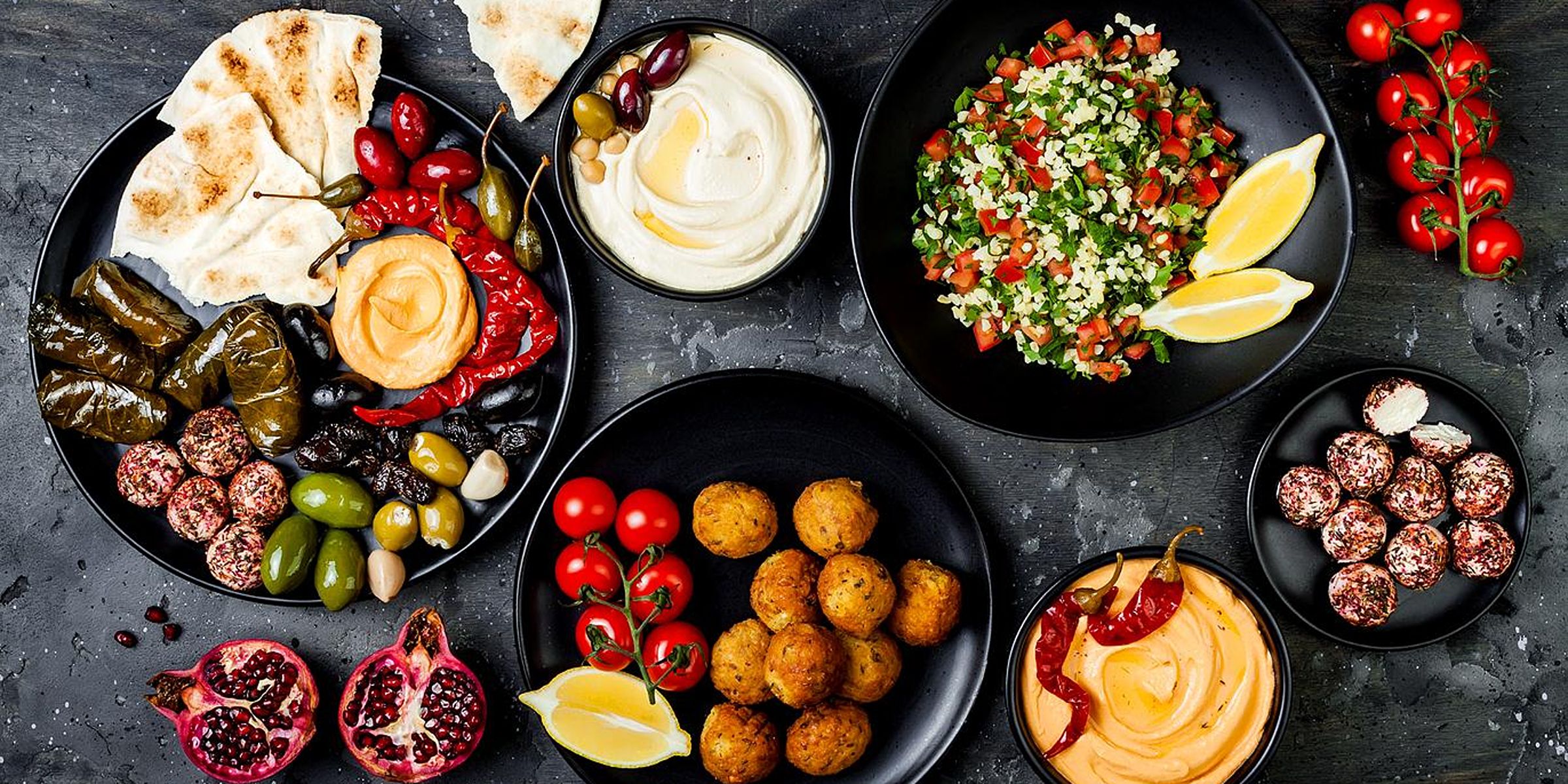
This eating strategy focuses on a variety of nutrient-rich food groups that form the basis of every meal. Here’s a breakdown of foods in a Mediterranean diet:
Vegetables and Fruits: These are the cornerstone of the diet, and they should fill half of your plate. From leafy greens like spinach and kale to vibrant vegetables such as bell peppers and sweet potatoes and fruits like figs, oranges, and grapes, the emphasis is on variety and freshness. These foods are high in vitamins, minerals, and fiber, and low in calories, making them ideal for maintaining long-term health.
Whole Grains: Integral to providing energy and fiber, whole grains like whole wheat, barley, quinoa, and farro are consumed in their unprocessed forms. These grains are usually enjoyed as part of salads, side dishes, or the base for other toppings, contributing to a feeling of fullness and aiding in digestion.
Proteins: Lean proteins, particularly from fish such as salmon, mackerel, and sardines, are central due to their omega-3 fatty acids, which are beneficial for heart health. Poultry and eggs are also included but in more moderate amounts compared to red meats, which are limited to a few times a month.
Legumes: Beans, lentils, and chickpeas are important sources of protein and fiber, which help regulate blood sugar and provide a satiating, low-fat protein source.
Nuts and Seeds: A handful of nuts or a sprinkle of seeds can provide a crunchy texture and healthy fats to meals. Almonds, walnuts, and sunflower seeds are staples, often added to salads, yogurt, or enjoyed as a snack.
Dairy: Consumed in moderation, dairy in a Mediterranean diet plan typically involves fermented or less processed forms like Greek yogurt, feta, and other cheeses, which offer calcium and protein.
Fats: The primary fat source is extra virgin olive oil, used for cooking and dressings, known for its monounsaturated fats that promote good cholesterol levels. Other healthy fats include olives and avocados.
To get a complete picture of what’s ‘allowed’ and what’s best to limit, check out this article: Mediterranean Diet Food List.
Mediterranean Diet Meal Plans
Embarking on the Mediterranean diet can be an exciting and flavorful journey. To help you seamlessly integrate this heart-healthy eating pattern into your life, we’ve prepared structured meal plans that gradually build your familiarity and comfort with the diet. Whether you’re a beginner or looking to enhance your long-term health, these plans are designed to introduce variety, balance, and delightful tastes into your daily routine.
7-Day Meal Plan for Beginners
Starting on the Mediterranean diet might seem overwhelming - but, but this 7-day meal plan is crafted to ease you into the Mediterranean diet with simple, delicious meals. Each day includes three meals and optional snacks, all based on the diet’s core principles.
Day 1
Breakfast: Greek yogurt with honey, walnuts & fresh berries
Lunch: Quinoa salad with chickpeas, cucumber, tomatoes, feta & olive oil
Snack: Hummus with sliced bell peppers
Dinner: Grilled salmon with sautéed spinach & lemon-herb farro
Dessert (optional): A few figs or dates
Day 2
Breakfast: Avocado toast on whole grain bread with cherry tomatoes
Lunch: Lentil soup with a side of whole wheat pita
Snack: A handful of almonds
Dinner: Shrimp with garlic, zucchini noodles, and fresh basil
Dessert (optional): Purple Fruit Salad, with plums, grapes and berries
Day 3
Breakfast: Oatmeal topped with sliced apples, cinnamon & flax seeds
Lunch: Grilled vegetable wrap with hummus and arugula
Snack: Olives & a few slices of Manchego cheese
Dinner: Baked cod with tomato-olive tapenade and roasted eggplant
Day 4
Breakfast: Smoothie with spinach, banana, Greek yogurt, and chia seeds
Lunch: Niçoise salad with tuna, potatoes, green beans, and hard-boiled egg
Snack: Sliced cucumber with tzatziki
Dinner: Lemon-herb roasted chicken with brown rice and broccoli
Dessert (optional): No sugar added baked apples with cinnamon and unsweetened whipped cream
Day 5
Breakfast: Whole grain toast with ricotta, honey, and strawberries
Lunch: Falafel bowl with tabbouleh, hummus, and pickled onions
Snack: Raisins and cottage cheese
Dinner: Seafood paella with mussels, shrimp, peas & saffron
Day 6
Breakfast: Greek yogurt parfait with granola, kiwi, and almonds
Lunch: Roasted beet and goat cheese salad with walnuts
Snack: Apple slices with almond butter
Dinner: Grilled lamb chops with roasted carrots and herbed couscous
Day 7
Breakfast: Scrambled eggs with spinach and sun-dried tomatoes
Lunch: Whole wheat pasta with cherry tomatoes, olives, and arugula
Snack: A peach and a few pistachios
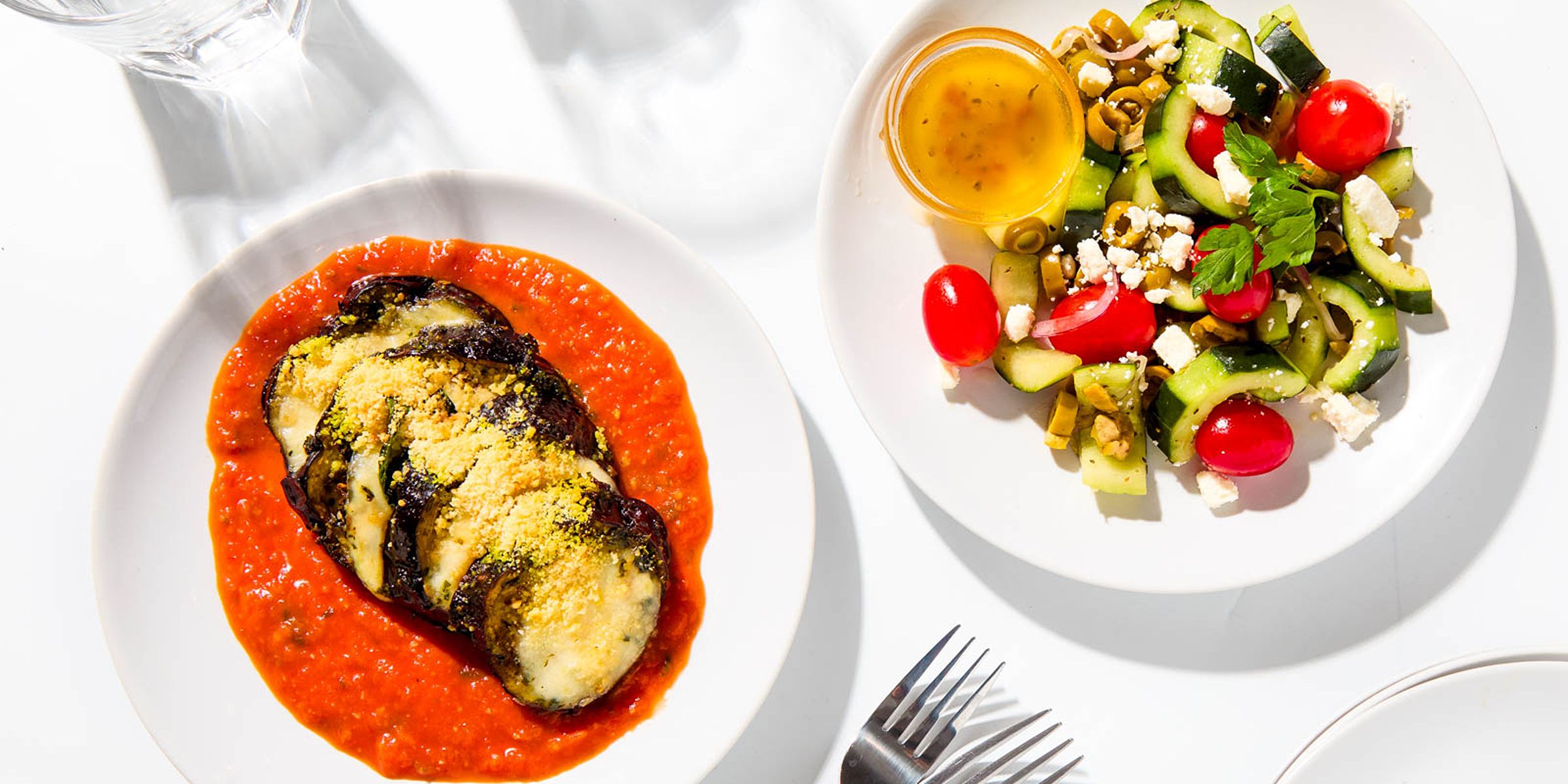
Dinner: Baked eggplant parmesan with a green salad
Dessert (optional): Homemade Tart Cherry ice cream made with pitted sweet and tart cherries, whole milk, and banana
14-Day Meal Plan Tips
As we age, nutrition plays a crucial role in maintaining health and vitality. This 14-day meal plan focuses on foods rich in antioxidants, omega-3 fatty acids, and fiber to promote healthy aging.
Week 1:
Focus on incorporating oily fish like mackerel and sardines, which are high in omega-3s, beneficial for heart and brain health.
Add in servings of antioxidant-rich berries and nuts to combat inflammation.
Week 2:
Increase intake of whole grains and legumes, which are great for digestive health and maintaining blood sugar levels.
Include lean chicken and turkey recipes, paired with vibrant salads and olive oil-based dressings.
30-Day Meal Plan Tips Long-Term Success
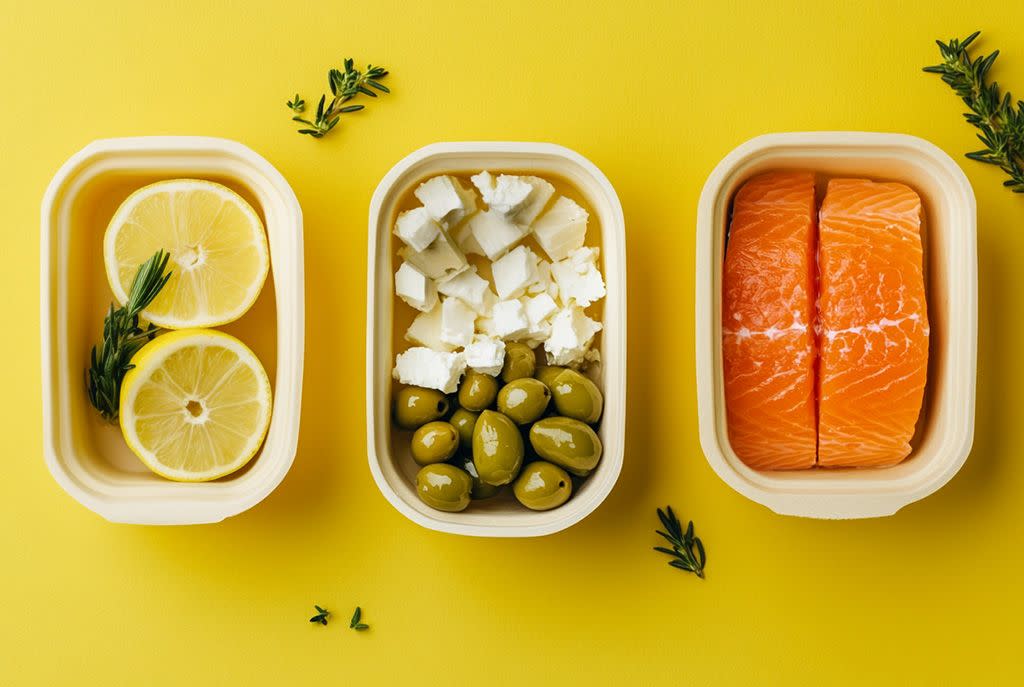
Adopting the Mediterranean diet for the long haul can lead to significant health improvements. This 30-day meal plan is designed to fully embed the diet's principles into your lifestyle, ensuring variety and sustainability.
Weeks 1-2: Introduction and Integration
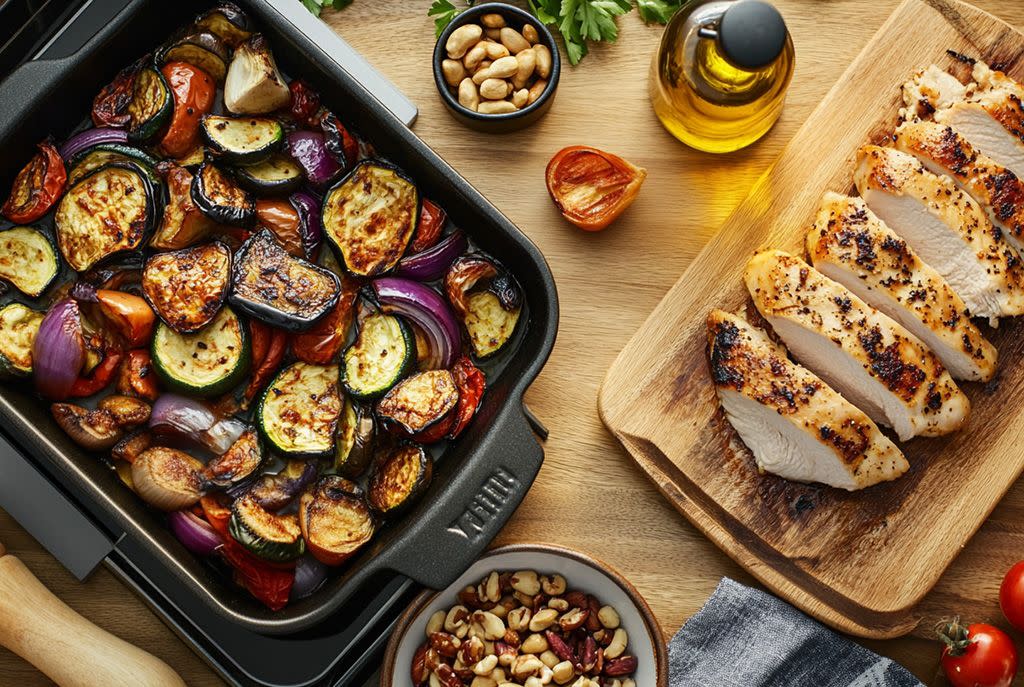
Week 1: Focus on simple, foundational dishes that highlight fresh ingredients. Start each day with a Mediterranean-inspired breakfast, such as Greek yogurt with fresh berries and nuts. For lunch, opt for vibrant salads tossed with olive oil and vinegar, and for dinner, enjoy grilled fish or chicken with a side of roasted vegetables.
Week 2: Begin to incorporate more complex recipes and a wider variety of proteins, such as legumes and seafood. Experiment with different whole grains like bulgur and farro in your meals. Introduce one or two new recipes, like a hearty lentil stew or a baked sea bass with olives and capers.
Weeks 3-4: Diversification and Mastery
Week 3: Now that you're comfortable with the basics, start exploring more adventurous dishes that incorporate Mediterranean spices and herbs, like oregano, coriander, and paprika, to enhance flavor without adding calories. Try making shakshuka for breakfast, a chickpea and eggplant tagine for lunch, and perhaps a Moroccan-inspired chicken dish for dinner.
Week 4: Focus on combining the elements you’ve learned so far into every meal. Plan a week of meals that include at least three different Mediterranean diet food groups. Examples include starting your day with an omelet packed with veggies and feta, enjoying a quinoa and grilled vegetable salad for lunch, and ending with a slow-cooked lamb shank with herbed couscous for dinner.
Throughout the month, aim to:
Mix and Match: Use the ingredients in different ways across meals to keep your diet interesting and varied.
Plan for Snacks: Healthy snacks like nuts, fresh fruit, and small portions of cheese should be included to help manage hunger and provide energy throughout the day.
Stay Hydrated: Drink plenty of water, and incorporate other Mediterranean-friendly beverages like herbal teas or a glass of red wine with dinner.
By the end of the 30 days, you’ll have a solid foundation in the Mediterranean diet, equipped with the knowledge and skills to make healthful and tasty food choices that can last a lifetime. These meal plans are just the beginning of what can be a delightful and health-promoting culinary adventure.
Practical Tips for Meal Prepping
Adopting the Mediterranean diet is about more than just choosing the right foods; it's also about preparing and consuming them in a way that aligns with Mediterranean traditions—mindful, balanced, and healthy. Here are practical tips to help you master meal preparation, from understanding portion sizes to knowing which foods to accept or avoid. These insights will not only enhance your diet but also ensure that each meal is both nutritious and satisfying.
Guidelines on Portion Sizes
Understanding portion sizes is crucial in the Mediterranean diet to maintain balance and avoid overeating. A good rule of thumb is to fill half your plate with vegetables and fruits, a quarter with whole grains, and the remaining quarter with protein sources like fish or legumes. For fats like olive oil, a tablespoon per meal is a healthy guideline, while nuts and seeds should be limited to a small handful daily.
Foods to Focus on While Following the Mediterranean Diet
Emphasize foods rich in fiber, antioxidants, and healthy fats. Prioritize:
Fresh fruits and vegetables: Aim for variety and color.
Whole grains: Choose whole wheat, farro, barley, and quinoa.
Healthy fats: Incorporate olive oil, nuts, and seeds regularly.
Protein: Focus on fish, poultry, beans, and eggs.
Foods to Avoid on the Mediterranean Diet
This eating regime has a wealth of choices, but here are some foods to be avoided on the Mediterranean diet:
Red meats: Save dishes like steaks for special occasions.
Processed foods and sugars: Avoid pre-packaged snacks, sweets, and sugary beverages.
Refined oils and fats: Steer clear of butter and margarine in favor of olive oil.
Adapting the Mediterranean Diet for Vegetarians
The Mediterranean diet is naturally plant-forward, making it easy for vegetarians to adapt. Focus on legumes, nuts, and soy products like tofu for protein. Dairy products like Greek yogurt and cheeses are also excellent protein sources that fit within the diet's framework.
The Role of Olive Oil in the Mediterranean Diet
Olive oil is the cornerstone fat of the Mediterranean diet, used for cooking, dressings, and even as a dip. Its high content of monounsaturated fats makes it excellent for heart health. Opt for extra virgin olive oil for the highest quality and health benefits, and use it to replace other fats in your cooking whenever possible.
Incorporating More Vegetables and Fruits into your Routine
To increase your intake of vegetables and fruits:
Start each meal with a salad to ensure you get a good portion of veggies.
Snack on fruit between meals or pair it with nuts for added protein.
Incorporate vegetables into every meal, whether as a side, part of the main dish, or even in smoothies.
Tips for Adopting the Mediterranean Diet as a Lifestyle
The Mediterranean diet is more than a temporary eating plan—it's a lifestyle that emphasizes health, longevity, and enjoyment. To fully embrace this way of eating, it’s important to integrate its principles into all aspects of your life, from what you snack on to how you socialize and stay active. Here are some tips to help you fully adopt the Mediterranean diet as a sustainable lifestyle.
Pro-Tips from our Nutritionist
Stock your pantry with Mediterranean diet foods such as olive oil, beans (canned are okay!), tinned fish, nuts, seeds, jarred tomatoes, whole grains, dried fruits and natural sweeteners such as honey or dates so you always have these nutritious foods accessible to build the foundation of a Mediterranean meal.
A cornerstone of the Mediterranean dietary pattern is also eating seasonal produce when available so if you have access to a farmer’s market, plan your meals around produce you can find locally.
The Mediterranean Diet is more than a diet - it is truly a lifestyle. Think about shifting the way you eat and not just what you eat. Be more mindful about your meals, sit down to eat instead of eating on the go, and enjoy your meals with friends and family.
Healthy Snack Options Within the Mediterranean Framework
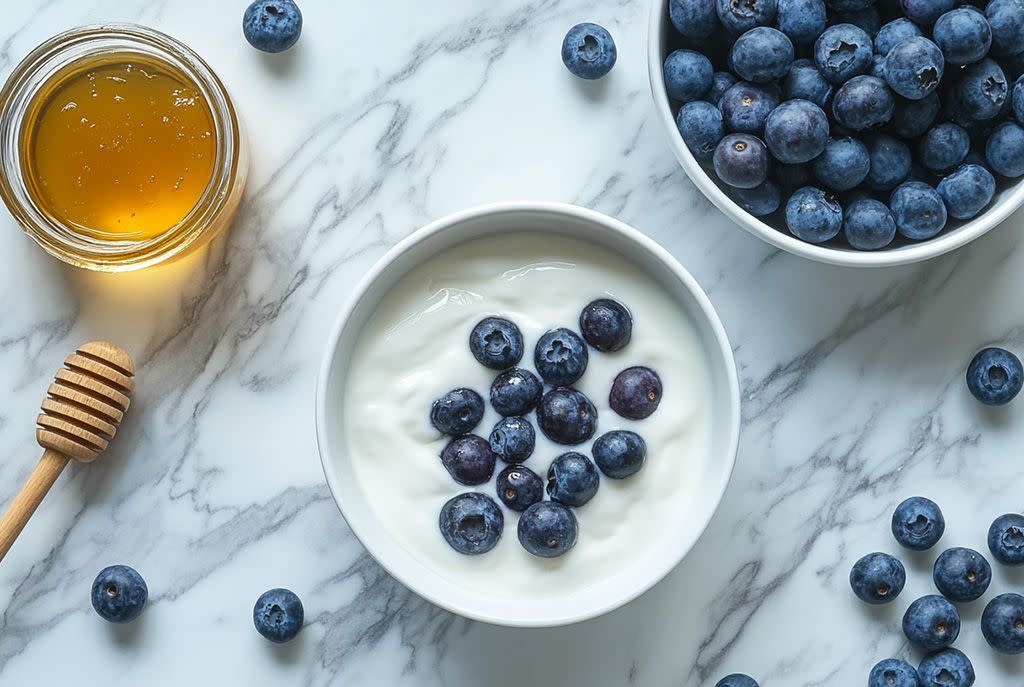
Snacking wisely is crucial when you’re on any diet plan. Opt for snacks that are both satisfying and nutritious:
Vegetable sticks with hummus: A great source of fiber and protein.
A small portion of nuts: Almonds, walnuts, or pistachios are excellent choices.
Greek yogurt with honey and fruits: Perfect for a sweet craving without straying from your meal plan.
Olives and cheese: A flavorful snack that aligns with Mediterranean flavors.
Strategies for Dining Out on the Mediterranean Diet
Dining out doesn't have to derail your diet. When eating at restaurants:
Choose seafood or vegetarian dishes: These are often closer to Mediterranean principles.
Opt for vinaigrette style salad dressings or simple olive oil and lemon or vinegar: This ensures your intake of good monounsaturated fats from wholesome ingredients in place of creamy dressings that may be more ultra processed.
Opt for whole-grain breads or sides: And always start with a salad to moderate your appetite.
Go for grilled, boiled, or steamed options rather than fried.
Importance of Hydration: Beverages to Include
Staying hydrated is vital, but what you choose to drink can also impact your health:
Water: Always the best choice, aim for 6-8 glasses a day.
Herbal and green teas: Excellent for antioxidants.
A moderate amount of wine: Especially red, can be beneficial. The Mediterranean diet allows for a small amount of red wine as part of a balanced diet due to its heart health benefits. (But don’t start drinking alcohol if you don’t already).
Encouragement of Physical Activity
Physical activity is an integral part of the Mediterranean lifestyle. Aim to incorporate regular movement into your daily routine:
Walking: A staple in Mediterranean countries, try to walk at least 30 minutes a day.
Swimming, cycling, and team sports: Engage in activities that you enjoy, which will make it easier to stay active.
Emphasis on Social Eating
Eating socially is a fundamental aspect of the Mediterranean diet. It encourages sharing meals with family and friends, which can help:
Enhance the enjoyment of food: Eating slowly and savoring every bite.
Improve digestive health: Eating in a relaxed atmosphere aids digestion.
Regulate portion sizes: Communal eating naturally regulates how much you eat by drawing out meal times and increasing satisfaction.
Our Favorite Mediterranean Diet Dishes
Exploring the Mediterranean diet brings a variety of delicious and nutritious dishes to your table. Here are our top picks of popular dishes that perfectly embody the diet's principles:
Pesto Chicken Breast
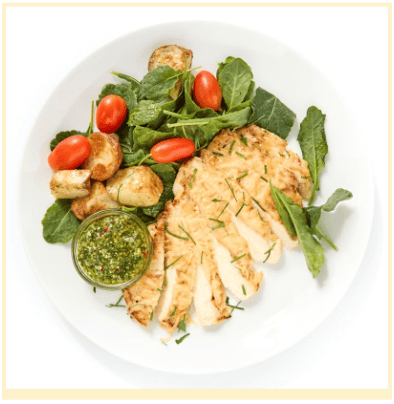
A lean protein delight, pesto chicken breast combines high-quality protein with a flavorful basil, pine nut, and Parmesan pesto, offering a perfect blend of taste and heart-healthy fats. No time to fix it for yourself? No problem. Order our Pesto Chicken Breast here.
Black Bean Burrito Bowl
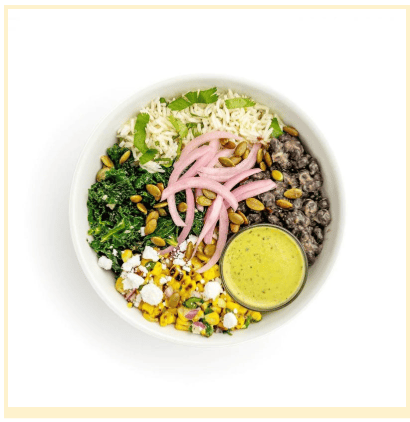
A creative Mediterranean twist featuring protein-rich black beans, fresh vegetables, and a light dressing - showcasing the diet's versatility and focus on nutrition. If you’re short on time, check out our Black Bean Burrito Bowl for an easy, delicious way to stick to your diet plan.
Butternut Squash Soup

Versatile and nutritious, butternut squash can be roasted or turned into soup, providing a rich source of vitamins and antioxidants with a sweet flavor profile. Skip the shopping and order our Creamy Butternut Squash and Lentil Soup.
Mediterranean Quinoa Bowl with Shrimp
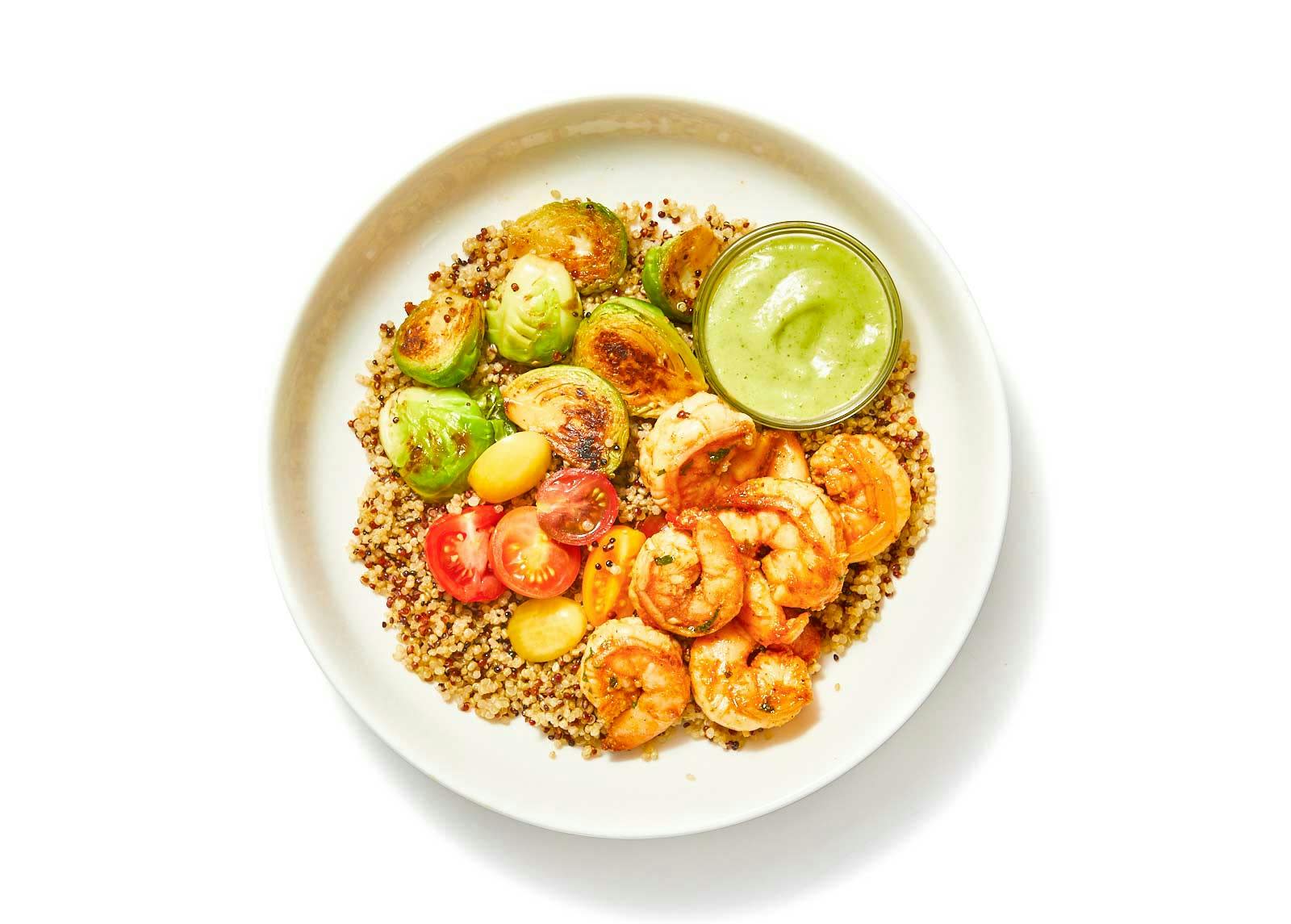
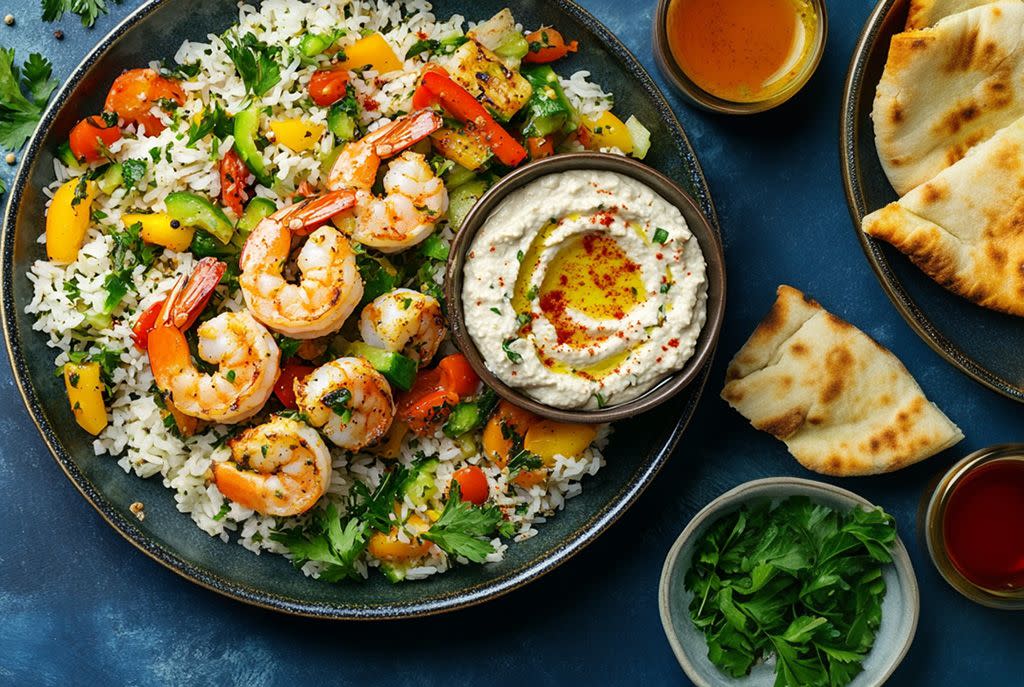
This nutrient-packed bowl includes quinoa, shrimp, fresh vegetables, feta, and olive oil, delivering a balanced meal rich in omega-3 fatty acids and whole grains. Try our Mediterranean Quinoa Bowl with Shrimp by Chef Ruben Garcia.
Mediterranean Chicken Thighs
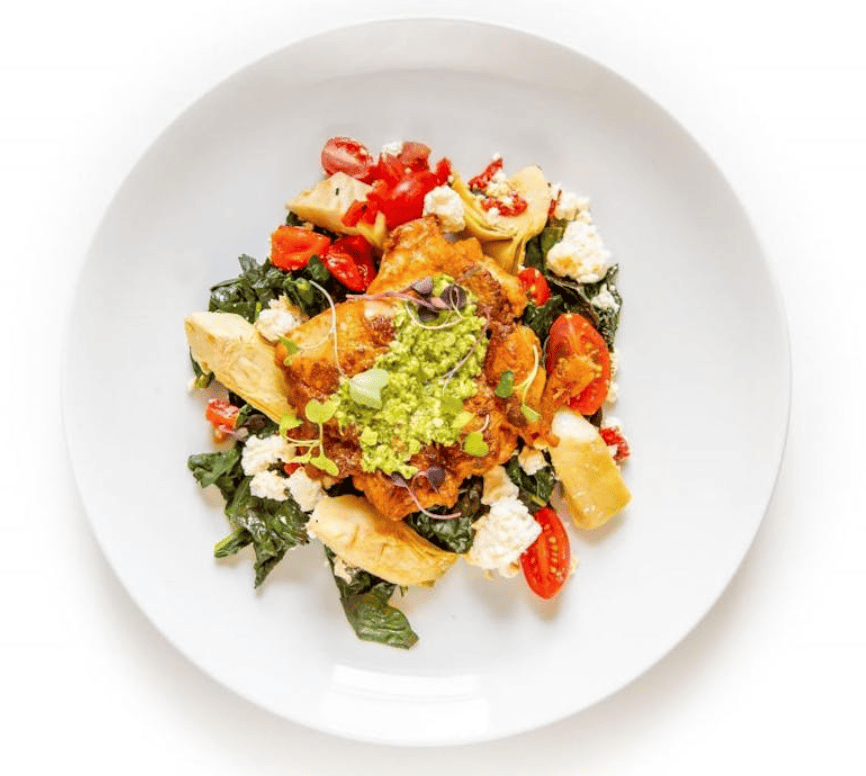
Juicy chicken thighs marinated in olive oil, herbs, and spices, served with roasted vegetables or a fresh salad, offer a satisfying meal full of Mediterranean flavors. If you’re short on time and ingredients, make life simpler by ordering our Mediterranean Chicken Thighs with roasted red peppers and feta crumbles.
Mediterranean Chicken Shawarma Bowl
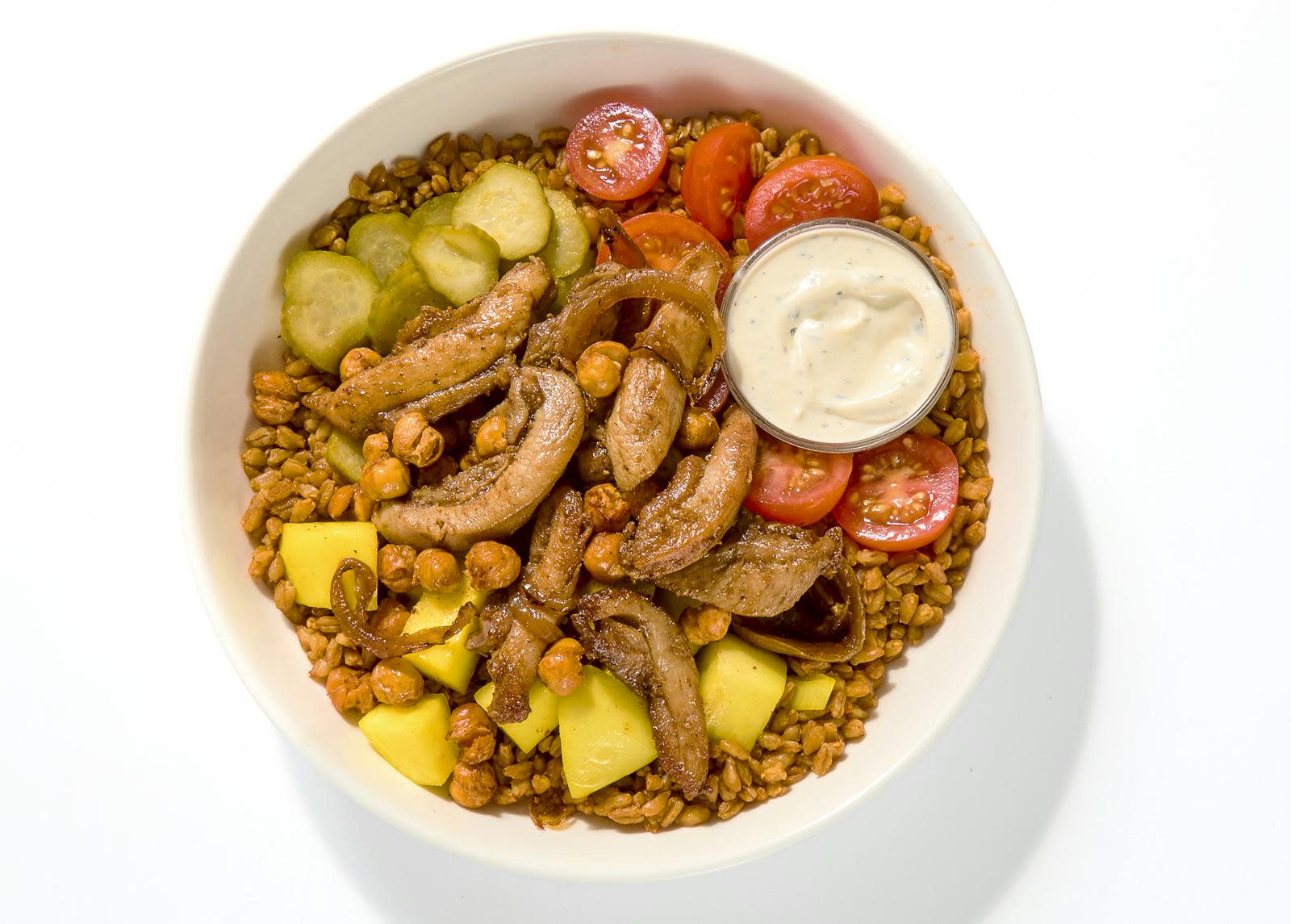
Tender chicken shawarma paired with colorful vegetables and whole grains, topped with a probiotic-rich yogurt-tahini-mint sauce, captures the essence of Mediterranean cuisine. Forgo shopping for ingredients and order our Chicken Shawarma Bowl for a sensational coastal meal.
Beef-Stuffed Eggplant
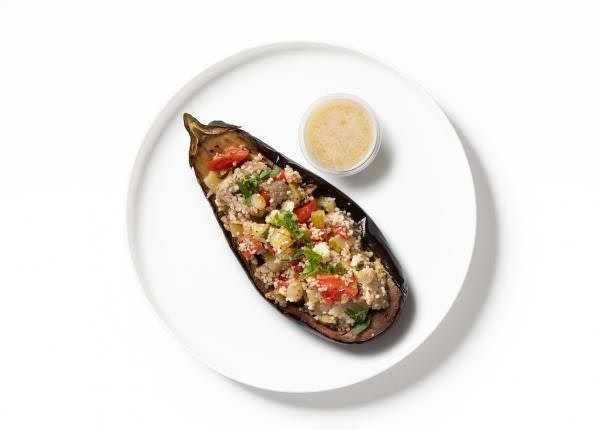
A creative dish featuring eggplant stuffed with spiced ground beef and baked, highlighting the traditional flavors and nutritional benefits of Mediterranean cooking. If you’re not sure how to cook it, let us deliver our popular Beef-Stuffed Eggplant right to your door.
Greek Salad
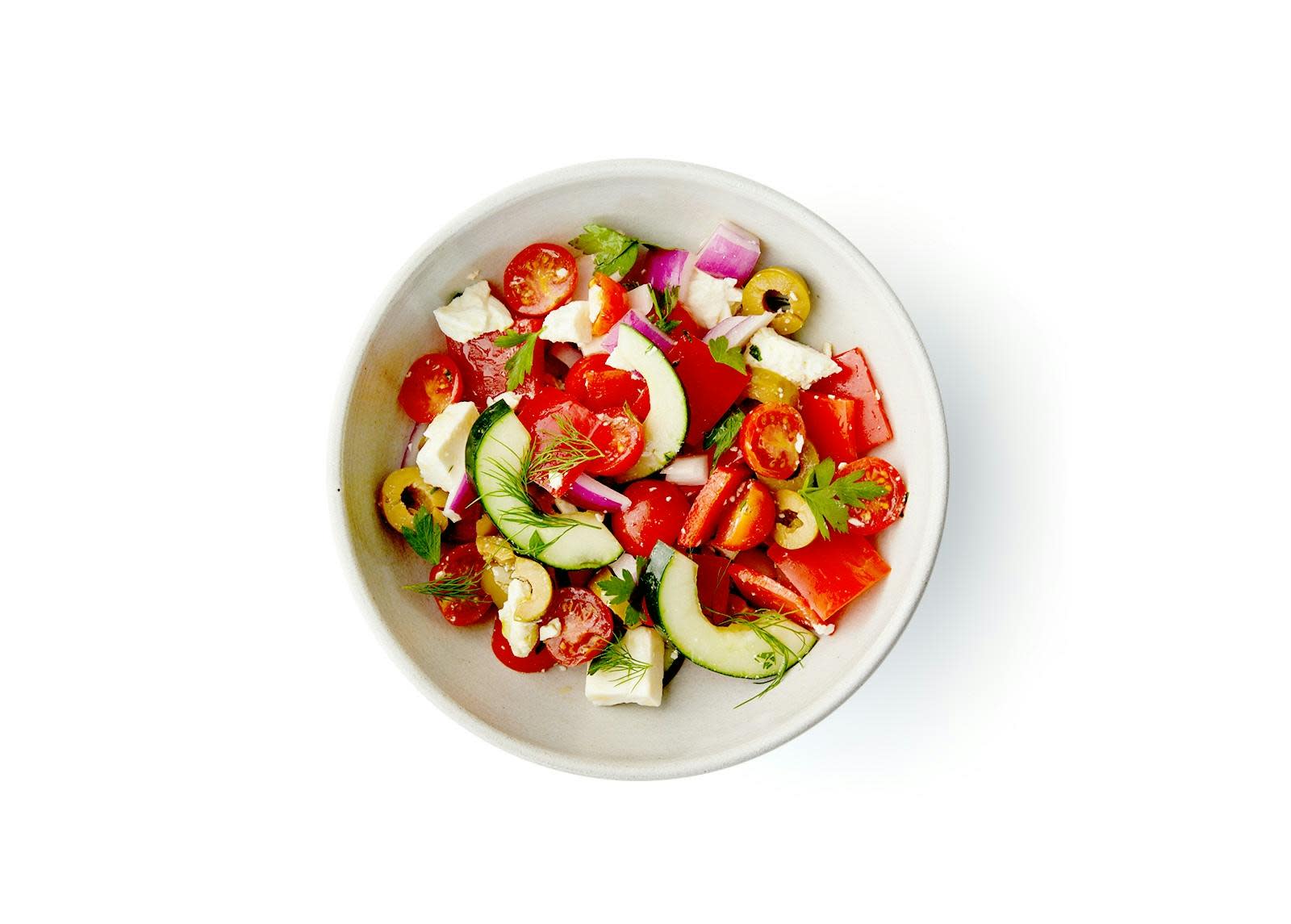
Crispy, zesty, tangy greek salad with loads of texture from the fresh vegetables, sweet and pungent flavors from the green olives, and a zippy olive oil dressing. Topped off with crumbled feta and fresh dill and parsley, this is the perfect light and tangy accompaniment for your favorite protein! Don’t have time to prepare? No worries. We’ll deliver this Greek Salad, prepared by Chef John DeLucie, straight to your door!
Mediterranean Salmon & Quinoa Bowl
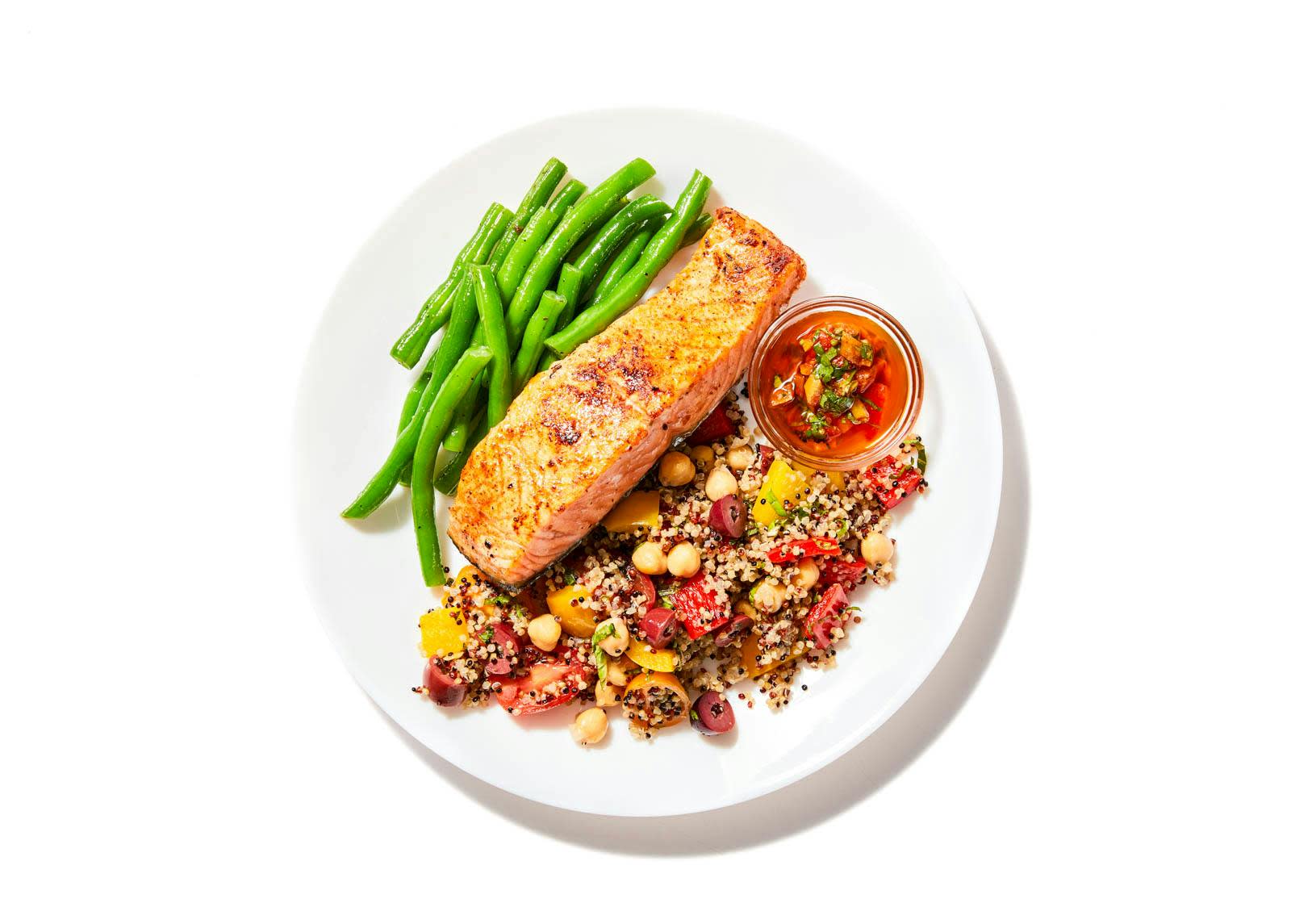
Always eager to offer more balanced and nutritious yet delicious options, Chef Ruben cooked up this Mediterranean-inspired quinoa bowl with salmon. A perfectly seared filet of buttery salmon sits alongside crisp green beans atop a fresh quinoa salad. The salmon and quinoa are complemented by a bright, herbaceous chermoula sauce that's bursting with flavor thanks to garlic, fresh cilantro and high quality olive oil. We know your mouth is watering. Skip the shopping and prep work – Order the Salmon and Quinoa Bowl right to your door.
Final Thoughts
Adopting a meal plan for the Mediterranean diet is easy with CookUnity. We give you a hassle-free way to enjoy these dishes over 400 more chef-prepared meals delivered directly to your door. Our extensive menu ensures you enjoy the full Mediterranean experience without the need for meal prep. Ordering is simple, making it easy to maintain a healthy and delightful diet. Bring the culinary treasures of Mediterranean meals to your door with CookUnity today.
FAQs About Mediterranean Diet Meal Plans
Is feta on the Mediterranean diet meal plan? Yes, feta, a staple in Mediterranean cuisine, is included for its flavor and calcium content. It should be consumed in moderation due to its salt and saturated fat content.
Is the Mediterranean diet meal plan basic? The Mediterranean diet is straightforward and focuses on whole foods like fruits, vegetables, grains, and lean proteins, making it easy to follow.
Are Mediterranean diets inflammatory? No, the Mediterranean diet is anti-inflammatory, emphasizing foods like olive oil, nuts, and fish, which help reduce inflammation in the body.
What nutrients are rich in the Mediterranean diet? The diet is rich in dietary fiber, healthy fats, antioxidants, vitamins (like C and E), and minerals, all of which contribute to its health benefits.
Is the Mediterranean diet healthy? Yes, it's considered one of the healthiest diets globally, linked to a reduced risk of heart disease, cancer, and other chronic illnesses.
Are keto and Mediterranean diets similar? No, while both emphasize healthy fats, the keto diet is low in carbohydrates and high in fats, whereas the Mediterranean diet includes a balanced intake of whole grains and other carb sources.
What can you drink on the Mediterranean diet? Water is the primary beverage; moderate amounts of red wine and coffee are acceptable, while sugary drinks and high-fat dairy should be avoided.
Can you eat red meat on the Mediterranean diet? Red meat can be consumed but only occasionally and in small amounts as it's not the focal protein source.
Can you eat potatoes on the Mediterranean diet? Yes, potatoes are part of the diet but should be eaten in moderation, preferably prepared in healthy ways like boiling or baking rather than frying.
Is salmon included in the Mediterranean diet? Yes, salmon is a key component due to its high omega-3 fatty acid content, which is beneficial for heart and brain health.
Sources

Be the first to know about new offers
Multiorder discounts, free items and more.