Back
Mediterranean street food: 10 must-try dishes
The scent of spiced meats turning on open grills, the sound of dough meeting hot clay, the colorful spread of pickles, sauces, and sizzling skewers—Mediterranean street food is a full-sensory experience rooted in centuries of tradition. From the bustling souks of North Africa to the seaside stalls of Southern Europe, this vibrant food culture turns humble ingredients into bold, unforgettable flavors using time-honored techniques and regional flair.
In this guide, we’ll take you on a street food tour across the Mediterranean, highlighting 10 must-try dishes that showcase the region’s diversity, creativity, and craveable flavor.
Key takeaways:
Mediterranean street food encompasses diverse culinary traditions from countries bordering the Mediterranean Sea, featuring fresh ingredients, bold spices, and simple cooking techniques.
Popular dishes like falafel, shawarma, and gyros have evolved from quick meals for locals to sought-after culinary experiences worldwide.
Many Mediterranean street foods naturally align with the Mediterranean diet, offering nutritional benefits through olive oil, lean proteins, and abundant vegetables.
Our chef-made Mediterranean meals bring authentic street food flavors directly to your home without the need for specialty ingredients or cooking expertise.
What is Mediterranean street food?
Mediterranean street food represents the rich, cross-cultural culinary traditions of countries bordering the Mediterranean Sea—spanning Greece, Turkey, Lebanon, Israel, Egypt, Morocco, and beyond. Originally served as quick, affordable meals for locals, many of these dishes have evolved into globally loved staples known for their bold flavors and irresistible simplicity.
Rooted in centuries of trade, migration, and shared ingredients, Mediterranean street food blends influences from Europe, Asia, and North Africa. Common threads include olive oil, flatbreads, fresh vegetables, herbs, and warm spices, paired with time-tested cooking methods like grilling, roasting, or baking in clay ovens.
But it’s more than just the food—it’s the culture. Mediterranean street food is often enjoyed in vibrant public spaces, where street vendors and open-air markets become gathering places for communities. Whether wrapped in paper, scooped with pita, or eaten on the go, these dishes reflect a lifestyle centered on connection, seasonality, and flavor.
Why is Mediterranean street food so popular?
Mediterranean street food has captured global attention for good reason—it strikes the ideal balance between bold flavor and wholesome ingredients. With staples like olive oil, fresh vegetables, legumes, and lean proteins, these dishes naturally align with today’s desire for food that’s both nourishing and satisfying.
Its popularity also stems from incredible adaptability. Many Mediterranean street foods are naturally vegetarian, vegan, or gluten-friendly, or easily modified to fit a wide range of dietary preferences. That inclusivity makes them approachable for a broad and diverse audience.
Visual appeal plays a major role, too. From vibrant mezze spreads to golden falafel and flame-charred kebabs, Mediterranean street food is tailor-made for social media. Its color, texture, and casual styling perform well on platforms like Instagram and TikTok, further fueling interest.
Most of all, Mediterranean street food is inviting. It’s casual, affordable, and endlessly flavorful—dishes like shawarma, gyros, and falafel serve as delicious entry points for exploring the broader Mediterranean culinary landscape. Whether enjoyed from a food cart or recreated at home, these portable plates turn everyday meals into memorable experiences.
15 must-try dishes across the region
Embark on a flavorful journey across the Mediterranean, where street food is more than just a quick bite—it’s a reflection of culture, community, and centuries of culinary tradition. While each country offers its unique specialties, these dishes are united by fresh ingredients, bold spices, and simple techniques that let real flavor shine.
From herb-laced snacks in the Eastern Mediterranean to the warm, aromatic spice blends of North Africa, here are 15 street food favorites that capture the soul of the region, one unforgettable bite at a time.
1. Falafel
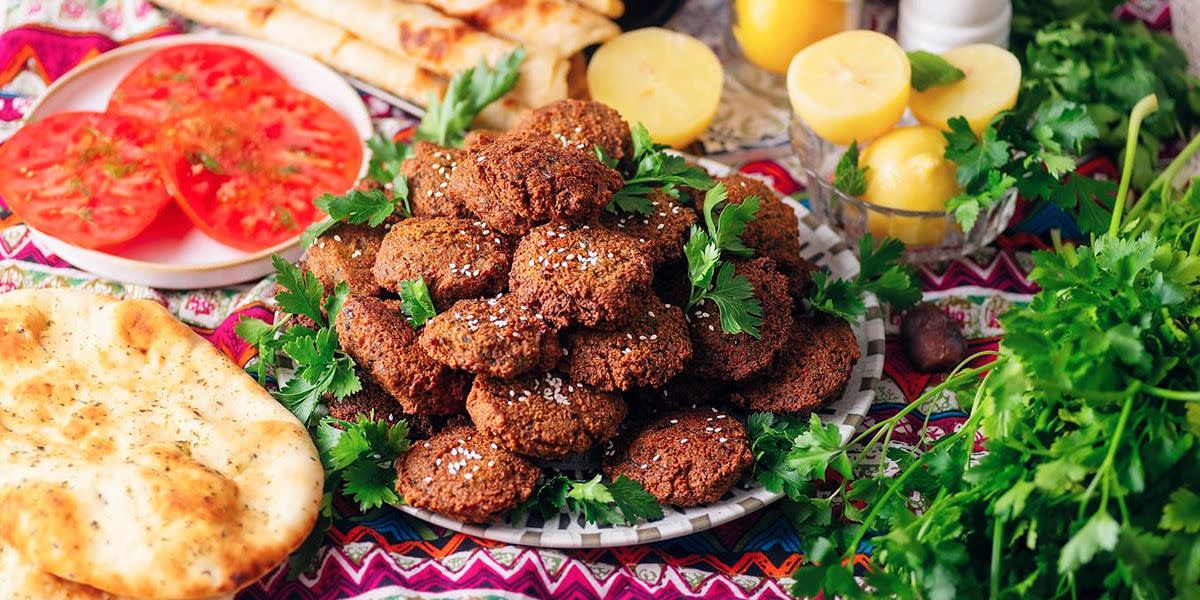
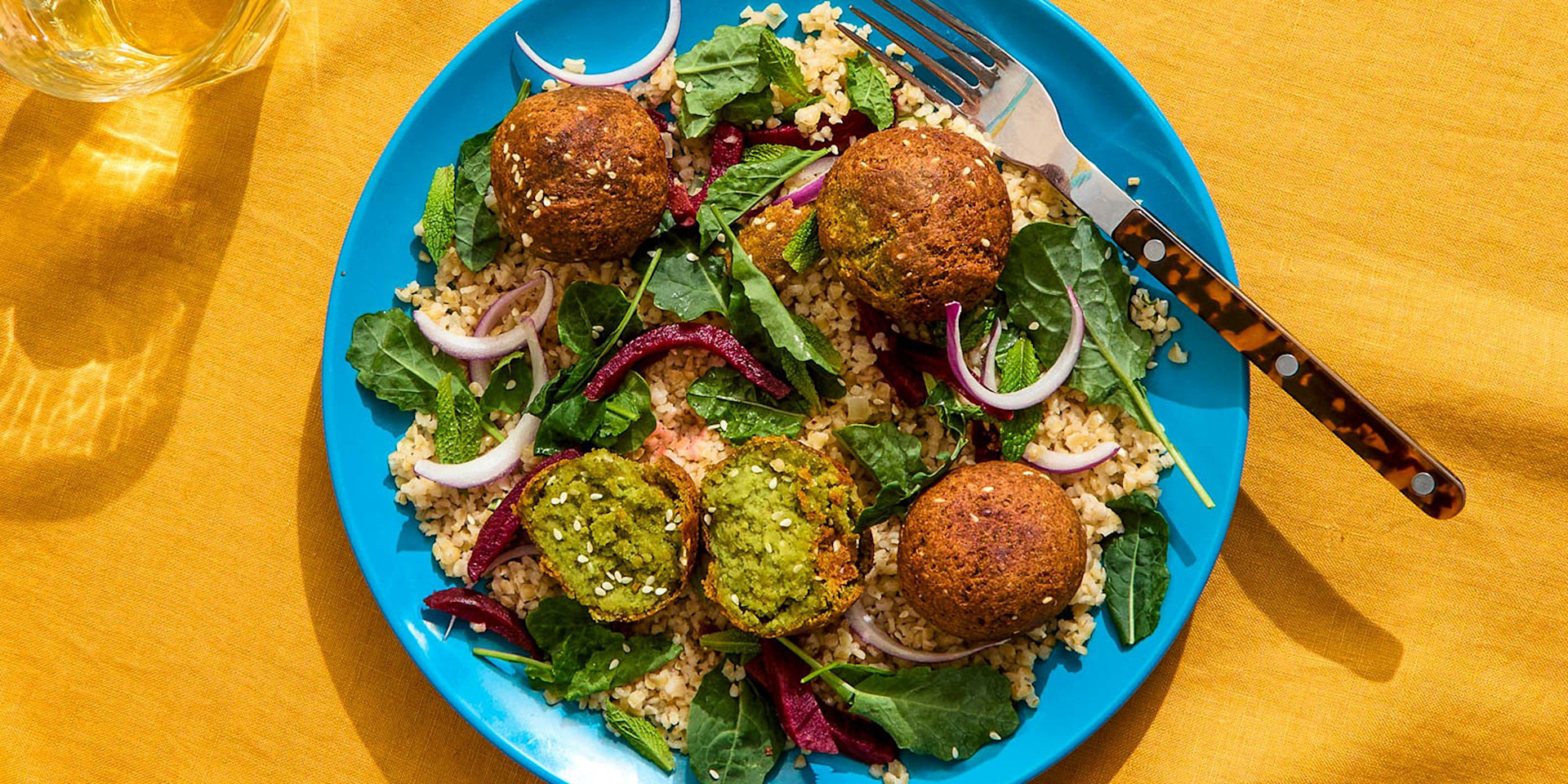
Crispy on the outside, tender and herbaceous on the inside, falafel is one of the most iconic and beloved Mediterranean street foods. Made from ground chickpeas or fava beans blended with garlic, onion, parsley, and warm spices, these deep-fried bites are a flavorful, protein-rich vegetarian staple.
Originally from Egypt, falafel has spread throughout the Mediterranean and Middle East, becoming a cornerstone of street food culture. It’s traditionally tucked into warm pita and topped with creamy tahini, crunchy pickled vegetables, and fresh herbs, creating a satisfying mix of textures and bold flavors in every bite.
Key characteristics:
Origin: Egypt, now widespread across the Mediterranean
Main ingredients: Chickpeas or fava beans, herbs, garlic, spices
Typical serving style: In pita with tahini, pickles, and herbs
Dietary benefit: Naturally vegetarian and high in plant-based protein
2. Shawarma
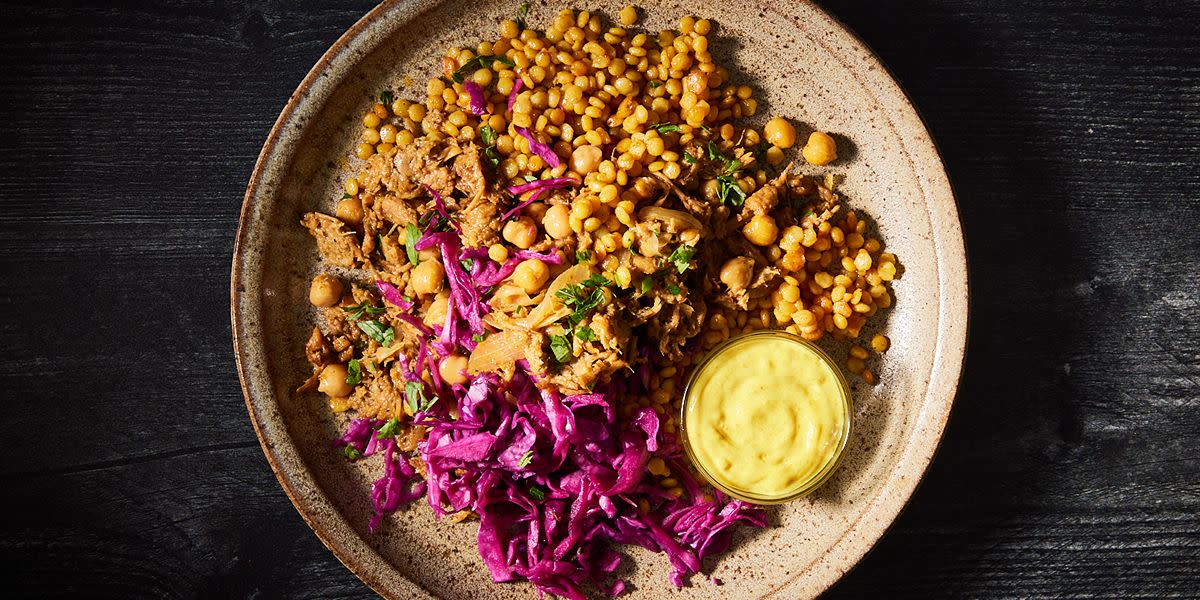
Shawarma is a street food staple across the Levant, known for its richly seasoned, thinly sliced meat—often chicken, beef, or lamb—slow-roasted on a vertical spit. As the meat turns, it self-bastes in its juices, developing a crispy, caramelized exterior and tender, juicy interior.
The signature flavor comes from a bold marinade featuring spices like cardamom, cinnamon, turmeric, cumin, and cloves, though exact blends vary by region and chef. It’s this complex seasoning that sets shawarma apart from other rotisserie-style meats.
Typically served wrapped in warm flatbread and layered with garlic sauce, tahini, pickled vegetables, and herbs, shawarma offers a perfect harmony of spice, freshness, and creamy richness in every bite.
Key characteristics:
Origin: Levantine region
Main ingredients: Marinated chicken, beef, or lamb
Signature spices: Cardamom, turmeric, cinnamon, cumin
Typical serving style: In a wrap with garlic sauce, tahini, and vegetables
Craving the real thing? Award-winning Chef Einat Admony's Mediterranean Chicken Shawarma Bowl captures the essence of this beloved dish with perfectly spiced meat and vibrant accompaniments, ready to enjoy at home.
3. Gyro
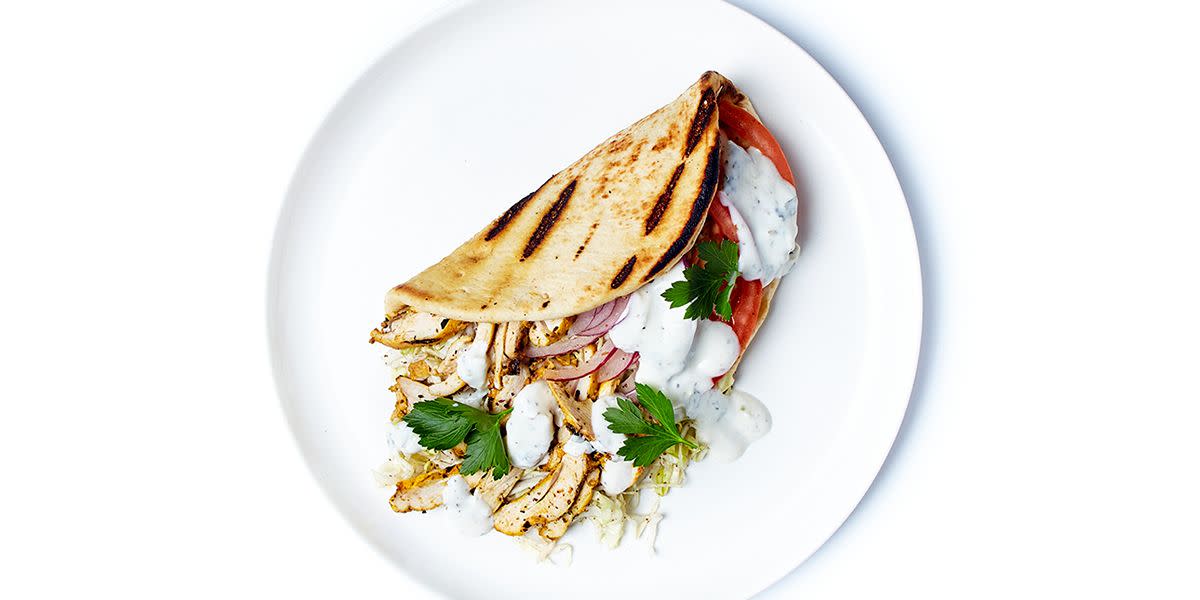
Pronounced “YEE-ro,” this beloved Greek street food features thinly sliced, seasoned meat—traditionally pork or lamb, though chicken is widely used in modern versions—cooked on a vertical rotisserie. As the meat turns and crisps, it’s shaved into ribbons and served in warm pita bread with tomatoes, red onions, and cool, creamy tzatziki.
The word gyro comes from the Greek word for “turn,” a nod to the rotating spit. While gyro shares similarities with shawarma and döner, its distinctive flavor comes from Greek herbs like oregano, rosemary, and marjoram, giving it a lighter, more herb-forward profile.
Key characteristics:
Origin: Greece
Main Ingredients: Pork, lamb, or chicken, seasoned with Greek herbs
Typical serving style: Wrapped in pita with tzatziki, tomatoes, and onions
Flavor notes: Herbaceous, savory, and refreshing
Craving a gyro without leaving home? Try Chef Cedric Nicolas' Greek-Style Chicken Gyro Pita Wrap—a chef-crafted take on the classic, delivered fresh from CookUnity’s kitchen to yours.
4. Souvlaki
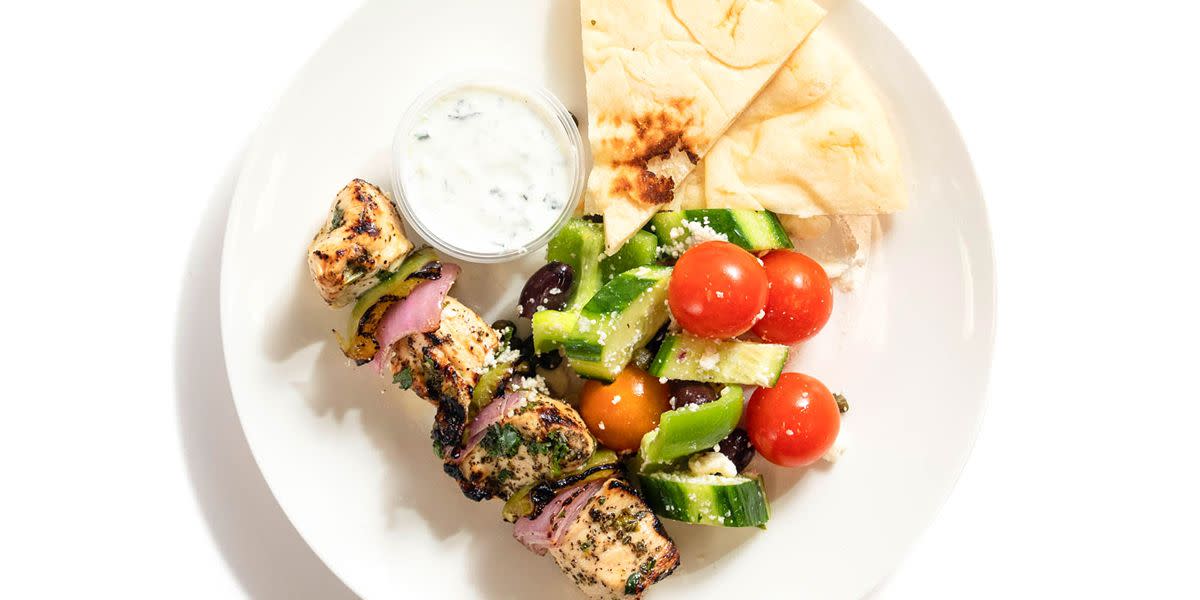
Souvlaki is a Greek street food classic made with skewered, grilled pieces of marinated meat—most often pork, though chicken and lamb are equally popular. The meat is traditionally soaked in a bright, simple marinade of lemon juice, olive oil, garlic, and oregano, then grilled over an open flame for a smoky, flavorful finish.
What sets souvlaki apart is its simplicity and purity—a celebration of good meat, fresh herbs, and bold citrus. While other Mediterranean kebabs often layer complex spice blends, souvlaki lets its ingredients speak for themselves.
It’s also incredibly versatile: served on the skewer, wrapped in pita with tzatziki and vegetables, or plated with sides like roasted potatoes, rice, and salad for a heartier meal.
Key characteristics:
Origin: Greece
Main ingredients: Pork, chicken, or lamb
Signature marinade: Lemon juice, olive oil, oregano
Typical serving style: Skewers, pita wraps, or plated meals
For a modern take on this timeless dish, try Chef Einat Admony's Mediterranean Chicken Souvlaki—a favorite that brings authentic Greek flavor straight to your table.
5. Kebab
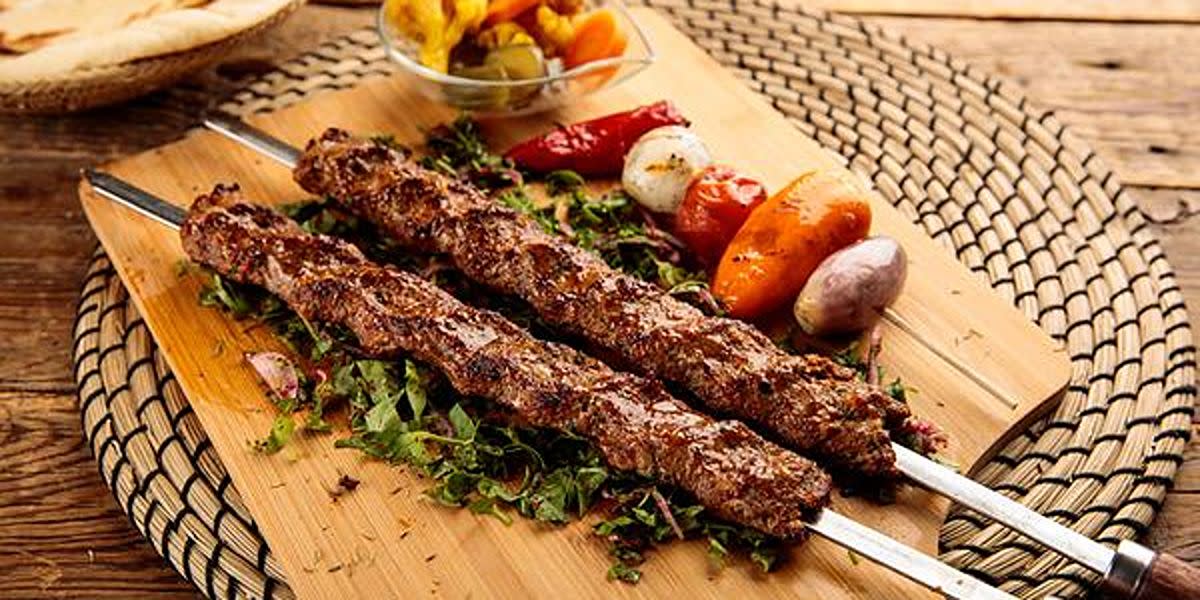
Kebabs represent a broad and beloved family of skewered and grilled meats across the Mediterranean and Middle East, each shaped by regional spices, traditions, and techniques. Whether made from cubed or ground meat, kebabs are all about bold seasoning and open-flame cooking.
Popular varieties include:
Shish kebab: Marinated cubes of meat, often lamb or beef
Kofta kebab: Spiced ground meat shaped around skewers
Adana kebab: A spicy minced lamb kebab from southern Turkey
Regional flavor profiles:
Turkish kebabs: Often seasoned with sumac, pepper flakes, and yogurt-based marinades
Lebanese versions: Frequently include warm seven-spice blends
Moroccan kebabs: Feature cumin, coriander, paprika, and preserved lemon
Typically served with flatbreads, rice, or bulgur and accompanied by fresh herbs, pickles, and sauces, kebabs offer smoky, juicy, deeply satisfying flavor in every bite.
6. Spanakopita
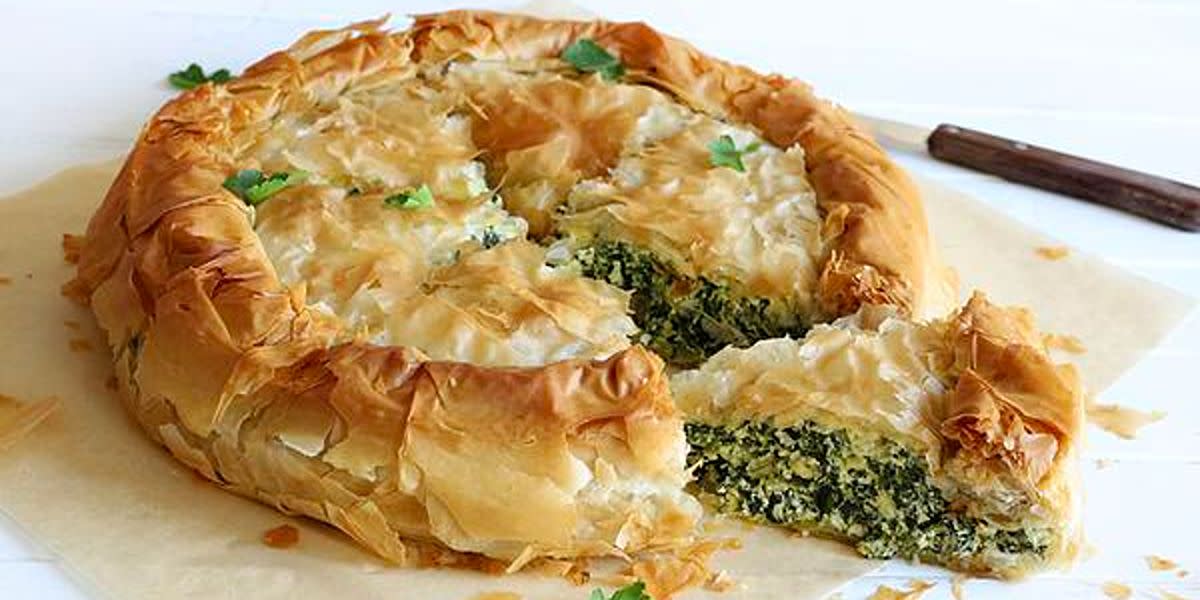
This flaky Greek pastry is a street food favorite thanks to its perfect contrast: crisp, buttery phyllo on the outside and a savory, herbaceous filling inside. Spanakopita is made with spinach, tangy feta, green onions, dill, and eggs—all wrapped in golden phyllo layers.
While large versions are baked in pans and sliced into portions, the individual triangle-shaped spanakopita is the true street food star: hand-held, portable, and packed with flavor. Some regional spins swap in other greens or cheeses, but the essence remains—a flaky, savory pastry that’s rich and refreshing at once.
7. Borek

Borek is a flaky, filled pastry popular throughout Turkey, the Balkans, and North Africa. Made with thin sheets of dough (like phyllo or yufka), these pastries are baked or fried to golden perfection.
Common fillings include:
Cheese (such as feta or kasseri) Spiced minced meat with onions
Spinach or potatoes
Borek goes by many names—börek in Turkey, burek in the Balkans, and brik in North Africa—each reflecting unique regional ingredients and techniques. Whether enjoyed at breakfast, as a snack, or straight from a street vendor, borek’s crisp exterior and comforting filling make it a favorite across borders.
Looking to explore more Mediterranean flavors? Discover the key regions and flavors in our food guide.
8. Pita with hummus
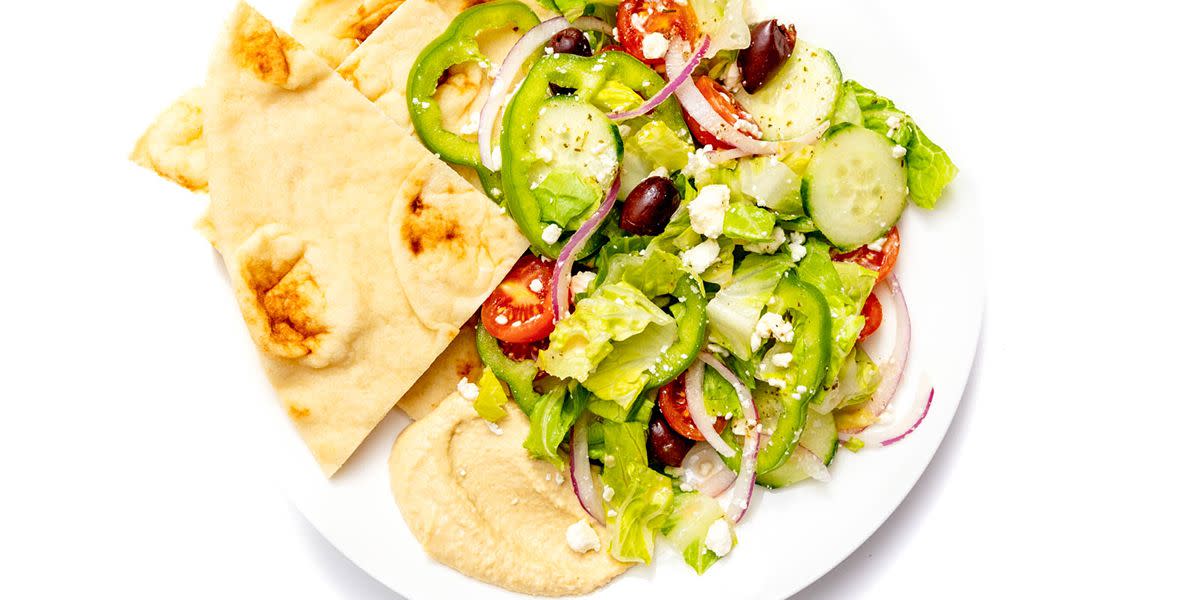
Simple yet iconic, pita with hummus is a staple across the Mediterranean street food scene. Soft, warm pita is the perfect vehicle for scooping up creamy hummus—a spread made from chickpeas, tahini, lemon juice, garlic, and olive oil.
Hummus may be topped with everything from paprika and sumac to pine nuts, parsley, or whole chickpeas, depending on the region. The contrast of warm bread and cool, garlicky dip makes this pairing endlessly satisfying.
This humble combo has gone global, but its roots run deep in Mediterranean culture, where it’s served as a snack, side dish, or foundation for heartier meals. Try Chef Chase Evans' American-Style Greek Salad includes fresh hummus and flatbread alongside traditional Greek salad ingredients.
9. Mediterranean bowls
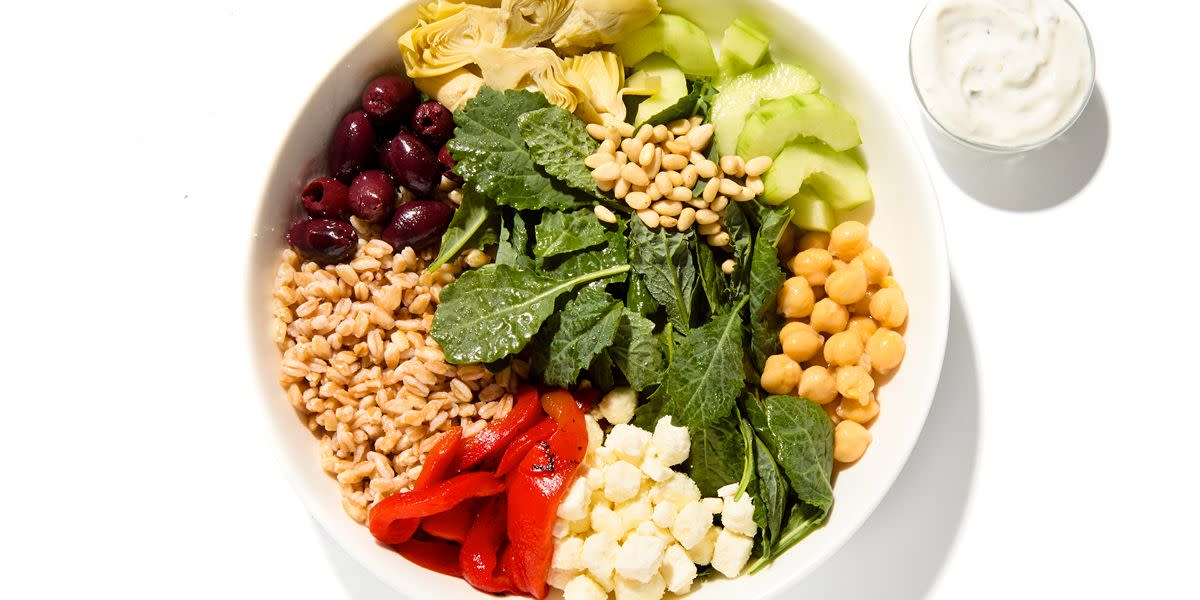
Mediterranean bowls are a modern, all-in-one take on traditional flavors, bringing together the essential components of the region’s cuisine in a fresh, convenient format. These composed dishes typically layer grains, proteins, seasonal vegetables, and bold sauces to deliver a satisfying and nutritionally balanced meal in every bite.
Common Components:
Grain base: Ancient grains like farro, quinoa, or bulgur
Proteins: Grilled chicken, falafel, salmon, or spiced lamb
Vegetables: A mix of fresh greens, roasted vegetables, and pickled elements
Sauces: Tzatziki, tahini, hummus, or zhoug for added flavor and richness
These bowls reflect the growing influence of Middle Eastern cuisine within the broader Mediterranean food landscape, blending tradition with modern tastes.
Looking for an authentic, chef-crafted example? Chef Ruben Garcia's Mediterranean Salmon & Quinoa Bowl exemplifies this trend, combining omega-rich salmon with traditional Mediterranean components.
10. Pita smash burger
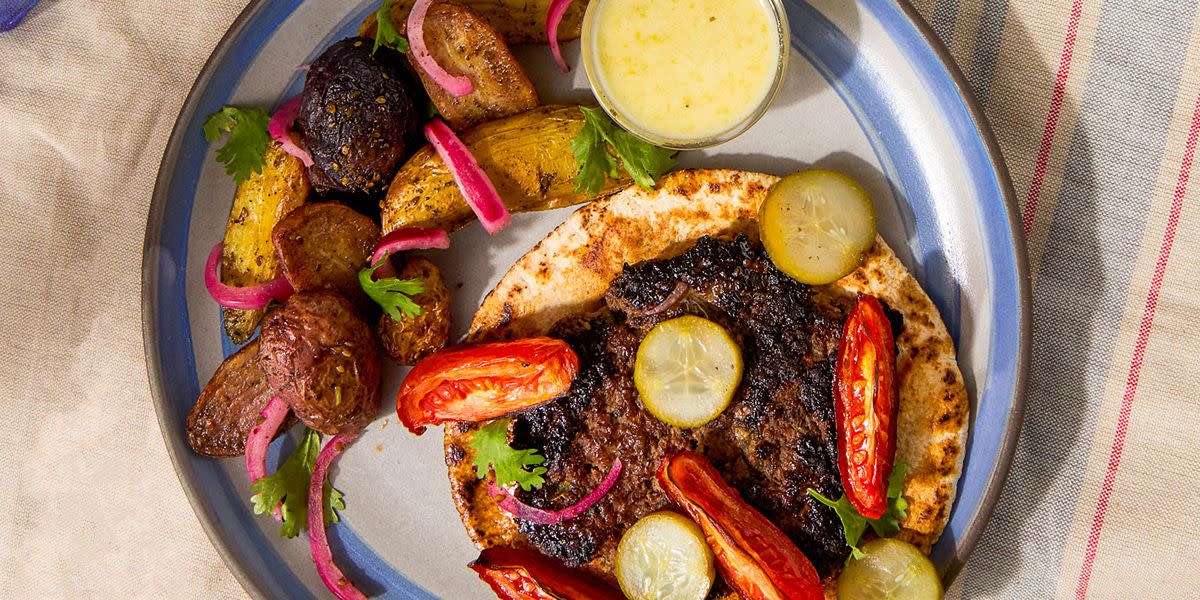
The pita smash burger is a bold, street food–inspired fusion that blends the crave-worthy technique of an American smash burger with the vibrant flavors of the Mediterranean. This inventive dish reflects how global street food continues to evolve through cultural crossover.
Instead of a bun, these juicy, crispy-edged beef patties—often seasoned with spices like cumin, coriander, and sumac—are tucked inside warm, chewy pita. Toppings might include tangy feta, harissa mayo, pickled onions, or za’atar-spiced vegetables, creating an irresistible mashup of textures and tastes.
A hit among both burger lovers and Mediterranean food fans, the pita smash burger is casual, creative, and packed with personality.
For a chef-crafted take, try Chef Einat Admony's Mediterranean Pita Smash Burger, which delivers a creative combination with authentic flavors.
Finding authentic Mediterranean street food
Discovering truly authentic Mediterranean street food is all about knowing where to look—and what to look for. While the popularity of Mediterranean flavors has grown globally, not all dishes are created with the same care or cultural accuracy.
Start with family-owned establishments rooted in Mediterranean heritage. Restaurants run by Greek, Lebanese, Turkish, Egyptian, or Moroccan families often stay true to traditional recipes and techniques passed down through generations.
Pay attention to cooking methods—they're key to authenticity. Vertical rotisseries for shawarma and gyros, wood-fired or clay ovens for flatbreads, and charcoal grills for kebabs aren’t just for show—they’re essential for achieving the flavors and textures that define the region’s street food.
Who’s eating there matters too. When locals from Mediterranean communities frequent a spot, it’s usually a good sign that the food honors its origins. Their presence often signals that ingredients, preparation, and flavor stay true to tradition.
Finally, explore cultural festivals and food fairs. Events like Greek festivals, Middle Eastern cultural celebrations, or Mediterranean food markets often feature vendors preparing dishes on-site using traditional techniques. These gatherings are a great way to sample a variety of authentic foods while learning more about the cultures behind them.
Experience Mediterranean flavors at home
Bringing the vibrant flavors of Mediterranean street food into your kitchen has never been easier. With CookUnity, you can enjoy chef-crafted meals inspired by the markets and food stalls of Greece, Lebanon, Turkey, and beyond—no passport (or prep work) required.
We partner with award-winning and rising chefs who specialize in authentic Mediterranean cuisine. Chefs like Einat Admony and Cedric Nicolas use traditional techniques and high-quality ingredients to recreate street food staples—think souvlaki, shawarma, falafel, and gyro—with restaurant-level care and flavor.
These meals come fully prepared and ready to heat, saving you the time and effort of sourcing specialty ingredients or mastering unfamiliar recipes. In just minutes, you can enjoy dishes that reflect the bold, fresh flavors of the Mediterranean coast.
From our Chicken Souvlaki & Pita to our Greek-Style Chicken Gyro Pita Wrap, our menu offers a delicious mix of classic street food favorites and creative, chef-driven interpretations—all delivered fresh to your door.
Frequently asked questions about Mediterranean street food
What is the difference between shawarma, gyro, and döner kebab?
Shawarma, gyro, and döner kebab all use vertical rotisserie cooking but differ in seasoning and serving styles. Shawarma features Middle Eastern spices like cardamom and turmeric with tahini sauce, gyro uses Greek herbs with tzatziki, while döner typically has Turkish spices and is often served with garlic yogurt sauce.
How can I tell if a Mediterranean restaurant serves authentic street food?
Authentic Mediterranean restaurants typically feature traditional preparation methods, family ownership, menu variety beyond just gyros, and lesser-known regional specialties. Look for establishments frequented by people from Mediterranean communities and those that use authentic ingredients like quality olive oil and fresh herbs.
What are the most common spices used in Mediterranean street food?
Mediterranean street food commonly features spices like za'atar (thyme, sesame, sumac blend), sumac (lemony flavor), cumin, coriander, paprika, and herb blends specific to each region. These spices create the distinctive flavor profiles that characterize different Mediterranean cuisines.
How has Mediterranean street food evolved in the United States?
Mediterranean street food in the United States has evolved from traditional offerings in immigrant communities to mainstream popularity, with adaptations like gyro bowls, Mediterranean fusion restaurants, and health-focused fast-casual chains. These adaptations maintain core flavors while incorporating American preferences.

Be the first to know about new offers
Multiorder discounts, free items and more.