Back
Mastering Mediterranean food: Flavors, regions, and tips
Mediterranean cuisine is more than a diet. It’s a delicious passport to one of the world’s most iconic food cultures. From the spice markets of Morocco to the sun-kissed shores of Greece, this region serves up bold flavors, time-honored traditions, and the kind of meals that linger in your memory long after the last bite. In this complete guide, we’re diving fork-first into the signature dishes, regional specialties, and hidden gems that make Mediterranean food a global obsession. Hungry? Let’s get into it.
Key takeaways:
Mediterranean food blends flavors from Southern Europe, North Africa, and the Middle East, featuring olive oil, fresh vegetables, and aromatic herbs.
Mediterranean cuisine emphasizes plant-based foods with moderate amounts of seafood, poultry, and occasional red meat.
Regional variations include Greek moussaka, Italian seafood pasta, Middle Eastern falafel, and North African tagines.
Creating Mediterranean meals at home is accessible with basic pantry staples like quality olive oil, herbs, and legumes.
What is Mediterranean food?
Mediterranean food refers to the traditional cuisines of the countries that border the Mediterranean Sea—including Italy, Greece, Spain, Lebanon, Turkey, Morocco, Tunisia, and beyond. While each region has its own ingredients and techniques, they’re united by a shared love of bold, seasonal flavors and meals meant to be savored.
This style of cooking celebrates local bounty: ripe tomatoes, olives and olive oil, fresh herbs, seafood, legumes, flatbreads, grains, citrus, and vibrant spices. Dishes often highlight simplicity done well—grilled fish with lemon and herbs, slow-cooked stews, charred vegetables, and spreads like hummus or tzatziki.
But Mediterranean food is more than a list of ingredients. It’s about how people cook, eat, and gather.
While our focus here is on the rich food traditions of the region, it’s worth noting that Mediterranean cuisine has also shaped one of the world’s most well-known eating styles. Curious about that side of the story? Explore the basics in our guide to the Mediterranean diet, complete with tips, a food list, and a meal plan.
In short: No matter how you approach it, Mediterranean food is rich in flavor, rooted in tradition, and full of stories worth tasting.
Typical ingredients and core flavors in Mediterranean dishes
The traditional Mediterranean food pyramid reflects the foundation of this cuisine, with plant-based ingredients at the core and animal products used more sparingly toward the top.
Vegetables, legumes, and whole grains
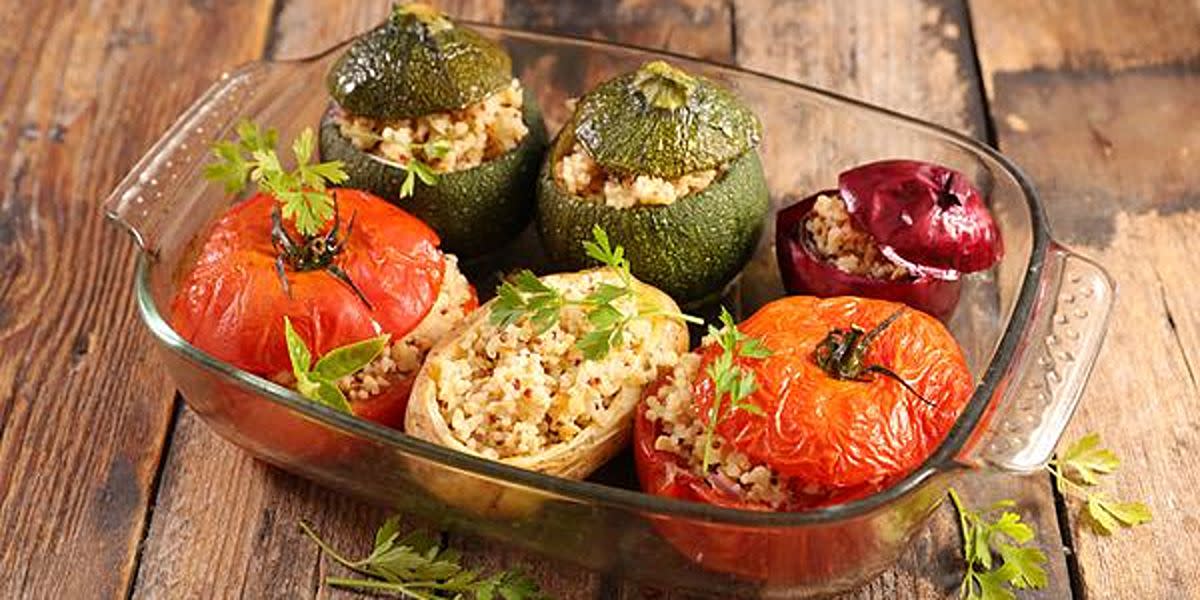
Mediterranean cooking starts in the garden—bursting with ripe tomatoes, fragrant herbs, hearty legumes, and vibrant greens that bring color and character to every dish.
Key Mediterranean staples:
Vegetables: Tomatoes, eggplants, bell peppers, zucchini, and artichokes feature prominently in dishes across the region.
Legumes: Chickpeas, lentils, and fava beans serve as protein sources in many Mediterranean dishes.
Grains: Whole grains like farro, couscous, bulgur, and rice form the foundation of many meals.
Each region brings its own spin to the table. In North Africa, couscous is the go-to canvas for spiced stews and slow braises. Italy leans into ancient grains like farro, adding earthiness and depth to everything from salads to soups. In Greece, vegetables are lovingly stuffed with rice, herbs, and sunshine. And in Sicily? They’re kissed by fire—grilled to perfection, then drizzled with olive oil and a handful of wild herbs.
Looking to incorporate more Mediterranean food into your diet? Explore our Mediterranean meals, crafted by real chefs using authentic ingredients and techniques.
Herbs, spices, and healthy fats
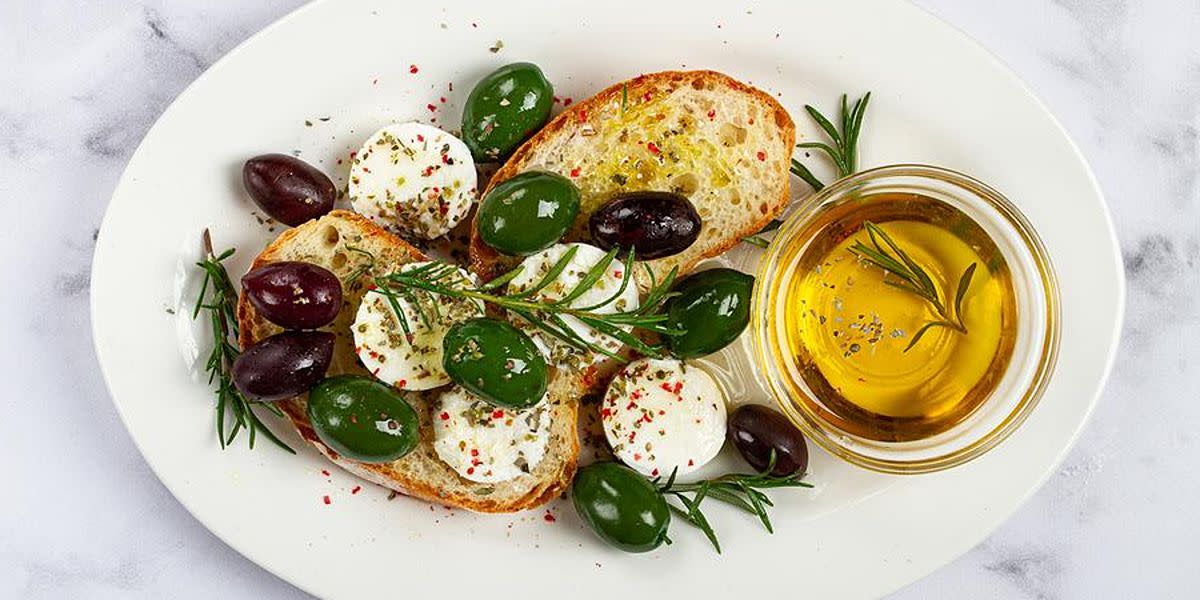
The distinctive flavor profile of Mediterranean cuisine comes from its characteristic seasonings and cooking fats.
Flavor builders:
Herbs: Fresh and dried herbs including oregano, basil, thyme, rosemary, mint, and parsley.
Spices: Cumin, coriander, paprika, cinnamon, and saffron (varies by region).
Healthy fats: Olive oil (primary cooking fat), nuts, seeds.
Herbs and spices are the soul of Mediterranean cooking, and each region has its signature notes. Greek dishes are bright with oregano and mint, while Italian kitchens come alive with the sweet, peppery perfume of basil and rosemary. Head south to North Africa or east to the Levant, and you’ll find deep, layered spice blends—cumin, cinnamon, coriander, sumac—bringing warmth and complexity that set these cuisines apart.
Regional signatures across the Mediterranean
Shaped by sun, sea, and centuries of cultural exchange, the Mediterranean is a mosaic of regional cooking styles. From coastal villages to mountain towns, each area tells its own story through food, drawing on local ingredients, age-old techniques, and the flavors of history layered into every bite.
Greek and Southern Italian approaches
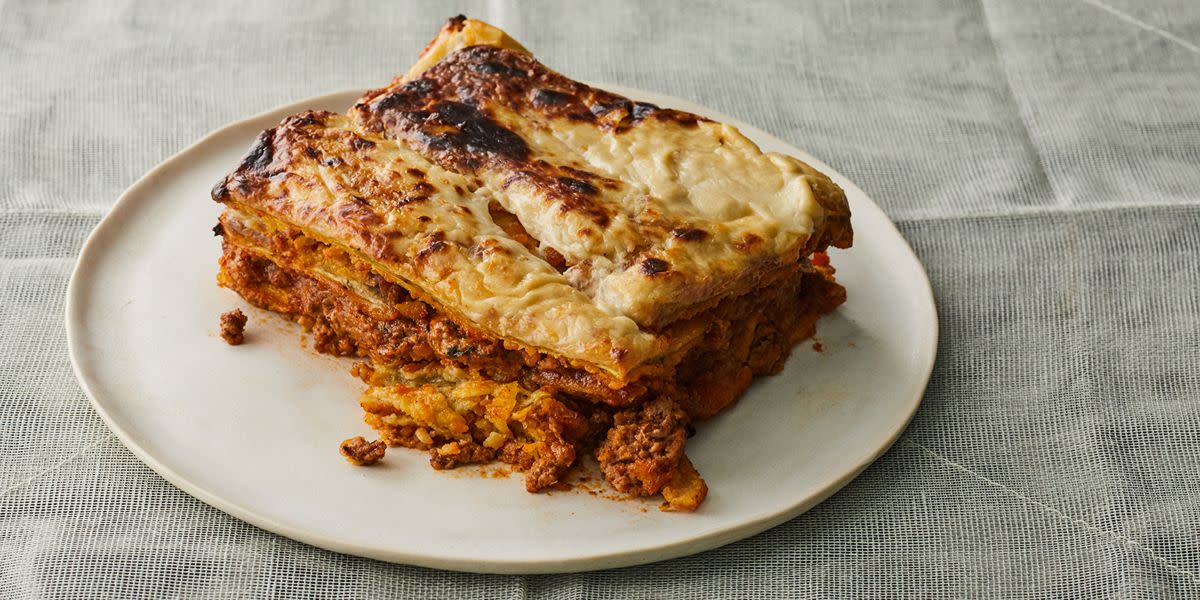
These close neighbors might shop from the same pantry—think olive oil, lemon, tomatoes, and wild herbs—but their kitchens speak different dialects. Greek and Southern Italian cuisines each bring their own flair, proving that even with shared ingredients, there’s more than one way to make magic.
Greek signatures:
Moussaka: Layered eggplant, potato, and ground meat casserole topped with béchamel
Souvlaki: Skewered, grilled meat served with pita, vegetables, and tzatziki
Spanakopita: Flaky phyllo pastry filled with spinach and feta cheese
Greek salad: Fresh tomatoes, cucumbers, peppers, olives, and feta with olive oil dressing
Southern Italian classics:
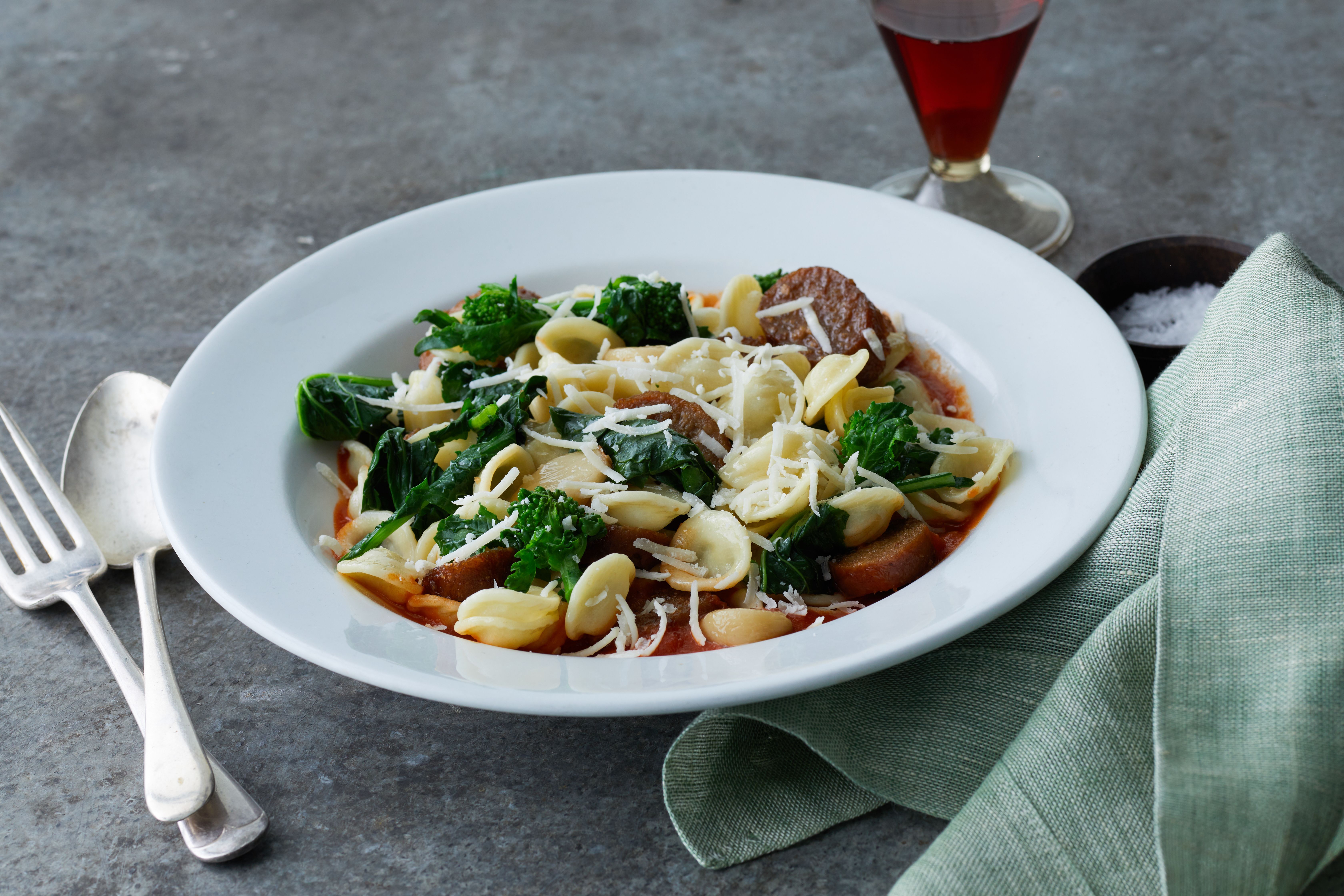
Pasta with seafood: Simple preparations highlighting fresh catch with olive oil and garlic
Caponata: Sweet and sour eggplant relish with celery, capers, and olives
Pizza Napoletana: Thin-crust pizza with minimal toppings, originating in Naples
Cioppino: Seafood stew featuring local catch in a tomato and wine broth
Both Greek and Southern Italian cooking embrace the beauty of simplicity, where a handful of top-notch ingredients, prepared just right, can transport you straight to the Mediterranean coast. No fuss. Just bold, honest flavor.
Craving a taste? Dive into Chef Ruben Garcia's Greek Roasted Salmon Bowl—succulent, spice-rubbed salmon with couscous, crisp veggies, and a garlicky yogurt sauce that brings it all together. A flavor-packed tribute to Greek cuisine—no passport required.
Levantine and Middle Eastern specialties
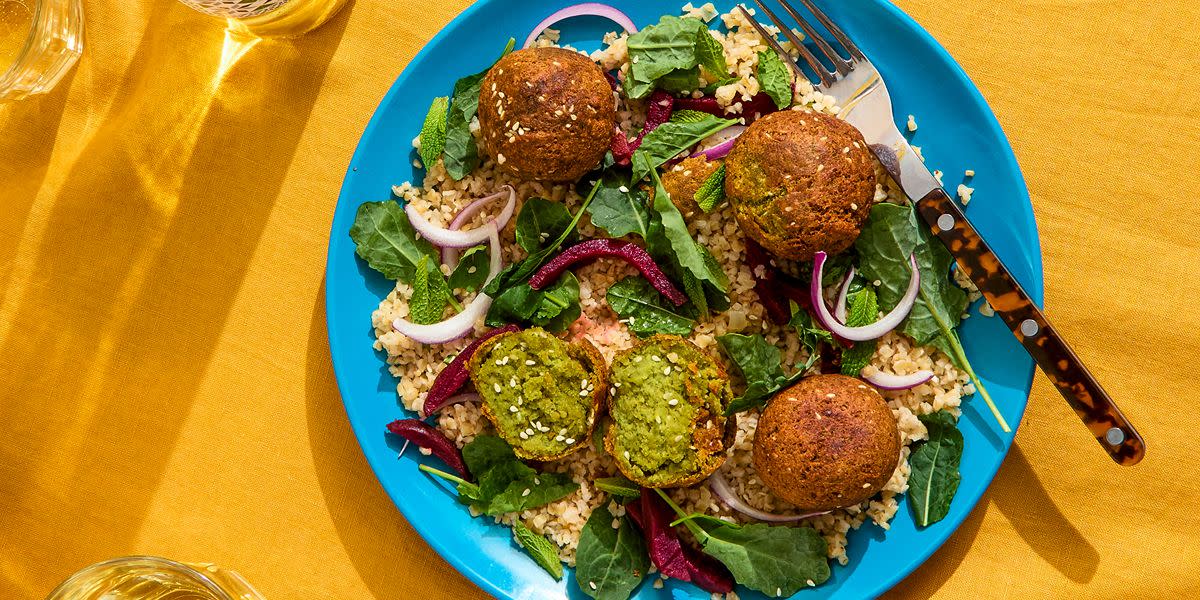
Eastern Mediterranean cooking is all about bold spices and deeply satisfying plant-based dishes—think chickpeas, lentils, and eggplant brought to life with layers of flavor.
Signature dishes:
Falafel: Crispy chickpea or fava bean fritters seasoned with herbs and spices.
Shawarma: Thinly sliced marinated meat (traditionally lamb) roasted on a vertical spit.
Tabbouleh: Parsley salad with bulgur, tomatoes, mint, and lemon.
Hummus: Creamy chickpea and tahini dip flavored with garlic and lemon.
Baba ganoush: Smoky eggplant dip with tahini, garlic, and lemon juice.
Compared to their European neighbors, these cuisines turn up the intensity with rich, layered spice blends. Vegetables take the spotlight, while meat plays a supporting role—used to deepen flavor, not dominate the plate.
Want to experience these bold, spice-driven flavors for yourself? Chef Einat Admony brings the Eastern Mediterranean to life with her Mediterranean Falafel Crusted Artichokes and Mediterranean Chicken Shawarma Bowl—packed with personality, texture, and unmistakable flavor. Drizzle both with one of the creamiest takes on tahini sauce we’ve ever had, and you’ve got a meal that hits every note—savory, tangy, and totally satisfying.
Spanish and North African influences
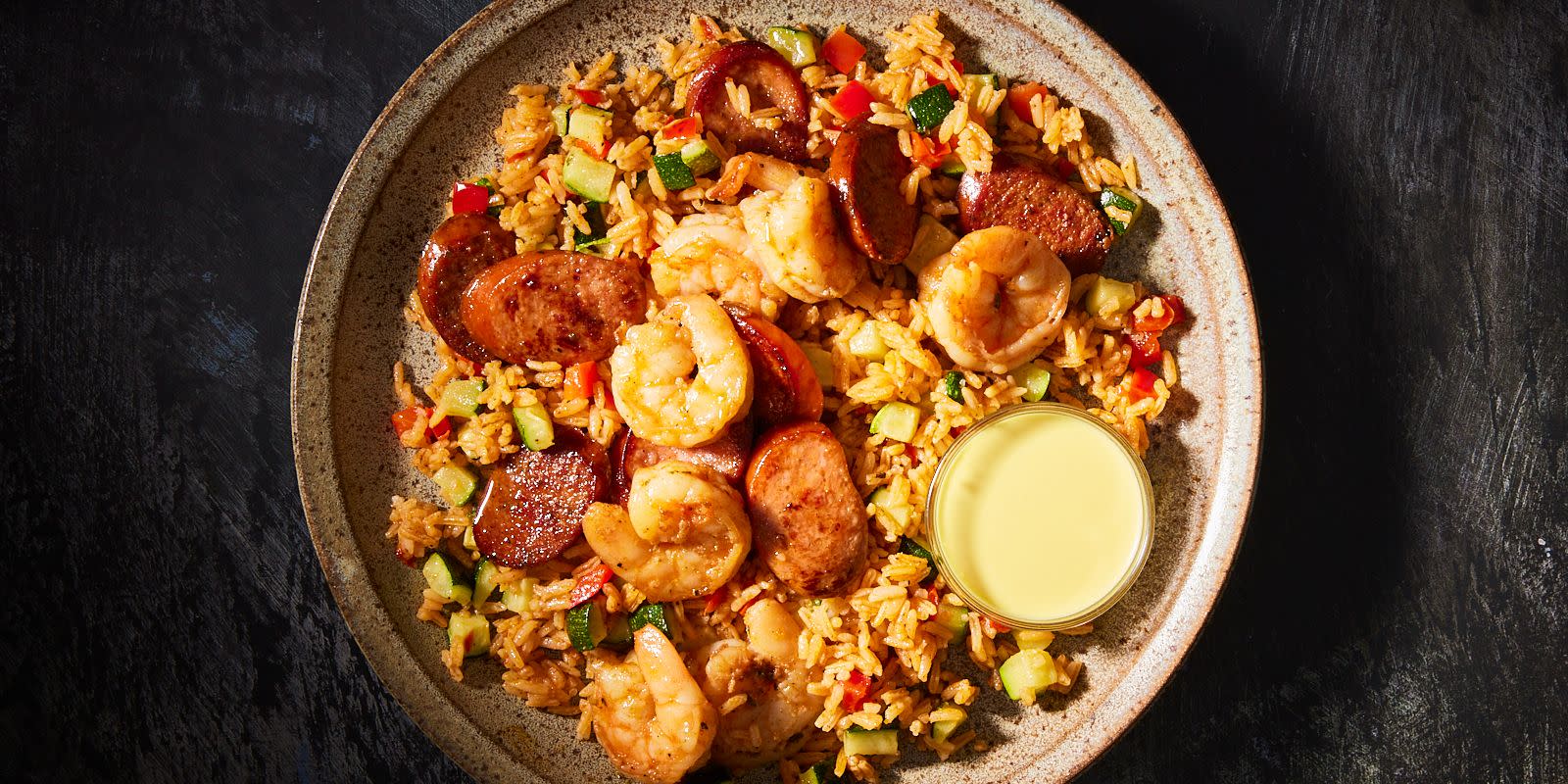
In the Western Mediterranean, Arab, Berber, and European influences mingle on the plate, creating bold, sun-soaked flavors and distinct culinary traditions that reflect centuries of cultural exchange.
Spanish classic:
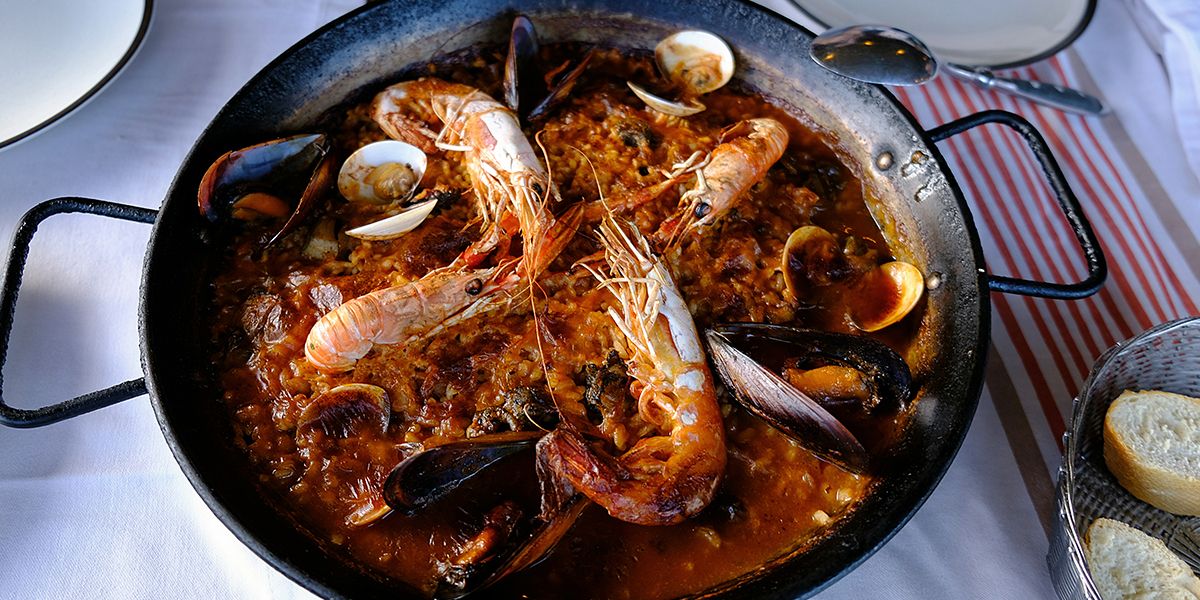
Paella: Saffron-infused rice dish with various combinations of seafood, meat, and vegetables.
Gazpacho: Cold tomato and vegetable soup perfect for hot summers.
Tapas: Small plates designed for sharing, ranging from simple olives to complex preparations.
Seafood stews: Hearty combinations of local catch in tomato-based broths.
North African signatures:
Tagines: Slow-cooked stews named for their distinctive conical cooking vessels.
Couscous dishes: Steamed semolina topped with vegetables and occasionally meat.
Harissa-spiced preparations: Fiery chile paste used to flavor many dishes.
Preserved lemons: Salt-cured citrus that adds bright, complex flavor to many dishes.
From harissa heat to the brightness of preserved lemons, these staples define North African cooking—layered, slow, and deeply aromatic. You can taste it all in Chef Einat Admony's Moroccan Chicken Couscous Tagine, a soulful take on tradition that brings the essence of the region straight to your table. It comes with a side of harissa-infused butternut squash purée that brings a pop of spicy creaminess with just a hint of welcome sweetness.
Explore the weekly menu, and select your meals.
Tips for cooking Mediterranean recipes at home
Mediterranean cooking principles aren’t bound by geography—they travel well. With a focus on fresh, high-quality ingredients and unfussy prep, Mediterranean food recipes are easy to bring into any home kitchen, no matter where you are or how you slice.
Focus on fresh, seasonal ingredients
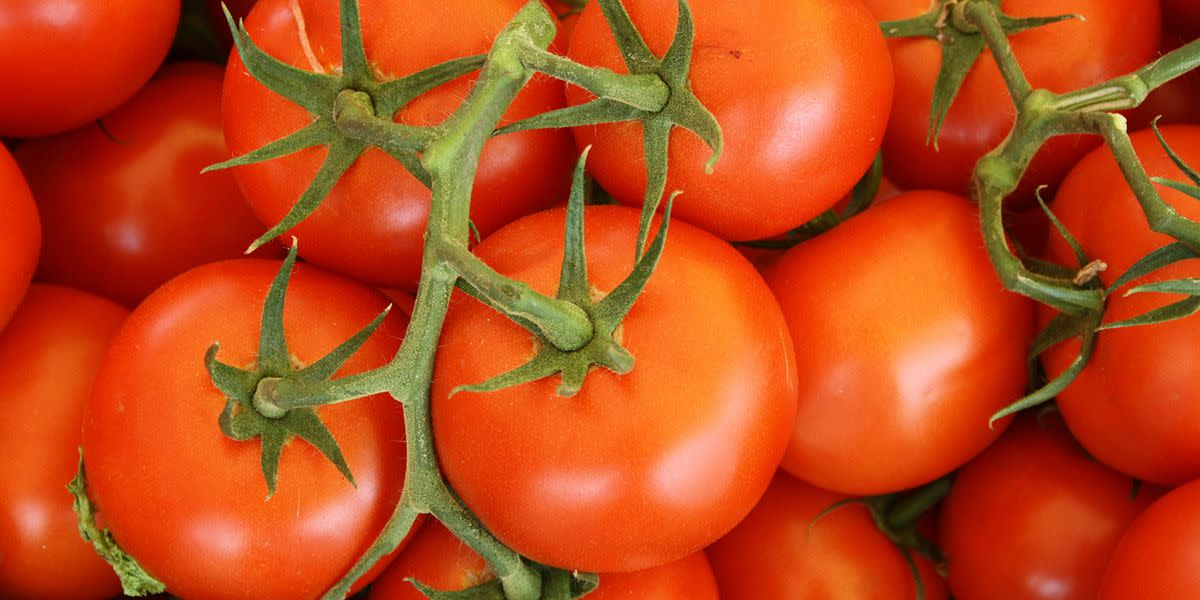
The Mediterranean approach is all about cooking with what’s fresh, in season, and bursting with flavor—because that’s when ingredients do the heavy lifting.
Produce selection tips:
Tomatoes: Choose ones that feel heavy for their size and smell fragrant at the stem end.
Eggplants: Select firm eggplants with smooth, shiny skin and no soft spots.
Olives: Look for olives cured in brine rather than canned for authentic flavor.
Herbs: Buy herbs with vibrant color and strong aroma.
No fresh tomatoes? No problem. Mediterranean cooking is all about working with what you have. Swap in canned tomatoes when they’re out of season, use frozen artichoke hearts in a pinch, and don’t be afraid to remix traditional recipes with whatever seasonal veggies are on hand.
Balance proteins, vegetables, and grains
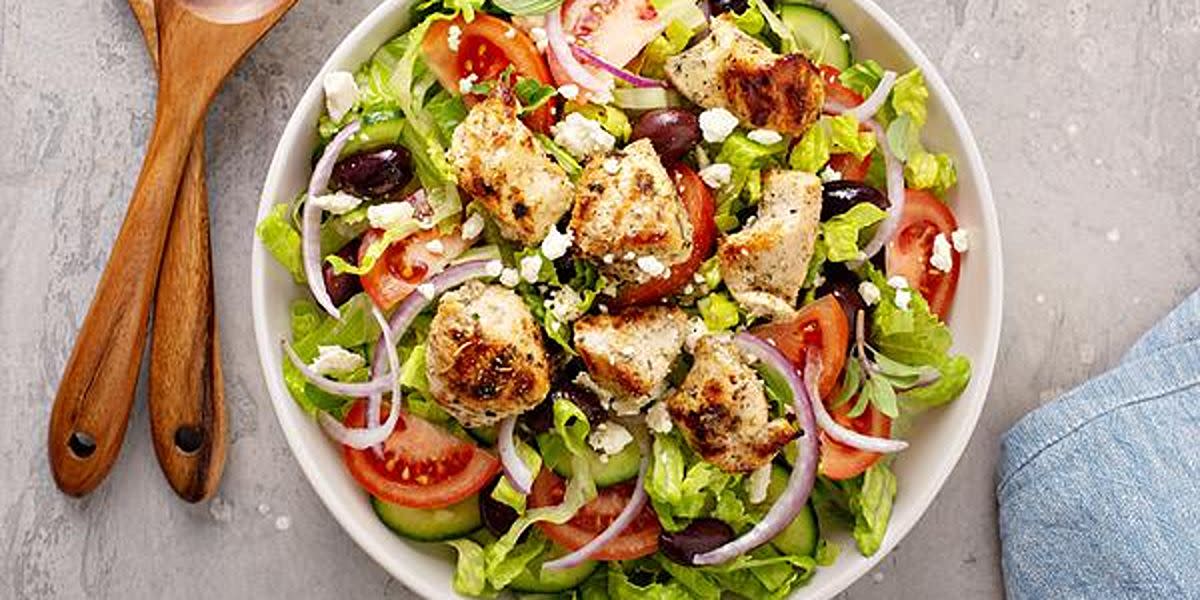
In Mediterranean meals, it’s all about balance, not just piling on the protein. Think grains, veggies, herbs, and a bit of meat or fish working together to build flavor, not fight for the spotlight.
Mediterranean meal formula:
½ plate: Vegetables (raw, roasted, grilled, or stewed)
¼ plate: Whole grains or starchy vegetables
¼ plate: Protein (which may be plant-based)
In Mediterranean cuisine, fish and seafood are staples, usually grilled, roasted, or stewed in ways that let their natural flavors shine. Poultry shows up in satisfying, veggie-packed dishes, often paired with grains or legumes. And red meat? It’s used with intention, more for depth and richness than to steal the show.
That thoughtful balance shows up beautifully in Chef Chris Ratel's Mediterranean Grilled Shrimp Grain Bowl—a feel-good meal where lemon- and herb-marinated shrimp are grilled to perfection, then layered over farro, tricolor quinoa, and a zesty Greek salad with feta, kalamata olives, and baby spinach. Every bite is a harmony of bold flavors that dance together beautifully.
Quick kitchen hacks for easy Mediterranean meals
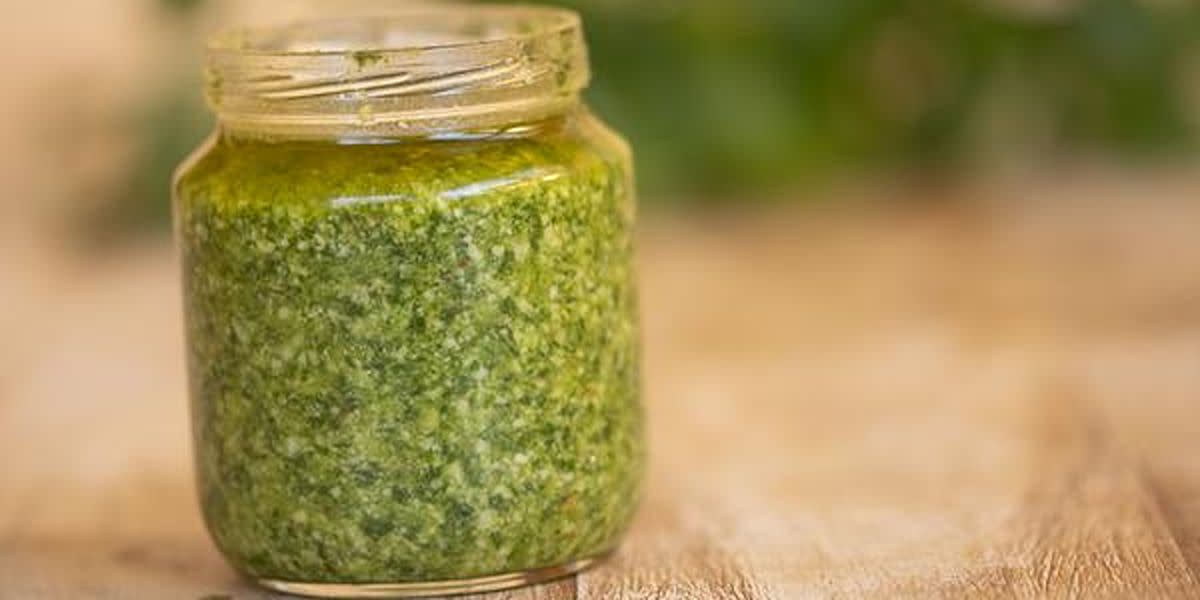
Use these quick hacks to bring Mediterranean cooking into your weekly rhythm—no stress, just big flavor on your schedule.
Time-saving Mediterranean techniques:
Quick-pickle vegetables in lemon juice and salt for 15 minutes before serving.
Batch-cook grains and legumes to use throughout the week.
Prepare versatile sauces like pesto or tahini dressing to use in multiple dishes.
Mix dried herbs with salt for an instant seasoning blend.
Infuse olive oil with garlic, herbs, or citrus zest.
These easy tricks make it simple to weave Mediterranean cooking principles into even the busiest weeknights—no shortcuts on flavor, no compromise on the real deal.
Popular Mediterranean dinners and meal ideas
A typical Mediterranean meal unfolds in stages—starting with small plates like mezze or antipasti, then moving into heartier dishes. It’s all about variety, balance, and letting every bite earn its place at the table.
Seafood favorites
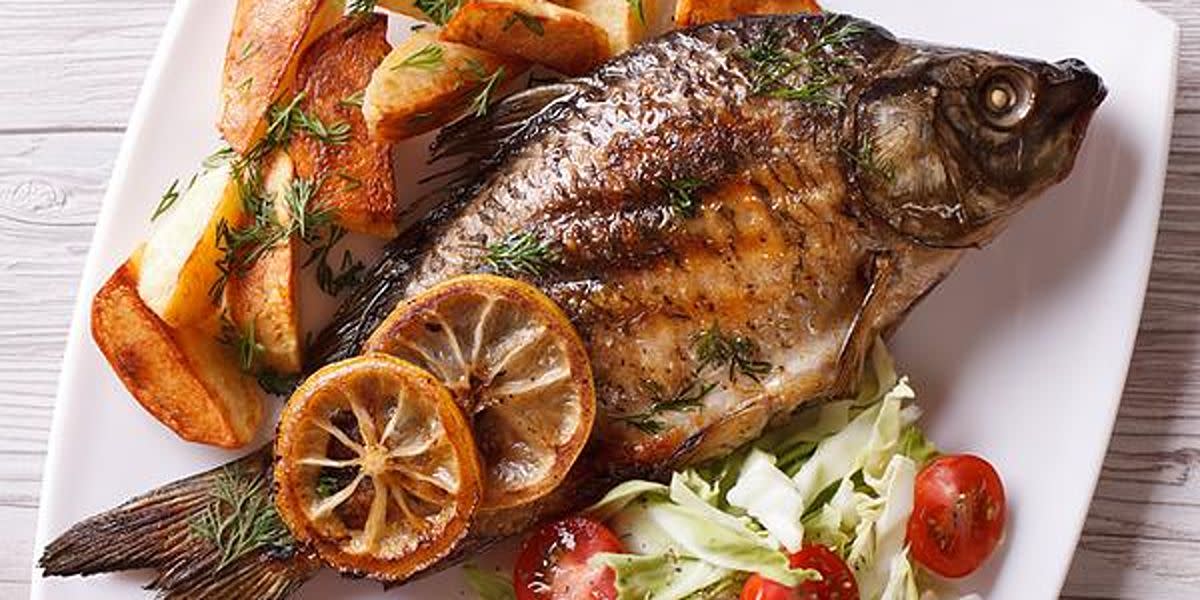
Seafood holds a place of honor in Mediterranean cuisine, typically prepared simply to highlight its natural flavors.
Mediterranean seafood preparations:
Whole roasted fish with herbs, lemon, and olive oil.
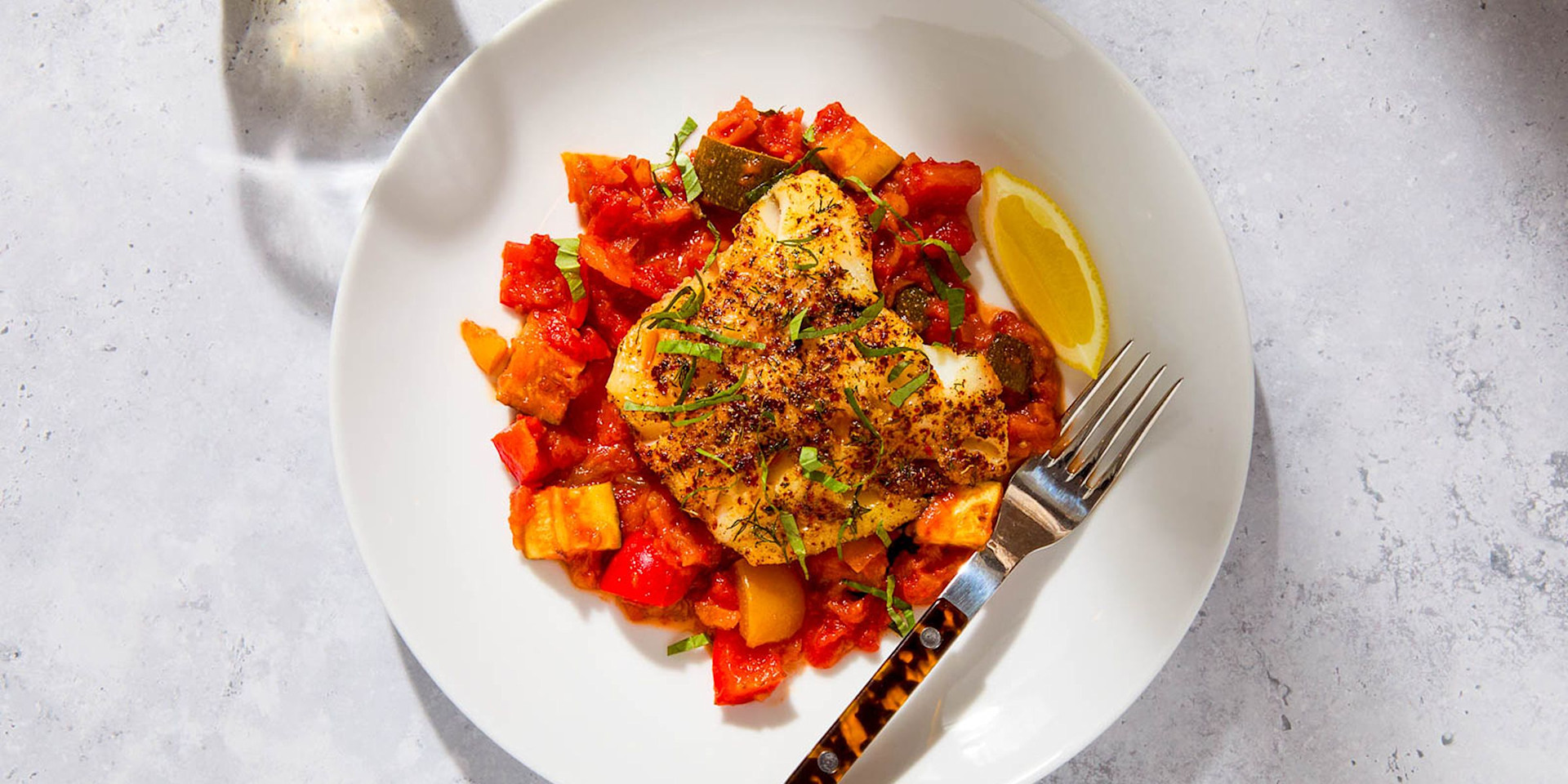
Mediterranean-style cod baked with tomatoes, olives, and capers.
Branzino grilled with herbs and finished with olive oil.
Garlic shrimp sizzled in olive oil with red pepper flakes.
Mussels steamed in white wine with tomatoes and herbs.
Along the Mediterranean coast, seafood is treated with reverence. The approach is simple: do less, but do it right. When the catch is fresh, a little olive oil, lemon, and heat is all it takes to let it shine.
That keep-it-simple approach comes to life in dishes like Chef Roberto Vergara's Mediterranean Baked Cod or Chef Marc Forgione's Mediterranean Spiced Shrimp with Saffron Farro, each one a masterclass in letting great seafood speak for itself.
Vegetarian classics
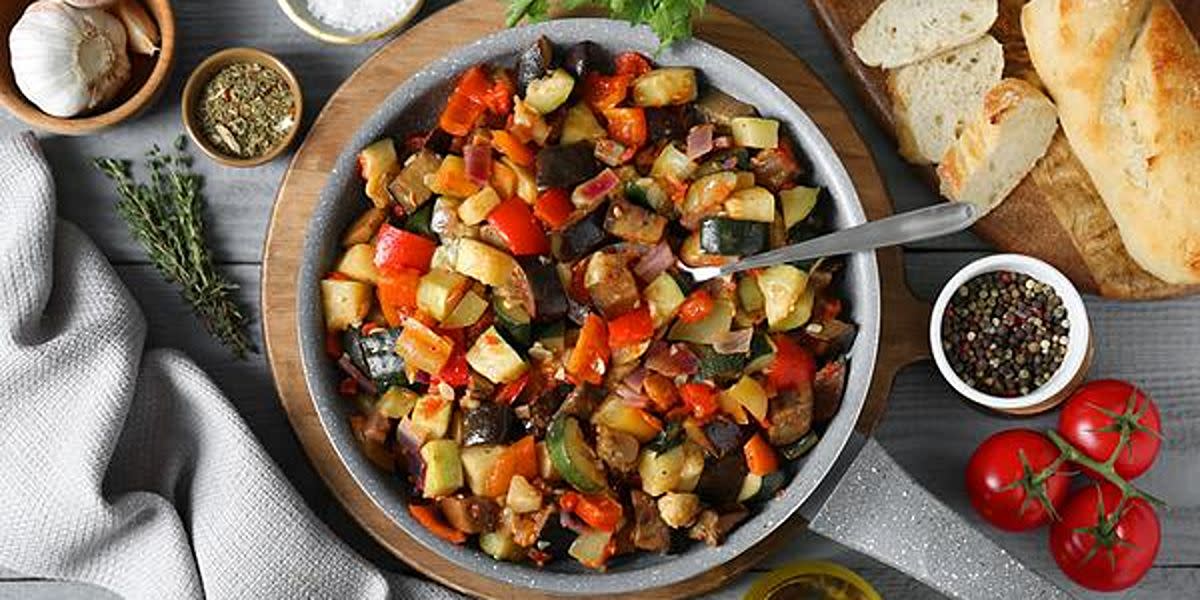
Across the Mediterranean, it’s the plant-forward dishes that do the heavy lifting—hearty, vibrant, and full of life, they’re the backbone of every table.
Mediterranean vegetarian staples:
Stuffed vegetables (tomatoes, peppers, eggplants) filled with herbs and grains.
Ratatouille: Provençal vegetable stew featuring eggplant, zucchini, and peppers.
Vegetable tagines spiced with cumin, coriander, and cinnamon.
Fasolada: Greek white bean soup with vegetables and herbs.
Ribollita: Tuscan bread and bean soup with kale and vegetables.
These vegetarian dishes flip the script—plants aren’t the side act, they’re the main event. Rooted in local harvests and full of bold, satisfying flavor, they show off just how rich and hearty Mediterranean cooking can be without leaning on meat.
You can dig into that spirit with Chef Einat Admony's Mediterranean Cauliflower Shawarma Bowl with Tahini Dressing or Chef Adriana Herrera's Mediterranean Farro Bowl—both bursting with texture, spice, and garden-fresh goodness.
Chicken and lamb creations
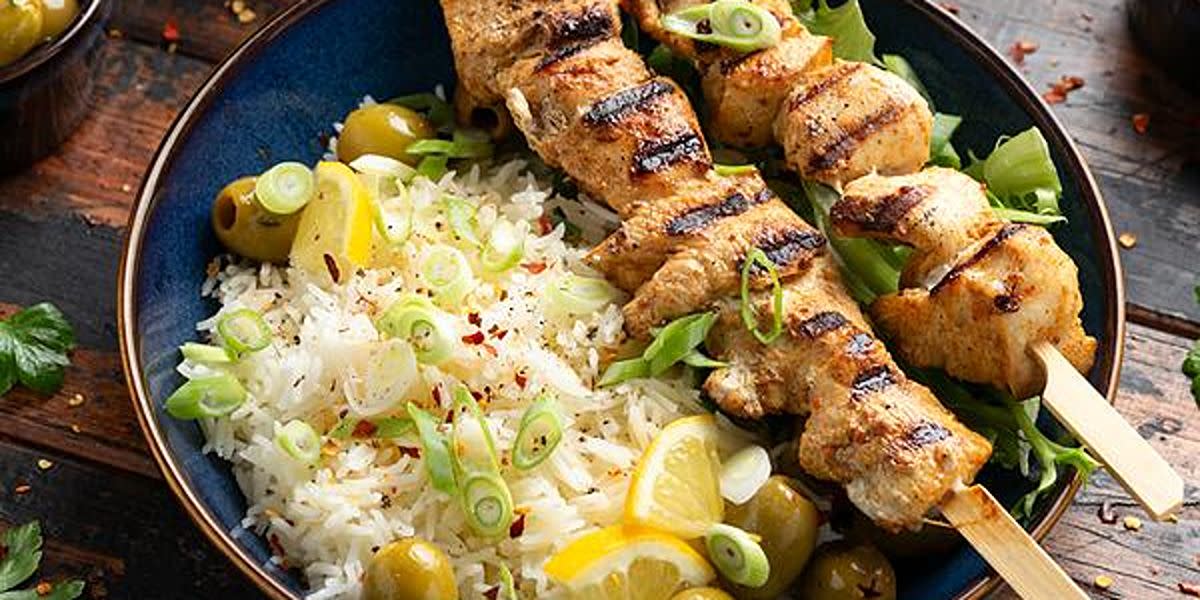
When meat shows up in Mediterranean cooking, it’s never flying solo—it’s teamed up with veggies, herbs, and spices that bring out its best side.
Mediterranean meat preparations:
Chicken souvlaki: Greek-style skewers marinated in lemon, garlic, and oregano.
Chicken cacciatore: Italian "hunter-style" chicken braised with tomatoes and herbs.
Chicken tagine with preserved lemons and olives.
Lamb kebabs seasoned with herbs and grilled over open flame.
Lamb ragù slowly simmered with tomatoes and herbs for pasta.
In Mediterranean cuisine, meat is just one part of the story. Not the star, but a key player in a well-balanced cast. It’s paired with vegetables, grains, and herbs to create dishes that are layered, satisfying, and full of character.
That balance comes through beautifully in Chef Marc Forgione's Mediterranean Lamb Ragu Cavatelli, a hearty, herb-packed take on tradition that brings comfort and complexity to every bite. The addition of carrots adds a touch of sweetness, while the creamy mascarpone cheese brings richness to every bite.
Crowd-pleasing sauces and dips
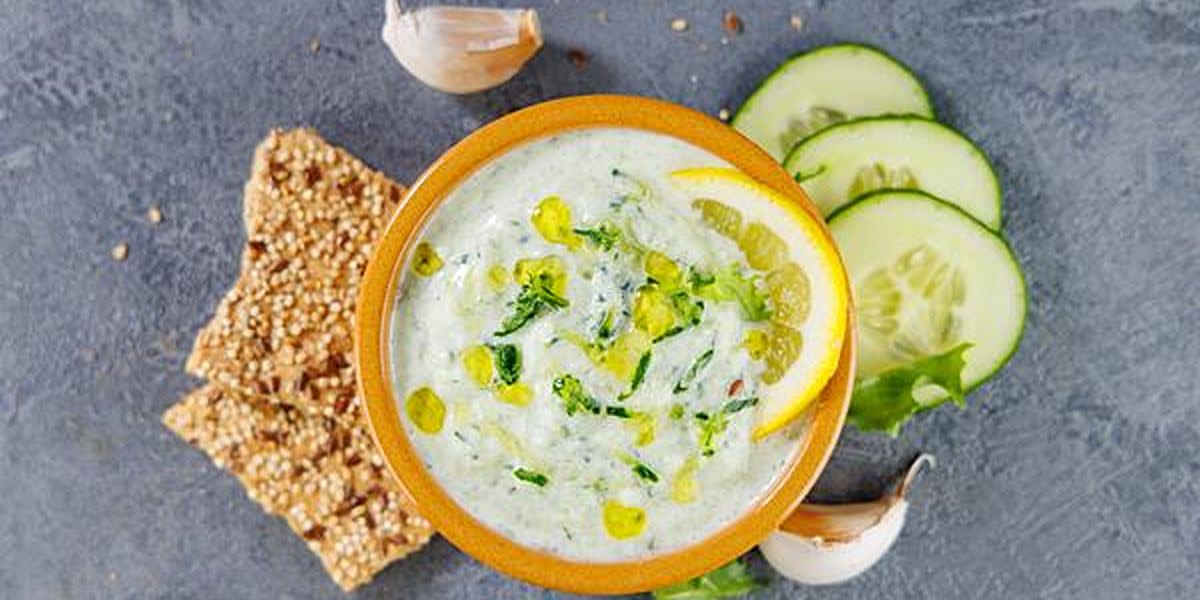
In Mediterranean cooking, sauces and dips are the secret weapons, turning simple ingredients into something craveable and tying the whole plate together with bold, vibrant flavor.
Sauce/Dip | Origin | Key Ingredients | Common Pairings |
|---|---|---|---|
Tzatziki | Greece | Yogurt, cucumber, garlic | Grilled meats, pita |
Hummus | Levant | Chickpeas, tahini, lemon | Vegetables, bread |
Romesco | Spain | Roasted peppers, almonds | Seafood, vegetables |
Muhammara | Syria | Roasted peppers, walnuts | Mezze platters |
Baba Ganoush | Levant | Roasted eggplant, tahini | Bread, vegetables |
These go-to condiments pull double duty, easy to prep ahead and easy to love. They add depth and richness to even the simplest dishes, turning everyday ingredients into something that feels layered, intentional, and seriously satisfying.
Savoring Mediterranean cuisine anytime
Mediterranean cuisine is a celebration of flavor, balance, and tradition. Where fresh ingredients, regional variety, and simple techniques come together to create something unforgettable. And while these dishes have been perfected over generations, you don’t need to spend hours in the kitchen to enjoy them.
We bring the Mediterranean to your table with chef-crafted meals made for real life—no prep, no guesswork, just bold, vibrant flavors rooted in tradition. From Chef Ruben Garcia's Mediterranean Salmon Quinoa Bowl to paella, tagines, and mezze-inspired plates, it’s all here—fresh, ready, and waiting when you are.
So whether you're craving Greek, Italian, Moroccan, or something in between, we make it easy to explore the Mediterranean—one unforgettable bite at a time.
Browse Mediterranean meals, and find your new favorite today.
Frequently asked questions about Mediterranean food
Are these meals safe for those with severe dietary allergies, such as dairy, soy, and nuts?
While Mediterranean meals can be prepared without certain ingredients, our dishes are often made in kitchens where cross-contamination may occur. If your allergy is life-threatening, review ingredient labels carefully before eating.
Are desserts part of a Mediterranean diet?
Mediterranean desserts typically feature fresh fruits, honey, and nuts rather than refined sugars, with special treats like baklava or cannoli reserved for celebrations and special occasions.
Can I adapt Mediterranean dishes to be gluten-free?
Mediterranean cuisine naturally includes many gluten-free options like polenta, rice dishes, and bean-based meals, while traditional wheat items can often be substituted with gluten-free alternatives.
What makes Mediterranean food different from other cuisines?
Mediterranean food stands out for its emphasis on olive oil, abundance of fresh vegetables and herbs, moderate use of dairy and meats, and cooking methods that preserve natural flavors rather than masking them.
How can I create a Mediterranean pantry at home?
Stock your kitchen with quality olive oil, a variety of dried herbs, canned beans, preserved lemons, olives, capers, and whole grains to create an authentic Mediterranean cooking foundation.

Be the first to know about new offers
Multiorder discounts, free items and more.