Back
Back9 Argentinian recipes everyone should know how to make
Bold flavors. Big hearts. And beef that means business. From juicy, fire-kissed beef to sharp, herb-loaded chimichurri, these dishes carry generations of flavor and pride. Rooted in tradition but always evolving, this is food that brings people together—and keeps them at the table long after the last bite.
Key takeaways:
Argentinian cuisine celebrates simple ingredients with beef at its heart, complemented by chimichurri sauce, empanadas, and European-influenced dishes.
Traditional cooking techniques like asado (barbecue) and slow-simmering create the distinctive flavors that define authentic Argentinian meals.
Many beloved Argentinian recipes can be simplified for home cooks while maintaining their authentic flavors and cultural significance.
Award-winning chefs at CookUnity craft authentic Argentinian dishes that deliver the true taste of Argentina without the work of preparing them yourself.
What is Argentinian cuisine?
Argentinian cuisine blends European influences with indigenous cooking techniques and ingredients native to South America. The result is a rich culinary tradition that celebrates beef, wood-fire cooking, and fresh herbs.
Argentinian food is known for its simplicity and bold flavors, with techniques that let quality ingredients shine. Grilling (asado) forms the backbone of the cuisine, complemented by chimichurri sauce, empanadas, and pasta dishes.
Craving authentic Argentinian flavors without the work? Explore our Argentinian cuisine offerings and taste the passion of South America delivered to your door.
Empanadas
Empanadas are hand-held pastry pockets filled with savory ingredients, a staple in Argentinian dishes. Unlike their counterparts from other Latin American countries, Argentinian empanadas typically feature a wheat flour dough that's slightly less flaky.
Ingredients:
3 cups all-purpose flour
1 teaspoon salt
½ cup cold butter, cubed
1 egg
⅓ cup cold water
1 tablespoon white vinegar
1 pound ground beef
1 onion, finely diced
1 red bell pepper, diced
2 tablespoons olive oil
2 hard-boiled eggs, chopped
½ cup green olives, sliced
1 tablespoon ground cumin
1 teaspoon paprika
Directions:
Combine flour and salt in a large bowl. Cut in butter until mixture resembles coarse crumbs.
Whisk together egg, water, and vinegar. Add to flour mixture, stirring until dough forms.
Knead briefly, wrap in plastic, and refrigerate for 1 hour.
Heat olive oil in a skillet. Sauté onion and bell pepper until soft.
Add ground beef, cook until browned. Stir in spices and cook for 2 more minutes.
Remove from heat, stir in chopped eggs and olives. Let filling cool completely.
Set your oven to a moderate heat, around 375°F (190°C), to prepare for baking.
Roll dough to ⅛-inch thickness. Cut into 5-inch circles.
Place 2 tablespoons of filling in center of each circle.
Fold dough over to create a half-moon. Seal edges with a fork.
Chef Santiago Lopez's Beef Empanadas with Chimichurri Sauce offers this classic dish without the work.
Chimichurri
Chimichurri is the lifeblood of Argentinian cuisine—a vibrant, herb-based sauce that accompanies grilled meats. This uncooked sauce features parsley, garlic, vinegar, and olive oil as its foundation.
Ingredients:
1 cup fresh parsley, finely chopped
4 garlic cloves, minced
2 tablespoons fresh oregano
½ cup olive oil
2 tablespoons red wine vinegar
1 teaspoon red pepper flakes
½ teaspoon salt
¼ teaspoon black pepper
Directions:
Combine all ingredients in a bowl and mix thoroughly.
Let stand at room temperature for at least 30 minutes before serving.
Store in an airtight container in the refrigerator for up to 1 week.
There are two main varieties:
Green chimichurri (verde): Made with fresh herbs
Red chimichurri (rojo): Includes tomato and red bell pepper
Store chimichurri in a glass jar with a thin layer of olive oil on top to prevent oxidation. It will keep for up to two weeks in the refrigerator.
Chef Silvio Rodriguez's Chimichurri Chicken with Guiso de Lentejas showcases this versatile sauce paired with perfectly cooked chicken.
Asado
Asado is more than a cooking method—it's a social ritual central to Argentinian meals. This traditional barbecue technique involves slow-cooking various cuts of meat over an open fire or hot coals.
Ingredients:
2 pounds skirt steak or flank steak
2 tablespoons coarse salt
2 tablespoons fresh ground black pepper
2 tablespoons olive oil
4 garlic cloves, minced
1 tablespoon dried oregano
Directions:
Mix salt, pepper, olive oil, garlic, and oregano in a bowl.
Rub mixture over the meat and let marinate for at least 2 hours.
Prepare grill to medium-high heat.
Grill meat for about 4-5 minutes per side for medium-rare.
Let rest for 10 minutes before slicing against the grain.
Serve with chimichurri sauce.
The key to authentic asado is patience—cooking slowly over indirect heat allows the meat to develop a flavorful crust while remaining juicy inside.
Explore the weekly menu and select your meals.
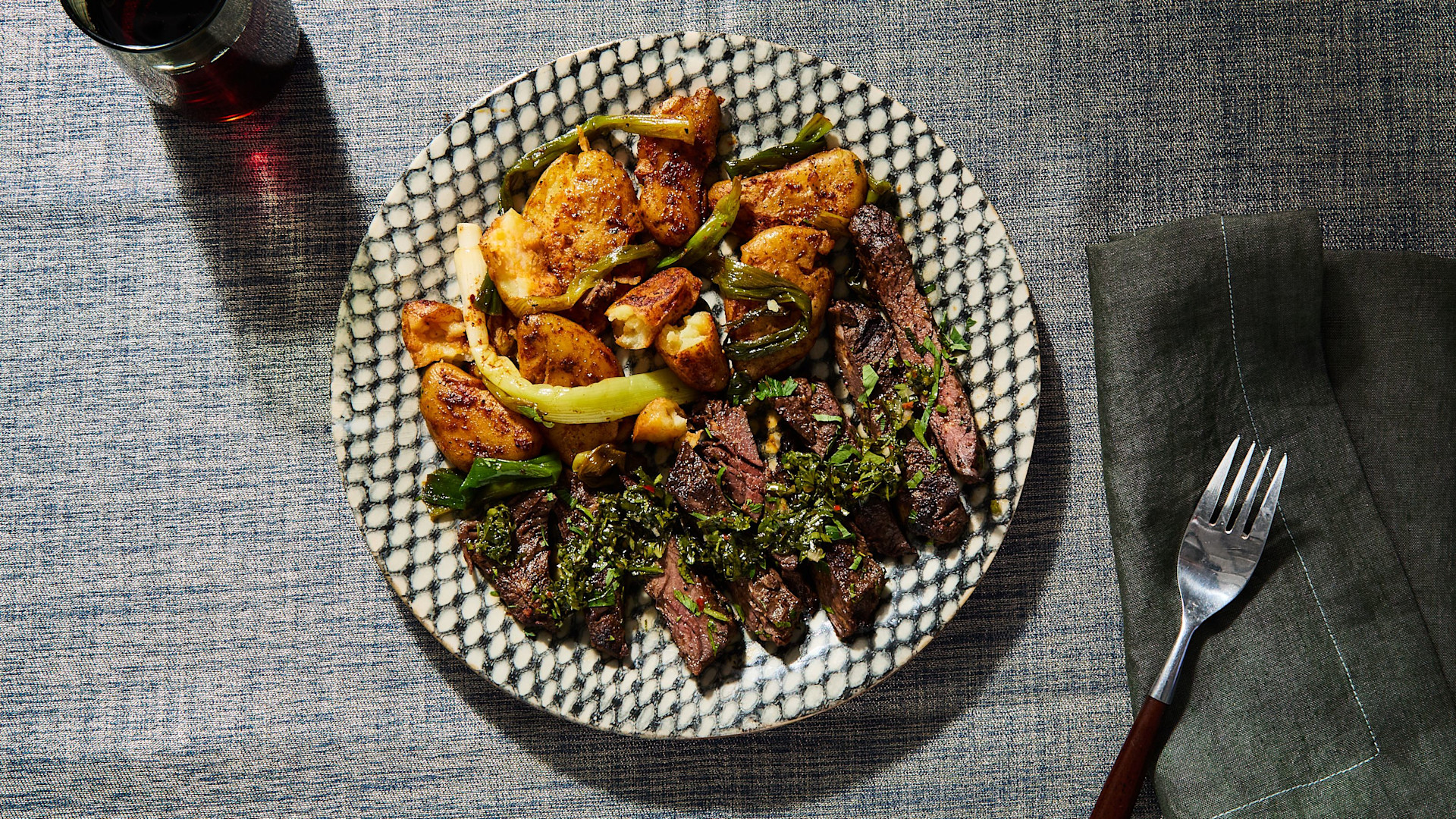
Chef Jose Garces' Argentinian Grilled Skirt Steak delivers this traditional flavor with perfectly grilled meat.
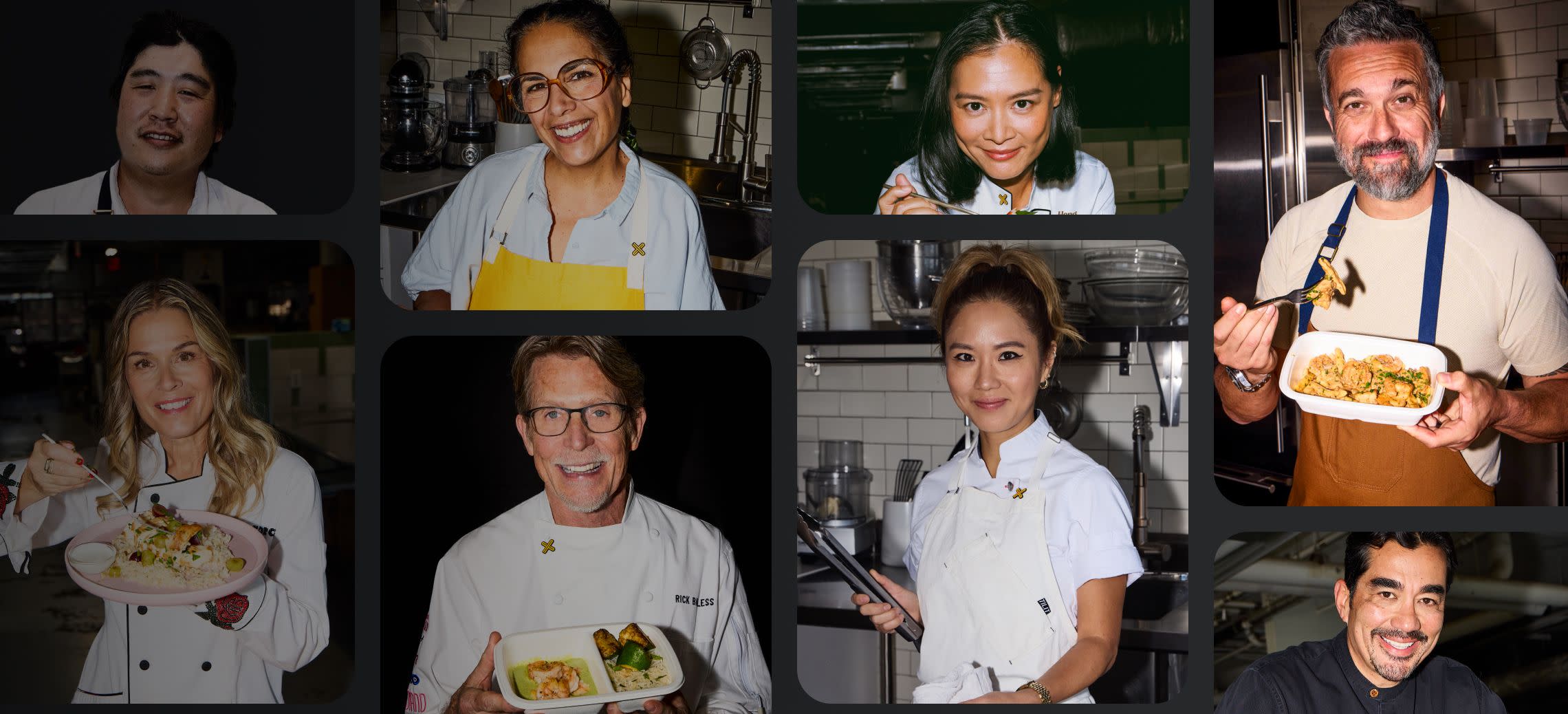
Cooking this once is fun. Every night isn't.
Make the asado when you feel like it. Let our chefs handle the other six nights. Argentinian meals from award-winning chefs, fully prepared, ready in 2 minutes. No prep, no planning, no dishes.
→ See this week's menu
Milanesa
Milanesa showcases the Italian influence on Argentinian cuisine—thin cuts of beef, chicken, or veal, breaded and fried to golden perfection. Argentinian meat consumption is over 200% higher than the regional average, underscoring why this popular dish appears on family tables across the country.
Ingredients:
4 thin beef cutlets
2 eggs, beaten
1 cup breadcrumbs
¼ cup grated Parmesan cheese
2 tablespoons fresh parsley, chopped
1 teaspoon dried oregano
½ teaspoon garlic powder
Salt and pepper to taste
Directions:
Place cutlets between plastic wrap and gently pound to ⅛-inch thickness.
Season with salt and pepper on both sides.
Mix breadcrumbs with Parmesan, parsley, oregano, and garlic powder.
Dip cutlets in beaten eggs, then coat with breadcrumb mixture.
Heat oil in a large skillet over medium-high heat.
Fry cutlets until golden brown, about 2-3 minutes per side.
Drain on paper towels and serve immediately with lemon wedges.
For Milanesa a la Napolitana, top the fried cutlets with tomato sauce, ham, and mozzarella cheese, then broil until cheese melts.
Provoleta
Provoleta is a mouthwatering appetizer that showcases Argentina's love for both cheese and grilling. This dish features a thick slice of provolone cheese, seasoned and grilled until bubbling.
Ingredients:
1 (2-inch thick) round of provolone cheese
1 tablespoon olive oil
1 teaspoon dried oregano
½ teaspoon red pepper flakes
1 teaspoon fresh thyme leaves
Directions:
Preheat grill or cast-iron skillet to medium-high heat.
Brush both sides of the cheese with olive oil.
Sprinkle oregano, red pepper flakes, and thyme on top.
Place cheese in a small cast-iron skillet or directly on the grill.
Cook for 2-3 minutes until bottom is golden and cheese begins to melt.
Flip carefully and cook for another 2 minutes until cheese is soft inside with a crispy exterior.
The ideal provoleta achieves the perfect balance—crispy outside while remaining melted within. It's traditionally served as the opening act to an asado.
Chef Anthony Nichols' Gaucho-Style Chimichurri Tofu offers a plant-based twist on traditional Argentinian flavors.
Locro
Locro is a thick, comforting stew that originated in the Andean regions and has become a symbol of Argentinian national identity. This hearty dish combines corn, beans, squash, and meat.
Ingredients:
1 pound white corn kernels, soaked overnight
1 pound pork shoulder, cubed
½ pound beef chuck, cubed
8 ounces bacon, diced
1 large onion, diced
2 red bell peppers, diced
3 cloves garlic, minced
1 butternut squash, peeled and cubed
2 large potatoes, cubed
1 cup white beans, soaked overnight
8 cups chicken broth
Directions:
In a large pot, cook bacon until fat renders. Add pork and beef, browning on all sides.
Add onion, bell peppers, and garlic. Sauté until vegetables soften.
Add corn, beans, squash, potatoes, and broth.
Bring to a boil, then reduce heat and simmer for 2-3 hours, stirring occasionally.
For the garnish (salsa criolla), combine diced red pepper, green onions, olive oil, and vinegar.
Serve locro hot, topped with a spoonful of the salsa criolla.
Traditionally served on May 25 (Argentina's National Day), locro represents the country's diverse cultural heritage.
For a taste of how Argentinian flavors influence holiday celebrations, explore Christmas Dinner Ideas: Recipes to Make Your Holiday Memorable.
Chef Fabiola Rivera's Puerto Rican Stewed Beef offers a similar comfort food experience.
Alfajores
Alfajores are beloved sandwich cookies that hold a special place in Argentina's culinary heart. Sugar consumption in Argentina accounts for about 15.9% of total energy intake, illustrating the popularity of sweet indulgences like these delicate treats filled with dulce de leche.
Ingredients:
2 cups cornstarch
1½ cups all-purpose flour
2 teaspoons baking powder
½ teaspoon salt
1 cup unsalted butter, softened
¾ cup granulated sugar
3 egg yolks
2 teaspoons vanilla extract
1 cup dulce de leche
Directions:
Whisk together cornstarch, flour, baking powder, and salt.
In a separate bowl, beat butter and sugar until light and fluffy.
Add egg yolks one at a time, then vanilla.
Gradually mix in dry ingredients until a soft dough forms.
Refrigerate dough for at least 1 hour.
Preheat oven to 350°F. Line baking sheets with parchment paper.
Roll dough to ¼-inch thickness and cut into 2-inch rounds.
Bake for 12-15 minutes until barely golden around the edges.
Cool completely, then spread dulce de leche on half the cookies.
Top with remaining cookies to form sandwiches.
Alfajores are perfect with coffee or mate tea and make excellent gifts.
Dulce de leche
Dulce de leche is Argentina's beloved caramel spread, made by slowly cooking sweetened milk until it transforms into a rich, amber-colored confection. This versatile treat serves as a filling for pastries or a spread for toast.
Ingredients:
4 cups whole milk
1¼ cups granulated sugar
¼ teaspoon baking soda
1 vanilla bean, split
Pinch of salt
Directions:
Combine all ingredients in a large, heavy-bottomed pot.
Bring to a gentle simmer over medium heat, stirring to dissolve sugar.
Reduce heat to low and cook uncovered, stirring occasionally.
Continue cooking for about 1.5-2 hours until mixture reaches a deep caramel color.
Remove vanilla bean if used. The dulce de leche should coat the back of a spoon.
Transfer to a heat-proof container and let cool completely.
The slow cooking process caramelizes the sugars in the milk, creating complex flavors. A commonly used shortcut involves gently simmering a sealed can of sweetened condensed milk in water for several hours to create a caramel-like spread.
Carbonada Criolla
Carbonada Criolla is a unique Argentinian beef stew that combines savory and sweet elements. This hearty dish features beef, vegetables, and fruit—creating a complex flavor profile.
Ingredients:
2 pounds beef chuck, cut into 1-inch cubes
3 tablespoons olive oil
1 large onion, diced
2 cloves garlic, minced
2 carrots, diced
2 potatoes, peeled and cubed
1 sweet potato, peeled and cubed
1 ear of corn, cut into 1-inch rounds
1 red bell pepper, diced
1 peach, peeled and diced
1 pear, peeled and diced
4 cups beef broth
Directions:
Heat olive oil in a large pot. Season beef with salt and pepper, then brown in batches.
Remove beef and set aside. In the same pot, sauté onion and garlic until softened.
Return beef to pot. Add carrots, potatoes, sweet potato, corn, and bell pepper.
Pour in beef broth and bring to a boil, then reduce heat.
Simmer covered for about 1 hour, or until beef is tender.
Add tomatoes, peach, and pear. Continue cooking for 15-20 minutes.
Adjust seasoning with salt and pepper before serving.
Traditionally served in a hollowed-out pumpkin during autumn and winter months, Carbonada Criolla exemplifies Argentina's talent for combining European cooking techniques with native ingredients.
Chef Bladimir Molina and Carlos Paz's Asado Negro offers a similar rich, slow-cooked beef experience.
Bringing Argentina's flavors to your kitchen
Argentinian cuisine celebrates simple ingredients prepared with care. The hallmarks of this cooking style include quality meats, fresh herbs, and techniques that allow natural flavors to shine.
These nine traditional Argentinian recipes offer a window into Argentina's rich culinary heritage. From the communal experience of asado to the sweet indulgence of alfajores, each dish tells a story of cultural blending.
For an authentic Argentinian dinner party, serve these dishes with Malbec wine from Mendoza. Create a relaxed atmosphere that encourages conversation—just as they would in Argentina.
Cook the ones you love. Let the chefs handle the rest.
Skip the meal-planning, the prep, and the dishes. Get meals crafted by award-winning chefs, delivered fully prepared and ready in 2 minutes. Argentinian, plus 45+ other global cuisines. The world's only 100% chef-led meal delivery.
→ See this week's menu
Crafted by award-winning chefs. More cuisines than any other prepared meal subscription.
Frequently asked questions about Argentinian recipes
What ingredients are essential for an Argentinian pantry?
Stock up on high-quality beef, fresh parsley, garlic, olive oil, vinegar, dried oregano, and ground cumin for authentic Argentinian cooking.
Can I substitute ingredients in traditional Argentinian recipes?
You can adapt Argentinian recipes by substituting ground turkey for beef in empanadas, using provolone instead of traditional provoleta cheese, or replacing hominy with regular corn in locro.
How do Argentinian cooking techniques differ from other cuisines?
Argentinian cooking emphasizes slow, patient methods like grilling over wood coals, slow-simmering stews, and hand-forming pastries.
What are the regional variations in Argentinian cuisine?
Northern Argentina features spicier dishes with indigenous influences, while Patagonian cuisine showcases seafood and lamb. Central regions specialize in beef and Italian-influenced dishes.

Be the first to know about new offers
Multiorder discounts, free items and more.