Back
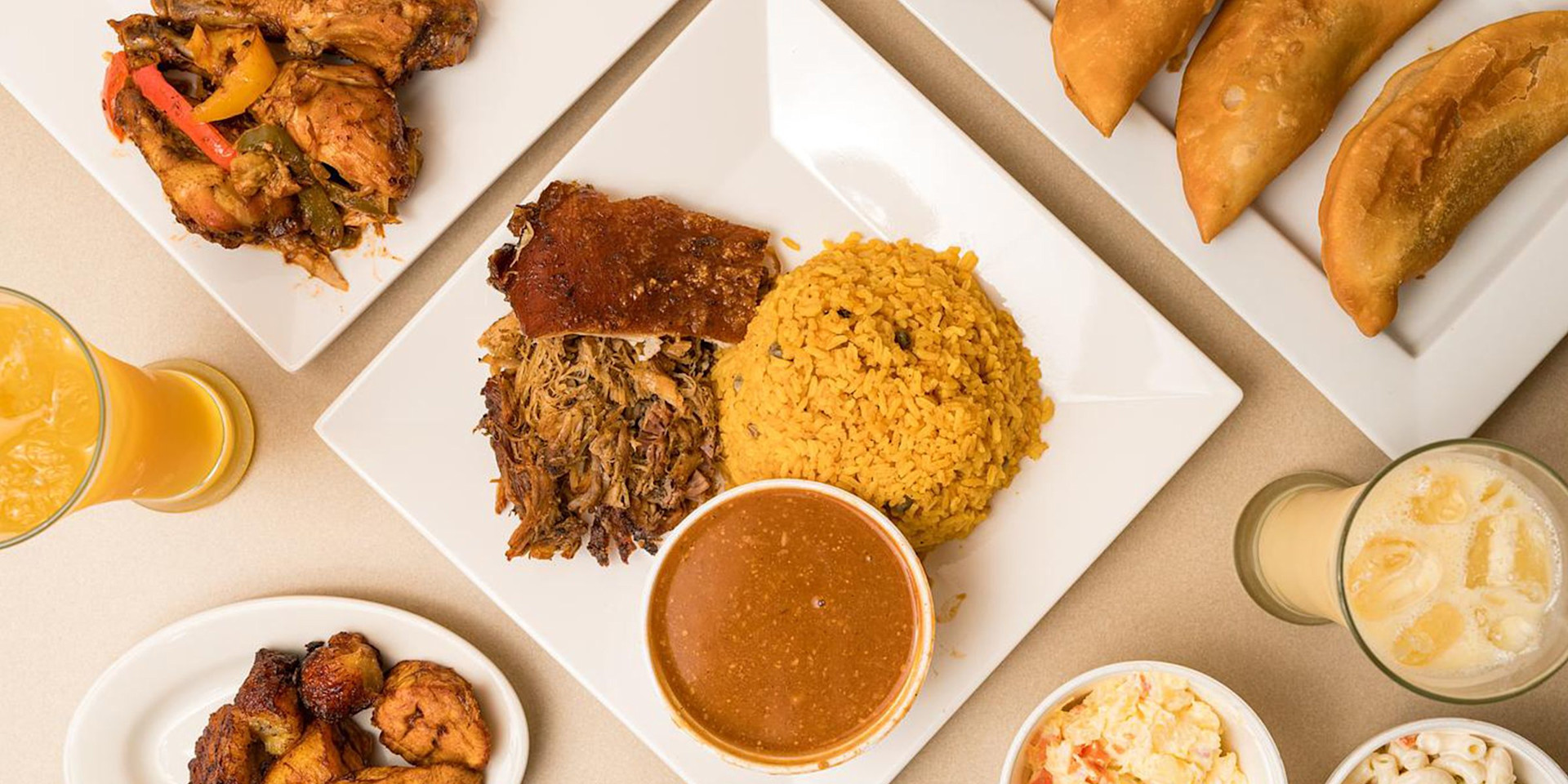
Caribbean food is bold, soulful, and endlessly diverse, a delicious fusion shaped by centuries of migration, resilience, and cultural exchange. Across the islands, you’ll find flavors rooted in African, Indigenous, European, and East Indian traditions, woven into dishes that are both comforting and complex. Whether it’s Jamaican food like fiery jerk chicken, Cuban pernil, or Trinidadian doubles, these iconic Caribbean staples reflect the heart of West Indian food culture.
This guide explores 10 authentic dishes that define the region’s culinary spirit, from everyday favorites to celebration-worthy feasts. If you’ve ever wondered what makes the best Caribbean food so unforgettable, you’re about to find out.
Key takeaways:
Caribbean cuisine blends African, Indigenous, European, and East Indian influences through techniques like slow cooking, bold spicing, and creative use of local ingredients.
Signature dishes include jerk chicken, curry goat, mofongo, and ropa vieja, each representing distinct island traditions and historical influences.
Traditional Caribbean cooking relies on ingredients like scotch bonnet peppers, allspice, plantains, and coconut milk to create its distinctive flavor profiles.
Meal delivery services like CookUnity now make authentic Caribbean dishes accessible without the challenges of sourcing specialty ingredients or mastering time-intensive techniques.
What is Caribbean food?
Caribbean food is a vibrant, flavorful fusion born from centuries of cultural exchange across the islands. This dynamic cuisine blends African, Indigenous, European, and East Indian influences, each contributing techniques, ingredients, and traditions that shaped the region’s distinctive cooking styles.
As enslaved Africans adapted ancestral recipes using local ingredients, European colonizers introduced new crops and culinary methods. Indigenous peoples contributed foundational staples like cassava, sweet potatoes, and tropical fruits. Later, East Indian laborers brought aromatic spices and curry blends that transformed island flavors, especially in Trinidad and Jamaica.
The result? A bold, diverse, and deeply rooted cuisine, where every dish tells a story of resilience, adaptation, and celebration. From jerk chicken to callaloo, Caribbean food is more than sustenance; it’s culture on a plate.
Key influences on Caribbean cuisine include:
African heritage: One-pot stews, okra, and cooking techniques
Indigenous contributions: Native ingredients like cassava and cooking methods
European colonial impact: Spanish, French, British, and Dutch influences
East Indian influences: Curry powders, spice blends, and cooking methods
For a taste of the islands without leaving home, explore our Caribbean meals, featuring dishes crafted by chefs who understand these diverse culinary traditions.
Essential Caribbean ingredients and techniques
To truly understand Caribbean food, you have to start with its roots: the ingredients and cooking methods that bring its bold, soulful flavors to life. From the heat of Scotch bonnet peppers to the richness of coconut milk and the warm spice of allspice, these foundational elements reflect the region’s geography, history, and ingenuity. Paired with slow-cooking techniques, vibrant marinades, and aromatic herbs, they’re what give Caribbean cuisine its unmistakable depth and complexity.
Signature spices
Spices are at the heart of Caribbean food, delivering the bold, layered flavors that define the region’s most iconic dishes.
Allspice (pimento): A staple in Jamaican food, this single berry brings complex warmth with notes of cinnamon, nutmeg, and clove. It’s the backbone of jerk seasoning and many Caribbean spice blends.
Scotch bonnet peppers: Famous for their fruity fire, these vibrant peppers are essential in Caribbean cuisine. Often used whole in stews to temper the heat, they add unmistakable depth and heat to everything from jerk marinades to pepper sauces.
Caribbean curry powder: Unlike Indian versions, Caribbean curry often features more turmeric and fewer warming spices, creating a sunnier, earthier profile especially popular in West Indian food.
Aromatic herbs: Fresh thyme, scallions, bay leaf, and cilantro are everyday heroes in Caribbean dishes.
Beyond seasoning meals, these ingredients tell the story of Caribbean heritage in every bite.
Cooking methods
The soul of Caribbean food lies in its time-honored cooking techniques, developed from necessity, tradition, and a deep love of flavor.
Slow cooking is a cornerstone of Caribbean cuisine, turning tough cuts into tender, flavorful dishes through long simmering. Stews like pepperpot or oil down are built layer by layer in a single pot, allowing spices, herbs, and aromatics to bloom and meld beautifully.
Marinating is just as essential, especially for jerk dishes, where meats are often soaked overnight in a potent blend of allspice, thyme, Scotch bonnet peppers, and scallions. This technique ensures deep flavor and a satisfying finish when grilled or roasted.
Chef’s tip: Great Caribbean meals can’t be rushed. Let your ingredients simmer, marinate, and transform. This is the slow magic that makes these dishes so unforgettable.
Staple ingredients
Caribbean food is grounded in hearty, nourishing staples that reflect the region’s agricultural abundance and culinary creativity.
Plantains: A starchy essential across the islands, plantains are cooked at various ripeness levels to bring different textures and flavors. Green plantains are firm and savory, perfect for frying into tostones or mashing into fufu. Ripe plantains, on the other hand, develop a sweet, caramelized richness when roasted or sautéed.
Rice and legumes: From rice and peas to arroz con gandules, rice cooked with red beans or pigeon peas is a defining feature of Caribbean meals. Often simmered in coconut milk and seasoned with scallions, thyme, and spices, these combos offer both comfort and complete nutrition.
Root vegetables: Staples like yuca (cassava), yams, and dasheen (taro) show up in everything from stews to boiled “ground provisions.” Earthy, filling, and deeply rooted in tradition, these ingredients help round out many classic Caribbean dishes.
10 authentic dishes across the islands
From smoky street food to slow-simmered stews, these ten dishes highlight the bold flavors, diverse influences, and time-honored techniques that define the best Caribbean food. Each recipe tells a story: of cultural fusion, culinary resilience, and the joy of sharing a meal. Whether you're new to Caribbean cuisine or deepening your appreciation, these classics offer a flavorful place to start.
1. Jerk chicken (Jamaica)
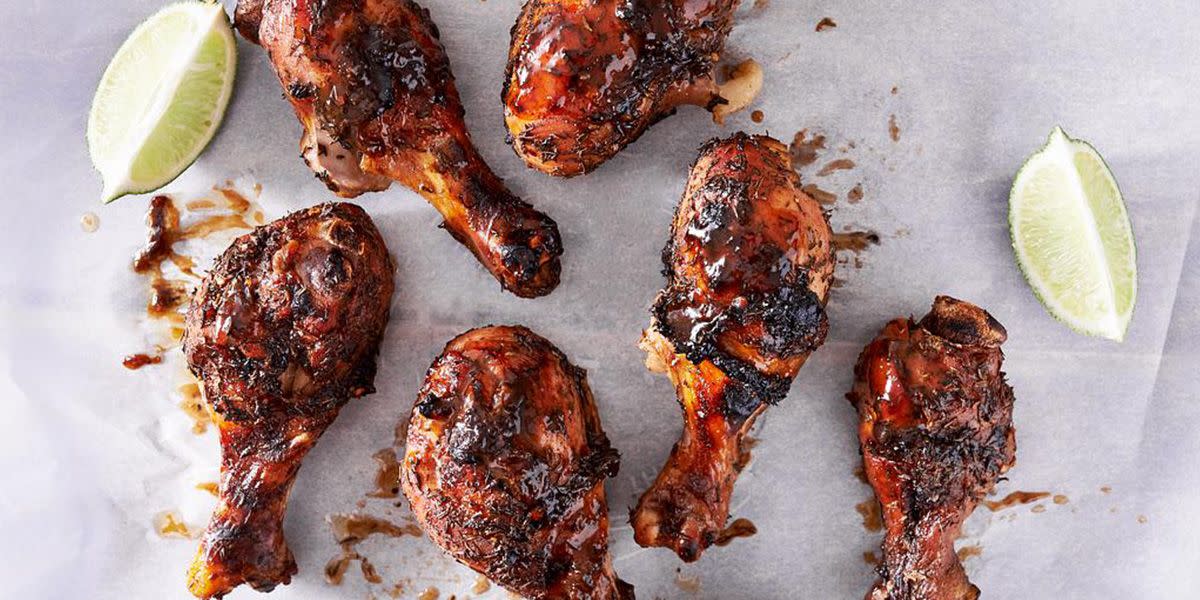
No dish captures the fire and flavor of Jamaican food quite like jerk chicken. Developed by the Maroons—escaped enslaved Africans who took refuge in Jamaica’s mountains—jerk began as both a preservation method and a cultural expression. The marinade is bold and unmistakable: allspice, Scotch bonnet peppers, thyme, and scallions, ground into a fragrant paste that infuses the meat with layered heat and spice.
Traditionally, the chicken is slow-cooked over pimento wood, giving it that signature smoky edge. It’s often served with rice and peas or festival, a slightly sweet fried dough that balances the spice.
Chef Aarthi Sampath brings this island classic to life with her Jamdown Jerk Chicken, perfectly grilled, deeply seasoned, and served with coconut rice, beans, and roasted plantains. It’s a taste of the Caribbean, straight from the source.
2. Curry goat (Jamaica)
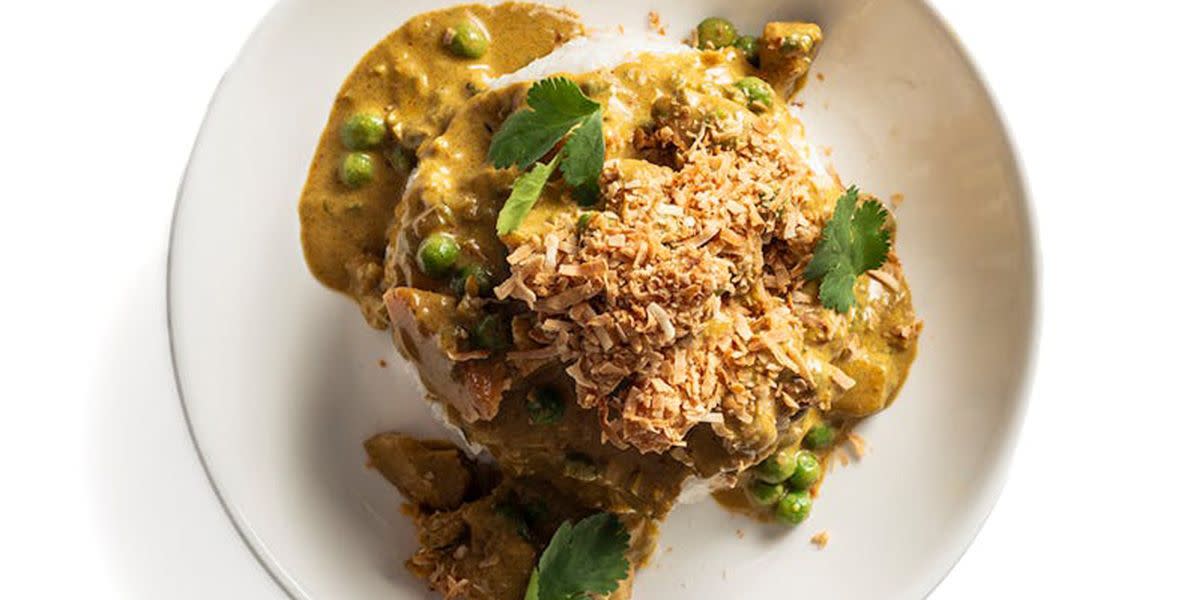
A cornerstone of West Indian food, curry goat reflects the lasting influence of Indian cuisine on Jamaican food culture. Tender goat meat is marinated in a vibrant blend of Caribbean curry powder, Scotch bonnet peppers, garlic, and herbs, then slow-cooked with potatoes until melt-in-your-mouth tender.
Unlike traditional Indian curries, Caribbean curry tends to feature more turmeric, less cumin, and local additions like thyme and scallions. The result is a dish that’s earthy, bold, and full of island warmth—often served with white rice or roti.
For a chicken-based twist on this beloved classic, Chef Michelle Bernstein’s Jamaican Curry Chicken delivers those same rich, aromatic flavors with tender braised chicken, coconut rice, and a finishing touch of toasted coconut.
3. Rice and peas (Jamaica)
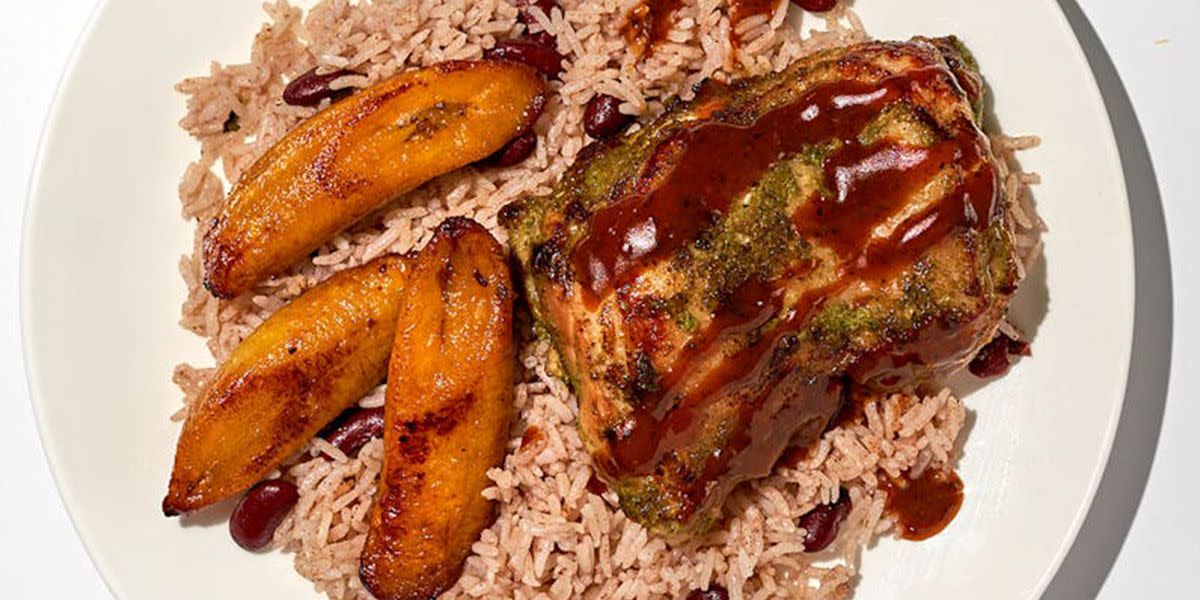
Despite its name, this dish uses kidney beans (not green peas) cooked with rice in coconut milk, herbs, and spices. This Sunday staple appears throughout the Caribbean with regional variations.
The cooking liquid typically includes coconut milk, thyme, scallions, and sometimes scotch bonnet pepper for flavor. The dish's roots trace back to West African one-pot cooking traditions.
Chef Aarthi Sampath reimagines this classic in her Jamdown Jerk Shrimp and Rice, inspired by a cherished island meal. Spicy jerk shrimp are served with coconut rice and kidney beans, sweet roasted plantains, and a bright side of cabbage. It’s bold, balanced, and full of the vibrant flavor that makes Caribbean food so unforgettable.
Want to bring these flavors home? Explore our weekly menu and select your meals.
4. Callaloo (Trinidad/Jamaica)
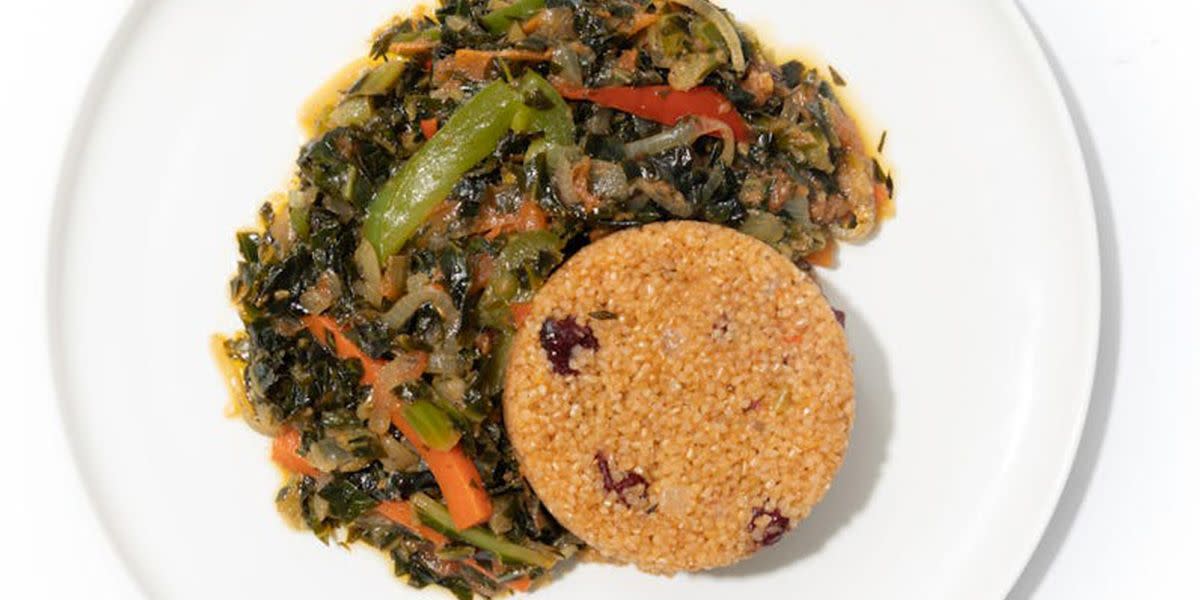
Callaloo is both an ingredient and an iconic Caribbean dish, a rich, nourishing stew made from leafy greens like taro leaves, amaranth, or spinach. Its origins trace directly to West Africa, where leafy green stews remain a staple. Over time, each island has developed its own version, with Trinidad’s callaloo featuring okra, coconut milk, and often crab, while Jamaica’s is heartier, often including saltfish and bold aromatics.
Chef Nahika Hillery’s Jamaican Callaloo stays true to tradition while delivering vibrant, veggie-forward flavor. She sautés the greens with onion, tomato, garlic, habanero, and peppers, then pairs it with a satisfying side of bulgur and peas, lightly garnished with scallion and fresh thyme. It’s comforting, colorful, and full of island soul.
5. Mofongo (Puerto Rico)
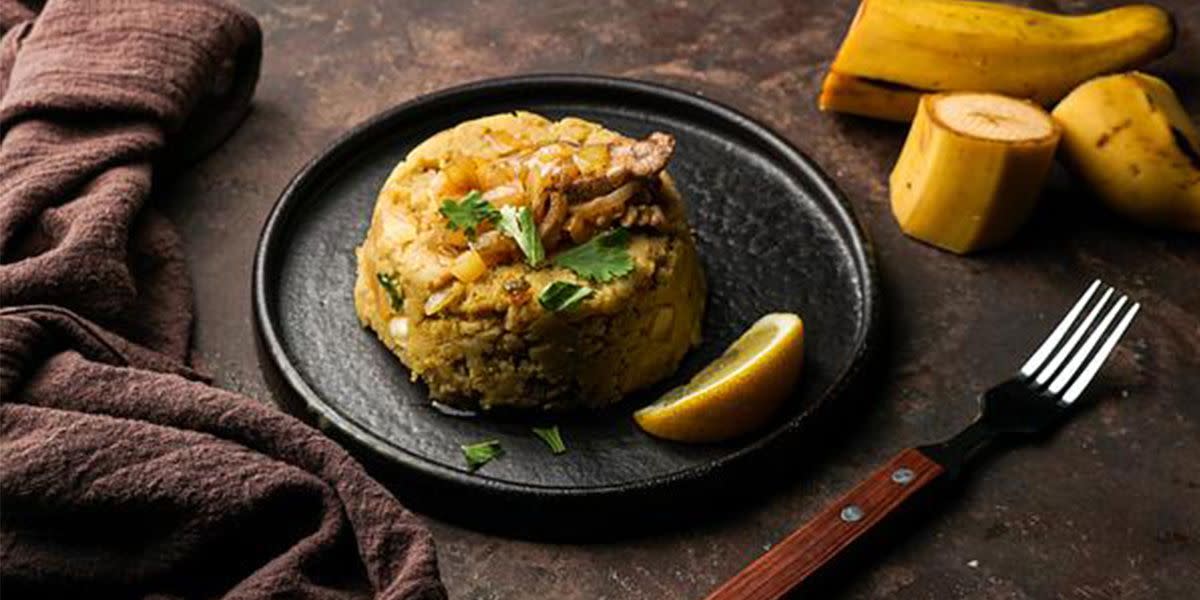
A cornerstone of Puerto Rican cuisine, mofongo is a dish that speaks to the island’s rich cultural tapestry. Green plantains are fried, then mashed with garlic, olive oil, and crispy chicharrones (pork cracklings) using a traditional pilón (wooden mortar). With its African-influenced technique and bold, satisfying flavor, mofongo is as much about heritage as it is about comfort.
Often formed into a bowl and filled with seafood, stewed meats, or chicken, the dish offers a delicious contrast between garlicky plantain and savory fillings. It’s rustic, hearty, and endlessly customizable.
Chef Fabiola Rivera—a Puerto Rico–trained chef with experience at Dorado Beach, a Ritz-Carlton Reserve—brings this island favorite to life at CookUnity. With a background in nutrition and a passion for fresh, flavorful meals, her cooking honors tradition while delivering vibrant, nourishing plates.
6. Ropa vieja (Cuba)
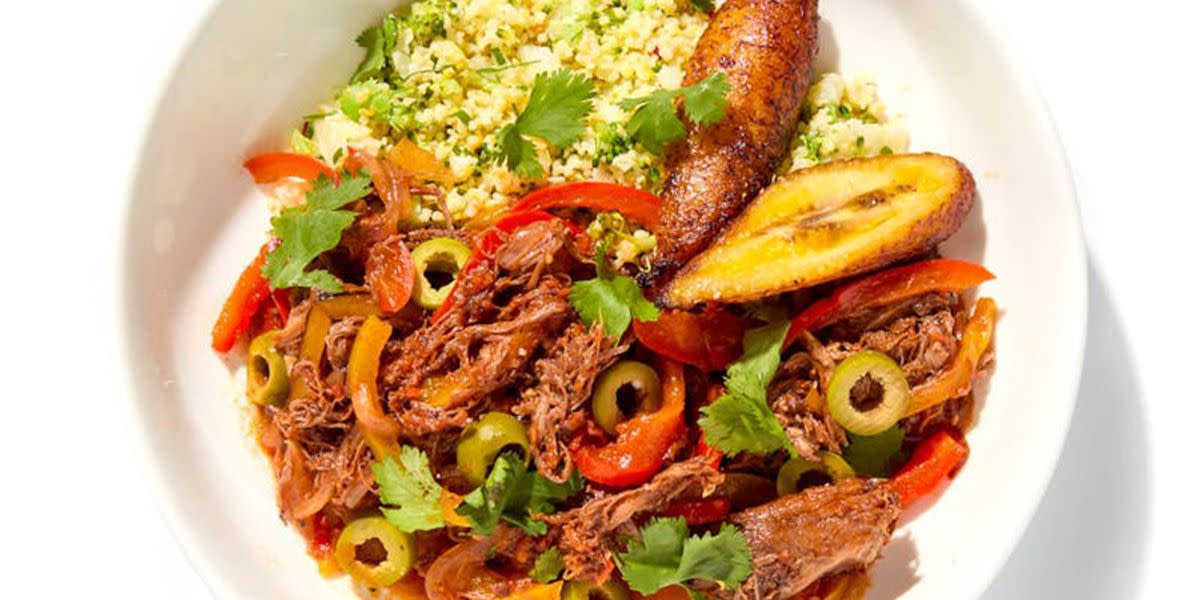
A beloved classic in Cuban cuisine, ropa vieja translates to “old clothes,” referring to the tender, shredded beef that mimics tattered fabric. Traditionally made with flank steak, the meat is slow-braised in a savory tomato-based sauce with bell peppers, onions, garlic, and often a handful of briny olives. The dish originated in the Canary Islands but took root in Cuba, where it evolved into the national dish—celebrated for its deep flavor and humble origins.
Chef Ruben Garcia honors this tradition with his Ropa Vieja Cubana. Beef is braised low and slow in a rich, sofrito-laced tomato sauce until it’s fall-apart tender. He pairs it with a vibrant couscous salad of riced cauliflower, roasted broccoli, and a touch of orange zest, a bright, refreshing contrast to the hearty beef. It's a dish that feels like home, whether you're Cuban or just craving something comforting.
Want a seat at Chef Ruben’s table? Explore our Cuban meals for more authentic dishes from this Caribbean island.
7. Pernil (Puerto Rico)
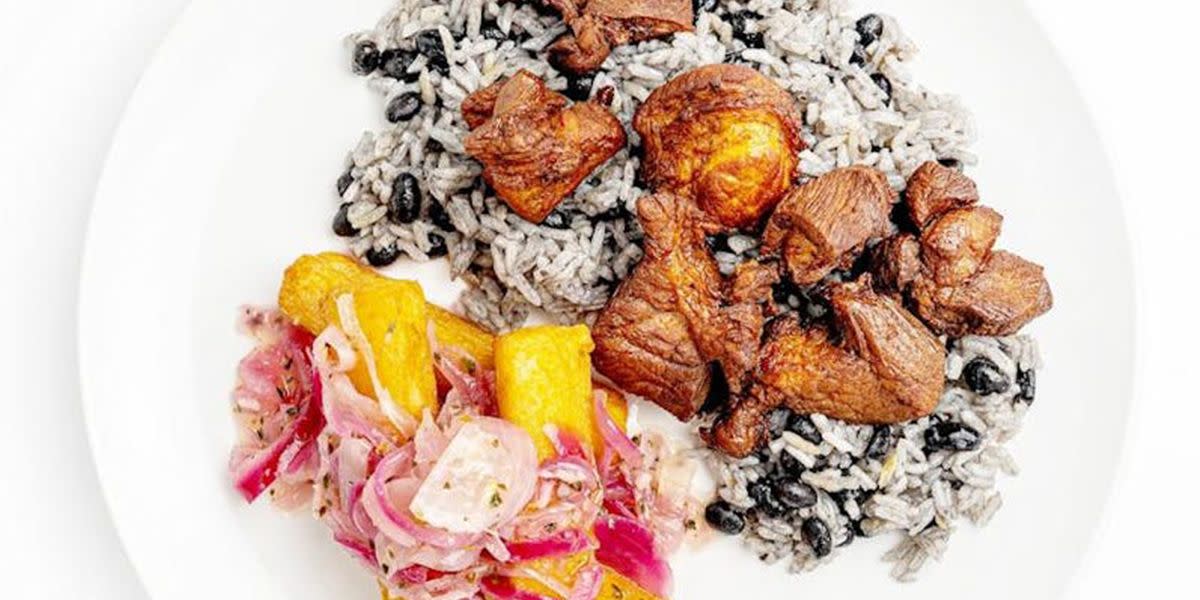
Pernil is the centerpiece of many Puerto Rican celebrations, a slow-roasted pork shoulder marinated in garlic, oregano, black pepper, and sour orange juice. The marinade is often rubbed deep under the skin to infuse every bite with bold flavor. Roasted low and slow, the result is fork-tender meat with irresistible crispy skin (cuero), a textural highlight in every bite.
Served with traditional sides like arroz con gandules (rice with pigeon peas) and tostones (fried green plantains), pernil is a must-have at holidays, family gatherings, and special occasions.
While rooted in Puerto Rican cuisine, pernil is beloved across the Caribbean, including in Cuba, where it takes on its own garlicky twist. Chef Akhtar Nawab honors the Cuban take with his Cuban-Style Pork Pernil: succulent roasted pork served with a zesty mojo sauce made of citrus and garlic. He pairs it with crunchy yucca fries and moro rice (a savory mix of spiced rice and black beans) for a bold, hearty plate that brings serious island flavor.
8. Pastelón (Puerto Rico)
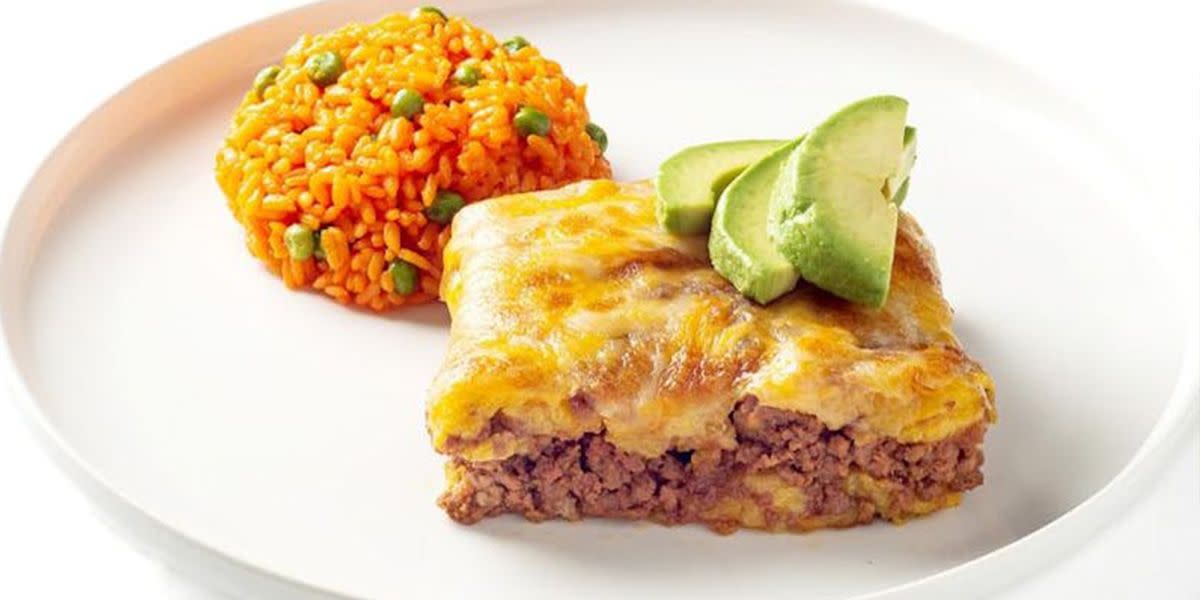
Known as "Puerto Rican lasagna," pastelón is a sweet-and-savory layered dish that combines fully ripened plantains, seasoned ground beef, and melty cheese in a comforting, oven-baked casserole. The plantains, sliced and lightly fried, form the "noodle" layers, while the beef (similar to picadillo) is spiced with garlic, onions, olives, capers, and sometimes raisins for a sweet-savory balance.
Pastelón is a shining example of how European techniques like layered baking merged with local Caribbean ingredients to create something entirely unique and deeply satisfying.
Chef Fabiola Rivera brings this beloved dish to CookUnity with her Puerto Rican Plantain Lasagna (Pastelón). Her version layers sweet plantains with rich tomato-based beef picadillo and a blend of white and yellow cheddar cheeses, served with signature yellow rice and fresh avocado. It’s everything comfort food should be: cheesy, hearty, and bursting with island flavor.
9. Lechon asado (Cuba)
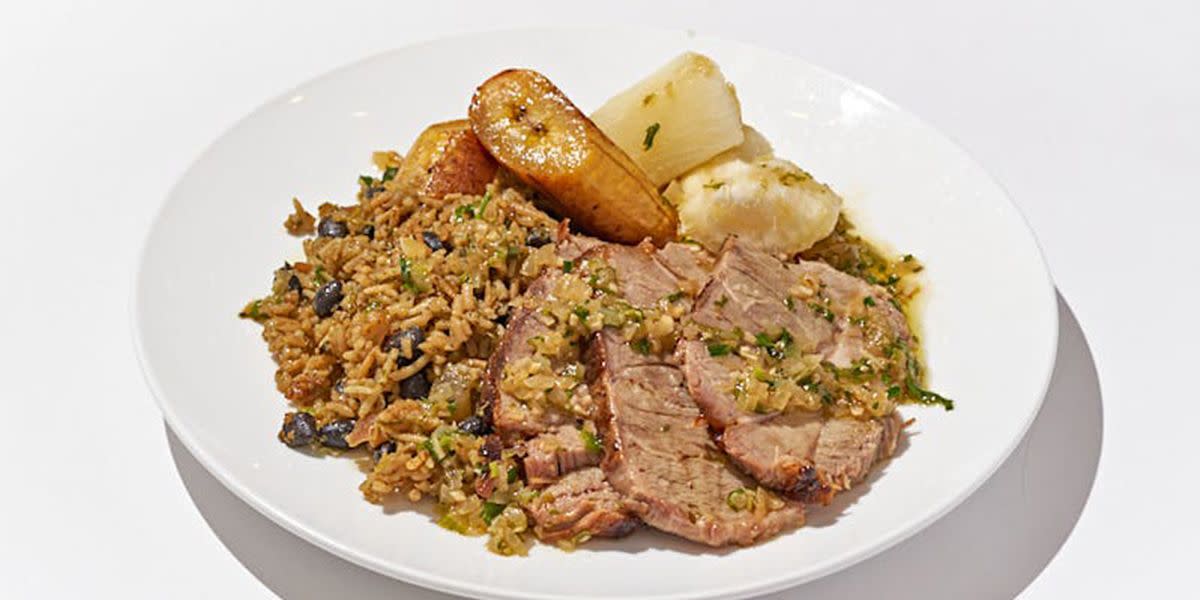
A true centerpiece of Cuban cuisine, Lechón asado is more than just a dish. It’s a celebration. A whole pig is marinated in a vibrant mojo blend of sour orange juice, garlic, oregano, and cumin, then slow-roasted over an open flame. The marinade penetrates overnight, infusing every bite with tangy, aromatic depth while the slow cooking yields tender meat and perfectly crispy skin.
Traditionally served at holidays and large family gatherings, this dish is a flavorful tribute to Caribbean communal dining and culinary heritage.
Chef Jose Garces’ Cuban Lechón Asado draws from this festive tradition with a rich, earthy marinade and a full 24-hour soak to maximize flavor. The pork is roasted until irresistibly crisp and paired with Mojo Criollo sauce, a zesty blend of shallot, orange juices, cumin, and garlic. On the side: arroz morro (basmati rice with black beans and fresh cilantro), steamed yucca, and sweet fried plantains. It’s a warm, comforting dish that captures the essence of a Caribbean holiday table.
10. Pescado con coco (Dominican Republic)
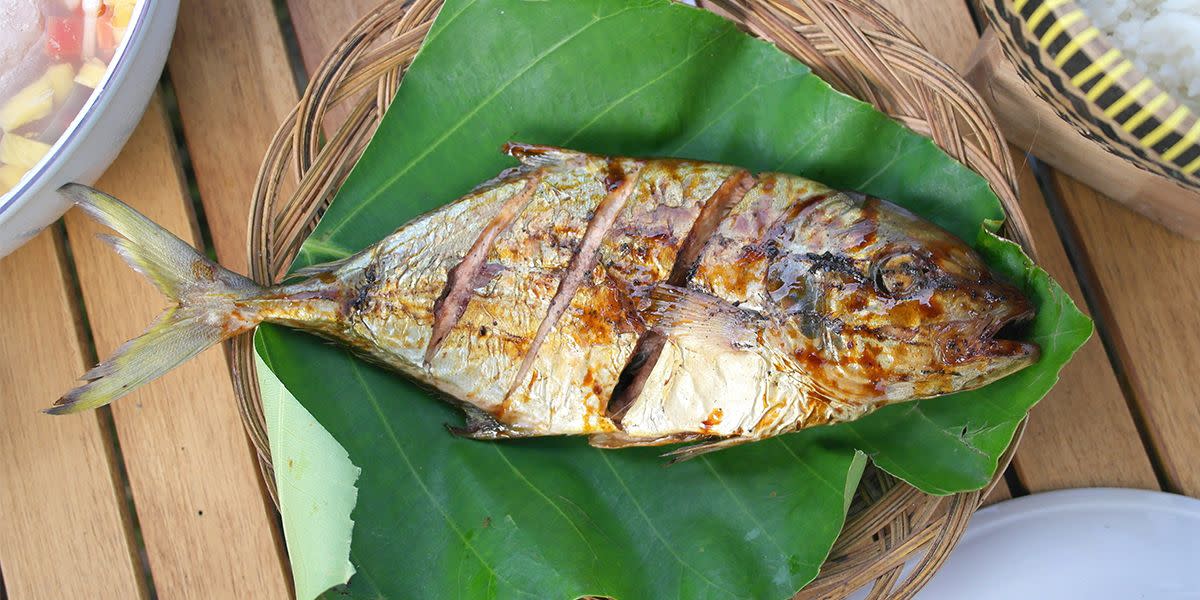
A coastal treasure of the Dominican Republic, pescado con coco (fish with coconut) is a creamy, aromatic dish that showcases the Caribbean’s love of fresh seafood and bold, tropical flavors. Firm white fish—often snapper or grouper—is marinated in citrus and spices, then gently simmered in a coconut milk sauce infused with garlic, bell peppers, onions, and herbs.
The result is tender, flaky fish wrapped in a rich, savory-sweet sauce that speaks to the region’s Afro-Caribbean and Indigenous culinary roots. Some regional versions feature tomatoes, achiote, or a blend of local herbs to deepen the color and complexity.
Served with white rice or fried plantains, pescado con coco is a warm, satisfying dish that captures the coastal essence of Caribbean food at its freshest.
Want to bring these island flavors to your table? Explore our weekly menu and select your meals.
Ways to personalize Caribbean dishes
One of the joys of Caribbean food is its flexibility. Rooted in resourcefulness and cultural fusion, these dishes naturally invite personalization without sacrificing authenticity. Whether you’re adapting to dietary preferences or ingredient availability, there’s room to make it your own.
Plant-based twists: Swap meat for hearty vegetables or legumes—think jackfruit in place of pork for a vegan lechón or chickpeas in a Caribbean curry.
Alternative grains: Try quinoa, bulgur, or cauliflower rice instead of traditional white rice to lighten up the meal while keeping flavor front and center.
Adjusting heat: Tame the fire by removing seeds from Scotch bonnet or substituting with milder peppers like habanero or jalapeño. Just add a splash of citrus to mimic that fruity note.
Flavor boosts: Elevate your version with fresh herbs like culantro or thyme, and don’t skip the marinades, overnight soaking builds unmatched depth.
Whether you're sticking to tradition or adding a modern twist, Caribbean cuisine is all about bold flavors, creativity, and joy in every bite.
Adjusting heat levels
Caribbean cuisine is known for its bold, fiery flavors—but that doesn’t mean every dish has to bring the heat. With a few smart tweaks, you can control spice levels while preserving the depth and vibrancy that makes Caribbean food so memorable.
Scotch bonnet peppers, a staple in many recipes, pack serious punch. To enjoy their fruity complexity without overwhelming heat, try these strategies:
Mild flavor extraction: Add the whole pepper during cooking and remove it before serving. This infuses flavor without the full heat.
Medium heat option: Swap in habaneros (slightly milder), removing the seeds and membranes for a gentler burn.
Low heat alternative: Use jalapeños or a small dash of your favorite hot sauce for subtle spice.
When dialing down the peppers, boost aromatics like ginger, garlic, thyme, and green onions to keep the flavor bold and layered.
Spice level is personal. Caribbean meals let you make it yours.
Dietary adaptations
Caribbean food is deeply rooted in adaptability, making it perfect for modern dietary needs without losing its soul. Whether you’re eating plant-based, gluten-free, or just exploring new textures, there are plenty of ways to make traditional dishes work for you.
Plant-based swaps: Use jackfruit in place of pork for dishes like ropa vieja or lechón asado. When seasoned well, its fibrous texture mimics shredded meat beautifully.
Gluten-free alternatives: Swap wheat flour with cassava flour, a naturally gluten-free Caribbean staple ideal for making fried dumplings, breads, and even thickening stews.
Flavor without compromise: Lean on bold aromatics like thyme, allspice, and coconut milk to retain richness, even when adapting the dish.
Chef Nahika Hillery’s Kreyol Braised Vegetables is a perfect example of this balance. Her vibrant, plant-based dish features squash, eggplant, cabbage, and peppers, all simmered in a rich, spiced broth. Served with Haitian black rice, sautéed bell peppers, and sweet fried plantains, it delivers comfort and complexity in every bite, proving that authenticity doesn’t need meat to shine.
With a few thoughtful tweaks, you can enjoy the best Caribbean food on your terms.
Finding modern Caribbean meals
As the love for Caribbean food spreads, many home cooks and food enthusiasts still face a common challenge: finding truly authentic, chef-crafted dishes outside the islands. Whether it’s the lack of traditional ingredients, time-intensive preparation, or simply not knowing where to start, access remains limited for many.
Thankfully, modern solutions are changing that. Meal delivery services like ours connect food lovers with real chefs who bring Caribbean cuisine to life using time-honored techniques, bold spices, and regional ingredients—no passport or prep required.
From jerk chicken and callaloo to pastelón and Kreyol vegetable stews, our Caribbean meal delivery service brings the heart and soul of the islands directly to your table—fresh, flavorful, and ready to enjoy.
Accessibility challenges
While the flavors of Caribbean cuisine are globally beloved, recreating authentic dishes at home can still feel out of reach for many. In areas without strong Caribbean communities, sourcing key ingredients like Scotch bonnet peppers, culantro, or taro leaves can be difficult. And even when the ingredients are available, traditional recipes often require time-intensive prep, like overnight marinades, slow braises, or specialized equipment such as wooden pilones for mofongo or traditional pots for rice.
These barriers can turn even passionate food lovers away from trying to make Caribbean meals at home, leaving them craving the real thing without a clear way to enjoy it.
That’s where chef-crafted meal delivery comes in, bringing the expertise, ingredients, and time-tested techniques straight to your table.
Modern solutions
Caribbean meal delivery services are helping bridge the gap between craving and convenience, bringing authentic island flavors directly to your door. With meals crafted by expert chefs, these services remove the need to source hard-to-find ingredients or spend hours marinating and slow-cooking.
Pre-made spice blends and traditional marinades capture the bold, complex flavor profiles of Caribbean cuisine, while modern preparation methods ensure every bite stays true to its roots. These offerings make it easier than ever for home cooks and busy food lovers to enjoy genuine Caribbean dishes, without compromise.
Did you know? Many Caribbean dishes actually taste better the next day, as the flavors deepen and meld. That makes them ideal for meal prep and delivery, giving you a delicious, ready-to-enjoy experience at home.
Frequently asked questions about Caribbean food
Are these meals safe for those with severe dietary allergies, such as dairy, soy, and nuts?
While our meals are crafted without certain ingredients, they're prepared in kitchens where cross-contamination may occur. If your allergy is life-threatening, we recommend reviewing ingredient labels carefully before eating.
What are typical Caribbean side dishes?
Caribbean side dishes include rice and peas, fried plantains, callaloo, festival (fried dough), and cassava-based sides like bammy. These starchy accompaniments complement the bold flavors of main dishes.
What are the six food groups in the Caribbean?
The Caribbean food groups include staples (rice, bread, ground provisions), foods from animals (meat, dairy), legumes, fruits, vegetables, and fats/oils, a system developed to promote balanced nutrition in the region.
Which Caribbean island has the best food?
Each Caribbean island offers unique culinary treasures: Jamaica is known for jerk, Trinidad for its street food, Puerto Rico for mofongo, and Cuba for ropa vieja, making it impossible to crown a single "best" cuisine.
How can I find quick easy Caribbean recipes?
For quick Caribbean recipes, look for one-pot meals like rice and peas, simple marinades for grilled meats, or consider chef-prepared options from delivery services specializing in authentic Caribbean cuisine.

Be the first to know about new offers
Multiorder discounts, free items and more.