Back
Tapas: Everything to know about Spanish small plates
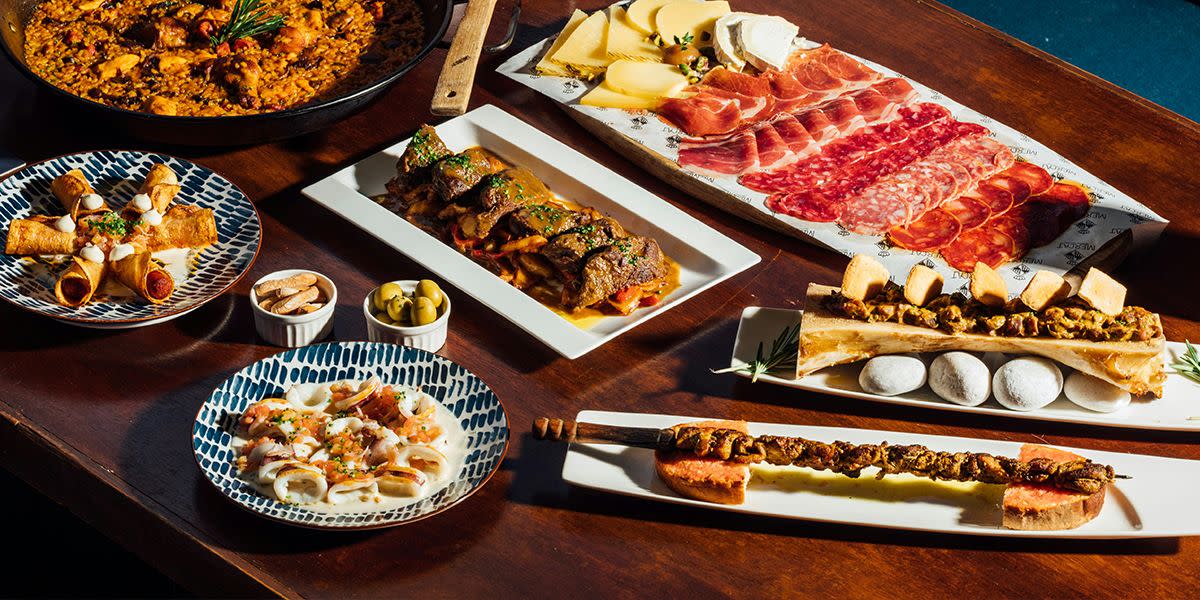
In Spain, tapas are more than just small plates. They are a way to turn a meal into a lively, shared experience filled with variety and conversation. These bite-sized dishes, from sizzling garlic shrimp to crispy potatoes with spicy sauce, capture the essence of Spanish dining and have inspired a global love for sharing food in this vibrant style. In this guide, you’ll learn what tapas are, discover their origins, explore classic and modern dishes, and find tips for enjoying them at home.
Key takeaways:
Tapas began as simple covers for drinks and evolved into one of the most iconic Spanish small plates traditions, featuring everything from garlic-sizzled shrimp to crispy potatoes with spicy sauce.
The Spanish tapas experience is inherently social, encouraging sharing, conversation, and sampling a wide variety of Spanish appetizers instead of committing to a single large dish.
Traditional tapas bars in Spain serve dishes progressively throughout the evening, often paired with drinks like sherry, wine, or vermouth that enhance the flavors.
Creating authentic Spanish tapas at home is about balance: mix hot and cold dishes, include different textures, and build a progression of flavors from mild to bold.
What are tapas?
Tapas are small, shareable dishes from Spain, often enjoyed with wine, beer, or sherry. The word tapa means “cover” or “lid” in Spanish, a nod to the original custom of placing a slice of bread or meat over a drink to keep flies away.
Today, Spanish tapas have become a celebrated dining style centered on sampling a variety of flavors in a single meal. These Spanish small plates can be as simple as marinated olives or as elaborate as garlic-sizzled shrimp, reflecting the diversity of Spain’s regional cuisines.
The culture of tapas is deeply social, designed for conversation and connection. It’s about enjoying many different tastes and textures at a relaxed pace, making tapas one of the most beloved Spanish appetizers around the world.
The origins of Spanish tapas
Spanish tapas began as a practical solution in the taverns of Spain and evolved into one of the country’s most cherished culinary traditions. According to popular legend, King Alfonso X of Castile required taverns to serve small bites of food with wine to help prevent overindulgence.
Another popular theory traces the name tapa—meaning “cover” in Spanish—to the custom of placing a slice of bread or cured meat over a glass to keep flies out. What started as a simple necessity eventually developed into the diverse and flavorful tradition of Spanish small plates enjoyed around the world today.
For a taste of this heritage, Chef Cedric Nicolas’ Pulpo a la Gallega offers an authentic example of Spanish appetizers at their finest, featuring tender octopus served Galician-style with olive oil, paprika, and sea salt.
Classic Spanish tapas dishes
Gambas al ajillo
Gambas al ajillo is one of the most iconic Spanish tapas, featuring plump shrimp sautéed in olive oil with plenty of garlic and a touch of chili for gentle heat. Traditionally served sizzling in a rustic clay dish called a cazuela, this flavorful seafood favorite captures the essence of Spanish small plates—simple preparation, premium ingredients, and bold flavor.
For a creative twist on this traditional Spanish appetizer, Chef Tony Perez’s Sweet Heat Honey Chipotle Shrimp layers smoky-sweet notes over the classic garlic shrimp profile, bringing a modern edge to a beloved dish.
Patatas bravas
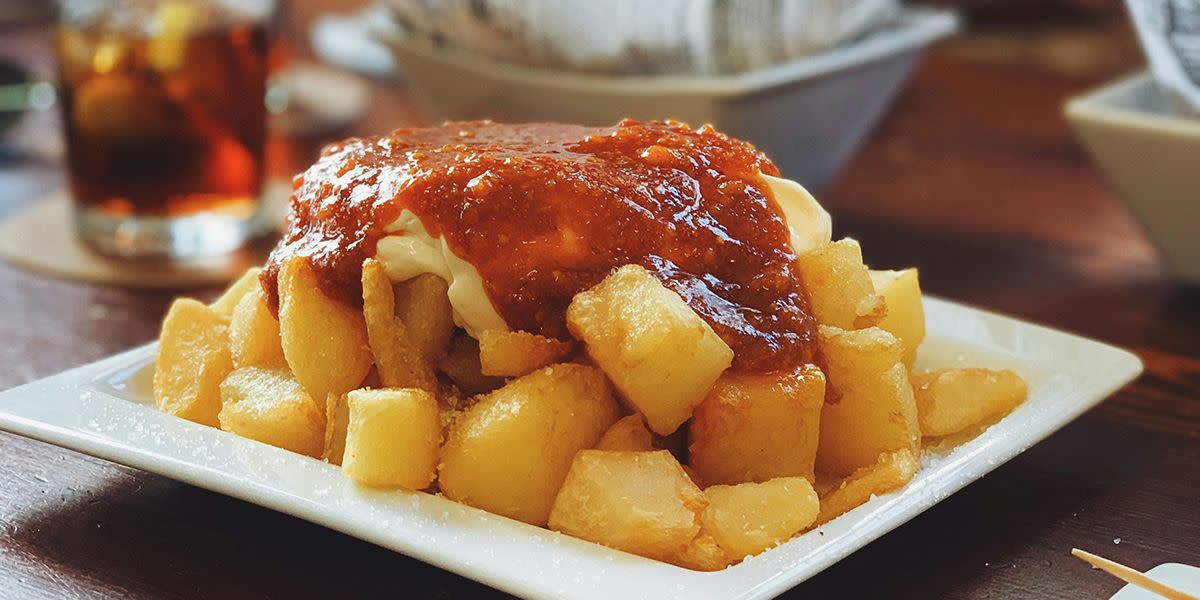
Patatas bravas is a classic of Spanish tapas culture, featuring golden, crispy potato cubes topped with a vibrant, spicy tomato sauce and often finished with creamy garlic aioli. A fixture in bars across Madrid and beyond, this vegetarian-friendly favorite is one of the most popular Spanish appetizers for its satisfying mix of textures and bold, savory flavors.
The crisp exterior and fluffy interior of the potatoes contrast beautifully with the heat of the sauce and the cool creaminess of the aioli. It’s a prime example of how Spanish small plates transform simple ingredients into unforgettable bites.
Tortilla española
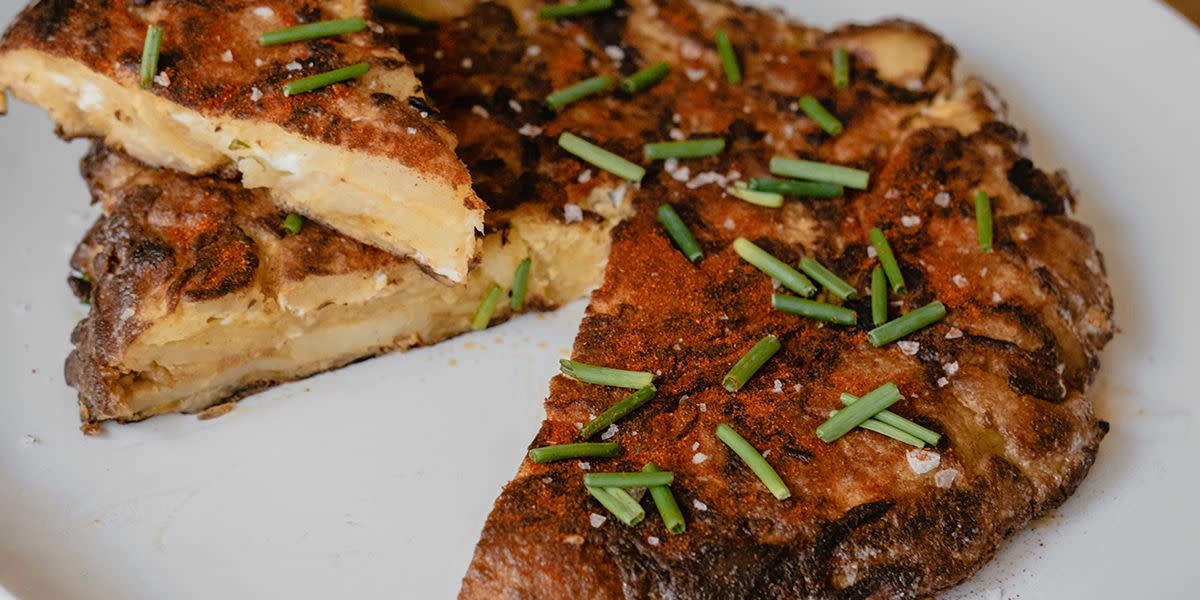
Tortilla española is a thick potato and onion omelet that stands apart from the delicate French version. This hearty staple of Spanish tapas is cooked low and slow until the exterior turns golden and the inside stays tender and slightly creamy.
Often served at room temperature and sliced into wedges, it is one of the most versatile Spanish small plates, enjoyed for breakfast, a quick lunch, or as a satisfying evening tapa.
For an easy way to bring the flavors of Spain into your kitchen, explore our weekly menu of chef-prepared dishes inspired by traditional Spanish cuisine.
Jamón ibérico and manchego
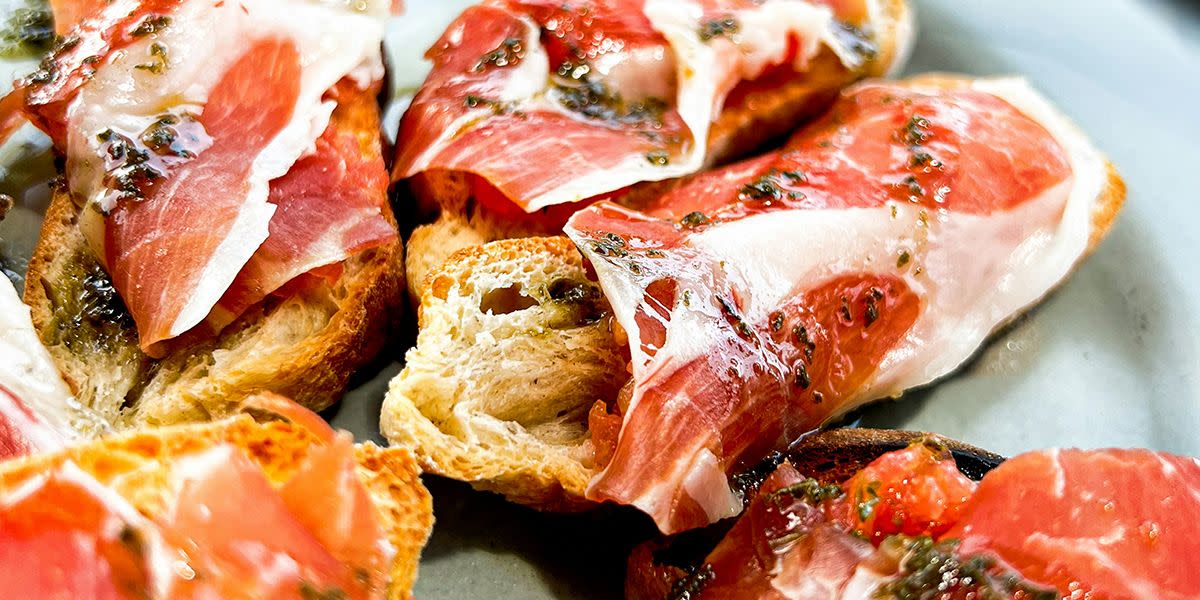
Jamón ibérico is Spain’s prized cured ham, made from black Iberian pigs that roam freely in oak forests and feast on acorns, giving the meat its signature nutty flavor. It is often served sliced paper-thin alongside wedges of aged Manchego cheese, a pairing that reflects the Spanish appreciation for simple, high-quality ingredients.
The salt-cured ham develops its complex flavor over years of careful aging, resulting in a delicacy that needs no cooking or elaborate preparation. Together, the rich, savory jamón and the firm, slightly tangy Manchego create a classic combination found on tapas menus throughout Spain.
Croquetas (Spanish croquettes)
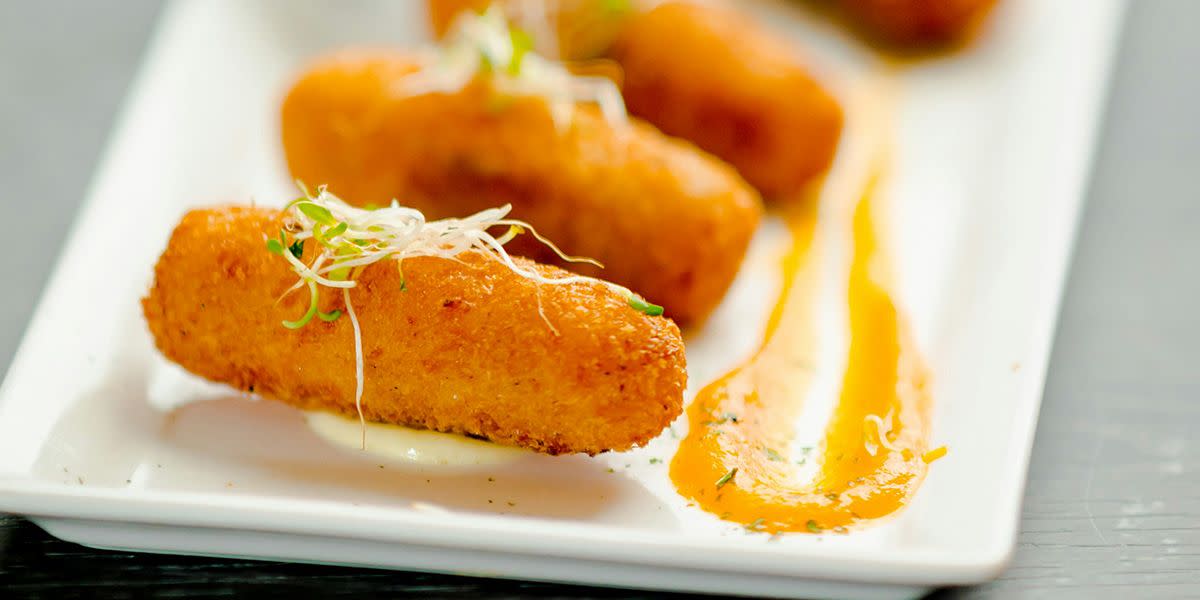
Croquetas are creamy béchamel fritters traditionally filled with ingredients like ham, chicken, mushrooms, or seafood. Their appeal lies in the contrast between a crispy golden exterior and a silky, flavorful interior, making them one of the most beloved comfort foods in Spanish cuisine.
These small, cylindrical bites reveal the influence of French cooking techniques on Spanish food. The method may have originated in France, but the flavor—especially in jamón croquetas made with Spanish cured ham—is unmistakably Spanish.
How tapas are served
The tapas bar experience
Traditional Spanish tapas bars are lively spaces, often packed shoulder to shoulder, where guests gather around high tables or the bar. The atmosphere encourages movement, conversation, and a gradual ordering style that lets the night unfold at its own pace.
Instead of placing one large order, patrons typically select a few tapas at a time, adding more as the evening goes on. This creates a natural rhythm to the meal, allowing diners to sample a range of flavors and textures. Chef Maribel Rivero’s Poached Shrimp Salad with Marinated Artichokes reflects the light, refreshing qualities often found in the first dishes served during a tapas experience.
Pairing tapas with Spanish drinks
The right drink can elevate the flavor of traditional Spanish tapas and complete the dining experience. Classic pairings include:
Sherry and seafood: Crisp, dry sherry such as fino or manzanilla pairs beautifully with briny seafood tapas.
Red wine and meat: Bold Spanish reds like Rioja or Tempranillo enhance the richness of meat-based dishes.
Vermouth with olives: Vermouth served over ice is a perfect match for olives and other pickled bites.
Beer and fried items: A cold Spanish beer cuts through the richness of fried tapas such as croquetas.
In Spain, these beverages are not just side notes. They are chosen with intention, becoming an integral part of the authentic tapas experience.
The art of sharing and sampling
Tapas dining is built on the joy of sharing. Friends or family gather around the table, ordering several dishes to enjoy together, rather than each person committing to a single plate. This approach allows everyone to taste a broader range of flavors and textures, from fresh seafood to savory vegetarian bites.
A well-balanced tapas spread offers variety in temperature, texture, and intensity, creating a satisfying progression from lighter dishes to bolder flavors. The social connection that comes from passing plates and talking between bites is just as central to the experience as the food itself.
For those who want to enjoy authentic Spanish tapas at home without cooking, explore our Spanish meal delivery options crafted by award-winning chefs who specialize in the flavors of Spain.
Cold tapas favorites
Boquerones (marinated white anchovies)
Boquerones are fresh anchovies marinated in vinegar, olive oil, and garlic – worlds apart from the salty, canned variety. This acid-curing process "cooks" the fish without heat, resulting in tender, flavorful fillets with a bright, clean taste.
Popular along Spain's coastal regions, particularly in Andalusia, these silver-white fish are typically served simply with a drizzle of good olive oil and perhaps some minced parsley. They offer a perfect introduction to Spanish seafood for those who think they don't like anchovies, providing healthy omega-3 fats¹ that may support heart health.
Pan con tomate (tomato bread)
Pan con tomate is a classic Catalan dish that proves the beauty of Spanish tapas lies in quality ingredients and simple preparation. Thick slices of rustic bread are lightly toasted, rubbed with garlic and ripe tomato, then finished with a drizzle of extra virgin olive oil and a sprinkle of sea salt.
This traditional Spanish appetizer is often enjoyed as a light breakfast, a midday snack, or part of a tapas spread. It captures the essence of authentic Spanish food by letting fresh, seasonal ingredients shine without unnecessary complexity. For a refreshing pairing, Chef Einat Admony’s Tomato Strawberry Gazpacho offers a creative cold tapa that complements the bread’s savory simplicity.
Spanish cheese and charcuterie selections
Spanish tapas often feature a carefully chosen mix of cheeses and cured meats that celebrate the country’s regional diversity. Beyond the well-known Manchego from La Mancha, you might find:
Cabrales: A bold, blue-veined cheese from Asturias
Idiazábal: A smoked sheep’s milk cheese from Basque Country
Tetilla: A soft, creamy cow’s milk cheese from Galicia
These cheeses are typically paired with cured meats like chorizo, lomo, and salchichón. Served on wooden boards with accompaniments such as membrillo (quince paste) or honey, they showcase Spain’s artisanal food traditions and the emphasis on high-quality, minimally processed ingredients that defines authentic Spanish food.
Vegetarian and vegan tapas options
Many traditional Spanish appetizers are naturally plant-based, making Spanish cuisine a welcoming choice for vegetarians and vegans. Simple options like marinated olives share the table with more elaborate vegetable tapas, all highlighting Spain’s agricultural bounty.
Regional differences influence what you’ll find. Along the Mediterranean coast, menus often feature lighter, vegetable-forward plates such as escalivada (roasted peppers and eggplant) or espinacas con garbanzos (spinach with chickpeas). Inland regions tend toward heartier preparations, though even there you can enjoy classics like patatas bravas or pimientos de Padrón.
Pimientos de padrón (blistered peppers)
Pimientos de Padrón are small green peppers from Galicia that are quickly fried until their skins blister, then sprinkled with coarse sea salt. Their charm lies in the element of surprise: most are mild, but every so often one delivers a burst of heat.
This tapa captures the essence of authentic Spanish food by using just a few quality ingredients and letting their natural flavors shine. The quick frying process enhances the peppers’ sweetness and adds a delicate smokiness, making them a favorite in Spanish tapas bars.
Interested in making authentic Spanish rice dishes at home? Check out our comprehensive guide to making perfect paella with expert tips and traditional recipes.
Espinacas con garbanzos (spinach with chickpeas)
Espinacas con garbanzos is a comforting Andalusian tapa with clear Moorish influences. It combines tender spinach and hearty chickpeas in a warm sauce seasoned with cumin, paprika, and garlic.
This naturally vegan, protein-rich dish highlights the adaptability of traditional Spanish food, showing how Spain has embraced and reinterpreted flavors from North Africa and the Middle East. Served hot, it works beautifully as part of a tapas spread or as a satisfying light meal on its own.
Meat and seafood tapas specialties
Albóndigas (Spanish meatballs)
Albóndigas are tender Spanish meatballs simmered in a rich tomato-based sauce. Unlike Italian versions, they often include pine nuts, fresh herbs, and sometimes a touch of cinnamon or saffron, a nod to Spain’s Moorish culinary heritage.
Served as a popular Spanish tapa, albóndigas are perfect for scooping up with crusty bread. Recipes vary by region, with some using beef while others favor pork, veal, or a mix of meats, each producing its own signature flavor and texture.
Pulpo a la gallega (Galician octopus)
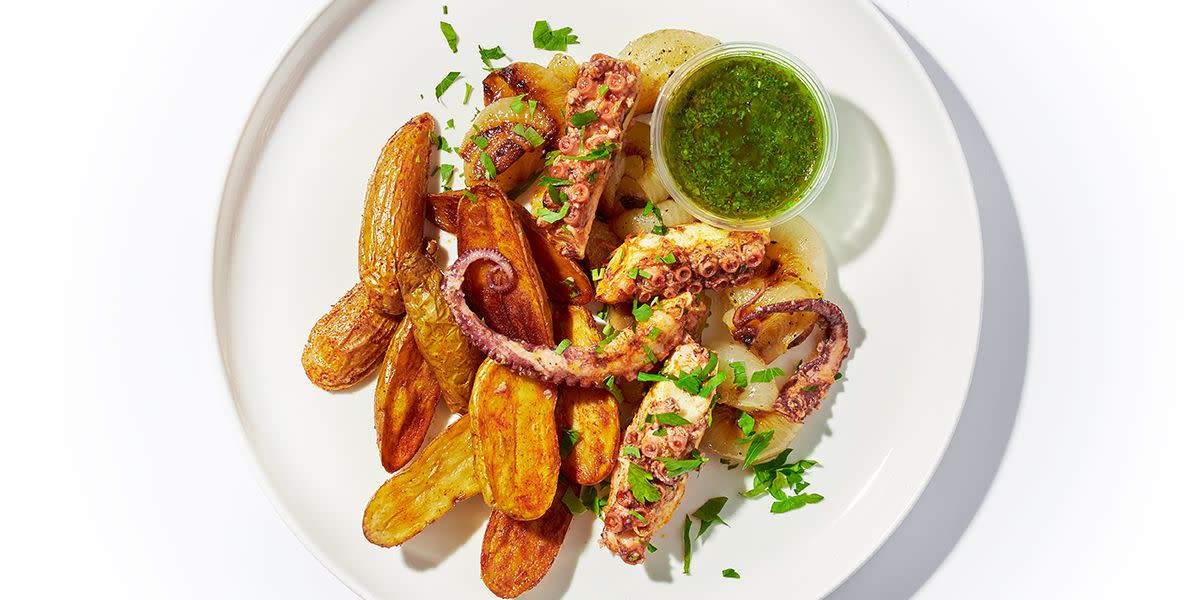
Pulpo a la gallega is a traditional Galician tapa that highlights Spain’s skill in simple yet flavorful seafood preparations. The octopus is boiled until perfectly tender, sliced, then dressed with extra virgin olive oil, Spanish paprika, and sea salt. It is often served on wooden plates with soft-boiled potatoes, which soak up the seasoned oil.
Though the recipe appears straightforward, achieving the ideal tenderness requires experience and attention, making it a true showcase of authentic Spanish food traditions.
Pinchos morunos (spiced meat skewers)
Pinchos morunos are a flavorful example of traditional Spanish tapas with clear North African influences. Small pieces of pork, lamb, or chicken are marinated in olive oil with cumin, paprika, turmeric, and other warm spices before being grilled over high heat. The result is tender, aromatic meat with a smoky, charred exterior that pairs beautifully with fresh bread or a crisp salad.
For a seafood-inspired take on this tradition, Chef Ahmet Kiranbay’s Un-Skewered Grilled Shrimp Kebab delivers the same bold flavors and grill-kissed appeal, swapping meat for plump shrimp that are perfectly cooked and full of Mediterranean character.
Enjoying tapas at home
Creating a Spanish tapas menu
Building an authentic Spanish tapas spread at home is about variety and balance. Aim for a mix that delights both the palate and the eyes:
Balance across textures: Pair something cold like marinated olives with something hot like gambas al ajillo, and include something more substantial such as tortilla española.
Variety of preparations: Combine raw, cooked, fried, and marinated dishes to keep each bite interesting.
Progression of flavors: Start with lighter items and gradually introduce bolder flavors so the meal feels like a true Spanish small plates experience.
Essential Spanish ingredients
Stock your pantry with these key ingredients for authentic Spanish tapas:
Extra virgin olive oil: The foundation of Spanish cooking
Pimentón (Spanish paprika): Available in sweet, bittersweet, and hot varieties
Saffron: Expensive but essential for certain dishes
Sherry vinegar: Adds depth and acidity
Spanish olives: Particularly Manzanilla or Arbequina varieties
For hard-to-find items, reasonable substitutions include regular paprika for pimentón and white wine vinegar for sherry vinegar.
Presentation and serving tips
Part of the charm of Spanish tapas lies in how they are served. In Spain, these small plates often arrive in cazuelas (traditional clay dishes), on small plates, or even atop slices of crusty bread. At home, you can recreate the look with ramekins, appetizer plates, or even a muffin tin for bite-sized portions.
Serve hot tapas straight from the stove or oven so they keep their texture and flavor. Arrange cold items so guests can easily reach them, and present everything family-style in the center of the table to encourage sharing. The goal is to make your home feel like a lively Spanish tapas bar—vibrant, informal, and full of variety.
Modern tapas innovations
While traditional Spanish tapas remain timeless, many chefs are reimagining these small plates with global flavors and inventive presentations. Modern interpretations might pair classic Spanish ingredients with unexpected spices, incorporate international cooking methods, or rework familiar dishes into new forms.
Chef Ludo Lefebvre’s Pan-Seared Branzino with Ratatouille captures this spirit of innovation. It preserves the essence of Spanish small plates—fresh, high-quality ingredients served in a shareable format—while blending Mediterranean techniques for a contemporary twist.
International adaptations
As Spanish tapas have gained global recognition, chefs around the world have embraced the concept, adapting it to local ingredients and culinary traditions. In the United States, “tapas-style dining” often refers to any small plates format, regardless of origin.
The most successful adaptations preserve the spirit of Spanish small plates: social sharing, high-quality ingredients, and vibrant flavors, while weaving in regional influences. This cross-cultural approach has shaped small plate dining from high-end restaurants to relaxed neighborhood spots.
For a taste of Mediterranean-inspired Spanish appetizers with global flair, explore our pescatarian meal delivery options featuring chef-crafted seafood dishes that echo the flavors of Spain’s coasts.
Experience Spanish culinary tradition at home
Tapas are more than just a meal. They reflect Spain’s love of unhurried, social dining, where Spanish small plates create opportunities to share, sample, and enjoy a variety of flavors in one sitting. Their variety and flexibility make them ideal for bringing friends and family together.
Our award-winning chefs craft Mediterranean-inspired dishes that capture the essence of authentic Spanish food. Each recipe is rooted in tradition, made with high-quality ingredients, and designed to deliver the flavors of Spanish tapas without the time or effort of cooking them yourself.
Explore our Spanish meal delivery options to enjoy chef-made classics and creative interpretations, all bringing the vibrant tastes of Spain to your table with convenience and authenticity.
Frequently asked questions about tapas
What is tapas in Spanish cuisine?
Tapas are small, shareable dishes served in Spanish bars and restaurants, designed to be enjoyed with drinks and in the company of others, ranging from simple olives to elaborate seafood or meat preparations.
How many tapas make a full meal?
For a satisfying meal, most diners order 3–5 tapas³ per person, though this varies based on hunger levels, dish sizes, and whether you're having a light meal or full dinner.
What are the most traditional Spanish tapas?
The most traditional Spanish tapas include patatas bravas (fried potatoes with spicy sauce), tortilla española (potato omelet), gambas al ajillo (garlic shrimp), jamón ibérico (cured ham), and croquetas (breaded and fried béchamel with various fillings).
Are tapas served only in Spain?
Tapas originated in Spain but have gained worldwide popularity, with tapas bars and restaurants now found in major cities across the globe, often featuring local adaptations of the concept.
Sources:

Be the first to know about new offers
Multiorder discounts, free items and more.