Back
From taro fields to food truck grills, Hawaiian foods carry the legacy of the islands’ many cultures, ingredients, and traditions. This isn’t a cuisine that stays still. It’s one that travels, evolves, and gathers flavor with every generation. What began with native Hawaiian staples like poi and fresh-caught fish now includes a world of influences, from Japanese bento to Portuguese malasadas.
In this guide, you’ll explore iconic Hawaiian dishes—from ancient classics to local comfort foods—and learn how Hawaiian cuisine came to reflect the full spectrum of food in Hawaii today.
Key takeaways:
Hawaiian cuisine brings together native ingredients and global influences, including Japanese, Chinese, Portuguese, Filipino, and American traditions.
Signature dishes like poke, kalua pig, and loco moco reflect a love of fresh seafood, slow cooking, and comforting flavors.
Many classic Hawaiian foods took shape during the plantation era, where diverse communities shared meals and techniques.
At the heart of it all is the spirit of aloha—food that connects people through flavor, history, and community.
What is Hawaiian cuisine?
Hawaiian cuisine is a flavorful reflection of the islands’ layered history. It begins with native staples like taro, sweet potatoes, coconut, and fresh seafood, ingredients rooted in the land and cultural tradition. As immigrants from Japan, China, Portugal, the Philippines, and the American mainland arrived, they brought new techniques and ingredients that shaped the islands’ evolving food culture.
Chinese laborers introduced rice and wok cooking. Japanese influence brought bento-style meals, miso, and teriyaki. Portuguese settlers added sweet bread and malasadas, while Filipino cooks shared vinegar-based stews and adobo-style flavor profiles. These global elements came together with local ingredients to form what we now recognize as Hawaiian cuisine.
Hawaiian food is more than a collection of dishes. It’s a living archive of cultural exchange and adaptation, told through flavor.
10 essential Hawaiian foods that define island flavor
From native staples to multicultural comfort foods, these iconic Hawaiian dishes capture the full spectrum of the islands’ culinary identity. Each one reflects a chapter in Hawaii’s history, rooted in tradition, shaped by migration, and passed down through generations.
1. Poke
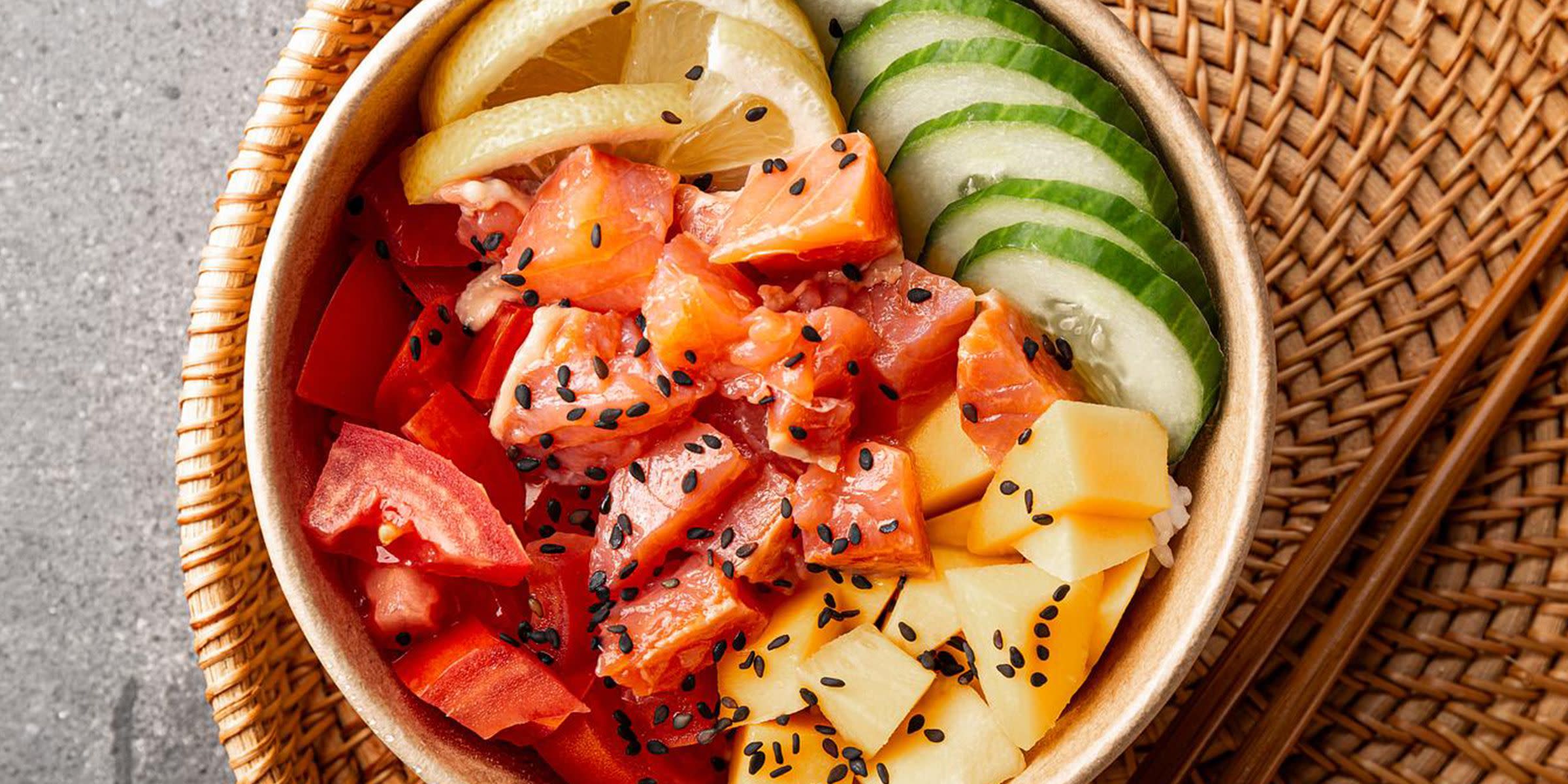
Poke (pronounced poh-kay) is one of Hawaii’s most iconic dishes. Traditionally made with cubed fresh ahi tuna, it’s marinated in soy sauce, sesame oil, green onions, and limu seaweed. The dish began as a simple fisherman’s snack, rooted in freshness and minimal prep. Today, poke continues to evolve with variations that include ingredients like avocado, chili oil, and spicy mayo.
If you’re craving those vibrant flavors but want to skip the sourcing and slicing, we’ve got you covered. Our Japanese Salmon Poke Bowl by Chef Santiago Lopez delivers fresh salmon, seasoned rice, and colorful vegetables in a balanced, ready-to-eat dish that brings the spirit of poke straight to your table.
2. Spam musubi
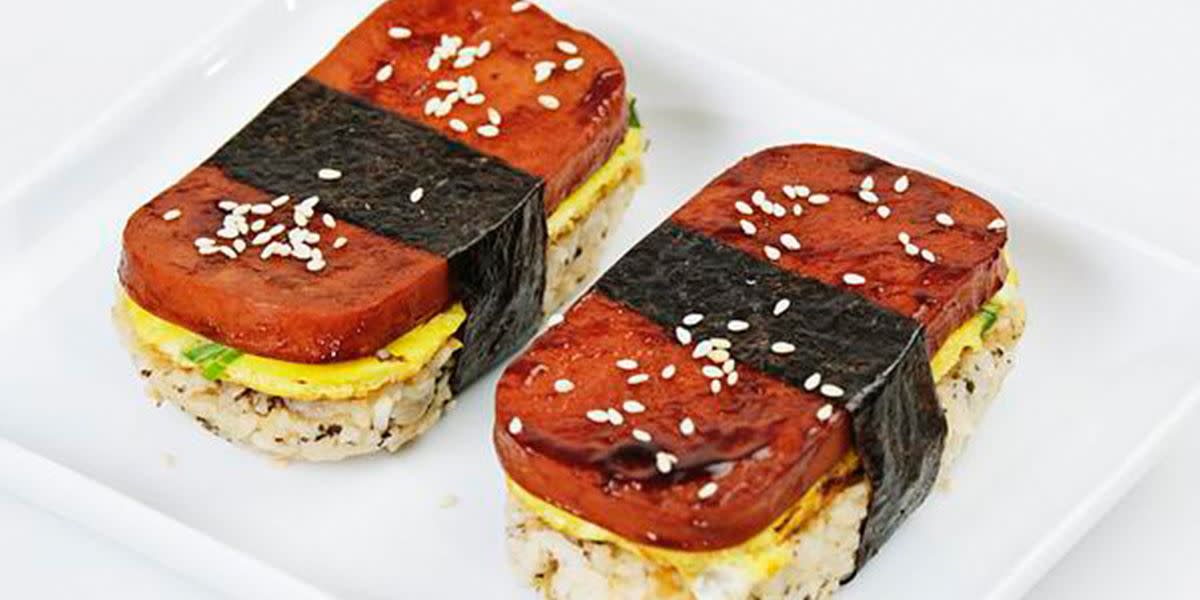
Spam musubi is one of Hawaii’s most recognizable fusion foods. This portable snack layers a slice of grilled Spam over a block of white rice, wrapped snugly with a strip of nori. It rose to popularity during World War II when Spam became a shelf-stable staple across the islands. Today, it’s a local favorite found in convenience stores, school lunches, and family gatherings alike.
Want that signature savory-salty flavor without the stovetop time? Our Hawaiian-Style Shrimp Fried Rice by Chef Stacy Bareng reimagines this classic ingredient with a modern twist. Crispy Spam, succulent shrimp, and aromatic rice come together for a satisfying, Hawaiian-inspired dish delivered fresh to your door.
3. Kalua pig
Kalua pig is a cornerstone of traditional Hawaiian cooking. Prepared in an underground imu lined with hot rocks and wrapped in ti and banana leaves, the pork steams and smokes for hours until irresistibly tender. The name “kalua” refers to this slow, earthy method, which produces rich, smoky meat seasoned with just Hawaiian salt. It’s a dish often reserved for luaus and major celebrations, symbolizing community and tradition.
Want that deep, smoky flavor without digging a backyard oven? Our Slow-Roasted Kalua Pulled Pork by Chef Armando Litiatco brings the essence of this Hawaiian classic to your kitchen with fall-apart tenderness and bold flavor—no pit required.
4. Loco moco
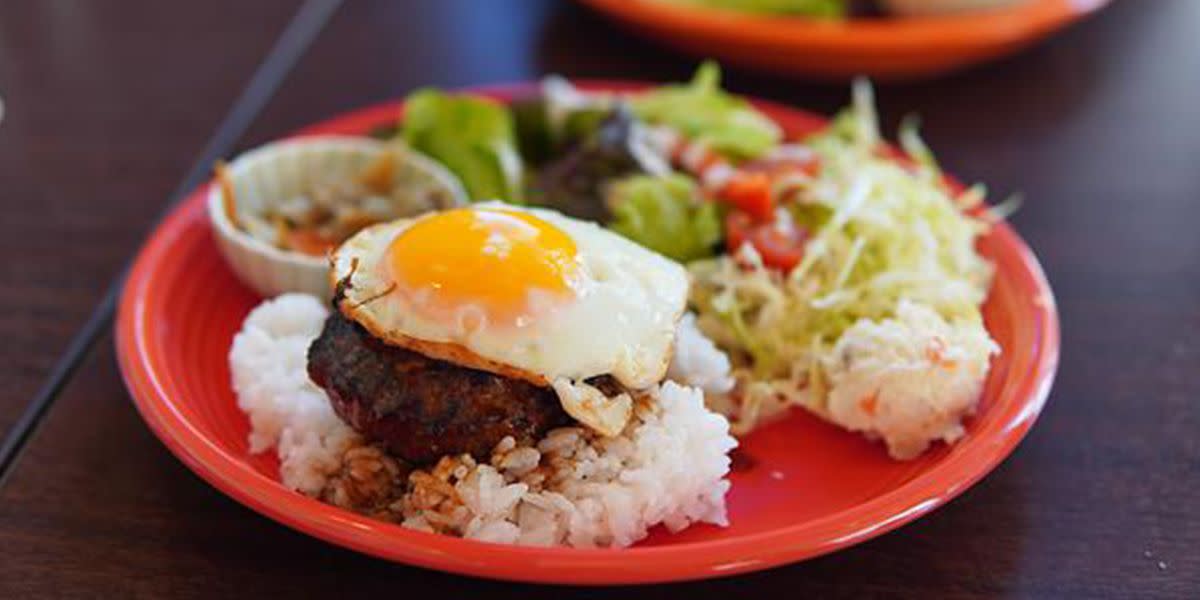
Loco moco is one of Hawaii’s most iconic comfort foods. It starts with a bed of white rice, topped with a hamburger patty, a fried egg, and a generous pour of brown gravy. First created in Hilo as an affordable, filling meal for hungry teens, it quickly became a staple across the islands.
You’ll find countless variations today, including:
Spam in place of the burger patty
Portuguese sausage for a smoky twist
Fried rice instead of plain white rice
Double or triple patties for bigger appetites
If you’re craving something hearty and homey with island flavor, keep an eye on our rotating menu. We’re always serving up chef-made comfort food that channels Hawaii’s best-loved dishes.
5. Garlic shrimp
Garlic shrimp is a beloved specialty of Oahu’s North Shore, where food trucks helped turn this simple, flavorful dish into an island icon. Traditionally made with shell-on shrimp sautéed in butter, garlic, and sometimes a splash of lemon, it’s served over rice with a side of macaroni salad for a perfectly balanced plate.
If you’re craving this bold, buttery classic but not the cleanup, try our Buttery Hawaiian Garlic Shrimp by Chef Esther Choi. It captures the spirit of the North Shore with plump shrimp in rich garlic butter and a helping of creamy mac salad, delivered fresh to your door.
6. Lau lau
Lau lau is a traditional Hawaiian dish made by wrapping pork and butterfish in taro leaves, then enclosing the bundle in ti leaves before steaming it to perfection. The taro leaves soften during cooking, lending an earthy, spinach-like flavor, while the ti leaves infuse the filling with a gentle smokiness. This technique creates a tender, flavorful parcel that speaks to Hawaii’s deep respect for simplicity and natural ingredients.
7. Malasadas
Malasadas are pillowy, sugar-dusted donuts brought to Hawaii by Portuguese immigrants. These golden, deep-fried treats became a beloved island indulgence, especially around Lent, when they're traditionally enjoyed. Leonard’s Bakery in Honolulu helped popularize them across the islands, often filling them with custard, chocolate, or tropical fruit creams for a local spin on this sweet classic.
8. Shave ice
Shave ice is a refreshing Hawaiian dessert made with finely shaved ice and bright, fruit-flavored syrups. Unlike crunchy snow cones, its soft, snow-like texture melts smoothly on the tongue. Originally introduced by Japanese immigrants, shave ice has evolved into a local favorite with popular add-ons like:
A drizzle of condensed milk (“snow cap”)
Azuki beans layered at the bottom
Mochi pieces for a chewy bite
A scoop of ice cream hidden underneath
Whether enjoyed at the beach or a roadside stand, this dessert reflects the playful, layered spirit of Hawaiian cuisine.
9. Poi
Poi is a foundational food in traditional Hawaiian cuisine, made by pounding cooked taro root into a smooth, slightly tangy paste. Once the main carbohydrate in the ancient Hawaiian diet, poi continues to hold deep cultural importance, especially at celebrations like luaus.
The texture of poi varies based on personal preference and water content:
One-finger poi: Thick and hearty
Two-finger poi: Smooth and spreadable
Three-finger poi: Light and pourable
Often served alongside savory dishes, poi offers a mild, earthy counterbalance to the bold flavors that define many Hawaiian foods. In fact, Hawaii produced 3.5 million pounds of taro in 2016¹, underscoring the longstanding role of taro in the islands. Its enduring presence reflects both the agricultural history and spiritual traditions of the islands.
10. Hawaiian-style mac salad
No Hawaiian plate lunch feels complete without a generous scoop of macaroni salad. This creamy, comforting side dish is made with elbow macaroni cooked until tender, then tossed with mayonnaise thinned with milk for a smooth, velvety texture.
Unlike pasta salads that aim for crunch or acidity, Hawaiian-style mac salad leans into softness and subtlety. The pasta is dressed while still warm so it can soak up the sauce and settle into its signature richness.
Its cool, creamy profile complements savory mains like kalua pork, teriyaki chicken, or fried fish. Together, they create the balanced flavors that define a true Hawaiian plate.
More Hawaiian dishes worth discovering
Beyond the essentials, Hawaiian cuisine offers a wide range of dishes that reflect the islands’ rich cultural heritage. These foods highlight the flavors and techniques brought by immigrants and locals alike, adapted over time to suit Hawaii’s unique tastes and ingredients.
Each dish in this next set tells its own story, offering a deeper look at how global traditions have found a home in Hawaiian kitchens.
Saimin
Saimin is Hawaii’s signature noodle soup, born from the islands’ blend of Japanese, Chinese, and Filipino culinary traditions. It features soft wheat noodles in a light dashi-based broth, topped with ingredients like green onions, Spam, kamaboko (fish cake), and occasionally char siu pork.
This comforting bowl became so iconic that even local fast-food chains added it to their menus, proof of its place as an everyday favorite across the islands.
Lomi lomi salmon
Lomi lomi salmon is a bright, refreshing side made by gently massaging salt-cured salmon with chopped tomatoes and onions. The word “lomi lomi” means “to massage,” referring to the preparation method that gives this dish its signature texture and flavor.
Chilled and vibrant, it’s often served at traditional luaus where its acidity and freshness balance richer dishes like kalua pig.
Huli huli chicken
Huli huli chicken gets its name from the Hawaiian word huli, meaning "turn," which refers to how the chicken is rotated over kiawe wood coals during cooking. It's marinated in a sweet and savory blend of pineapple juice, soy sauce, brown sugar, ginger, and garlic, then grilled until caramelized and smoky.
This dish is often found at school fundraisers, roadside stands, and backyard gatherings, where it brings people together over its mouthwatering aroma and bold island flavor.
Chicken katsu
Chicken katsu features boneless chicken coated in panko breadcrumbs and fried until golden and crispy. This Japanese-inspired dish is typically served with tangy katsu sauce, white rice, and macaroni salad as part of a classic Hawaiian plate lunch.
It reflects how Japanese culinary traditions were adapted and embraced in Hawaii, becoming a beloved part of local food culture.
Island-style fried rice
Island-style fried rice often incorporates local proteins like Spam, Portuguese sausage, or char siu pork with vegetables and scrambled eggs. This hearty dish frequently appears at breakfast alongside eggs or as a side with plate lunches.
If you're looking for a no-prep way to enjoy those savory island flavors, try our Hawaiian Fried Rice by Chef Angelia Cole. It brings together bold, satisfying ingredients for a craveable take on this local favorite. Ready when you are.
Manapua
Manapua are steamed or baked buns filled with char siu pork, Hawaii’s take on the Chinese char siu bao. The name comes from the Hawaiian phrase mea ono puaʻa, which loosely translates to “delicious pork treat.” Over time, fillings have expanded to include curry chicken, sweet potato, coconut, and even ube.
These handheld bites were originally sold by Chinese immigrants who walked plantation camps and neighborhoods, balancing baskets of buns from poles across their shoulders. Today, manapua remain a popular snack found at bakeries, corner stores, and lunch counters across the islands.
Cooking tips for traditional Hawaiian dishes
Recreating traditional Hawaiian flavors at home starts with a few essential techniques and pantry staples. Whether you’re new to the cuisine or looking to deepen your skills, these tips will help you bring the spirit of the islands into your kitchen.
Source quality seafood
Fresh, high-grade fish is essential for dishes like poke. Look for sushi-grade ahi tuna or salmon from trusted fishmongers or specialty markets. If fresh isn’t available, frozen sushi-grade fish is a reliable option. Always follow safe handling practices when preparing raw seafood.
Use tropical fruits the right way
Pineapple, mango, and papaya are often used to balance savory dishes with brightness and sweetness. Try grilled pineapple on burgers, mango in salsas, or coconut milk in soups and stews. Ripe tropical fruits can also double as natural tenderizers for meats.
Master sweet and savory balance
Many Hawaiian sauces blend salty, sweet, and umami notes. Pineapple juice with soy sauce, brown sugar with garlic and ginger, or honey with chili can create that signature depth. Let marinades sit overnight for maximum flavor.
How settlers shaped Hawaiian food
Hawaiian cuisine is deeply rooted in centuries of migration, cultural exchange, and adaptation. As different groups arrived on the islands, they brought their own culinary traditions, ingredients, and cooking methods, all of which helped shape the diverse food landscape we recognize today.
Key cultural influences on Hawaiian cuisine:
Native Hawaiian: Taro (used for poi), seafood, breadfruit, and traditional earth oven cooking methods (imu) laid the foundation of the original island diet.
Chinese: Introduced rice, noodle dishes, and wok techniques that evolved into beloved local staples like manapua and stir-fried meals.
Japanese: Brought bento-style meals, teriyaki flavors, and noodle dishes like saimin that are now central to local food culture.
Portuguese: Contributed sweet bread, malasadas, and sausage, all of which remain favorites across the islands.
Filipino: Added bold, vinegar-forward dishes and adobo-style preparations that brought tang and depth to everyday meals.
Korean: Introduced flavors and preparations like kalbi ribs and kimchi that have become popular additions to Hawaiian menus.
During the plantation era, workers from many of these backgrounds shared meals and cooking techniques during breaks in the fields. This exchange led to the creation of new dishes that blended flavors and traditions across cultures. The plate lunch—a combination of protein, white rice, and macaroni salad—grew out of this shared experience and remains a symbol of Hawaii’s multicultural identity.
A final note on Hawaiian culinary heritage
Hawaiian cuisine reflects a rich history shaped by migration, adaptation, and a deep relationship with the land and sea. Each dish carries the story of how cultures met, shared, and evolved together on the islands.
At its core, Hawaiian food is about connection. Meals are crafted and shared not just for nourishment, but to bring people together, whether around a backyard table, a luau celebration, or a plate lunch from a local spot. The spirit of aloha lives in these shared moments and flavors.
As Hawaiian cuisine gains recognition beyond the islands, honoring its roots matters. Dishes like poi, kalua pig, and Spam musubi have deep cultural significance. Understanding their context preserves the traditions that make Hawaiian cuisine more than just a trend. Yet a lack of knowledge about traditional foods continues to be one of the biggest barriers to preserving them².
Frequently asked questions about Hawaiian foods
Are these meals safe for those with severe dietary allergies, such as dairy, soy, and nuts?
While our meals are crafted without certain ingredients, they're prepared in kitchens where cross-contamination may occur. If your allergy is life-threatening, we recommend reviewing ingredient labels carefully before eating.
What vegetarian options are available in traditional Hawaiian cuisine?
Vegetarian Hawaiian options include taro dishes like poi, sweet potato, tropical fruit preparations, and vegetable versions of lomi lomi without salmon.
Which ingredients can I substitute if I cannot find fresh taro leaves for lau lau?
Spinach or collard greens can substitute for taro leaves in recipes like lau lau, though the flavor will be milder and less earthy.
How can I make authentic Hawaiian dishes gluten-free?
Most traditional Hawaiian dishes are naturally gluten-free except for those with soy sauce, which can be replaced with tamari, or dishes containing wheat noodles or breaded items.
Sources:

Be the first to know about new offers
Multiorder discounts, free items and more.