Back
BackHigh-protein diet guide with meal plans for weight loss
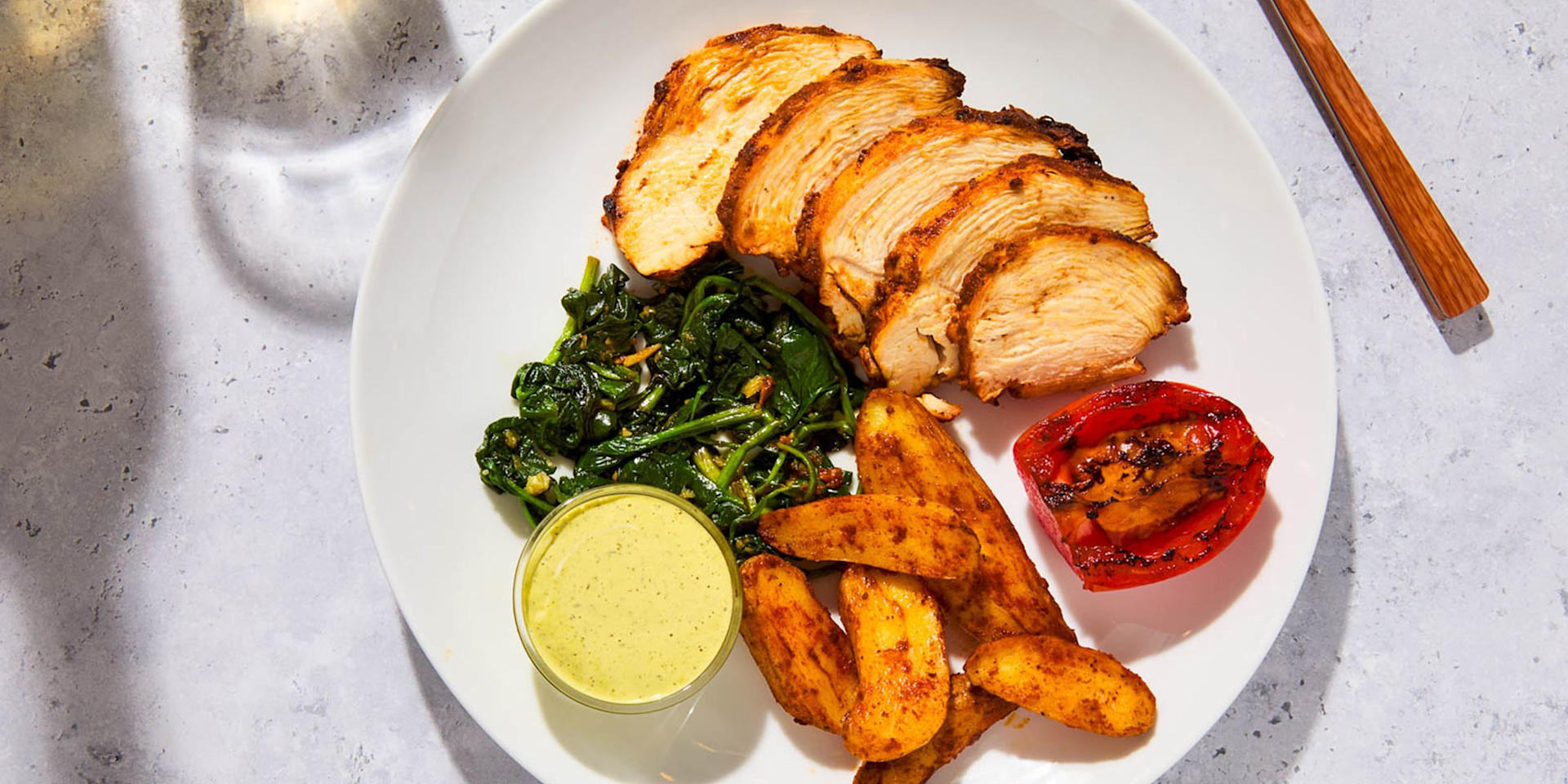
When you prioritize protein, your body responds in all the right ways. You stay fuller longer, your metabolism kicks into gear, and muscle sticks around even as the scale moves. That’s the beauty of a high-protein approach: it doesn’t rely on willpower alone.
Unlike restrictive diets that leave you chasing calories or battling cravings, a high-protein diet helps your body do the work. It naturally curbs hunger, supports fat loss, and keeps your energy steady so weight management feels more sustainable—and a lot less like a daily struggle.
Key takeaways:
For effective weight loss, aim to include a generous amount of protein with each meal and snack to help control hunger and support muscle maintenance.
The best protein sources include lean meats, seafood, eggs, dairy, and plant-based options like legumes and tofu.
Combine protein with fiber-rich vegetables and healthy fats for balanced nutrition and sustainable results.
What is a high-protein diet for weight loss?
A high-protein diet for weight loss shifts the spotlight to what you add, not what you cut. Typically, it means getting 25–35% of your daily calories from protein, while keeping carbs moderate and fats balanced.
This approach centers on protein-rich foods like lean meats, fish, eggs, legumes, tofu, and other plant-based options. Why protein? Because it helps you feel fuller longer, supports your metabolism, and protects muscle mass. Even as you’re losing weight.
Unlike diets that eliminate entire food groups, a high-protein plan is flexible, practical, and sustainable. You’re not following rigid rules, but rather fueling your body with the nutrients it actually needs to thrive long-term.
Diet type | Protein | Carbohydrates | Fat |
|---|---|---|---|
Standard Diet | 10-15% | 45-65% | 20-35% |
High-Protein Diet | 25-35% | 30-45% | 25-35% |
Keto Diet | 15-20% | 5-10% | 70-75% |
Why protein helps with weight management
Protein supports weight loss in ways that go beyond calories in, calories out. It helps create a natural caloric deficit by increasing how many calories your body burns just to digest it. This is known as the thermic effect of food (TEF)—and protein has the highest of all macronutrients.
In fact, diet-induced thermogenesis¹ accounts for 20–30% of energy used to digest protein, compared to just 5–10% for carbs and 0–3% for fats.
But protein does more than rev up your metabolism. It activates hormones that signal fullness and suppresses the ones that drive hunger. The result? You naturally eat less, without feeling deprived or distracted by cravings.
A six-month study of over 200 adults² showed that while both higher- and lower-protein groups lost about 5% of their body weight, the higher-protein group preserved more lean muscle mass and saw greater improvements in overall diet quality.
Want the benefits without the prep? Explore our weekly menu for chef-crafted meals that help you hit your goals. No measuring, no guesswork, just great food that works as hard as you do.
Appetite control
Protein plays a powerful role in helping you stay full and stay focused. It activates satiety hormones like GLP-1 and PYY, which signal to your brain that you've had enough to eat. The result is longer-lasting satisfaction after meals, so you're not reaching for snacks an hour later.
Unlike fast-burning carbs, protein digests slowly, which means fewer energy crashes and less of that sudden, ravenous hunger. It also helps stabilize blood sugar levels, preventing the spikes and dips that can lead to cravings and overeating.
By keeping hunger in check and energy steady, protein makes it easier to stay on track without feeling like you're constantly battling your appetite.
Metabolic support
A high-protein diet creates a metabolic advantage through several mechanisms:
Higher calorie burn: Your body uses more energy to digest protein than carbs or fats.
Preserved muscle mass: Protein maintains metabolically active tissue that burns calories even at rest.
Increased thermogenesis: Protein raises body temperature and energy expenditure.
High-protein diets give your metabolism a natural boost. Even without changing your exercise routine, increasing your protein intake can help your body burn more calories—simply through the energy it takes to digest protein and maintain lean muscle.
This metabolic edge makes it easier to create a calorie deficit without feeling drained, helping you reach your weight goals in a more sustainable way.
For more information on how protein supports muscle maintenance during weight loss, check out our easy high-protein meal prep ideas.
How much protein per day is needed to lose weight?
There’s no one-size-fits-all answer, but your weight, activity level, and goals all play a role in determining the right amount of protein for you.
For effective weight loss that protects muscle, most research recommends 1.6 to 2.2 grams of protein per kilogram of body weight. That’s significantly more than the standard RDA of 0.8g/kg, which isn’t designed with fat loss or muscle preservation in mind. For example, someone who weighs around 154 lbs (70kg) would aim for 112 to 154 grams of protein per day to support muscle maintenance while losing weight.
Another helpful guideline is the percentage approach: aiming for 25–35% of your total daily calories from protein. This keeps your intake balanced and flexible across different eating styles.
Not sure where to start? Use both strategies to find a range that works for your lifestyle, then build your meals (and snacks) around protein-rich foods that actually excite you.
Calculating daily protein needs
You can determine how many grams of protein per day you need using either:
Weight-based method: Multiply your weight in kg by 1.6-2.2g
Percentage method: Calculate 25-35% of your total daily calorie intake
For example, if you’re following a 1,600-calorie diet, increasing your protein intake throughout the day can help you stay full, energized, and preserve lean muscle. That often means aiming for about 25–35 grams of protein per meal, spread across 4 to 5 eating occasions, including snacks.
This approach keeps your metabolism humming and your hunger in check, without relying on restrictive eating windows or calorie counting at every turn. It’s all about fueling your body consistently and intentionally.
Adjusting for activity level
How much protein should you eat if you exercise regularly? The short answer: more.
If you’re physically active, especially if you lift weights or engage in strength-based workouts, your body needs extra protein to support muscle repair, recovery, and growth. That means aiming for the higher end of the recommended range: around 1.6 to 2.2 grams of protein per kilogram of body weight.
Not into numbers? Focus on building meals and snacks that include complete protein sources after workouts and spreading your intake evenly throughout the day. It's one of the most effective ways to turn your effort at the gym into real results you can feel.
Here’s a general guide based on activity level:
Sedentary: 1.6g per kg body weight
Moderately active: 1.8-2.0g per kg body weight
Very active/athletic: 2.0-2.2g per kg body weight
During resistance training, your muscles experience tiny tears that require extra protein for repair and growth. Prioritizing protein within 1–2 hours post-workout helps maximize muscle protein synthesis and recovery.
Best high-protein foods for weight loss
The most effective high-protein foods for weight loss are lean, nutrient-dense, and low in added fats or sugars. They deliver a solid dose of protein per serving without piling on excess calories, helping you stay full, preserve muscle, and hit your goals.
So what should you reach for? Focus on foods that pack the most protein for the fewest extras. Think: grilled chicken, Greek yogurt, tofu, fish, cottage cheese, legumes, and eggs. These options give you maximum fuel without unnecessary fillers.
Whether you're building meals or planning snacks, choosing the right protein sources makes a big difference in how you feel and how sustainable your results are.
Lean meats and poultry
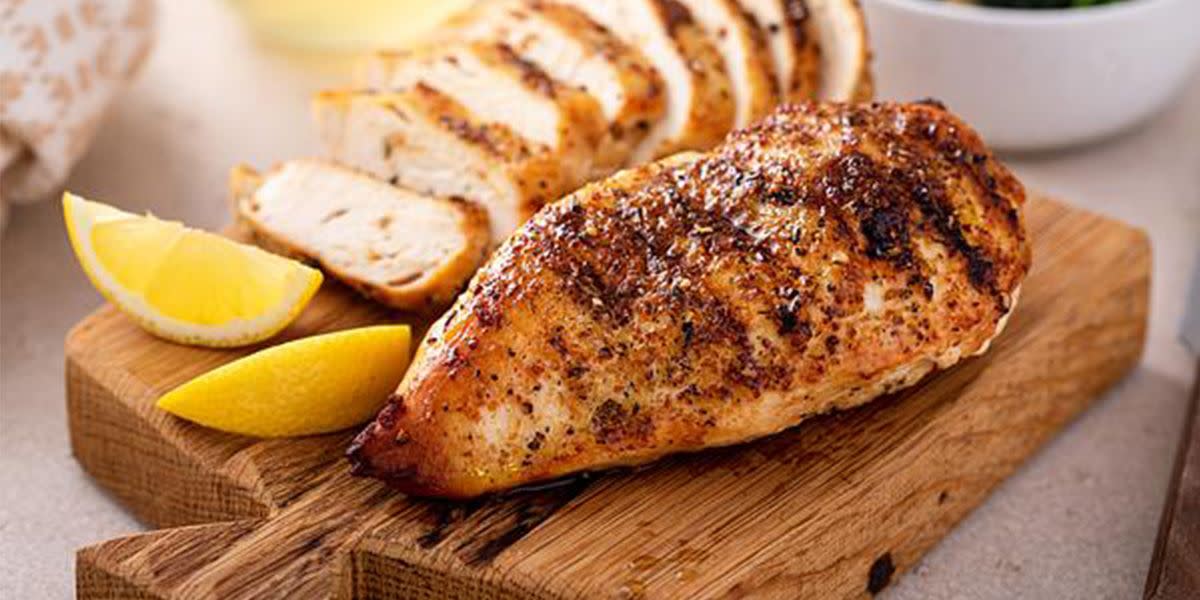
Lean meats like chicken breast, turkey, and lean cuts of beef are excellent sources of complete protein, meaning they provide all the essential amino acids your body needs. In addition to protein, they’re rich in key nutrients like iron, zinc, and B vitamins that support energy, immunity, and metabolism.
The following options are especially great when you're aiming to maximize protein without excess fat or carbs, making them ideal staples for a weight-loss-friendly, high-protein diet.
Chicken breast: A lean and popular source of complete protein widely used in high-protein diets.
Turkey breast: 29g protein per 100g, very lean at just 157 calories.
Lean beef (95% lean): 26g protein per 100g, plus an excellent source of iron and B12.
Pork tenderloin: 22g protein per 100g, one of the leanest cuts of pork available.
How you cook these proteins matters, too. Grilling, baking, or air-frying helps keep calories in check compared to frying or heavy sautéing.
Want a high-protein meal that’s already done right? Chef Kevin Meehan’s Herb-Roasted Chicken Breast is a ready-to-enjoy favorite. This perfectly roasted chicken is coated in fresh thyme, oregano, and basil, then slow-roasted to juicy, golden perfection. It’s served with a vibrant Mediterranean Orzo Pasta, featuring tangy feta, sun-dried tomatoes, Kalamata olives, roasted red peppers, and broccoli, all tossed in a bright, lemony vinaigrette.
It’s balanced, satisfying, and full of feel-good flavor, perfect after a workout or a long day.
Seafood options
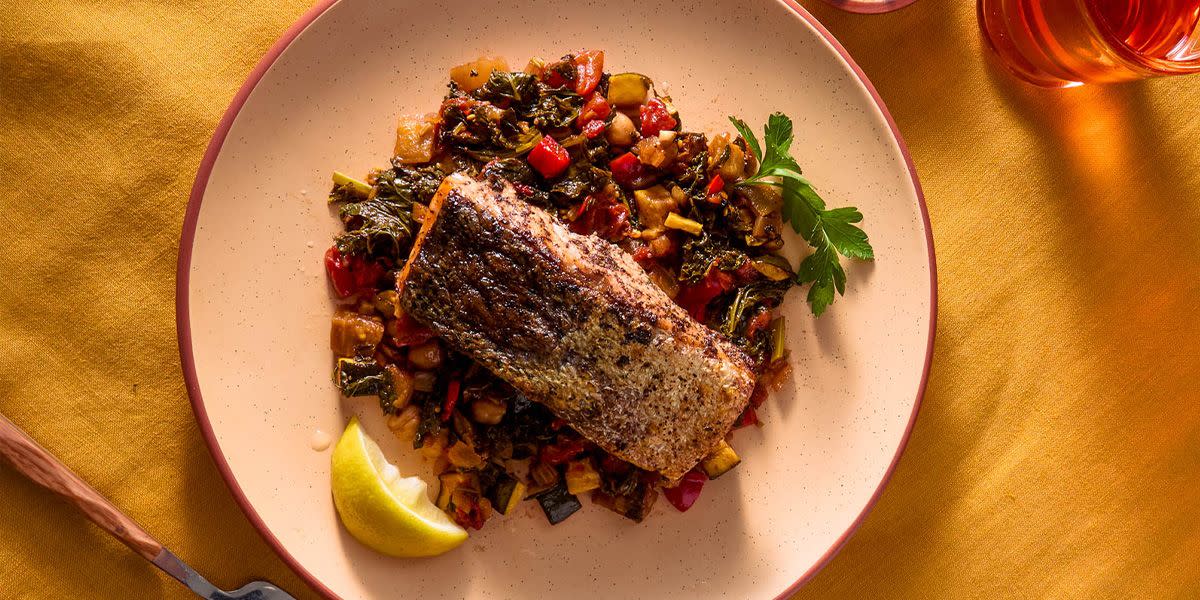
Seafood delivers high-quality, complete protein along with a unique bonus: omega-3 fatty acids that support heart health and may even help reduce metabolic inflammation. It's a smart choice when you want protein with added functional benefits.
Here are a few standout options:
Tuna (canned in water): A lean, convenient seafood option with plenty of protein and minimal fat.
Shrimp: 24g of protein per 100g, with only 99 calories.
Cod: 18g of protein per 100g and just 82 calories, making it one of the leanest fish.
Salmon: 20g of protein per 100g, plus omega-3s that may support fat metabolism and recovery.
For a ready-made meal that checks all the boxes, try Chef Akhtar Nawab’s Keto Chia-Crusted Salmon with Chermoula, a delicious, protein-powered seafood dish crafted to energize and satisfy. The salmon is cooked to perfection with a crispy chia seed crust and a tender, buttery center, then paired with cauliflower-carrot “rice,” sautéed broccoli, and a vibrant herbaceous chermoula sauce.
It’s low in carbs, big on flavor, and made to power your day.
Dairy and eggs
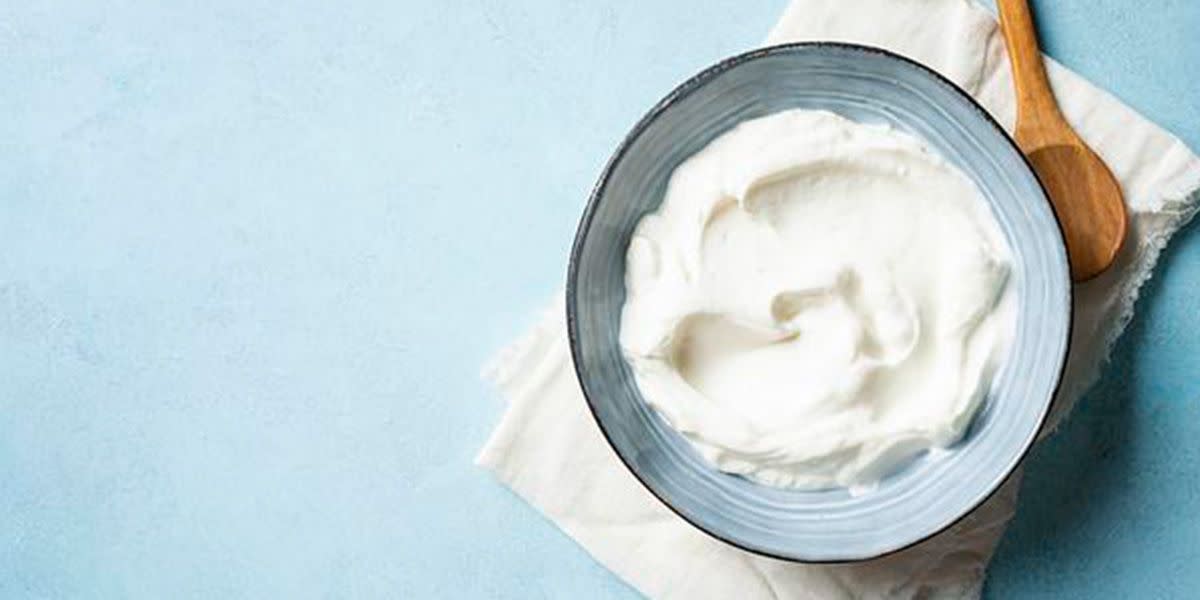
Dairy products and eggs offer more than just protein. They also deliver calcium, vitamin D, and essential amino acids that support bone health, muscle maintenance, and overall wellness.
Here are some go-to options:
Greek yogurt (plain, nonfat): Thick, creamy, and packed with protein. Plus, it naturally contains probiotics to support gut health.
Cottage cheese (1% fat): 11g of protein per 100g, rich in slow-digesting casein, which helps keep you full for hours.
Eggs: 6g of protein per large egg, with a complete amino acid profile in every bite.
Whey protein powder: 80–90g of protein per 100g, ideal for quick shakes or boosting your favorite smoothie or recipe.
Dairy proteins contain a powerful combo of whey (fast-digesting) and casein (slow-digesting), making them ideal for both quick recovery and long-lasting satiety. Whether it’s breakfast, a snack, or post-workout fuel, these foods deliver what your body needs, naturally.
Wondering how to incorporate more protein into your breakfast routine? We’ve curated 26 high-protein breakfast ideas for an energy-packed start to the day.
Plant-based sources
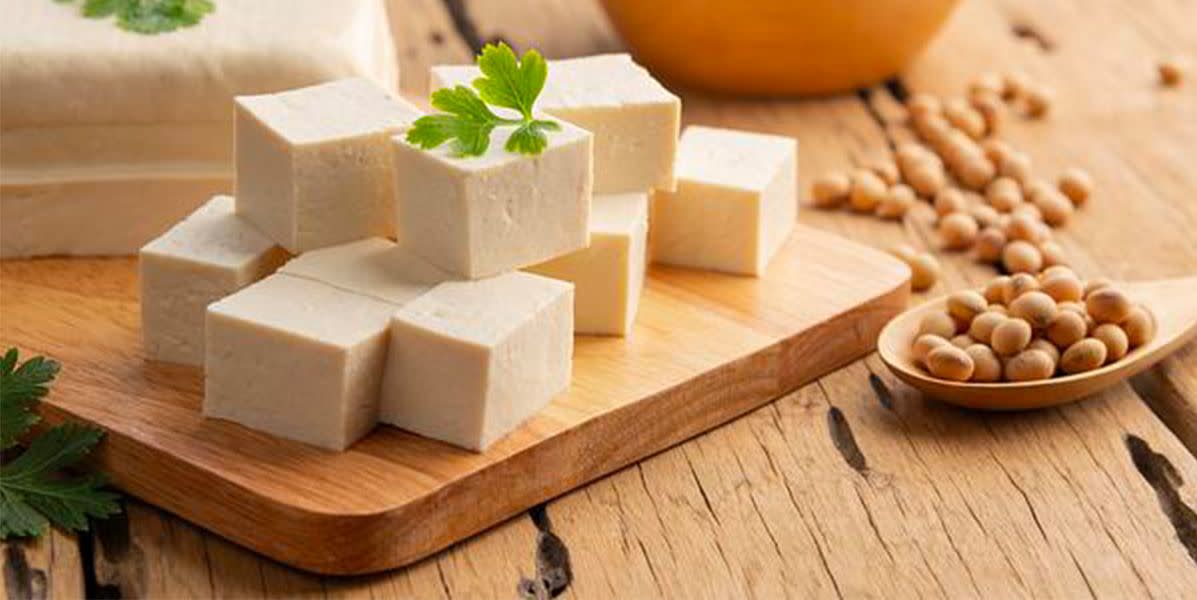
Plant proteins are more than just an alternative. They can be powerful allies in your weight loss journey. Packed with fiber, phytonutrients, and essential minerals, they help you stay full, support digestion, and fuel your body with clean energy.
Here are some top picks:
Legumes: Lentils, chickpeas, and black beans are rich in plant-based protein and fiber, making them perfect for building satisfying meals.
Tofu and tempeh: 8–19g of protein per 100g, both made from soy and considered complete proteins.
Seitan: 25g of protein per 100g, a wheat-based option with a texture similar to meat — ideal for savory dishes.
Quinoa: 4g of protein per 100g, one of the few grains that offers all essential amino acids.
Veggies like broccoli, spinach, and Brussels sprouts also contribute protein along with fiber and vital micronutrients.
For a ready-to-eat, flavor-loaded option, try Chef Cami Sepulveda’s Protein Grilled Chicken Plate, affectionately called her “Chicken Strip Delight.” This comforting, plant-based plate features seasoned vegan chicken strips, fluffy rice, garlicky edamame, grilled corn, and a crisp chickpea-veggie salad, all brought together with a creamy vegan ranch drizzle. It’s satisfying and completely plant-powered.
High-protein meal plans and examples
A smart high-protein meal plan does more than hit your daily numbers. It spreads protein throughout the day to help manage hunger, boost metabolism, and support muscle repair. The key is consistency.
Aim to include a solid source of protein with every meal, and add protein-rich snacks between meals if you need an energy boost or want to stay ahead of cravings.
This approach helps your body use protein more efficiently, keeps blood sugar steady, and makes it easier to maintain a healthy rhythm. No energy crashes or white-knuckling through hunger.
7-day high-protein sample menu
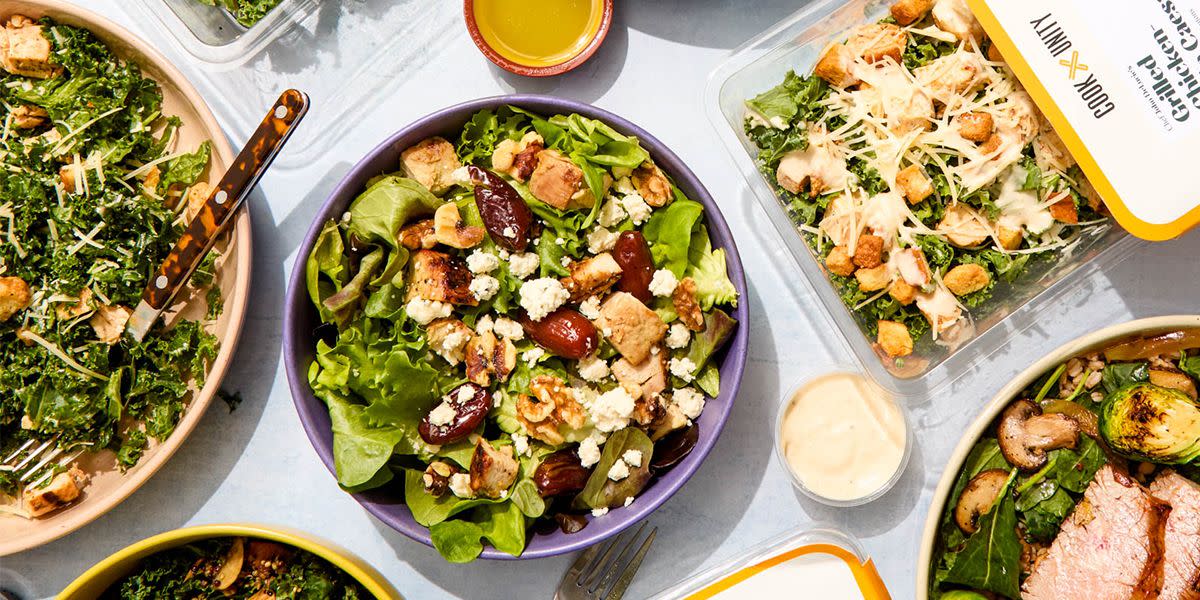
This balanced 7-day plan delivers around 30% of daily calories from protein, with meals that are simple to follow and genuinely satisfying:
Day 1:
Breakfast: Greek yogurt (1 cup) with berries and 1 tbsp almonds (25g protein)
Lunch: Grilled chicken salad with mixed vegetables (30g protein)
Dinner: Fabio's Caesar Salad with Blackened Salmon by Chef Fabio Viviani (28g protein)
Day 2:
Breakfast: Protein smoothie with whey protein, banana, and almond milk (25g protein)
Lunch: Turkey and avocado wrap with side salad (28g protein)
Dinner: Grass-Fed Chili Rubbed Flank Steak Grain Bowl by Chef John DeLucie (30g protein)
Day 3:
Breakfast: Egg white omelet with vegetables and 1 slice whole grain toast (26g protein)
Lunch: Tuna salad lettuce wraps (28g protein)
Dinner: Grilled shrimp with quinoa and roasted vegetables (25g protein)
Day 4:
Breakfast: Protein pancakes topped with Greek yogurt (24g protein)
Lunch: On-the-Go Protein Pack by Chef Santiago Lopez (27g protein)
Dinner: Chicken and black bean burrito bowl (32g protein)
Day 5:
Breakfast: Overnight protein oats with chia seeds and berries (22g protein)
Lunch: Lentil soup with side salad (18g protein)
Dinner: Greek Chicken Power Bowl by Chef John DeLucie (30g protein)
Tips for meal prep and portion control
Meal prep doesn’t have to be complicated, just consistent. Planning ahead and prepping protein-rich staples can make healthy eating feel effortless during your busiest days.
Start by batch-cooking proteins like grilled chicken, hard-boiled eggs, or roasted turkey over the weekend. Store them in easy-to-grab portions so assembling meals midweek is quick and stress-free.
Use visual cues to estimate portions without a scale:
Palm of your hand = ~3–4 oz (85–113g) of meat, poultry, or fish
Deck of cards = ~3 oz (85g) of lean protein
Tennis ball = ~½ cup of cottage cheese or Greek yogurt
For balanced meals, think in simple sections:
Half your plate should be non-starchy vegetables, one-quarter protein, and one-quarter complex carbs like quinoa, sweet potatoes, or brown rice. This layout helps you stay satisfied while naturally keeping calories in check, without having to measure anything.
Is a high-protein diet safe?
For most healthy individuals, a high-protein diet is not only safe, it's incredibly effective. Despite old myths, research has shown that higher protein intake does not harm kidney function in people without existing kidney issues.
That said, anyone with pre-existing kidney disease should check in with a healthcare provider before making major changes to protein intake. Otherwise, for the average healthy person, upping your protein can be a powerful and sustainable way to support weight loss, energy, and overall wellness.
Potential side effects
A high-protein diet offers plenty of benefits, but like any shift in eating habits, it comes with a few things to keep in mind:
Digestive changes: Some people experience constipation early on, especially if fiber intake drops when cutting back on carbs.
Nutrient balance: Over-focusing on protein might crowd out other essential nutrients from fruits, veggies, and whole grains.
Hydration needs: Processing protein requires more water, so it’s important to stay consistently hydrated.
To keep your body feeling good, pair your protein with fiber-rich foods like leafy greens, berries, legumes, and whole grains. And make water your best friend. Staying hydrated supports digestion, energy, and overall balance.
Who should consult a professional
Certain populations should seek medical guidance before starting a high-protein diet:
People with kidney disease
Those with liver conditions
Individuals with metabolic disorders
Pregnant or nursing women
Competitive athletes with specialized nutrition needs
Older adults often benefit from higher protein intakes (1.2-1.5g/kg) to prevent age-related muscle loss but should consult healthcare providers if they have existing health conditions.
Strategies to maintain a balanced high-protein lifestyle
A sustainable high-protein approach must balance macronutrients appropriately. Extreme approaches that eliminate entire food groups often lead to nutritional deficiencies and aren't sustainable long-term.
Combine protein with carbs and fats
Building a balanced plate means thinking beyond protein alone. Pairing protein with complex carbs and healthy fats not only boosts nutrition, it also enhances satisfaction, energy, and results.
Complex carbohydrates like quinoa, oats, sweet potatoes, and brown rice offer fiber and slow-burning fuel that keeps blood sugar steady. They deliver key micronutrients your body needs to function at its best, especially when you're active.
Healthy fats do more than add flavor. They play a vital role in hormone production and appetite regulation. Foods like avocados, olive oil, nuts, and fatty fish contain essential fatty acids that slow digestion and make meals more filling.
Did you know? Combining protein with healthy fats activates multiple satiety signals in the brain, helping you feel fuller, longer, than with either nutrient on its own.
Optimize timing for better results
When and how often you eat protein also matters. To get the most out of your meals:
Refuel within 1–2 hours post-workout to enhance muscle repair and growth.
Spread protein intake every 3–4 hours throughout the day, rather than loading it all at once. This supports consistent energy and more effective muscle maintenance.
Small adjustments like these can make your high-protein diet not just effective, but enjoyable and easier to stick with for the long haul.
Track hydration and fiber intake
Protein pulls a lot of weight, but it works best when paired with plenty of water and fiber to keep everything moving smoothly and your body functioning at its best.
Hydration is key. When you increase your protein intake, your body needs more water to process it efficiently. Aim for at least 3 liters (about 100 ounces) of water daily, and even more if you're active or in warm weather.
Fiber is your digestive sidekick, helping prevent constipation and enhancing the fullness effect of protein. Shoot for 25–35 grams of fiber per day from a variety of vegetables, fruits, legumes, and whole grains. These fiber-rich foods also bring bonus benefits like essential vitamins and minerals that support metabolism and overall health.
Stay hydrated, load up on plants, and let your protein do what it does best: fuel you.
Next steps for a healthy high-protein journey
Starting a high-protein diet doesn’t mean overhauling everything overnight. Begin by replacing just one meal a day with a protein-focused option. This gentle approach gives your body time to adjust and helps you build long-term habits without stress.
Busy schedule getting in the way? That’s where we come in. Our Protein Boost meal delivery category offers chef-crafted, protein-rich meals delivered right to your door. No prep or guesswork, just feel-good food that fuels your goals.
Focus on whole food protein sources first, like lean meats, eggs, legumes, tofu, and dairy. While protein powders and bars are convenient, they’re best used as occasional add-ons, not replacements for nutrient-rich, real foods.
Pair your diet with consistent movement. Strength training 2–3 times per week helps build and maintain muscle during weight loss, while 150+ minutes of moderate cardio each week boosts calorie burn and supports overall wellness.
As you’re starting out, consider tracking your protein and macros using a food diary or app. This short-term habit helps build awareness of portion sizes and nutrient content. So over time, you can eat intuitively with confidence, no tracking needed.
Frequently asked questions about high-protein diet for weight loss
Are these meals safe for those with severe dietary allergies, such as dairy, soy, and nuts?
While our meals are crafted without certain ingredients, they're prepared in kitchens where cross-contamination may occur. If your allergy is life-threatening, we recommend reviewing ingredient labels carefully before eating.
Can a vegetarian follow a high-protein diet for weight loss?
Yes, vegetarians can successfully follow a high-protein diet by incorporating eggs, dairy, legumes, tofu, tempeh, seitan, and protein-rich grains like quinoa.
Is a high-protein diet suitable for people with kidney disease?
People with kidney disease should consult their healthcare provider before starting a high-protein diet as these conditions may require specific protein restrictions.
How long does it take to see results on a high-protein diet?
Many people begin to notice weight loss early on a high-protein diet, especially when it's paired with regular exercise, and often experience continued progress over time.
Can you lose belly fat specifically on a high-protein diet?
While spot reduction isn't possible, high-protein diets can lead to overall fat loss including abdominal fat by improving metabolism and reducing insulin levels that contribute to belly fat storage.
What is the 90-30-50 method for protein intake?
One approach to balanced nutrition for weight loss focuses on including ample protein, fiber, and healthy fats each day to support satiety, muscle maintenance, and metabolic health.

Be the first to know about new offers
Multiorder discounts, free items and more.