Back
Back
Jamaican cuisine bursts with bold flavors and vibrant traditions, shaped by a fusion of Indigenous, African, European, Indian, and Asian influences. From fiery jerk chicken and silky coconut curries to fresh tropical produce, each dish tells the story of Jamaica’s rich heritage. Whether cooking on mountain hillsides or sandy beaches, Jamaican food reflects centuries of cultural diversity in every unforgettable bite. Explore these 11 essential Jamaican dishes to taste the island’s soul.
Key takeaways:
Jamaican cuisine blends African, European, Indian, and Chinese influences with indigenous ingredients to create distinctive dishes like jerk chicken and ackee and saltfish.
The island's signature cooking style, "jerk," originated with Maroon communities who developed the technique of marinating meat in spicy paste before slow-smoking it.
Scotch bonnet peppers, allspice, thyme, and coconut milk form the backbone of authentic Jamaican flavor profiles.
What is Jamaican food?
Jamaican food is a vibrant fusion cuisine characterized by bold flavors, aromatic spices, and diverse cooking techniques that reflect the island's multicultural heritage. The cuisine features iconic dishes like jerk chicken, ackee and saltfish, and curry goat, typically prepared with scotch bonnet peppers, allspice, thyme, and coconut milk.
This flavorful cuisine developed through centuries of cultural exchange, creating a unique culinary identity that balances spicy, savory, and occasionally sweet elements.
Key characteristics of Jamaican cuisine:
Bold flavors: Intense seasoning blends featuring scotch bonnet peppers and allspice
Fresh ingredients: Local tropical fruits, seafood, and root vegetables
Slow cooking: Many dishes are stewed, smoked, or slow-roasted for depth of flavor
Balanced meals: Typically includes protein, starchy sides like rice and peas, and vegetables
How history shaped Jamaican cuisine
The rich tapestry of Jamaican food began with the indigenous Taíno people who contributed cooking methods and native ingredients like cassava. Enslaved Africans played a vital role in shaping Jamaican cuisine, contributing cooking techniques and ingredients that deeply influenced the island’s culinary traditions.
European colonizers added their own culinary influences, introducing new ingredients and dishes, including the meat patty concept that evolved into the iconic Jamaican patty (the English introduced Jamaican patty¹).
The term "jerk" comes from the Spanish word "charqui," meaning dried meat, which evolved into the English "jerky" and eventually the Jamaican cooking style we know today.
Culinary influences from Indian and Chinese traditions have shaped Jamaican cuisine, introducing elements like curry spices and wok-style cooking that have been adapted over time to suit local tastes. The Rastafarian movement later developed Ital cuisine, a natural, primarily plant-based approach to food.
Key ingredients and cooking methods
Jamaican cuisine relies on a distinctive set of ingredients that create its signature flavor profile. Scotch bonnet peppers provide the characteristic heat, while allspice (called "pimento" in Jamaica) delivers the warm, aromatic notes found in many dishes.
Essential Jamaican ingredients:
Scotch bonnet peppers (habaneros can substitute but have a slightly different flavor)
Allspice berries (whole and ground)
Thyme, scallions, and garlic
Coconut milk and coconut cream
Root vegetables (yam, sweet potato, cassava)
Tropical fruits (mango, pineapple, plantain)
Explore authentic Caribbean food without the work of cooking from scratch with Caribbean meal delivery, featuring dishes by award-winning chefs who specialize in these vibrant culinary traditions.
Jerk cooking, perhaps Jamaica's most famous technique, involves marinating meat in a spicy paste before slow-smoking it over pimento wood², which cannot be exported from Jamaica. The jerk marinade typically combines scotch bonnet peppers, allspice, thyme, garlic, ginger, and other spices.
11 must-try Jamaican dishes
Ackee and saltfish
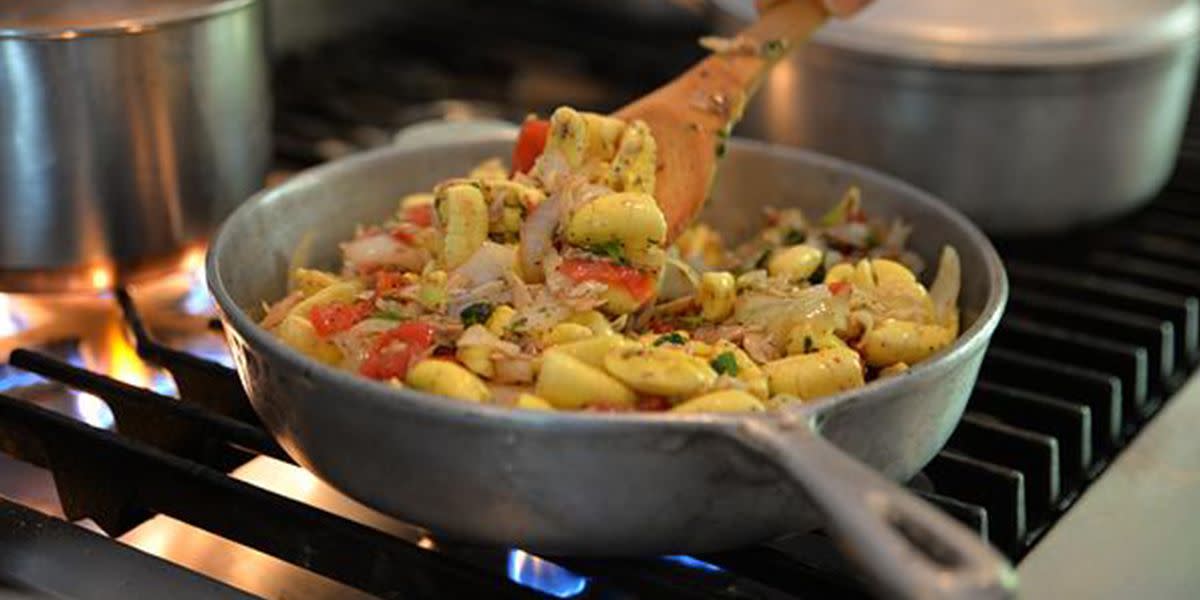
Jamaica's national dish combines salt-cured cod with ackee, a fruit introduced from Africa that resembles scrambled eggs when cooked. This breakfast staple originated during colonial times when salted fish was imported as an inexpensive protein source.
The preparation involves sautéing rehydrated saltfish with boiled ackee, onions, tomatoes, scotch bonnet peppers, and thyme. Safety is paramount when preparing ackee, as the unripe fruit contains toxins.
Jerk chicken
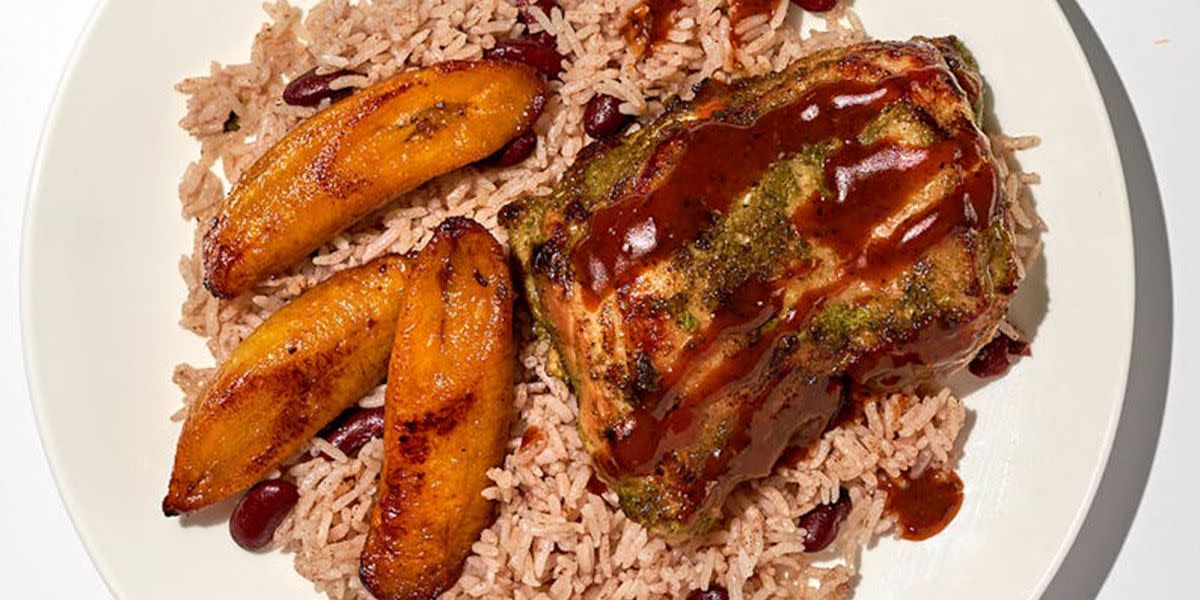
This internationally recognized dish originated with the Maroons, communities of escaped enslaved people who developed the technique to preserve meat while hiding in Jamaica's mountains. The distinctive cooking method involves marinating chicken in a fiery paste before slow-smoking it over pimento wood.
The jerk marinade combines scotch bonnet peppers, allspice, thyme, garlic, ginger, brown sugar, and various other spices. Chef Nahika Hillery's Jerk Hanger Steak Bowl offers a modern interpretation of these classic flavors.
Oxtail stew
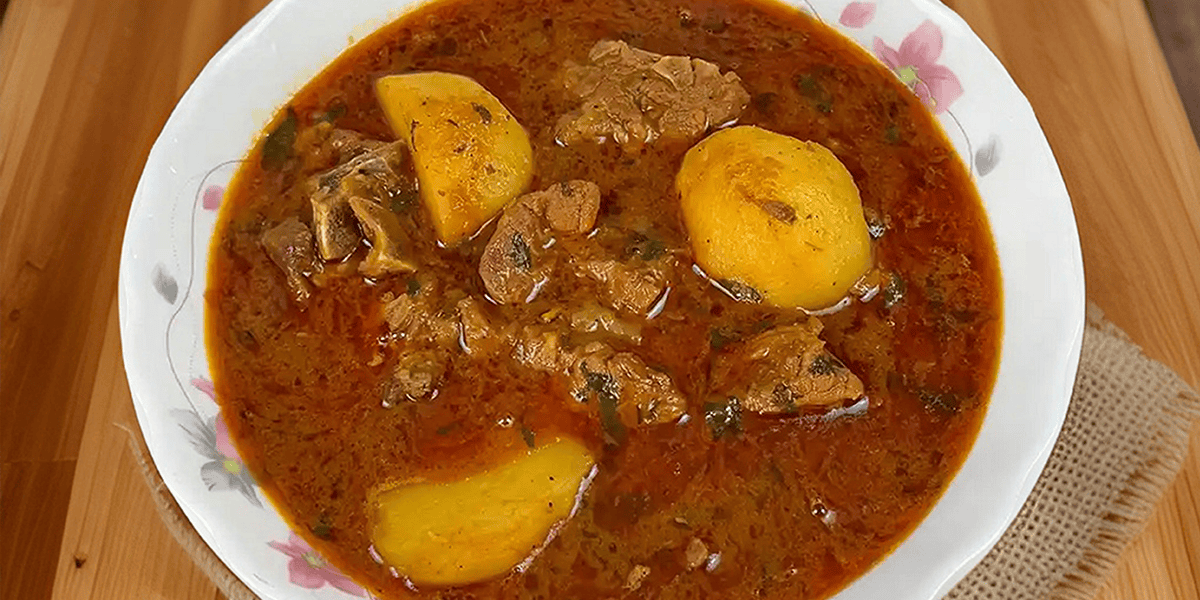
This rich, slow-cooked dish transforms a tough cut of meat into tender, fall-off-the-bone perfection. Oxtail stew originated during colonial times when enslaved people made creative use of less desirable cuts of meat.
The preparation involves browning the oxtail pieces before simmering them for hours with butter beans, carrots, onions, and a blend of spices. Traditionally served with rice and peas, this hearty stew exemplifies the Jamaican approach to comfort food.
Jamaican curry goat
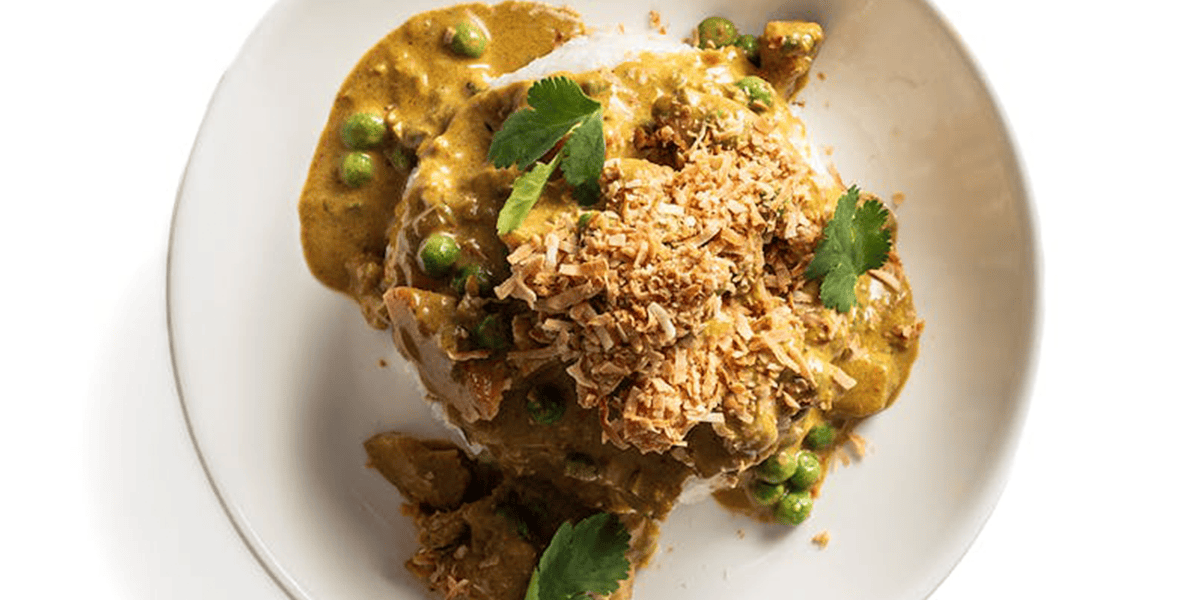
This spicy curry dish showcases the Indian influence on Jamaican cuisine, introduced by indentured laborers in the 19th century. Jamaican curry differs from Indian versions, featuring a unique blend of spices that includes turmeric, coriander, cumin, allspice, and scotch bonnet peppers.
The preparation involves marinating goat meat in a blend of spices before slow-cooking it until tender. Chef Michelle Bernstein's Jamaican Curry Chicken offers a more accessible version of this classic dish.
Brown stew chicken
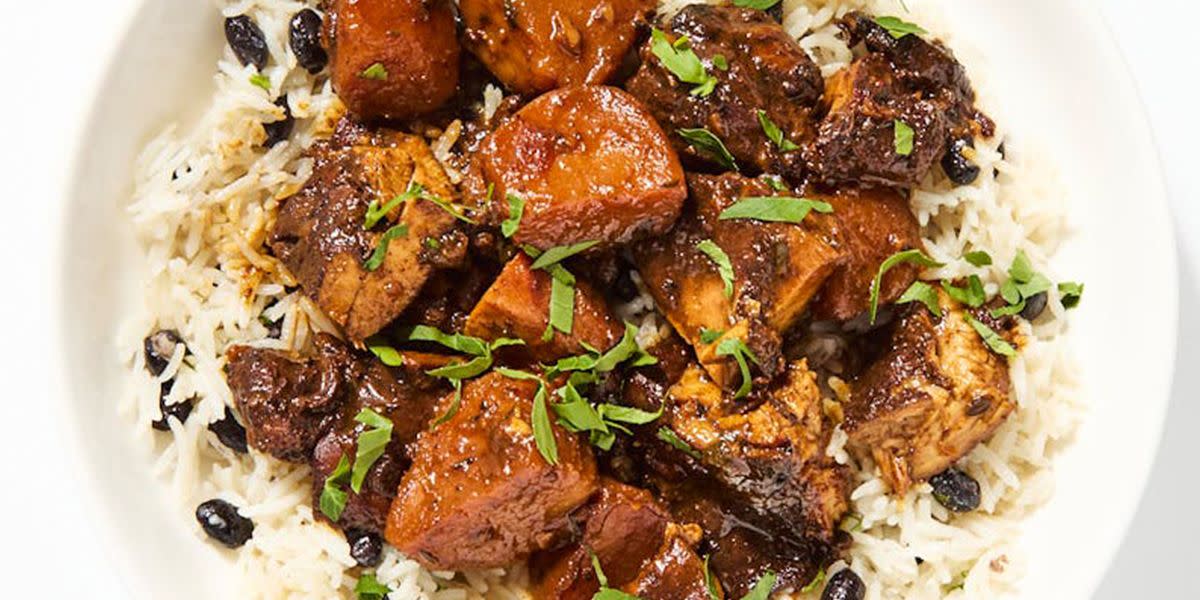
This comforting, home-style dish evolved from African one-pot traditions. The distinctive mahogany color comes from browning chicken with sugar, creating a caramelized exterior that adds depth to the stew.
The preparation involves seasoning chicken pieces with garlic, thyme, and scallions, then browning them with sugar before simmering in a sauce with tomatoes and bell peppers. Chef Chris Massiah's Caribbean Chicken Stew offers an authentic taste of this classic comfort food.
Jamaican patties
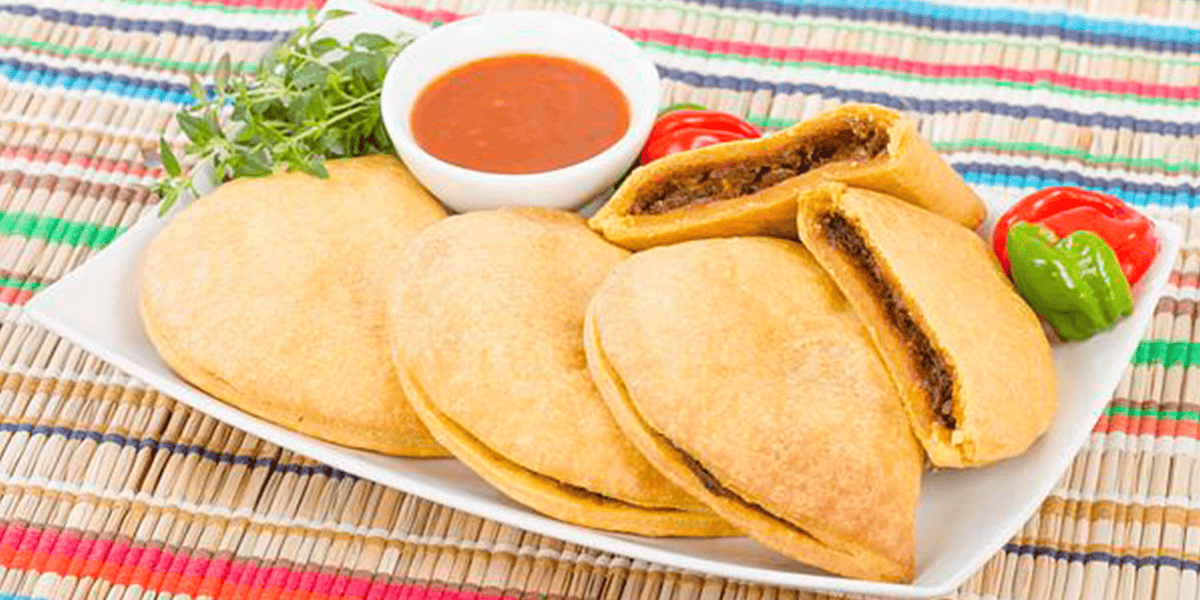
These golden pastries with spiced fillings evolved from Cornish pasties brought by British colonizers but transformed with local ingredients and flavors. The distinctive yellow color comes from turmeric or curry powder in the flaky crust.
The preparation involves creating a buttery pastry dough colored with turmeric, then filling it with seasoned ground beef, chicken, vegetables, or seafood. Jamaican patties have become internationally popular street food and represent one of Jamaica's most successful culinary exports.
Rice and peas
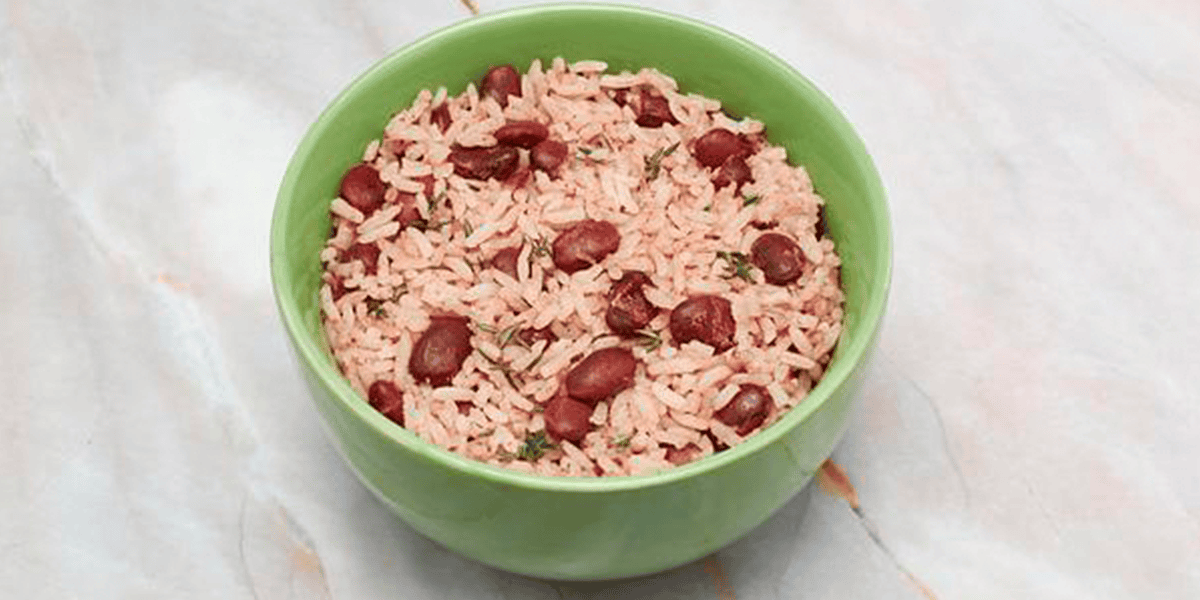
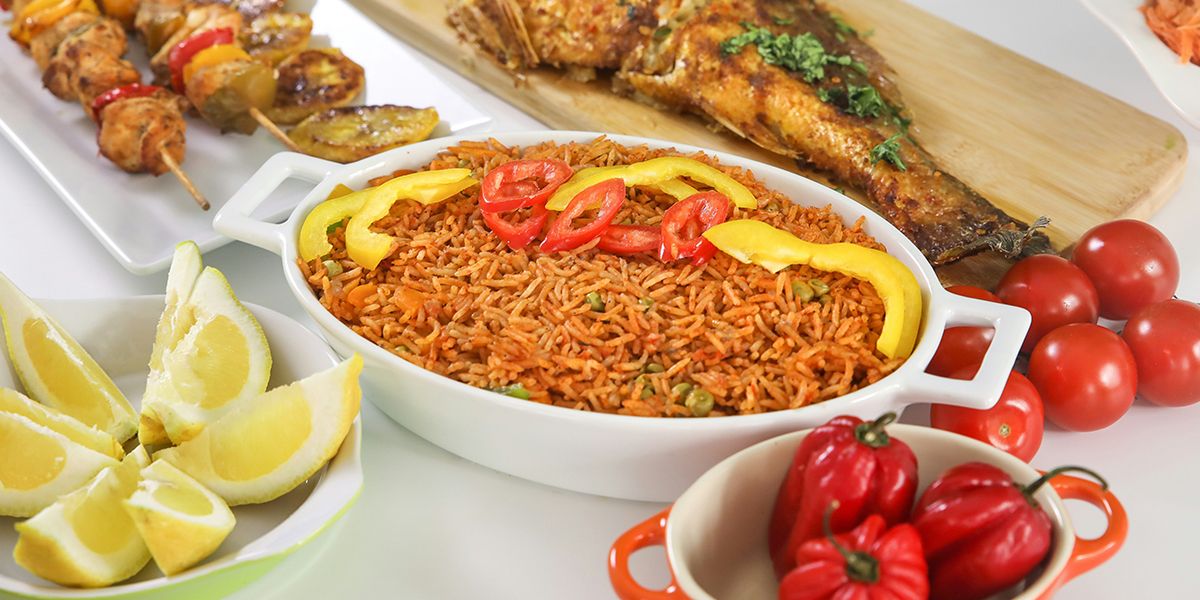
This iconic side dish accompanies most Jamaican meals and has strong African origins adapted with Caribbean ingredients. Despite the name, the dish typically uses kidney beans rather than peas, reflecting the Jamaican practice of calling beans "peas."
For an authentic taste of Jamaica without the cooking, try Jamaican meal delivery featuring dishes crafted by chefs who understand the nuances of this vibrant cuisine.
The preparation involves cooking rice with coconut milk, thyme, scallions, and pre-cooked kidney beans. Traditionally prepared for Sunday dinner, rice and peas exemplifies how Jamaican cooking transforms simple ingredients into something greater than the sum of its parts.
Callaloo
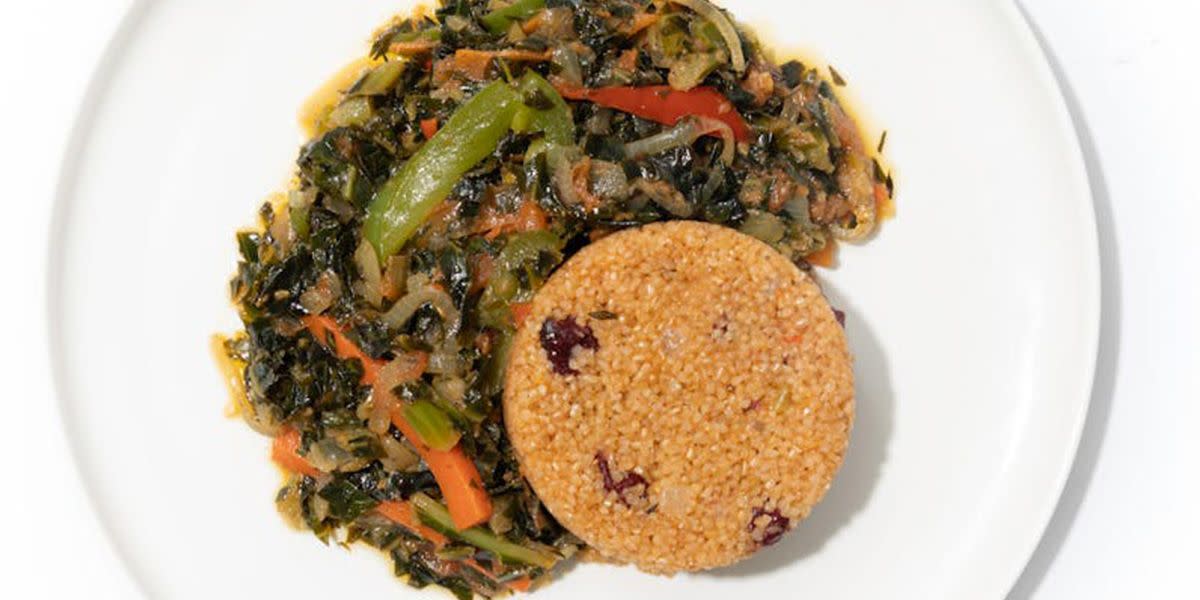
This leafy green vegetable dish has African origins and uses indigenous Caribbean greens similar to spinach or collards. The dish showcases how enslaved Africans adapted their cooking techniques to local ingredients.
The preparation involves sautéing chopped callaloo leaves with onions, garlic, tomatoes, and sometimes saltfish or crab. A-list Chef Nahika Hillery's Jamaican Callaloo offers an authentic interpretation of this nutritious dish.
Fried plantain
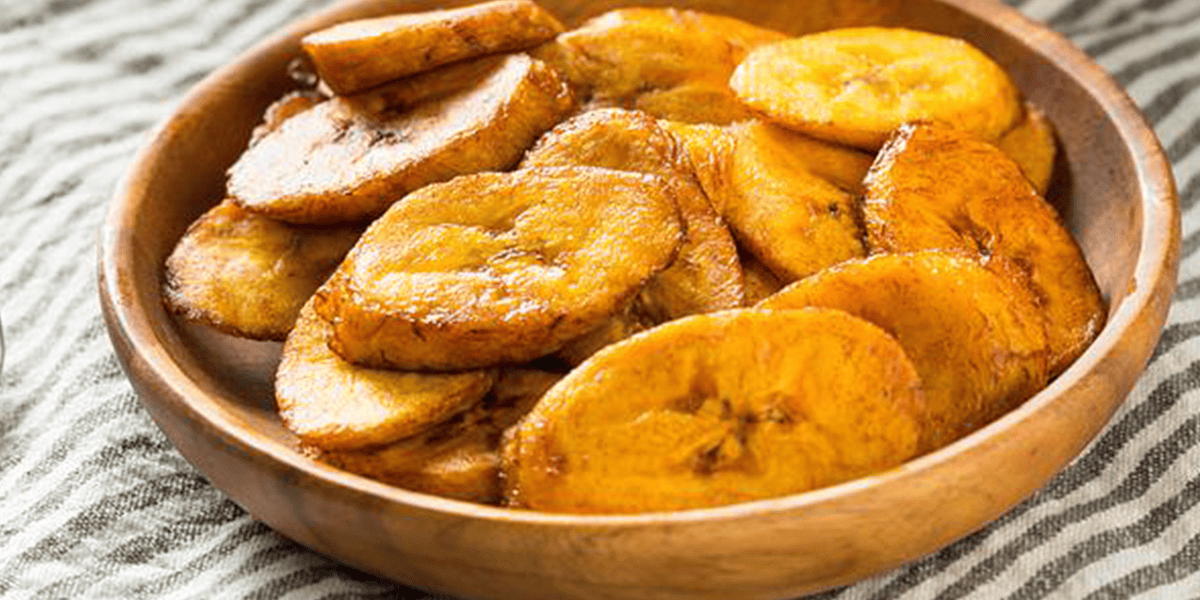
This sweet side dish provides a perfect counterpoint to spicy main courses. The simple preparation belies the complex flavor transformation that occurs when starchy plantains ripen and caramelize during cooking.
The preparation involves slicing very ripe, blackened plantains and frying them until golden brown. Served alongside Chef Aarthi Sampath's Jamdown Jerk Chicken Thighs, fried plantains demonstrate how Jamaican meals balance spicy, savory, and sweet elements.
Rundown
This coconut milk-based fish stew earned its name from the process of "running down" or reducing the coconut milk until it forms a rich, oily sauce. The dish originated among coastal fishing communities using the day's catch.
The preparation involves simmering fish (often mackerel) in coconut milk with tomatoes, onions, peppers, and spices until the sauce thickens substantially. Run Down exemplifies how Jamaican cooking techniques often developed from preservation needs in a tropical climate before refrigeration.
Festival
This lightly sweetened fried dough provides the perfect accompaniment to savory jerk dishes. The slightly sweet bread offers a pleasant contrast to spicy main courses and helps cool the palate.
The preparation involves creating a cornmeal-based dough with a hint of vanilla and sugar, forming it into finger-shaped pieces, and frying until golden brown. Traditional accompaniment to jerk chicken or fried fish, festival demonstrates how Jamaican cuisine developed complementary dishes specifically designed to balance the intense flavors of its signature preparations.
Explore our weekly menu and select your meals.
Popular sides and snacks
Beyond the main dishes, Jamaican cuisine features an array of sides and snacks that round out meals. These smaller dishes often showcase creative uses of local ingredients and preservation techniques.
Popular Jamaican sides include:
Plantain chips (thinly sliced green plantains fried until crisp)
Coco bread (soft, slightly sweet bread folded around patties)
Stamp and Go (salt cod fritters popular for breakfast)
Solomon Gundy (spicy pickled fish pâté with European origins)
Breadfruit (starchy fruit often roasted or fried as a side dish)
Did you know? Jamaican cuisine's bold flavors come from its unique history of cultural fusion, where African, European, Indian, and Chinese cooking techniques merged with indigenous ingredients to create something entirely new.
Traditional desserts to savor
Jamaican sweets showcase the island's abundant tropical fruits, spices, and creative approaches to dessert. These confections often use minimal dairy and rely instead on coconut milk for richness.
Favorite Jamaican desserts include:
Sweet potato pudding (grated sweet potatoes with coconut milk and spices)
Gizzada (sweet coconut tarts with pinched pastry shells)
Coconut drops (grated coconut cooked with sugar and ginger)
Toto (coconut cake with spices and sometimes rum)
Grater cake (pink and white coconut candy)
Tamarind balls (sweet-sour candy made from tamarind fruit)
Rum cake (holiday favorite soaked in Jamaican rum)
Signature beverages
No exploration of Jamaican cuisine would be complete without acknowledging the distinctive drinks that accompany meals. From world-famous spirits to fruit-based beverages, these drinks reflect Jamaica's agricultural bounty.
Popular Jamaican beverages:
Jamaican rum: Produced since the 17th century, known for its full-bodied flavor
Red Stripe beer: Iconic Jamaican lager that pairs well with spicy foods
Rum punch: Fruity cocktail following the rhyme "One of sour, two of sweet, three of strong, four of weak"
Sorrel: Hibiscus-based drink popular during Christmas
Blue Mountain Coffee: Premium coffee grown in Jamaica's misty highlands
Experience authentic Jamaican flavors
For those wanting to experience authentic Jamaican flavors without the work of cooking from scratch, Chef Chris Massiah's Caribbean-inspired dishes like the Spicy Jerk Grilled Chicken Callaloo deliver these traditional tastes straight to your door.
The balance of spicy, savory, and sweet elements in a typical Jamaican meal creates a satisfying dining experience that engages all the senses. From the fiery heat of scotch bonnet peppers to the warming spices of allspice and ginger, these flavor combinations have universal appeal while remaining distinctly Jamaican.
Ready to bring Jamaican flavors to your table without the food prep? Explore our Jamaican meals and order today.
Frequently asked questions about Jamaican food
Are these meals safe for those with severe dietary allergies, such as dairy, soy, and nuts?
While our meals are crafted without certain ingredients, they're prepared in kitchens where cross-contamination may occur. If your allergy is life-threatening, we recommend reviewing ingredient labels carefully before eating.
How can spice levels be adjusted in Jamaican dishes?
Reduce the amount of scotch bonnet peppers or substitute with milder peppers, and balance heat with coconut milk or additional sweetness.
Which ingredients can substitute for scotch bonnet pepper?
Habanero peppers are the closest substitute, while jalapeños or serranos can work for milder versions of traditional dishes.
Are there vegetarian versions of traditional Jamaican dishes?
Yes, Rastafarian Ital cuisine offers plant-based alternatives, and dishes like callaloo, rice and peas, and vegetable patties are naturally vegetarian.
What makes Jamaican jerk seasoning different from other spice blends?
Authentic jerk seasoning combines allspice (pimento) with scotch bonnet peppers, thyme, and other spices for a uniquely Jamaican flavor profile not found in other cuisines.
How is Jamaican curry different from Indian curry?
Jamaican curry powder typically contains more turmeric and allspice than Indian versions, and the dishes often incorporate local ingredients like scotch bonnet peppers and thyme.
Sources:

Be the first to know about new offers
Multiorder discounts, free items and more.