Back
BackCelebrate Women’s History Month: Famous Female Chefs, Recipes, & Dishes
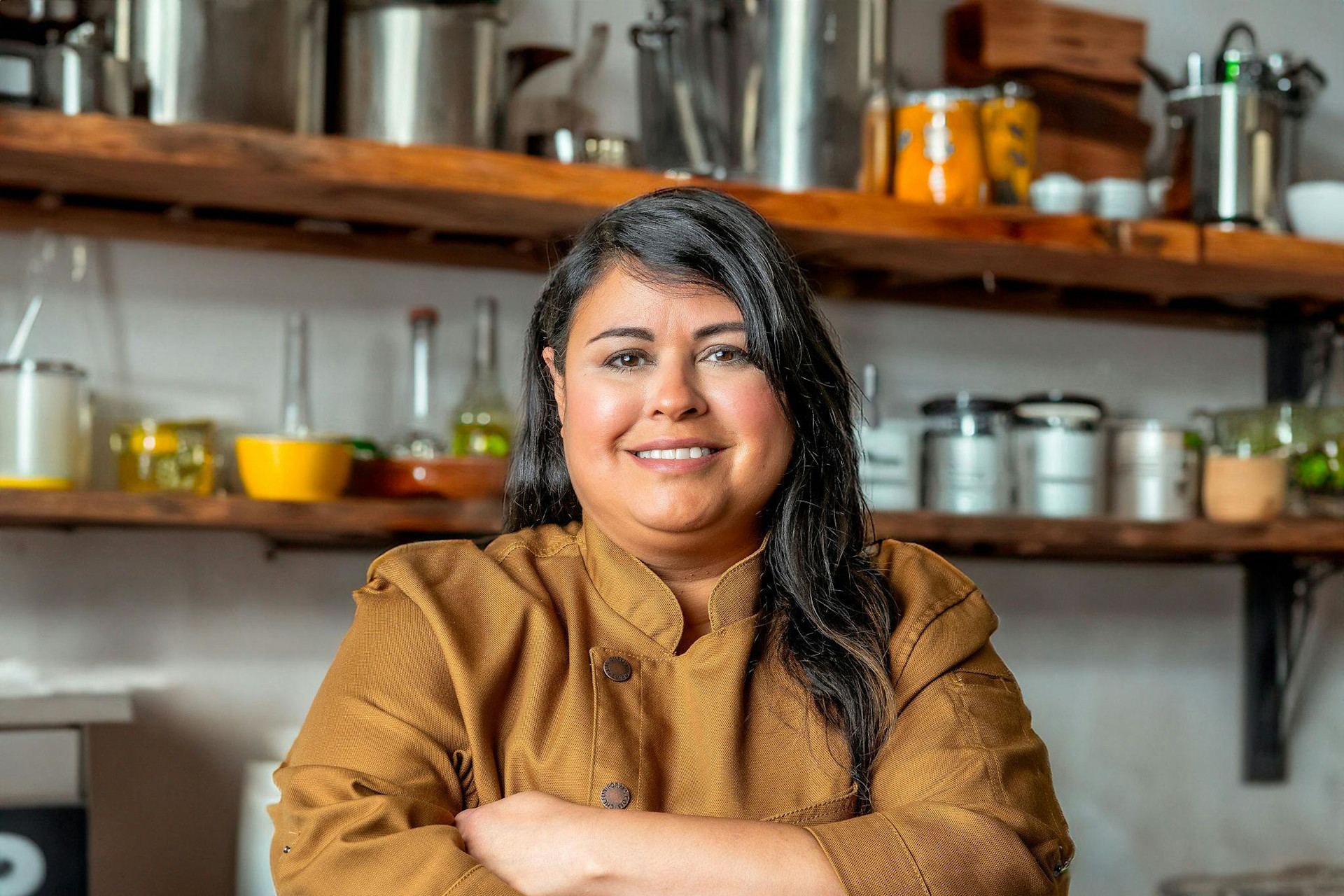
Every meal tells a story, and Women's History Month food is a brilliant example of this. A bowl of soup can echo the wisdom of grandmothers, a slice of bread can embody the artistry of female bakers, and a plate of handmade pasta can speak of resilience passed down through generations. Cooking these foods isn’t just an act of sustenance—it’s a way to honor the women who came before us. With this in mind, we wanted to take a moment to talk about ways to celebrate Women's History Month with food and more deeply connect with remarkable women in food by honoring long-standing culinary history and traditions (with our own twist, of course).
As Julia Child once said, “People who love to eat are always the best people." With that sentiment in mind, this Women’s History Month food journey is an invitation to do just that—cook, eat, explore, and savor the legacy of women who’ve shaped the culinary world.
What is Women’s History Month?
Every March, the world pauses to recognize the profound impact of women throughout history. The origins of Women’s History Month started with a dedicated day (International Women’s Day) in 1911. Over time, it expanded into a full month in 1987. This month is meant to acknowledge the countless contributions of women across politics, science, literature, and, of course, the culinary arts. What started as a movement to highlight women’s achievements has evolved into a global celebration of resilience, ingenuity, and leadership.
From classrooms to workplaces, people honor this month in diverse ways—through storytelling, art, activism, and, notably, food for Women’s History Month. In many cultures, feasts are a way to pay homage to ancestors, and this month is no different. Restaurants host special menus spotlighting iconic female chefs, culinary festivals feature women-owned businesses, and families gather in kitchens to recreate recipes that have stood the test of time.
Celebrating Female Influence on Food & Cooking For Women’s History Month
The connection between women and food is undeniable. Across generations, women have shaped agricultural practices, pioneered new cooking techniques, and preserved heritage recipes that define entire cultures. From the hands that first milled grain to the innovators who brought global flavors to fine dining, women have always been the heart of the culinary world. Crafting a Women’s History Month menu is about preparing meals, and it's also about recognizing the creativity, skill, and perseverance of the women who have defined food culture.
Famous Women in the Culinary Industry
The kitchen has long been a stage for creativity, resilience, and cultural revolution. While many women have shaped food traditions behind the scenes for centuries, some trailblazers stepped into the spotlight, forever altering the way we cook, eat, and think about food. These famous female chefs shattered barriers, introduced bold new flavors, and elevated their craft to an art form. Contributions from famous women in food history continue to inspire chefs, home cooks, and food lovers alike, making them essential figures in any Women’s History Month foodie guide.
Julia Child – The Woman Who Made French Cuisine Accessible
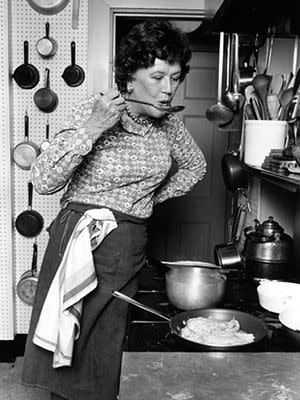
No name is more synonymous with French cooking in America than Julia Child. With her unmistakable voice, infectious enthusiasm, and fearless approach to butter, she introduced a generation of Americans to the wonders of French cuisine through her legendary cookbook Mastering the Art of French Cooking and her beloved TV show The French Chef. Before Julia, fine dining was seen as the exclusive domain of professional chefs. As famous female chefs go, Child demystified complex techniques, proving that with enough passion (and a well-sharpened knife), anyone could create a soufflé or coq au vin.
Edna Lewis – The Grand Dame of Southern Cuisine
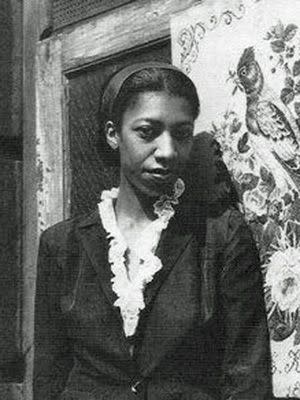
Long before “farm-to-table” was a movement, Edna Lewis was living it. A true pioneer of Southern cooking, she championed fresh, seasonal ingredients long before it was fashionable. Born in a small Virginia farming community, she drew from her childhood experiences to celebrate authentic American flavors of the South. Her seminal cookbook The Taste of Country Cooking is more than a collection of recipes—it’s a love letter to heritage, storytelling, and the deep roots of Black culinary traditions.
Cristeta Comerford – The First Female White House Executive Chef
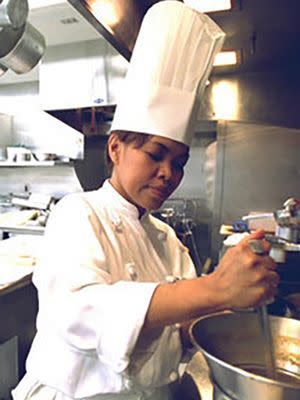
Among famous women chefs breaking barriers at the highest level, Cristeta Comerford made history as the first female—and first Asian-American—White House Executive Chef. Born in the Philippines, she brought her expertise in global cuisine to the White House kitchen, crafting menus for presidents and dignitaries alike. With her skillful fusion of fresh, nutritious, and culturally diverse dishes, she has revolutionized White House dining, proving that food diplomacy is as powerful as policy.
Alice Waters – The Godmother of Organic & Sustainable Eating

If you’ve ever enjoyed an organic, locally sourced meal at a restaurant, you have Alice Waters to thank. A visionary in the world of sustainable food, she opened Chez Panisse in 1971, transforming how Americans think about ingredients. By championing farmers, seasonal produce, and simple, elegant flavors, she sparked a revolution that continues to shape modern dining.
Niki Nakayama – Innovator of Modern Kaiseki Cuisine
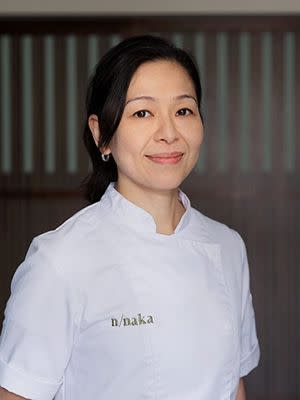
A master of precision and storytelling through food, Niki Nakayama has redefined kaiseki cuisine—the meticulous, multi-course Japanese dining tradition. As the owner and executive chef of n/naka, a two-Michelin-starred restaurant in Los Angeles, she blends ancient techniques with modern creativity, challenging expectations in a male-dominated culinary world. Through her exquisite dishes, she pays homage to tradition, seasonality, and the art of Japanese cuisine, all while forging her own path and inspiring other female chefs along the way.
Nancy Silverton – The Artisan Who Reinvented Sourdough & Pizza
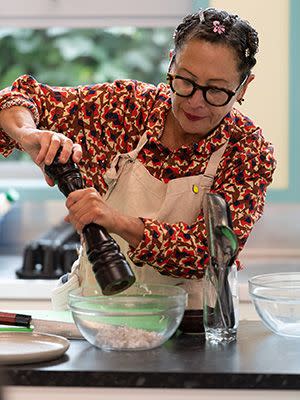
If you’ve ever bitten into a beautifully blistered, chewy sourdough loaf or a wood-fired pizza with a perfect crust, you’ve experienced the influence of Nancy Silverton. As the founder of La Brea Bakery, she transformed American baking by bringing artisanal, high-hydration sourdough into the mainstream. Later, at Pizzeria Mozza, she applied the same obsession with texture and fermentation to pizza, proving that the crust is just as important as the toppings.
Each of these famous women chefs has left an indelible mark on the world of food, and their legacies continue to inspire chefs, bakers, and home cooks alike.
Women’s History Month Appetizers: Honoring Women Through Flavor
Great food doesn’t just satisfy hunger—it tells a story. Appetizers, in particular, offer a first impression, a promise of what’s to come, much like the women who have shaped culinary history. These bite-sized delights are inspired by trailblazing female chefs and food traditions, honoring their skill, innovation, and artistry. Whether you’re hosting a gathering or indulging in a solo snack, these Women’s History Month snacks bring history to the table in the most delicious way.
Deviled Eggs – A French Twist on a Classic Honoring Julia Child
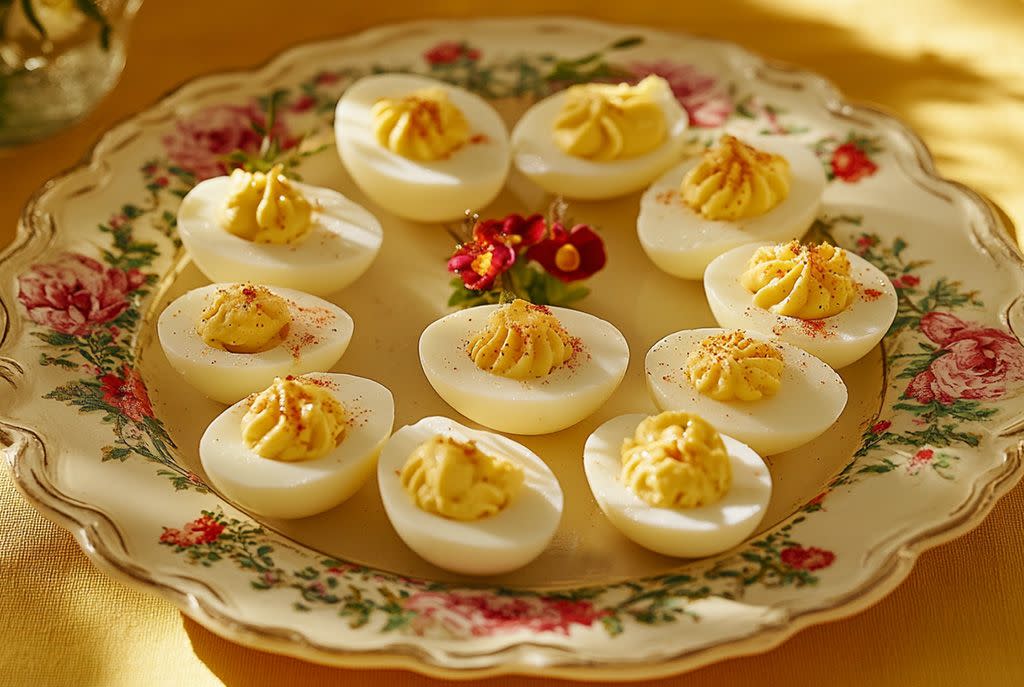
Julia Child was a firm believer in elevating simple dishes into something extraordinary. While she introduced Americans to intricate French cuisine, she also celebrated approachable, elegant bites—like deviled eggs. A staple at gatherings, deviled eggs are the perfect blend of creamy, tangy, and savory, and with a touch of French influence, they become oeufs mimosa, a refined version of this timeless dish. Here is an excellent way to prepare eggs for Women’s History Month with a Child-inspired deviled egg recipe:
French-Inspired Deviled Eggs Recipe Ingredients:
6 large eggs, hard-boiled and peeled
¼ cup mayonnaise
1 tsp Dijon mustard
1 tsp lemon juice
½ tsp smoked paprika
1 tbsp crème fraîche (optional, for extra richness)
Salt and black pepper, to taste
Chives, finely chopped, for garnish
Instructions:
Cut eggs in half lengthwise and remove yolks. Mash yolks with mayonnaise, Dijon mustard, lemon juice, paprika, and crème fraîche.
Season with salt and pepper, then spoon or pipe the mixture back into egg whites.
Garnish with finely chopped chives and an extra sprinkle of paprika. Serve chilled.
Skip the kitchen and try our Creamy Egg Salad for a twist on this deviled egg recipe you can enjoy while celebrating the brilliant women in your life this month.
Quiche Lorraine – The French Classic Revived by Julia Child
Quiche Lorraine is a savory pie that hails from the Lorraine region of France and traditionally features a buttery crust filled with a creamy mixture of eggs, cream, and bacon. While the dish has roots deep in French culinary tradition, it was Julia Child who introduced this comforting dish to the American public, showcasing it as a versatile and elegant dish suitable for any gathering. Julia’s promotion of Quiche Lorraine helped transform it from a simple French staple into a worldwide classic, celebrated for its rich flavors and adaptability.
Quiche Lorraine Recipe Ingredients:
1 9-inch pie crust
8 ounces bacon, chopped
4 large eggs
1 1/2 cups heavy cream
1 cup grated Gruyère cheese
1/2 teaspoon salt
1/4 teaspoon pepper
Pinch of nutmeg
Instructions:
Preheat your oven to 375°F (190°C). Roll out the pie crust and gently place it in a 9-inch pie pan. Crimp the edges as desired and prick the bottom with a fork. Pre-bake the crust for 8 minutes until slightly golden.
In a skillet over medium heat, cook the chopped bacon until crispy. Remove from heat and spread evenly over the pre-baked crust.
In a mixing bowl, whisk together eggs, heavy cream, salt, pepper, and a pinch of nutmeg. Stir in the grated Gruyère cheese.
Pour the egg and cream mixture over the bacon in the pie crust.
Place the quiche in the oven and bake for 35-40 minutes, or until the custard is set and the top is lightly golden.
Allow the quiche to cool slightly before slicing. Serve warm.
Caprese Skewers – A Tribute to Italian Women in Food
For centuries, Italian women and female chefs have been the keepers of cheese-making and tomato cultivation, ensuring these two beloved ingredients found their way into some of the most iconic dishes in history. The Caprese salad is a testament to this legacy, and these Caprese skewers offer an easy, elegant way to serve this classic combination.
Caprese Skewers Recipe Ingredients: 12 cherry tomatoes 12 mini mozzarella balls (bocconcini) 12 fresh basil leaves 2 tbsp extra virgin olive oil 1 tbsp balsamic glaze Salt and black pepper, to taste 12 small skewers or toothpicks
Instructions:
Thread one cherry tomato, one mozzarella ball, and one basil leaf onto each skewer.
Drizzle with olive oil and balsamic glaze.
Sprinkle with salt and pepper before serving.
No time to make skewers? Make apps easy by trying our Caprese Crostini with Basil Pesto - it’s a surefire hit for any occasion.
Miso-Glazed Eggplant – A Nod to Kaiseki Cuisine (Inspired by Niki Nakayama)
In Japan, kaiseki cuisine is an art form, with deep roots in tradition and seasonality. Women have long played an essential role in Japanese culinary history, from preserving fermentation techniques to mastering delicate flavors. Niki Nakayama, a modern master of kaiseki, has brought this intricate style to the global stage. This miso-glazed eggplant is a silky, umami-packed dish that pays homage to Japan’s elegant and intentional approach to food.
Miso-Glazed Eggplant Recipe Ingredients:
2 medium Japanese eggplants, sliced in half lengthwise
2 tbsp miso paste (preferably white miso)
1 tbsp mirin (sweet rice wine)
1 tbsp soy sauce
1 tsp sesame oil
1 tsp honey or maple syrup
1 tbsp rice vinegar
1 tbsp toasted sesame seeds, for garnish
1 scallion, finely sliced, for garnish
Instructions:
Preheat oven to 400°F (200°C). Score the flesh of the eggplants in a crosshatch pattern.
In a small bowl, whisk together miso paste, mirin, soy sauce, sesame oil, honey, and rice vinegar.
Brush the miso mixture generously over the eggplants.
Roast for 20–25 minutes until golden, caramelized, and tender.
Garnish with toasted sesame seeds and sliced scallions. Serve warm.
Short on time? Order our Caramelized Miso Eggplant. It’s delicious and delivered right to your door.
Women’s History Month Favorite Soups & Stews
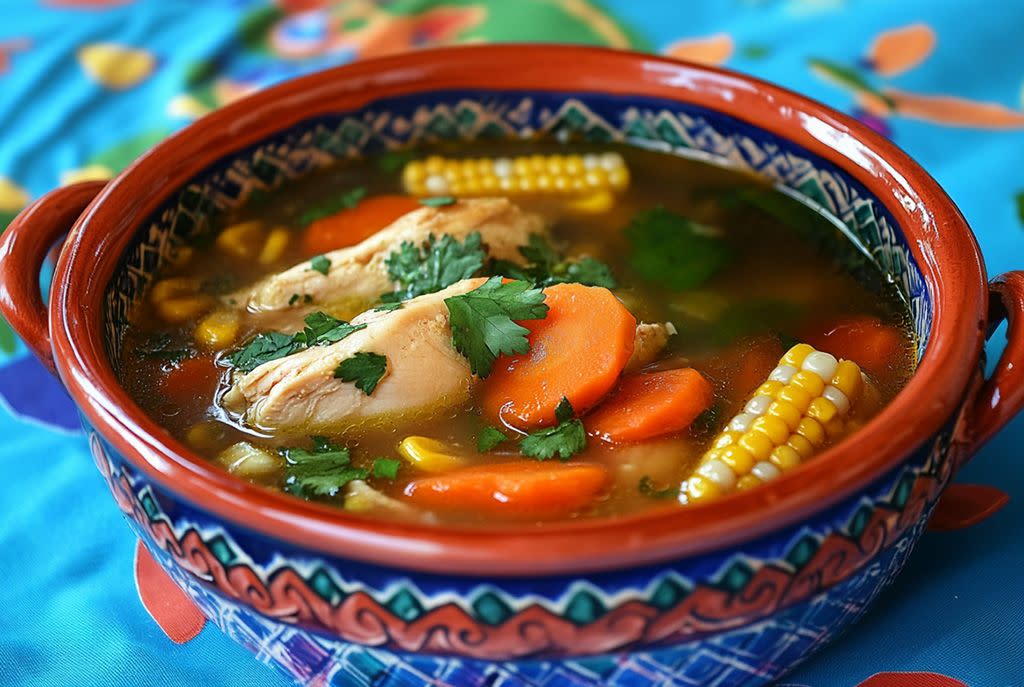
Few dishes offer the same warmth, comfort, and history as a well-made soup or stew. These dishes are time capsules of culinary tradition, shaped by the hands of women who have fed generations. Whether it’s the slow caramelization of onions in a classic French onion soup, the nurturing spices of Latin American caldo de pollo, or the rich, peanut-infused depth of West African peanut stew, each bowl tells a story of resilience, heritage, and artistry. These Women’s History Month foods invite us to celebrate history (and women chefs) one simmering spoonful at a time.
Caldo de Pollo – The Heartbeat of Latin American Cooking
Across Latin America, caldo de pollo is more than a meal—it’s a healing, comforting embrace in a bowl. Passed down from grandmothers to daughters, this chicken soup is known for its rich broth, vibrant vegetables, and warming spices.
Caldo de Pollo Recipe Ingredients:
1 whole chicken, cut into pieces
1 large onion, chopped
3 cloves garlic, minced
3 carrots, chopped
2 potatoes, diced
1 zucchini, sliced
½ cup corn kernels
1 tsp cumin
1 tsp oregano
8 cups water or chicken broth
Fresh cilantro and lime wedges for garnish
Instructions:
In a large pot, sauté onions and garlic until fragrant. Add chicken and brown slightly.
Pour in broth, then add carrots, potatoes, cumin, and oregano. Simmer for 45 minutes.
Stir in zucchini and corn, cooking for another 10 minutes.
Serve hot with fresh cilantro and a squeeze of lime.
French Onion Soup – A Tribute to Women in French Cuisine
French cuisine has long been revered for its depth and elegance, and French onion soup is no exception. While often associated with grand restaurants, this dish originated as a humble, home-cooked meal—a perfect example of how women in French kitchens transformed simple ingredients into something extraordinary.
French Onion Soup Recipe Ingredients:
4 large yellow onions, thinly sliced
2 tbsp butter
1 tbsp olive oil
1 tsp salt
1 tsp sugar
4 cups beef broth (or vegetable broth for a vegetarian version)
½ cup white wine
1 tsp fresh thyme
1 baguette, sliced
1½ cups grated gruyère cheese
Instructions:
Heat butter and olive oil in a large pot over medium heat. Add onions and salt, stirring occasionally.
Once onions soften, add sugar and cook until deep golden brown and caramelized (about 30 minutes).
Pour in wine, scraping up the browned bits, then add broth and thyme. Simmer for 15 minutes.
Ladle soup into oven-safe bowls, top with toasted baguette slices and gruyère, then broil until melted and bubbly.
Bouillabaisse – A Mediterranean Marvel Crafted by Women
Bouillabaisse originates from the port city of Marseille and embodies the rustic and vibrant flavors of coastal French cooking. Traditionally prepared by the women of fishermen's families, this stew was initially made from the bountiful catch that was too abundant or small to sell at the market. Today, bouillabaisse stands as a symbol of Provençal cuisine and it also aligns beautifully with Julia Child's explorations of French cuisine, making it an essential part of our culinary celebration this month.
Bouillabaisse Recipe Ingredients:
1/4 cup olive oil
1 large onion, finely chopped
2 leeks, white parts only, cleaned and sliced
4 cloves of garlic, minced
2 tomatoes, chopped
1 orange zest strip
1 bay leaf
1 teaspoon fennel seeds
1 pinch of saffron threads
2 quarts fish stock
1 pound firm white fish fillets (like cod or halibut), cut into chunks
1 pound shellfish (like mussels and clams), scrubbed
1/2 pound shrimp, peeled and deveined
Salt and pepper to taste
Rouille sauce, for serving
Crusty bread, for serving
Instructions:
In a large pot, heat the olive oil over medium heat. Add the onion, leeks, and garlic, cooking until they are soft but not browned.
Stir in the chopped tomatoes, orange zest, bay leaf, fennel seeds, and saffron. Cook for another minute until fragrant.
Pour in the fish stock and bring the mixture to a simmer. Reduce the heat and let it gently simmer for 20 minutes to allow the flavors to meld.
Add the chunks of white fish to the broth and simmer for 5 minutes. Then add the shellfish and shrimp, cooking until the shellfish open and the shrimp turn pink, about 5 minutes more.
Taste and adjust the seasoning with salt and pepper.
Ladle the bouillabaisse into bowls, ensuring each gets a good mix of fish and shellfish. Serve with a dollop of rouille sauce on top and plenty of crusty bread on the side.
West African Peanut Stew – A Dish Rooted in Strength and Tradition
Across West Africa, women have long perfected the balance of bold flavors and nourishing ingredients, and peanut stew (maafe) is one of the region’s most celebrated dishes. A combination of ground peanuts, tomatoes, and warming spices, this dish reflects the heart and soul of African culinary heritage.
West African Peanut Stew Recipe Ingredients:
2 tbsp peanut oil
1 onion, diced
3 cloves garlic, minced
1 tbsp fresh ginger, grated
1 tsp cumin
1 tsp smoked paprika
1 sweet potato, diced
½ cup natural peanut butter
1 can diced tomatoes
4 cups vegetable or chicken broth
1 can chickpeas (optional)
2 cups chopped greens (collards, kale, or spinach)
Salt and pepper, to taste
Crushed peanuts and cilantro for garnish
Instructions:
Heat peanut oil in a large pot. Sauté onions, garlic, and ginger until fragrant.
Add cumin, paprika, and sweet potatoes, stirring for a minute.
Stir in peanut butter, tomatoes, and broth. Simmer for 25 minutes.
Add chickpeas and greens, cooking until tender. Season with salt and pepper.
Serve hot, garnished with crushed peanuts and cilantro.
Skip the market and save time by trying our authentic Ghanaian Chicken Peanut Stew - you’ll love how the West African flavors pop.
Women’s History Month Main Dishes & Iconic Recipes
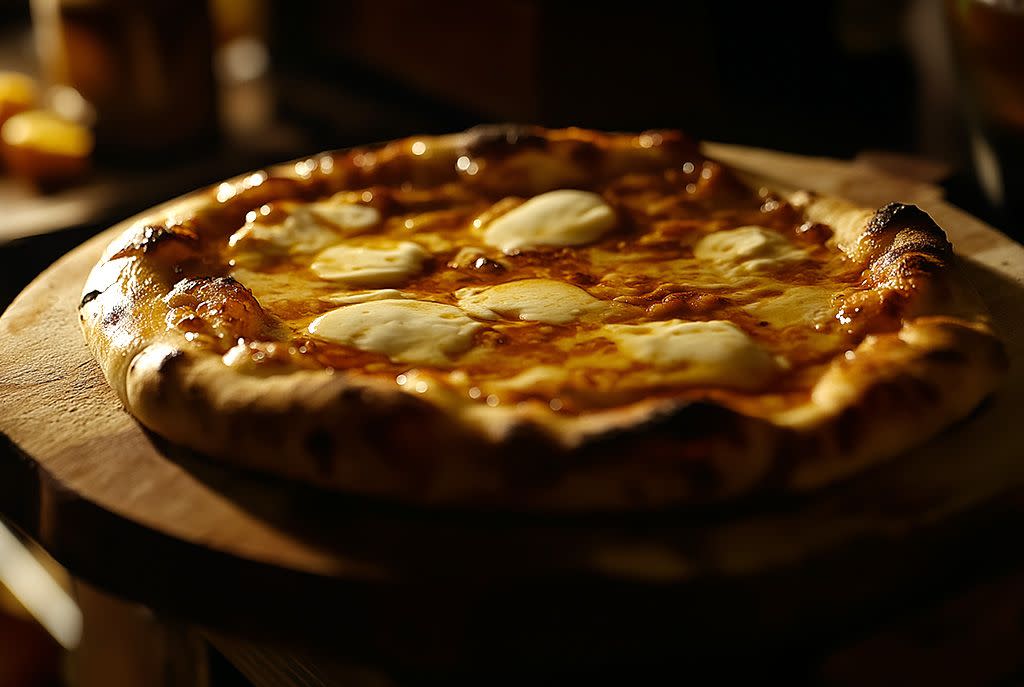
The heart of any great meal lies in its main course, and throughout history, women have been at the center of some of the most beloved and enduring dishes. Whether through slow-cooked stews, labor-intensive handmade creations, or the mastery of fermentation, these dishes tell the stories of generations of women who shaped the way we eat today. This Women’s History Month menu pays tribute to their dedication, craftsmanship, and culinary artistry with three iconic dishes inspired by female-led traditions.
Sourdough Pizza – The Art of Fermentation (Inspired by Nancy Silverton)
Nancy Silverton revolutionized artisan baking in America, bringing a deep appreciation for slow fermentation and high-hydration doughs. Her influence on sourdough bread and pizza crust is legendary, proving that the foundation of a great pizza is as important as the toppings. This homemade sourdough pizza pays homage to her legacy.
Sourdough Pizza Recipe Ingredients:
2 ½ cups all-purpose flour
½ cup sourdough starter
¾ cup warm water
1 tsp salt
1 tbsp olive oil
½ cup pizza sauce
1 cup mozzarella cheese
Toppings of choice (basil, mushrooms, pepperoni, etc.)
Instructions:
In a bowl, mix flour, sourdough starter, and water until combined. Let rest for 30 minutes.
Add salt and olive oil, then knead until smooth. Cover and ferment for 4–6 hours.
Preheat oven to 475°F (245°C). Stretch the dough into a thin circle.
Top with sauce, cheese, and toppings, then bake for 12–15 minutes until golden and bubbly.
If you’re not a fan of sourdough pizza or simply don’t have time to make a pie from scratch, try our Grilled Naan Pizza Margherita - it’s a CookUnity favorite that’s certain to become your new go-to.
Coq au Vin – A French Classic with a Feminine Touch (Inspired by Julia Child)
There’s something undeniably magical about coq au vin, a slow-braised chicken dish simmered in red wine with onions, mushrooms, and bacon. While many women chefs may have their own versions, Julia Child made this dish famous in America. To this day, its roots run deep in the kitchens of French women who perfected the art of braising tough cuts of meat into something spectacular.
Coq au Vin Recipe Ingredients:
1 whole chicken, cut into pieces
4 slices bacon, diced
1 tbsp butter
1 large onion, chopped
2 carrots, sliced
2 cloves garlic, minced
2 cups red wine (Burgundy or Pinot Noir)
2 cups chicken broth
1 tbsp tomato paste
1 tsp fresh thyme
8 oz mushrooms, quartered
Salt and pepper, to taste
Instructions:
In a large pot, cook bacon until crisp. Remove and set aside.
Sear the chicken in the bacon fat and butter until golden brown. Remove and set aside.
Sauté onions, carrots, and garlic until fragrant. Stir in tomato paste, then deglaze with wine.
Return chicken to the pot, add broth, thyme, and simmer for 45 minutes.
Stir in mushrooms and bacon, cooking for 10 more minutes. Serve warm.
Don’t have a day to devote to cooking? No problem. Our popular Coq au Vin will save you time and satisfy your tastebuds.
Marcella Hazan’s Bolognese Sauce – A Culinary Legacy
Marcella Hazan is an influential Italian female chef who has significantly shaped how the world perceives and prepares Italian cuisine. Her Bolognese sauce is a quintessential testament to this, highlighting the robust flavors and simplicity that define authentic Italian cooking. This dish not only complements the Italian-themed tiramisu found in the dessert section but also enhances the overall theme of celebrating Italy's rich culinary legacy.
Marcella Hazan’s Bolognese Sauce Recipe Ingredients:
1 tablespoon vegetable oil
3 tablespoons butter plus 1 tablespoon for tossing the pasta
½ cup chopped onion
⅔ cup chopped celery
⅔ cup chopped carrot
¾ pound ground beef chuck (or you can use 1 part pork to 2 parts beef for more flavor)
Salt
Black pepper, ground fresh from the mill
1 cup whole milk
Whole nutmeg
1 cup dry white wine
1½ cups canned imported Italian plum tomatoes, cut up, with their juice
1¼ to 1½ pounds pasta (preferably tagliatelle)
Freshly grated parmigiano-reggiano cheese at the table
Instructions:
In a large, heavy-bottomed pot, combine the oil, 3 tablespoons of butter, and the chopped onion. Set over medium heat and cook until the onion is translucent, then add the celery and carrot. Cook for 2 minutes, stirring to coat the vegetables well.
Add the ground beef, a large pinch of salt, and a few grinds of pepper. Crumble the meat with a fork, stir well, and cook until the beef has lost its raw, red color.
Pour in the milk and let it simmer gently, stirring frequently, until it has bubbled away completely. Add a tiny grating of nutmeg.
Next, add the wine and let it simmer until it has evaporated. Then add the tomatoes and stir thoroughly to coat all ingredients well. When the tomatoes begin to bubble, turn the heat down so that the sauce cooks at
Cover the pot with the lid slightly ajar and simmer for about 3 hours. Stir occasionally, and if the sauce begins to dry out or stick to the bottom of the pot, add 1/2 cup of water as needed to keep it moist. By the end of cooking, there should not be a lot of liquid; the sauce should be thick and creamy.
When the sauce is nearing completion, bring a large pot of salted water to a boil. Cook the pasta according to package instructions until al dente.
Drain the pasta and toss it with the remaining tablespoon of butter, then add the Bolognese sauce over medium heat. Stir well to coat the pasta with the sauce. Serve with freshly grated parmigiano-reggiano cheese sprinkled over the top.
Collard Greens – A Staple of Southern Cooking
Collard greens hold a revered place in Southern cuisine, deeply rooted in African American food traditions. Celebrated chef Edna Lewis, known for her pioneering influence on Southern cooking, elevated this humble dish by advocating for traditional methods that bring out the natural flavors of the greens. Her approach emphasized the importance of seasonal and local ingredients, making collard greens a cornerstone in the Southern culinary repertoire.
Collard Greens Recipe Ingredients:
2 pounds collard greens, rinsed and tough stems removed
3 tablespoons olive oil or bacon fat
1 onion, finely chopped
3 cloves garlic, minced
1 teaspoon salt
1/2 teaspoon black pepper
1/2 teaspoon crushed red pepper flakes (optional)
3 cups chicken or vegetable broth
2 tablespoons apple cider vinegar
1 tablespoon sugar (optional, to balance bitterness)
Smoked turkey necks, ham hocks, or bacon (optional, for added flavor)
Instructions:
Stack several collard leaves atop one another, roll them tightly, and slice them into 1-inch thick ribbons.
In a large pot, heat the olive oil or bacon fat over medium heat. Add the chopped onion and garlic, cooking until the onions are translucent and fragrant.
Increase the heat to medium-high and add the collard greens to the pot. Stir in salt, black pepper, and red pepper flakes if using. Cook for about 5 minutes, stirring occasionally, until the greens begin to wilt.
Pour in the broth and bring the mixture to a boil. Reduce the heat to low and simmer gently for about 45 minutes to 1 hour, or until the greens are tender. If using smoked turkey, ham hocks, or bacon, add them to the broth to infuse the greens with a smoky flavor.
Once the greens are tender, stir in apple cider vinegar and sugar if using. Adjust seasoning as needed.
Remove the meat if used and shred it before returning it to the pot. Stir well to combine and serve the collard greens hot as a side dish or main course.
Tamales – A Labor of Love in Latin American Kitchens
Tamales aren’t just food—they’re a tradition passed from one generation of women to the next. Across Mexico and Latin America, women gather for tamale-making marathons, shaping corn masa dough, filling each with spiced meat or cheese, and wrapping them in corn husks before steaming to perfection. These bundles of joy are a symbol of family, heritage, and resilience.
Classic Tamales Recipe Ingredients:
2 cups masa harina
1 ½ cups warm chicken broth
½ cup lard or vegetable shortening
1 tsp baking powder
½ tsp salt
1 cup shredded chicken or cheese
1 cup salsa verde or red chile sauce
12 dried corn husks, soaked in warm water
Instructions:
In a bowl, mix masa harina, baking powder, and salt. Add broth and lard, mixing until dough is soft and pliable.
Spread masa onto each softened corn husk, leaving space at the edges.
Fill with chicken and salsa, then fold sides and tuck the bottom to secure.
Steam upright in a pot for about 1 hour, until tamales easily pull away from husks.
Can’t gather your posse of pals for a tamale-making fest? You don’t have to with our home-delivered Guajillo Braised Beef Tamales.
Women’s History Month Desserts: Sweet Treats with a Story
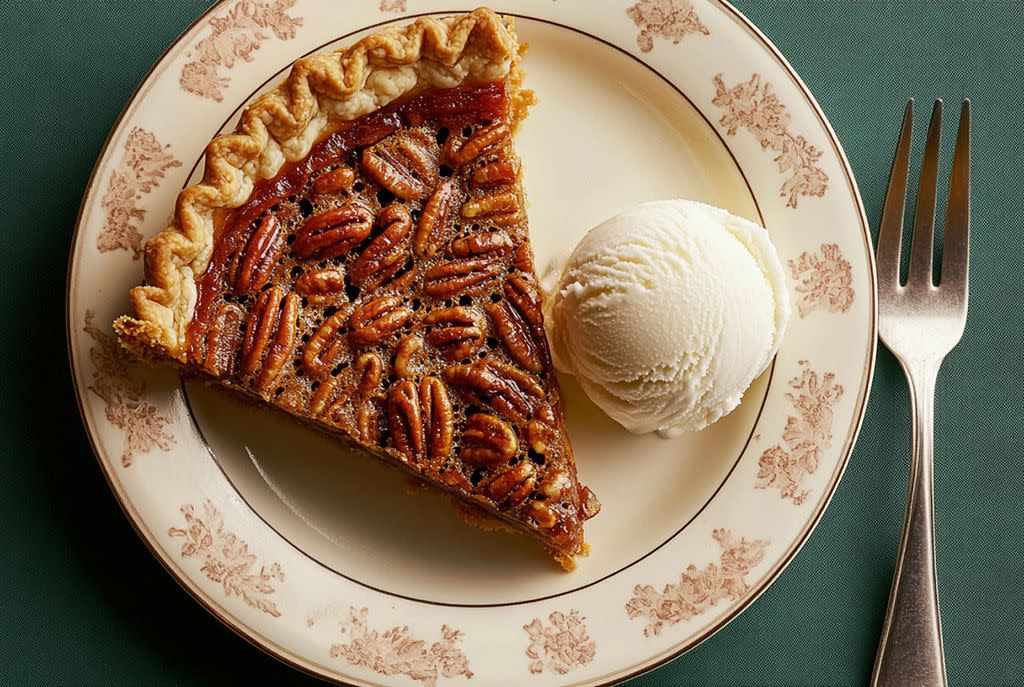
Desserts are the final note of a meal, but they also carry history, tradition, and the creativity of the women who perfected them. Across the world, women have played an essential role in preserving and evolving pastry and baking traditions, transforming simple ingredients into confections that delight the senses and tell a story. This Women’s History Month foodie guide celebrates three iconic desserts that honor the legacy of female bakers, pastry chefs, and home cooks who shaped the sweet side of culinary history.
Pecan Pie – Southern Women’s Sweet Legacy
Pecan pie is a quintessential Southern dessert, deeply tied to the legacy of women in Southern baking traditions. Passed down through generations, this pie is as much about hospitality as it is about indulgence. Women in food across the South perfected the balance of a crisp, buttery crust and a gooey, caramel-like pecan filling, making it a staple at holidays and celebrations.
Classic Pecan Pie Recipe Ingredients:
1 unbaked pie crust
1 cup light corn syrup
1 cup brown sugar
3 large eggs
1 ½ tsp vanilla extract
½ tsp salt
3 tbsp butter, melted
1 ½ cups pecan halves
Instructions:
Preheat oven to 350°F (175°C).
Whisk together corn syrup, brown sugar, eggs, vanilla, salt, and melted butter.
Arrange pecans in the pie crust, then pour filling over them.
Bake for 50–55 minutes, until the center is just set. Let cool before slicing.
Sweet Potato Pie – A Celebrated Southern Tradition
Sweet potato pie is a cherished dessert in Southern food culture, deeply rooted in African American culinary history. The dish reflects the rich heritage and culinary ingenuity of chefs like Edna Lewis and pioneers like Abby Fisher, who documented recipes in one of the first African American cookbooks. This pie not only carries with it the warmth and spirit of Southern hospitality but also enjoys high search volume, especially during festive seasons, as people seek to reconnect with its comforting, sweet flavors.
Sweet Potato Pie Recipe Ingredients:
2 cups mashed sweet potatoes
1/2 cup butter, softened
1 cup granulated sugar
1/2 cup milk
2 large eggs
1/2 teaspoon ground nutmeg
1/2 teaspoon ground cinnamon
1 teaspoon vanilla extract
1 (9-inch) unbaked pie crust
Instructions:
Boil sweet potatoes whole in skin for 40 to 50 minutes, or until done. Run cold water over the sweet potatoes, and remove the skin.
Break apart the sweet potatoes in a bowl. Add butter, and mix well with a mixer. Stir in sugar, milk, eggs, nutmeg, cinnamon, and vanilla. Beat on medium speed until mixture is smooth. Pour the filling into the unbaked pie crust.
Preheat the oven to 350°F (175°C). Bake for 55 to 60 minutes, or until a knife inserted in the center comes out clean. The pie will puff up like a soufflé, and then will sink down as it cools.
Allow the pie to cool on a rack before serving. Optionally, top with whipped cream or a sprinkle of cinnamon.
Tres Leches Cake – A Celebration of Latin American Baking
Few desserts are as beloved in Latin America as tres leches cake, a rich, moist sponge cake soaked in a trio of milks—evaporated, condensed, and whole milk or cream. Women in Latin American kitchens have passed down this recipe for generations, making it the centerpiece of birthdays, weddings, and family gatherings. The magic of this cake lies in its balance of airiness and indulgence, and this modern twist incorporates a touch of cinnamon for warmth.
Tres Leches Cake Recipe Ingredients:
1 cup all-purpose flour
1 ½ tsp baking powder
¼ tsp salt
5 large eggs, separated
1 cup sugar, divided
⅓ cup whole milk
1 tsp vanilla extract
1 can evaporated milk
1 can sweetened condensed milk
½ cup heavy cream
1 tsp ground cinnamon
Whipped cream and berries for garnish
Instructions:
Preheat oven to 350°F (175°C). Grease a baking dish.
Beat egg whites until soft peaks form, gradually adding half the sugar. In a separate bowl, beat yolks with remaining sugar until pale. Combine both mixtures, then fold in flour, baking powder, salt, milk, and vanilla.
Bake for 30 minutes, then cool.
Mix evaporated milk, condensed milk, heavy cream, and cinnamon. Pour over the cake and refrigerate for at least 4 hours.
Top with whipped cream and fresh berries before serving.
Lane Cake – A Legacy of Southern Baking
Lane Cake is an indulgent and storied dessert that holds a special place in the culinary traditions of the American South. Created by Emma Rylander Lane in the late 19th century, this cake is a testament to the ingenuity and skill of historical women in baking. Known for its rich layers of cake filled with a boozy mix of fruits and nuts, the Lane Cake not only delights the palate but also carries with it the legacy of its creator, showcasing the significant contributions women have made to baking and regional cuisine.
Lane Cake Recipe Ingredients: For the cake:
1 cup unsalted butter, softened
2 cups sugar
3 1/4 cups all-purpose flour
1 tablespoon baking powder
1/2 teaspoon salt
1 cup milk
1 teaspoon vanilla extract
8 egg whites
For the filling:
12 egg yolks
1 1/2 cups sugar
1/2 cup (1 stick) butter, melted
1 cup raisins, chopped
1 cup pecans, chopped
1 cup shredded coconut
1/2 cup bourbon or brandy
For the frosting:
2 egg whites
1 cup sugar
1/3 cup water
1 teaspoon vanilla extract
Instructions:
Preheat the oven to 350°F (175°C). Cream the butter and sugar until light and fluffy. Sift together the flour, baking powder, and salt. Alternately add the dry ingredients and milk to the butter mixture, starting and ending with the dry ingredients. Stir in vanilla. In a separate bowl, beat the egg whites to stiff peaks and gently fold into the batter. Divide the mixture among four greased and floured 9-inch round cake pans. Bake for 25 minutes, or until a toothpick inserted into the center comes out clean. Cool in pans for 10 minutes, then turn out onto wire racks to cool completely.
In a double boiler over medium heat, whisk together the egg yolks, sugar, and melted butter. Cook, stirring constantly, until thickened, about 10 minutes. Remove from heat; stir in raisins, pecans, coconut, and bourbon. Let cool completely before filling the cake layers.
Spread the filling between the cooled cake layers but not on the top layer.
In a small saucepan, combine egg whites, sugar, and water. Cook over low heat, beating continuously with an electric mixer, until soft peaks form. Remove from heat, add vanilla, and continue beating until stiff peaks form and frosting is spreadable. Frost the top and sides of the cake.
Allow the cake to set for a few hours before serving to let the flavors meld together.
Tiramisu – The Italian Art of Layered Perfection
Italian women have long been masters of pastry arts, shaping the culture of desserts from biscotti to cannoli. Among the most famous is tiramisu, a coffee-infused, mascarpone-layered delight that embodies elegance and balance. This no-bake dessert is simple to prepare yet deeply satisfying, much like the culinary traditions that inspired it.
Easy Homemade Tiramisu Recipe Ingredients:
1 cup strong brewed espresso, cooled
3 tbsp coffee liqueur (optional)
3 large egg yolks
½ cup sugar
8 oz mascarpone cheese
1 cup heavy cream, whipped
24 ladyfinger cookies
Cocoa powder for dusting
Instructions:
In a bowl, whisk egg yolks and sugar until pale and creamy. Gently fold in mascarpone cheese and whipped cream.
Mix espresso and coffee liqueur in a shallow dish. Quickly dip each ladyfinger into the coffee mixture and layer them in a dish.
Spread half the mascarpone mixture over the ladyfingers, then repeat with another layer.
Cover and refrigerate for at least 4 hours. Dust with cocoa powder before serving.
Want a twist on this classic? Try our Creamy Kahlua Tiramisu for a sensational switch from this traditional Italian dessert.
Julia Child’s Chocolate Mousse – A Decadent Delight
Julia Child made an indelible mark with her chocolate mousse, a dessert that perfectly balances elegance and simplicity. This dessert not only highlights her culinary genius but also stands out as one of her most celebrated creations, embodying her philosophy that cooking should be approachable and joyful. The velvety texture and rich flavor of her chocolate mousse make it a beloved classic that transcends time and place, continuing to delight diners with its luxurious indulgence.
Julia Child’s Chocolate Mousse Recipe Ingredients:
4 large eggs, separated
¾ cup plus 1 tablespoon sugar
¼ cup orange liqueur (such as Grand Marnier)
6 ounces semi-sweet baking chocolate, melted
¼ cup strong coffee
½ cup unsalted butter, softened
Pinch of salt
1 tablespoon unsweetened cocoa powder
Instructions:
In a large mixing bowl, beat the egg yolks and ¾ cup of sugar until the mixture is thick, pale, and falls back upon itself forming a slowly dissolving ribbon. Beat in the orange liqueur.
Combine the melted chocolate and coffee in a small bowl until smooth. Stir in the butter a little at a time to make a smooth cream. Gradually beat the chocolate mixture into the yolk and sugar mixture.
In another large bowl, beat the egg whites with a pinch of salt until soft peaks form. Sprinkle in the remaining 1 tablespoon of sugar and beat until stiff peaks form.
Scoop one-fourth of the egg whites into the chocolate mixture. Stir gently until partially blended. Then fold in the remaining whites just until incorporated, being careful not to deflate the mixture.
Spoon the mousse into serving dishes or a large serving bowl. Cover and refrigerate for at least 4 hours, preferably overnight, until firm.
Dust with cocoa powder just before serving. Optionally, garnish with whipped cream or chocolate shavings for an extra touch of decadence.
Fun & Meaningful Ways to Celebrate Women’s History Month with Food
Food is more than fuel—it’s a way to honor heritage, share stories, and celebrate the hands that have shaped culinary history. This Women’s History Month, why not bring people together over a meal that pays tribute to the trailblazing women who have influenced how we cook and eat today? Whether you’re recreating legendary recipes or supporting women in the food industry, these food ideas for Women’s History Month will turn every bite into a tribute.
Host a Dinner Party Inspired by Iconic Female Chefs
Create a Women’s History Month menu featuring recipes from the likes of Julia Child, Edna Lewis, Alice Waters, or Niki Nakayama. From a rustic coq au vin to a delicate kaiseki-inspired dish, this is a delicious way to honor the artistry of female culinary pioneers. Set the table, pour the wine, and toast to the women who revolutionized food.
Organize a Potluck with a Purpose
Food is best when shared, so invite friends and family to a Women’s History Month potluck where each guest brings a dish inspired by a female chef or a beloved recipe passed down by the women in their own family. This not only fills the table with incredible flavors but also sparks conversations about the impact of women in the kitchen.
Support Women-Owned Restaurants & Bakeries
Take your celebration beyond the kitchen by dining at women-owned restaurants, bakeries, or food businesses. Seek out female-led eateries in your area and support the entrepreneurs shaping today’s food scene.
Cook a Meal That Tells a Family Story
One of the most personal ways to celebrate Women’s History Month is to cook a dish inspired by the women in your own life. Whether it’s your grandmother’s famous bread, your mother’s cherished soup, or an auntie’s signature dessert, these meals carry history, love, and tradition in every bite.
However you celebrate, let this month be a reminder that food is a legacy—one that women have shaped for generations.
Meet Some of The Female Chefs Cooking It Up at CookUnity
Women’s History Month isn’t just about looking back—it’s about celebrating the talented women shaping the future of food today. At CookUnity, our powerhouse female chefs are redefining what it means to cook with passion, precision, and a whole lot of flair. Each dish they craft is a reflection of their rich culinary heritage, innovative techniques, and love for bold flavors.
From honoring traditional recipes to pushing creative boundaries, these chefs prove that a great meal is more than just food—it’s a story, a memory, a moment worth savoring.
Esther Choi – The Korean-American Culinary Powerhouse
NYC-based chef and restaurateur known for her bold, flavor-packed Korean cuisine.
Owner of Mokbar and a fierce competitor on Iron Chef America.
Signature Dish: Beef Bibimbap – a vibrant, umami-packed dish layered with marinated beef, crispy rice, and a runny egg.
Explore her menu: Esther Choi’s CookUnity Profile
Aarthi Sampath – The Spice Whisperer of Indian Cuisine
Born in India, trained in Michelin-starred kitchens, and a Chopped champion.
Her dishes balance traditional Indian flavors with modern techniques.
Signature Dish: Butter Chicken with Saffron Rice – rich, velvety, and deeply aromatic.
Explore her menu: Aarthi Sampath’s CookUnity Profile
Nahika Hillery – Haitian Cuisine’s Rising Star
Founder of Austin’s first Haitian food truck, Kreyól Korner, and a celebrated chef bringing Caribbean flavors to CookUnity.
Passionate about preserving Haitian culinary traditions while giving them a fresh, modern twist.
Signature Dish: Haitian Legume & Marinated Beef Stew – slow-cooked, packed with herbs, and undeniably comforting.
Explore her menu: Nahika Hillery’s CookUnity Profile
Celebrate Women’s History Month the best way possible—by eating great food crafted by these incredible chefs. Browse their chef-crafted meals and have them delivered straight to your door. Order Now!
Honoring Women Through Food
As clearly evident, Women's History Month food is a tribute to the women who have shaped culinary traditions, preserved cultural heritage, and revolutionized the way we eat. This Women’s History Month, every dish is an opportunity to celebrate the bold, creative, and resilient women who have left their mark on the food industry. Whether it’s slow-simmering a French coq au vin, handcrafting tamales, or baking a rich pecan pie, these recipes tell stories of perseverance, artistry, and passion.
If you’re inspired by this suggested Women’s History Month menu but short on time, CookUnity makes it effortless to experience food crafted by talented women chefs. With hundreds of dishes prepared by women, for women, CookUnity is more than a meal delivery service—it’s a curated culinary experience for those who value history, culture, and distinguished flavors.
Subscribing is easy, and you won’t regret the convenience, variety, and mindfully prepared meals delivered straight to your door. This Women’s History Month, celebrate the legacy of female chefs with every bite—because every dish tells a story, and CookUnity is here to serve it to you.
FAQs About Women’s History Month & Food
What do people eat during Women's History Month? That depends on what the preferences and culture are. There are no set traditional dishes or standardized recipes - it’s more of a celebration of favorite dishes that have been cherished by the women we appreciate and love in our lives.
What do people eat on International Women's Day? On March 8th, many enjoy symbolic dishes like pasta in Italy, honey cakes in Eastern Europe, and meals highlighting female-led food traditions worldwide.
What is celebrated for Women's History Month? Women’s achievements in history, culture, and industries—including food—are honored, recognizing their role in shaping society.
What is the theme of this Women's History Month? Each year has a new theme focusing on women’s contributions in leadership, activism, or innovation. (Check official sources for this year’s theme.)
Is there always a theme for Women's History Month? Yes, the National Women’s History Alliance sets a new theme annually, highlighting women’s achievements across different fields.
Is there a symbol for Women's History Month? Common symbols include the Venus sign (♀), the color purple (justice and dignity), and mimosa flowers, widely linked to International Women’s Day.
What are the best foods to celebrate Women's History Month? The best Women’s History Month foods should be time-honored dishes from women who have made an impact on any community. This could be following a recipe from the matriarch of a family or eating a favorite dish by a woman who has changed the world in positive ways.
Is there a flower for Women's History Month? Mimosa flowers are often associated with International Women’s Day, symbolizing strength and appreciation for women.
What are three key dates for Women's History Month?
March 1st – Month-long celebrations begin.
March 8th – International Women’s Day honors global contributions.
March 31st – The month concludes with reflections on progress.
What are the best foods to serve for Women's History Month? A Women’s History Month menu should feature foods inspired by women’s culinary legacies. This could be a varied menu, including dishes from different cultures and regions. The important part is to cook, eat, and enjoy foods that remind you of dynamic women who have changed the world for the better.

Be the first to know about new offers
Multiorder discounts, free items and more.