Back
15 American dishes: Regional classics and modern favorites

American dishes are more than just meals. They’re stories on a plate. From Indigenous foodways to immigrant recipes transformed by time and taste, American cuisine reflects a long history of adaptation, reinvention, and bold creativity.
In this guide, you’ll explore 15 iconic American dishes that define our national food identity, from classic comfort foods like fried chicken and apple pie to modern chef-driven interpretations of regional favorites. Along the way, you’ll discover how these dishes came to be, what makes them uniquely American, and how CookUnity chefs are bringing them to life in fresh, crave-worthy ways you can enjoy at home.
Hungry for the full flavor of American food? Let’s dig in.
Key takeaways:
American cuisine represents a diverse blend of cultural influences, regional ingredients, and cooking techniques that have evolved into distinctive national dishes.
Iconic American foods like fried chicken, barbecue, and apple pie showcase how regional cooking styles have shaped our national food identity.
Many "American" dishes have international origins but were transformed by immigrants using local ingredients and adaptation.
Today's American cuisine continues to evolve as new immigrant communities introduce their flavors while chefs reinvent traditional dishes with modern techniques.
What is American cuisine?
American cuisine is a rich and ever-evolving mix of regional ingredients, immigrant influences, and culinary creativity. It reflects the country's long history as a cultural melting pot, where flavors from around the world have been adapted into something uniquely American.
Food historian Paul Freedman¹ identifies three defining traits of American food: regionalism, standardization, and variety. These qualities show up in everything from New England seafood to Southern soul food to Southwestern fusion, forming the foundation of what is considered American cuisine today.
Across the country, regional dishes have been embraced, modified, and celebrated, turning local specialties into national icons. Many traditional American foods—such as fried chicken, chili, and apple pie—originated elsewhere but were transformed by American ingredients, preferences, and cooking techniques.
American cuisine continues to evolve as new immigrant communities introduce their own culinary traditions. Each generation of cooks and chefs adds to the conversation, making American food a living expression of cultural exchange, innovation, and regional pride.
20 iconic dishes that define American food
These classic American dishes reflect the full range of the country’s culinary traditions, from regional comfort foods to nationally loved staples. Each one tells a story—of place, culture, and creativity—and together, they capture what American food is all about.
From coast to coast, these beloved meals have become part of everyday life and celebration. Whether rooted in immigrant innovation, regional pride, or cultural fusion, they represent the heart of American cuisine.
1. Apple pie

Few desserts are as closely tied to American identity as apple pie. The phrase "as American as apple pie" speaks to its place in the culture, representing warmth, tradition, and the comfort of home baking. With its flaky crust and cinnamon-spiced apple filling, this dessert has become a national symbol of classic American food.
Although its roots are European, apple pie was embraced and reimagined in American kitchens. Regional twists abound, from sharp cheddar melted into the crust in New England to sweet crumb toppings in the Midwest.
For a fresh take on this timeless favorite, Chef Miriam Milord’s Apple Pie Bread Pudding offers a decadent mashup of two beloved American desserts. Sweet-tart apples, spiced with cinnamon and nutmeg, are layered with buttery brioche soaked in rich, creamy custard. Baked to golden perfection and topped with a dollop of whipped cream, it’s a nostalgic, soul-warming treat made for sharing—or savoring solo.
2. Hamburger and cheeseburger
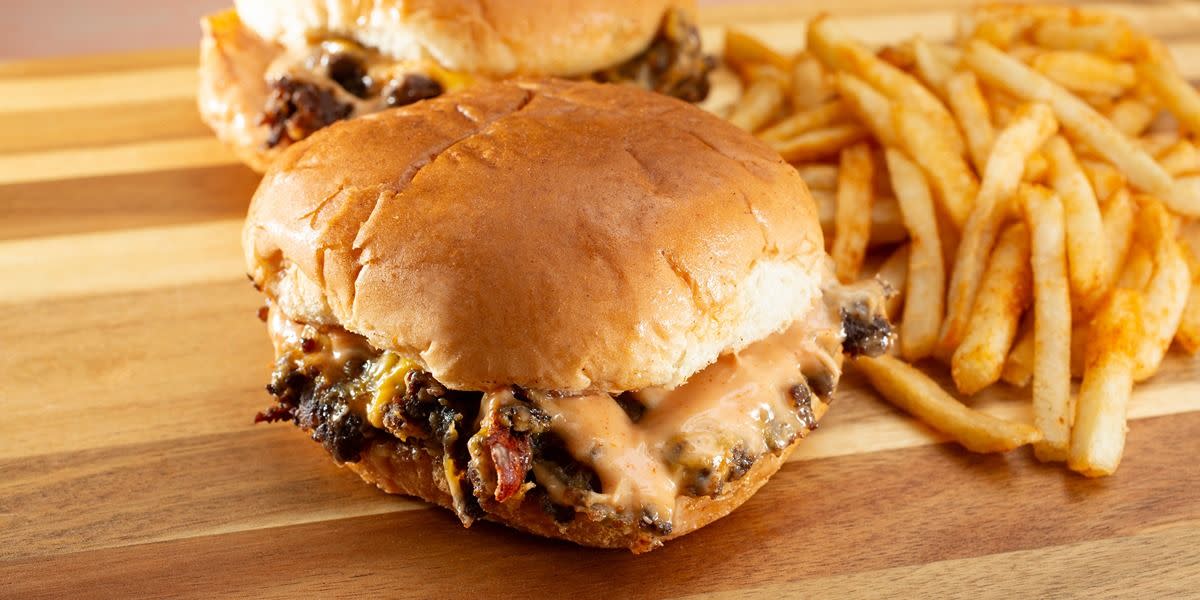
Few American dishes are as iconic—or as endlessly adaptable—as the hamburger. Originally inspired by minced beef from Hamburg, Germany, the burger has been redefined in the United States as a symbol of comfort, creativity, and casual indulgence. At its core, it’s a simple formula: a beef patty on a bun. But across the country, it takes on countless regional forms.
Minnesota's Juicy Lucy hides cheese inside the patty. California-style burgers lean fresh with avocado and sprouts. Whether served at a roadside diner or a fine-dining restaurant, the burger remains a staple of American cuisine.
For a standout version of this classic, Chef Chris Ratel’s All-American Bacon Cheeseburger Deluxe delivers bold flavor and handcrafted quality. A flame-broiled 7-ounce beef patty is stacked with melty American cheese, crispy bacon, and all the essentials—lettuce, tomato, onion, and bread & butter pickles—on a plush brioche bun. It’s finished with Chef Chris’s signature "Bang Bang Sauce," a creamy gochujang aioli that adds just the right amount of heat. This is American food at its most craveable.
3. Fried chicken
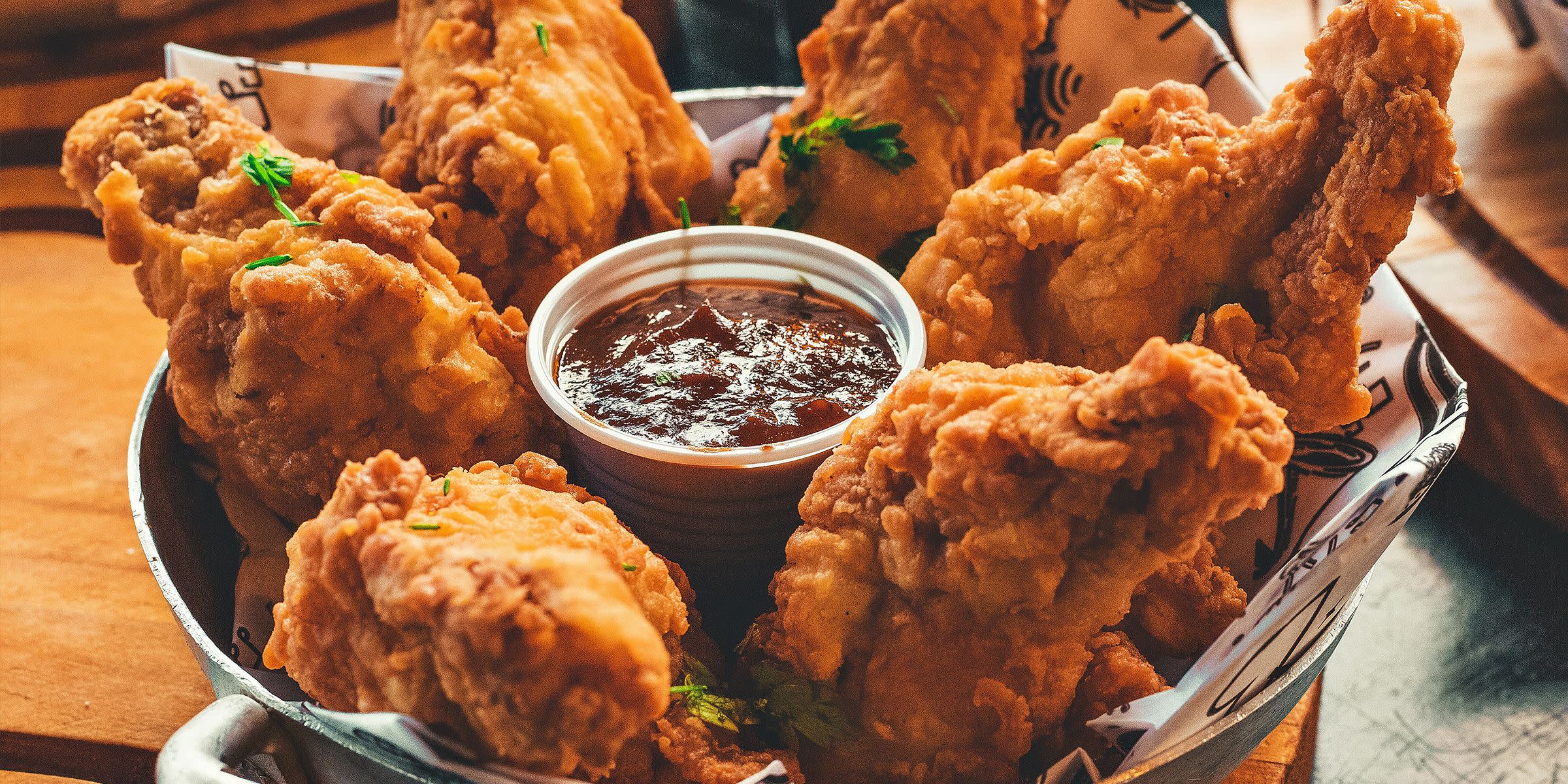
Fried chicken is one of the most beloved American dishes, known for its crispy coating and juicy interior. With roots in Southern cooking and soul food traditions, this dish represents a rich cultural blend. African frying techniques paired with European ingredients created a recipe that quickly became a national favorite.
Across the country, regional styles bring their own spin to this comfort food classic:
Nashville hot chicken packs serious heat with cayenne-spiced oil
Georgia-style keeps things simple with a light, seasoned coating
Korean-American versions add a glaze of sweet and spicy sauce
For a fresh take on traditional fried chicken, Chef Tony Perez’s Crispy Parmesan Chicken Tenders deliver nostalgic flavor with an elevated twist. Tender strips of chicken breast are coated in a savory mix of Panko breadcrumbs and parmesan, creating the perfect golden crunch. Served with a tangy honey-dijon mustard sauce for dipping or drizzling, this dish brings the comfort food vibes without feeling heavy. Pair with roasted potatoes for a hearty plate, or serve alongside a fresh salad for a lighter option.
Craving fried chicken without the frying? You’ll find chef-crafted versions like this on our rotating weekly menu.
4. Hot dogs

The hot dog is a cornerstone of American food culture, beloved for its simplicity, portability, and nostalgic appeal. From ballparks and street carts to backyard cookouts, this handheld classic has become a symbol of casual American dining.
Though its roots trace back to German immigrants, the hot dog has been fully embraced and redefined across the United States. Regional styles reflect the country's diverse culinary preferences:
Chicago-style dogs are piled high with mustard, relish, onions, tomato, pickle, sport peppers, and celery salt—never ketchup
New York-style dogs keep it classic with sauerkraut and spicy brown mustard
Sonoran hot dogs in the Southwest come wrapped in bacon and topped with beans, jalapeños, and crema
What started as a humble sausage has evolved into one of the most iconic American dishes, often reimagined with gourmet ingredients and chef-driven toppings. From quick bites on the go to elevated versions in trendy restaurants, the hot dog continues to prove its staying power in American cuisine.
5. Barbecue ribs
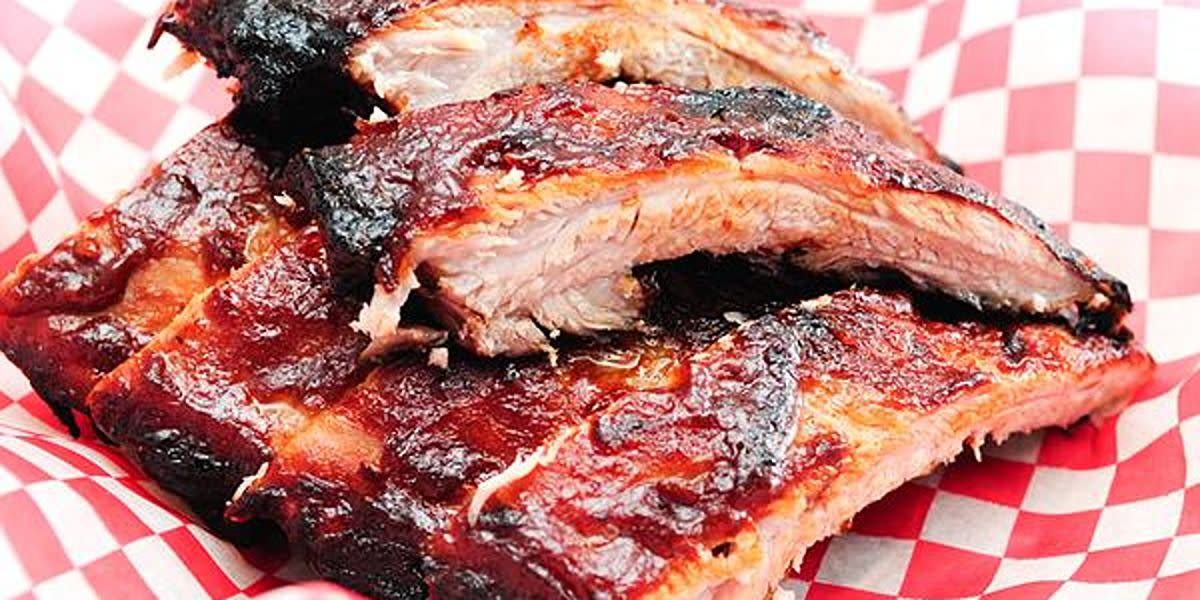
Barbecue ribs are a cornerstone of traditional American food, celebrated for their deep flavor, smoky aroma, and melt-in-your-mouth tenderness. More than just a dish, barbecue in the United States is a cultural ritual. It’s built on slow cooking, community, and regional pride.
Unlike simple grilling, American barbecue involves hours of low-and-slow heat that transforms tough cuts into something unforgettable. Barbecue ribs showcase this method at its finest, with fall-off-the-bone texture and layers of smoky, savory flavor.
Regional barbecue styles reflect the diversity of American cuisine:
Texas-style focuses on beef ribs with dry seasoning and little to no sauce
Kansas City ribs are slathered in thick, sweet, tomato-based sauce
Memphis-style prefers dry rubs that let the meat speak for itself
Carolina barbecue leans on vinegar or mustard-based sauces for a tangy bite
Barbecue isn't just about how the meat is cooked. It's about how people gather to enjoy it. From neighborhood cookouts to competitive smoke-offs, barbecue ribs represent connection, tradition, and the slow-cooked soul of American food.
6. Macaroni and cheese
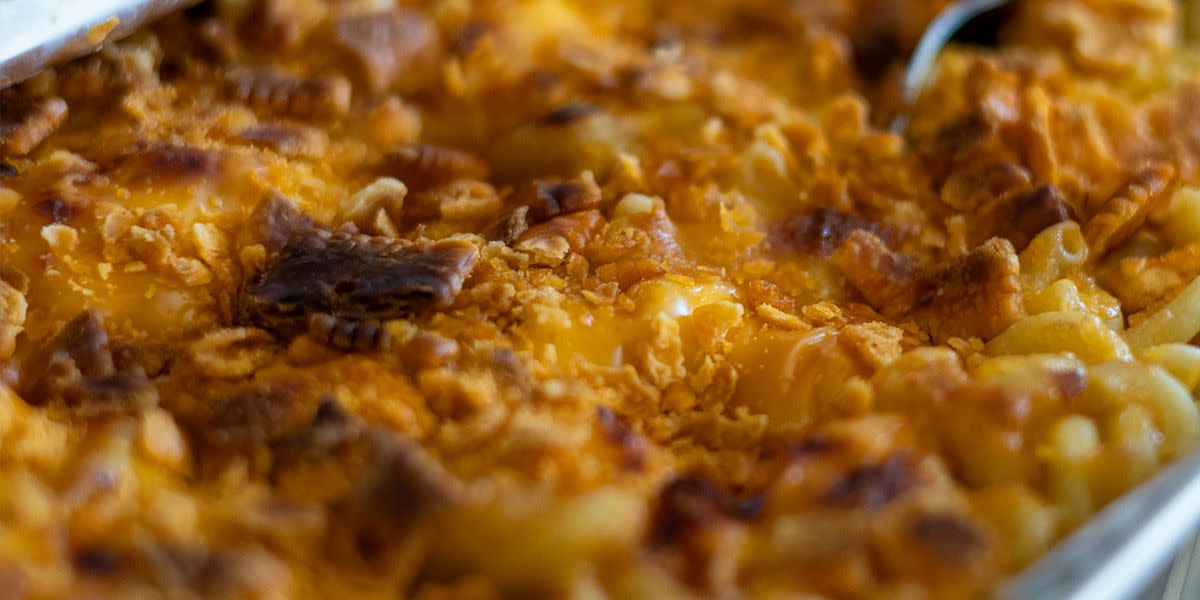
Few classic American dishes offer the same comfort and flexibility as macaroni and cheese. Made from pasta and creamy cheese sauce, this staple has evolved from elite beginnings—served at Thomas Jefferson’s table—to one of the most beloved and accessible comfort foods in the country.
Its versatility is part of what makes it so enduring. In the South, mac and cheese often takes a baked, custard-style form with eggs and sharp cheddar. Gourmet versions may feature artisanal cheeses, lobster, or a drizzle of truffle oil. No matter the spin, it remains a crowd-pleaser.
Mac and cheese can be both a side dish and the star of the show. It sits proudly next to fried chicken at a Sunday dinner or fills the plate on a busy weeknight, offering comfort with every bite. This adaptability speaks to the heart of American cuisine: practical, nostalgic, and endlessly open to reinvention.
Want more modern takes on traditional American food? Explore our curated guide to the top modern American meals you need to try.
7. Philly cheesesteak
The Philly cheesesteak is a cultural icon and one of the most recognizable American dishes. Made with thinly sliced beef, melted cheese, and often sautéed onions, all tucked into a soft hoagie roll, this beloved staple originated in Depression-era Philadelphia.
Pat and Harry Olivieri, credited with its creation, turned a humble street cart offering into a regional classic that eventually captured national attention. In Philadelphia, ordering a cheesesteak comes with its own unwritten rules. Locals know to ask for it “wit” or “witout” onions, and they choose their cheese—Cheez Whiz, provolone, or American—with confidence and speed.
The cheesesteak’s combination of bold flavor, satisfying texture, and blue-collar roots has made it a standout in American cuisine, and one that continues to inspire both traditionalists and modern chefs alike.
8. New England clam chowder
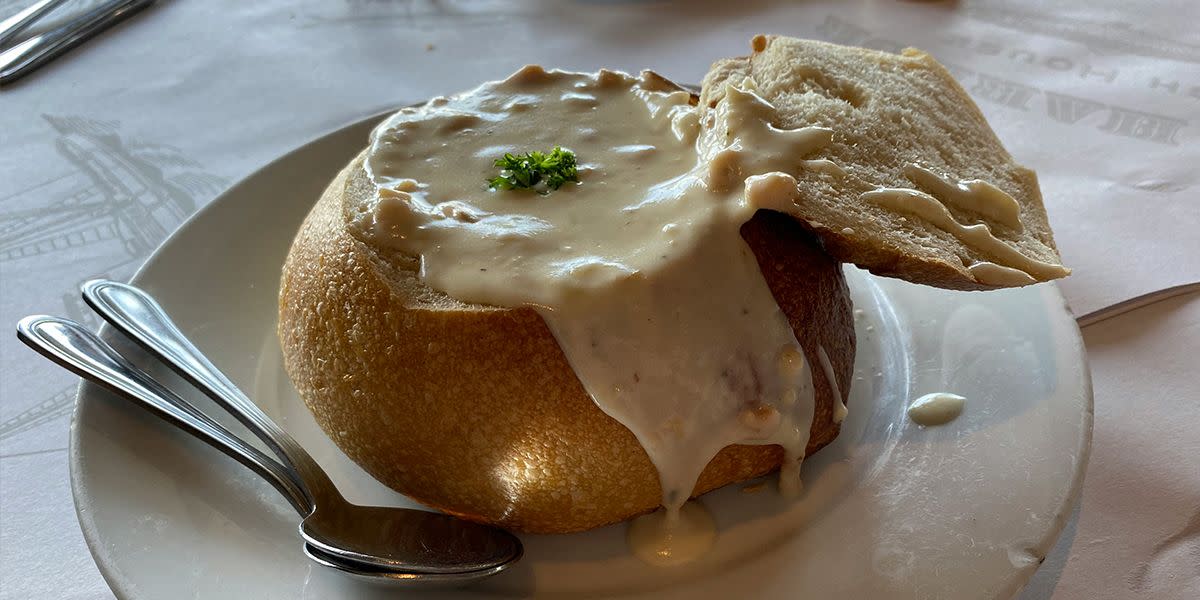
New England clam chowder is one of the most enduring regional specialties in American cuisine, known for its creamy base, tender potatoes, and briny clams. This hearty soup reflects the coastal bounty of the Northeast and has nourished New England fishing communities for generations.
The chowder’s loyal fan base is matched only by its regional pride. The long-standing rivalry between New England’s cream-based version and Manhattan’s tomato-based alternative is legendary. In fact, in 1939, Maine proposed a bill to make tomatoes in chowder illegal—a testament to just how seriously locals take their tradition.
Served piping hot with oyster crackers, New England clam chowder is more than just a bowl of soup. It’s a taste of maritime history and a reminder of how deeply American food is connected to place, tradition, and resourcefulness.
9. Chicken fried steak
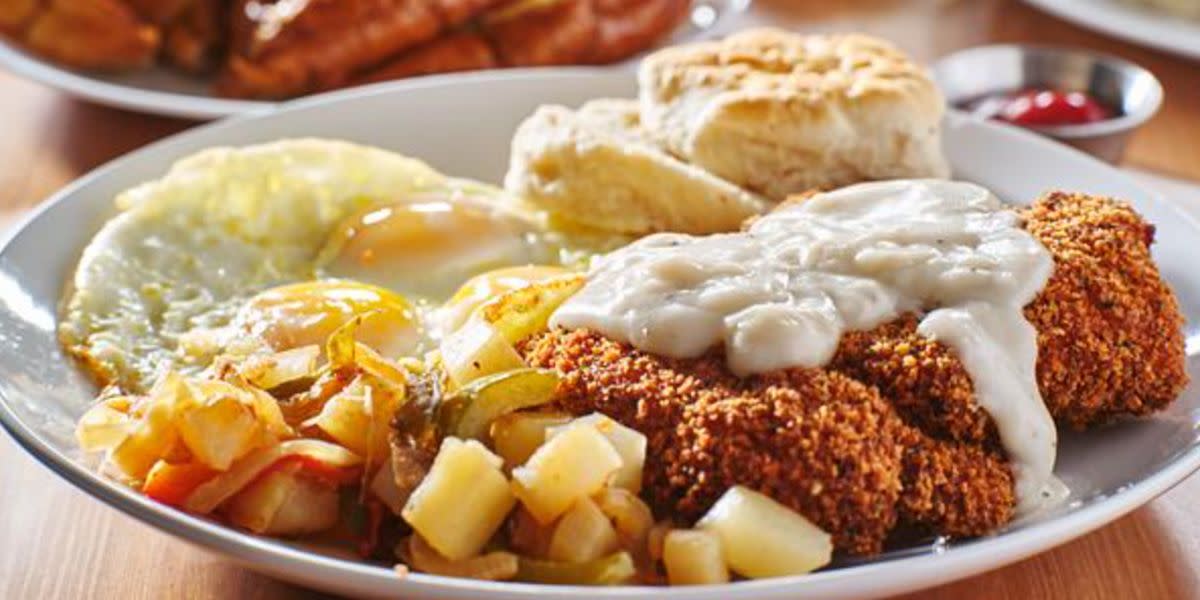
Chicken fried steak is a true comfort classic in Southern and Texan cuisine, known for its crispy breading, tender beef, and generous helping of creamy gravy. Despite the name, there’s no chicken involved. The dish gets its title from the frying technique, which mirrors that of traditional Southern fried chicken.
Born from culinary practicality, this dish is a perfect example of how traditional American food turns humble ingredients into something deeply satisfying. By tenderizing and breading tougher cuts of beef, home cooks created a hearty main course that quickly became a staple in diners and home kitchens alike.
Typically served with mashed potatoes and green beans, chicken fried steak is a complete American dinner plate that speaks to the resourceful, no-frills spirit of American home cooking.
10. Meatloaf
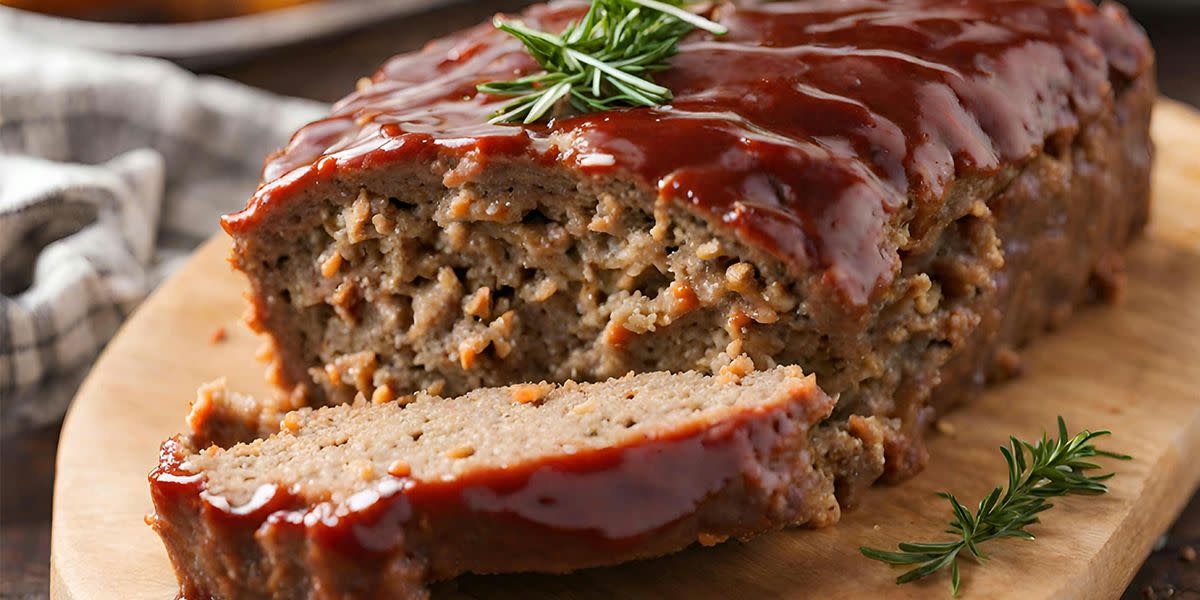
Meatloaf is one of the most enduring symbols of American home cooking—a dish born from necessity that grew into a family favorite. Made with ground beef, breadcrumbs, eggs, and seasonings, it originally served as a way to stretch ingredients during tough economic times. Over the decades, it has become a comfort food classic on dinner tables across the country.
What makes meatloaf special is its personal touch. Every family has their own version, passed down through generations and customized with different meats, vegetables, seasonings, or signature glazes. Some lean savory and simple, while others top theirs with a sweet tomato glaze or fill it with cheese for extra richness.
While similar dishes exist globally—from German Falscher Hase to South African bobotie—the American version is defined by its loaf shape and often a ketchup-based finish. It’s hearty, nostalgic, and undeniably one of the most classic American dishes around.
11. Cajun and Creole stew
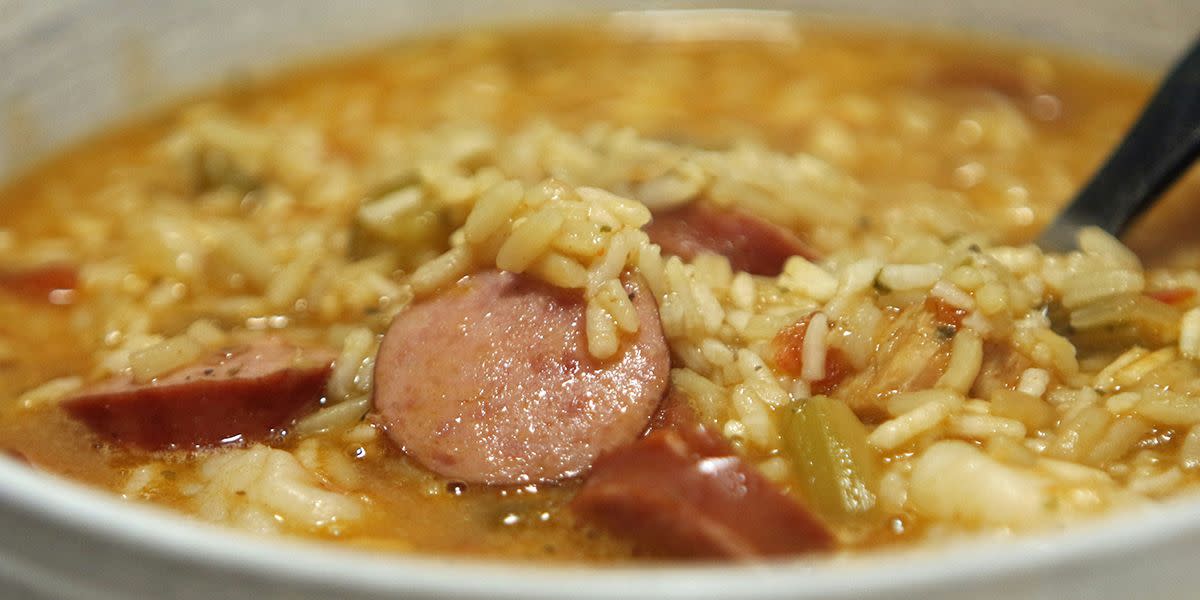
Cajun and Creole cuisines represent two distinct yet deeply interconnected culinary traditions from Louisiana, each with roots in French, Spanish, African, and Caribbean cultures. While Cajun food is known for its rustic, hearty style—born from the cooking of Acadian exiles—Creole cuisine is often considered more refined and urban, influenced by the cultural melting pot of New Orleans.
Some of the most iconic traditional American dishes from these cuisines include:
Gumbo: A rich stew made with a dark roux, often featuring okra, filé powder, and a mix of meats or seafood
Jambalaya: A one-pot rice dish inspired by paella, with sausage, chicken, and vegetables
Étouffée: A thick, flavorful stew, typically made with crawfish or shrimp over rice
For an authentic taste of Louisiana, Chef Chase Evans’ Creole Chicken & Andouille Sausage Jambalaya with Scallions delivers big, bold flavor. This dish features tender jasmine rice, sliced chicken thighs, and spicy, smoky Andouille sausage. The classic "Holy Trinity" of onions, celery, and green pepper builds a savory base, rounded out by sweet roasted tomatoes. It’s a chef-crafted comfort food that brings the soulful energy of New Orleans straight to your plate.
12. Chicago deep dish pizza
Chicago deep dish pizza is one of the most recognizable regional specialties in American cuisine, known for its sky-high crust and reverse-layered structure. Unlike traditional thin crusts, this version starts with a buttery, deep-edged dough that forms a base for layers of mozzarella, hearty toppings, and a thick, tangy tomato sauce. The "upside-down" assembly prevents the cheese from burning during its long bake and results in a rich, casserole-like experience.
Created in 1943 at Pizzeria Uno by Ike Sewell and Ric Riccardo, Chicago deep dish quickly became more than just a local favorite. It became a culinary symbol of the city. Its thick, satisfying format is ideal for cold weather and big appetites.
The deep dish is also part of a larger conversation around classic American dishes that have regional pride baked in. From New York’s foldable thin slices to Detroit’s crispy-edged squares and New Haven’s coal-fired apizza, each city has claimed its own style. These regional pizza rivalries show how immigrant-inspired foods continue to evolve into cherished American originals.
13. Biscuits and gravy
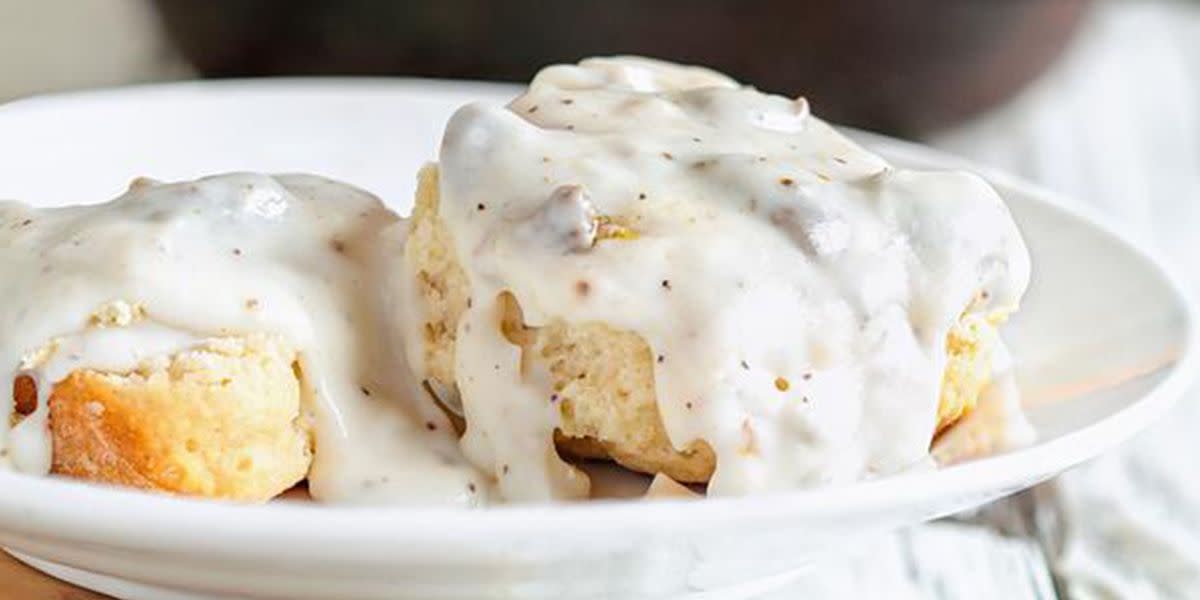
Biscuits and gravy is a Southern-born staple that has become one of the most comforting and widely loved traditional American dishes. Made with soft, flaky biscuits smothered in creamy sausage gravy, this hearty breakfast was originally designed to fuel long days of physical labor on farms, plantations, and factory floors.
The dish’s simplicity hides its complexity. Southern cooks often debate the best fat for biscuits—lard or butter—and the perfect consistency of gravy, from silky to thick and peppery. These details matter because biscuits and gravy are more than just breakfast—they’re tradition on a plate.
Though it started as a regional specialty, biscuits and gravy have made their way onto menus across the country, a testament to the growing appreciation of Southern cuisine as a foundational part of American food culture.
Craving real comfort without the effort? Explore our American comfort meal delivery options, featuring chef-crafted dishes that honor the classics while adding a modern touch.
14. Cornbread

Cornbread is one of the oldest and most enduring traditional American dishes, with origins that trace back to Native American cooking long before European settlers arrived. Indigenous communities cultivated corn and developed early methods for grinding it into meal, laying the foundation for what would become a staple in American cuisine.
When European colonists adopted these techniques, cornbread quickly became a fixture of early American kitchens—simple, filling, and easy to make with local ingredients. Over time, regional styles emerged, reflecting cultural and geographic divides:
Southern cornbread is typically savory, made with little or no sugar, and baked in cast iron for a golden, crunchy crust
Northern cornbread tends to be sweeter and more cake-like in texture
Whether served alongside chili, fried chicken, or a holiday roast, cornbread remains a versatile and comforting presence on American tables. Its continued popularity speaks to both its deep historical roots and its adaptability in modern American cooking.
15. Tex-Mex favorites
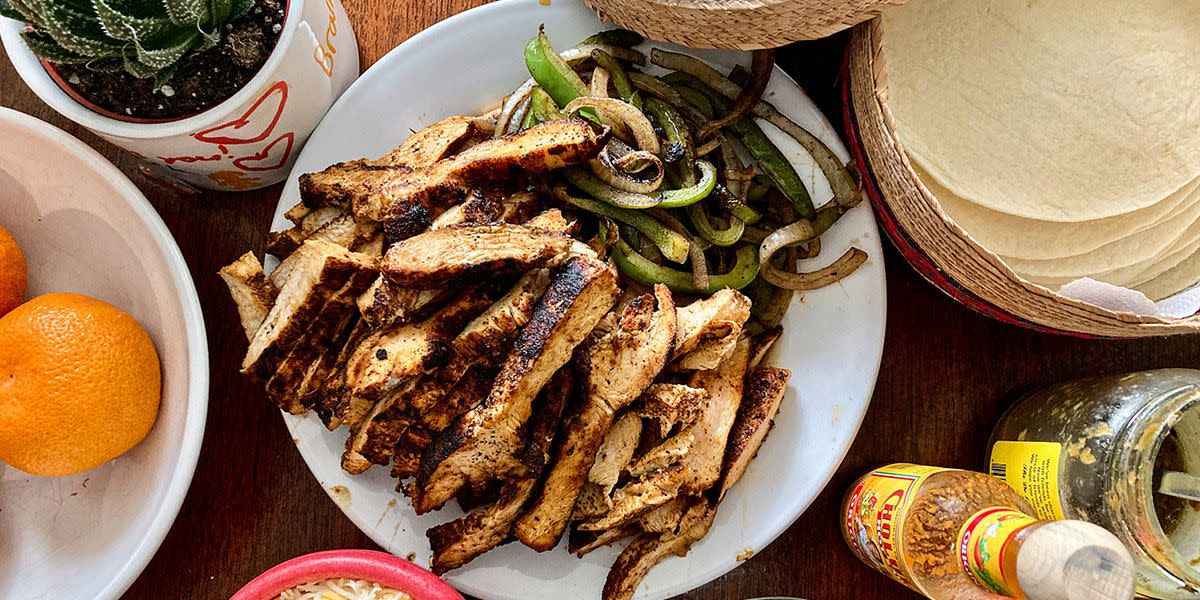
Tex-Mex cuisine is a bold, flavorful example of how American food evolves through cultural exchange. Born at the intersection of Mexican culinary traditions and Texan ingredients, Tex-Mex is more than just fusion—it’s a uniquely American expression of regional identity.
Some of the most iconic Tex-Mex dishes include:
Fajitas: Originally cooked by Mexican vaqueros in Texas using skirt steak as part of their rations
Nachos: Created in Piedras Negras, Mexico, for American military wives looking for a quick snack
Queso: A creamy, indulgent cheese dip that has no direct equivalent in traditional Mexican cooking
Tex-Mex has grown far beyond the Southwest, thanks to its crave-worthy flavors and flexibility. Today, it continues to evolve as new generations of chefs reinterpret these dishes with creative flair.
One standout example is Chef Jose Garces’ Al Pastor Pork Fajita Bowl, exclusively available through our menu. This vibrant dish features 24-hour marinated pork shoulder, slow-roasted and sliced over fluffy rice with charred peppers, onions, and pineapple. The Al Pastor sauce—made with a secret blend of herbs, orange juice, garlic, and achiote—captures the soul of authentic Tex-Mex flavor in every bite.
Regional American cuisine traditions
The vast and varied geography of the United States has given rise to a rich mosaic of regional American cuisine, with each area shaped by its local ingredients, climate, and cultural influences. From coastal seafood to Southern soul food to Southwestern spice, these distinct cooking styles reflect the communities that created them.
Together, these regional traditions form the backbone of American cuisine, offering a deeper understanding of how food connects us to place, history, and identity. Exploring them reveals not just what Americans eat, but why—and how those dishes continue to evolve.
Southern cooking
Southern cuisine is one of the most distinctive and influential pillars of American food culture, deeply rooted in African culinary traditions brought to the U.S. during slavery. Techniques such as frying, slow simmering, and one-pot cooking reflect the resilience and ingenuity of enslaved Africans and their descendants, whose contributions helped shape what we now recognize as Southern food.
Core ingredients in traditional Southern dishes include:
Pork: Used in countless forms, from bacon and ham to sausage and seasoning meats
Corn: A foundational staple, featured in grits, cornbread, hush puppies, and more
Greens: Collard, mustard, and turnip greens, often slow-cooked with pork for deep, savory flavor
Beyond well-known favorites like fried chicken and biscuits, the South boasts a wide range of regional specialties. Think shrimp and grits, country ham, Brunswick stew, and peach cobbler. Each dish is a reflection of the region’s agricultural roots and cultural diversity.
Southern cooking continues to influence chefs across the country, making it one of the most enduring and celebrated traditions in American cuisine.
New England seafood
New England cuisine is shaped by its rugged coastline, cold waters, and long-standing relationship with the Atlantic Ocean. Lobster, clams, cod, and other local seafood are at the heart of the region’s culinary identity, forming the foundation of some of the most enduring traditional American dishes.
Simplicity is a hallmark of New England cooking, rooted in Puritan values and the practical need to make the most of limited ingredients. Dishes like boiled dinner (corned beef with vegetables) and Boston baked beans reflect this minimalist, resourceful approach to nourishment.
Beyond the iconic clam chowder and lobster rolls, New England offers a range of classic specialties, including:
Fish cakes made from salt cod or fresh catch
American chop suey, a comforting pasta and ground beef dish
Brown bread, often steamed in cans and sweetened with molasses
Indian pudding, a cornmeal-based dessert sweetened with maple syrup
These regional favorites reflect New England’s English heritage, its seasonal ingredients, and a tradition of honest, satisfying food that has stood the test of time in American cuisine.
Modern American cuisine today
American cuisine is continually evolving, shaped by chef innovation, cultural exchange, and shifting dietary preferences. Today’s American food landscape reflects a dynamic balance between honoring tradition and embracing new ideas. Despite this progress, about 90% of Americans still consume less² than the recommended amounts of fruits and vegetables, revealing ongoing challenges in creating healthier, more balanced eating habits.
Newer immigrant communities—from Korean and Vietnamese to Ethiopian and beyond—continue to enrich the national palate. Like earlier generations, they adapt their traditional recipes using local ingredients, while introducing bold, global flavors that expand the definition of American food.
The farm-to-table movement has also renewed interest in local sourcing, seasonal cooking, and traditional preservation methods. At the same time, the New American cuisine movement³, often traced back to 1981, has redefined what it means to serve modern American dishes—connecting diners to regional agriculture, sustainability, and elevated versions of familiar comfort foods.
Today’s best American dishes are being reimagined by chefs who combine global techniques with local sensibilities, keeping American cuisine fresh, diverse, and relevant to the way people eat now.
Experience authentic American dishes at home
American cuisine is a celebration of culture, history, and creativity on a plate. From Indigenous roots to immigrant traditions, from regional comfort food to modern reinventions, these dishes tell the story of who we are—through what we eat.
But let’s be honest: recreating these meals at home takes time, technique, and more than a little patience. Whether it’s mastering the perfect golden fry, smoking ribs low and slow, or coaxing briny sweetness from fresh New England seafood, traditional American cooking can be tough to get just right.
That’s where we come in. Our award-winning chefs craft restaurant-quality versions of classic American dishes, delivered fresh to your door. No prep, no guesswork—just real food, made by real chefs, ready when you are.
On our menu, you’ll find everything from timeless comfort food to creative, chef-driven spins on traditional American favorites. Explore the weekly lineup and find your next craveable classic.
Frequently asked questions about American dishes
What is the most popular American food?
Hamburgers are widely regarded as one of America's most popular and iconic foods, enjoyed by people across the country in countless variations.
How has immigration influenced American cuisine?
Immigration has shaped American cuisine by introducing new ingredients, cooking techniques, and flavor combinations that were adapted using local ingredients and eventually embraced as American.
What makes a dish authentically American?
Authentically American dishes typically feature indigenous ingredients, reflect regional cooking traditions, or represent adaptations of immigrant foods that have evolved into something distinct from their origins.
What are some healthy traditional American dishes?
Grilled seafood from New England, vegetable-forward Southern dishes like collard greens, and bean-based Southwestern stews offer nutritious options within traditional American cuisine.
Which American dishes are commonly misunderstood internationally?
American barbecue is often confused with simple grilling, while authentic cornbread, biscuits, and regional pizza styles are frequently misinterpreted outside the United States.
Sources:

Be the first to know about new offers
Multiorder discounts, free items and more.