Back
Fibermaxxing explained: benefits, risks, and how to start according to nutrition experts
Fiber is often overlooked in everyday diets, and some people are choosing not to accept that as the norm. Fibermaxxing flips the script by building every meal around the one nutrient most diets are missing, and the results go far beyond better digestion.
Key takeaways:
Fibermaxxing means intentionally maximizing your daily fiber intake through whole foods and supplements, targeting at least 25 to 38 grams per day.
The benefits of fiber span digestion, heart health, blood sugar regulation, and weight management, making it one of the most impactful nutrients to focus on.
Increasing fiber too quickly can cause bloating, cramping, and discomfort, so a gradual approach with plenty of water is essential.
Chef-crafted meals built around fiber-rich ingredients make fibermaxxing sustainable and genuinely delicious, no sad salads required.
What is fibermaxxing
Fibermaxxing is the practice of intentionally maximizing your daily fiber intake, typically aiming to meet or exceed the recommended 25 to 38 grams per day through whole foods and, when needed, supplements. The term blends "fiber" with "maximizing".
Unlike general healthy eating advice that touches on dozens of nutrients, fibermaxxing zeroes in on fiber as the nutritional cornerstone. If fiber supports digestion, heart health, blood sugar control, and weight management, why not build every meal around it?
While the trend may feel new, CookUnity's culinary nutritionist Kristy Del Coro points out that it's essentially a repackaged version of advice nutrition experts have been giving for years. "Eating more fiber is nothing new," Del Coro explains. "We've been recommending it for decades because most Americans fall significantly short of their daily fiber needs." The key is a gradual, whole-food-first approach that lets your gut adjust at its own pace, especially since the average American consumes only about 15 grams daily—well below recommended levels.
What does fiber do for the body
Fiber is a type of carbohydrate found only in plant foods that your body cannot digest. Instead of being broken down and absorbed like other nutrients, it passes through your digestive system largely intact, doing important work along the way.
There are two main types, and both matter:
Soluble fiber: Dissolves in water to form a gel-like substance that slows digestion, helping regulate blood sugar and lower cholesterol. Found in oats, beans, apples, and citrus fruits.
Insoluble fiber: Adds bulk to stool and speeds up transit through your digestive tract, preventing constipation. Found in whole grains, nuts, vegetables, and wheat bran.
Fiber type | What it does | Top sources |
|---|---|---|
Soluble | Forms gel, lowers cholesterol and blood sugar | Oats, beans, apples, barley, flaxseeds |
Insoluble | Adds bulk, promotes regularity | Whole wheat, nuts, cauliflower, potatoes with skin |
Most plant foods contain a mix of both types. That's why eating a variety of fruits, vegetables, legumes, and whole grains is the most effective way to cover your bases.
Benefits of fibermaxxing
The benefits of fiber extend far beyond keeping you regular. When you consistently hit your daily fiber intake goals, the effects ripple across nearly every system in your body.
Improving digestion and gut health
Fiber feeds the trillions of beneficial bacteria living in your gut, producing short-chain fatty acids¹ that nourish your colon lining and reduce inflammation. A fiber-rich diet supports regular bowel movements and helps prevent both constipation and diarrhea.
Regulating blood sugar
Soluble fiber slows the absorption of glucose into your bloodstream, preventing the sharp spikes and crashes that leave you reaching for snacks an hour after eating. For people managing or trying to prevent type 2 diabetes², this steady glucose response is especially valuable.
Supporting heart health
Research consistently shows that higher fiber intake is linked to lower levels of LDL ("bad") cholesterol. Soluble fiber binds to cholesterol particles in the digestive system and carries them out of the body before they enter the bloodstream.
Increasing satiety and supporting weight management
High-fiber foods take longer to chew and digest, which means you feel full sooner and stay satisfied longer. This natural appetite regulation can support weight management without restrictive calorie counting.
Rather than citing exact figures, let this be your takeaway: make room for more fiber-rich plants on your plate.
How many grams of fiber per day you should eat
So how much fiber should you have a day? The Academy of Nutrition and Dietetics³ breaks it down like this:
Group | Recommended daily fiber |
|---|---|
Women (under 50) | 25g |
Men (under 50) | 38g |
Women (over 50) | 21g |
Men (over 50) | 30g |
Average American intake | ~15g |
Some fibermaxxing practitioners aim for higher fiber intakes, but more isn't always better. The sweet spot is meeting the recommended guidelines consistently through whole foods before pushing higher.
Del Coro emphasizes that individual responses vary significantly. "While higher fiber intake benefits many people, some may experience significant side effects," she notes. "There's no one-size-fits-all approach." If your fiber intake is currently low, increase gradually to give your digestive system time to adjust and avoid uncomfortable symptoms like bloating and cramping.
Potential risks of eating too much fiber
Fibermaxxing has real benefits, but overdoing it can create problems that undermine the very health goals you're chasing.
Watch for these signs you've ramped up too fast:
Bloating and excessive gas: Gut bacteria produce gas as they ferment fiber, and a sudden increase can overwhelm the system.
Abdominal cramping: Too much bulk moving through the digestive tract can cause painful cramping.
Constipation (paradoxically): Without adequate water, excess fiber can actually slow things down.
Nutrient absorption issues: Very high fiber intake can bind to minerals like calcium, iron, and zinc, reducing how much your body absorbs.
Del Coro stresses the importance of listening to your body. "Some people tolerate high-fiber diets beautifully, while others experience persistent digestive discomfort even with moderate increases," she explains. "Pay attention to how you feel and adjust accordingly." As you add more fiber, make sure to stay well hydrated to support comfortable, regular digestion.
A good rule of thumb: for every 5 grams of fiber you add to your diet, drink an extra glass of water. Your gut will thank you.
How to start fibermaxxing with whole foods
The best approach to fibermaxxing is building meals around naturally fiber-rich whole foods rather than relying on supplements or processed "fiber-added" products. Whole foods deliver fiber alongside vitamins, minerals, and phytonutrients that work together.
Here are some of the most fiber-dense options to stock your kitchen with:
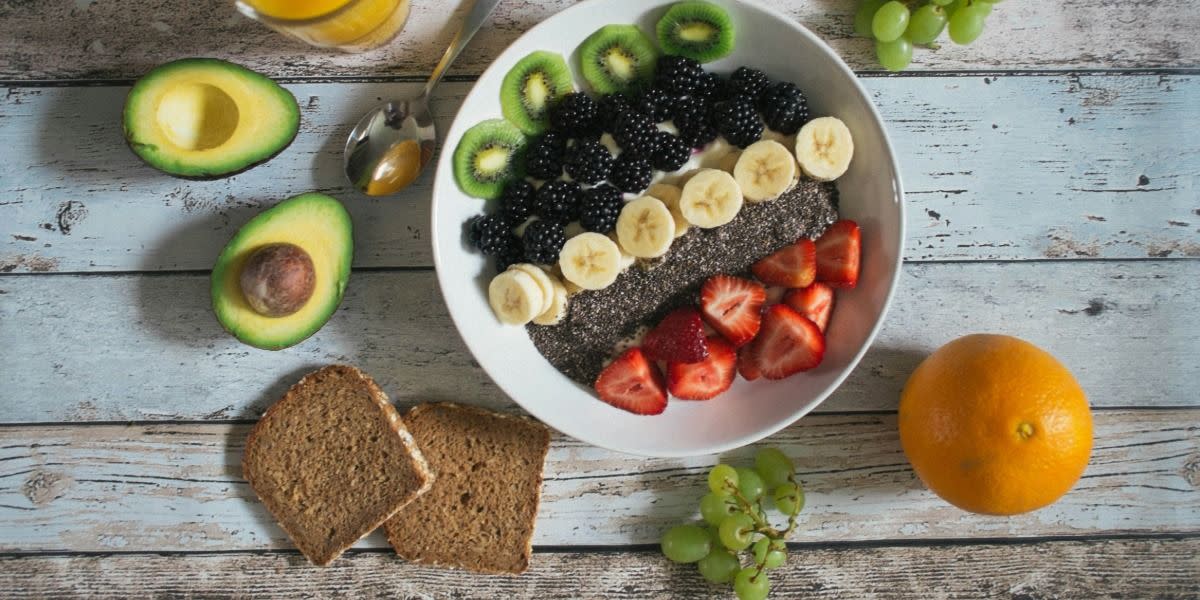
Legumes: Lentils, black beans, and chickpeas
Vegetables: Broccoli, Brussels sprouts, and artichokes
Fruits: Raspberries, pears, and apples with skin are naturally fiber-rich choices.
Whole grains: oats, quinoa, barley
Nuts and seeds: Chia seeds, flaxseeds, and almonds
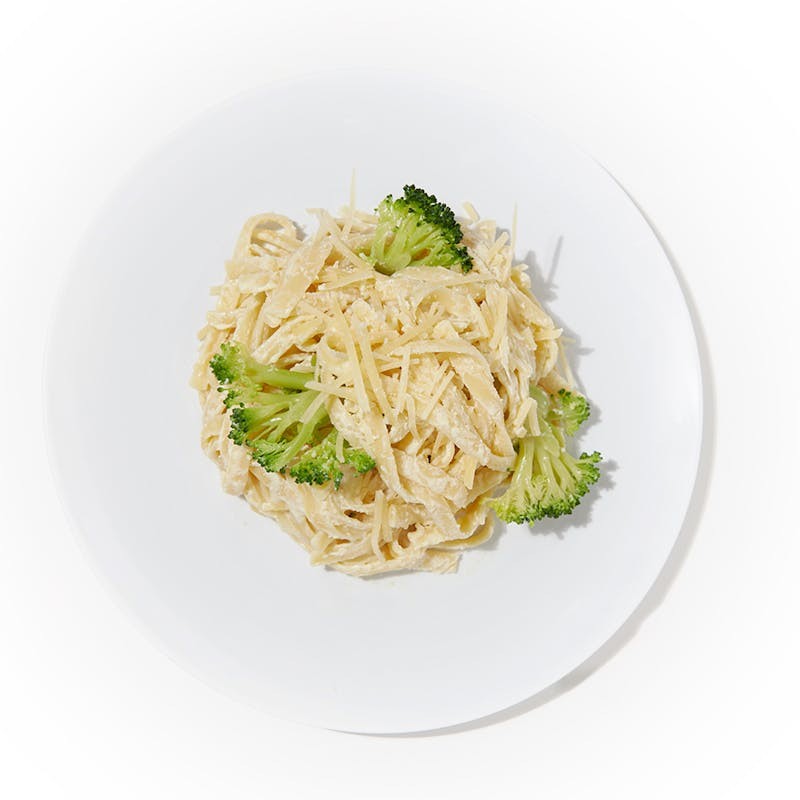
Meals like Chef Silvia Arevalo's Fettuccine Broccoli Alfredo prove that fiber-rich eating doesn't mean sacrificing comfort. Creamy pasta loaded with broccoli delivers flavor and fiber in equal measure.

For a plant-based option packed with beans and vegetables, Chef Santos Jimenez's Fried Tofu Burrito delivers protein and fiber without a single boring bite.
Looking for more plant-based, fiber-forward meals? Enjoy fresh tofu meals made by award-winning chefs who turn simple ingredients into something extraordinary.
Tips for increasing fiber intake gradually
Rushing into fibermaxxing is the fastest way to abandon it. Kristy recommends adding one new high-fiber food per week rather than overhauling your entire diet overnight. "Most Americans are starting from around 15 grams daily, so jumping straight to 30 or 40 grams is a recipe for digestive distress," she cautions.
Swap refined grains for whole grains in meals you already enjoy, like brown rice instead of white or whole wheat pasta instead of regular. Snack on fiber-rich foods like hummus with vegetables, a handful of almonds, or an apple with nut butter.
When fiber supplements make sense
Supplements like psyllium husk, inulin, and methylcellulose can help fill gaps when whole foods alone aren't enough. Psyllium husk is one of the most studied options, supporting both regularity and cholesterol reduction.
That said, supplements should complement your diet, not replace real food. Whole foods deliver fiber alongside a full spectrum of nutrients that no capsule or powder can replicate.
Making fibermaxxing sustainable and delicious
The biggest reason people abandon any nutrition trend is boredom. If your fibermaxxing strategy consists of plain lentils and raw broccoli, it won't last past Tuesday. The secret to sticking with it is making high-fiber meals something you genuinely look forward to.
Chef Marc Forgione's Fusilli Cauliflower Capers showcases cauliflower as a versatile, fiber-rich vegetable in a pasta dish that feels indulgent rather than virtuous.
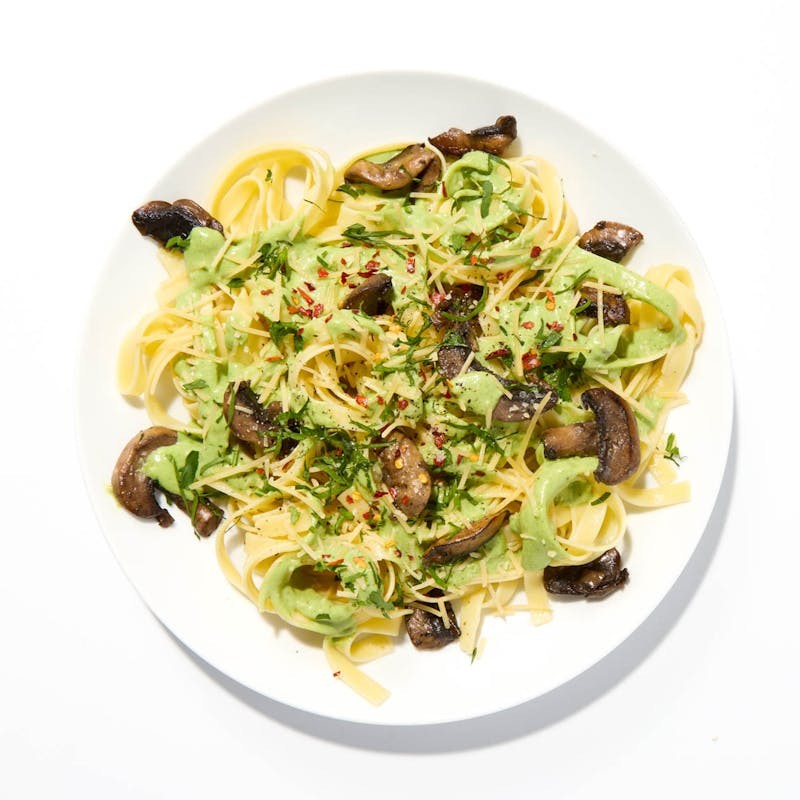
Chef Meena Sreenivas's Spinach Fettuccine Alfredo folds leafy greens into a creamy, satisfying dish that sneaks in fiber without announcing it.

And Chef Adriana Herrera's Tofu Milanese pairs plant-based protein with fiber-rich sides for a balanced plate that tastes like it came from a restaurant, because it did. Top chefs designed these meals with both nutrition and flavor in mind, which is exactly what makes fibermaxxing sustainable long term.
Explore the weekly menu and select your meals. Browse our menu
Curious about the chef behind some of these dishes? Read more about Chef Marc Forgione: continuing the American cuisine dynasty.
Frequently asked questions about fibermaxxing
What happens when you eat 25 grams of fiber every day?
Most people notice improved digestion, more regular bowel movements, and steadier energy levels within a few weeks, though some initial bloating is normal as your gut adjusts.
Does fibermaxxing work for weight loss?
Fiber supports weight management by increasing satiety and slowing digestion, but it works best as part of an overall balanced diet rather than as a standalone weight loss strategy.
What single food is highest in fiber?
Split peas and lentils are fiber-rich legumes that can help you increase your daily fiber intake.
Can you take fiber supplements instead of eating high-fiber foods?
Supplements can help bridge gaps, but they lack the vitamins, minerals, and phytonutrients found in whole foods, so nutrition experts recommend using them as a complement rather than a replacement.
Is fibermaxxing safe for people with IBS or other digestive conditions?
People with IBS⁴ or other digestive conditions should consult their doctor before significantly increasing fiber, as certain fermentable types can worsen symptoms in sensitive individuals. Del Coro emphasizes that individual tolerance varies widely, making personalized guidance essential for those with existing digestive issues.
Does CookUnity accommodate food allergies and dietary restrictions?
CookUnity offers detailed ingredient lists and allergen information for every meal, and you can filter the menu by dietary preferences including vegan, gluten-free, and more to find options that fit your needs.
Sources:

Be the first to know about new offers
Multiorder discounts, free items and more.