Back
French food guide: 10 dishes that changed global cuisine
French food has shaped the way the world cooks, eats, and gathers around the table. From the delicate precision of pastry to the slow-simmered comfort of rustic stews, it is a cuisine built on technique, tradition, and an unwavering respect for ingredients. These timeless methods and bold flavors have influenced everything from fine dining to the way we approach everyday meals.
In this guide, you will explore the history and core principles of French cuisine, discover 10 classic French dishes that changed global gastronomy, and learn how the fundamentals of French cooking can transform your meals at home. Whether you are curious about the origins of iconic recipes or looking for inspiration to bring more French foods into your kitchen, this is your gateway to one of the world’s most influential culinary traditions.
Key takeaways:
French cuisine has transformed global cooking through its precise techniques, quality ingredients, and regional specialties that have become international benchmarks.
The ten most influential French dishes show how patience and proper method can turn humble ingredients into extraordinary meals.
Mastering basic French cooking principles—such as sauce-making and temperature control—can elevate your skills in the home kitchen.
French food culture celebrates the dining experience itself, with structured courses and thoughtful wine pairings that bring out the best in every flavor.
What is French cuisine and why is it influential?
French cuisine is a culinary tradition built on precise techniques, high-quality ingredients, and rich regional diversity. It is widely regarded as the foundation of Western cooking, having established the principles that guide professional kitchens around the world.
French food celebrates the natural flavors of its ingredients, using methods that enhance rather than mask their essence. Its influence extends far beyond France’s borders, shaping culinary education, restaurant culture, and home cooking alike.
The tradition rests on three pillars:
Technique-driven cooking: French cooking emphasizes mastery of fundamentals such as proper knife skills, sauce-making, and temperature control.
Regional diversity: Each area of France contributes unique specialties, from the seafood-rich dishes of Brittany to the wine-based stews of Burgundy.
Global impact: French culinary principles have shaped dining customs and cooking methods across continents.
Today, it is easier than ever to enjoy authentic French cuisine at home, with meal delivery services offering chef-crafted classics prepared with the same care and attention to detail you would expect from a fine French restaurant.
Historic highlights that shaped French cooking
The story of French cuisine spans centuries, with each era leaving its mark on one of the world’s most influential food traditions. It began with medieval cookery, where lavish banquets and complex preparations laid the groundwork for what would evolve into modern French food.
In the 17th century, Chef La Varenne published Le Cuisinier François (1651), a landmark work that helped define French culinary techniques and set the standard for recipe writing.
The 19th century brought Chef Auguste Escoffier, whose innovations in kitchen organization, including the brigade system, transformed professional culinary practices. His methodical approach cemented French cuisine as the global standard for culinary excellence.
In the 20th century, Julia Child played a pivotal role in introducing French cooking to American audiences. Her cookbook Mastering the Art of French Cooking and her engaging television series made French dishes approachable for home cooks while preserving their authenticity.
Today, French cooking continues to evolve while holding fast to its core principles. Modern chefs combine time-honored techniques with contemporary influences, creating dishes that respect tradition while appealing to today’s tastes. From Michelin-starred dining rooms to home kitchens, the legacy of French cuisine remains a living, breathing force in the culinary world.
10 French dishes that changed global gastronomy
These ten classic examples of French food highlight the techniques, flavor pairings, and attention to detail that define French cuisine. Each dish has evolved beyond its origins, influencing kitchens around the world and shaping the way we think about cooking and dining. From rustic stews to delicate pastries, these recipes tell the story of a culinary tradition that continues to inspire chefs and home cooks alike.
Explore the weekly menu at CookUnity to discover chef-crafted French dishes made with authentic techniques and fresh, seasonal ingredients, delivered right to your door.
1. Coq au vin
Coq au vin began as a practical peasant dish, transforming tough rooster meat into something tender and flavorful through slow cooking. This rustic chicken stew is braised in red wine with mushrooms, bacon, onions, and herbs until the meat is fork-tender and the sauce is rich and aromatic.
Julia Child helped bring this dish to a wider audience in the 1960s, showing Americans how humble, regional French food could be elevated into gourmet dining.
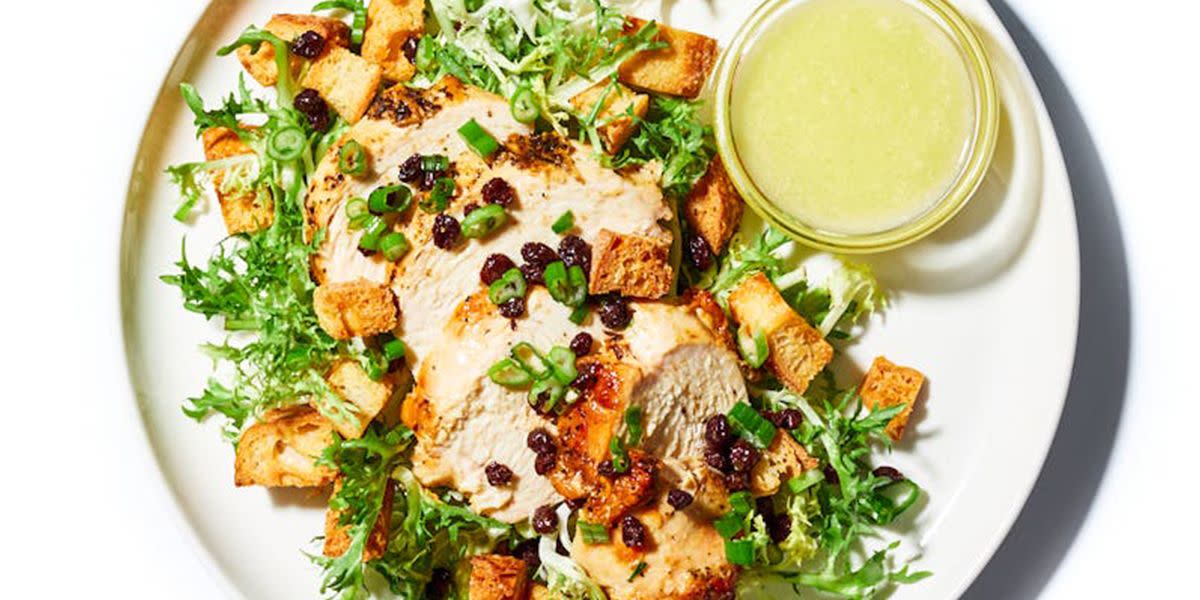
Want the same depth of flavor without hours in the kitchen? Chef Ludo Lefebvre's Herbs de Provence Roasted Chicken captures the essence of classic French chicken cookery, pairing aromatic herbs with perfectly roasted meat for a dish that feels both comforting and refined.
2. Boeuf bourguignon
Boeuf bourguignon originated in Burgundy as a way for peasants to turn tough cuts of beef into tender, richly flavored meals. The beef is slowly braised in Burgundy wine with pearl onions, mushrooms, and bacon, creating a stew that is as comforting as it is elegant.
Julia Child famously featured this dish in the very first episode of The French Chef, introducing Americans to the transformative magic of slow cooking and precise technique.
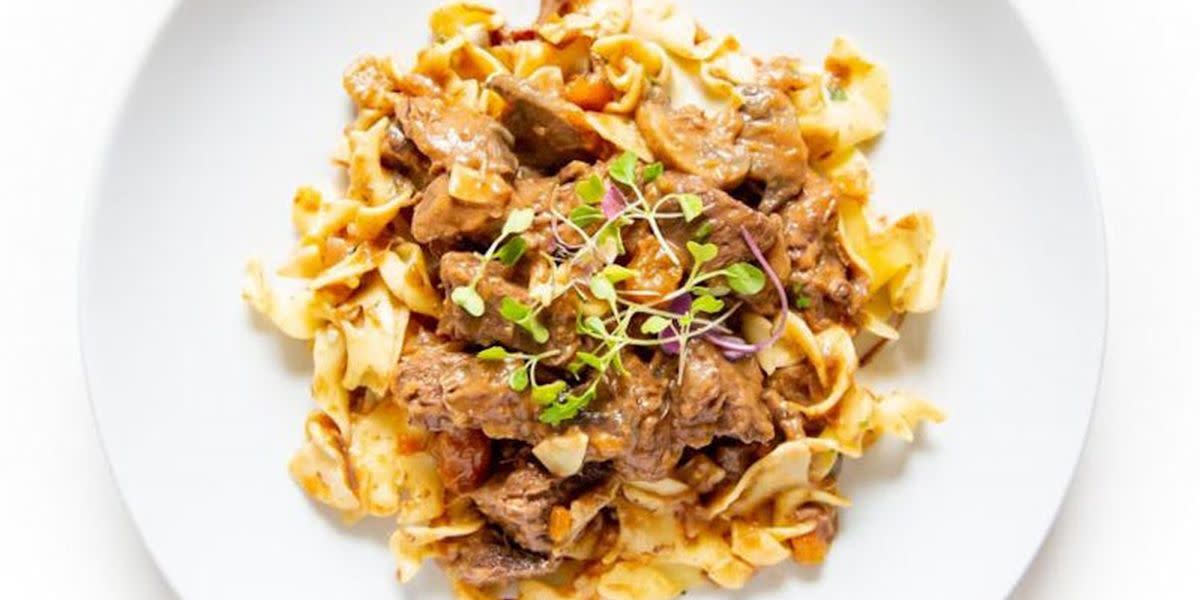
Want this dish delivered to your door? Chef Chris Ratel's Traditional Beef Bourguignon stays true to its roots, with tender chunks of beef simmered in a deep, wine-rich sauce that captures the essence of this classic French dish.
The name “bourguignon” pays homage to the Burgundy region, known for producing the exceptional wines that define the dish’s flavor.
3. Ratatouille
Ratatouille comes from the sun-drenched fields of Provence, celebrating the region’s summer vegetable bounty. This colorful stew blends eggplant, zucchini, bell peppers, tomatoes, and onions with olive oil, garlic, and fragrant herbs until the flavors meld beautifully.
The dish reflects the Mediterranean influences in southern French cooking, where fresh vegetables, olive oil, and herbs take center stage. The 2007 Pixar film Ratatouille brought this Provençal classic into the global spotlight, introducing it to countless new fans.
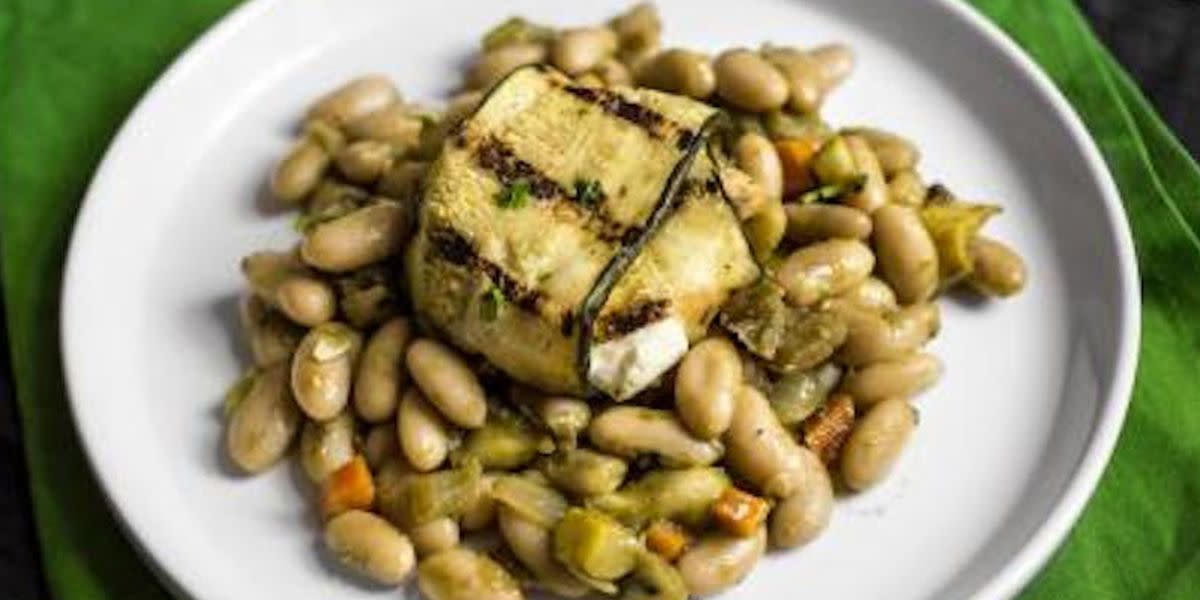
Want ratatouille that feels like summertime in France any time of year? Chef Ludo Lefebvre’s Pan-Seared Branzino with Ratatouille pairs a beautifully seared branzino fillet with a classic Southern French stew of eggplant, zucchini, squash, and peppers cooked with tomato, vinegar, and a hint of chili, then garnished with fresh basil.
4. Quiche lorraine
Quiche lorraine originated in the northeastern Lorraine region, reflecting the area’s German influences in its savory custard tart. The traditional version features a buttery pastry crust filled with eggs, cream, bacon, and sometimes cheese.
Over time, this regional specialty evolved into an international brunch favorite, beloved for its rich yet versatile character. Its adaptability has inspired countless variations around the world while keeping its essential French roots intact.
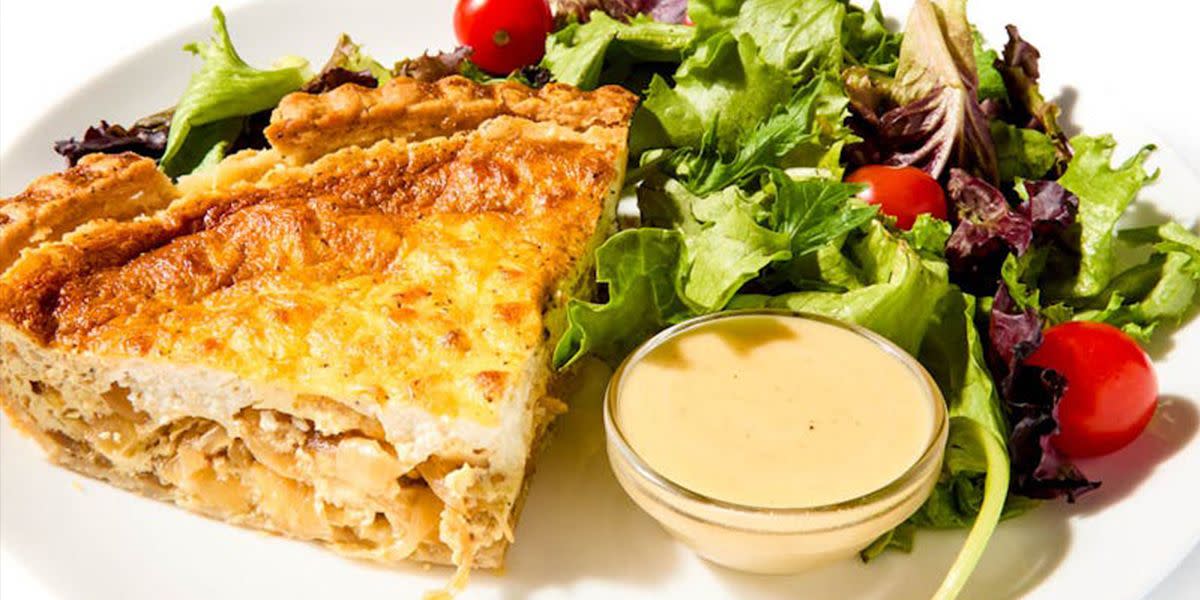
For a version that blends tradition with a gourmet twist, Chef Miriam Milord’s Caramelized Onion Goat Cheese Quiche offers a refined twist, layering sweet caramelized onions with tangy goat cheese in a silky, perfectly baked custard encased in a flaky pastry shell.
5. Croque monsieur
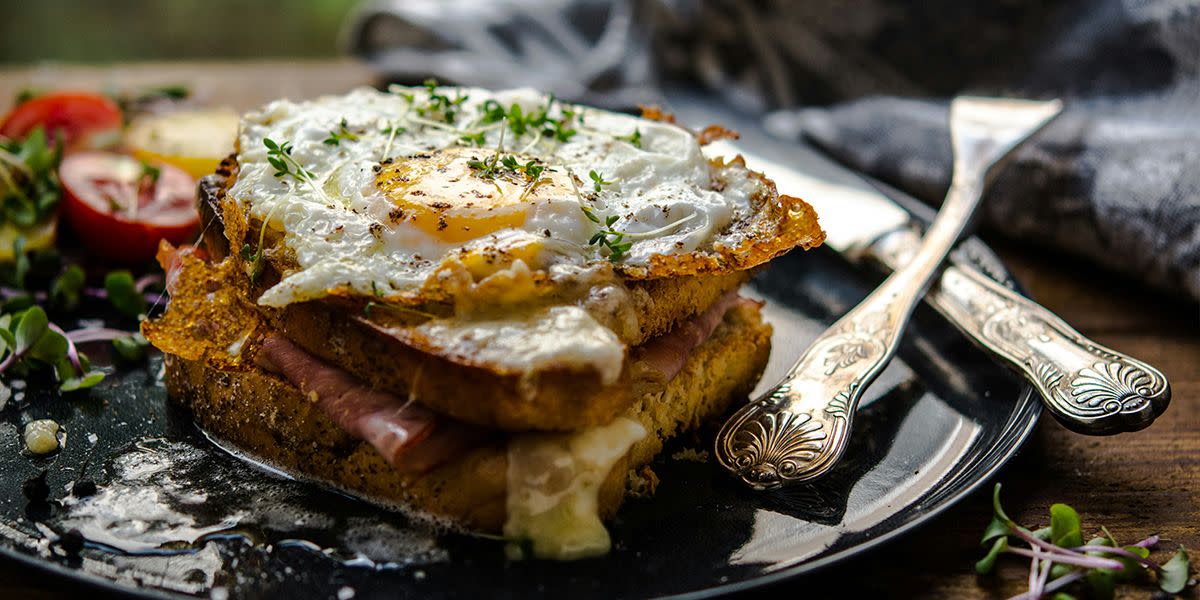
Croque monsieur transformed the humble sandwich into a French culinary icon. This elevated ham and cheese creation layers Gruyère and sliced ham between bread, then tops it with béchamel sauce and more cheese before being broiled until bubbling and golden.
First appearing on Parisian café menus in the early 20th century, it shows how French food has the power to elevate everyday ingredients into something extraordinary. The use of béchamel—one of the five mother sauces—turns what might seem simple into a dish full of depth and refinement.
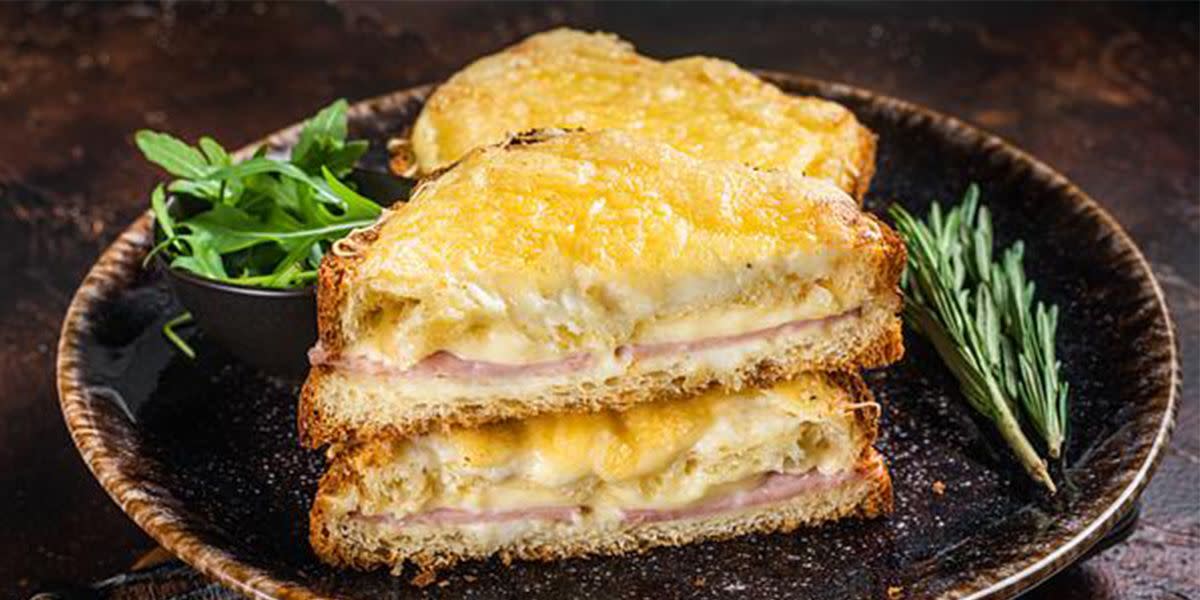
For a version that captures the same indulgent spirit, Chef Cedric Nicolas's Classic Croque Monsieur stays true to tradition, with quality ham and Gruyère melted together for a perfectly balanced bite.
6. Croissant
The croissant’s flaky, buttery layers have become a symbol of French breakfast culture, though its origins trace back to Austria. French bakers perfected the lamination technique—alternating folds of butter and dough—that gives the pastry its signature texture.
By the 20th century, the croissant had achieved global fame, becoming an international emblem of French baking expertise. Its influence extends far beyond the breakfast table, inspiring countless pastries that rely on the same delicate method.
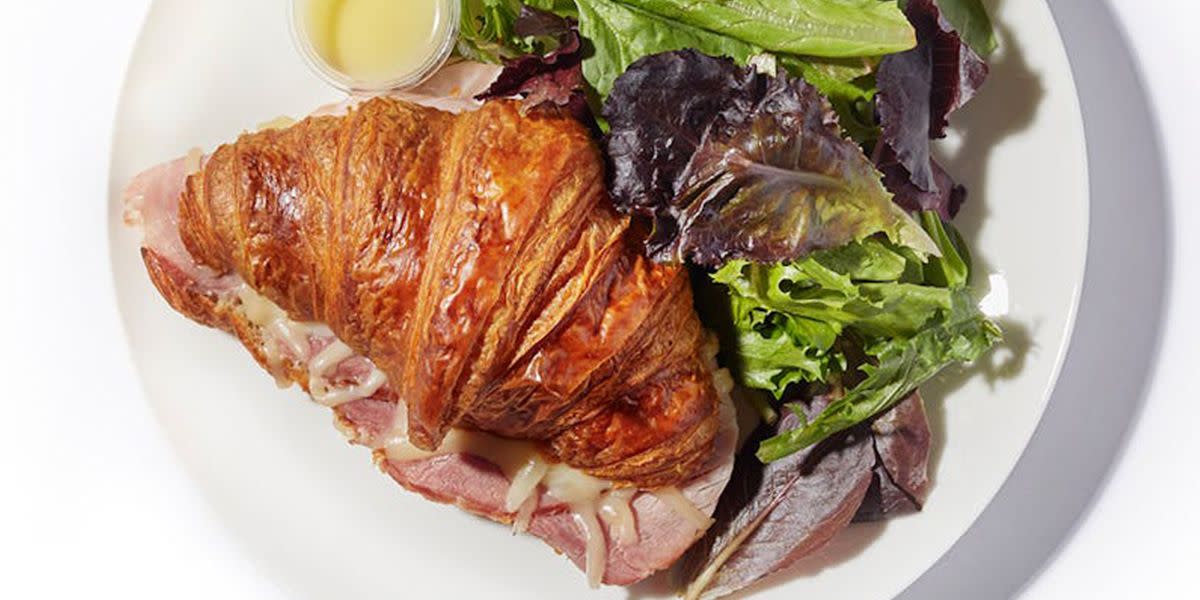
For a savory twist on the classic, Chef Cedric Nicolas's French Ham & Cheese Croissant layers quality ham and cheese into the buttery folds, creating a pastry that is as satisfying as it is indulgent.
For more special occasion menu inspiration with French influences, explore New Year's Dinner Ideas & Recipes to Celebrate in Style, featuring elegant dishes perfect for memorable celebrations.
7. Soupe à l'oignon
Soupe à l’oignon, or French onion soup, shows how French cuisine can transform the simplest ingredients into something extraordinary through technique and patience. The dish begins with onions slowly caramelized until they develop deep, sweet complexity, then simmered in a rich broth and topped with bread and melted cheese.
Once considered a humble market dish, French onion soup became a cornerstone of French food culture, especially in the bustling halls of Paris’s Les Halles. Its signature presentation—served in individual crocks with cheese bubbling over the edges—has made it instantly recognizable worldwide.
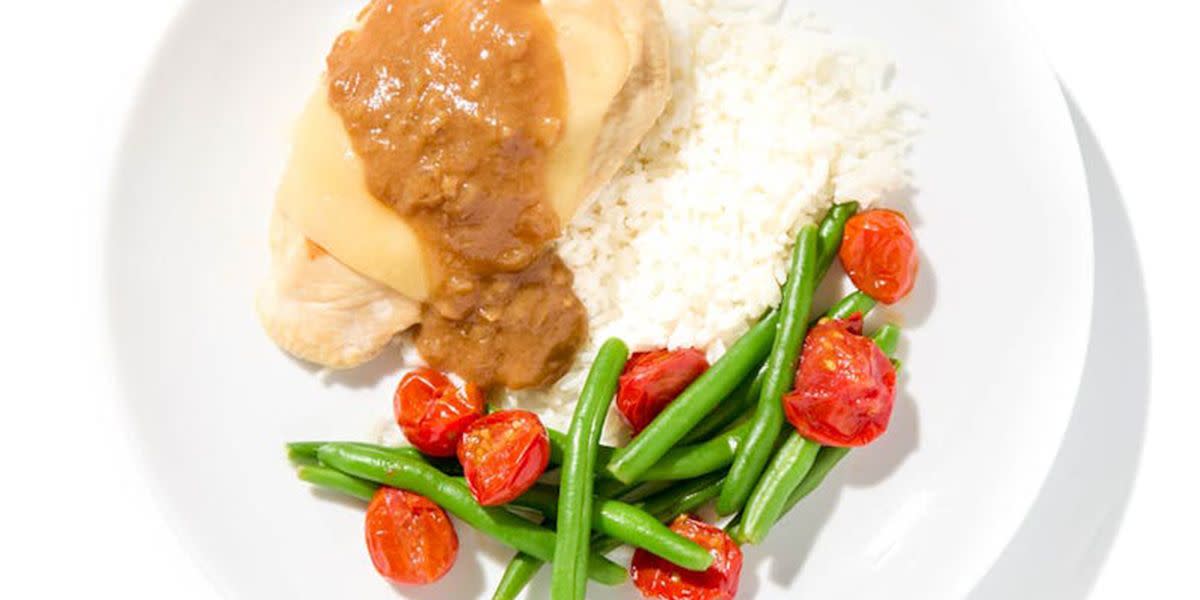
Bringing a creative twist to the tradition, Chefs Bladimir Molina and Carlos Paz crafted a French Onion Chicken Breast that captures the same comforting flavors while highlighting perfectly cooked protein.
8. Cassoulet
Cassoulet originated in southern France as a hearty bean and meat casserole designed to sustain farmers through long, cold winters. This rustic dish features white beans slowly simmered with a mix of meats—often duck confit, pork, and sausage—until they come together in a rich, flavorful whole.
Regional variations are plentiful, with Toulouse, Carcassonne, and Castelnaudary each claiming the most authentic version. What unites them all is the method: slow cooking in an earthenware pot, the cassole, which gives the dish its name.
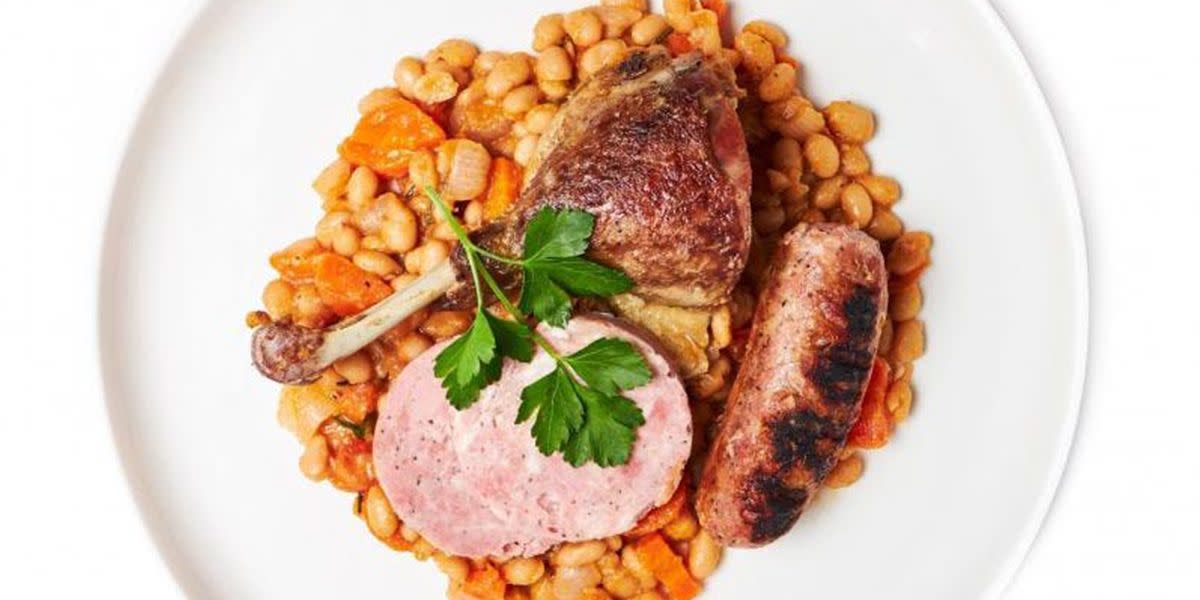
For a faithful take on the tradition, Chef Cedric Nicolas’s Duck and Pork Cassoulet combines tender beans with flavorful cuts of meat, honoring the rustic character of this French classic while showcasing his own refined touch.
9. Crème brûlée
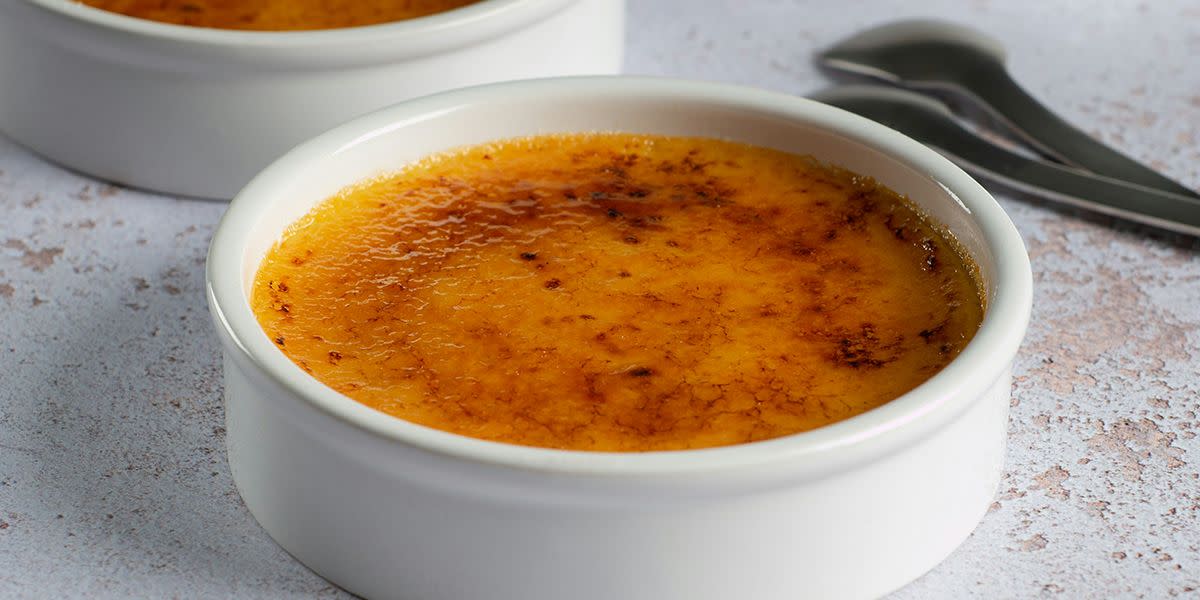
Crème brûlée transformed the world of desserts with its irresistible contrast between silky custard and crisp caramelized sugar. The classic preparation features a vanilla-infused custard base topped with a delicate layer of sugar that is torched until golden and crackling.
Although its exact origins are debated—with both France and England laying claim—the French perfected and popularized the dessert. Baking the custard gently in a water bath ensures the smooth, velvety texture that defines the dish, while the final caramelized crust highlights the precision and elegance at the heart of French pastry.
10. Confit de canard
Confit de canard shows how French cuisine turned practical preservation into culinary artistry. The technique calls for duck legs to be slowly cooked in their own fat at a low temperature, then preserved in that fat for remarkable flavor and texture.
What began as a method for survival in southwest France became a celebrated gourmet preparation, prized for its tender meat and rich taste. It remains a shining example of French culinary ingenuity—transforming necessity into timeless tradition.
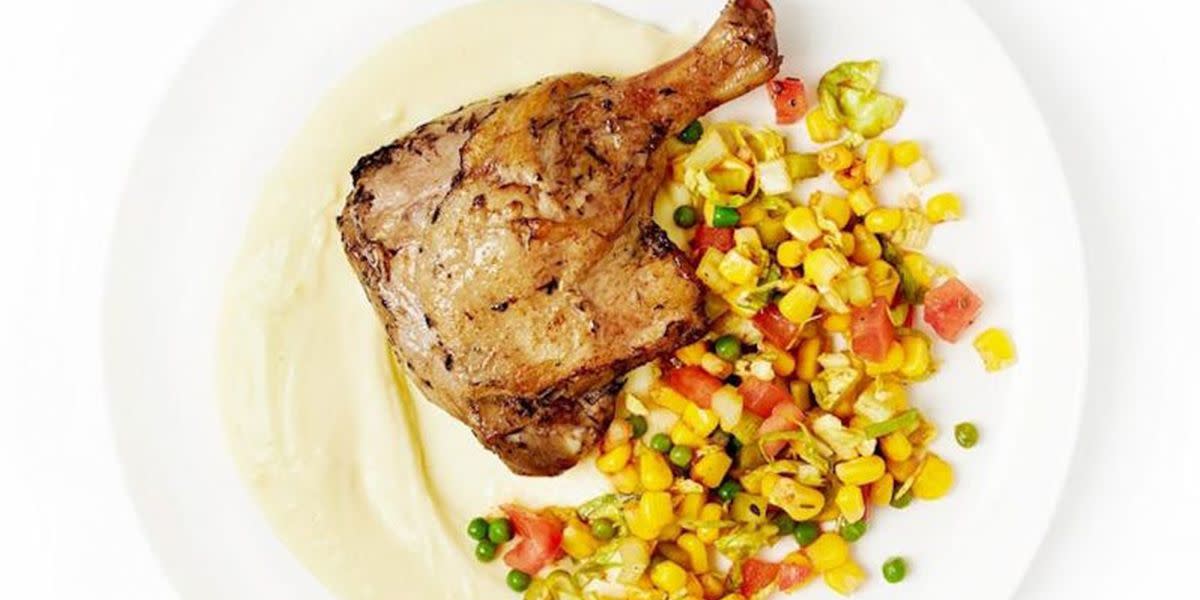
Carrying on that heritage, Chef Dustin Taylor’s Classic Duck Confit stays true to the original method, with duck leg cooked low and slow in its own fat until succulent and deeply flavorful.
How these dishes are enjoyed in France today
Modern French dining continues to follow a structured approach while embracing contemporary influences. A traditional French meal often unfolds in courses—starting with an entrée (starter), moving to a plat principal (main course), followed by a fromage (cheese course), and finishing with dessert.
Regional traditions remain an essential part of French food culture. In Alsace, hearty dishes like choucroute garnie reflect Germanic roots, while Provence celebrates the Mediterranean with seafood stews such as bouillabaisse. Across the country, these specialties connect people to place and history, even as new flavors and techniques find their way into kitchens.
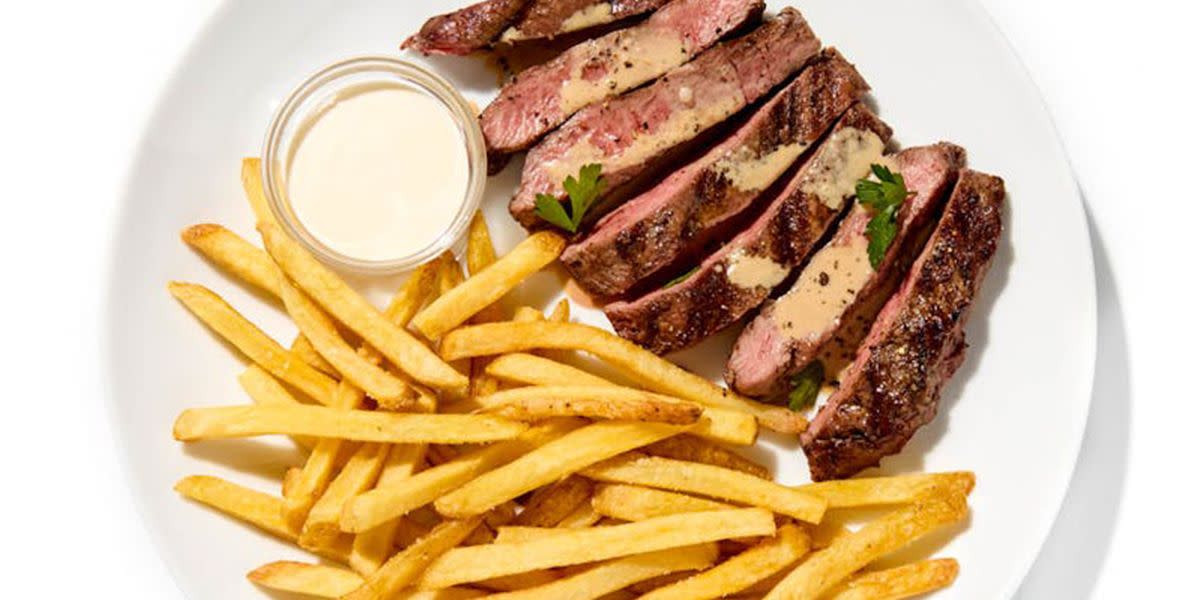
Capturing that balance of heritage and timeless appeal, Chef Cedric Nicolas’s Steak Frites au Poivre reflects the enduring popularity of bistro classics that remain as beloved in France today as they were a century ago.
Wine pairing essentials for classic French dishes
French cuisine and wine share an inseparable bond, with pairings refined over centuries of tradition. Knowing the basics of France’s wine regions makes it easier to create combinations that bring out the best in both the food and the wine.
Burgundy: Known for elegant Pinot Noir and Chardonnay
Bordeaux: Famous for structured blends of Cabernet and Merlot
Loire Valley: Recognized for crisp, mineral-driven Sauvignon Blanc
Champagne: The home of sparkling wines with unmatched finesse
One of the most important principles in French wine pairing is regional harmony. Wines often pair naturally with foods from the same terroir. For example, Burgundy wines are a natural match for boeuf bourguignon or coq au vin, since the flavors were shaped together in the same landscape.
A standout example is La Petite Merlotte Rouge, a Bordeaux Supérieur from Château Le Grand Verdus Winery, which pairs beautifully with rich beef dishes like boeuf bourguignon. Its structure and depth mirror the complexity of the dish, creating a truly balanced experience.
Tips for experiencing French food at home
Bringing authentic French food into your kitchen starts with a well-stocked pantry. Quality butter, Dijon mustard, herbes de Provence, good olive oil, and wine for cooking are all essentials that form the backbone of classic French dishes.
Once you have the basics, mastering a few core techniques can elevate your French cooking:
Make a proper roux: Equal parts flour and fat form the base of many French sauces
Master deglazing: Unlock rich flavor by adding liquid to a hot pan after searing meat
Practice mise en place: Prepare and organize all ingredients before cooking begins
Control temperature: Many French recipes depend on precise heat management
For a comforting example that blends tradition with accessibility, Chef Cedric Nicolas’s Rustic-Style French Beef Ragu delivers classic French flavor in a dish that home cooks can enjoy without hours of preparation.
For an authentic French dining experience without the work, explore French meal delivery options featuring dishes created by real chefs trained in classic techniques.
Frequently asked questions about French food
Which French dish is simplest for a beginner to cook?
Ratatouille is ideal for beginners as it requires basic chopping skills and simple sautéing of vegetables with herbs.
What are the essential ingredients in a French pantry?
Quality butter, Dijon mustard, herbes de Provence, good olive oil, and wine for cooking form the foundation of French cooking at home.
How do I serve a multi-course French dinner?
A traditional French dinner typically follows a sequence of starter (entrée), main course (plat principal), cheese course, and dessert, with appropriate wine pairings for each.
Embracing French cuisine around the world
French cuisine continues to evolve globally while holding true to its core principles of quality ingredients and precise technique. Around the world, chefs have adapted French methods to local flavors, creating fusion cuisines that honor both tradition and innovation.
The influence of French food reaches far beyond restaurant kitchens. It shapes culinary schools, inspires food media, and has become part of everyday cooking as once-professional techniques grow more accessible to home cooks.
Today, French classics are reimagined in countless ways—whether through traditional recipes prepared with care or modern interpretations that bring a fresh perspective. Wherever you are, French food offers a way to connect with timeless flavors while experiencing something entirely new.
And if you crave those flavors at home, top chefs craft both classic and contemporary French dishes that capture the same care and detail you’d expect from a fine French restaurant—delivered fresh to your table.

Be the first to know about new offers
Multiorder discounts, free items and more.