Back
BackThe complete guide to Spanish cuisine: From tortilla to paella
While the rest of the world rushes through meals, Spain has perfected the art of eating not just for sustenance but for pleasure, connection, and celebration. Spanish cuisine turns everyday ingredients into unforgettable experiences through regional traditions that have evolved over centuries.
In this guide, you will discover the flavors, history, and culture behind Spanish food, from iconic dishes like paella and tortilla española to the social rituals that make food in Spain so unique.
Key takeaways:
Spanish cuisine celebrates regional diversity with cooking styles that range from coastal seafood specialties to hearty inland stews, all united by a love of fresh, high-quality ingredients.
The social nature of Spanish dining, from lively tapas culture to long and leisurely lunches, makes meals as much about connection as nourishment.
Traditional Spanish food like paella, tortilla española, and gazpacho uses simple methods that enhance natural flavors rather than cover them up.
The rhythm of food in Spain includes light breakfasts, generous midday meals, and late dinners that reflect the country’s unhurried approach to eating.
What is Spanish cuisine?
Spanish cuisine is a vibrant tapestry of regional cooking traditions shaped by geography, climate, and centuries of cultural exchange. It centers on fresh, high-quality ingredients prepared simply to let natural flavors shine. The Mediterranean diet forms its foundation, with olive oil, garlic, and tomatoes featuring prominently alongside a wide variety of seafood and meats.
Every region of Spain has its own specialties, shaped by local agriculture and history. Coastal areas are known for seafood-rich plates, while inland regions favor hearty stews and roasts. No matter the location, Spanish food celebrates regional diversity while sharing a common love of freshness, flavor, and sociable dining.
Key elements of Spanish cuisine:
Fresh ingredients: Locally sourced, seasonal produce forms the backbone of traditional Spanish food.
Regional diversity: Each area offers signature dishes that reflect its geography and history.
Mediterranean influence: Olive oil, garlic, tomatoes, and seafood create a distinctive flavor profile.
Social dining: Meals are relaxed, communal experiences centered around conversation.
One of the best ways to experience these principles is through Pulpo a la Gallega, a signature dish from Galicia. Chef Cedric Nicolas gives this classic octopus recipe his own twist with a vibrant chimichurri sauce and earthy fingerling potatoes, balancing fresh-from-the-sea flavors with bright and savory notes. With each bite of tender octopus, you will feel transported to the coasts of Galicia, where the Atlantic breeze meets the warmth of Spanish hospitality.
A brief history of Spanish food
Spanish cuisine began taking shape during Roman times when olive oil production and vineyard cultivation spread across the Iberian Peninsula. These foundational elements remain at the heart of Spanish cooking today.
The Moorish occupation from 711 to 1492 left a lasting influence on Spanish food culture, introducing ingredients like rice, almonds, citrus fruits, and aromatic spices that became staples in many traditional Spanish dishes. This heritage is still tasted in iconic recipes such as paella and in the use of saffron, cinnamon, and cumin.
After 1492, Spain’s culinary landscape changed dramatically when explorers returned from the Americas with tomatoes, potatoes, peppers, and chocolate. These New World ingredients blended seamlessly with Mediterranean traditions, shaping the vibrant flavors that define Spanish food today.
The legacy of these influences lives on in dishes that highlight Spain’s love of bold yet balanced flavors. Chef Andres Mendez captures this heritage in his Pan-Seared Salmon with Saffron Aioli, a modern plate that pays homage to the prized spice brought by the Moors and still central to traditional Spanish cuisine. The delicate saffron infusion, paired with perfectly cooked salmon, brings a taste of history to the present.
How Spaniards structure their meals
Spanish breakfast, or desayuno, is typically light and simple. Most Spaniards start their day with café con leche (coffee with milk) alongside toast spread with olive oil and tomato (pan con tomate) or a small pastry.
Tapas culture is the social heart of Spanish dining. These small plates are designed for sharing and can be enjoyed throughout the day, especially during late morning or early evening hours. Tapas showcase the variety and vibrancy of Spanish food, allowing diners to sample multiple flavors in a single sitting. One delicious example comes from Chef Ivy Stark, whose Mediterranean Citrus & Carrot Salad captures the bright, fresh flavors typical of Spanish small plates. With its mix of seasonal ingredients and zesty dressing, it is a modern nod to Spain’s tradition of lively, shareable dishes.
La comida, the midday meal served between 2:00 and 4:00 p.m., is the main meal of the day in Spain. Many businesses close during this time so people can enjoy a substantial lunch followed by a short rest, or siesta. The Spanish concept of sobremesa, which means lingering at the table after eating to talk, has no direct English translation but perfectly reflects how food in Spain is as much about connection as it is about nourishment.
Dinner, or cena, is typically eaten between 9:00 and 11:00 p.m., much later than in many other countries. This evening meal is usually lighter than lunch but still social and unhurried, keeping with Spain’s relaxed approach to dining.
Essential Spanish dishes everyone should try
Tapas
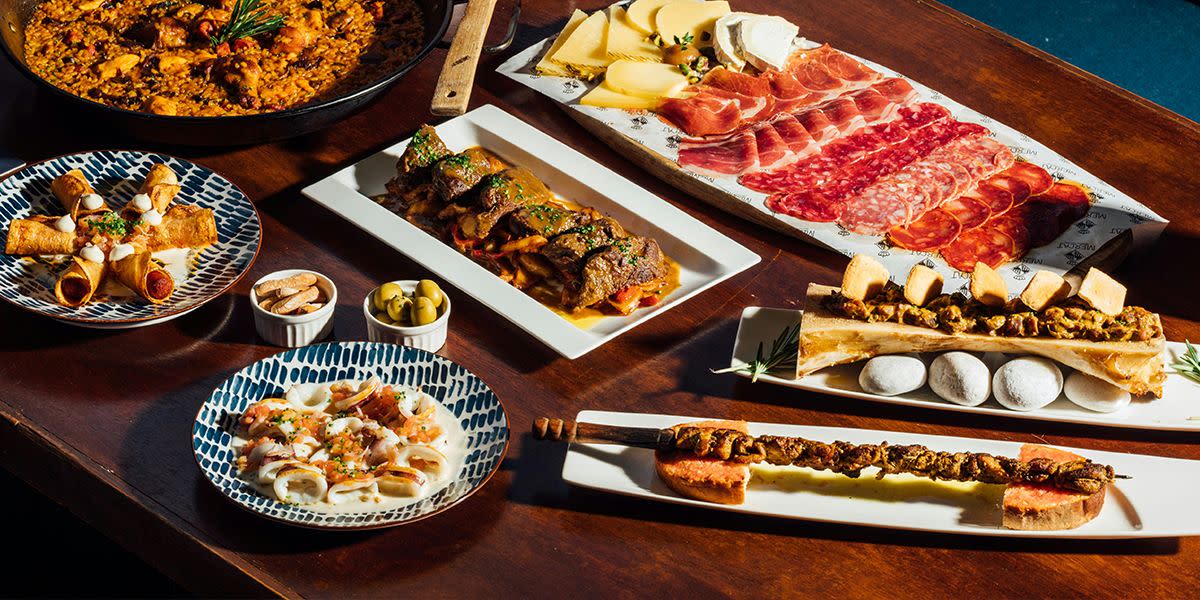
Tapas embody the Spanish approach to dining: social, varied, and flavor-focused. These small plates are designed for sharing and sampling multiple flavors in one meal, making them a beloved part of Spanish food culture.
Popular tapas include:
Patatas bravas (fried potatoes with spicy sauce)
Gambas al ajillo (garlic shrimp)
Croquetas (fried béchamel fritters)
Pimientos de Padrón (blistered small green peppers)
Boquerones (marinated fresh anchovies)
One classic example from Galicia is Pulpo a la Gallega. Chef Cedric Nicolas reimagines this traditional dish with tender octopus seasoned with paprika, olive oil, and sea salt, then adds his own signature touch with a vibrant chimichurri sauce and earthy fingerling potatoes. It is a perfect blend of time-honored Spanish cuisine and chef-driven creativity, transporting you straight to the northern coast of Spain with every bite.
If you are craving authentic Spanish flavors at home, explore our menu of Spanish-inspired meals crafted by award-winning chefs and delivered fresh to your door.
Paella
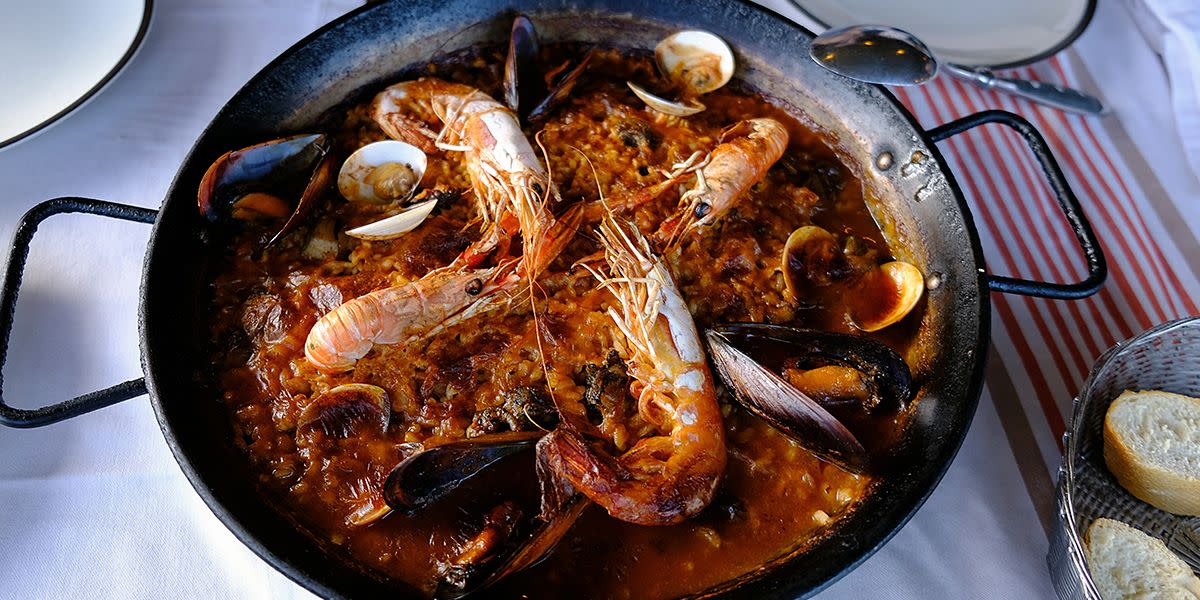
Paella is one of the most internationally recognized dishes in Spanish cuisine. It originated in Valencia as a humble farmers’ meal, cooked outdoors over an open fire. Traditional Valencian paella features rabbit, chicken, and snails simmered with rice and saffron in a wide, shallow pan called a paellera.
Today, paella comes in many variations, including seafood paella (paella de mariscos) and mixed paella (paella mixta) that combine meat and seafood. Regardless of the style, the mark of an authentic paella is the socarrat, the crispy layer of rice that forms at the bottom of the pan, prized for its rich flavor and texture.
The warm, earthy aroma of saffron is what truly defines traditional paella, and Chef Andres Mendez brings that essence to life in his Pan-Seared Salmon with Saffron Aioli. This dish pairs perfectly cooked salmon with the golden spice that has flavored Spanish food for centuries, offering a refined yet approachable way to enjoy one of Spain’s most treasured ingredients.
Tortilla española
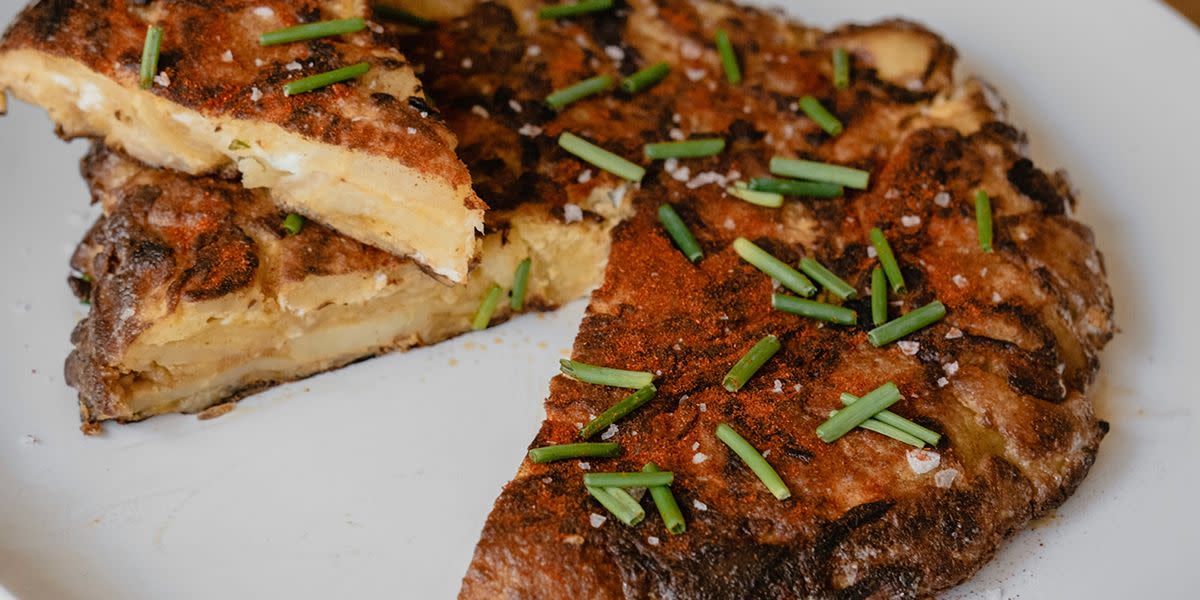
Tortilla española, or Spanish omelet, is a beloved staple in Spanish cuisine that can be enjoyed at any time of day. Unlike its Mexican namesake, the Spanish tortilla is a thick, cake-like omelet rather than a flatbread.
This versatile dish is made with thinly sliced potatoes and onions slowly cooked in olive oil, then combined with beaten eggs and cooked until just set. The result is tender, flavorful, and satisfying whether served hot or cold. In Spanish food culture, tortilla española can appear as a tapa, the centerpiece of a light meal, or even as a sandwich filling tucked into crusty bread.
Simple yet deeply comforting, tortilla española captures the essence of traditional Spanish food by using a handful of humble ingredients to create something truly memorable.
Gazpacho
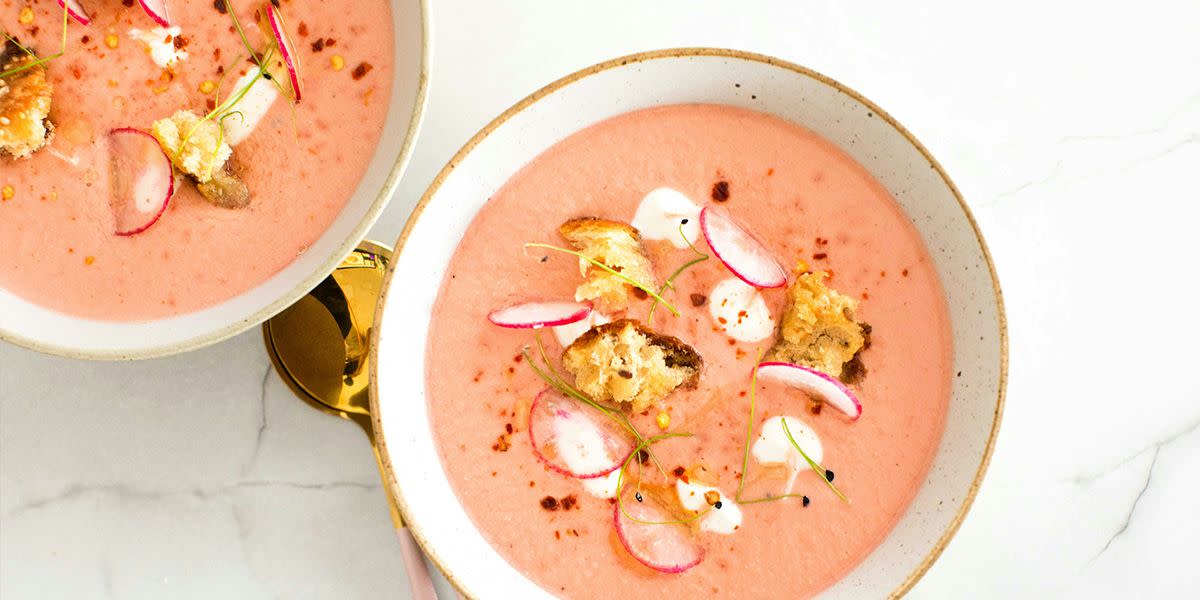
Gazpacho, Andalusia’s most famous cold soup, began as a humble peasant dish made with stale bread, olive oil, garlic, and whatever vegetables were on hand. Over time, it evolved into the refreshing summer staple we know today, blending raw tomatoes, peppers, cucumber, garlic, olive oil, and vinegar into a chilled, flavorful soup that captures the essence of southern Spanish cuisine.
This tradition of simplicity and freshness inspires Chef Einat Admony’s Tomato Strawberry Gazpacho. By pairing the classic ingredients with the natural sweetness of strawberries, she creates a modern twist that is both vibrant and refreshing, perfect for warm days or as a lively start to any meal.
Bring this and other Spanish-inspired creations to your table with our weekly menu, delivered fresh to your door.
Jamón
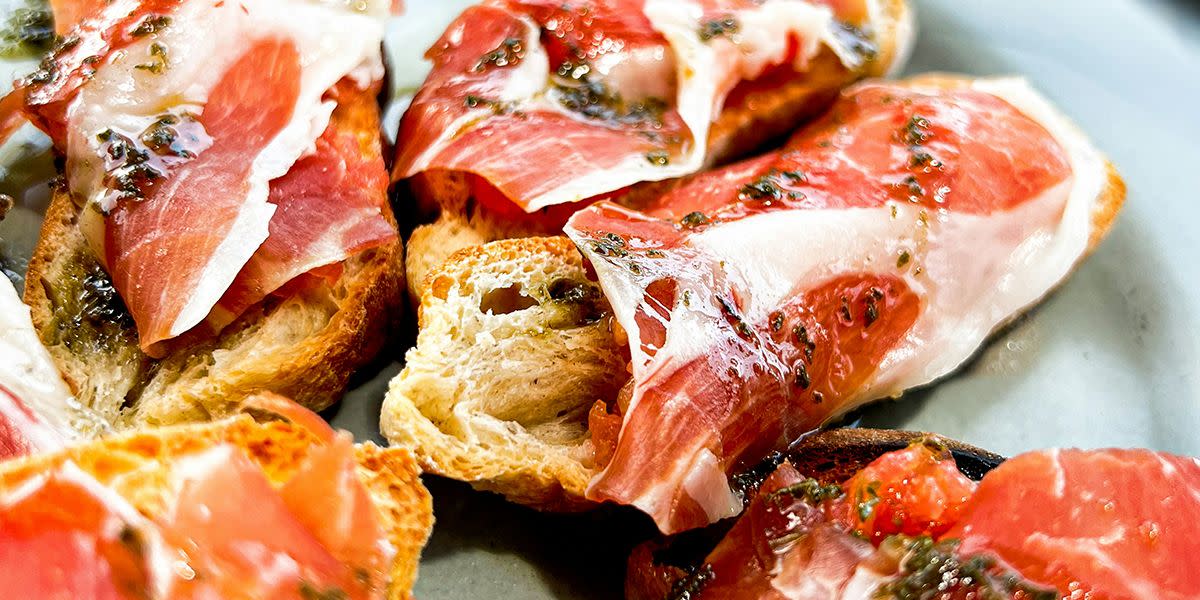
Jamón, or cured ham, holds an exalted place in Spanish cuisine and culture. It is more than a food; it is a symbol of craftsmanship and regional pride. Spain produces several varieties, with Jamón Ibérico de Bellota, made from acorn-fed Iberian pigs, considered the most prized.
The curing process can take years and is carefully monitored to develop the complex, nutty, and savory flavors that make jamón so distinctive. Traditionally, it is served thinly sliced on its own as a tapa, allowing the marbled fat and melt-in-your-mouth texture to shine. It also appears in countless Spanish dishes, adding depth and richness to everything from stews to salads.
A single bite of quality jamón offers a taste of Spain’s culinary heritage, connecting centuries of tradition with the country’s enduring love of exceptional ingredients.
Regional Spanish cuisine highlights
Spain’s diverse geography has shaped a mosaic of regional cuisines, each with its own specialties and cooking techniques. From seafood-rich coastal towns to the hearty, comforting dishes of the interior, every part of the country offers a unique expression of Spanish cuisine.
Regional specialties
Andalusia: Gazpacho, pescaíto frito (fried fish), salmorejo
Catalonia: Pa amb tomàquet (bread with tomato), escalivada (roasted vegetables), crema catalana
Basque Country: Pintxos, marmitako (tuna stew), bacalao al pil-pil (salt cod)
Valencia: Paella, arroz a banda (rice in fish stock), fideuà (noodle paella)
Coastal regions, especially along the Mediterranean, showcase a diet rich in fresh seafood and vegetables. Chef Ludo Lefebvre’s Pan-Seared Branzino with Ratatouille reflects this style beautifully, pairing delicate fish with seasonal produce in a way that celebrates the natural flavors of Spain’s shores.
Andalusia, Spain’s southernmost region, is deeply influenced by its Moorish heritage and Mediterranean climate. Olive oil plays a central role here, with Jaén province renowned for producing some of the world’s finest extra virgin oils.
Catalonia in northeastern Spain is known for its mar i muntanya (sea and mountain) dishes, combining seafood with meat or poultry. Catalan cooks often use picada, a paste made from nuts, bread, garlic, and herbs, to enrich sauces and stews.
The Basque Country in northern Spain has a reputation for culinary excellence, from inventive pintxos to refined seafood preparations. Many of Spain’s most acclaimed restaurants are found here.
Valencia’s cuisine centers on rice dishes, most famously paella. The region’s fertile huerta (garden) provides an abundance of fresh produce, while the nearby Mediterranean waters supply exceptional seafood. Chef Andres Mendez’s Mediterranean Shrimp & Romanesco Sauce captures this coastal-meets-garden harmony, combining tender shrimp with vibrant seasonal vegetables in a dish that echoes the flavors of Valencia.
Essential Spanish ingredients
Olive oil, garlic and onions
Olive oil is the foundation of Spanish cuisine, used for frying, sautéing, and as a finishing drizzle. Spain is celebrated for its wide variety of olive oils, from mild and buttery to bold and peppery. Garlic and onions form the aromatic base for countless Spanish dishes. One classic example is sofrito, a slow-cooked mix of onions, garlic, and tomatoes that adds depth to stews, soups, and rice dishes across Spain.
Fresh vegetables and herbs
Spanish cooking celebrates the seasons with vegetables like tomatoes, peppers, artichokes, and eggplants. Each region uses its local produce in distinctive ways, creating dishes that reflect the surrounding landscape. Fresh herbs such as parsley, thyme, rosemary, and bay leaves are added with a light touch, enhancing natural flavors rather than overpowering them.
Seafood and meats
With its extensive coastline, Spain offers a wealth of seafood, from everyday staples like hake and sardines to special-occasion catches like lobster and sea bass. Inland areas focus on meats such as pork, lamb, and game, creating hearty dishes rooted in tradition. This respect for natural flavors is beautifully illustrated in Chef John DeLucie’s Seared Branzino with Panzanella Salad. By pairing tender, perfectly cooked fish with a vibrant bread and tomato salad, the dish captures the Spanish approach to seafood: fresh ingredients prepared simply to let their quality shine.
Bringing Spanish flavors home
Many key ingredients of Spanish cuisine are now easy to find in international grocery stores or online specialty shops. Essentials include high-quality Spanish olive oil, pimentón (smoked paprika), saffron, and Spanish rice varieties like bomba or calasparra.
Spanish cooking essentials
Paella pan: Wide, shallow pan essential for authentic rice dishes
Cazuela: Traditional clay pot for slow-cooked stews and braises
Mortar and pestle: Used for making sofrito, aioli, and other flavor bases
Quality olive oil: The cornerstone of Spanish cooking
Spanish paprika: Available in sweet, bittersweet, and spicy varieties
Cooking tip: Let ingredients shine by keeping preparations simple. The best Spanish dishes enhance, rather than mask, the natural flavors of quality produce, seafood, and meats.
If you are new to Spanish cooking, start with simple dishes that require only a few ingredients, such as tortilla española, garlic shrimp, or pan con tomate. Focus on quality ingredients and straightforward techniques.
For those who want to skip the kitchen, authentic Spanish flavors can still be enjoyed at home. Chef Ivy Stark’s Pescado a la Veracruzana blends tender fish with tomatoes, peppers, olives, and capers, showcasing coastal Spanish cooking techniques and the vibrant, layered flavors found in traditional Spanish food.
Modern adaptations of Spanish cuisine
Contemporary Spanish chefs are reimagining traditional recipes to meet modern dietary preferences without sacrificing flavor. According to recent research¹, about 6.4% of Spanish adults follow a vegetarian diet, and 1.6% follow a vegan diet. Vegetarian paella swaps meat for seasonal vegetables and mushrooms, while gluten-free croquetas use alternative flours to achieve their signature crispness.
Plant-based Spanish cuisine continues to grow in popularity, with chefs creating vegan versions of classics like tortilla española made with chickpea flour instead of eggs. These adaptations preserve the essence of traditional Spanish food while embracing new ingredients and techniques.
Examples of Spanish cuisine adaptations:
Vegetable paella with artichokes and mushrooms (vegetarian)
Chickpea flour “tortilla” with potatoes (vegan)
Rice flour-based croquetas (gluten-free)
Coconut milk-based flan (dairy-free)
This creative spirit keeps Spanish cuisine relevant and accessible, while still offering a window into Spain’s diverse cultures, landscapes, and history. Its emphasis on quality ingredients, regional specialties, and social dining reflects an approach to food in Spain that is about more than sustenance.
For those who want to experience these flavors without cooking, award-winning chefs at CookUnity craft Mediterranean and Spanish-inspired dishes that arrive fresh to your door, ready to enjoy.
Frequently asked questions about Spanish cuisine
Are these meals safe for those with severe dietary allergies, such as dairy, soy, and nuts?
While our meals are crafted without certain ingredients, they're prepared in kitchens where cross-contamination may occur. If your allergy is life-threatening, we recommend reviewing ingredient labels carefully before eating.
What is Spain's national dish?
While Spain has no official national dish, paella is internationally recognized as the country's most iconic food, originating in Valencia and now enjoyed worldwide.
How does Spanish cuisine differ from Mexican cuisine?
Spanish cuisine uses olive oil, sofrito, and seafood as foundations, while Mexican cuisine features corn, chilies, and indigenous ingredients with distinct preparation methods reflecting separate cultural evolutions.
What are easy Spanish recipes for pescatarians?
Pescatarians can enjoy gazpacho, seafood paella, pulpo a la gallega, and pescado en adobo – all authentic Spanish dishes centered around fish and seafood without meat ingredients.
How can someone find authentic Spanish ingredients outside Spain?
Look for specialty food shops, international markets, or online Spanish food retailers that import authentic products like saffron, pimentón, and high-quality olive oil.
What wine pairs best with Spanish tapas?
Spanish sherries, crisp Albariños, or robust Tempranillos complement most tapas, with dry fino sherry particularly enhancing seafood dishes and red Rioja working well with meatier options.
Sources:

Be the first to know about new offers
Multiorder discounts, free items and more.