Back
10+ quick and easy Vietnamese recipes and meal ideas
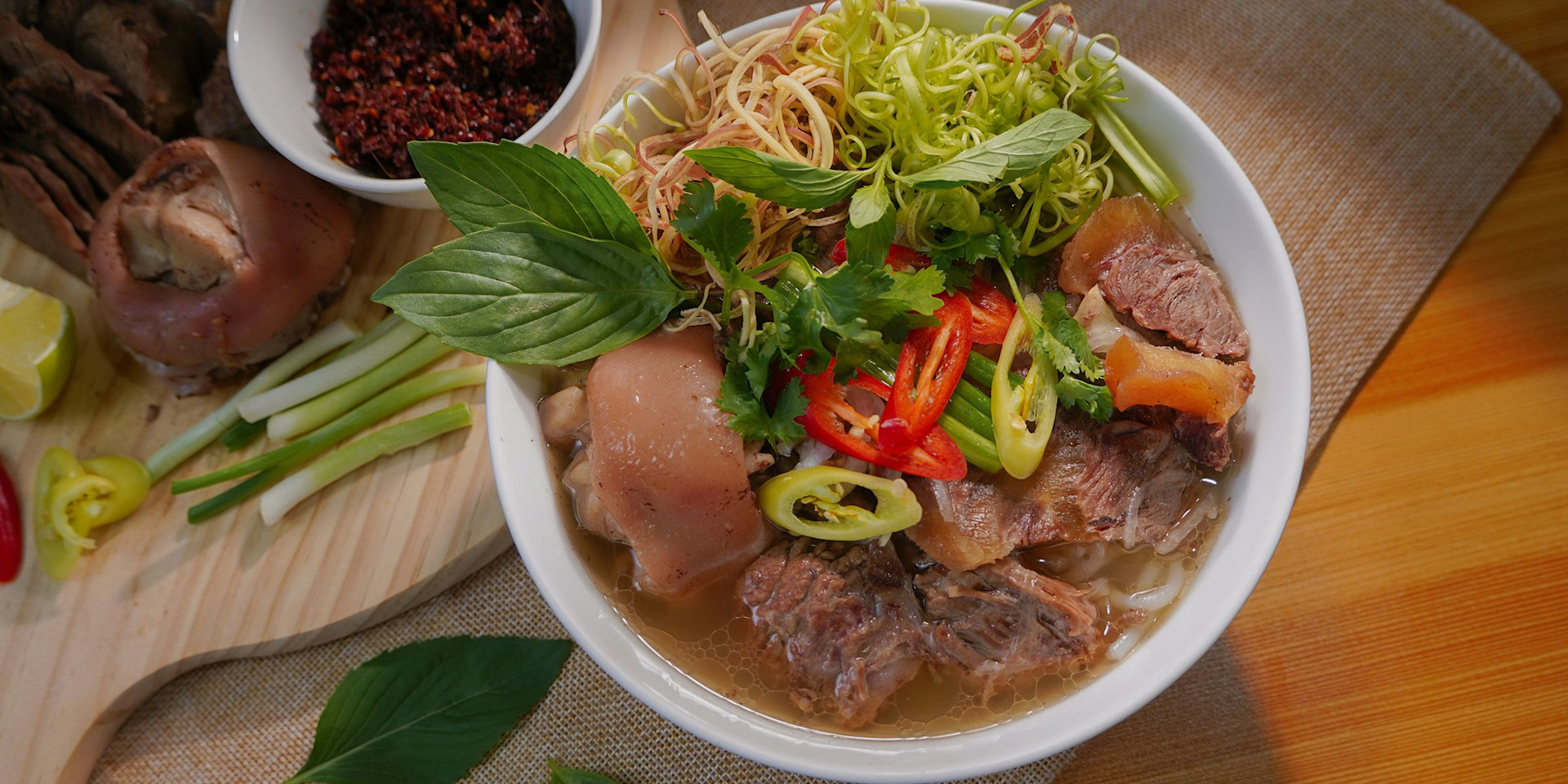
Vietnamese recipes are all about balance. They feature fresh herbs, savory broths, and tangy sauces that come together in perfect harmony. From iconic dishes like pho and banh mi to quick stir-fries and vibrant noodle bowls, these easy-to-follow recipes and meal ideas bring the flavors of Vietnam straight to your kitchen. Whether you’re craving a comforting soup or a refreshing salad, this list has something for every mood and skill level.
Key takeaways:
Vietnamese cuisine is all about balance, using sweet, sour, salty, spicy, and umami flavors to build dishes that are vibrant and deeply satisfying.
Fresh herbs like Thai basil, mint, and cilantro are essential in most Vietnamese recipes, adding brightness, aroma, and textural contrast.
Many iconic Vietnamese dishes such as pho, banh mi, and goi cuon are easier to make at home than you might expect, and beginner-friendly versions still deliver authentic flavor.
A few pantry staples—fish sauce, lemongrass, rice noodles, and nuoc cham—go a long way in helping you recreate traditional Vietnamese food at home.
For days when you want the flavor without the prep, CookUnity offers chef-crafted Vietnamese meals delivered fresh to your door.
What are iconic Vietnamese dishes?
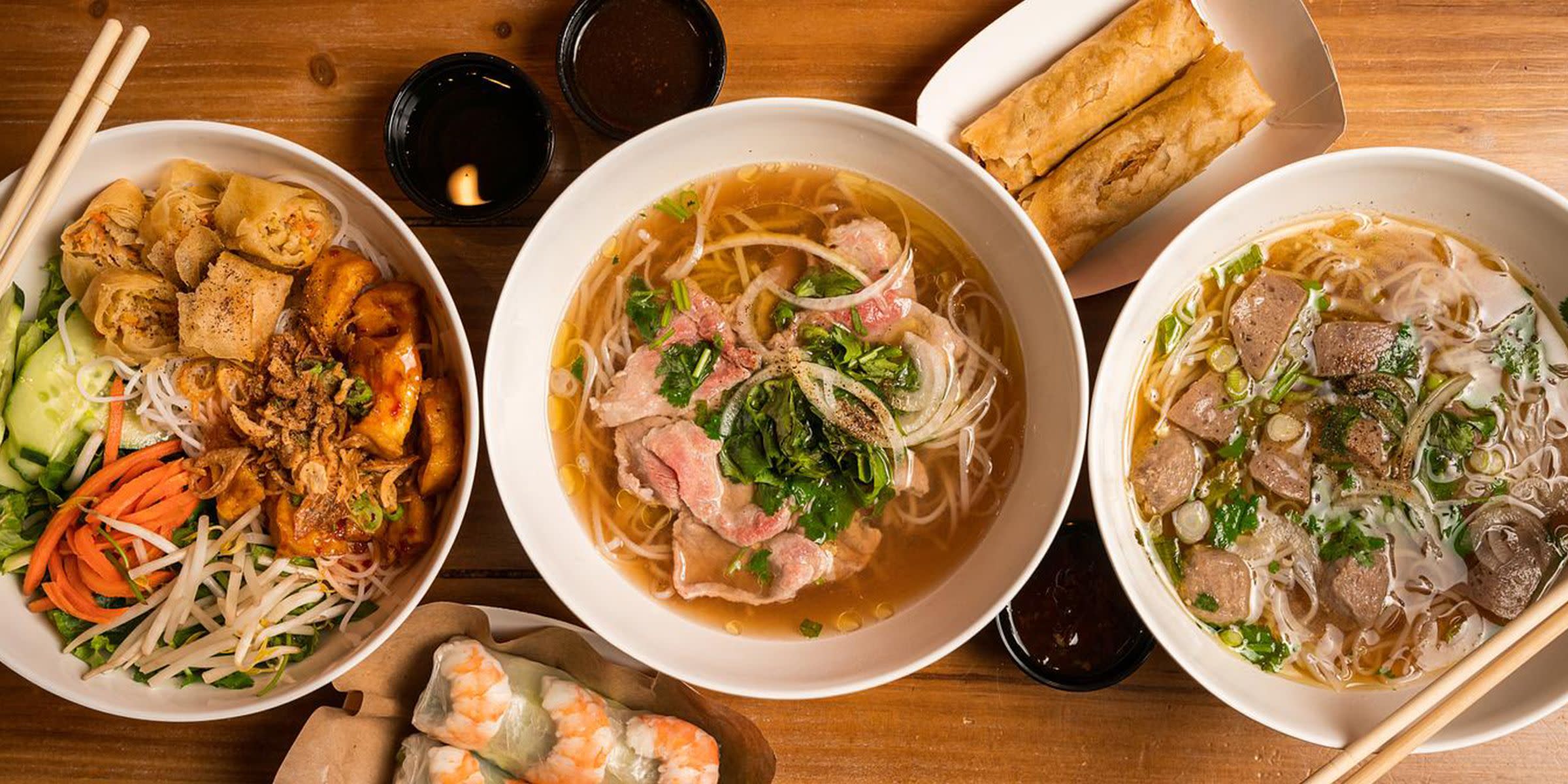
Vietnamese cuisine is built on harmony. Each dish is crafted to balance five essential tastes—sweet, sour, salty, spicy, and umami—using fresh herbs, crisp vegetables, and deeply aromatic broths. This balance is what makes Vietnamese food so vibrant, satisfying, and globally loved.
Most Vietnamese dishes are light by design, focusing on freshness rather than richness. Herbs like Thai basil, mint, and cilantro take center stage, while oils and dairy are used sparingly. Rice is a staple in all forms—steamed, as noodles, or wrapped in rice paper—often paired with just enough protein to enhance flavor without overwhelming the dish.
The result is a style of cooking that feels both nourishing and complex, and many traditional Vietnamese recipes are easier to recreate than you might expect.
Want the flavors without the prep? Explore CookUnity’s chef-crafted Vietnamese meals delivered fresh to your door.
Essential ingredients for authentic Vietnamese cooking
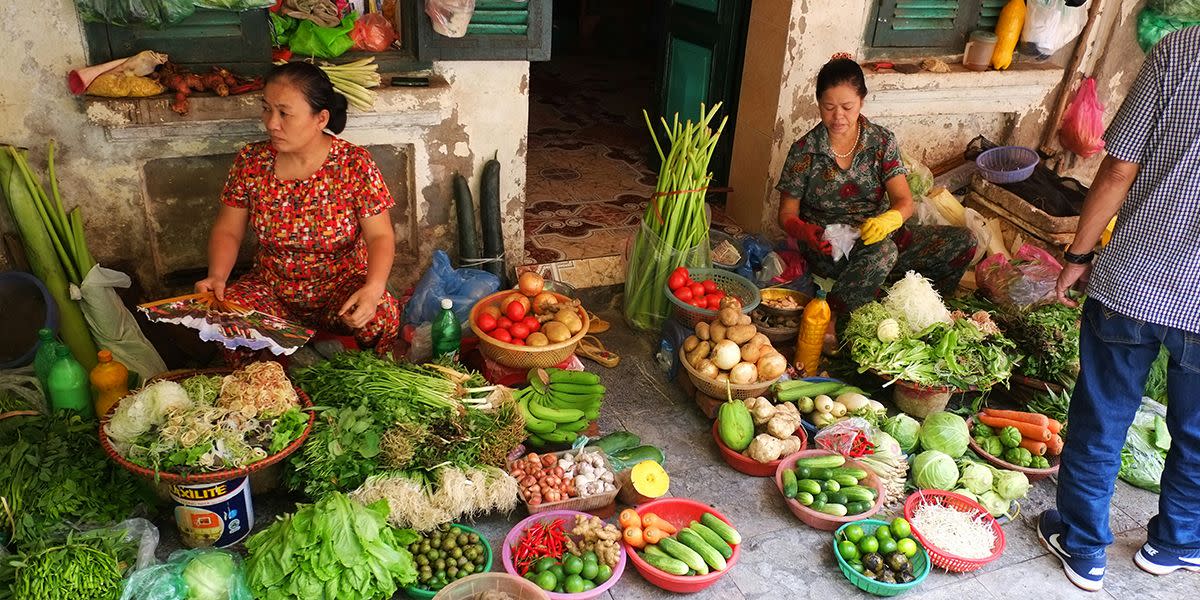
Before diving into these Vietnamese recipes, it’s helpful to stock your pantry with a few foundational ingredients that appear again and again in traditional Vietnamese cuisine.
Fresh herbs: Thai basil, cilantro, mint, and Vietnamese coriander (rau răm) add brightness and depth to almost every dish.
Noodles and rice: Rice noodles (bánh phở), vermicelli (bún), rice paper (bánh tráng), and jasmine rice are pantry staples in many Vietnamese dishes.
Condiments: Fish sauce (nước mắm), nuoc cham (dipping sauce), hoisin sauce, and chili sauce bring umami and heat to countless meals.
Aromatics: Lemongrass, ginger, garlic, and shallots form the base of marinades, stir-fries, and soups in classic Vietnamese food.
With these ingredients on hand, you’ll be ready to create flavorful, authentic Vietnamese recipes without needing a specialty store for every meal.
10 Vietnamese recipes to try at home
From sizzling street food to soul-warming stews, these Vietnamese recipes highlight the diversity and depth of Vietnamese cuisine. Whether you're new to cooking or looking to expand your repertoire, each recipe includes essential ingredients and easy-to-follow steps to help you bring authentic Vietnamese food to life in your own kitchen.
1. Pho bo (beef noodle soup)
Pho bo is Vietnam’s national treasure. It’s a deeply aromatic beef noodle soup that has become one of the most iconic Vietnamese dishes around the world. Its signature clear broth is infused with warm spices like star anise and cinnamon, balanced by charred aromatics and a splash of fish sauce.
Key ingredients: Beef bones, star anise, cinnamon sticks, cloves, fish sauce, rice noodles, thinly sliced beef, charred ginger and onion, bean sprouts, Thai basil, lime wedges, and chili peppers.
Basic preparation: Simmer beef bones with charred ginger and onion for several hours to build a rich, clear broth. During the final hour, add toasted spices to deepen the flavor. Strain, season with fish sauce, and ladle over cooked rice noodles and thinly sliced raw beef, which cooks in the hot broth. Serve with fresh herbs and garnishes on the side.
Craving pho without the simmering? Try Spicy Beef Pho by Chef Esther Choi, featuring a rich, aromatic broth, tender beef, and traditional garnishes—delivered fresh and ready to enjoy.
2. Banh mi sandwiches
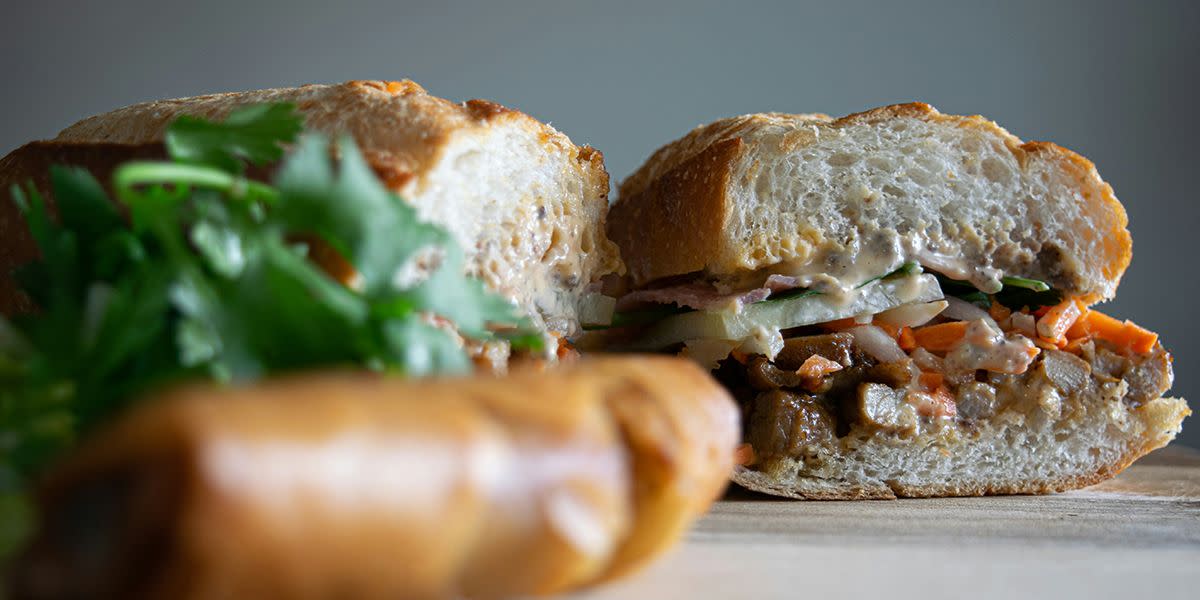
Banh mi is Vietnam’s take on the perfect sandwich: a crunchy French baguette packed with savory fillings, crisp vegetables, and bold herbs. This iconic dish captures the colonial fusion at the heart of Vietnamese cuisine, blending French technique with Southeast Asian ingredients.
Key ingredients: French baguette, grilled pork (or chicken, tofu, or pâté), pickled carrots and daikon, cucumber, cilantro, jalapeño, and mayonnaise.
Basic preparation: Pickle the carrots and daikon in a quick brine of vinegar, sugar, and salt. Slice open a crusty baguette and layer it with your protein of choice, pickled veggies, herbs, and a swipe of mayo. Every bite delivers contrast: crispy, tangy, savory, and fresh.
It’s one of the most customizable and beginner-friendly Vietnamese recipes, ideal for easy lunches or meal prep. For a plant-based twist, try the Tofu Banh Mi by Chef Cami Sepulveda, featuring crispy tofu and traditional pickled vegetables on a crusty baguette—no prep required.
3. Bun cha (grilled pork with noodles and dipping sauce)
Bun cha is a Hanoi classic that gained global attention when Anthony Bourdain and President Obama famously shared it over beers in Vietnam’s capital. This dish pairs grilled pork patties and pork belly slices with rice vermicelli, fresh herbs, and a tangy-sweet dipping sauce.
Key ingredients: Ground pork, pork belly, fish sauce, sugar, garlic, shallots, rice vermicelli, herbs, lettuce, and pickled vegetables.
Basic preparation: Season ground pork and form into small patties. Marinate pork belly slices with fish sauce, sugar, garlic, and shallots. Grill both until lightly charred and juicy. Serve with rice noodles, fresh herbs, and a dipping sauce made from fish sauce, vinegar, sugar, garlic, and chili.
As one of the most flavorful and balanced Vietnamese recipes, bun cha is perfect for warm-weather meals or casual dinners. For a ready-made version, try the Lemongrass Pork Bun Cha by Chef Phet Schwader, featuring grilled lemongrass pork patties with traditional accompaniments that capture the spirit of Hanoi street food.
Craving the flavors without firing up the grill? Explore our weekly menu, which features chef-crafted dishes that bring the vibrant flavors of Vietnam right to your table.
4. Goi cuon (fresh spring rolls)
Goi cuon, or fresh spring rolls, are a celebration of the light, herbaceous side of Vietnamese cuisine. These translucent rice paper rolls are typically filled with shrimp, pork, vermicelli noodles, crisp lettuce, and an aromatic mix of herbs like mint, cilantro, and Thai basil.
Key ingredients: Rice paper, cooked shrimp, cooked pork, rice vermicelli, lettuce, mint, cilantro, and Thai basil.
Basic preparation: Dip each sheet of rice paper briefly in warm water to soften. Layer the fillings—herbs, lettuce, noodles, and protein—then roll tightly, folding in the edges as you go. Serve with a dipping sauce such as creamy peanut sauce or tangy nuoc cham.
Fresh, flavorful, and ready in minutes, goi cuon is one of the most refreshing and beginner-friendly Vietnamese recipes to try at home.
5. Bo kho (beef stew)
Bo kho is Vietnam’s take on slow-simmered comfort, blending French stewing technique with the bold aromatics of Vietnamese cuisine. It’s a deeply flavorful dish often served with crusty bread or a warm bowl of jasmine rice.
Key ingredients: Beef chuck or brisket, lemongrass, star anise, five-spice powder, tomato paste, garlic, carrots, onions, and fish sauce.
Basic preparation: Marinate the beef with lemongrass, garlic, and fish sauce to build flavor from the start. Brown the meat, then add tomato paste, aromatics, and water. Simmer gently until the beef is tender and the broth is rich and fragrant.
As one of the most comforting Vietnamese recipes, bo kho is a great way to showcase the complexity of traditional spices in a simple, satisfying format.
Want to skip the prep? Try chef-crafted versions from our weekly menu, featuring authentic Vietnamese dishes delivered to your door.
6. Ga xao sa ot (spicy lemongrass chicken)
Ga xao sa ot is a bold, aromatic stir-fry that highlights lemongrass (one of the essential flavors in Vietnamese cuisine). It’s quick to make and deeply satisfying, with just the right balance of heat, citrus, and savory depth.
Key ingredients: Chicken thighs, lemongrass, garlic, chili, fish sauce, sugar, and lime juice.
Basic preparation: Use only the tender inner stalks of the lemongrass, finely minced for maximum flavor. Stir-fry the chicken until golden, then add lemongrass, garlic, and chili. Finish with a splash of fish sauce, a pinch of sugar, and a squeeze of lime to brighten the dish.
This is one of the easiest Vietnamese recipes to master at home, perfect for busy weeknights when you still want something bold and homemade.
7. Banh xeo (crispy pancakes)
Banh xeo is Vietnam’s iconic crispy pancake, named after the sizzling sound it makes when batter hits a hot pan. Golden and lacy from turmeric and coconut milk, it’s filled with pork, shrimp, and bean sprouts, then wrapped in lettuce with fresh herbs for dipping.
Key ingredients: Rice flour, turmeric, coconut milk, pork belly, shrimp, bean sprouts, lettuce, herbs, and nuoc cham.
Basic preparation: Whisk together rice flour, turmeric, and coconut milk to form a thin batter. Pour into a hot, lightly oiled pan, then add the pork, shrimp, and bean sprouts. Let it cook undisturbed until the edges turn crisp and golden. Serve by tearing off pieces and wrapping them in lettuce with herbs, dipping each bite in nuoc cham for extra flavor.
This is one of the most festive and interactive Vietnamese recipes to make at home, offering big flavor and even bigger crunch.
8. Bun thit nuong (grilled pork with vermicelli)
Bun thit nuong is one of the most beloved Vietnamese dishes, combining smoky grilled pork with cool rice vermicelli, fresh herbs, and crunchy pickled vegetables. The balance of textures and flavors—sweet, savory, tangy, and herbaceous—makes it a go-to dish for warm weather or anytime you want something light yet satisfying.
Key ingredients: Pork shoulder, lemongrass, garlic, fish sauce, sugar, rice vermicelli, lettuce, cucumber, herbs, pickled carrots, and nuoc cham.
Basic preparation: Thinly slice the pork and marinate it with lemongrass, garlic, fish sauce, and sugar. Grill until the meat is charred at the edges and tender inside. Serve over a bowl of rice vermicelli with fresh vegetables, herbs, and a generous drizzle of nuoc cham for brightness.
This is one of the most rewarding Vietnamese recipes to master at home. Fresh, balanced, and endlessly customizable.
9. Goi ga (chicken salad)
Goi ga is a light, zesty chicken salad that reflects the bright, fresh qualities of Vietnamese cuisine. Made with tender shredded chicken, crisp cabbage, and aromatic herbs, it’s tossed in a tangy dressing that’s both simple and full of flavor.
Key ingredients: Poached chicken breast, cabbage, carrots, herbs, fish sauce, lime juice, sugar, garlic, and chili.
Basic preparation: Poach and shred the chicken. In a large bowl, combine with thinly sliced cabbage, julienned carrots, and plenty of herbs. Whisk together a dressing of fish sauce, lime juice, sugar, garlic, and chili, then toss everything to coat. Serve chilled or at room temperature.
This is one of the most refreshing Vietnamese recipes for warm days, potlucks, or light lunches. For a heartier twist, try Vietnamese Grilled Chicken by Chef Chase Evans, made with lemongrass-marinated chicken and bold traditional flavors.
10. Ca kho to (caramelized fish in clay pot)
Ca kho to is a deeply savory, slow-braised fish dish that represents the comfort food side of Vietnamese cuisine. Traditionally cooked in a clay pot for even heat distribution, the fish is simmered in a rich, peppery caramel sauce that’s both salty and slightly sweet.
Key ingredients: Catfish or salmon steaks, fish sauce, sugar, garlic, shallots, black pepper, and green onions.
Basic preparation: Begin by caramelizing sugar directly in a clay pot or heavy-bottomed pan. Add the fish, fish sauce, garlic, and shallots. Let it simmer uncovered until the fish is tender and the sauce has thickened into a glossy, flavorful glaze. Garnish with scallions and serve with steamed rice.
This is one of the most flavorful Vietnamese recipes for home cooks seeking depth and richness. While it shares ingredients with other Southeast Asian cuisines, ca kho to stands out for its bold use of fish sauce and caramelized aromatics.
3 quick and easy Vietnamese meals for beginners
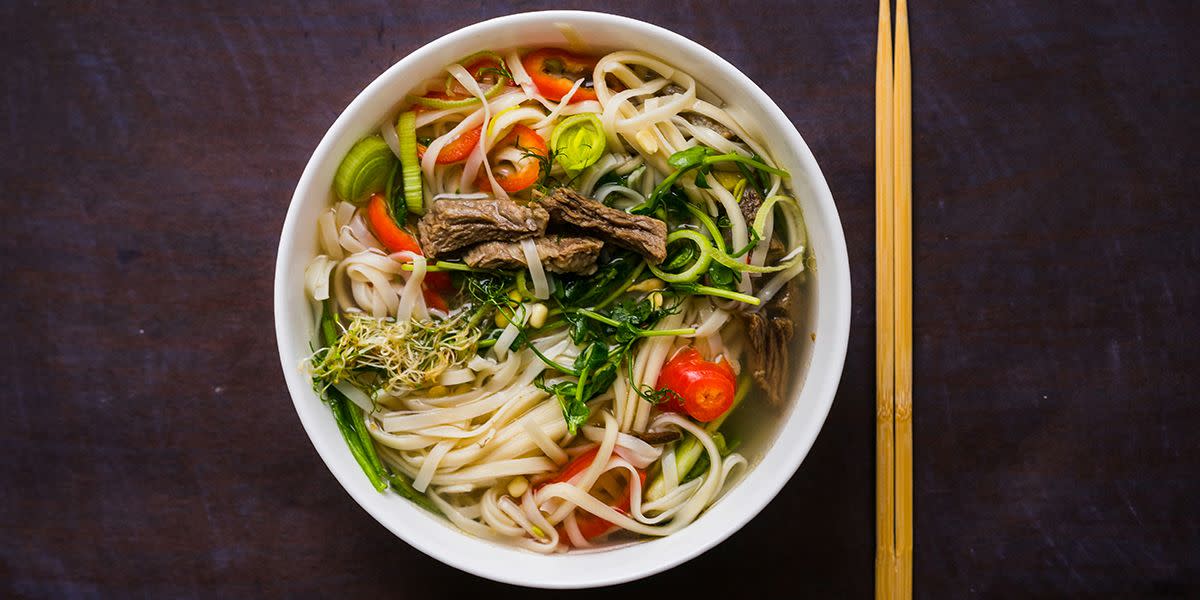
If you're new to Vietnamese cooking or just looking for a faster way to enjoy your favorite flavors, these simplified Vietnamese recipes are perfect for beginners. Each one trims down the prep but stays true to the essence of traditional Vietnamese dishes—bright, balanced, and full of flavor.
1. Simplified pho with store-bought broth
This shortcut version of Vietnam’s iconic noodle soup makes it easy to enjoy the flavors of pho without a long simmer. By enhancing store-bought beef broth with key aromatics, you can create a comforting bowl of pho in a fraction of the time.
Key tips for success:
Toast your spices Briefly heat star anise, cinnamon, and cloves in a dry pan until fragrant. This deepens the broth’s aroma.
Don't skip the garnishes Fresh herbs, bean sprouts, lime, and thinly sliced chilies bring brightness and balance to the dish.
Slice beef extra thin Partially freeze your beef for about 30 minutes before slicing to get clean, delicate slices that cook instantly in hot broth.
This is one of the easiest Vietnamese recipes to adapt on a busy night while still enjoying its signature depth and comfort.
2. Easy banh mi with rotisserie chicken
This shortcut version of banh mi delivers all the flavor with none of the fuss. Using store-bought rotisserie chicken makes this one of the quickest Vietnamese recipes to assemble on a busy day.
Quick prep: Shred the chicken, then toss it with a splash of fish sauce, a squeeze of lime juice, and a pinch of sugar to infuse it with that sweet-savory Vietnamese flavor.
Bread matters: Look for a crusty baguette with a soft, airy interior. If you can’t find Vietnamese-style baguettes, French baguettes or bolillo rolls make great substitutes.
Layer on pickled veggies, fresh cucumber, cilantro, and optional chili slices to complete your sandwich.
3. Quick lemongrass stir-fry
This fast and flavorful stir-fry brings the bold, citrusy aroma of lemongrass to your weeknight routine. It’s one of the most adaptable Vietnamese recipes, working equally well with chicken, beef, pork, tofu, or shrimp.
Quick prep: Toss your protein of choice with pre-minced lemongrass, garlic, fish sauce, and a touch of sugar. Let it sit for a few minutes to absorb the flavors.
Pro tip: Have all your ingredients prepped before heating the wok or skillet. Stir-frying happens fast, and this will help you preserve the freshness and texture of every component.
Serve with steamed jasmine rice or vermicelli noodles for a quick, satisfying Vietnamese meal that delivers big flavor with minimal effort.
Tips for authentic Vietnamese flavors at home
Even if you’re just starting out, these practical tips will help you recreate the signature balance of Vietnamese cuisine in your own kitchen. The goal isn’t perfection, but harmony.
1. Balancing the five flavors
At the heart of most Vietnamese recipes is a delicate balance of five core tastes: sweet, sour, salty, spicy, and umami. Most dishes include at least three, working together to create depth and vibrancy.
If your dish feels flat or off-balance, here’s how to adjust:
For saltiness and umami: Add fish sauce.
For sourness: Add lime juice or rice vinegar.
For sweetness: Add a pinch of sugar.
For heat: Add fresh chilies or chili sauce.
Balancing flavors doesn’t have to be exact. It’s all about tasting and adjusting as you go.
2. Proper herb handling and storage
Fresh herbs are at the heart of Vietnamese cooking, adding brightness, aroma, and contrast to nearly every dish. Treating them with care will keep your meals tasting vibrant and authentic.
How to prep and store herbs for Vietnamese recipes:
Wash gently in cold water to remove dirt without bruising delicate leaves
Dry thoroughly using a salad spinner or clean kitchen towel
Wrap the herbs in slightly damp paper towels and place them inside a partially sealed plastic bag
Refrigerate until ready to use, ideally within a few days for peak freshness
Add at the last moment when serving hot dishes to preserve color, texture, and flavor
Keeping herbs fresh and crisp will elevate your homemade Vietnamese dishes from good to great.
3. Making and storing base** sauces**
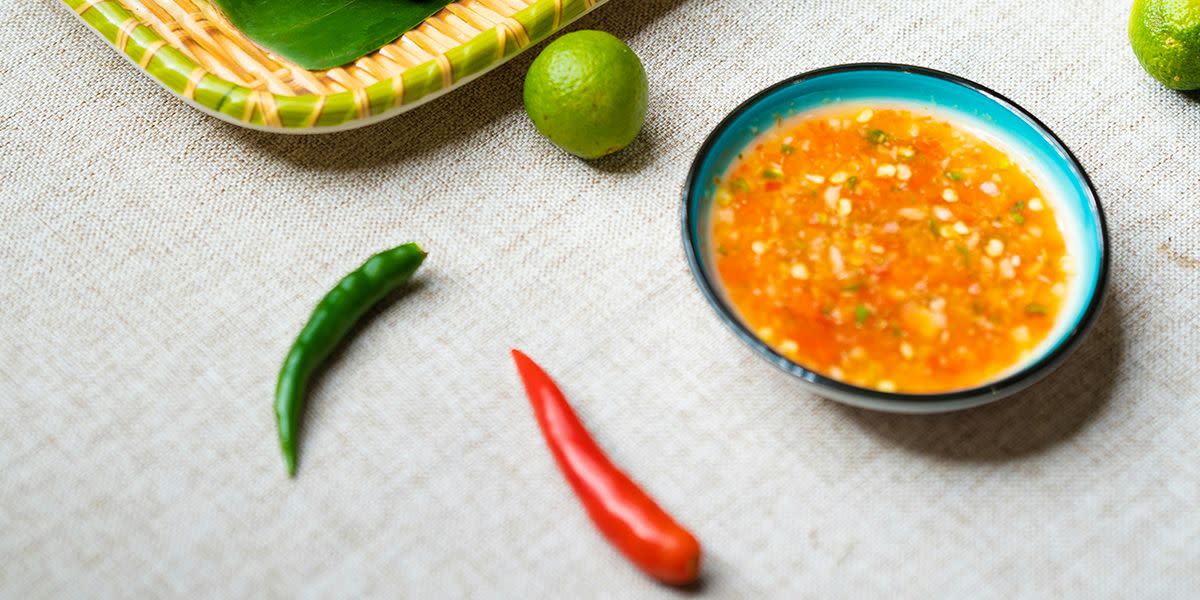
In Vietnamese cuisine, sauces are everything. And nuoc cham is one you’ll want to keep on hand. This sweet, salty, sour, and slightly spicy dipping sauce shows up in many traditional Vietnamese dishes, from spring rolls to grilled meats and noodle bowls.
Base recipe: Mix fish sauce, lime juice, sugar, garlic, and fresh chili. Taste and adjust to get the balance just right.
Pro tip: Make a larger batch and store it in an airtight container in the fridge. It will stay fresh for several days and instantly add authentic flavor to any meal.
Having base sauces like nuoc cham ready to go makes it easy to whip up fast, flavorful Vietnamese meals anytime.
Craving Vietnamese food but short on time?
Traditional Vietnamese recipes often require specialty ingredients, slow simmering, and meticulous prep. But with CookUnity, you can skip the effort without sacrificing the experience.
Enjoy chef-crafted Vietnamese dishes inspired by time-honored techniques, delivered fresh to your door. No grocery runs. No mess. Just pure flavor.
From Chef Esther Choi’s rich, aromatic Spicy Beef Pho to Chef Phet Schwader’s Lemongrass Pork Bun Cha, a Hanoi street food classic, you’ll savor the bold, balanced flavors that define Vietnamese cuisine.
Made by real chefs using authentic ingredients, these meals bring the soul of Vietnamese food home without spending hours in the kitchen.
Explore the menu and bring Vietnamese flavors to your table today.
Frequently asked questions about Vietnamese recipes
What makes Vietnamese cuisine different from other Asian cuisines?
Vietnamese cuisine stands apart with its emphasis on fresh herbs, minimal use of oil, and perfect balance of five flavors in each dish. French colonial influence introduced ingredients like baguettes and pâté, while Chinese techniques influenced cooking methods and noodle dishes.
Which Vietnamese dishes are naturally gluten-free?
Most traditional Vietnamese dishes are naturally gluten-free, including pho, bun thit nuong, and com tam. Just ensure fish sauce is gluten-free and substitute tamari for soy sauce when needed.
How can I store leftover rice paper rolls to keep them fresh?
To help keep fresh spring rolls from drying out, wrap each one in a damp paper towel and place them in an airtight container in the refrigerator. Keep rolls separated to prevent sticking.
What are good vegetarian substitutes in traditional Vietnamese recipes?
Tofu, mushrooms, and seitan work well as protein substitutes in Vietnamese dishes. For fish sauce, use soy sauce mixed with a touch of lime juice or commercial vegan fish sauce alternatives that mimic the umami quality.
Sources:

Be the first to know about new offers
Multiorder discounts, free items and more.