Back
10 French dishes that bring Paris to your table
Paris may be thousands of miles away, but French dishes have a way of transporting you there with just a few ingredients and techniques. From slow-simmered stews to elegant pastries, these classics capture the heart of French cuisine: elegant simplicity, seasonal ingredients, and time-honored methods that anyone can learn at home.
In this guide, you’ll explore 10 of the most famous French dishes, uncover the stories and techniques behind them, and pick up tips to recreate their authentic flavors in your own kitchen. Whether you’re a curious home cook or simply looking to bring a taste of Paris to your table, these recipes reveal why French food continues to inspire the world.
Key takeaways:
French cuisine emphasizes seasonal ingredients, regional specialties, and precise techniques that shaped professional cooking worldwide.
Classic French dishes like boeuf bourguignon and coq au vin show how slow cooking can turn humble ingredients into deeply flavorful meals.
The balance of textures and flavors defines many favorites, from the crackling sugar top of crème brûlée to the crisp fries alongside steak frites.
Chef-made French meals delivered to your door let you enjoy authentic French flavors without the hours of prep, bringing restaurant-quality dishes to your table in minutes.
What is French cuisine?
French cuisine is built on exceptional ingredients, meticulous techniques, and diverse regional traditions that have shaped culinary culture worldwide. At its heart, French cooking embraces seasonal produce and balance of flavor, resulting in dishes that are both elegant and deeply satisfying.
This tradition became the foundation of modern culinary education, with techniques like sautéing, braising, and the five mother sauces forming the backbone of professional training. French food emphasizes quality over quantity, with each region contributing its own specialties—from the butter-rich dishes of Normandy to the olive oil-driven flavors of Provence. Interestingly, one study¹ found that only 16.3% of participants declared familiarity with French cuisine.
Dining in France is as much about the experience as the food itself. Meals are meant to be savored slowly, often shared with good company. During the COVID-19 lockdown, one study² revealed that 42% of French respondents cooked more frequently at home, reflecting the country’s deep connection to homemade meals. Today, French cooking techniques appear in kitchens around the world, continuing to influence how we eat and cook.
Did you know? French onion soup, once considered affordable peasant food, became a bistro staple in Paris and remains one of the most comforting French dishes today.
French onion soup for a comforting start
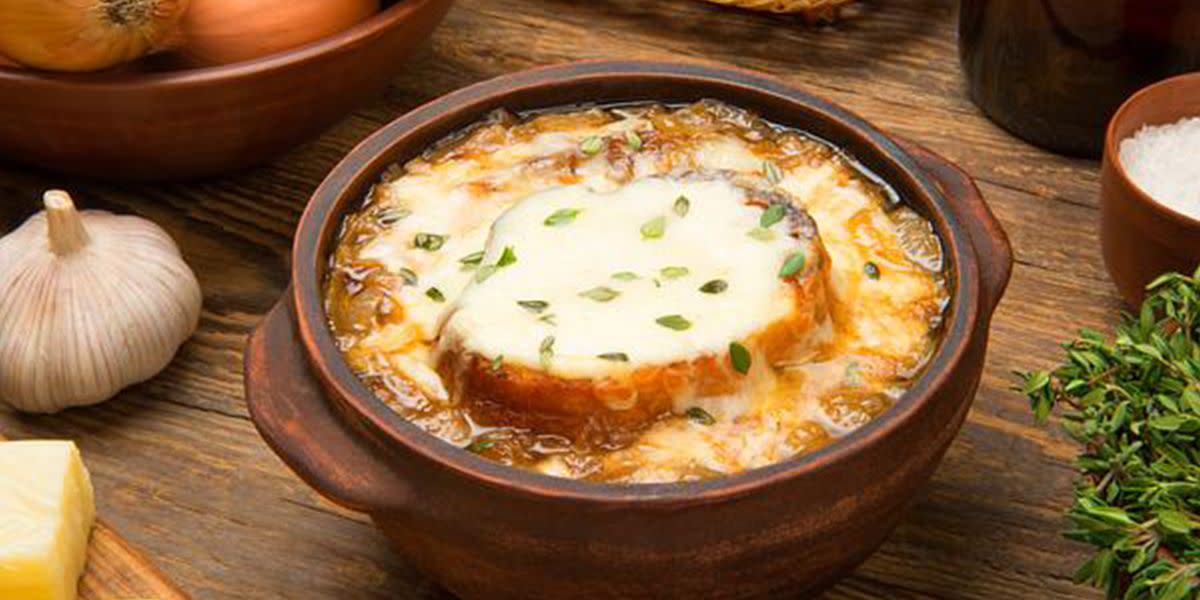
French onion soup is one of the most iconic French dishes, transforming the simplest ingredients into layers of deep, comforting flavor. The dish begins with onions slowly caramelized until golden and sweet, creating the rich foundation of the broth.
First appearing in 18th-century Paris, this humble “peasant food” became a staple of French bistros, beloved for its balance of rustic simplicity and elegance. The true magic lies in its presentation: a slice of crusty bread topped with melted Gruyère, forming a bubbling, golden crust that cracks open to reveal the savory, aromatic soup beneath.
Secrets to caramelizing onions
Perfect caramelized onions require patience more than skill. Thinly slice the onions and cook them slowly in a heavy-bottomed pan with butter and a touch of olive oil over low heat.
Give the onions time—45 to 60 minutes is typical—for their natural sugars to develop and create the deep, golden flavor that defines French onion soup. Avoid stirring constantly; instead, let them rest for several minutes at a time between gentle turns to encourage even browning.
If the onions begin to stick, deglaze the pan with a splash of water or wine. This not only loosens the fond from the bottom but also incorporates those flavorful browned bits back into the onions, adding richness to the final dish.
Choosing the right cheese
The cheese topping is what transforms French onion soup from simple broth into a true comfort classic. Gruyère is the traditional choice, prized for its nutty flavor and exceptional meltability that creates the iconic gooey, golden crust.
Other cheeses can work too, each lending its own character:
Gruyère: Traditional, nutty, and perfectly melty
Emmental: A milder option with a hint of sweetness
Comté: Similar to Gruyère, with delicate fruity notes
Fontina: Buttery and smooth, with excellent melting qualities
For a playful twist on tradition, Chef Akhtar Nawab’s French Onion Soup Burger layers caramelized onions and melted Gruyère over a juicy burger, proving how versatile these flavors can be beyond the soup bowl.
Boeuf bourguignon for a cozy dinner
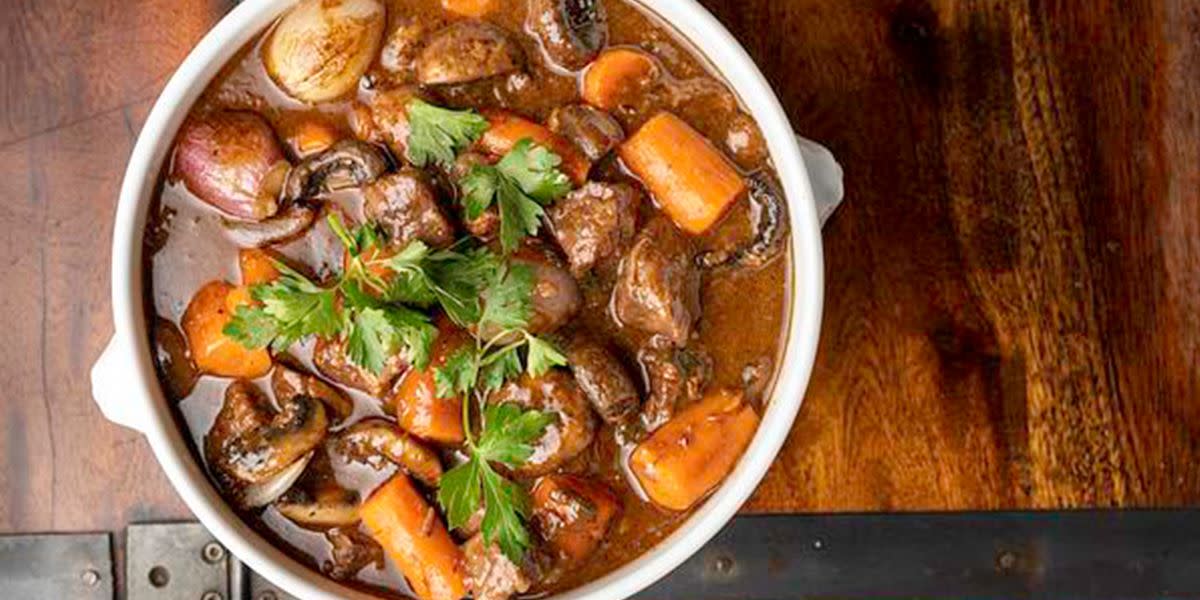
Boeuf bourguignon is one of the most iconic French dishes, a shining example of how simple ingredients can be transformed into something extraordinary. Originating in Burgundy, this hearty stew features beef slowly braised in red wine with mushrooms, pearl onions, and bacon until meltingly tender.
The dish highlights the French technique of slow cooking, which turns inexpensive cuts of meat into rich, flavorful masterpieces. Julia Child famously introduced boeuf bourguignon to American households in the 1960s, making it a symbol of French home cooking abroad.
Chef Chris Ratel’s Traditional Beef Bourguignon stays true to its roots, with beef braised in red wine sauce alongside mushrooms, pearl onions, and carrots. His version captures the rustic depth and comforting warmth that have made this dish a timeless favorite.
Tips for slow cooking
Perfecting boeuf bourguignon is all about patience and precision. The dish rewards careful technique with layers of rich, complex flavor that deepen over time.
Proper browning: Sear the beef in small batches to ensure a golden crust—this step creates the base flavor of the stew.
Wine selection: Choose a dry red Burgundy or Pinot Noir to bring authentic depth and balance.
Low and slow: Keep the heat gentle, letting the stew simmer for 3–4 hours until the meat is tender.
Resting time: Like many French stews, boeuf bourguignon often tastes even better the next day after the flavors meld together.
The choice of wine makes all the difference, with traditional recipes drawing on Burgundy wines that reflect the same terroir as the dish itself.
Want all the depth of a slow-simmered classic without the hours in the kitchen? Explore the weekly menu and select your meals at CookUnity.
Coq au vin and why it is a classic
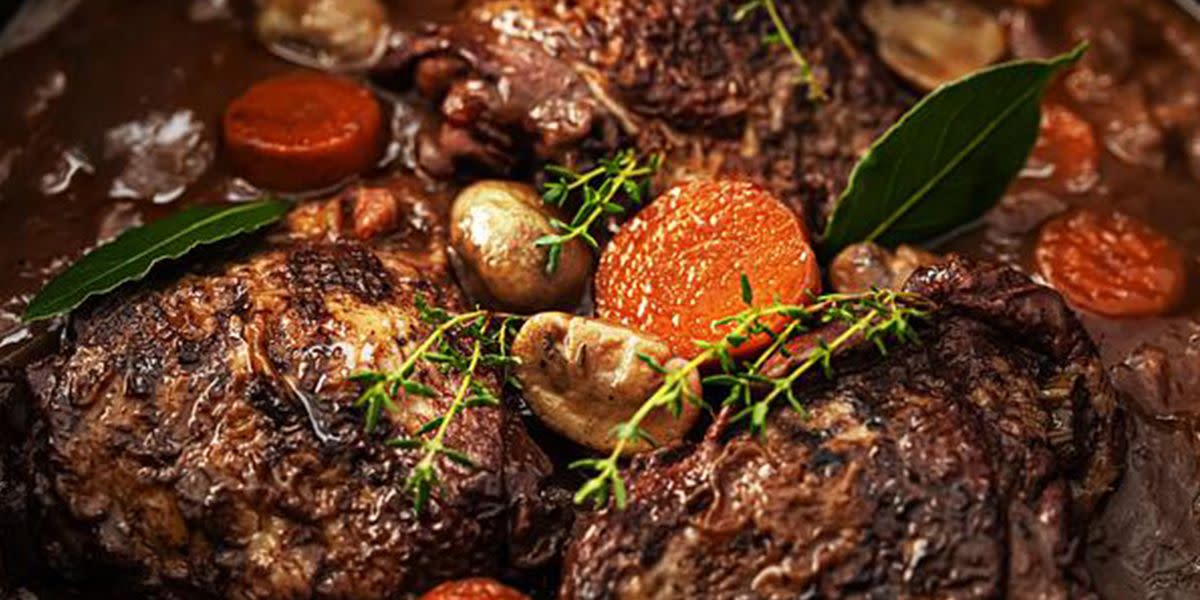
Coq au vin perfectly embodies the heart of French cooking—transforming simple, rustic ingredients into something extraordinary through patience and method. Traditionally made with rooster braised slowly in red wine, mushrooms, pearl onions, and bacon, the dish tenderizes tough cuts of poultry while infusing them with deep, layered flavors.
What began as a humble countryside preparation has become one of the most famous French dishes, celebrated in homes and restaurants alike. Modern recipes typically use chicken, making it more approachable while preserving the dish’s rich character and soul.
To see how French cooking adapts to its regions, Chef Ludo Lefebvre reimagines braised chicken with his Chicken Normandy with Roasted Apples, a variation that swaps wine for apple brandy. This version highlights Normandy’s apple orchards while honoring the tradition of slow-cooked French comfort food.
Key ingredients for authentic flavor
The choice of wine defines coq au vin, with traditional recipes relying on a full-bodied red Burgundy that gives the dish its depth and complexity. The wine should be drinkable on its own but does not need to be expensive since the long, slow cooking process naturally concentrates its flavors.
Equally essential are lardons, which are small strips of thick-cut bacon or salt pork. They provide richness and a smoky undertone, and are typically browned at the beginning of cooking to release their fat, which then becomes the base for sautéing the vegetables.
The bouquet garni, a tied bundle of thyme, parsley, and bay leaf, adds aromatic complexity to the braising liquid. This classic French technique infuses the dish with subtle herbal notes while keeping the finished sauce smooth and refined.
Ratatouille for a vegetable-focused meal
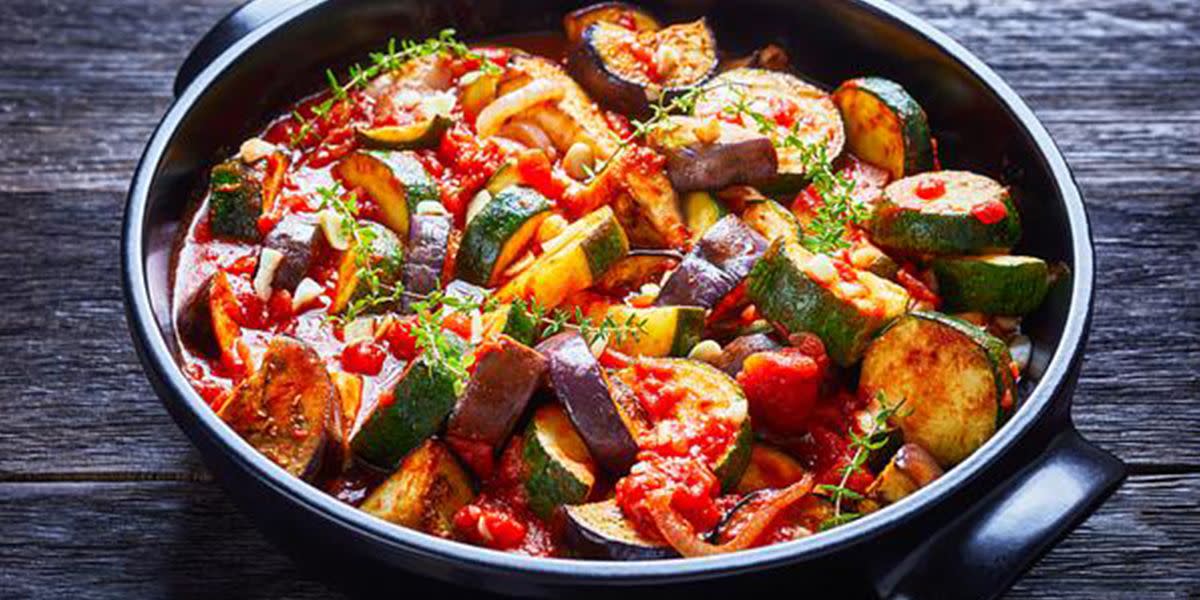
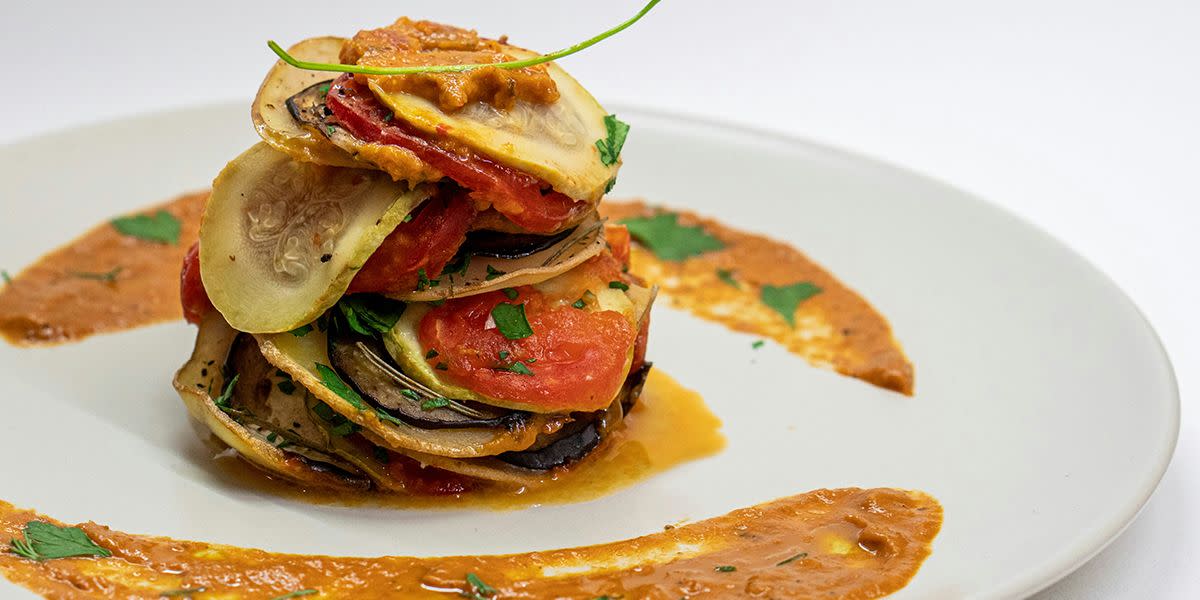
Ratatouille highlights the vibrant summer vegetables of Provence in a colorful, fragrant stew that embodies the essence of Mediterranean cooking. This rustic French dish brings together eggplant, zucchini, bell peppers, and tomatoes with olive oil, garlic, and herbs to create a flavorful and wholesome recipe that can be served hot, at room temperature, or even chilled.
Once considered a humble peasant dish, ratatouille was born from the abundant summer harvest in southern France. Traditional preparation often involves cooking each vegetable separately to preserve its texture and flavor before combining them in a final simmer that unifies the dish.
Chef Jona Silva’s Tourlouk Greek Ratatouille with Chicken offers a creative Mediterranean twist, pairing the classic vegetable medley with tender chicken for a complete and satisfying meal. This interpretation shows just how versatile ratatouille can be, whether enjoyed as a main course or as a side dish that complements other French favorites.
Summer veggies that work best
The quality of vegetables is essential in ratatouille, with peak-season produce delivering the best flavors and textures. Choose firm, glossy eggplants without soft spots, zucchini and summer squash that feel heavy for their size, and bell peppers with smooth, vibrant skins.
Eggplant: The foundation of ratatouille, best when firm and shiny
Zucchini: Smaller zucchini have sweeter flavor and fewer seeds
Bell peppers: Red, yellow, and orange varieties add color and natural sweetness
Tomatoes: Ripe but firm tomatoes provide the right amount of juice and acidity
Proper cutting techniques are just as important as selecting the vegetables. Traditional ratatouille features uniform chunks about one inch in size, which ensures even cooking while allowing each vegetable to retain its unique character.
For those who want authentic French dishes without the prep work, French meal delivery brings chef-crafted classics like ratatouille straight to your table.
Quiche Lorraine as a versatile dish
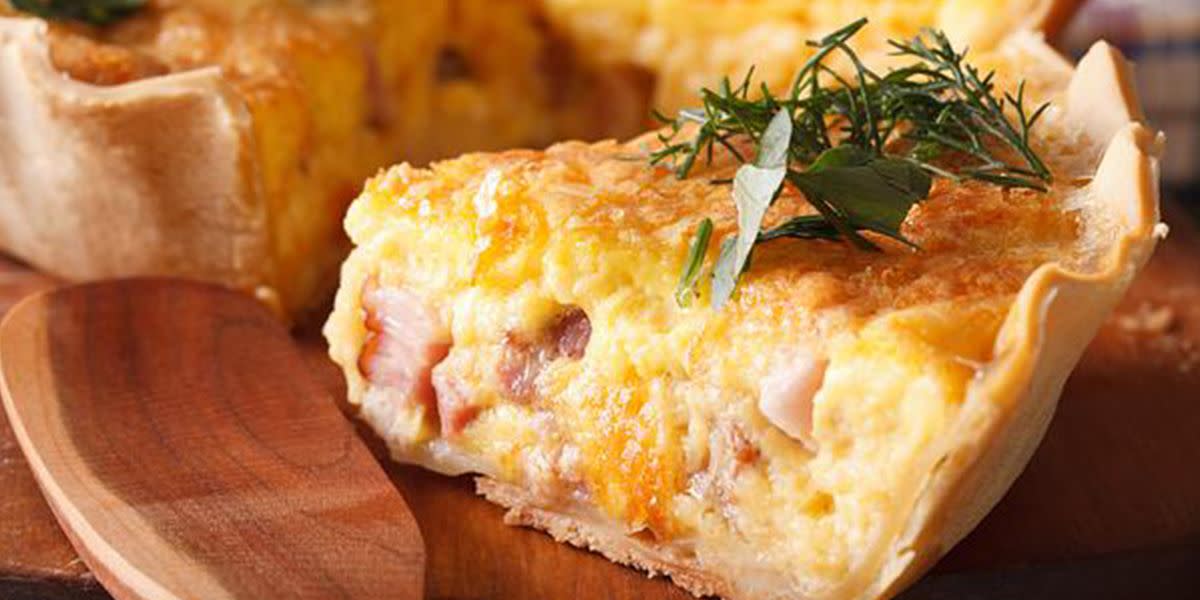
Quiche Lorraine remains one of France’s most iconic dishes, with its flaky pastry crust filled with a rich custard of eggs, cream, smoky bacon, and cheese. Named for the Lorraine region in northeastern France, it began as a simple custard tart before evolving into the savory, cheese-studded version enjoyed around the world today.
Its versatility is part of its enduring appeal. Quiche can be served warm from the oven or at room temperature, making it equally suited for breakfast, brunch, lunch, or a light dinner. While the dish’s roots trace back to medieval Germany, it was in France where quiche reached its refined form and global recognition.
Chef Miriam Milord’s Caramelized Onion Goat Cheese Quiche highlights how easily the classic can be reimagined. By replacing the traditional bacon and Gruyère with sweet onions and tangy goat cheese, her version preserves the comforting custard base while offering a modern, flavorful twist.
Classic fillings vs. modern twists
The traditional quiche lorraine combines smoky bacon and nutty Gruyère cheese baked into a rich egg custard, a flavor pairing that has remained timeless for centuries. This classic version is still beloved in France and abroad for its perfect balance of savory, creamy, and smoky notes.
Modern interpretations, however, have expanded the possibilities of quiche, proving just how adaptable the dish can be:
Mediterranean: Spinach and feta for a Greek-inspired flavor profile
Forest: Mushrooms and Swiss cheese for an earthy vegetarian option
Seasonal: Asparagus in spring or tomatoes in summer to highlight fresh produce
Luxurious: Smoked salmon or crab for an elegant, special-occasion twist
A hallmark of authentic preparation is the use of cream instead of milk, which gives the custard an exceptionally silky texture that practically melts in your mouth.
Croque monsieur and madame sandwiches
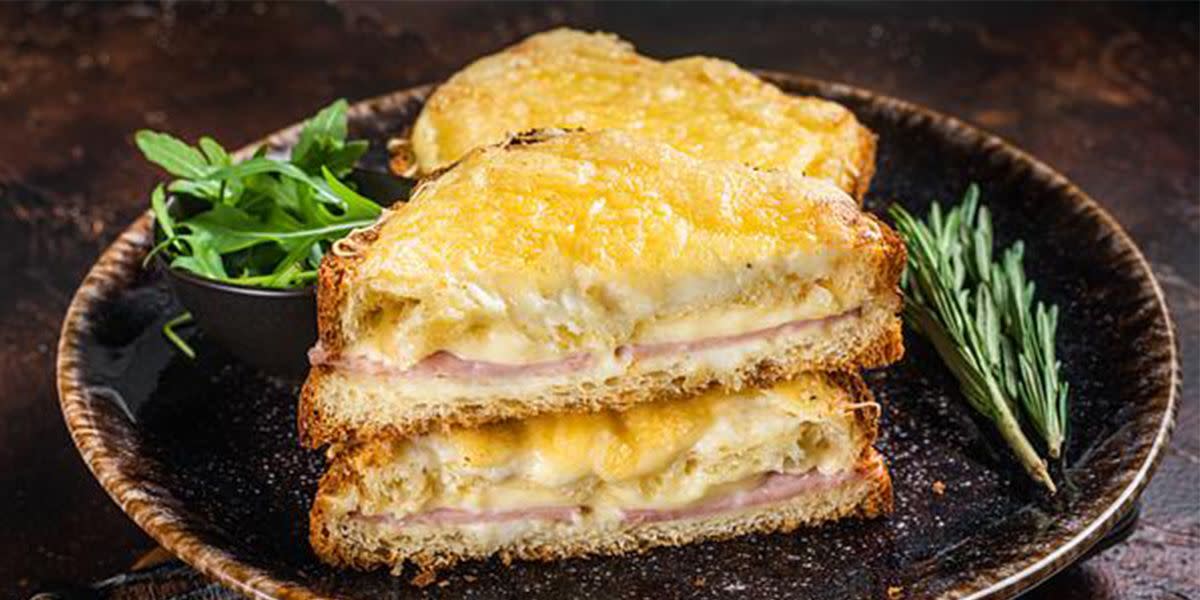
The croque monsieur transforms the humble ham and cheese sandwich into a sophisticated French café staple through careful preparation and quality ingredients. This grilled delight features ham and Gruyère cheese between slices of brioche-style bread, topped with béchamel sauce and additional cheese before being broiled to golden perfection.
The name literally translates to "Mister Crunch," referencing the satisfying texture achieved when properly prepared. The croque madame adds one simple but transformative element to the classic monsieur: a perfectly fried egg placed on top.
Chef Cedric Nicolas’s Classic Croque Monsieur brings this café favorite to your home table with authentic preparation. His version features quality ham and melted Gruyère on brioche bread, topped with creamy béchamel sauce and additional cheese, then broiled until bubbling and golden.
Béchamel sauce fundamentals
Béchamel sauce, one of the five mother sauces in French cuisine, elevates the croque monsieur from a simple sandwich to a sophisticated dish. This white sauce begins with a roux (equal parts butter and flour cooked together) to which milk is gradually added, creating a smooth, velvety texture.
Proper roux: Cook butter and flour until it smells nutty but remains pale
Gradual milk addition: Add warm milk slowly while whisking to prevent lumps
Proper seasoning: Finish with salt, white pepper, and a hint of nutmeg
Consistency check: Sauce should coat the back of a spoon but still be pourable
The classic preparation is delicately flavored with nutmeg, salt, and white pepper, allowing it to complement rather than overpower the ham and cheese.
Steak frites for a bistro classic
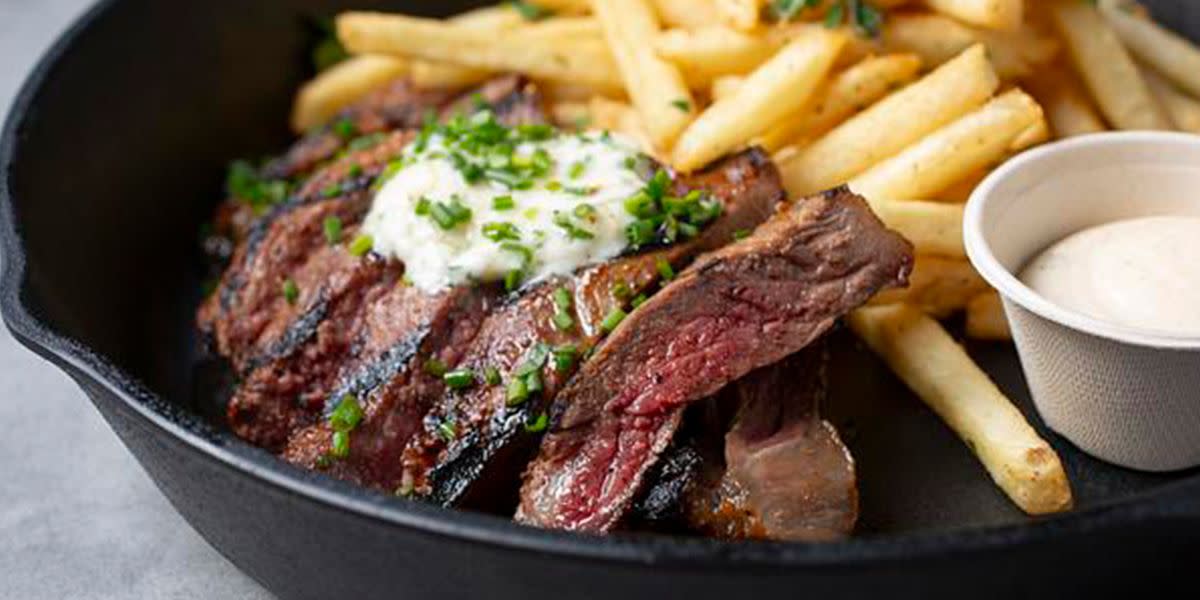
Steak frites embodies the elegant simplicity that defines much of French bistro cooking, combining a perfectly cooked steak with crispy golden fries. This seemingly straightforward dish relies entirely on quality ingredients and precise execution, making it the ultimate test of a bistro's culinary prowess.
Across France, it remains one of the most popular orders in casual restaurants, celebrated for its satisfying combination of textures and flavors. While the idea of steak with fries appears universal, the French approach to steak frites emphasizes balance and refinement.
Chef Cedric Nicolas's Steak Frites Au Poivre highlights this tradition, pairing a perfectly cooked steak with a peppercorn sauce that adds a bold, spicy contrast to the rich meat and crispy potatoes.
Perfecting the French fry
The hallmark of great steak frites is the fry itself. Achieving the perfect balance of a crisp exterior and fluffy interior comes from a two-stage frying process. The potatoes, traditionally Russet or Idaho for their high starch content, are cut into uniform ¼-inch batons and soaked in cold water to remove excess starch.
First fry (325°F/165°C): Gently cooks the potatoes through without browning
Cooling period: Allows the texture to set before the final fry
Second fry (375°F/190°C): Creates the golden, crisp exterior
Immediate seasoning: Salt while hot so the seasoning clings properly
Though slightly more time-intensive, this method produces fries that hold their crispness and flavor far better than those fried only once.
Crème brûlée and the art of the caramelized top
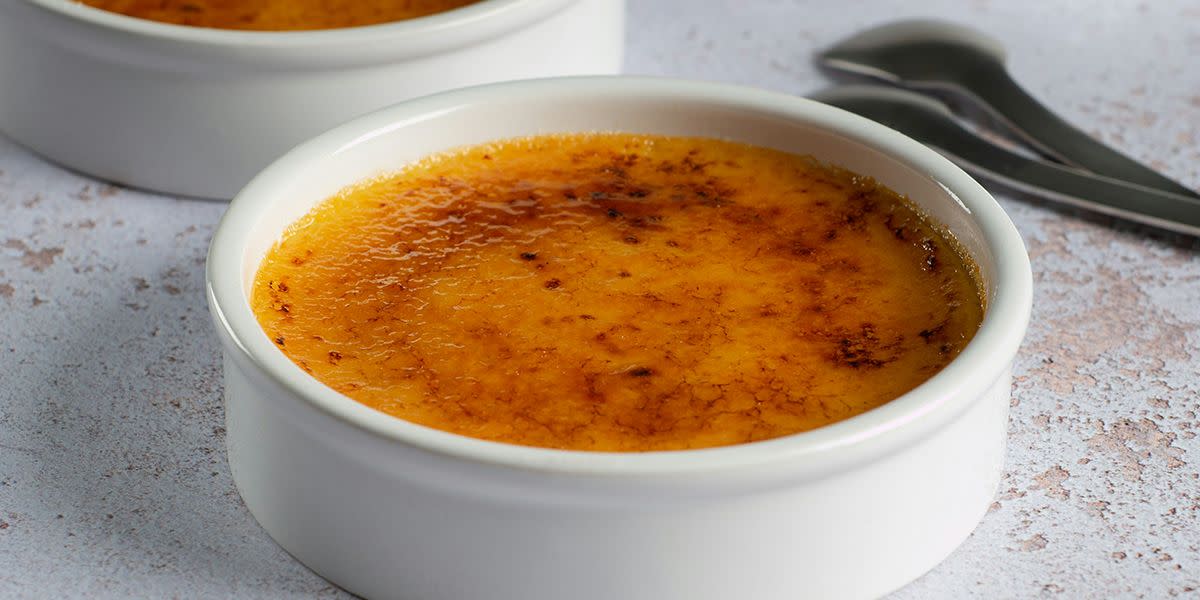
Crème brûlée is beloved for its perfect contrast of textures and flavors: a silky custard base hidden beneath a glassy layer of caramelized sugar that cracks with the tap of a spoon. Despite its elegance, the dessert relies on just a handful of simple ingredients—cream, egg yolks, sugar, and vanilla—transformed through precise technique.
Its history reaches back centuries, with early versions appearing in French cookbooks, and yet the formula has remained remarkably consistent over time. That consistency is a testament to its balance: the richness of custard against the slight bitterness of burnt sugar.
The enduring charm of crème brûlée lies in the ritual itself. Breaking through the caramelized top to uncover the custard below is as much a sensory experience as it is a taste, which explains why this iconic dessert continues to hold a place of honor among the most famous French dishes.
Achieving the perfect sugar crust
The signature topping of crème brûlée depends on both the right sugar and careful technique. Superfine white sugar delivers the most even caramelization, though some chefs experiment with raw or brown sugar for a deeper, more complex flavor.
Tips for creating the perfect crust:
Even application: Sprinkle sugar in a thin, uniform layer across the custard.
Proper tool: A culinary torch offers the most control over caramelization.
Technique: Keep the flame moving in small circles to avoid scorching.
Visual cue: Aim for a consistent deep amber color over the surface.
Cooling period: Let the custard rest briefly before serving so the crust sets.
When done well, the result is a thin, glass-like layer that cracks with a satisfying snap under the spoon. That simple yet dramatic contrast is what makes crème brûlée one of the most beloved French desserts.
Frequently asked questions about French dishes
What makes French cuisine different from other European cooking styles?
French cuisine stands apart through its codified techniques, emphasis on regional ingredients, and the elevation of cooking to an art form. Unlike Italian cuisine's simplicity or Spanish cuisine's bold flavors, French cooking celebrates technique and transformation, creating complex layers of flavor through methods like reduction, emulsification, and precise temperature control.
How can I simplify classic French stews on a busy schedule?
Make-ahead strategies work beautifully for dishes like boeuf bourguignon, which actually improve in flavor when prepared a day in advance and reheated gently. For weeknight shortcuts, consider using a pressure cooker to reduce cooking time from hours to about 45 minutes, or explore chef-prepared options from meal delivery services that offer authentic French dishes ready to heat and enjoy.
Which French dishes are suitable for beginners to try first?
Start with approachable classics like croque monsieur, which requires basic techniques but delivers impressive results. Ratatouille offers another accessible entry point, allowing new cooks to practice knife skills and layering flavors without complex techniques. Quiche provides a forgiving introduction to pastry work, while French onion soup teaches the valuable skill of caramelizing onions.
What are the essential French ingredients to keep in my pantry?
Stock your pantry with Dijon mustard, herbes de Provence, good-quality butter, shallots, and wine vinegar to create authentic French flavors at a moment's notice. Quality sea salt like fleur de sel elevates simple dishes, while a bottle of dry white wine and another of red allow you to deglaze pans and create quick pan sauces. Fresh herbs, particularly thyme and tarragon, are worth growing for their distinctive contribution to French cooking.
Sources:

Be the first to know about new offers
Multiorder discounts, free items and more.