Back
Mexican cuisine explained: Essential dishes, ingredients, and regional styles
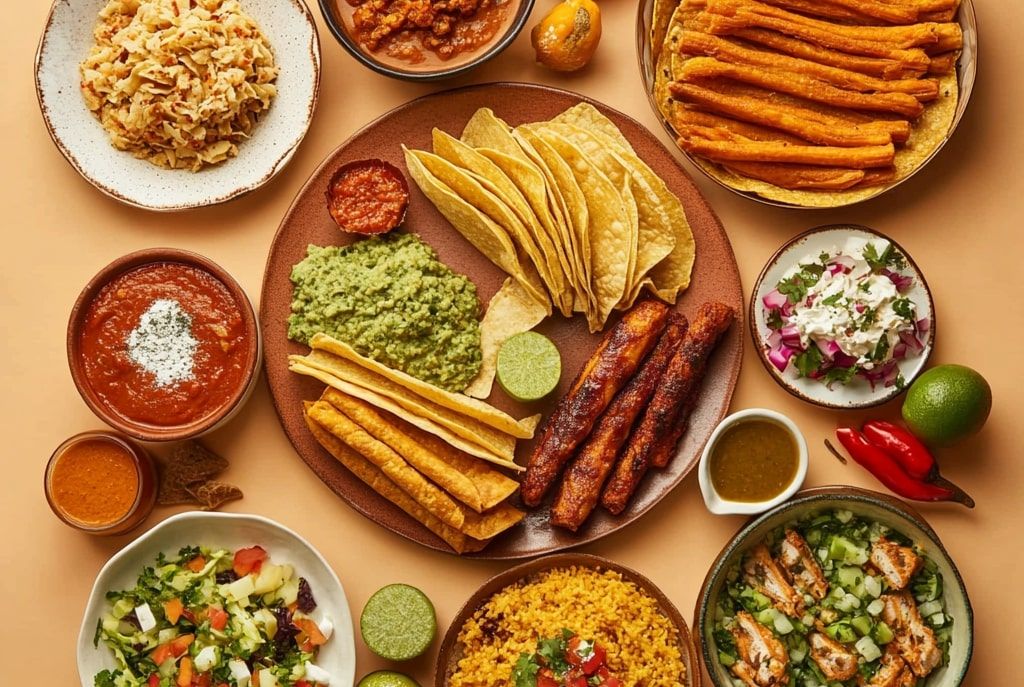
Much of what gets labeled “Mexican food” outside of Mexico shares little with what’s actually cooked and eaten across the country. The difference shows up in the details: how ingredients are treated, how flavors are built, and how much time is allowed to do its work.
Mexican cuisine draws from thousands of years of culinary practice, rooted in ingredients like corn, chiles, and beans first cultivated by Mesoamerican civilizations. That foundation held even as the Spanish arrived in the 16th century, bringing new animals, grains, and cooking methods during a period of colonization that reshaped daily life as much as it did the kitchen.
What ends up on the plate depends heavily on place. Northern cooking leans toward grilled meats and flour tortillas. In Oaxaca, sauces take hours and sometimes days to develop. In the Yucatán, citrus and slow-roasting define the table. UNESCO recognized Mexican cuisine as an Intangible Cultural Heritage of Humanity for this depth of tradition and regional continuity.
The foundation stays consistent: corn processed into masa, chiles used for depth as much as heat, beans and fresh produce worked into everyday cooking. Techniques like nixtamalization (documented in pre-Hispanic food systems) transform a short list of ingredients into food with real complexity.
That same approach carries through in how chefs cook today.
Key takeaways:
Mexican cuisine is a culinary tradition rooted in thousands of years of indigenous ingredients like corn, chiles, and beans.
Authentic Mexican dishes vary dramatically by region, from the grilled beef and flour tortillas of the north to the complex moles of Oaxaca and the Mayan-influenced cochinita pibil of the Yucatán.
The foundation of traditional Mexican food is deceptively simple: corn, chiles, beans, and fresh produce, transformed through techniques like nixtamalization and slow-roasting into layered, complex flavors.
Award-winning chefs at CookUnity craft restaurant-quality Mexican meals using these same traditions, delivered fresh and ready to heat so you can experience the real thing at home.
What is Mexican cuisine?
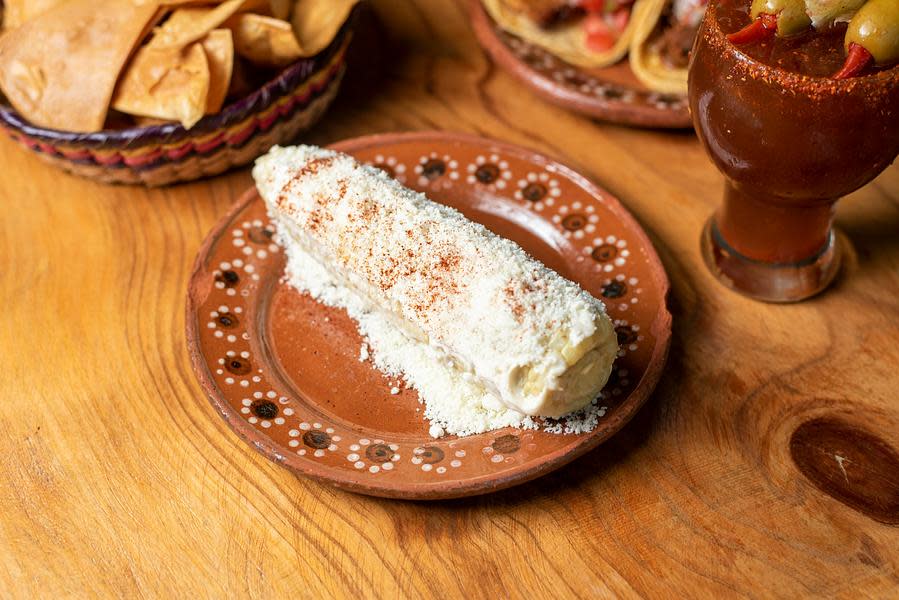
Mexican cuisine is a culinary tradition built on indigenous Mesoamerican ingredients like corn, beans, chiles, and tomatoes, layered with Spanish colonial contributions of pork, dairy, rice, and wheat. UNESCO¹ recognized it as an Intangible Cultural Heritage of Humanity in 2010, making it one of only two food cultures in the world to earn that distinction.
What separates this cuisine from its imitators isn't a single ingredient or technique. It's the depth. Thousands of years of agricultural innovation, regional diversity, and techniques like nixtamalization (soaking corn in an alkaline solution to create masa dough) produce flavors that no shortcut can replicate.
Mexican cuisine was one of the first food traditions inscribed on UNESCO's Intangible Cultural Heritage list, alongside French gastronomy.
Key ingredients in traditional Mexican food
Corn and masa
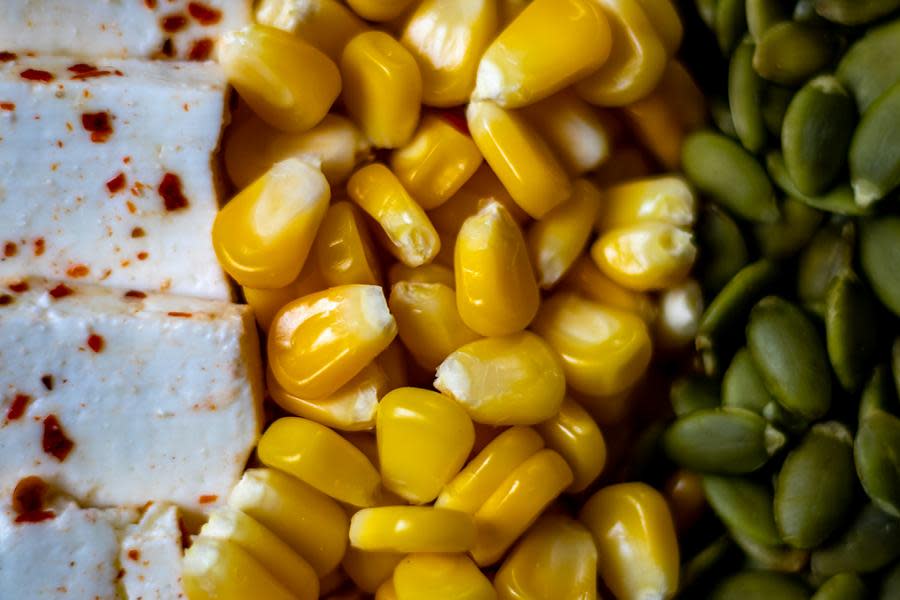
Corn is the soul of this cuisine, and corn contains lignin², a main component of its dietary fiber with antioxidant and potential anti-cancer roles. Dried kernels are treated through nixtamalization, then ground into masa, the dough behind tortillas, tamales, sopes, and gorditas. Without corn, traditional Mexican food as we know it simply wouldn't exist.
Chiles
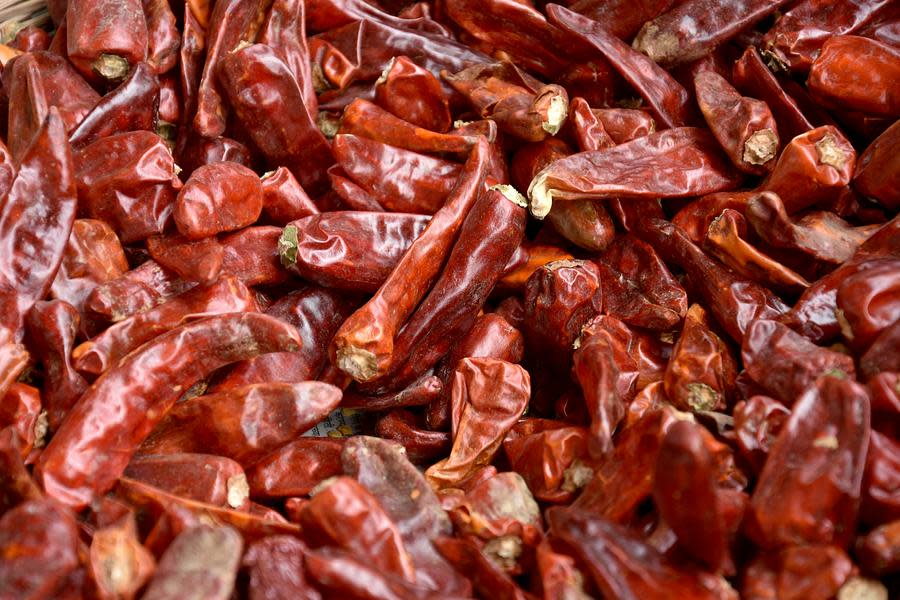
Each chile variety carries its own personality, and most provide flavor long before they provide heat.
Poblano: mild and earthy, often roasted and stuffed for chiles rellenos
Jalapeño: medium heat, eaten fresh, pickled, or smoked into chipotle
Guajillo: dried, fruity, the backbone of red sauces and moles
Habanero: searing floral heat, essential in Yucatán cooking
Dried chiles are typically toasted and rehydrated before blending into sauces, while fresh chiles get charred, pickled, or sliced raw as garnish.
Beans, squash, and fresh produce
Black beans dominate southern cooking, pinto beans rule the north, and together with corn and squash they form the "three sisters," an ancient Mesoamerican agricultural trio. Cilantro, tomatillos, avocados, limes, and epazote (a pungent herb used in bean dishes) round out the pantry.
Explore authentic Mexican flavors crafted by award-winning chefs on our Mexican meal delivery page.
Popular Mexican food everyone should know
The true mexican dishes that define this cuisine range from humble street snacks to daylong celebrations. Here are the essentials.
Tacos
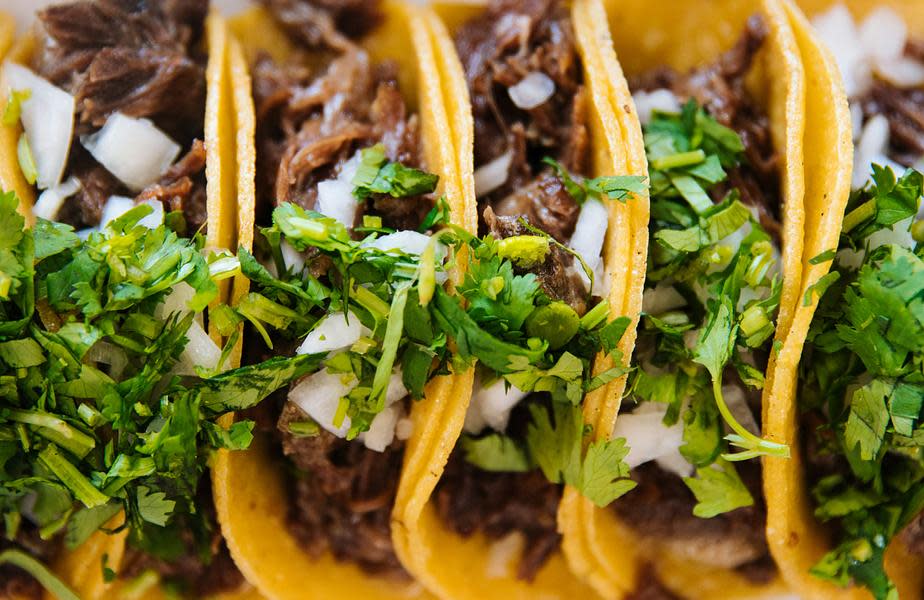
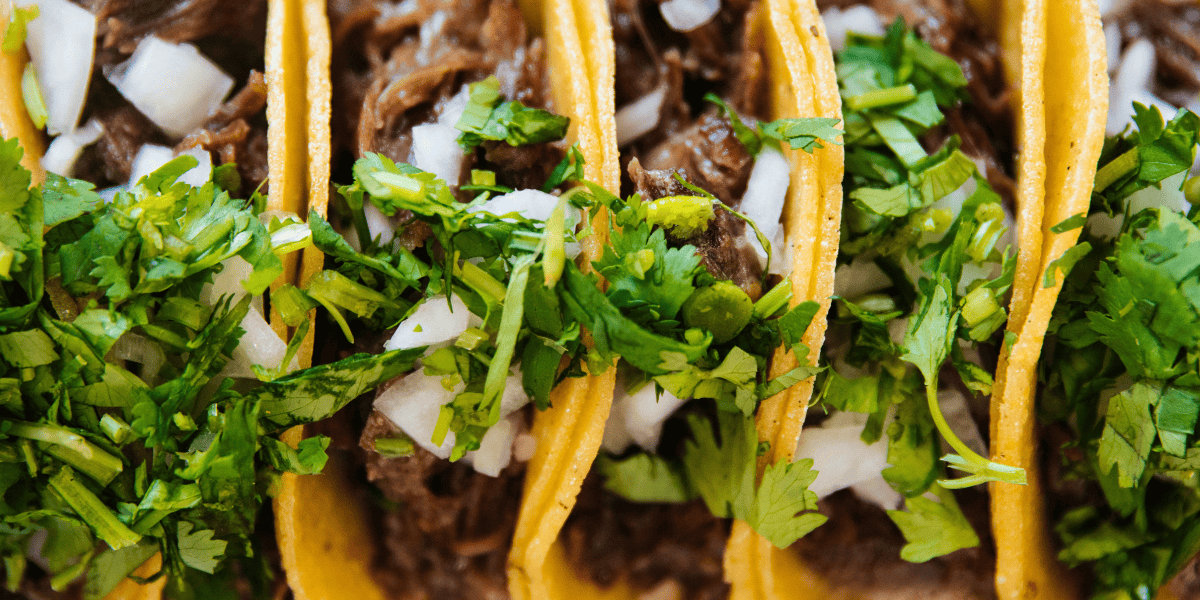
Tacos are the most recognized Mexican dish worldwide, yet their beauty lies in regional variety. In Mexico City, tacos al pastor feature marinated pork shaved from a vertical spit with pineapple and cilantro. In the north, carne asada tacos showcase grilled beef on flour tortillas. Along the coast, fish tacos arrive battered or grilled with shredded cabbage and crema.
A proper taco starts with a fresh corn tortilla warmed on a comal (flat griddle). For a chef-crafted take, try Chef Raymundo Agrazal's Short Rib Tacos with Tomatillo Salsa, where slow-cooked short rib meets bright tomatillo salsa.
Tamales
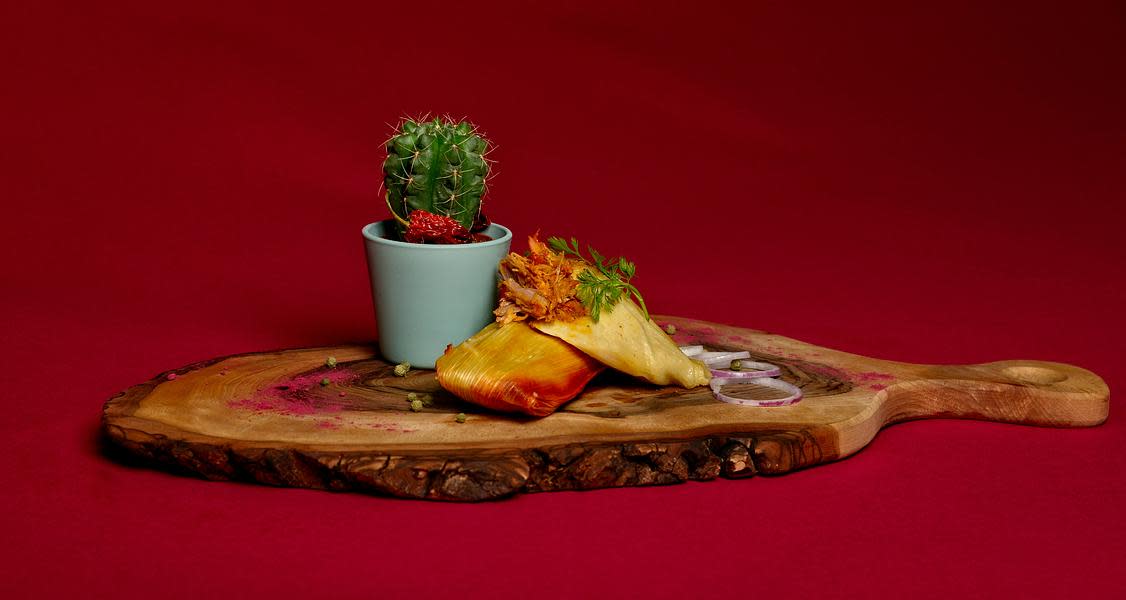
Tamales are parcels of masa filled with meats, beans, cheese, or chiles, wrapped in corn husks or banana leaves, then steamed. Families often gather to make them in large batches during holidays, a tradition called a tamalada. Oaxacan tamales wrapped in banana leaves tend to be larger and more complex, while sweet tamales with cinnamon blur the line between meal and dessert.
Enchiladas
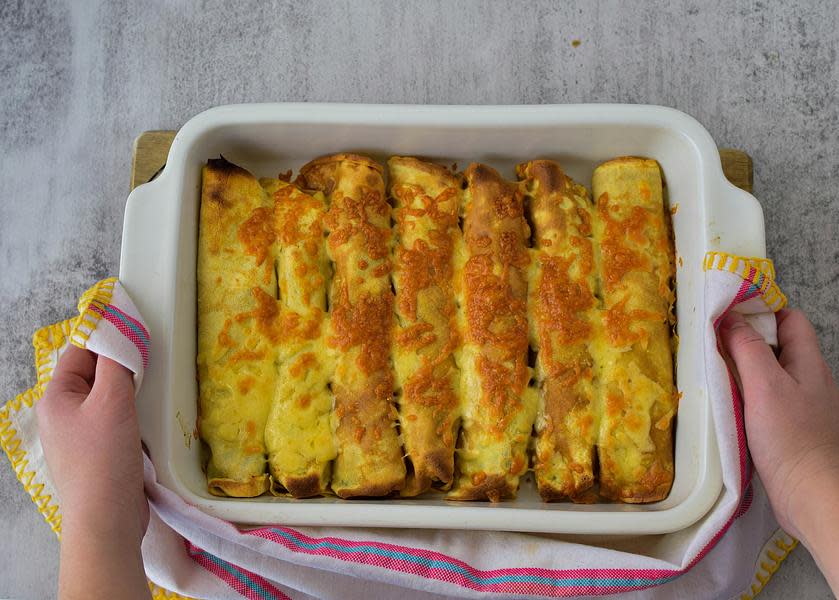
Corn tortillas rolled around a filling and bathed in chile sauce. Enchiladas rojas use dried red chile sauce, verdes feature tangy tomatillo, and suizas are topped with creamy cheese sauce. According to a cross-sectional study³, a single portion of enchiladas can contain around 3,604 mg of phenolic compounds.
Chef Akhtar Nawab's Guajillo Beef and Cheese Enchiladas showcase the fruity warmth of guajillo chiles wrapped around seasoned beef and melted cheese.
Mole sauces
Mole (pronounced MO-leh) is perhaps the most sophisticated expression of Mexican cooking. These sauces often combine a wide array of ingredients—dried chiles, nuts, seeds, spices, and sometimes chocolate—to build deep, layered flavor.
Mole poblano: dark, sweet-savory, the most famous variety
Mole negro: Oaxacan, intensely smoky and complex
Mole verde: lighter, made with pumpkin seeds and fresh herbs
No two family recipes are alike, and making mole from scratch can take an entire day. Chef Santiago Lopez's Chicken Mole Enchiladas honor that Oaxacan craft without the daylong commitment.
Pozole and quesadillas
Pozole is a hearty soup built around hominy (large corn kernels treated with lime) simmered with pork or chicken. It arrives at the table with garnishes of shredded cabbage, radishes, oregano, and lime.
Quesadillas in Mexico City don't always contain cheese, a fact that sparks heated debate nationwide. Chef Raymundo Agrazal's Mexican Shrimp Quesadilla takes the coastal route, pairing succulent shrimp with melted cheese.
Explore the weekly menu and discover chef-crafted Mexican dishes delivered fresh to your door.
Regional styles across Mexico
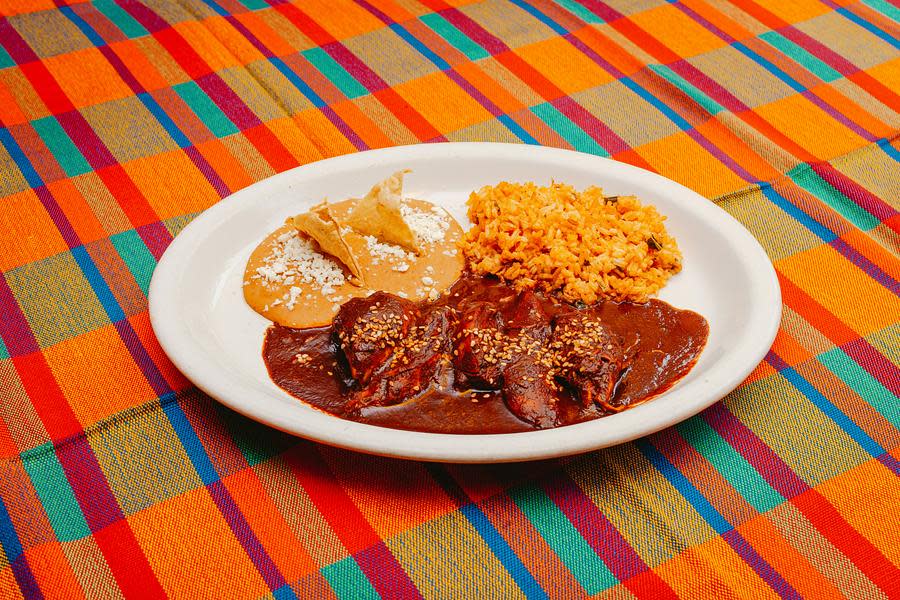
Mexican cuisine is not one cuisine but many, shaped by geography, climate, and local traditions. What you eat in the arid north bears little resemblance to what's served in the tropical south.
Northern Mexico
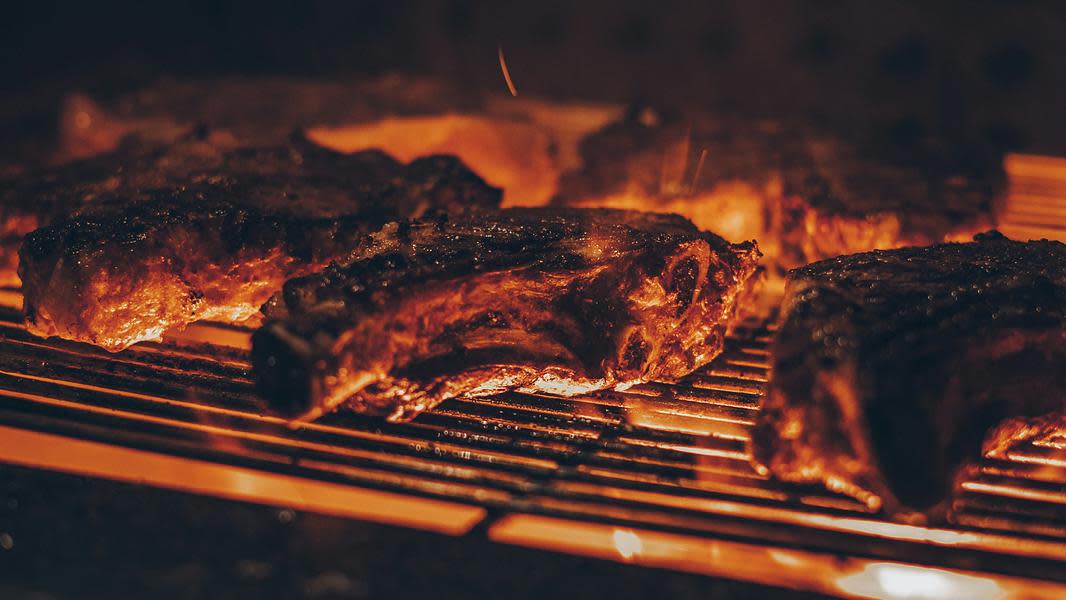
The cattle-ranching north favors beef, flour tortillas, and grilled meats. Carne asada is king, served with guacamole and fresh salsa. Burritos originated here, along with machaca (dried, shredded beef rehydrated with eggs and chiles).
Central Mexico
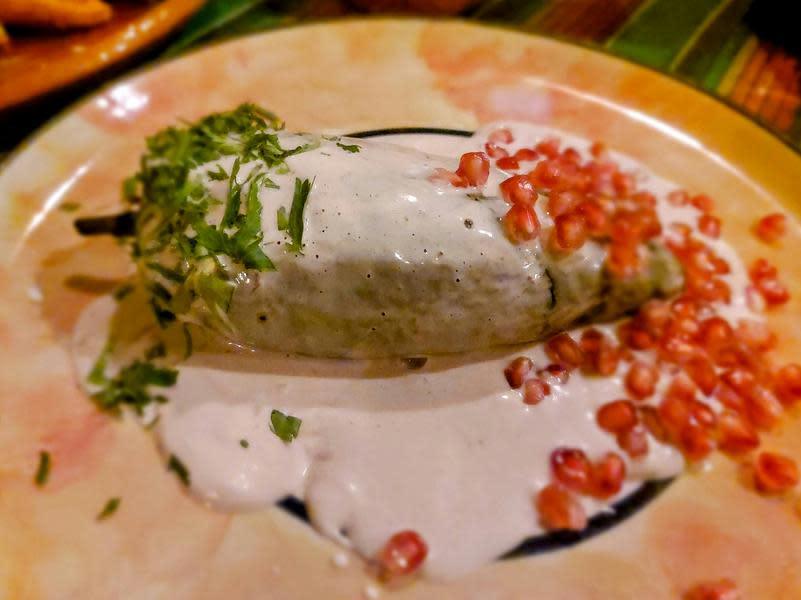
Mexico City and surrounding states are the culinary heart of the country. This is where you'll find tacos al pastor, chiles en nogada (stuffed poblanos in walnut cream with pomegranate), and the full spectrum of moles. Street food culture is unmatched.
Oaxaca
Often called "the land of seven moles," Oaxaca⁴ boasts tlayudas (large crispy tortillas topped like open-faced pizzas), chapulines (toasted grasshoppers with lime and chile), and mezcal.
Yucatán Peninsula
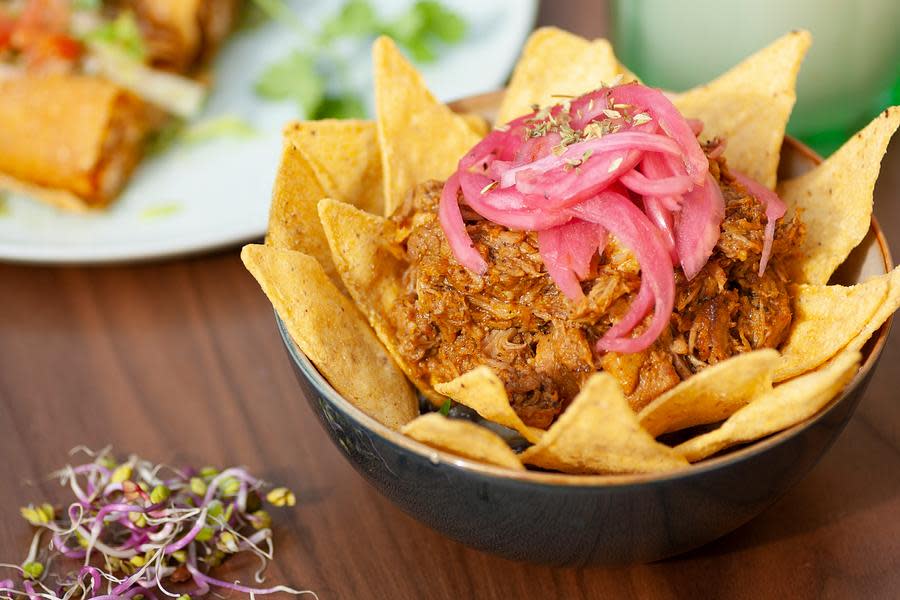
Mayan⁵ influence runs deep here. Cochinita pibil, slow-roasted pork marinated in achiote paste and sour orange then wrapped in banana leaves, is the signature dish. Chef Ruben Garcia's Mexican Cochinita Pibil Pork Bowl brings that tradition to your table.
Coastal regions
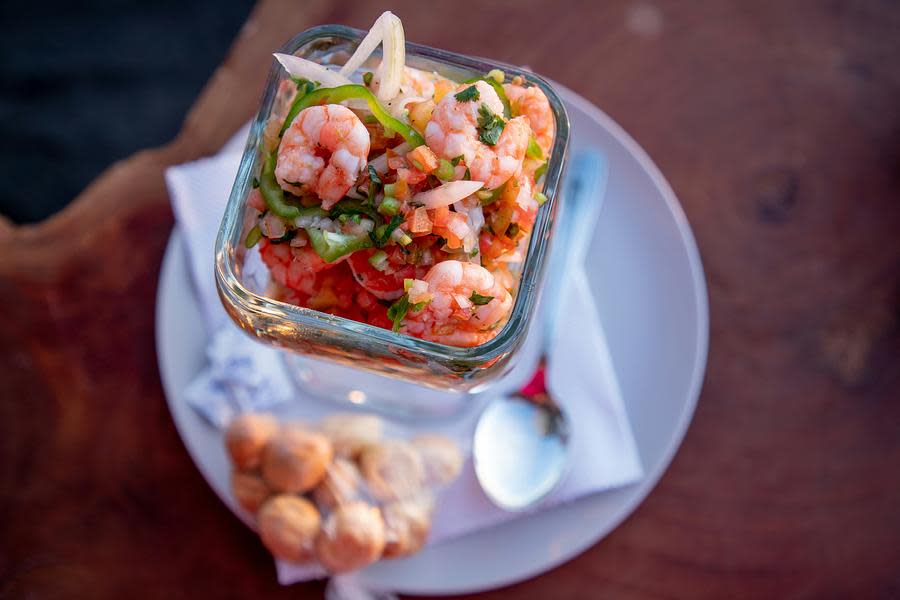
Mexico's coastlines deliver ceviche, aguachile (shrimp in a fiery chile-lime bath), and fish tacos from Baja California. Chef Andres Mendez's Mexican Grain Bowl with Spiced Shrimp captures that coastal vibrancy with seasoned shrimp over grains.
Discover the full range of Latin American flavors on our Latin American meal delivery page, from Mexican to Caribbean to South American dishes.
Mexican street food and everyday home cooking

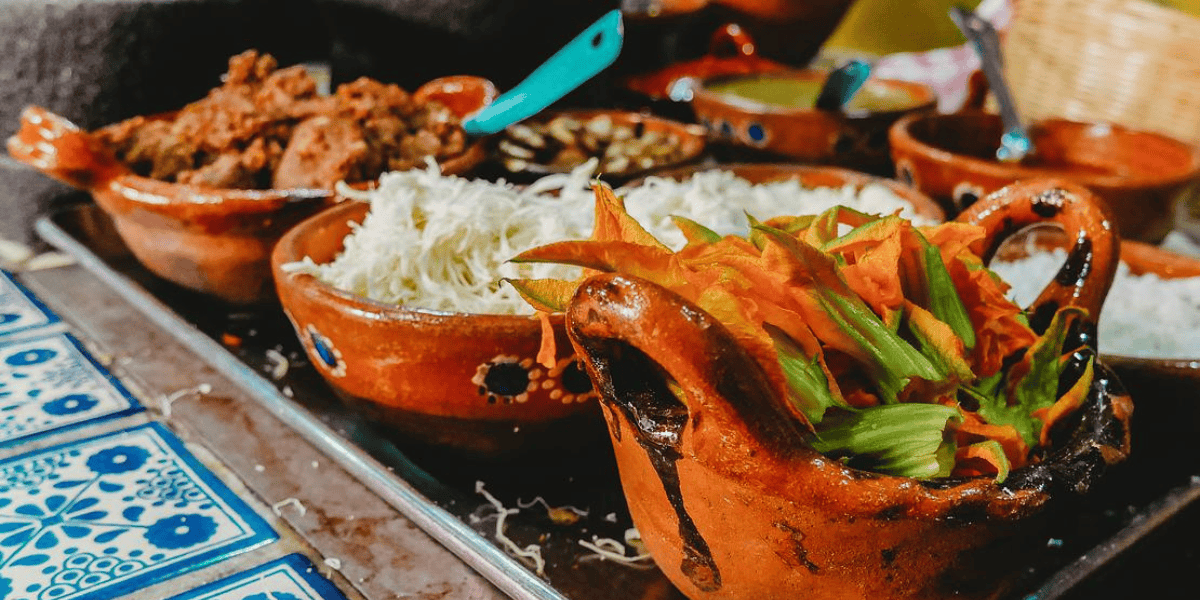
Not all popular mexican food is a grand production. Some of the most beloved dishes are eaten standing at a market stall or simmered quietly on a weekday afternoon.
Antojitos ("little cravings") are the snacks that fuel daily life: elotes (grilled corn with mayo, cotija cheese, lime, and chile), tostadas piled with beans and salsa, and sopes (thick masa bases with pinched edges). Chef Raymundo Agrazal's Spicy Chipotle Mango Tacos capture that street-food spirit with smoky chipotle and tropical mango.
Home cooking revolves around guisados (stewed meats in chile sauces), arroz rojo (tomato-flavored rice), and frijoles de olla (beans simmered in broth with garlic and epazote). Chef Maribel Rivero's Mexican Braised Beef captures that slow-simmered warmth, tender and seasoned with the care of a family kitchen.
From pre-Hispanic roots to the modern table
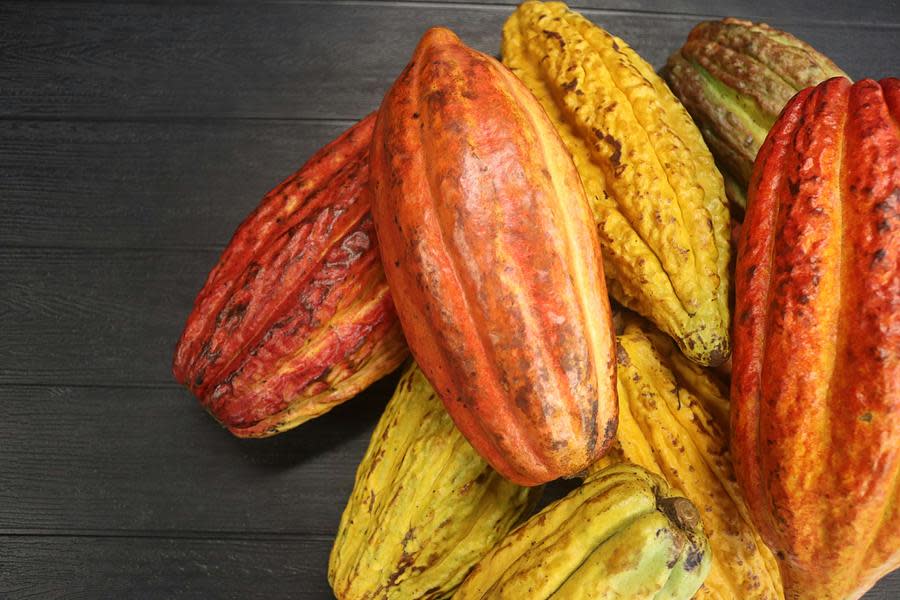
The Aztec⁶ and Maya civilizations cultivated corn, beans, squash, chiles, tomatoes, and cacao long before Spanish contact. They developed nixtamalization, fermented cacao into chocolate drinks, and ate insects like chapulines, delicacies that remain prized today.
Mexican cooking today reflects Old World influences, with ingredients such as pork, beef, dairy, rice, wheat, and various spices appearing across many dishes. The fusion created entirely new authentic mexican dishes like chiles en nogada and lard-enriched tamales. Today, top chefs continue evolving the tradition, drawing on ancestral techniques while incorporating global influences.
How to recognize authentic Mexican dishes
With Mexican food so popular worldwide, knowing what separates the real thing from the imitation matters.
Feature | Authentic Mexican | Common Tex-Mex |
|---|---|---|
Primary tortilla | Corn | Flour |
Cheese | Queso fresco, cotija | Cheddar, processed |
Salsas | Fresh, multiple varieties | Jarred, single option |
Flavor profile | Complex, layered | Cheese-heavy, bolder heat |
Handmade corn tortillas signal a kitchen that respects tradition
Multiple fresh salsas are a hallmark of real Mexican restaurants
Regional dishes like mole, pozole, and cochinita pibil show depth beyond tacos and burritos
For more on how Mexican food has been adapted and celebrated stateside, read our guide to the best Mexican foods in the USA.
Bringing the tradition home
Mexican cuisine is proof that the most extraordinary food often comes from the simplest foundations: corn, chiles, beans, and patient hands. It's a living tradition spanning millennia, inviting everyone to pull up a chair.
You don't need to master mole from scratch or build an underground pit to roast pork. At CookUnity, real chefs like Chef Santiago Lopez, Chef Raymundo Agrazal, and Chef Maribel Rivero bring these traditions to your door, handcrafted and ready to heat. No shortcuts on flavor, no compromises on craft.
Frequently asked questions about Mexican cuisine
Are these meals safe for those with severe dietary allergies, such as dairy, soy, and nuts?
While our meals are crafted without certain ingredients, they're prepared in kitchens where cross-contamination may occur. If your allergy is life-threatening, we recommend reviewing ingredient labels carefully before eating.
What is the difference between Mexican food and Tex-Mex food?
Tex-Mex is a fusion cuisine from Texas that relies on cheddar cheese, sour cream, and flour tortillas, while authentic Mexican cuisine centers on corn tortillas, fresh salsas, and regionally specific preparations.
Can Mexican cuisine accommodate gluten-free diets?
Many traditional dishes are naturally gluten-free because they're built on corn rather than wheat, including tortillas, tamales, and most salsas.
What makes Oaxacan food different from other Mexican regional cuisines?
Oaxaca is known as "the land of seven moles" and features uniquely complex sauces, indigenous ingredients like chapulines, and distinctive preparations such as tlayudas.
How spicy is traditional Mexican food compared to Tex-Mex?
Many authentic dishes are mild or moderately seasoned, building flavor through toasted chiles and slow-cooking techniques rather than raw heat, with diners controlling spice by adding salsa at the table.
Sources:

Be the first to know about new offers
Multiorder discounts, free items and more.