Back
The humble burger and classic mac and cheese have been transformed by a new wave of chefs blending global inspiration with American comfort food. Welcome to New American cuisine, a movement that redefines what American food can be through bold flavors, innovative techniques, and a fresh take on familiar favorites.
Emerging in the 1980s, this genre of cooking reshaped menus across the country by introducing international influences, seasonal ingredients, and chef-driven creativity to the American dining landscape.
In this guide, we’ll break down what New American cuisine really is, how it compares to traditional American food, what key techniques and ingredients define it, and how you can bring its flavors into your own kitchen.
Key takeaways:
New American cuisine blends traditional cooking with global influences, modern techniques, and seasonal ingredients, a movement that began reshaping American dining in the 1980s.
Unlike traditional American food, New American cuisine reimagines comfort classics with unexpected ingredients and international flair.
Chefs focus on farm-to-table sourcing, sustainable practices, and artistic presentation to elevate the dining experience.
You can try New American cuisine at home through chef-crafted meal delivery services like CookUnity, which brings restaurant-quality meals straight to your door.
What is New American cuisine?
New American cuisine is a modern culinary movement that reimagines classic American dishes by blending traditional techniques with global influences and a focus on fresh, seasonal ingredients. Popularized in the 1980s by pioneering chefs like Alice Waters and Jeremiah Tower, the movement draws on classical European foundations while embracing cross-cultural creativity and innovation.
This evolution marked a shift in American dining. Familiar foods were elevated through refined execution, new flavor combinations, and a growing appetite for more sophisticated, globally inspired meals. During the same period, Americans were dining out more than ever, with home food consumption dropping by about 24% between 1965–1966 and 2007–2008².
At its core, New American cuisine celebrates diversity, sustainability, and experimentation. It honors regional food heritage while continually reinventing itself with new techniques, ingredients, and cultural perspectives.
Curious how it shows up on the plate? Take Chef Chris Ratel’'s All-American Bacon Cheeseburger Deluxe. It’s not just a burger—it’s premium beef, artisanal cheese, and house-made condiments layered with intention to elevate a familiar comfort food to something truly gourmet.
Want to taste it for yourself? Explore modern American meals crafted by award-winning chefs and delivered fresh to your door.
How New American food differs from traditional American food
1. Regional heritage vs. global influences
Traditional American cuisine is rooted in specific regional traditions shaped by local ingredients and cultural heritage. From Southern barbecue to New England clam chowder, these dishes reflect the flavors of place and history.
New American cuisine, on the other hand, brings in global techniques and flavor profiles. Chefs may use French culinary methods on Southern staples, or fold Asian spices into classic Northeastern seafood dishes. The result is a genre that respects tradition while boldly reinterpreting it.
Chef Meena Sreenivas’ Creamy New England Clam Chowder is a perfect example. She refines a familiar regional dish using New American techniques that add elegance and depth.
2. Comfort classics vs. creative twists
New American chefs take comfort food favorites and give them inventive, upscale makeovers. The goal is to preserve the nostalgia while enhancing the flavor and presentation with elevated ingredients and methods.
Traditional vs. New American comparisons:
Classic mac and cheese → becomes lobster mac with artisanal cheeses
Standard burger and fries → transforms into a gourmet burger with house-made aioli and truffle fries
Apple pie → reimagined as a deconstructed tart with bourbon caramel
Homestyle meatloaf → upgraded with heritage pork and exotic mushroom gravy
Chef Michelle Bernstein’s Old Bay Crab Mac & Cheese brings this idea to life. She turns a weeknight staple into a refined, craveable dish using sweet lump crab and a hit of nostalgic Old Bay spice.
Looking for more inspiration? Explore our guide to the top modern American meals you need to try for creative takes on comfort food, all prepared by today’s most imaginative chefs.
Key elements and influences
1. Fusion of global techniques
New American cuisine thrives on cross-cultural creativity. Chefs borrow techniques and flavor profiles from across the world, combining them with American ingredients to create something new and exciting.
Global influences in New American kitchens:
Asian techniques: Wok cooking, fermentation, umami development
European methods: French sauces, Italian pasta-making, Spanish tapas-style presentation
Latin American flavors: Bold spices, tropical ingredients, and dynamic cooking methods
Chef Brandon Kida’s Nikkei-Style Shrimp Fajita Tacos embody this fusion. By blending Japanese culinary precision with Mexican street food inspiration, the result is a dish that feels both familiar and entirely new.
2. Emphasis on fresh seasonal ingredients
New American cuisine is deeply rooted in the farm-to-table philosophy. Chefs focus on sourcing local, seasonal ingredients to ensure freshness, reduce environmental impact, and highlight regional flavor.
Many New American restaurants build direct relationships with farmers, ranchers, and artisans. These partnerships not only support local economies but also guarantee high-quality ingredients.
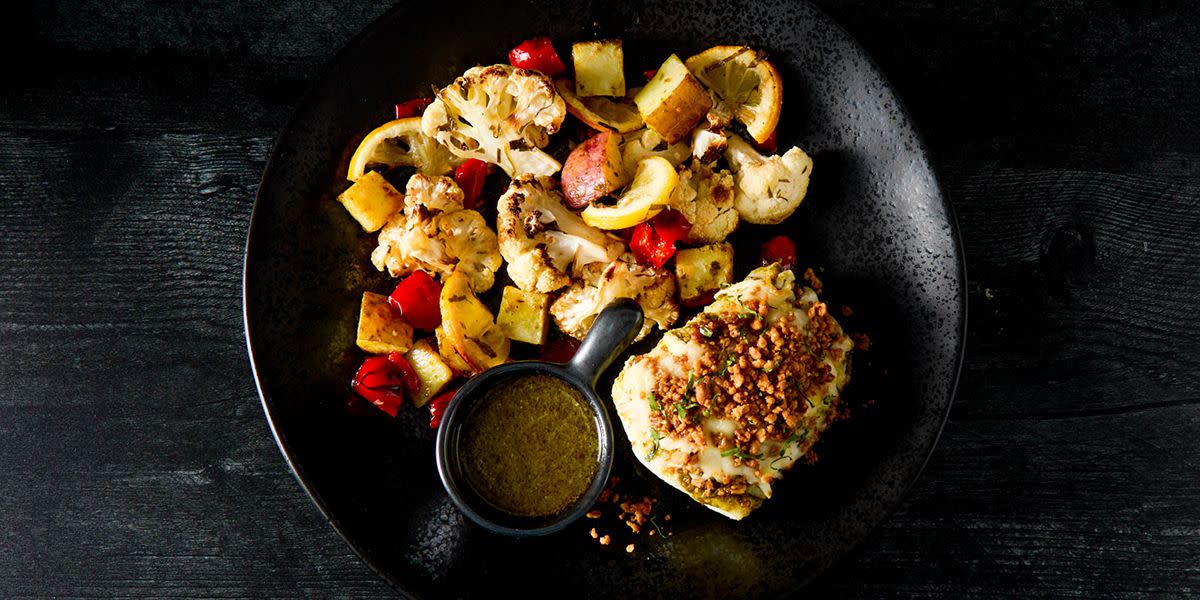
Chef Chase Evans’ Cajun Blackened Fish highlights this approach. The dish celebrates Gulf Coast seafood traditions while using modern seasoning and preparation techniques to enhance its natural flavor.
Modern cooking techniques in New American dining
1. Sous vide and low-temperature methods
Precision cooking has helped define the refinement of New American cuisine. Techniques like sous vide allow chefs to control temperature with incredible accuracy, locking in flavor and achieving perfect texture.
Benefits of precision cooking:
Better flavor retention due to sealed cooking environments
Consistent doneness for proteins and vegetables
Tenderization of tougher cuts without sacrificing juiciness
Greater control over timing and presentation
Chef Ludo Lefebvre’s Seared Heritage Pork Chop is a standout example. Thanks to low-temperature cooking followed by a hard sear, the pork is both tender and beautifully caramelized.
2. Plating and presentation trends
In New American dining, what you see is as important as what you taste. Plates are now visual expressions, with chefs drawing on principles of color theory, composition, and negative space to enhance the dining experience.
From microgreens to brushstroke sauces, presentation techniques are influenced by both global fine dining and modern art. These visual choices help set expectations and heighten anticipation before the first bite.
Explore the weekly menu and discover chef-crafted meals delivered to your door.
Popular dishes and flavor combinations
1. Reinvented comfort foods
New American chefs take the familiar and elevate it. By using unexpected ingredients or refined techniques, they transform comfort food into something new without losing the soul of the original dish.
Think upscale burgers with artisanal toppings, gourmet fried chicken with custom spice blends, and meatloaf crafted from heritage meats and elevated gravies.
Chef Angelia Cole’s Loaded Baked Potato with Cajun Crawfish & Shrimp is a perfect example. She transforms a humble staple into a showstopping dish layered with bold Cajun flavor and indulgent seafood.
2. Regional farm-to-table specials
New American cuisine draws inspiration from America’s regional food traditions while highlighting local, seasonal ingredients. This farm-to-table approach supports local producers and celebrates regional identity.
Examples of regional New American expressions:
Northeast: Seafood-forward dishes with locally harvested produce
South: Reimagined soul food with refined techniques and artisanal touches
Midwest: Elevated comfort dishes featuring regional grains and meats
West Coast: Produce-driven plates with Asian and Latin influences
Chef Chase Evans’ Cajun Blackened Shrimp & Grits brings this to life. His version uses sustainable seafood, stone-ground grits, and balanced seasoning to reimagine a Southern favorite through a New American lens.
Discover how Chef Marc Forgione continues his family’s culinary legacy in redefining American cuisine in Chef Marc Forgione: Continuing the American Cuisine Dynasty.
Where to find contemporary American restaurants
1. Fine dining and upscale spots
High-end New American restaurants offer immersive culinary experiences that showcase the most refined expressions of the genre. At places like Lefty's on the Square—named Arkansas’ Best New Restaurant in 2024³—diners enjoy dishes that combine regional ingredients with global inspiration.
Many of these establishments offer multi-course tasting menus that take guests on a carefully curated journey of flavors and textures. Wine pairings and open kitchen formats add even more layers to the dining experience.
These upscale restaurants often serve as innovation hubs, where chefs explore new techniques that eventually influence the broader culinary landscape.
2. Trendy casual eateries
New American cuisine isn’t just reserved for white tablecloths. It's also alive and thriving in gastropubs, food halls, and fast-casual concepts where creativity meets accessibility. These venues bring the excitement of the movement to a broader audience.
Casual expressions of New American dining:
Gastropubs: Elevated pub fare paired with craft cocktails or local brews
Fast-casual restaurants: Quick service with chef-driven quality
Food halls: Rotating menus from innovative vendors and pop-ups
Supper clubs and pop-ups: Experimental, limited-time concepts that spotlight chef innovation
Want to bring New American dining home? We deliver restaurant-quality meals from award-winning chefs nationwide. It’s an easy way to explore modern American food without leaving your kitchen.
Sustainability and locally sourced foods
1. Farm-to-table partnerships
Sustainability is a defining pillar of New American cuisine, and it starts with strong relationships between chefs and local producers. Instead of relying on large distributors, many chefs work directly with farmers, ranchers, and fishers to source the freshest possible ingredients while supporting local economies.
These partnerships aren't just practical—they’re personal. They reconnect diners with regional foodways, promote environmental responsibility, and ensure fair compensation across the supply chain.
Chef Chase Evans’ American-Style Greek Salad showcases the power of high-quality, seasonal produce. Crisp vegetables, briny feta, and bright vinaigrette come together in a dish that’s simple, sustainable, and flavor-forward.
2. Sustainable seafood options
With seafood, New American chefs are just as intentional. The focus is on protecting marine ecosystems while delivering bold, satisfying flavor. This eco-conscious approach has helped advance sustainable fishing and aquaculture practices across the industry.
Key sustainable seafood practices include:
Certified sources verified for responsible harvesting
Seasonal selection to reduce pressure on vulnerable species
Underutilized species that offer flavor diversity and ecological balance
Full-use cooking that minimizes waste and honors the whole catch
Bringing New American cuisine into your kitchen
1. Key pantry staples
You don’t need a restaurant kitchen to cook like a modern American chef—you just need the right ingredients. Stocking your pantry with a few versatile, high-quality staples sets the stage for creative cooking and globally inspired meals.
Essential New American pantry items:
Specialty oils like avocado, walnut, and truffle-infused for bold finishing touches
Artisanal vinegars such as aged balsamic, champagne, or fruit-infused for balanced acidity
Global spice blends like za’atar, dukkah, and togarashi for instant depth and complexity
Finishing salts such as fleur de sel, smoked salt, or chili-lime salt for flavor contrast
Umami boosters like miso, fish sauce, or aged soy sauce to enrich savory notes
These ingredients let home cooks build layered, nuanced flavors that reflect the essence of New American cuisine—without formal training or complex recipes.
2. Simple weeknight recipe ideas
New American cuisine doesn’t have to be fussy. Small touches can transform weeknight meals into restaurant-worthy experiences.
Try quick-pickling vegetables to add brightness and crunch to sandwiches, bowls, or proteins. Whip up compound butters with herbs and citrus to instantly elevate roasted meats or veggies. Or build a customizable grain bowl with seasonal produce, seared protein, and a globally inspired sauce.
Short on time? Let us do the prep. Our rotating menu of chef-crafted meals brings the flavors of New American cuisine—modern techniques, seasonal ingredients, and global creativity—straight to your doorstep. Just heat, plate, and enjoy.
Frequently asked questions about New American cuisine
What makes a restaurant New American rather than just American?
New American restaurants feature innovative techniques applied to traditional dishes, emphasize seasonal and local ingredients, and incorporate global influences while maintaining American culinary roots.
Is New American cuisine healthier than traditional American food?
New American cuisine often features more vegetables, whole grains, and responsibly sourced proteins than traditional American fare, but healthfulness varies by specific dish and preparation method.
Which cooking tools are essential for creating New American dishes at home?
A quality chef's knife, cast iron skillet, digital thermometer, and microplane grater will help home cooks execute many New American techniques and preparations with professional results.
How does New American cuisine differ from California cuisine?
California cuisine is considered a regional subset of New American cuisine, with a stronger emphasis on fresh produce, Mediterranean influences, and lighter preparations reflecting the state's climate and agricultural bounty.
Sources:

Be the first to know about new offers
Multiorder discounts, free items and more.