Back
Vietnamese foods by region: 18 dishes to discover
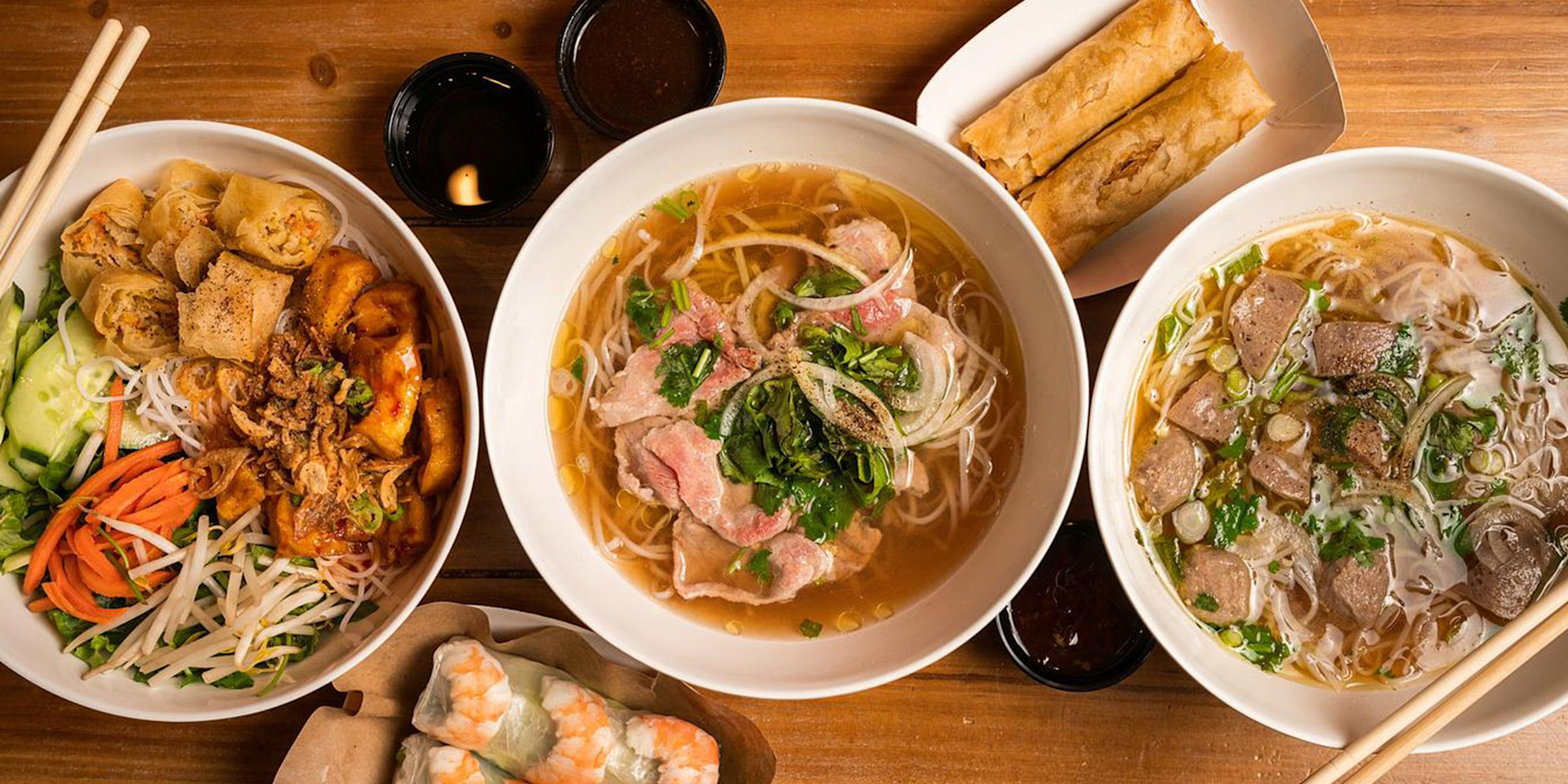
Every bite of Vietnamese food reflects the region it comes from, shaped by local ingredients, cultural traditions, and generations of care. From the delicate broths of the north to the bold, spice-laced specialties of central Vietnam and the herb-rich dishes of the south, Vietnamese cuisine reflects a country shaped by geography, history, and deep culinary pride.
This guide explores 18 of the most distinctive Vietnamese dishes, each tied to a specific region and rooted in generations of tradition. Whether you’re just discovering Vietnamese food or deepening your appreciation for its variety, these dishes highlight why it’s considered one of the world’s most vibrant and balanced cuisines.
Key takeaways:
Vietnamese cuisine is built on balance, with dishes that bring together sweet, sour, salty, spicy, and bitter flavors alongside fresh herbs and minimal oil.
Vietnamese foods vary by region. Northern dishes tend to be more subtle, central cuisine leans bold and spicy, and southern dishes often highlight sweetness and tropical herbs.
Iconic Vietnamese dishes like phở, bánh mì, and gỏi cuốn transform simple ingredients into layered, craveable flavor experiences.
Traditional Vietnamese food emphasizes freshness and moderation over heavy sauces or rich fats, making it one of the healthiest global cuisines.
Exploring popular dishes in Vietnam reveals the country's diverse culinary history, shaped by Chinese, French, and Southeast Asian influences.
What is Vietnamese cuisine?
Vietnamese cuisine is grounded in harmony. It balances five core flavors—sweet, sour, bitter, spicy, and salty—across a wide variety of ingredients and techniques. At its foundation are rice, fresh herbs, vegetables, and fish sauce (nước mắm), a fermented Vietnamese food prized for its deep umami flavor.
Each region in Vietnam brings its own style. The north favors subtle broths and Chinese-influenced techniques like stir-frying. Central Vietnam is known for spicy, vibrant dishes shaped by royal traditions. In the south, the cuisine is colorful and herb-packed, with influences from Cambodia and Thailand and a natural sweetness from tropical produce.
Traditional Vietnamese food emphasizes freshness and balance rather than richness or heaviness. Minimal oil, clean proteins, and bright herbs make it one of the most healthful and flavorful cuisines in the world.
Craving those flavors without making it from scratch? Explore chef-crafted Vietnamese foods delivered fresh to your door and enjoy the richness of this cuisine wherever you are.
How does food differ by region in Vietnam?
Vietnamese cuisine is deeply regional, shaped by climate, geography, and cultural influence. Each region has its own identity, expressed through ingredients, techniques, and the flavor profiles that define its most iconic dishes.
Northern Vietnam
Northern Vietnamese food is known for its simplicity and subtlety. Flavors are clean and mild, often enhanced with black pepper instead of chili. Chinese influences are especially strong here, seen in stir-frying techniques and an emphasis on noodles and soy-based sauces. Dishes like phở and bún chả reflect the northern approach: warm, balanced, and unpretentious.
Central Vietnam
Central Vietnam delivers the boldest, spiciest Vietnamese foods. As the former seat of the Nguyen dynasty, this region’s cuisine includes visually stunning and flavor-intense dishes originally created for royal banquets. Expect plenty of lemongrass, fermented shrimp paste, chili, and elaborate presentation. Soups like bún bò Huế and dumplings like bánh bột lọc are standout examples.
Southern Vietnam
Southern Vietnamese cuisine is bright, herbaceous, and often sweeter. The tropical climate of the Mekong Delta supports year-round produce, making fresh vegetables, fruits, and herbs essential to the region’s cooking. Dishes like cơm tấm, bánh xèo, and bánh khọt reflect both the abundance of local ingredients and influences from nearby Cambodia and Thailand.
No matter the region, traditional Vietnamese food is all about balance. Whether you're enjoying a subtle northern broth or a spicy central noodle soup, every dish aims to deliver contrast and harmony in every bite.
18 distinctive Vietnamese dishes across the country
Vietnam's culinary landscape offers remarkable diversity from north to south. These 18 distinctive dishes showcase the country's regional specialties, from hearty noodle soups to delicate rice paper rolls.
1. Phở (northern classic)
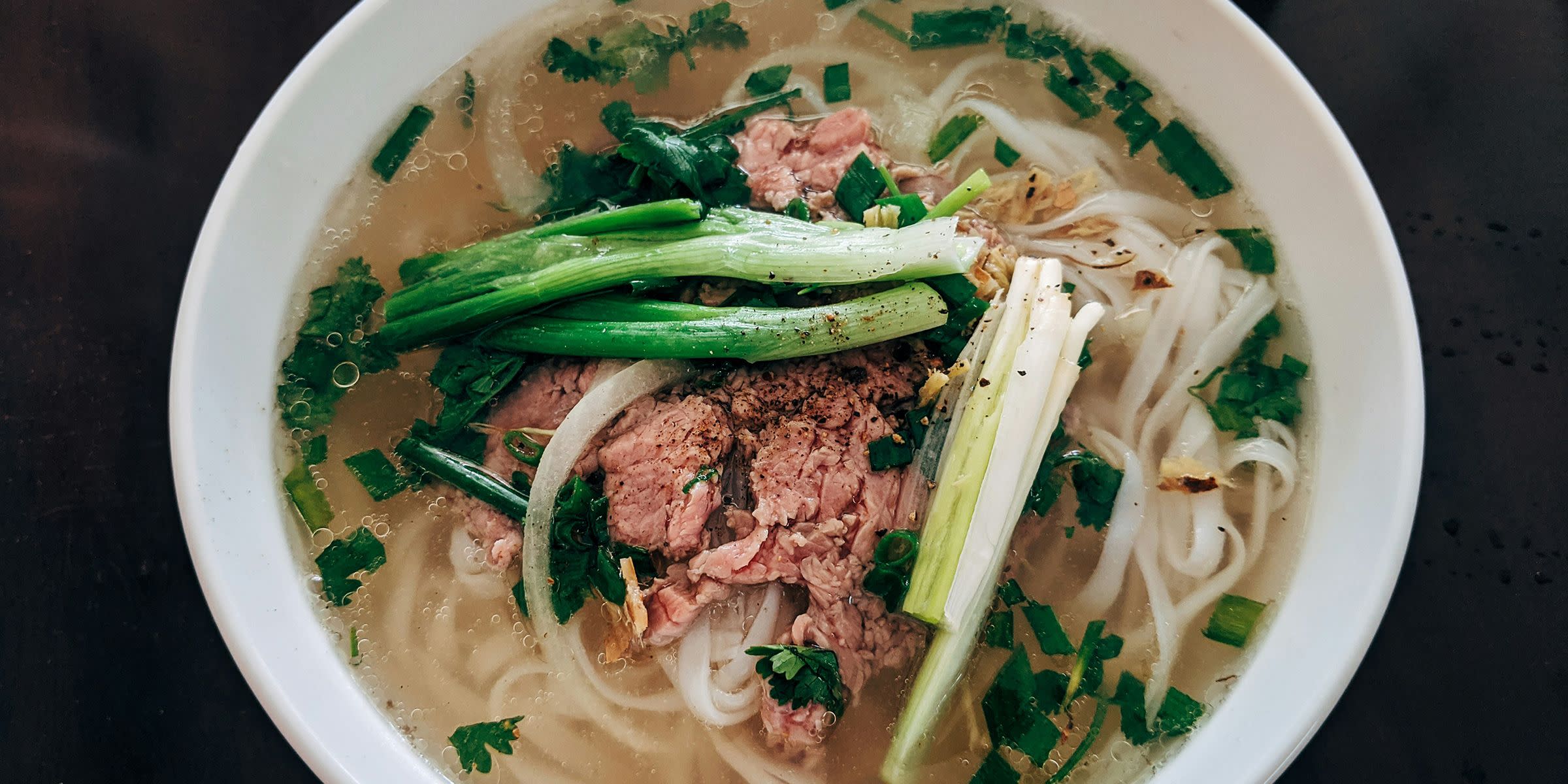
Phở is one of the most iconic Vietnamese dishes. It’s a fragrant noodle soup that originated in northern Vietnam and is now known around the world. Its clear, slow-simmered broth is made with beef bones, charred onion, ginger, and spices like cinnamon and star anise.
Flat rice noodles provide the base, topped with thin slices of beef that cook gently in the hot broth. Northern-style pho keeps garnishes minimal to highlight the clean, layered flavor of the broth.
Chef Esther Choi’s Spicy Beef Pho brings this tradition home with bold, comforting flavors and tender beef in a deeply aromatic broth.
2. Bún chả (northern grilled pork and noodles)
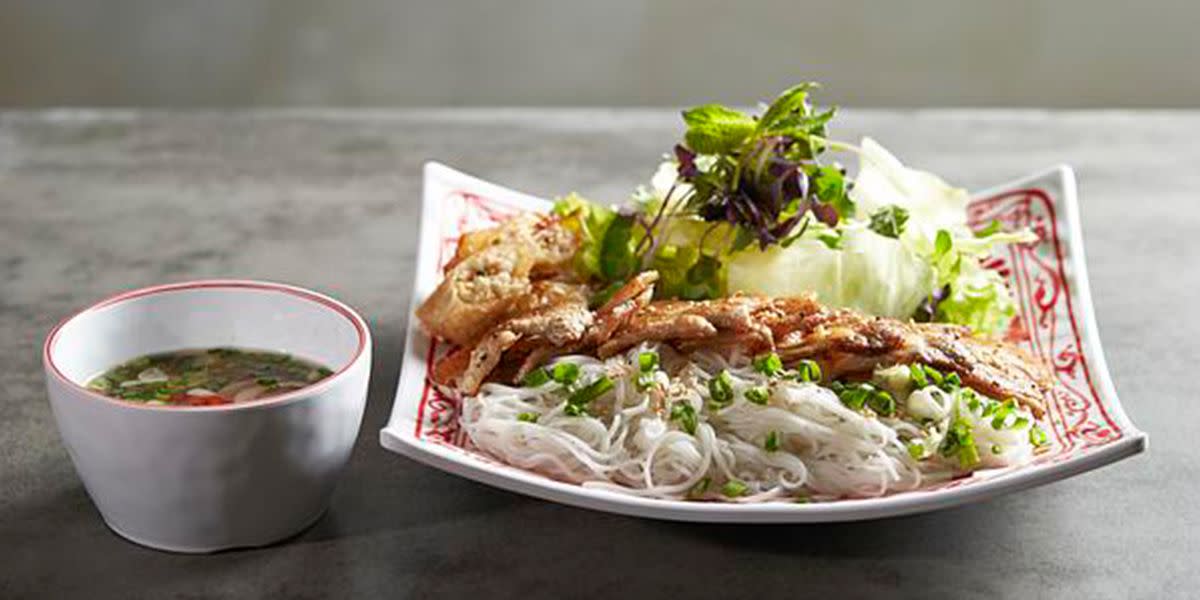
Bún chả is a Hanoi favorite and a lunchtime essential. It features grilled pork patties and thin slices of pork belly served with rice vermicelli, fresh herbs, and a sweet-savory dipping sauce.
The dish is served deconstructed: a bowl of warm dipping broth, a plate of rice noodles, and a mountain of herbs. Diners mix and match each bite for contrast and flavor, a hallmark of Vietnamese food.
Chef Chase Evans’ Vietnamese Grilled Chicken captures a similar flavor profile with lemongrass-marinated chicken and fresh herbs, delivering that balance of char, heat, and brightness.
Hungry for more? Browse our weekly menu to explore chef-made Vietnamese dishes delivered fresh to your door.
3. Bánh mì (southern-inspired sandwich)
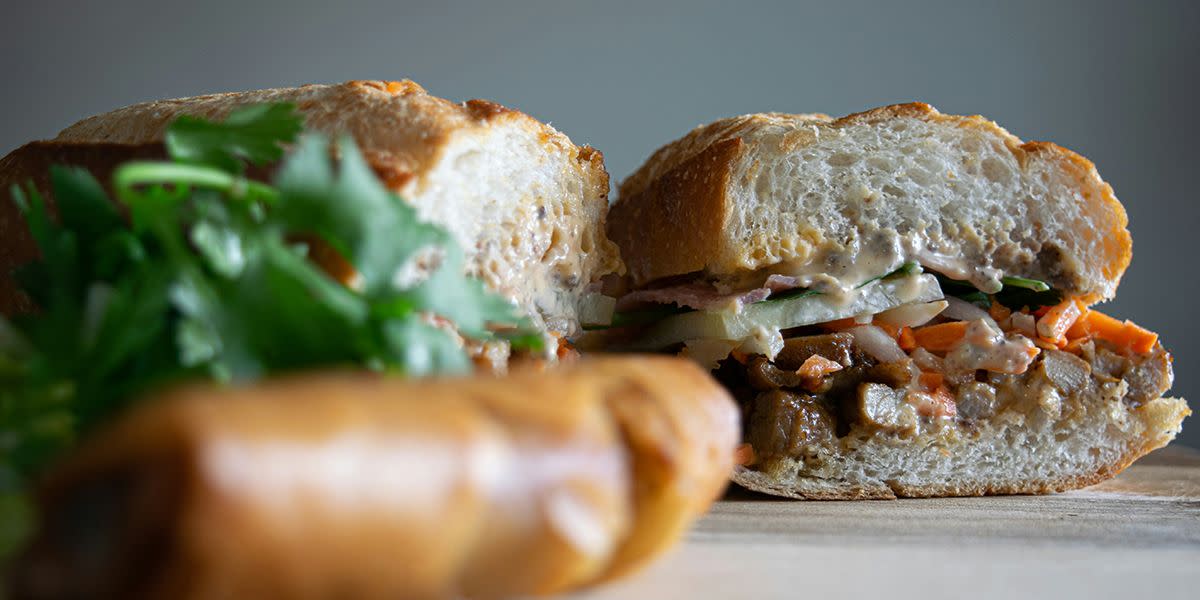
Bánh mì is the ultimate Vietnamese street food: a crusty, airy baguette filled with rich, tangy, crunchy, and fresh ingredients all in one bite. Born from French colonial influence, it’s one of the most recognizable Vietnamese foods worldwide.
Traditional bánh mì includes pâté, pork, pickled carrots and daikon, cucumber, cilantro, mayo, and fresh chili. It’s savory, sharp, and satisfyingly complex.
Looking for a plant-based version that doesn’t skip on flavor? Chef Cami Sepulveda’s Tofu Banh Mi features roasted tofu, pickled vegetables, fresh herbs, and a kick of Sriracha vegan mayo. It’s a modern take that stays true to the dish’s layered textures and bold flavors.
4. Bún bò Huế (spicy central soup)
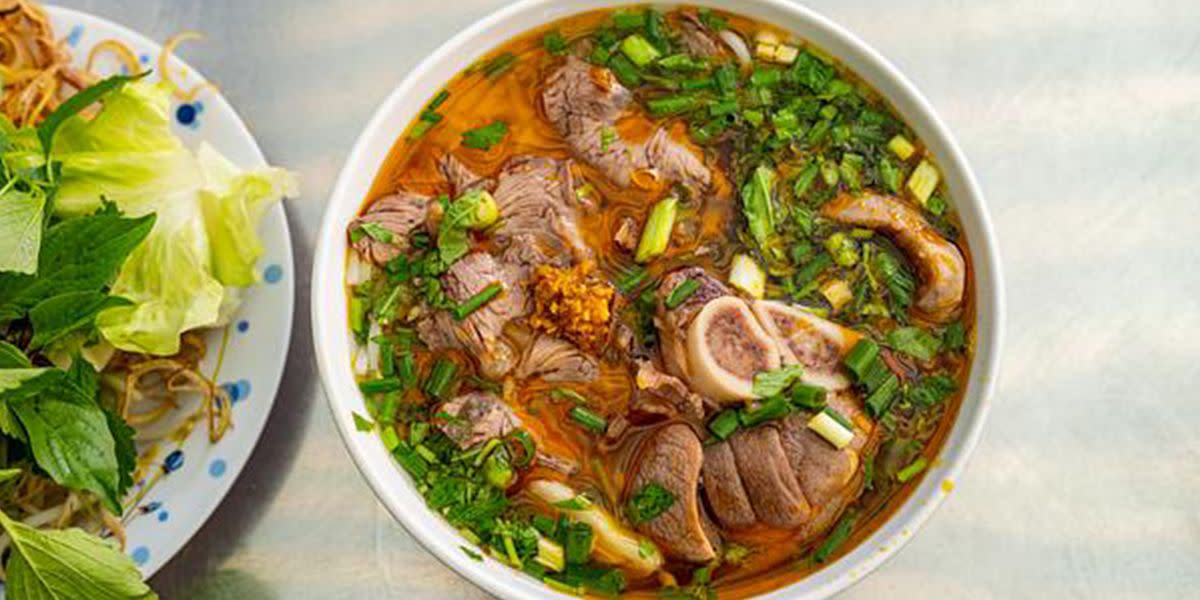
Bún bò Huế is central Vietnam’s bold answer to phở. Originating from the former imperial capital of Huế, this soup features a spicy, deeply flavored broth infused with lemongrass, fermented shrimp paste, and chili oil.
Thicker rice noodles give the dish more bite, while toppings often include beef shank, pork knuckles, and cubes of congealed pig’s blood. The broth’s signature red hue comes from annatto seeds and chili, making this one of the most complex and spicy Vietnamese foods on the list.
If you love heat and depth, this dish delivers a powerful balance of bold aromatics and rich protein.
5. Gỏi cuốn (fresh spring rolls)
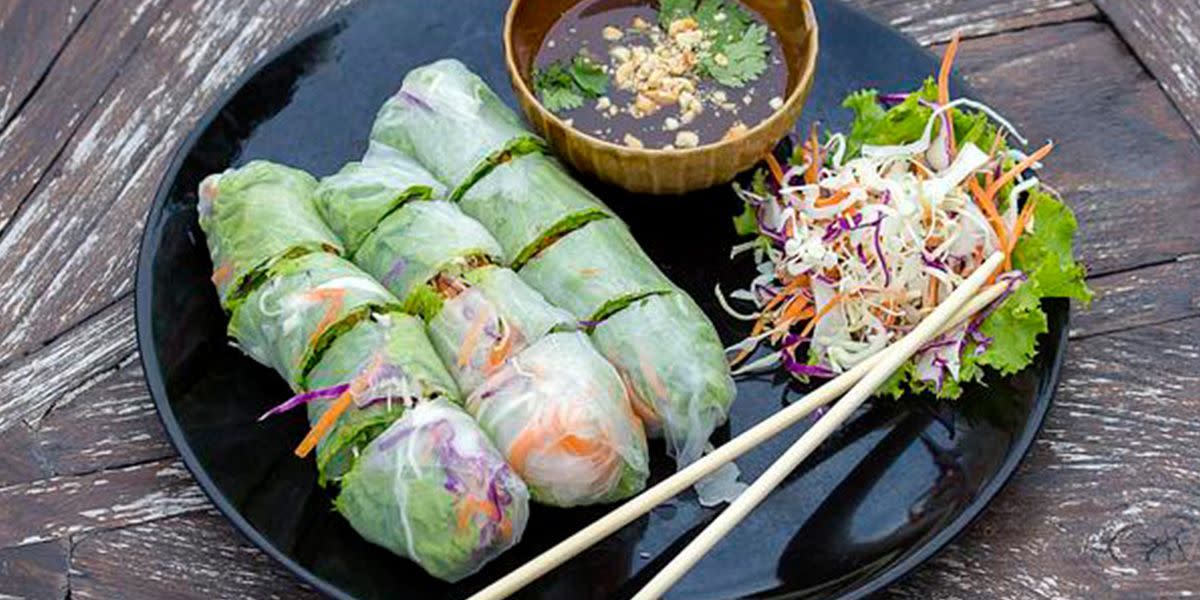
Gỏi cuốn, or fresh spring rolls, are a refreshing counterpoint to heavier dishes. Wrapped in delicate rice paper, these rolls are filled with vermicelli noodles, herbs, lettuce, and either shrimp, pork, or tofu.
They’re typically served with a peanut hoisin sauce or a bright, tangy nước chấm for dipping. Unlike fried rolls (chả giò), these are light, herbaceous, and naturally gluten-free. They’re a great example of how Vietnamese cuisine celebrates freshness and balance.
Chef Nelson Brizuela’s Vietnamese Shrimp Noodle Bowl delivers these same vibrant flavors in a bowl format for an easy, satisfying meal.
Craving more regional favorites? Explore our full guide to Asian street food for dishes from across Southeast Asia.
6. Cơm tấm (broken rice dish)
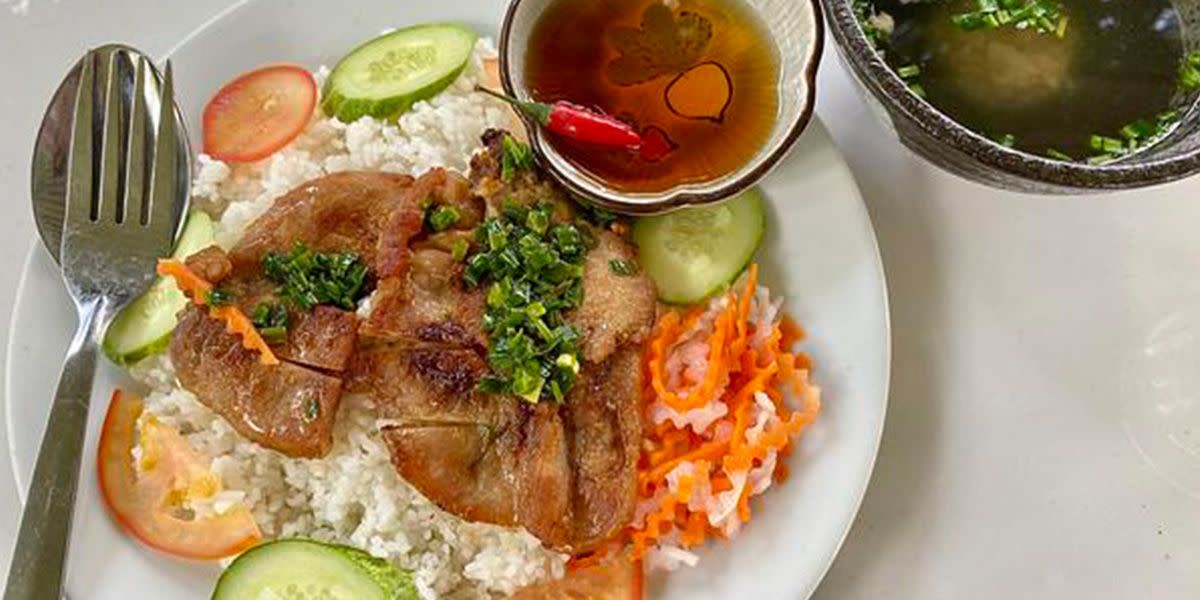
Cơm tấm turns “broken” rice—fragments of rice grains once considered less desirable—into the base of a beloved southern Vietnamese dish. Its softer texture soaks up flavor beautifully and pairs well with a variety of toppings.
Classic versions include grilled pork chops marinated in lemongrass, a fried egg, pickled vegetables, cucumber, and a generous drizzle of nước chấm. Cơm tấm is hearty yet balanced, making it a popular Vietnamese food for breakfast, lunch, or dinner in Ho Chi Minh City and beyond.
It’s a dish that proves simplicity and creativity go hand in hand in Vietnamese cooking.
7. Bánh xèo (sizzling savory pancake)
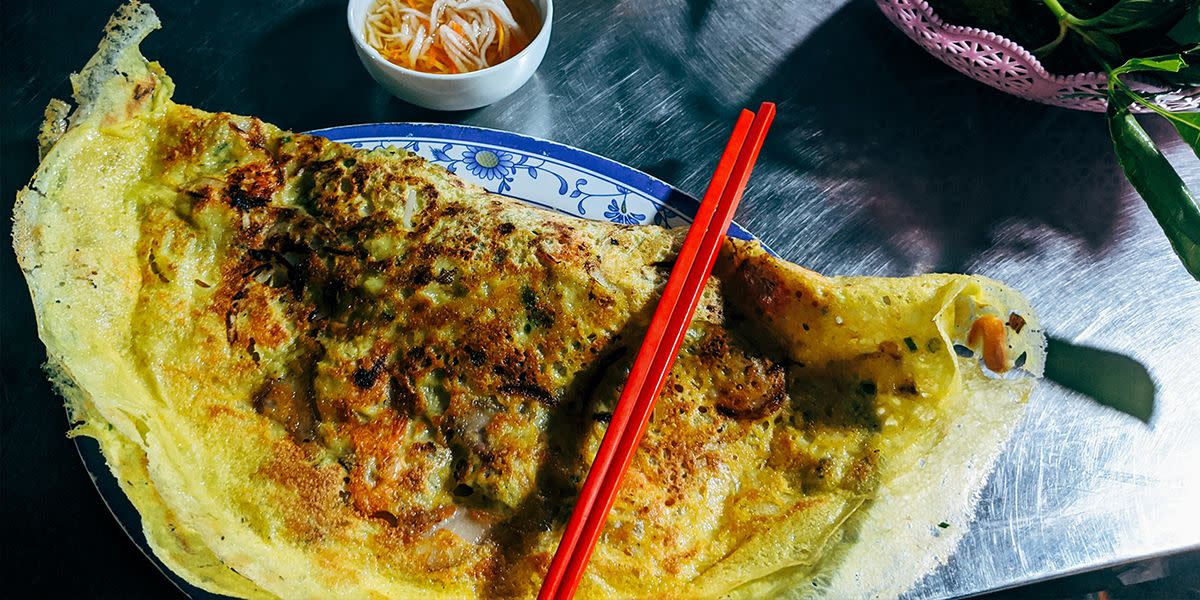
Bánh xèo is Vietnam’s answer to the savory crepe. It’s essentially a golden, crisp-edged pancake made with rice flour, turmeric, and coconut milk. The name means “sizzling cake,” a nod to the sound it makes when the batter hits a hot skillet.
Typically filled with shrimp, pork, bean sprouts, and mung beans, bánh xèo is served with fresh herbs and lettuce for wrapping. Diners tear off pieces, wrap them in greens, and dip into nước chấm for a bite that’s crunchy, savory, and fresh all at once.
This dish is a great example of how Vietnamese cuisine creates textural contrast with minimal ingredients.
8. Chả cá Lã Vọng (northern turmeric fish)
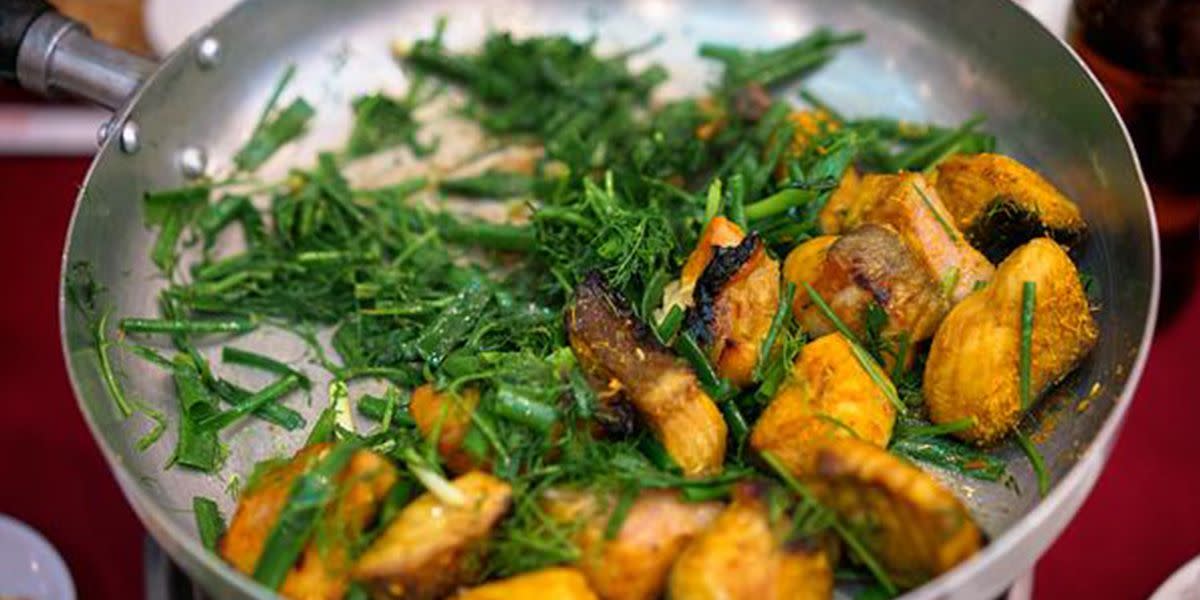
Chả cá Lã Vọng is a Hanoi specialty that highlights delicate white fish marinated in turmeric and galangal, then cooked tableside with dill and scallions. It’s one of the few Vietnamese dishes where dill takes center stage, and the result is herbaceous, aromatic, and deeply comforting.
Traditionally served with rice noodles, peanuts, and a pungent anchovy-based sauce called mắm nêm, this dish is assembled at the table for a fully interactive experience.
Chả cá Lã Vọng is subtle and bold at the same time, a perfect representation of northern Vietnamese food.
9. Bánh cuốn (northern steamed rice rolls)
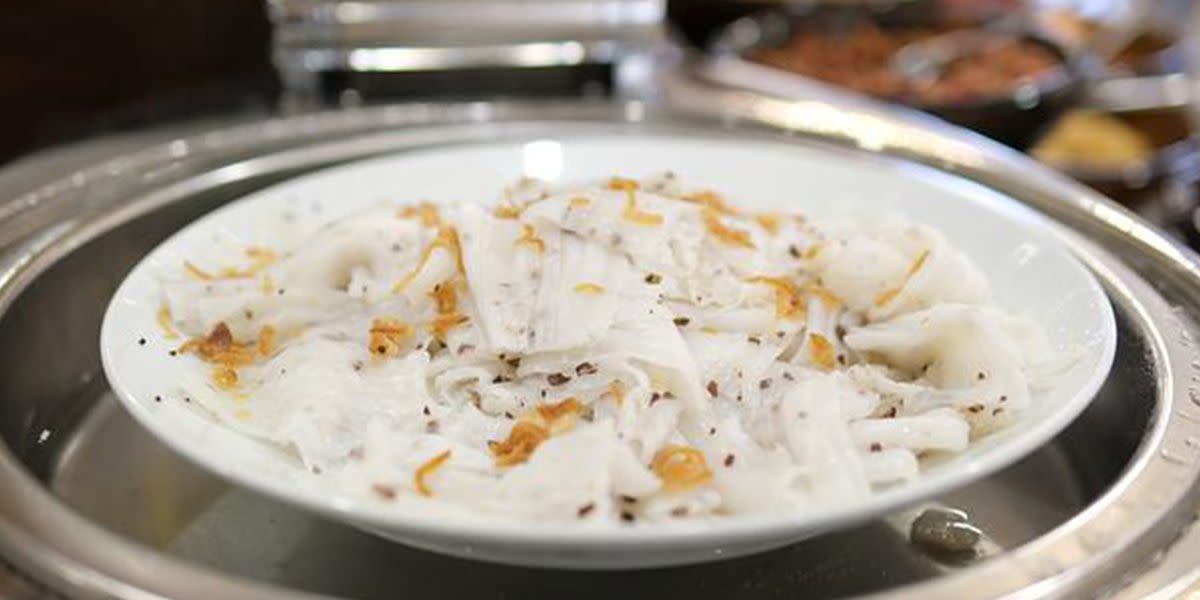
Bánh cuốn showcases the finesse of northern Vietnamese cooking. These silky, paper-thin steamed rice rolls are filled with a savory mix of ground pork and wood ear mushrooms, then topped with crispy shallots and fresh herbs.
Making bánh cuốn requires real technique: the batter is steamed on a cloth over boiling water and rolled by hand before being served with dipping sauce on the side.
Often eaten for breakfast, this dish proves that even the most delicate Vietnamese foods can be surprisingly hearty and satisfying.
10. Mì Quảng (central turmeric noodles)
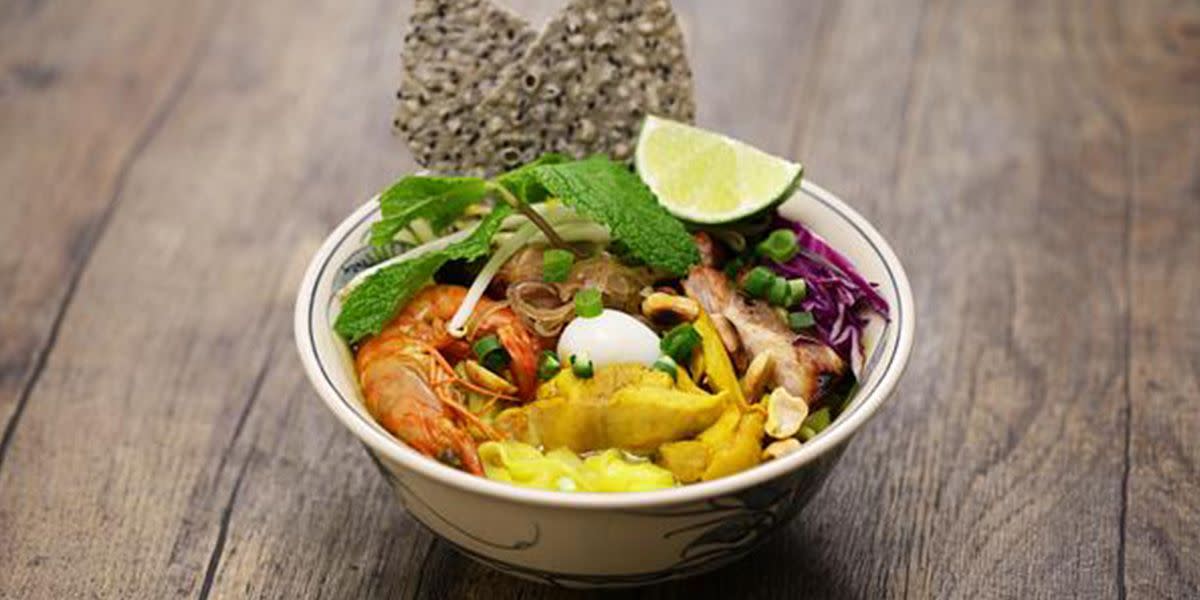
Mì Quảng is a signature dish from central Vietnam’s Quảng Nam province. This colorful noodle bowl features turmeric-infused rice noodles, just a small amount of rich broth, and a generous mix of toppings like shrimp, pork, or chicken.
What makes it unique is the contrast. Roasted peanuts, crispy sesame rice crackers, banana blossoms, and fresh herbs create a satisfying blend of textures. The broth is meant to coat the noodles, not overwhelm them.
This dish shows how Vietnamese cuisine creates depth and complexity through layers of flavor and restraint.
11. Cao lầu (Hoi An specialty)
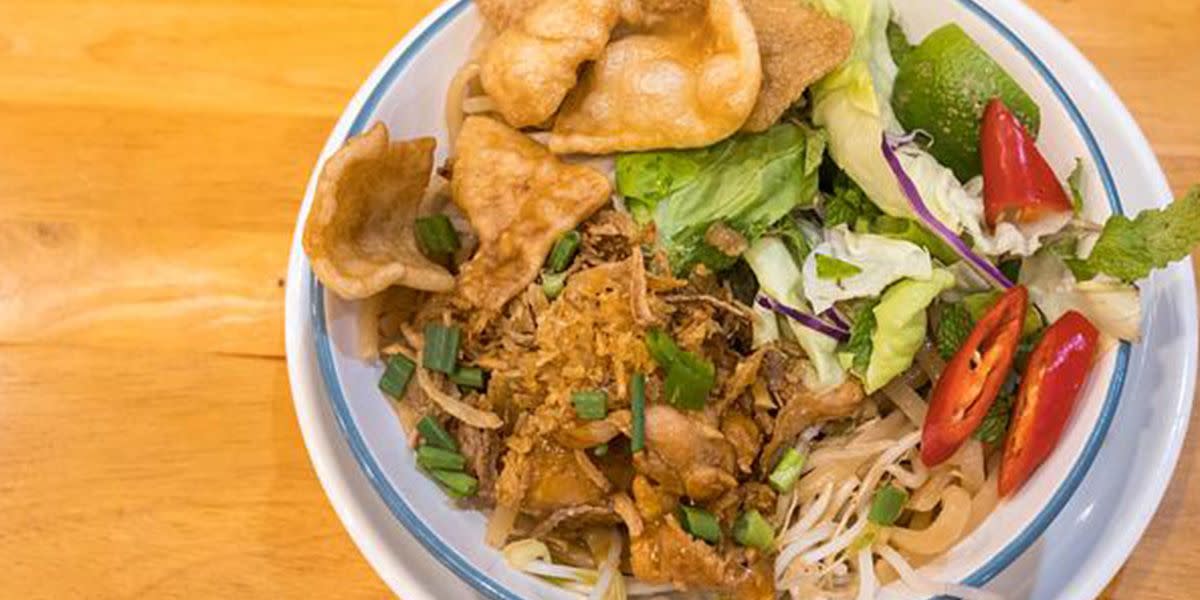
Cao lầu is a beloved regional dish that can only be found in Hoi An. It’s made with thick, chewy noodles said to be prepared using water from an ancient well and ash from a special type of tree. Whether legend or fact, the result is one of the most distinctive Vietnamese foods.
The noodles are paired with slices of five-spice marinated pork, fresh herbs, crunchy croutons, and just enough savory broth to bring everything together. It’s a dish that blends Chinese, Japanese, and Vietnamese influences into something completely its own.
Cao lầu reflects Hoi An’s history as a cultural and culinary meeting point.
12. Bánh bột lọc (chewy tapioca dumplings)
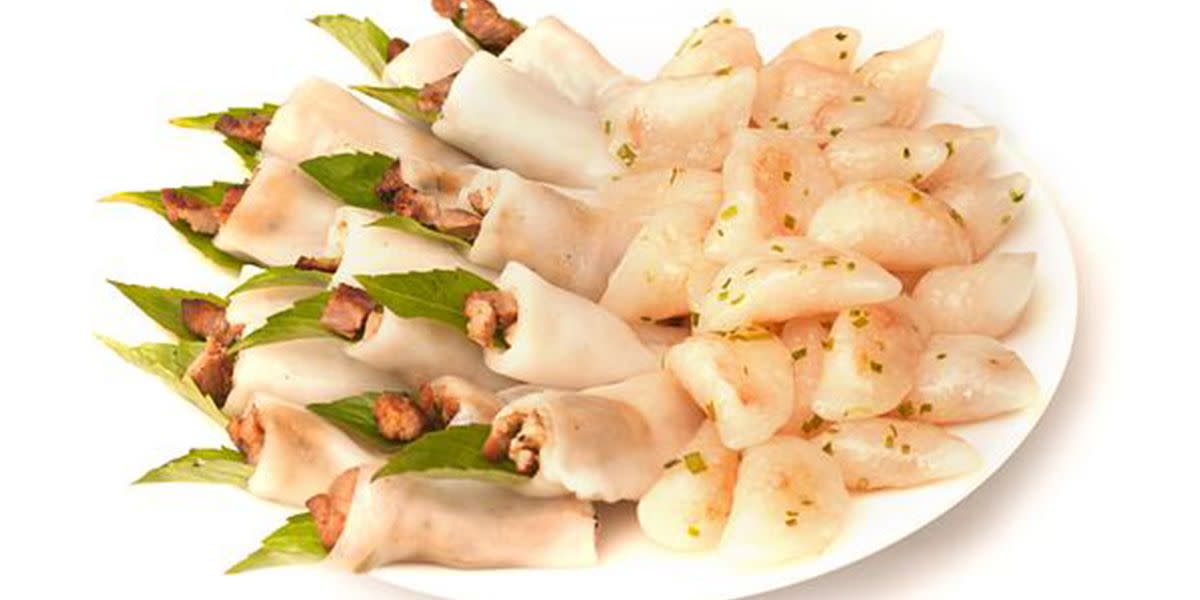
Bánh bột lọc comes from central Vietnam and is known for its translucent tapioca wrapper filled with shrimp and pork belly. Some versions are wrapped in banana leaves and steamed, while others are served loose and boiled.
The texture is chewy and elastic, with a glossy surface that gives way to a savory, rich filling. A side of fish sauce with lime and chili brings just the right balance of salt, acid, and heat.
This dumpling is proof that Vietnamese dishes can be fun, flavorful, and full of character. Even in just a few bites.
13. Cá kho tộ (caramelized fish in clay pot)
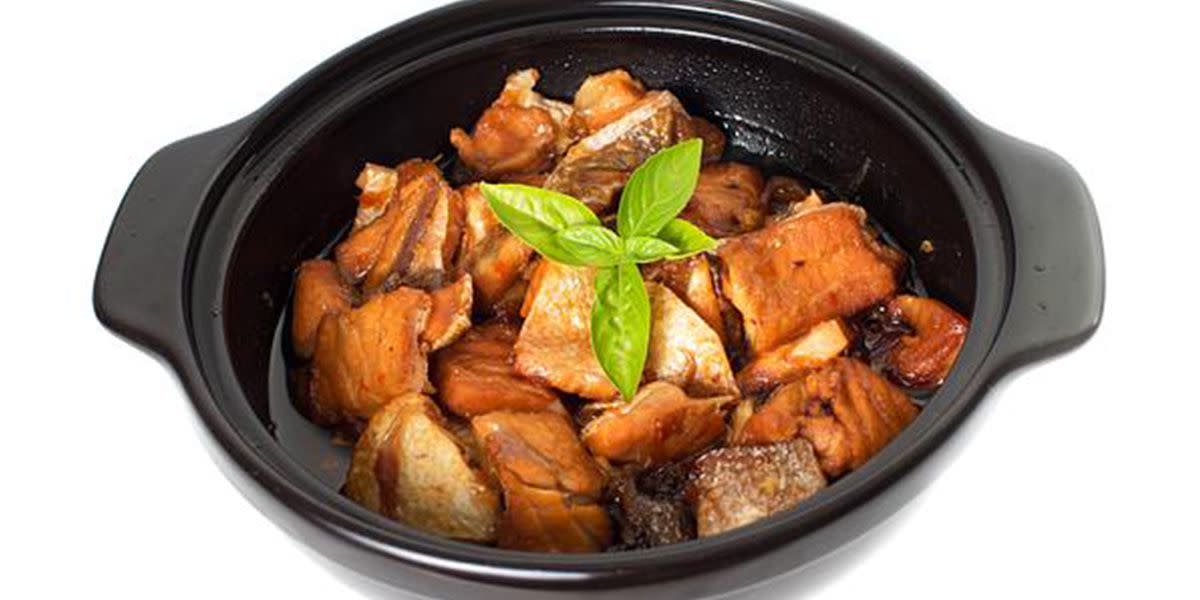
Cá kho tộ is a comforting southern Vietnamese dish that slow-simmers fish in a clay pot with caramelized sugar, fish sauce, and black pepper. The caramelization process adds deep flavor without making the dish overly sweet. Instead, it creates a glossy, savory glaze that coats the tender fish.
Traditionally made with catfish, cá kho tộ is often served with steamed rice and a side of fresh herbs. It’s a staple of home cooking and a perfect example of how Vietnamese cuisine balances sweet, salty, and umami in a single pot.
14. Bò lúc lắc (shaking beef)
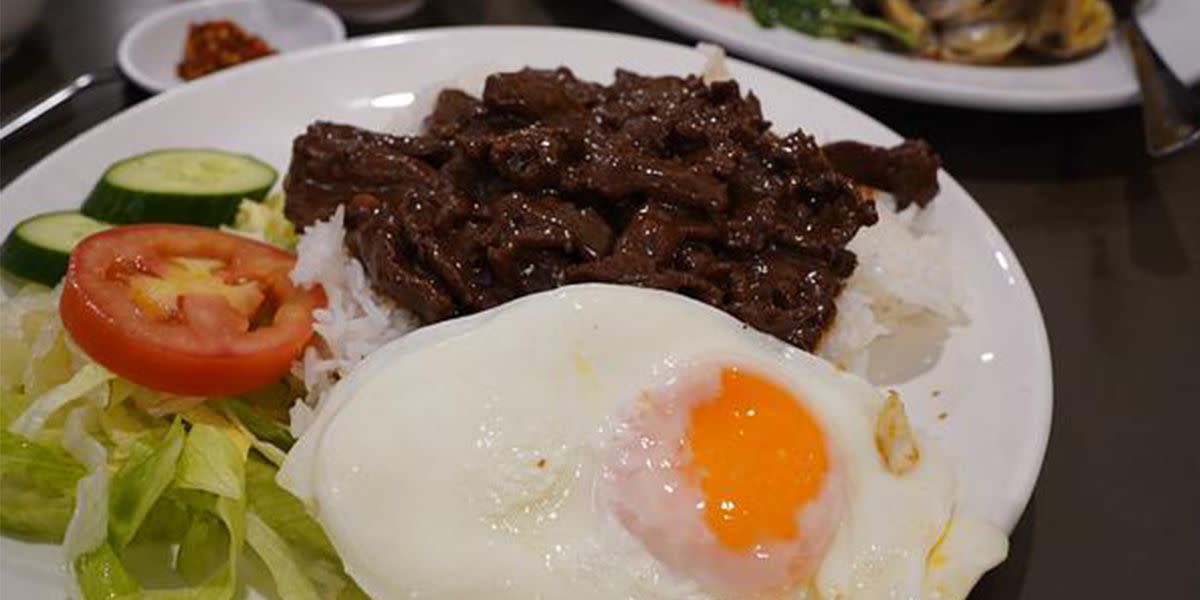
Bò lúc lắc, or "shaking beef," gets its name from the quick tossing motion used to stir-fry the beef in a hot pan. The dish features tender cubes of marinated beef seared with garlic, onion, and bell peppers until caramelized on the outside and juicy on the inside.
Served over greens or watercress with a lime and black pepper dipping sauce, bò lúc lắc is one of the more elegant Vietnamese dishes. It shows how simple ingredients and bold technique can create something truly special.
15. Bún riêu (crab and tomato noodle soup)
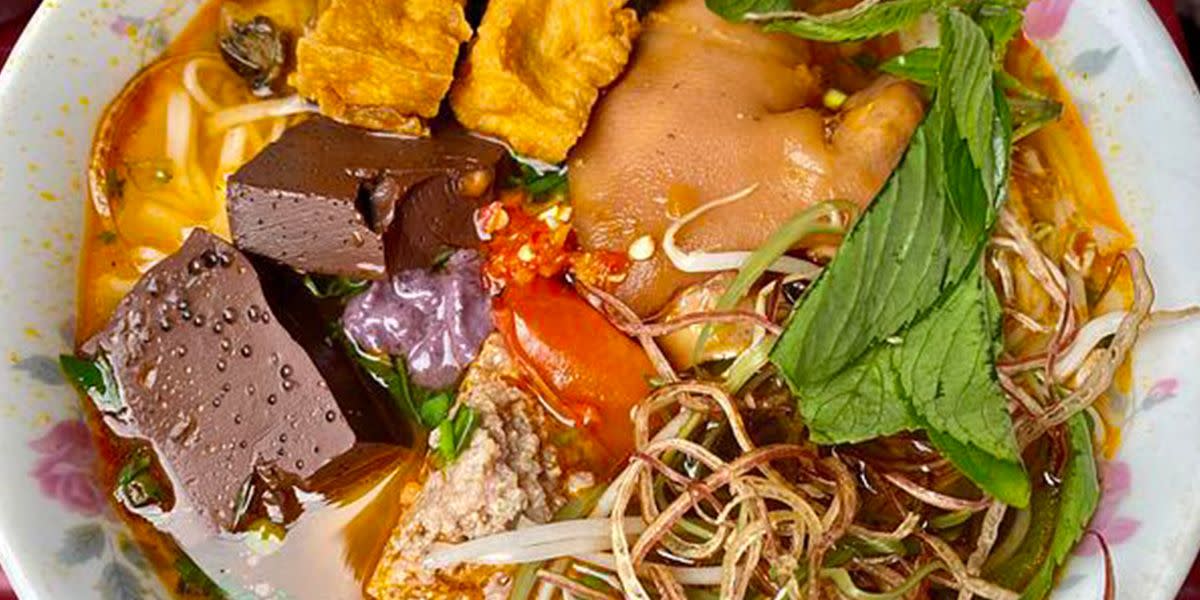
Bún riêu is a northern Vietnamese noodle soup made with a tangy tomato broth and a crab-based paste that gives the dish its signature richness. It’s both light and deeply satisfying, with layers of acidity and umami in every spoonful.
The soup is built on vermicelli noodles and topped with ingredients like tofu, pork, and sometimes congealed pig’s blood. Fresh herbs, lime, and chili are served on the side so diners can adjust the flavor to their liking.
This dish highlights the complexity and balance that define traditional Vietnamese food.
16. Bánh khọt (mini savory pancakes)
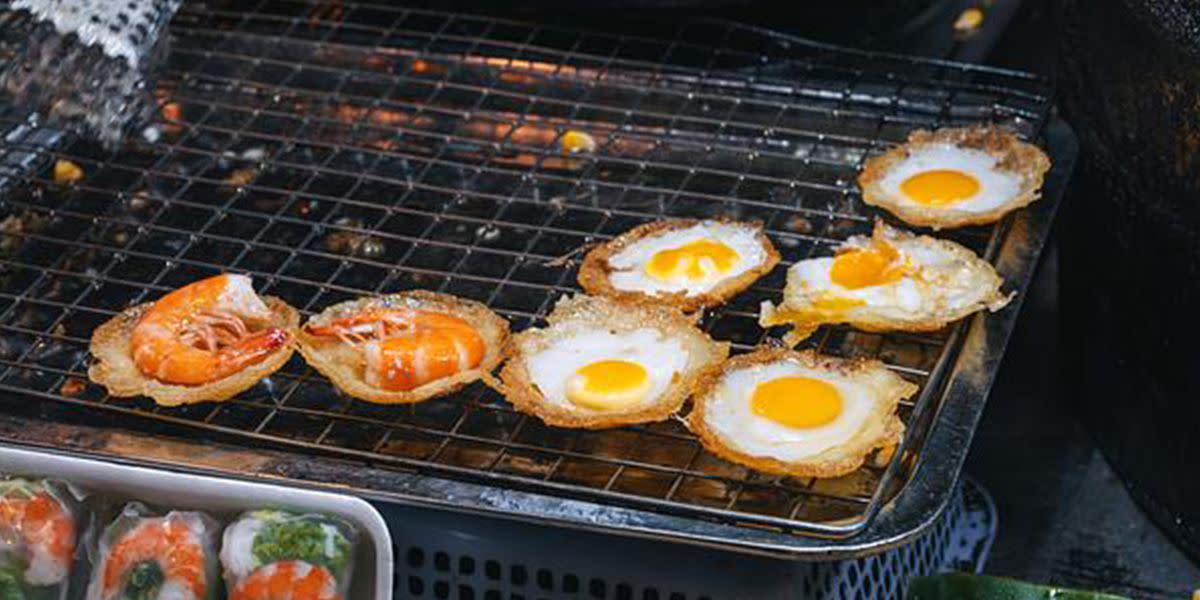
Bánh khọt are small, crispy rice flour pancakes that pack a lot of flavor into just a few bites. Cooked in a cast-iron pan with round molds, these mini pancakes develop a golden crust on the outside while staying slightly soft inside.
Each one is topped with shrimp, scallions, and sometimes a splash of coconut cream. Like many Vietnamese dishes, they’re served with lettuce and herbs for wrapping, plus a side of fish sauce for dipping.
Bánh khọt are especially popular in southern Vietnam and showcase how Vietnamese food turns simple street fare into something complex and memorable.
17. Bánh chưng / Bánh tét (holiday sticky rice cakes)
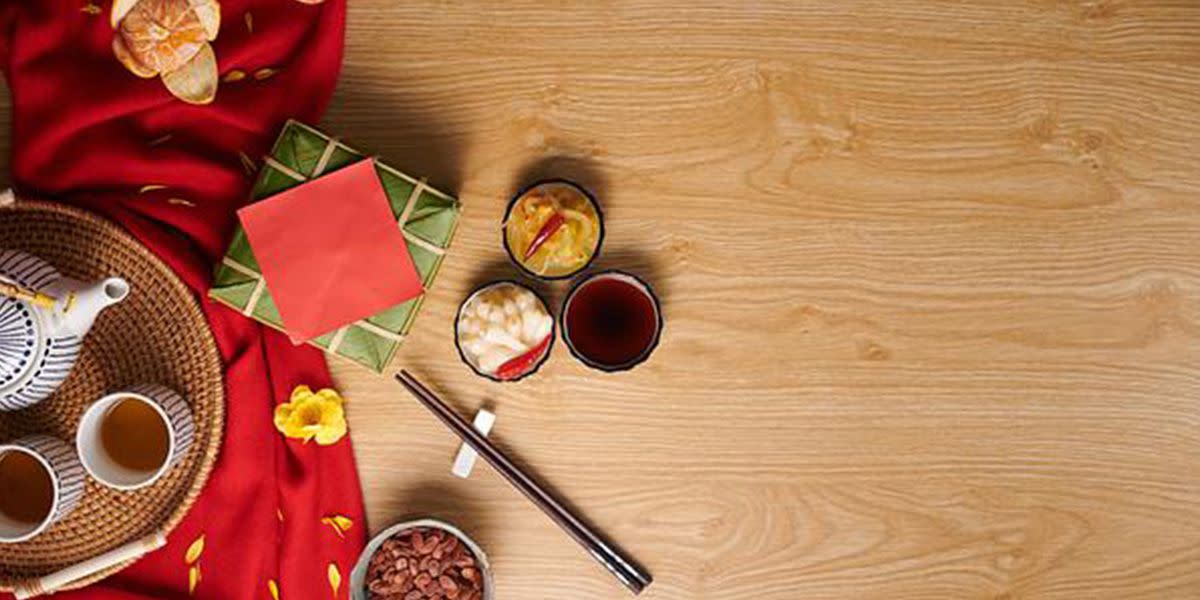
Bánh chưng and bánh tét are traditional Vietnamese foods served during Tết, the Lunar New Year. Both are made with glutinous rice, mung beans, and fatty pork, but they differ in shape and regional origin.
Bánh chưng is square and popular in the north, symbolizing the earth. Bánh tét is cylindrical and common in the south, representing the moon. Both are wrapped in banana leaves and boiled for hours, resulting in dense, savory rice cakes that are deeply symbolic and tied to family tradition.
These dishes are more than just food. They’re a celebration of heritage and unity.
18. Chè (sweet dessert soup)
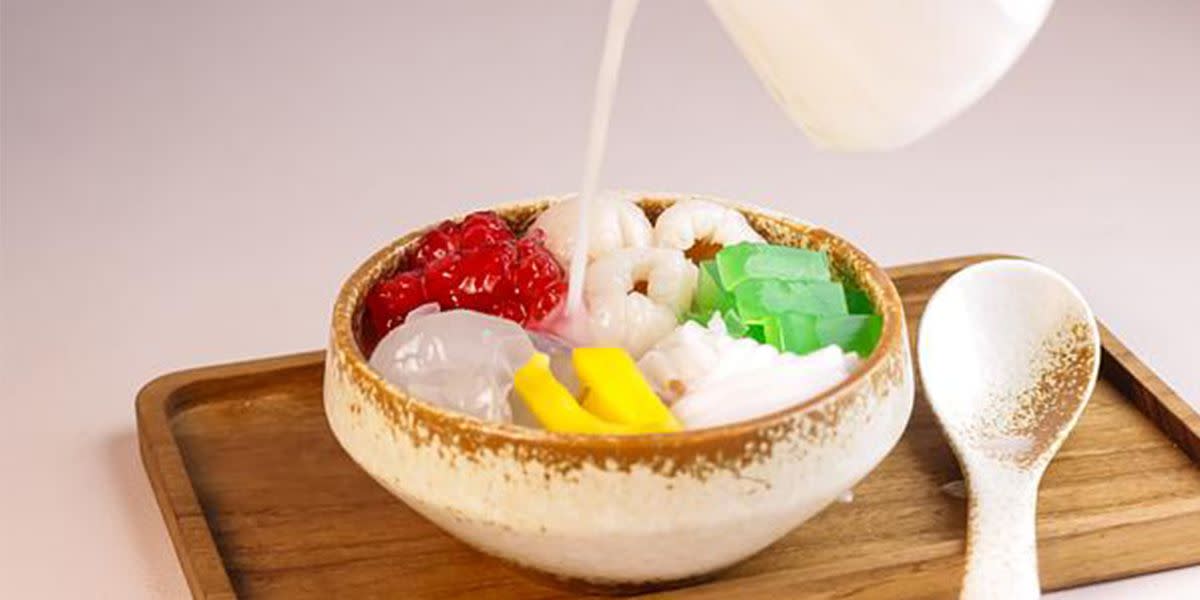
Chè refers to a wide variety of Vietnamese dessert soups and puddings that combine ingredients like beans, jellies, fruits, and tapioca in sweetened coconut milk or syrup. Served warm or cold, chè is as much a drink as it is a dessert.
Popular variations include chè ba màu (three-color dessert), chè chuối (banana and coconut milk), and chè bắp (sweet corn with tapioca). Each version is colorful, textural, and totally satisfying.
Chè brings a playful finish to the Vietnamese meal experience and shows how balance applies even to sweets in Vietnamese cuisine.
Tips for savoring Vietnamese food at home
Sourcing fresh ingredients
Bringing the flavors of Vietnamese cuisine into your kitchen starts with a few essential ingredients. These pantry staples form the foundation of many traditional Vietnamese dishes and make it easy to build bold, balanced meals at home.
Stock your pantry with:
Fish sauce – the backbone of Vietnamese flavor. Look for brands like Red Boat for clean, high-quality options.
Rice paper wrappers – perfect for making fresh spring rolls like gỏi cuốn.
Rice noodles – both thin vermicelli for salads and thicker noodles for soups like phở.
Coconut milk – used in both savory curries and sweet desserts.
Palm sugar – a less processed sweetener that adds depth and complexity.
Freshness matters in Vietnamese cooking. Crisp herbs, seasonal produce, and high-quality pantry items make a huge difference. For the best selection, visit your local Asian grocery store or explore online markets that specialize in Southeast Asian ingredients.
Balancing essential flavors
The heart of Vietnamese cuisine is balance. Every dish is crafted to bring together five key tastes—sweet, sour, salty, spicy, and umami—in a way that feels vibrant and complete.
To start building flavor at home, try these simple techniques:
Add lime juice or rice vinegar to introduce acidity and brightness
Use fish sauce for saltiness and savory depth
Incorporate palm sugar or honey for gentle sweetness
Include fresh chilies or chili sauce to bring in heat and complexity
Fresh herbs are just as important as any spice or sauce. Cilantro, mint, Thai basil, and Vietnamese coriander (rau răm) aren’t just garnish. They’re essential to the flavor structure. These herbs add lift, freshness, and contrast that bring every Vietnamese dish to life.
Exploring Vietnam's culinary heritage
Vietnamese cuisine is a reflection of the country itself. It’s shaped by geography, history, and centuries of cultural exchange. Northern dishes are known for their subtle flavors and Chinese influence. Central Vietnam brings bold, spicy recipes rooted in royal tradition. Southern cooking celebrates abundance with sweet, herb-filled meals shaped by tropical ingredients and neighboring cuisines.
These 18 Vietnamese dishes represent only a glimpse into the country’s diverse food landscape. Each one tells a story of resilience, creativity, and a deep respect for balance. They take humble ingredients and turn them into something unforgettable.
If you're ready to explore authentic Vietnamese flavors without learning every technique from scratch, we make it easy. Our Vietnamese-inspired meals are crafted by real chefs who understand the cuisine’s depth, simplicity, and soul. Browse the weekly menu and bring regional Vietnamese food straight to your table.
Frequently asked questions about Vietnamese foods
Which vegetarian options exist in Vietnamese cuisine?
Vietnamese Buddhist traditions have created numerous vegetarian specialties including vegetarian phở with mushroom broth, tofu-filled bánh mì, and vegetable-packed spring rolls. Many classic dishes can be adapted by substituting tofu or mushrooms for meat while maintaining authentic flavor profiles.
What makes Vietnamese cuisine different from other Asian foods?
Vietnamese cuisine stands apart through its emphasis on fresh herbs, minimal oil, balanced flavors, and French colonial influences seen in dishes like bánh mì. Unlike many Asian cuisines, Vietnamese cooking focuses on lightness and contrast rather than heavy sauces or intense spice.
How healthy is traditional Vietnamese food?
Traditional Vietnamese food ranks among the world's healthiest food traditions due to its abundance of fresh vegetables, minimal oil, lean proteins, and emphasis on herbs rather than heavy sauces. Most dishes naturally balance nutrition and flavor without excessive calories or processed ingredients.
What are the most important condiments in Vietnamese cooking?
Fish sauce (nước mắm) forms the cornerstone of Vietnamese flavor, while table condiments including fresh chilies, lime wedges, and chili-garlic sauce allow diners to customize dishes to their taste. These condiments enable personal adjustments to the sweet-sour-salty-spicy balance that defines Vietnamese cuisine.

Be the first to know about new offers
Multiorder discounts, free items and more.