Back
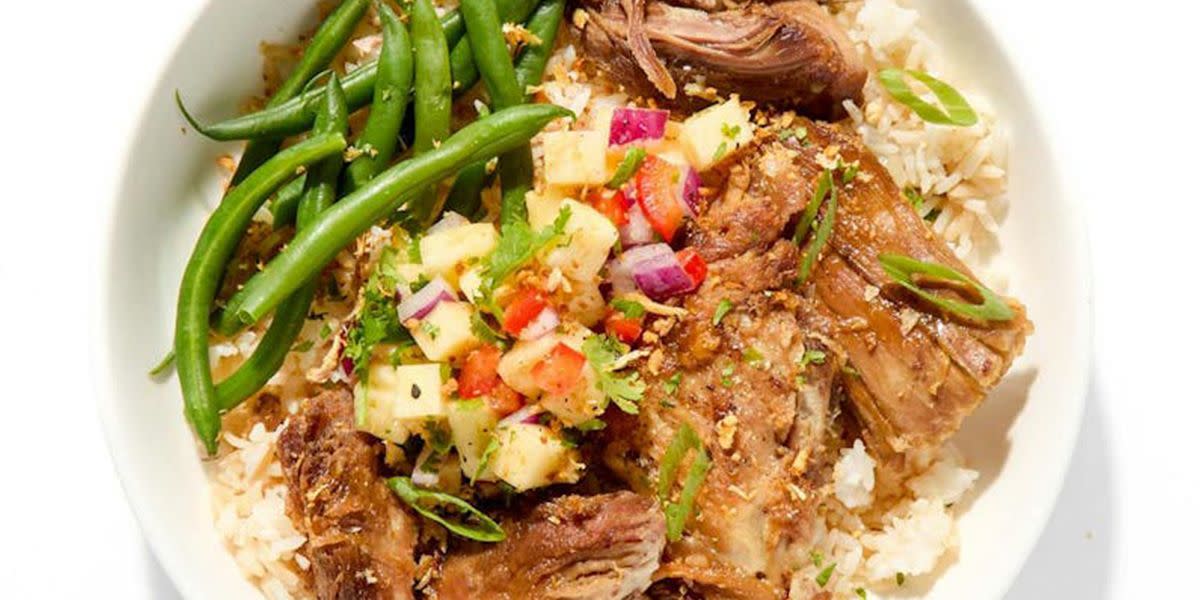
Picture this: pork so tender it practically melts off your fork, kissed with the rich, earthy smokiness of fire and lava rock. That’s kalua pork: Hawaiian cuisine at its most soulful. More than just a meal, it’s a celebration of tradition, resourcefulness, and the flavors of the islands. In this article, we’ll dive deep into what kalua pork is, how it’s traditionally made, and how you can recreate its magic at home (no backyard pit required). Whether you're curious about kalua pig, Hawaiian pork recipes, or simply exploring iconic Hawaiian food, you’re in the right place.
Key takeaways:
Kalua pork (also known as kalua pig) is traditionally slow-cooked in an underground oven called an imu, using hot lava rocks, banana or ti leaves, and Hawaiian sea salt to infuse the meat with a signature smoky flavor.
While you won’t need to dig a pit, you can replicate the magic at home using your oven, slow cooker, or pressure cooker, with a little liquid smoke for that island aroma.
This iconic dish holds deep cultural roots in Hawaiian cuisine, often served at luaus and large gatherings as a symbol of community, celebration, and connection.
For best results, choose pork shoulder or pork butt, which are rich in fat and collagen and break down beautifully during slow cooking to deliver that fall-apart texture kalua pork is known for.
What is kalua pork?
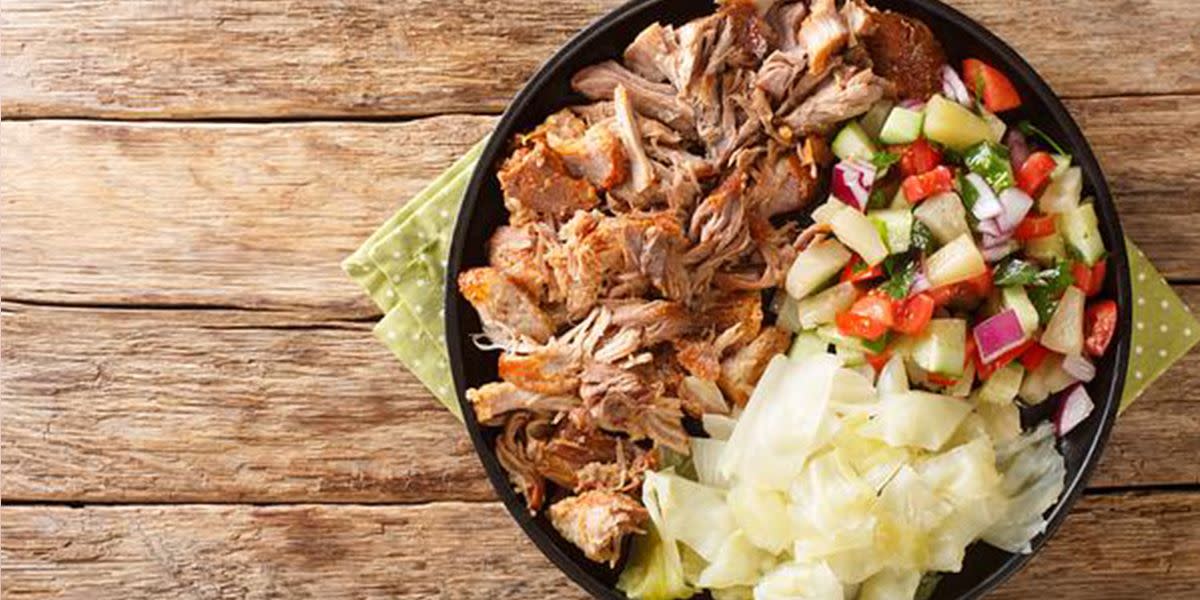
Kalua pork is a beloved Hawaiian dish made by slow-cooking pork in an underground oven called an imu, which creates meat so tender it practically falls apart. This traditional method infuses the pork with a rich, smoky flavor that’s become a signature of Hawaiian cuisine.
The word “kalua” refers to the cooking technique itself, which involves seasoning a pork shoulder or whole pig with Hawaiian sea salt, wrapping it in banana or ti leaves, and cooking it underground for several hours using heated lava rocks. Don’t confuse it with Kahlúa, the coffee liqueur—the two couldn’t be more different.
This ancient method not only brings out unforgettable flavor but also reflects deep cultural roots. Kalua pig often takes center stage at Hawaiian luaus and special celebrations, symbolizing both abundance and community. At CookUnity, Chef Armando Litiatco's Slow-Roasted Kalua Pulled Pork reimagines this classic dish using modern techniques that stay true to its island soul.
Traditional Hawaiian cooking and the imu method
The imu is more than just an underground oven. It’s a symbol of Hawaiian tradition, ingenuity, and the communal spirit that defines Hawaiian cuisine. For centuries, this earth oven has been used to prepare food for large gatherings, especially the slow-cooked kalua pig that anchors many Hawaiian celebrations.
Using the natural elements of the islands, Hawaiians developed this method by heating lava rocks in a pit dug into the ground. The rocks radiate steady heat for hours, gently cooking the pork and infusing it with a distinctive smoky flavor. Moisture from surrounding vegetation, like banana stumps or ti leaves, creates steam that helps break down tough fibers and keeps the meat succulent.
The imu cooking technique speaks to Hawaii’s deep connection with the land. It’s a beautiful example of how Hawaiian food is shaped by its environment: resourceful, respectful, and deeply rooted in cultural identity.
The underground oven setup
Building a traditional imu is both an art and a ritual. It starts with digging a pit—usually between 2 to 4 feet deep—to form the foundation of this ancient Hawaiian cooking method. At the base, large lava rocks are stacked and heated until glowing hot, creating the long-lasting heat source essential to kalua pork.
Once the rocks are ready, a layer of moist vegetation—typically banana stumps or ti leaves—is placed over the rocks. This layer generates steam and protects the pork from direct heat. The seasoned and leaf-wrapped pork is placed on top, then covered with more vegetation, followed by layers of wet burlap and soil to seal in the heat and moisture.
The result is a natural, underground pressure cooker that works its magic over several hours. As the rocks slowly release their stored heat, the pork becomes incredibly tender, its fibers breaking down into that signature, fall-apart texture that makes kalua pig unforgettable.
Banana leaves and Hawaiian salt
In traditional kalua pork preparation, the ingredients may be simple, but each one plays a vital role—starting with the banana leaves.
These large, flexible leaves are more than just wrapping. They:
Protect the pork from direct contact with the earth during imu cooking
Lock in moisture throughout the long cook, preventing the meat from drying out
Impart subtle flavor, adding a hint of earthy, herbal aroma to the final dish
Then there is Hawaiian salt, also known as alaea salt, which gives kalua pig its depth and complexity. This coarse, reddish-brown salt gets its color from volcanic clay rich in iron oxide. But it is not just about color. It is about flavor. Hawaiian salt:
Seasons the pork naturally and evenly
Tenderizes the meat during cooking
Adds trace minerals that enhance the overall flavor profile in a way that regular salt cannot replicate
Together, banana leaves and Hawaiian sea salt create the foundation for one of the most iconic dishes in Hawaiian cuisine.
Enjoy fresh pork shoulder meals made by award-winning chefs.
Essential ingredients for authentic flavor
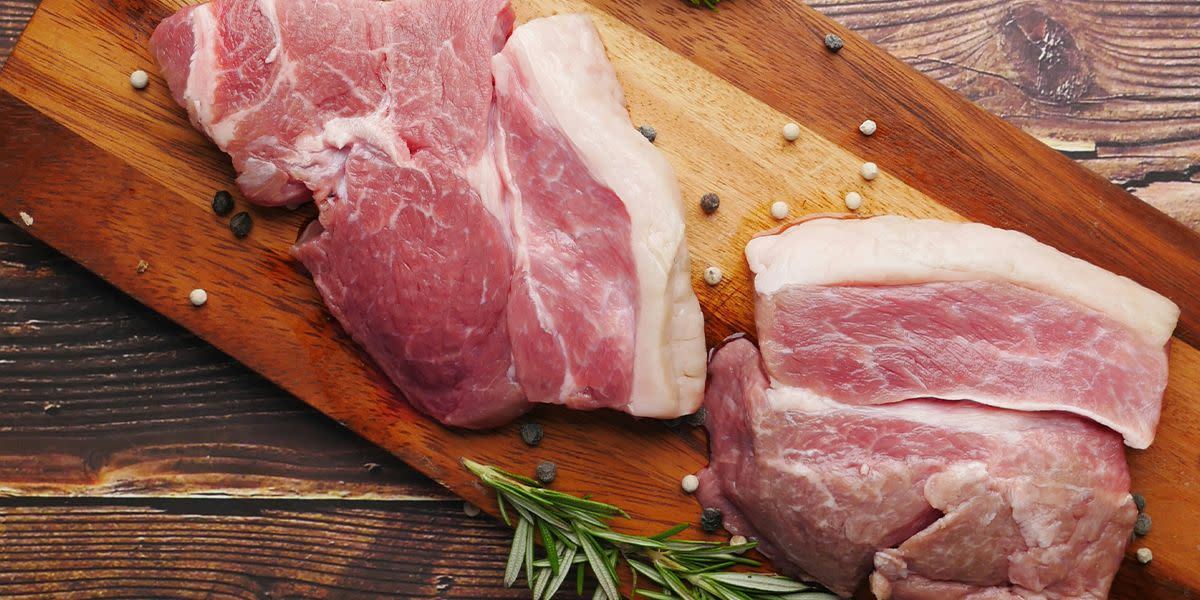
Traditional kalua pork proves that great food does not have to be complicated. With just a handful of ingredients, this dish showcases how simple elements, when treated with care, can deliver extraordinary depth of flavor.
This minimalist approach is rooted in Hawaiian cooking philosophy, where the focus is on quality and technique rather than heavy seasoning. The long, slow cooking process coaxes out the pork’s richness, creating a naturally smoky, savory flavor that needs no added sauces.
What makes kalua pork truly special is how it lets the ingredients speak for themselves. It is comfort food with soul: humble, honest, and deeply satisfying.
Pork butt or shoulder: The perfect cut for kalua pork
When it comes to making kalua pork, the cut of meat makes all the difference. Pork butt (which actually comes from the upper shoulder) and pork shoulder are the top choices thanks to their rich marbling and high collagen content.
During slow cooking, the collagen gradually breaks down into gelatin, giving the meat its signature juicy, pull-apart tenderness. The natural fat in these cuts also acts as a built-in baster, keeping the pork moist and flavorful throughout the long cooking process.
At traditional Hawaiian luaus, a whole kalua pig is often prepared in an imu. But for home cooks, pork shoulder delivers consistent results without the need for a full underground oven. It is practical, flavorful, and stays true to the dish’s roots.
Hawaiian sea salt: A key to authentic flavor
No authentic kalua pork is complete without Hawaiian sea salt, especially the iconic red alaea salt. This coarse, mineral-rich salt gets its distinctive reddish hue from volcanic clay high in iron oxide. More than just color, that clay adds a gentle earthiness and trace minerals that enhance the pork’s natural flavor.
The coarse grains dissolve slowly during cooking, allowing the salt to penetrate the meat evenly and deeply. It not only seasons the pork but also helps tenderize it over time.
If you cannot find Hawaiian salt, a high-quality coarse sea salt can work as a substitute. Just note that it may lack the subtle complexity that makes kalua pork so unique.
Steps to make kalua pork at home
You may not have a backyard pit or lava rocks, but that does not mean you have to miss out on the magic of kalua pork. With a few clever tweaks, you can recreate the soul of this traditional Hawaiian dish in your own kitchen.
The goal is to mimic the gentle, slow-cooked tenderness and smoky flavor that define Hawaiian pork. Whether you are using an oven, a slow cooker, or a pressure cooker, the key ingredients and a bit of patience go a long way.
While nothing can fully replicate the experience of an imu-cooked kalua pig, these home-friendly methods come surprisingly close, and the results are still rich and flavorful.
Preparing the pork
Start with a well-marbled pork shoulder for the best results. This cut delivers the richness and tenderness that make kalua pork so irresistible. Trim the fat cap just enough to balance flavor and texture—too much fat can overwhelm the meat, but just enough will keep it juicy during the long cook.
Score the remaining fat in a diamond pattern to help the seasoning soak in and promote even cooking. Rinse the pork under cold water and pat it completely dry with paper towels. This step is important for developing flavor, helping the salt and smoke absorb more effectively.
This kind of thoughtful prep is the foundation of tender, fall-apart pork. It is the same care you will find in dishes like Chef Chris Ratel’s BBQ Pulled Pork, where simple techniques lead to deeply flavorful results.
Seasoning and wrapping
To bring out the bold, savory character of kalua pork, start by seasoning the meat generously with Hawaiian sea salt. Make sure to work it into the scored fat and any crevices so the flavor penetrates deeply. You can adjust the amount to suit your personal taste, but don’t be shy—salt is essential to this dish’s signature flavor.
If you are using liquid smoke to replicate the traditional imu-cooked aroma, drizzle it lightly and evenly over the pork. A little goes a long way in capturing that subtle, smoky essence.
For wrapping, banana leaves are ideal. Soften them by quickly passing over a gas flame or dipping in hot water, then wrap the pork completely to lock in moisture and infuse a delicate layer of flavor. If banana leaves are not available, heavy-duty aluminum foil works well and helps retain the steam during cooking.
Prefer to skip the prep and leave the cooking to the experts? Explore the weekly menu and select your meals.
Modern cooking methods to replace the imu
While traditional imu cooking delivers the most authentic version of kalua pork, you can still create incredible results using modern kitchen tools. Each method brings its own advantages, and the right choice depends on your time, tools, and taste.
Whether you are using an oven, slow cooker, pressure cooker, or even a smoker, the goal remains the same. You want tender, flavorful pork with that subtle smoky flavor and a texture that falls apart with the touch of a fork.
With the right technique and a few thoughtful ingredients, you can enjoy the essence of Hawaiian pork without having to build a pit.
Oven technique
The oven method is one of the easiest and most approachable ways to make kalua pork at home. Start by preheating your oven to 325°F (165°C). Place your seasoned and wrapped pork shoulder in a roasting pan with a small amount of water in the bottom. This added moisture helps mimic the steamy, enclosed environment of a traditional imu.
Let the pork cook low and slow until it becomes fork-tender and juicy. You're aiming for a deep, rich texture and an internal temperature of at least 195°F (90°C) for easy shredding.
To capture the signature smoky flavor, mix a teaspoon of liquid smoke with a tablespoon of water and sprinkle it over the pork before wrapping. The result is a deeply satisfying dish that pays tribute to tradition without requiring a fire pit.
Want to skip the prep? Chef Armando Litiatco’s Slow-Roasted Kalua Pulled Pork on CookUnity delivers all the flavor of the islands, crafted with modern care.
Slow cooker or Instant Pot
If you are looking for convenience without sacrificing flavor, both the slow cooker and Instant Pot offer excellent options for making kalua pork at home.
For the slow cooker method, place your seasoned pork shoulder in the insert with about ¼ cup of water. Add a teaspoon of liquid smoke if you want that signature Hawaiian-style smokiness. Cook on low for 8 to 12 hours or on high for 4 to 6 hours, until the pork is tender and shreds easily with a fork.
If you are short on time, the Instant Pot can help you get tender results fast. Cut the pork into large chunks, season well, and use the pressure cook function. Cook until the meat is fall-apart soft, then let the pressure release naturally to keep the texture moist and even.
Both methods bring out the best in this simple yet soulful dish. Chef Fabiola Rivera’s Pulled Pork BBQ Platter is a great example of how slow-cooked techniques create bold, deeply satisfying flavors—whether traditional or reinvented.
Comparison of cooking methods:
Method | Cooking time | Authenticity | Convenience | Best for |
|---|---|---|---|---|
Oven | 5-7 hours | Good | High | Most home cooks |
Slow Cooker | 8-12 hours | Good | Very High | Busy schedules |
Instant Pot | 90-120 minutes | Fair | Very High | Quick results |
Smoker | 8-12 hours | Excellent | Moderate | Flavor enthusiasts |
Serving and pairing suggestions
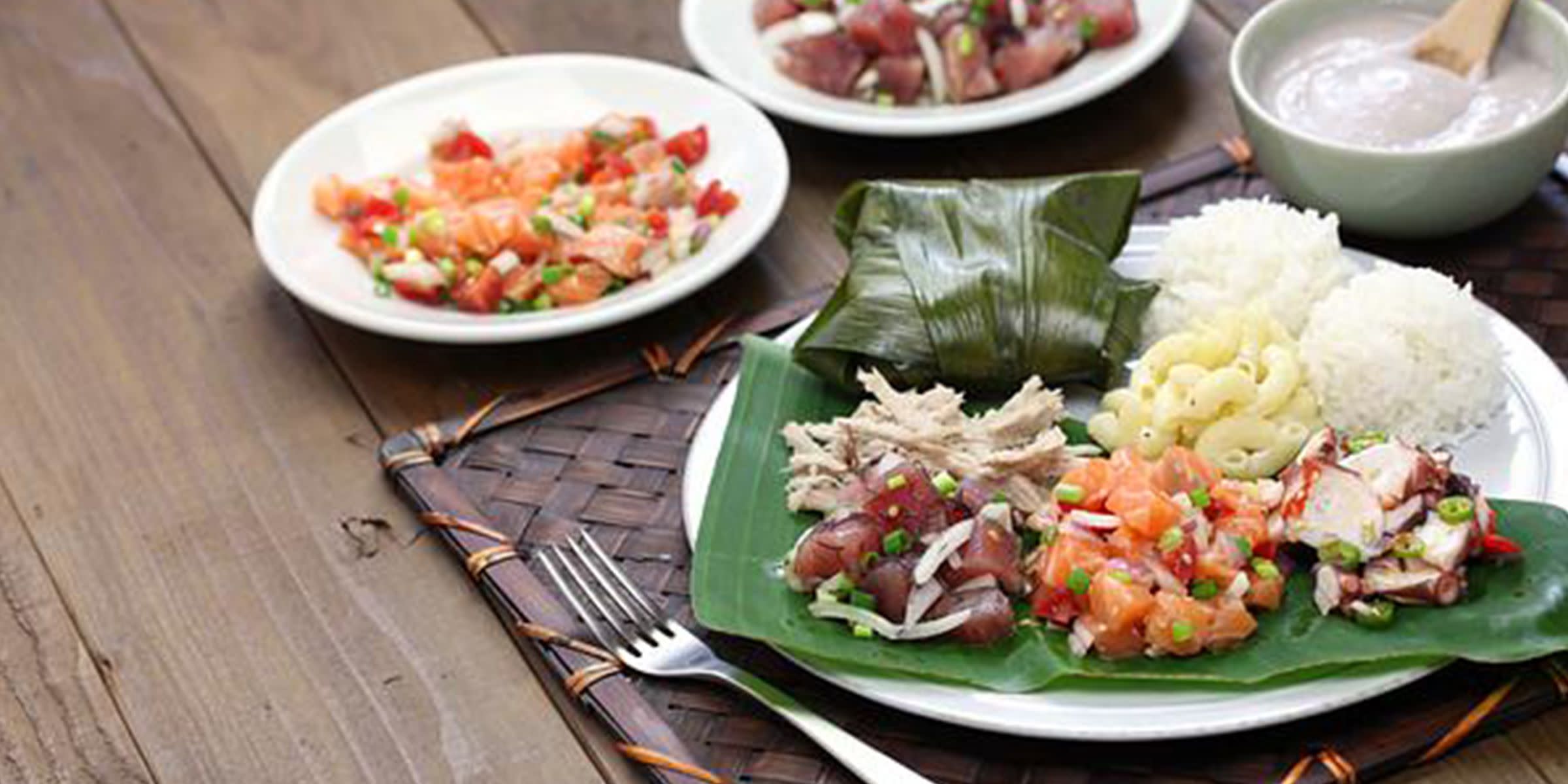
Kalua pork is a dish that plays well with tradition and creativity. Its deep, smoky flavor and melt-in-your-mouth texture make it the perfect centerpiece for everything from backyard dinners to festive gatherings.
In classic Hawaiian dishes, kalua pork is often served with steamed white rice and creamy macaroni salad. But it also shines in more modern takes—think tacos with pineapple salsa, pulled pork sandwiches, or even grain bowls with roasted veggies.
Thanks to its versatility, kalua pork has found a home far beyond the islands. Whether you keep it traditional or mix in global flavors, its rich, slow-cooked character makes every plate feel like something worth celebrating.
Plate lunch tradition
The Hawaiian plate lunch is a beloved staple of local food culture. It brings together bold flavors and comfort in a simple, satisfying way. A typical plate features kalua pork served with two scoops of steamed white rice and a side of creamy macaroni salad.
This combination reflects Hawaii’s rich multicultural food heritage, blending influences from Japanese bento boxes, American diners, and plantation-era lunches. The smoky, tender pork contrasts beautifully with the cool, tangy macaroni salad, creating a balanced and filling meal.
For a twist on the classic, Chef Angelia Cole’s Hawaiian Fried Rice makes a flavorful pairing with kalua pork, capturing the spirit of the plate lunch while adding a modern edge.
Enjoy fresh pork meals made by award-winning chefs and delivered straight to your door.
Creative uses for leftovers
Leftover kalua pork is a gift that keeps on giving. Its rich, smoky flavor makes it a perfect base for easy, flavorful meals the next day—and the day after that.
Turn shredded pork into tacos topped with pineapple salsa and quick-pickled red onions. The sweet and tangy bite balances the savory richness in every bite. Or, for a hearty breakfast, crisp up some pork in a skillet and pair it with eggs and potatoes for a Hawaiian-style hash that kicks off the day with serious flavor.
Feeling adventurous? Try adding leftover kalua pork to fried rice or noodle bowls for a fun fusion twist. Chef Stacy Bareng’s Hawaiian-Style Shrimp Fried Rice is a great example of how island flavors can inspire everyday creativity.
Creative leftover ideas:
Kalua pork tacos with pineapple salsa
Hawaiian-style pulled pork sandwiches
Kalua pork fried rice with vegetables
Kalua pork hash with eggs for breakfast
Why kalua pork matters in Hawaiian culture
In Hawaiian culture, kalua pork is more than a meal. It is a symbol of tradition, community, and connection to the land. Every step of its preparation—from heating lava rocks to wrapping the pork in banana leaves—reflects values of resourcefulness, gratitude, and shared effort.
The traditional imu method is not just about cooking. It is a cultural ritual that honors both ancestors and environment. Using natural elements from the islands, Hawaiians prepare and share food in a way that reinforces their deep respect for the earth and for one another.
Kalua pork continues to connect people across generations. It keeps alive a culinary heritage that predates Western influence, reminding many Hawaiians of who they are and where they come from.
Kalua pork’s role in luaus
A luau is more than just a party—it is a traditional Hawaiian feast that brings people together to celebrate life’s big moments, from weddings and graduations to birthdays and cultural milestones. At the heart of these gatherings is kalua pig, served as the centerpiece of the meal and prepared with intention and care.
The entire imu process often becomes part of the celebration itself. Guests may gather early to witness the pit being uncovered, revealing the tender, smoky pork that has been cooking for hours beneath the earth.
Preparing an imu is a labor of love that embodies Hawaiian values of community and cooperation. Families and friends work side by side to dig the pit, heat the stones, and wrap the meat. This shared effort not only produces enough food for a crowd, but also strengthens the bonds between everyone involved.
Connection to Hawaiian identity
For many Native Hawaiians, traditional foods like kalua pork are expressions of cultural resilience, passed down through generations in the face of colonization and change. Preparing and sharing these foods helps preserve Hawaiian traditions that might otherwise fade, keeping stories, values, and ancestral knowledge alive.
The act of cooking kalua pig using time-honored methods like the imu is deeply symbolic. It connects families to the land, to each other, and to a lineage that stretches far beyond the present day.
Kalua pork also reflects Hawaii’s ties to the larger Pacific Islander community. Its preparation techniques share roots with other Polynesian cooking traditions, reminding us that food is not only nourishment, but also identity, memory, and place.
A closing note on Hawaiian tradition
Kalua pork is more than a dish. It is a reflection of Hawaiian ingenuity, cultural pride, and the enduring relationship between food, land, and community. From the ancient imu method to its place at modern gatherings, this dish continues to tell the story of Hawaiian cuisine through flavor, patience, and craft.
While most home cooks do not have access to an underground oven, the spirit of kalua pork can still be honored with simple ingredients and thoughtful technique. With just pork, salt, and smoke, you can create something deeply satisfying. It’s proof that the simplest combinations are often the most powerful.
At CookUnity, Chef Armando Litiatco’s Slow-Roasted Kalua Pulled Pork brings this beloved traditional Hawaiian dish to tables across the country. Whether served with rice in a classic plate lunch or reimagined in a modern meal, kalua pork offers a taste of Hawaii’s rich culinary legacy—one that’s meant to be shared.
Frequently asked questions about kalua pork
How can I store or freeze leftover kalua pork?
Store leftover kalua pork in airtight containers in the refrigerator, or freeze it in freezer-safe bags with the air pressed out to help preserve its quality.
Is there a difference between kalua pork and kahlua pork?
Yes, "kalua" refers to the traditional Hawaiian cooking method in an underground oven, while "kahlua" is a coffee liqueur brand; they are completely unrelated despite the similar spelling.
Can I use the kalua method for meats other than pork?
The kalua cooking method works well with chicken, turkey, and beef, though pork remains the traditional and most popular choice in Hawaiian cuisine.

Be the first to know about new offers
Multiorder discounts, free items and more.