Back
Caribbean cuisine is a rich mosaic of flavors, history, and heritage, layered with influences from Africa, Europe, Asia, and the Indigenous cultures of the islands. This guide dives deep into the heart of Caribbean food, uncovering the ingredients, techniques, and stories that define authentic Caribbean cuisine. From bold spices to time-honored traditions, explore how Caribbean culture comes alive in every pot, pan, and plate.
Key takeaways:
Caribbean cuisine blends African, Indigenous, European, and Asian influences to create distinctive flavors that vary across islands.
Essential ingredients include scotch bonnet peppers, plantains, tropical fruits, and unique spice blends that give dishes their characteristic taste.
Popular dishes range from jerk chicken and curry goat to rice and peas, showcasing slow-cooking techniques and complex marinades.
Many Caribbean dishes are naturally adaptable for different dietary needs, with numerous gluten-free and plant-based options available.
What is Caribbean cuisine?
Caribbean cuisine is a vibrant fusion of African, Indigenous, European, and Asian culinary influences, a reflection of the region’s rich and layered history. While every island brings its own twist, there’s a shared rhythm to Caribbean food: bold spices, fresh herbs, and time-honored techniques that turn humble ingredients into deeply satisfying meals.
Rooted in geography and tradition, Caribbean cooking celebrates what's local and in season. From slow-simmered stews to smoky grilled meats, many dishes rely on methods that build rich, complex flavor, making every meal both resourceful and unforgettable. It’s not just what’s on the plate; it’s how it’s made, and the cultural story behind it.
Key characteristics include:
Bold flavors: Features aromatic spices, hot peppers, and tropical fruits
Cultural fusion: Blends African, European, Indigenous, East Indian, and Chinese influences
Fresh ingredients: Relies on locally available seafood, tropical produce, and root vegetables
For an authentic taste of the islands without leaving home, explore our fresh, chef-crafted Caribbean meals that bring island flavors directly to your door.
Essential Caribbean cooking ingredients
The soul of authentic Caribbean cuisine lives in its ingredients: bold, aromatic, and rooted in generations of culinary tradition. These essential Caribbean cooking ingredients reflect the region’s rich cultural mosaic and the creative spirit of its cooks, who transform what’s local and seasonal into unforgettable flavor. From allspice and Scotch bonnet to cassava and coconut, these are the building blocks of true Caribbean food.
1. Scotch bonnet peppers
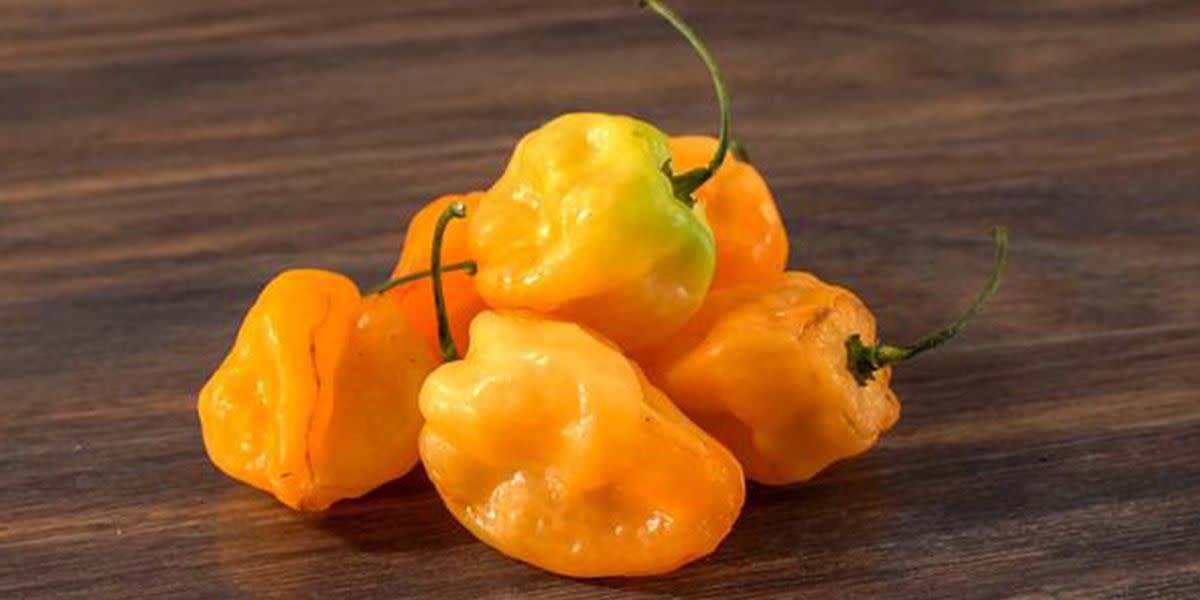
Fiery, fruity, and unmistakably bold, Scotch bonnet peppers are a cornerstone of Caribbean cuisine. Known for their intense heat and tropical undertones, these peppers do more than spice things up. They layer in complexity and character. From jerk marinades to pepper sauces, they’re the flavor spark behind many iconic Caribbean dishes.
2. Plantains and yams
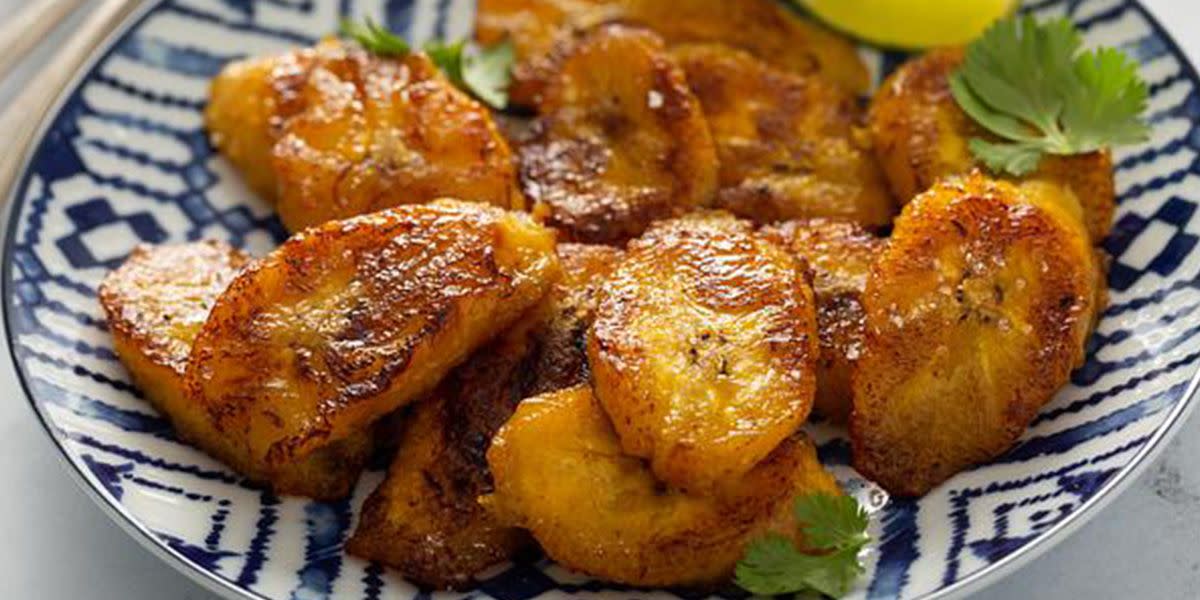
Hearty and versatile, plantains and yams are essential to Caribbean food culture. Green plantains are often fried into crisp, savory tostones, while ripe ones are cooked until sweet and caramelized. Yams, especially in Afro-Caribbean dishes, carry both culinary and cultural significance. They ground meals with comfort, substance, and tradition. These starchy staples aren’t just sides; they’re soul food.
3. Tropical fruits: Mango, papaya, and more
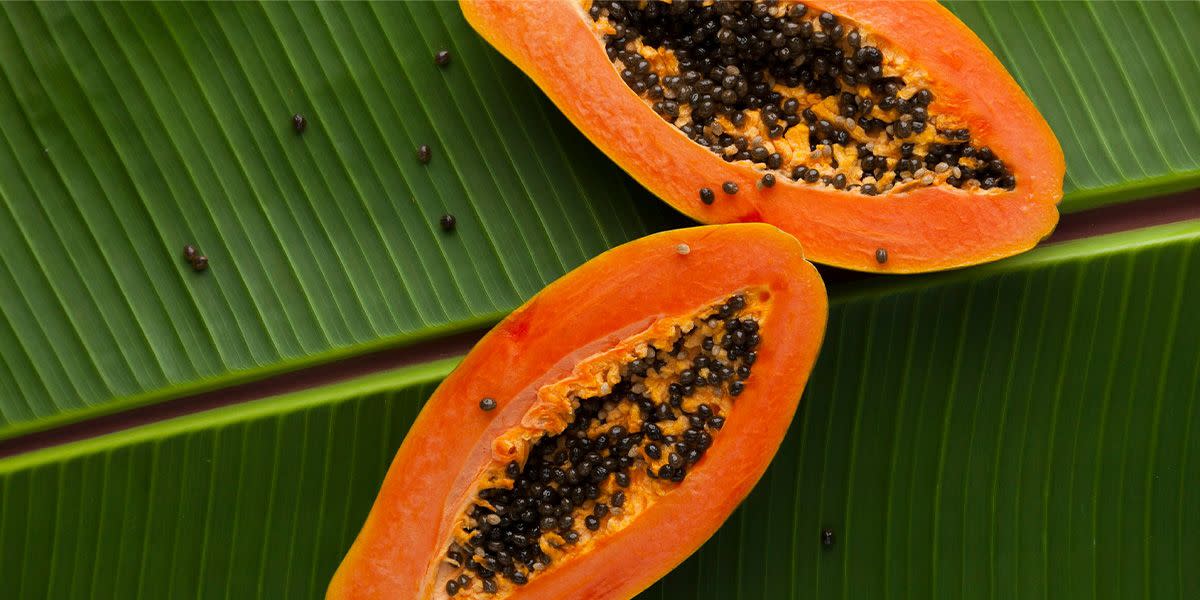
Tropical fruits like mango and papaya bring a lush, juicy brightness to Caribbean cuisine. Their natural sweetness balances the region’s bold spices, showing up in everything from savory chutneys to refreshing desserts. But these fruits don’t just provide flavor. They bring contrast, color, and character to every dish.
Chef’s tip: When handling Scotch bonnet peppers, wear gloves to avoid skin irritation—and never touch your eyes! For a gentler heat, remove the seeds and membrane before cooking.
4. Herbs and spices: Allspice, curry, and more
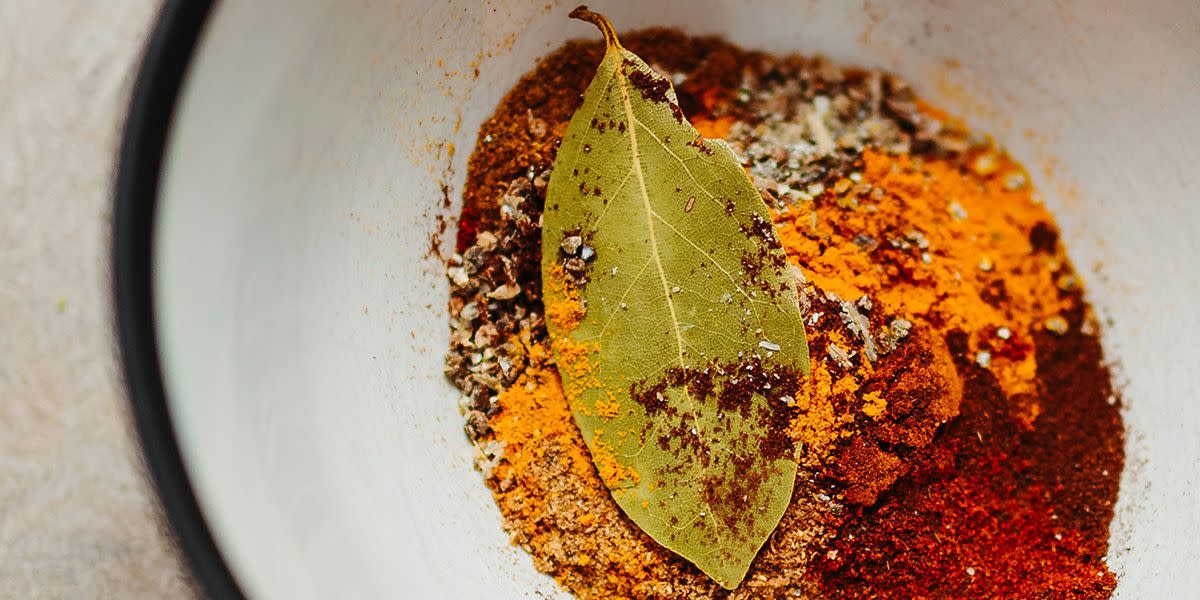
Caribbean cooking is built on bold, aromatic layers. And it all starts with herbs and spices. Each island adds its own spin, but a few staples show up across the region. Allspice, also known as pimento, is the soul of Jamaican jerk, its warm notes echoing cinnamon, nutmeg, and clove. Curry powder, rich with Indian influence, stars in savory stews throughout Trinidad and Jamaica. Earthy thyme anchors countless marinades and broths, while coconut milk lends creamy depth to both spicy and sweet dishes.
These aren’t just seasonings, though. These spices are storytellers, tying each dish to a history of migration, trade, and creative mastery.
Classic appetizers across the islands
Before the main course, Caribbean cuisine offers a tempting array of appetizers that pack big flavor into small bites. Born from street stalls and festive gatherings, these dishes highlight the region’s knack for turning humble ingredients into craveable, shareable moments. Whether fried, stuffed, or spiced just right, these starters offer a delicious first taste of the bold, inventive spirit behind every Caribbean dish.
1. Codfish or conch fritters
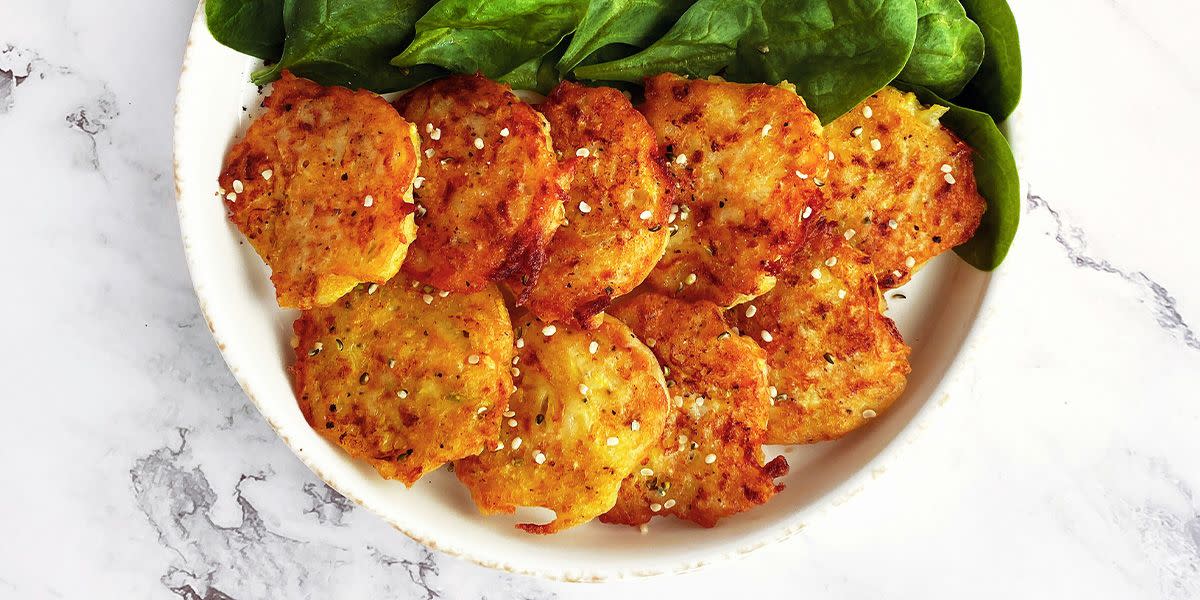
Golden, crispy, and deeply satisfying, fritters are a beloved starter across the islands. Made with salt cod—introduced centuries ago via North Atlantic trade routes—or tender conch, these savory bites are a delicious showcase of Caribbean cuisine’s fusion roots. Blended with herbs, Scotch bonnet, and spices, the batter is fried until perfectly crisp on the outside and soft within. In the French Caribbean, you’ll find accras de morue, while in the Bahamas, conch fritters reign as a true island classic.
2. Patties or empanadas
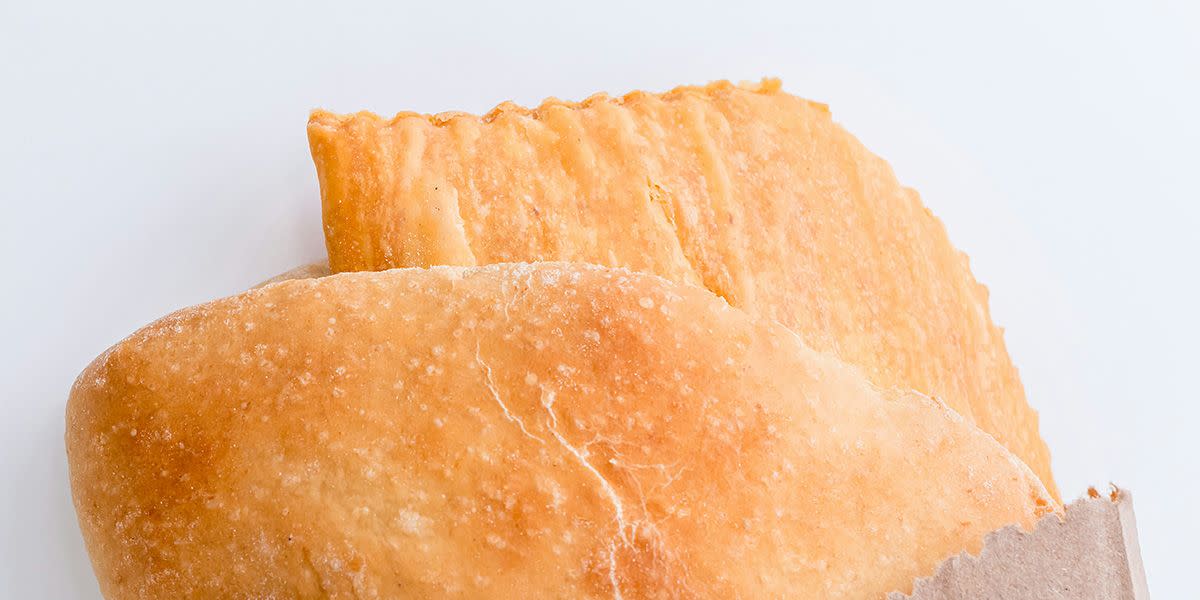
Flaky on the outside and packed with flavor inside, Caribbean patties and empanadas are the ultimate handheld comfort food. Whether filled with spiced beef, curried vegetables, or seasoned seafood, these savory pastries reflect the region’s global culinary heritage. Jamaican beef patties, with their golden turmeric- or curry-tinted crusts, are especially iconic. Originally crafted as hearty meals for workers, these portable bites are now a staple across the islands. They’re a must-try for anyone exploring authentic Caribbean cuisine.
3. Callaloo soup
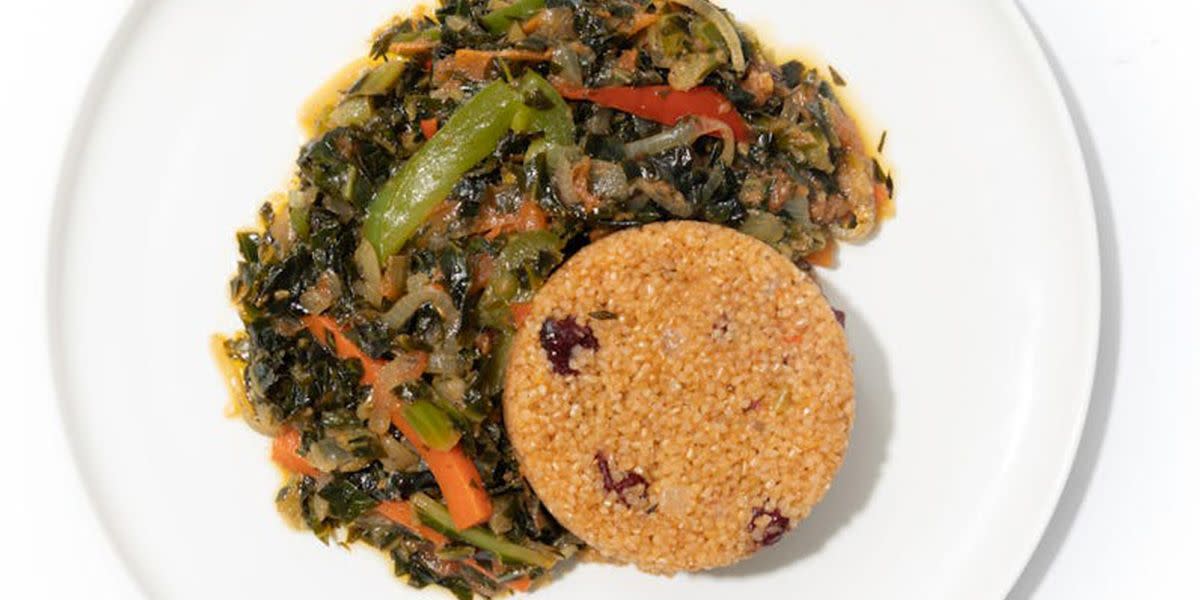
A staple with deep Afro-Caribbean roots, callaloo is both a leafy green and the comforting, flavorful soup made from it. Rich in tradition and nutrient-packed, this dish varies across the islands—sometimes with okra, crab, or coconut milk—but always with a soul-warming depth. At CookUnity, Chef Nahika Hillery honors this heritage in her Jamaican Callaloo, pairing the greens with bulgur and peas in a beautifully balanced, authentic recipe.
Craving a taste of tradition? Explore our weekly menu and bring bold, chef-crafted Caribbean flavors to your table.
Popular Caribbean main dishes
From smoky grills to slow-simmered pots, Caribbean main dishes are the soul of the region’s culinary story. Built on rich marinades, bold spices, and time-honored techniques, these meals reflect a history of resilience and creativity—turning local, accessible ingredients into deeply flavorful, satisfying plates. Passed down through generations, these dishes are more than dinner; they’re tradition, comfort, and celebration all in one.
1. Jerk chicken and pork
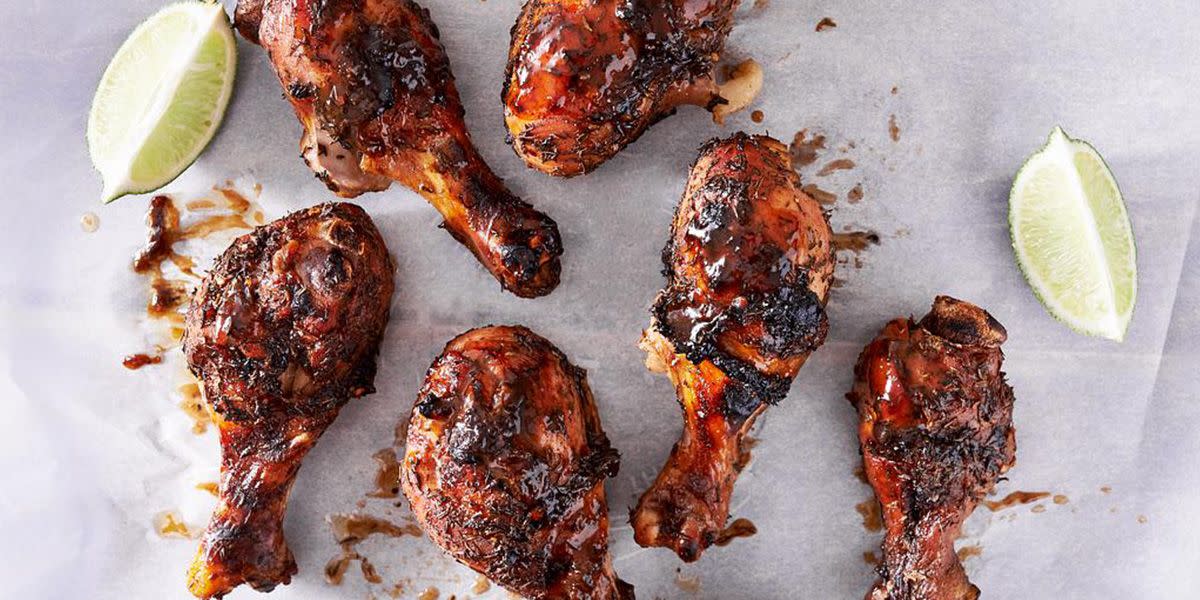
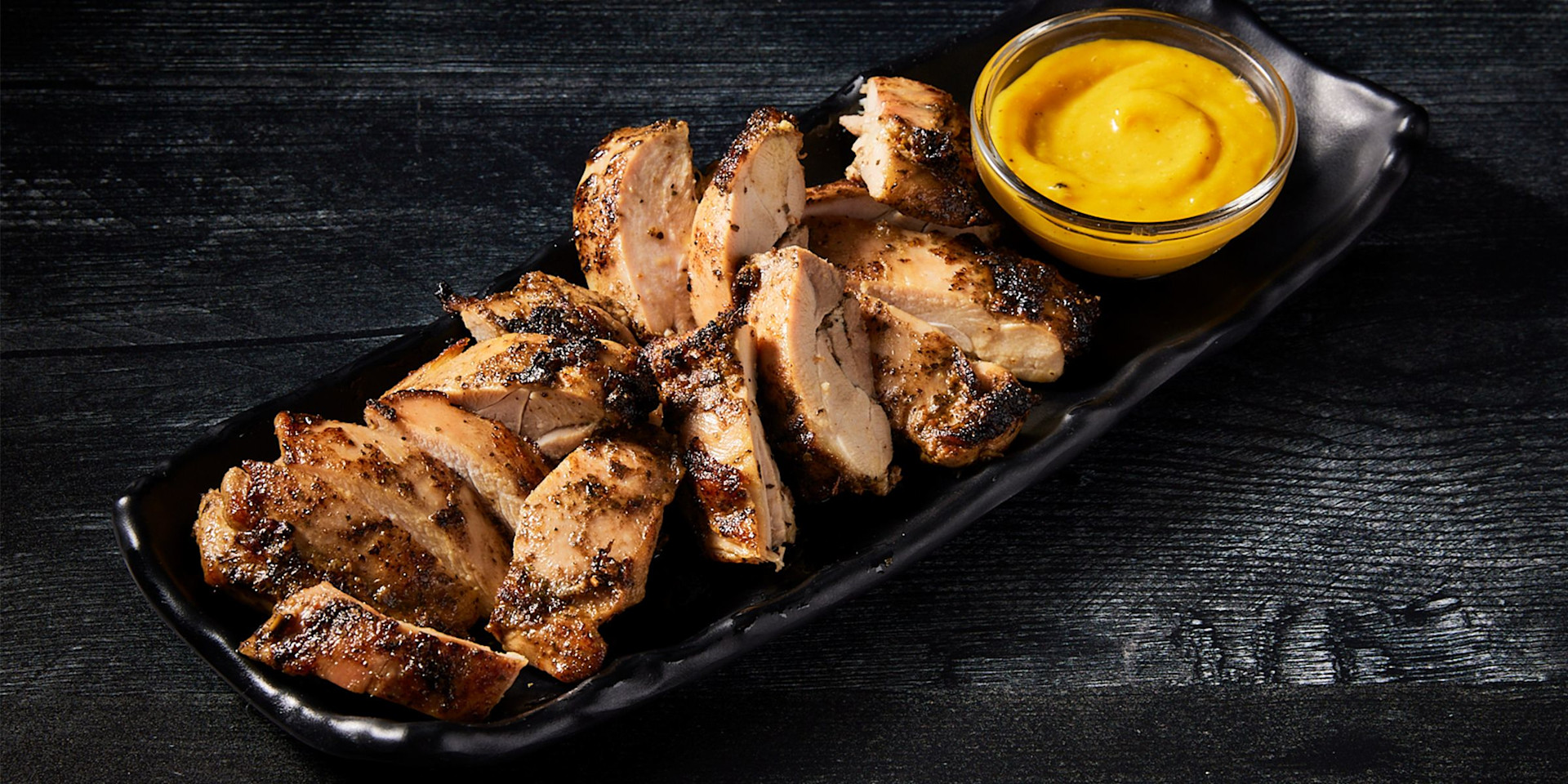
Few dishes capture the essence of Caribbean cuisine like Jamaican jerk. More than a flavor, it’s a technique—born from the Maroons, descendants of escaped enslaved Africans, who used native spices and slow-smoking over pimento wood to preserve and transform meat. The iconic jerk marinade blends allspice, thyme, Scotch bonnet peppers, and a secret symphony of other spices to create its signature heat and depth.
Even the method has roots: the word “barbecue” stems from the Taino term barbacoa, referring to a raised grate used for open-fire cooking. Whether it’s chicken or pork, jerk is fire, flavor, and fierce tradition in every bite.
At CookUnity, Chef Aarthi Sampath brings this legacy to life with her Jamdown Jerk Chicken, a bold, chef-crafted take on the classic. Chicken legs are marinated in her crave-worthy jerk blend, grilled over open flame, and served with coconut rice, beans, and roasted plantains. Salty, sweet, and transportive, it’s a taste of the Caribbean, without the air travel.
2. Mofongo and pernil
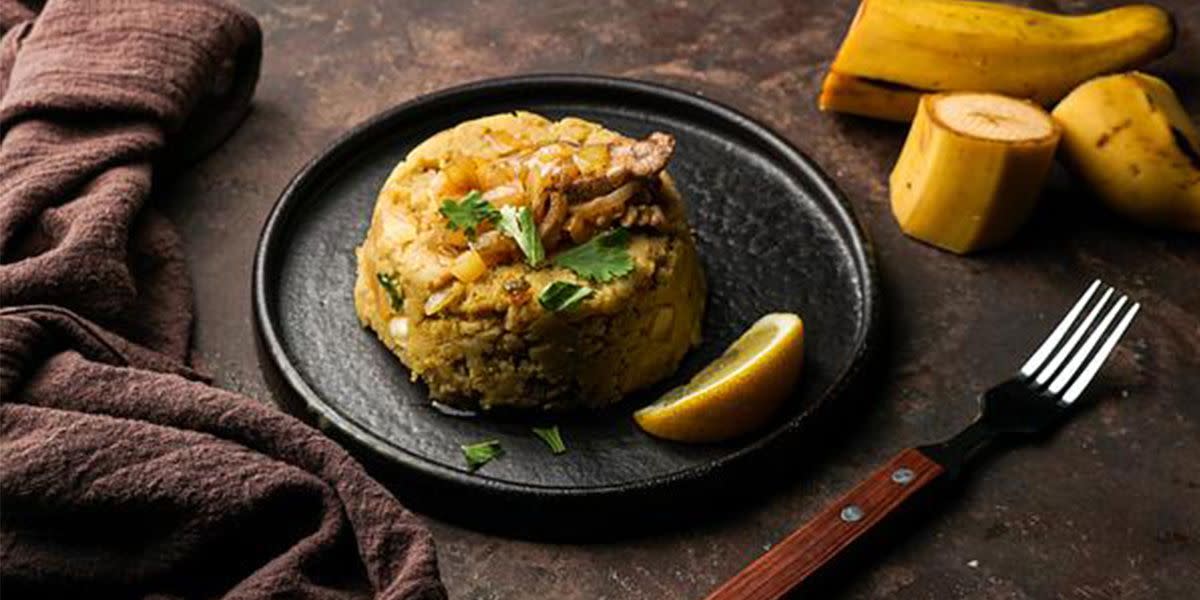
In Puerto Rican Caribbean cuisine, few dishes command a table like mofongo and pernil. Mofongo, made from mashed green plantains, garlic, and crispy pork cracklings, is a flavorful symbol of the island’s Afro-Caribbean, Spanish, and Taíno roots. It’s rustic, rich, and endlessly satisfying.
Pernil—a slow-roasted pork shoulder marinated with garlic, oregano, and citrus—is the soul of many celebratory meals, especially around Christmas. The outside is crisp and caramelized, the inside melt-in-your-mouth tender. Together, these dishes embody the bold, comforting essence of Caribbean food, meant to be savored and shared.
Another beloved dish often served at holidays and family gatherings is Pastelón, Puerto Rico’s answer to lasagna, but with sweet plantains instead of pasta. Chef Fabiola Rivera brings it to life with her Puerto Rican Plantain Lasagna (Pastelón). Sweet plantain slices are layered with seasoned beef picadillo, a rich tomato base, and a gooey cheddar cheese blend—then paired with her signature yellow rice and fresh avocado. Sweet, savory, cheesy, and bold, this is island comfort food at its finest.
3. Curry goat or chicken
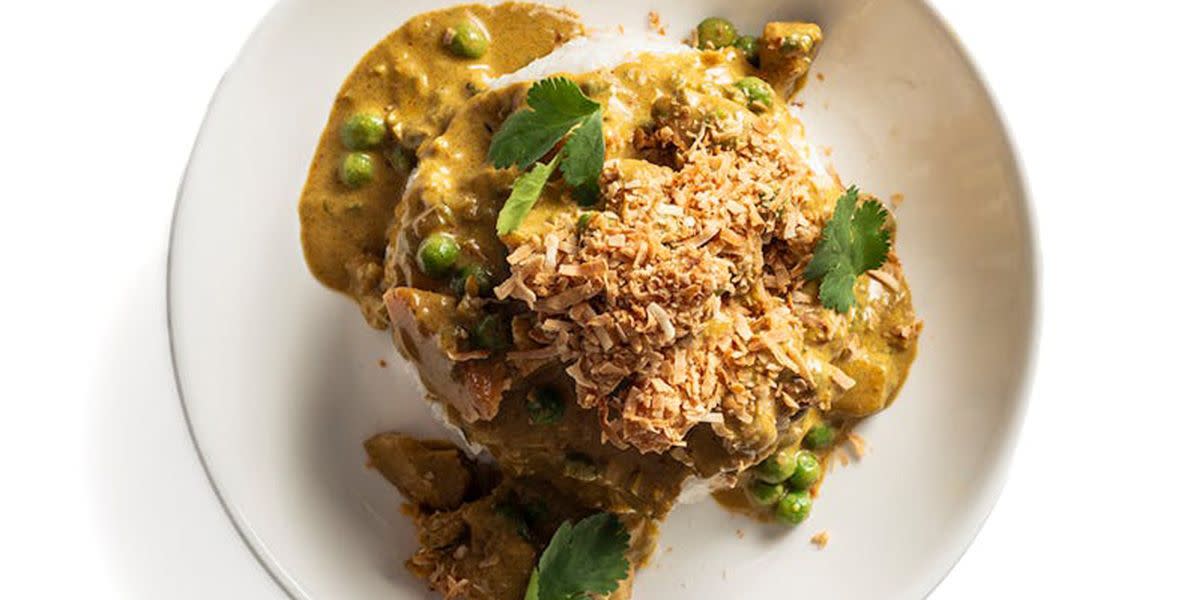
Rich, aromatic, and soul-satisfying, Caribbean curry is a beloved staple with deep roots in the region’s Indian heritage. Brought by 19th-century indentured laborers, curry evolved in the islands with local ingredients and bold adaptations. Unlike traditional Indian blends, Caribbean curry powder often features turmeric, allspice, and Scotch bonnet for a uniquely island kick.
Whether it’s tender goat or juicy chicken, these dishes are slow-cooked to perfection, infusing every bite with layers of spice and tradition.
Chef Michelle Bernstein pays tribute to this legacy with her Jamaican Curry Chicken, inspired by the very first chef she trained under—who happened to be Jamaican. Her dish features a savory, spiced braised chicken stew enriched with potatoes, carrots, peppers, and peas, served over creamy coconut rice and finished with a sprinkle of toasted coconut. It’s a personal homage wrapped in rich, warming flavor.
Did you know? The Caribbean islands are home to a dazzling variety of hot peppers, but the Scotch bonnet reigns supreme for its fruity intensity and unforgettable heat.
4. Fish and seafood stews
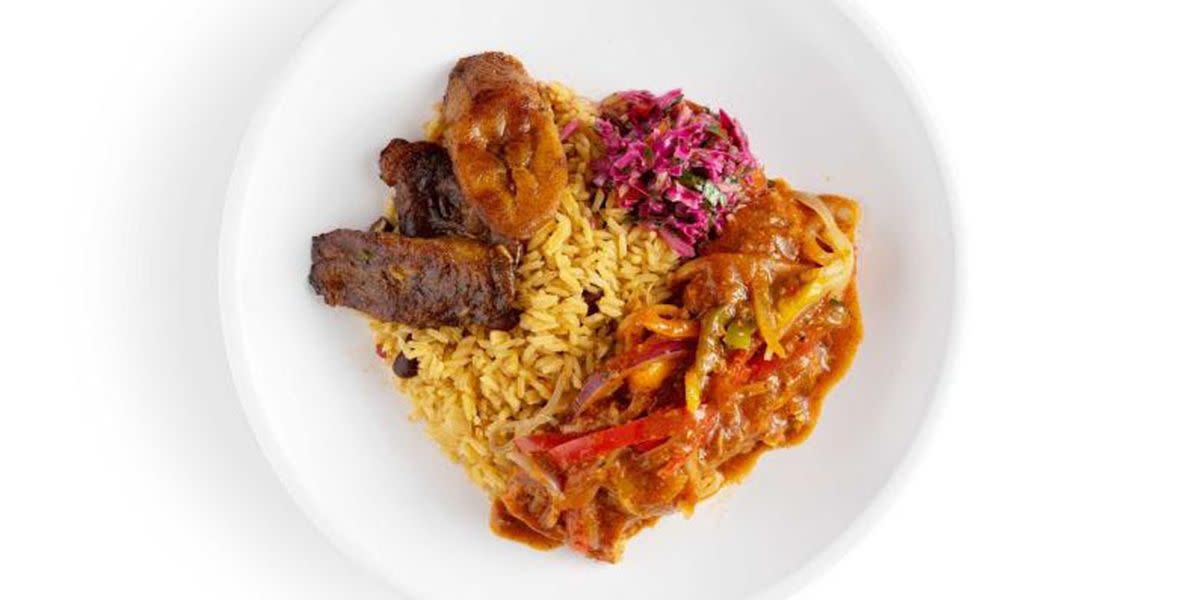
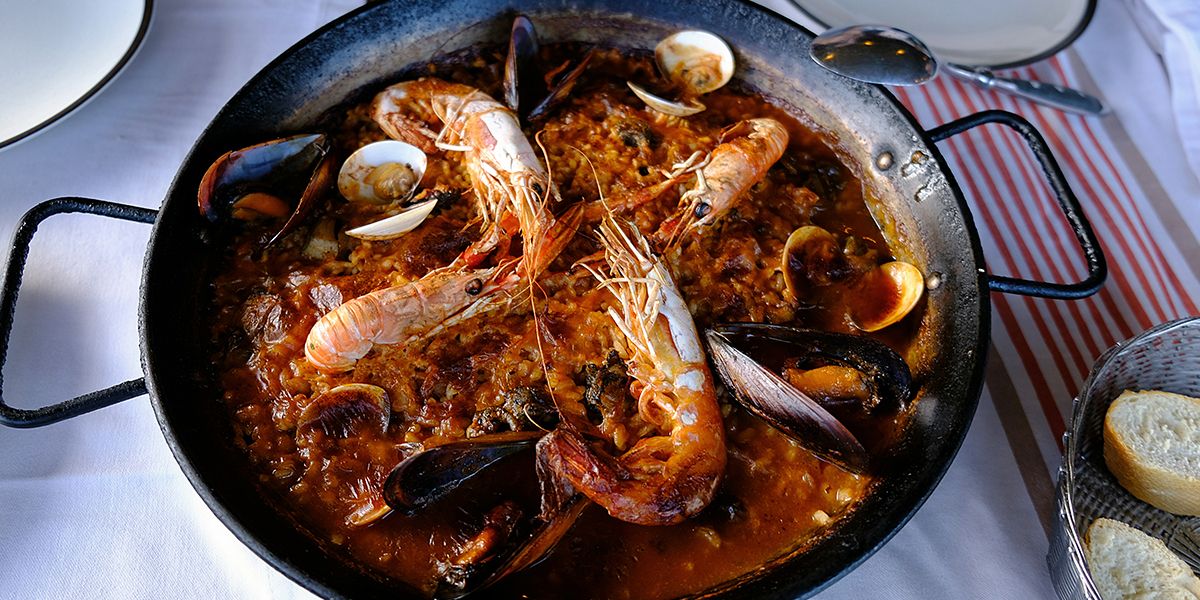
Surrounded by abundant coastal waters, the Caribbean has long celebrated seafood as both daily nourishment and festive fare. Across the islands, you'll find iconic dishes like Jamaica’s brown stew fish, where pan-fried fillets are simmered in a rich, savory sauce, and Puerto Rico’s asopao de mariscos, a gumbo-like stew brimming with shellfish.
While this entry isn’t about seafood, Chef Chris Massiah brings the same soulful depth to his Caribbean Chicken Stew. This comforting staple features boneless chicken thighs and potatoes simmered in a lush mix of dark brown sugar, coconut milk, and island aromatics, and it’s served with basmati rice and black beans. It’s hearty, homey, and unmistakably Caribbean.
Caribbean side dishes and sauces
No Caribbean meal is complete without its bold, flavorful sidekicks. From creamy rice dishes to zesty pepper sauces, these accompaniments are more than just extras. They’re essential to the rhythm and richness of Caribbean cuisine. These sides add contrast, balance, and depth to the plate. And many, like coconut rice or callaloo, have become iconic in their own right.
1. Rice and peas variations
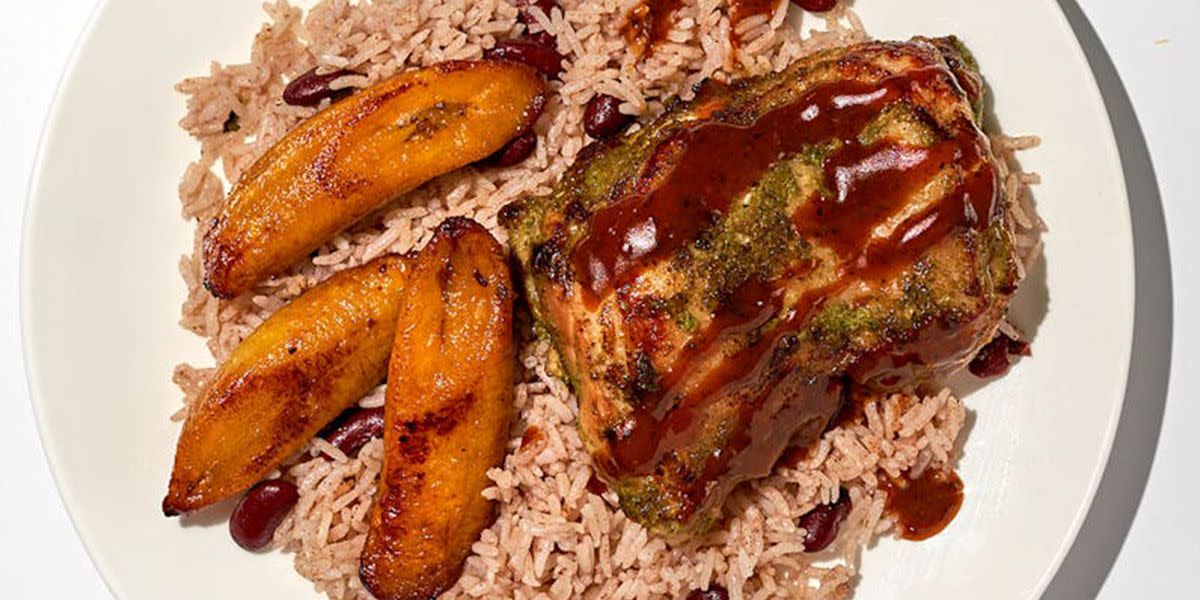
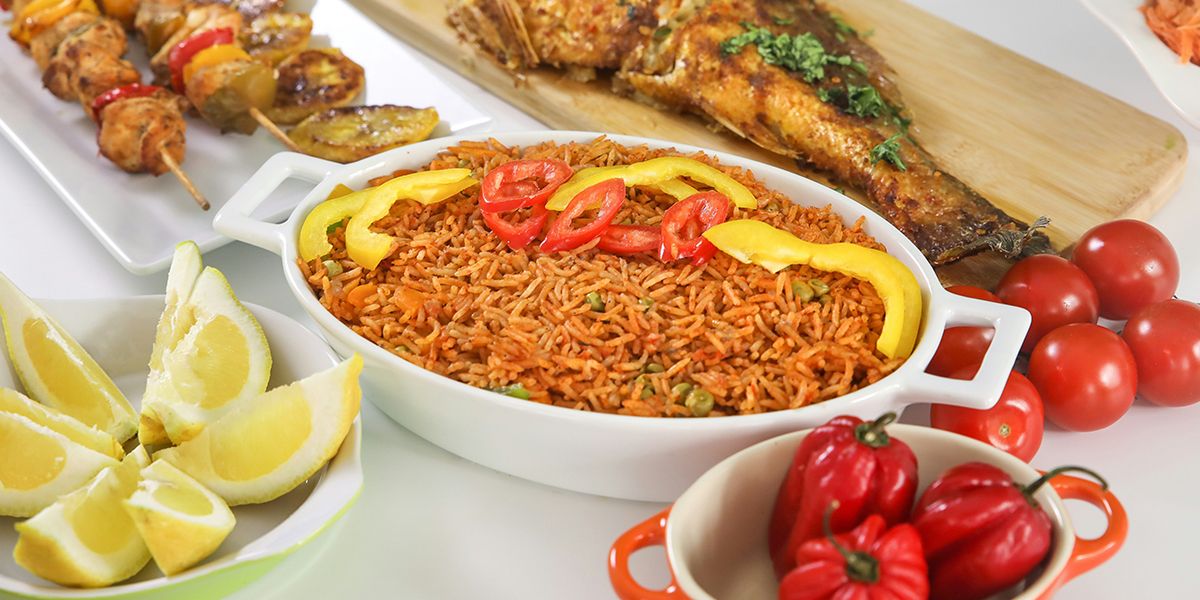
Fluffy, fragrant, and full of heart, rice and peas (or beans) is a cornerstone of Caribbean cuisine, appearing in countless regional forms. In Jamaica, it’s kidney beans simmered with coconut milk, thyme, and scallions. In Puerto Rico, arroz con gandules shines with pigeon peas, sofrito, and sazón. No matter the variation, this staple side is the perfect companion to bold, flavorful mains.
Chef Aarthi Sampath draws inspiration from a cherished island meal for her Jamdown Jerk Shrimp and Rice. Spicy jerk shrimp are paired with coconut rice and kidney beans, sweet roasted plantains, and a bright side of cabbage. It’s bold, comforting, and packed with the vibrant flavors that make Caribbean food unforgettable.
2. Plantain preparations: Sweet and fried
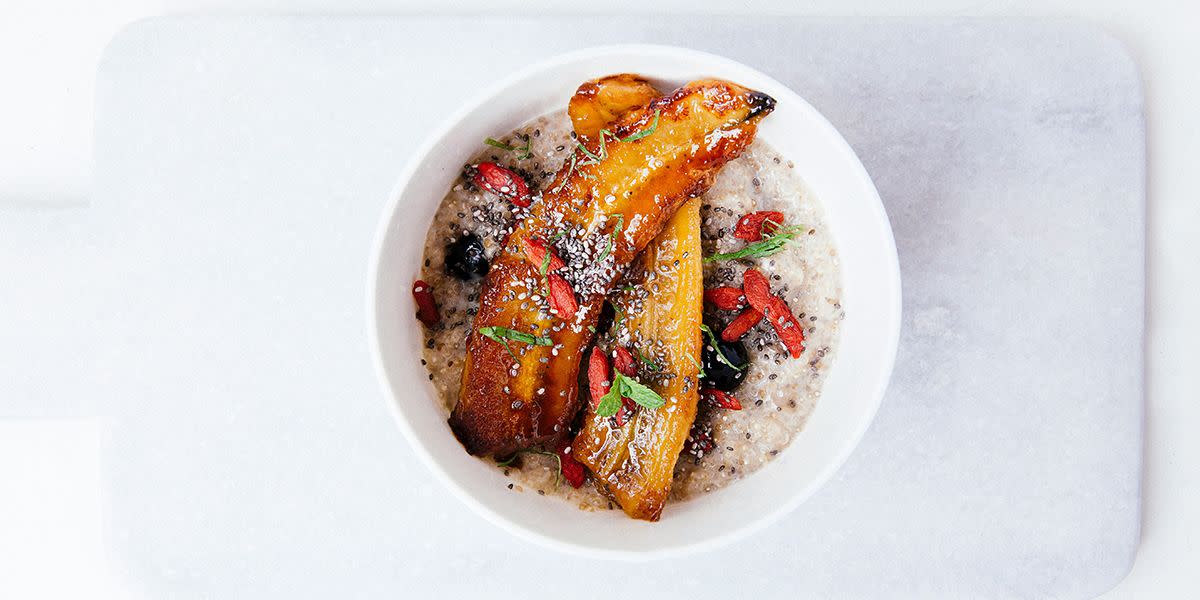
Across the Caribbean, plantains are a go-to ingredient that flexes with ripeness. Green plantains become tostones—crispy, twice-fried rounds—or are mashed into fufu for a hearty base. When ripe, they’re cooked into maduros, their sugars caramelizing into golden, tender slices that bring sweetness and depth to any dish.
Chef Akhtar Nawab spotlights this island staple in his Cuban-Style Pork Pernil with Garlicky Mojo. Tender, slow-roasted pork with crisp skin is served alongside all the traditional fixings: crunchy yucca fries, moro rice (spiced rice and saucy black beans), and vibrant mojo sauce, a citrusy garlic blend that cuts through the richness. It’s a bold, flavor-packed meal that captures the essence of Caribbean cooking—sweet, savory, and full of contrast.
3. Popular sauces: Jerk marinade and mojo
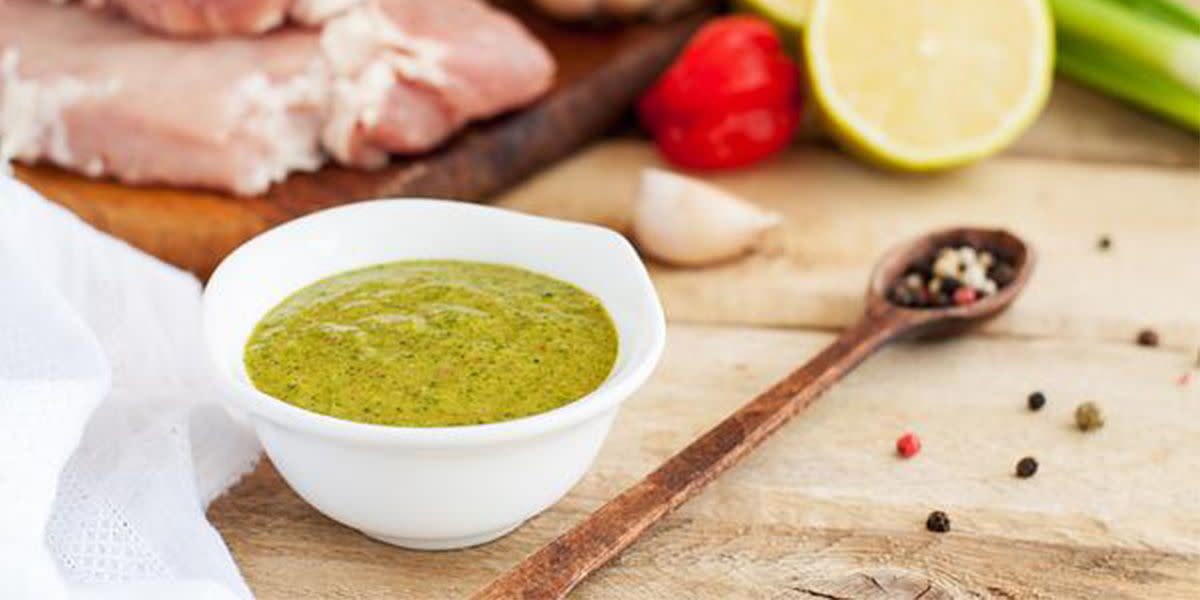
In Caribbean cuisine, sauces aren’t just accents. They’re flavor powerhouses that define entire dishes. From marinades to fiery condiments, these bold blends bring balance, heat, and brightness to the plate.
Jerk marinade: A signature of Jamaican cooking, this spicy, aromatic blend features allspice, thyme, Scotch bonnet peppers, and warm spices in an oil base that seeps deep into meats before grilling or roasting.
Mojo: A zesty, garlicky sauce beloved in Cuban and Puerto Rican kitchens, made with citrus juice, garlic, and olive oil. It’s used as both a marinade and a finishing drizzle for pork, chicken, and vegetables.
Pepper sauce: A staple across the islands, this vinegar-based hot sauce—typically made with Scotch bonnets—adds a fiery punch to any dish.
Whether you’re marinating, dipping, or drizzling, these sauces are essential to the bold, unforgettable flavor of authentic Caribbean food.
Signature drinks and desserts
No journey through Caribbean cuisine is complete without a sweet or sippable finale. From tropical rum punches to coconut-laced cakes, these drinks and desserts celebrate the region’s natural bounty and festive spirit. Local fruits, spices, and time-honored techniques come together in recipes rooted in celebration, tradition, and pure indulgence. Whether it’s a creamy flan or an ice-cold sorrel, these island favorites are the perfect way to end on a high note.
1. Caribbean punch and juices
Bursting with island flavor, Caribbean drinks are as vibrant as the region itself. Rum punch is the star of many gatherings, blending the Caribbean’s iconic spirit with tropical juices, spices, and a dash of bitters for balance. It’s fruity, fiery, and endlessly customizable.
During the holidays, especially in Jamaica, you’ll find sorrel, a deep red drink brewed from hibiscus petals, ginger, cloves, and sugar. Served chilled, it’s both refreshing and festive.
Year-round, fresh juices made from mango, guava, passion fruit, and soursop offer a naturally sweet way to cool down and connect with the Caribbean’s seasonal bounty.
2. Rum cake and sweet treats
Caribbean desserts blend tropical ingredients, colonial influences, and generations of sweet tradition. Rum cake—dense, moist, and soaked with the region’s signature spirit—is a holiday favorite in Jamaica and the Bahamas. Baked with dark rum and often finished with a glaze, it’s as celebratory as it is indulgent.
Other beloved treats include sweet potato pudding, which fuses African and European techniques into a spiced, earthy dessert often topped with caramelized coconut. Coconut drops, tamarind balls, and fried plantain pastries also satisfy the sweet tooth with bold, homey flavors.
For a perfect pairing, Chef Ivy Stark's Savory Caribbean Pork Stew brings the same sweet-savory harmony. Inspired by the iconic ribs of St. Maarten, her dish features tender braised pork with allspice, cardamom, and cayenne, served alongside Creole rice with pigeon peas, corn, and caramelized plantains. It’s a deeply satisfying island feast you’ll want to relive bite after bite.
3. Tropical fruit desserts
Sometimes the simplest sweets leave the biggest impression. Across the Caribbean, fresh tropical fruits are transformed into refreshing, flavorful desserts that let natural ingredients shine. Think grilled pineapple, caramelized to golden perfection, or coconut ice cream, offering cool, creamy relief with pure island essence. For something a bit more decadent, mango fool—a silky blend of pureed mango and whipped cream—brings elegance to the end of any meal.
Craving something bold and authentic? Our Jamaican meals deliver the island’s most distinctive flavors—from fiery jerk chicken to comforting rice and peas—crafted by heritage chefs who bring the real taste of Jamaica right to your doorstep.
Tips for easy Caribbean meals at home
Bringing the bold, joyful flavors of Caribbean cuisine into your kitchen doesn’t require a tropical pantry or pro-level gear. With a few key ingredients and smart techniques, you can channel island vibes any night of the week.
Use pantry staples like canned coconut milk, allspice, and thyme to build authentic flavor. Opt for fresh or frozen plantains, and swap Scotch bonnet with habanero if needed. Slow-cooking methods, simple marinades, and vibrant sauces go a long way in recreating the comforting, soulful meals of the Caribbean.
Want to skip the prep and still savor the real deal? Our chef-crafted Caribbean meals make it easy to experience island flavors, delivered fresh and ready to heat at home.
1. Planning a balanced Caribbean menu
A well-rounded Caribbean meal is all about contrast: sweet and savory, spicy and cooling, rich and refreshing. Start with a light appetizer like salt cod fritters or a small bowl of callaloo soup to awaken the palate. For the main course, choose a protein-driven dish such as jerk chicken, pernil, or curry goat, paired with rice and peas and a vibrant vegetable side like cabbage slaw or roasted plantains.
To truly capture the spirit of Caribbean culture, serve meals family-style. This encourages sharing, conversation, and connection, which are all hallmarks of the region’s rich culinary traditions. A table full of flavor, laughter, and togetherness? That’s the true island experience.
2. Time-saving cooking methods
You don’t need all day to build the rich, layered flavors that define Caribbean cuisine. With a few modern kitchen tools, you can bring the magic of island cooking into your weeknight routine. A pressure cooker works wonders on tougher cuts like goat or oxtail, delivering tender, fall-off-the-bone results in a fraction of the time. Meanwhile, slow cookers are ideal for deep, flavorful stews. Just set it and let the spices do their thing.
With the right methods, Caribbean meals become not just delicious, but doable, even on your busiest days.
3. Ingredient substitutions and adaptations
Authentic Caribbean cuisine is deeply rooted in tradition, but it also thrives on adaptability. When certain ingredients are hard to find, thoughtful substitutions can still deliver the bold, satisfying results you’re craving. Try habaneros in place of Scotch bonnets for similar heat and fruitiness, or swap in jalapeños with a splash of fruit juice to mimic that tropical complexity.
Chef Vanessa Cantave’s Haitian Vegetable Stew (Legume) is a masterclass in honoring heritage through flexible cooking. This plant-based island classic features a medley of slow-simmered vegetables—like chayote, Japanese eggplant, cabbage, and spinach—infused with Haitian epis (herb and garlic paste). Served over jasmine rice cooked in black beans and coconut milk, and paired with sweet fried plantains, it’s a comforting, flavor-packed meal that proves tradition and creativity can absolutely share a plate.
A final note on embracing Caribbean culture
Caribbean cuisine is more than what’s on the plate. It’s a living reflection of history, resilience, and cultural pride. Every dish carries the echoes of migration, adaptation, and innovation, born from a legacy of overcoming hardship with creativity and flavor. The bold spices, vibrant colors, and communal tables are expressions of a region that celebrates life through food.
Exploring Caribbean food means stepping into a rich tapestry of influences, from African techniques and ingredients to European, Asian, and Indigenous contributions. It’s a culinary journey that educates as much as it delights.
At CookUnity, we’re honored to bring these stories and flavors to your table. Crafted by chefs deeply connected to their roots, our Caribbean-inspired meals offer convenience without compromise, preserving the authenticity, passion, and soul that define this extraordinary cuisine.
Frequently asked questions about Caribbean cuisine
Where can I find Caribbean spices if my local grocery store does not carry them?
Look for international or specialty food stores, farmers markets with diverse vendors, or online retailers specializing in Caribbean products where you can purchase authentic spices like allspice berries, scotch bonnet peppers, and Caribbean curry blends.
Are there gluten-free or vegan adaptations for popular Caribbean dishes?
Many traditional Caribbean dishes are naturally gluten-free (rice and peas, callaloo, curries) and numerous plant-based options exist (ital cooking from Rastafarian tradition, vegetable stews, and bean-based dishes) making the cuisine adaptable to various dietary needs.
How do Caribbean cooking techniques differ between islands in the region?
Cooking techniques vary based on cultural influences and available resources. Jamaica emphasizes jerk cooking and smoking, Trinidad showcases Indo-Caribbean curry preparations, while Puerto Rico and Cuba feature Spanish-influenced sofrito as a flavor base for many dishes.

Be the first to know about new offers
Multiorder discounts, free items and more.