Back
Back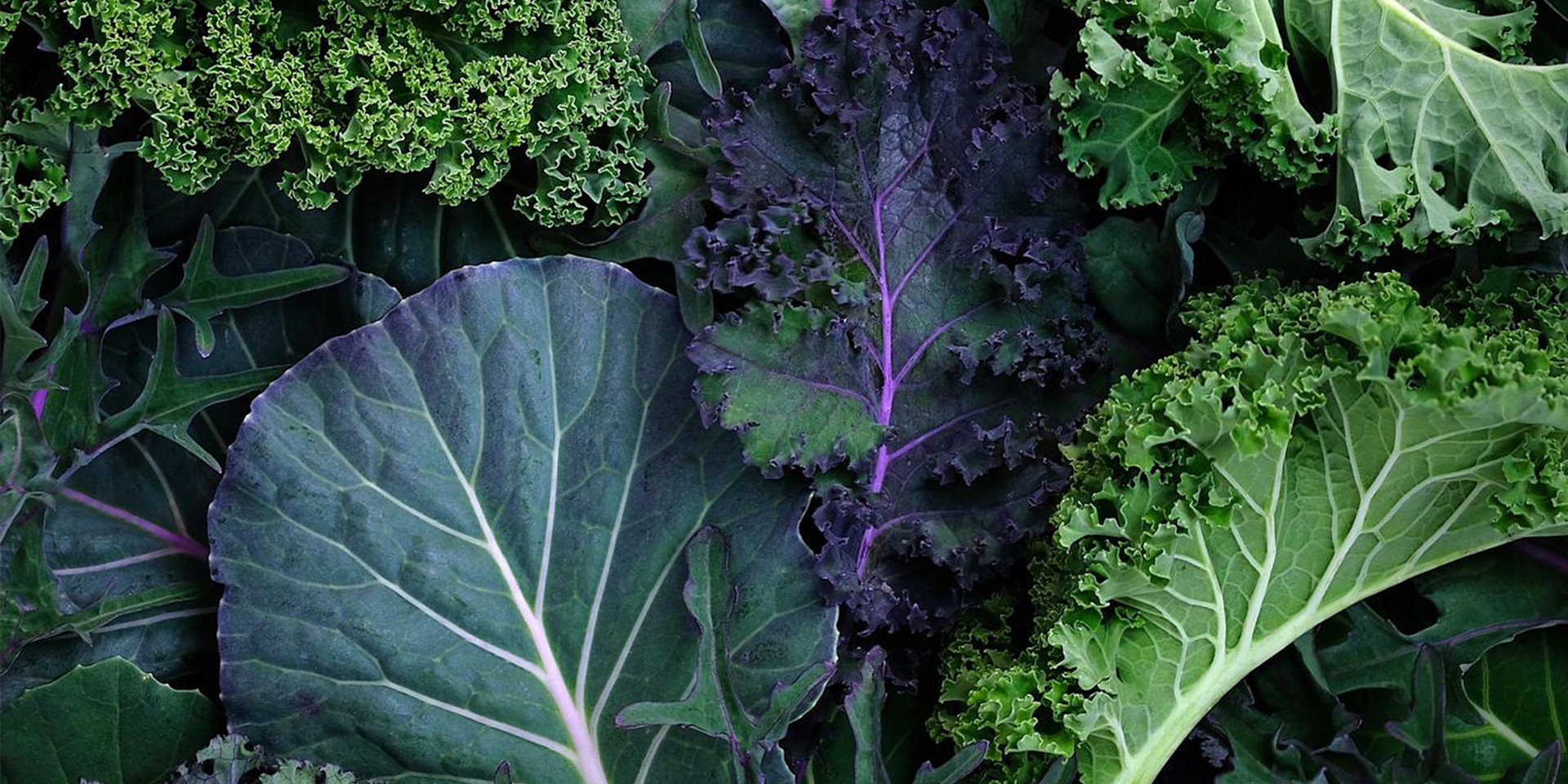
Added sugar shows up in more foods than most of us realize, often quietly increasing our daily intake without offering much in return. From bottled dressings to breakfast staples, it’s easy to go overboard without meaning to. But making mindful swaps and learning what to look for can help you eat better without feeling deprived.
The truth is, your body runs just fine—better, in fact—without the excess. Reducing added sugar can lift your energy, sharpen your focus, and support your long-term health, all while keeping your meals full of flavor.
Key takeaways:
Many health experts consider foods with minimal sugar content—such as non-starchy vegetables, proteins, and healthy fats—to be good options for a low sugar diet, as they typically contain little to no naturally occurring sugar.
Natural sugars in whole foods like berries and tomatoes come packaged with fiber that slows absorption, making them healthier choices than foods with added sugars.
Reducing sugar intake leads to stable energy levels, fewer cravings, improved mood, and lower risk of chronic diseases like diabetes and heart disease.
Creating satisfying low sugar meals is simple with protein-rich foods, non-starchy vegetables, and healthy fats that keep you full longer.
What are low-sugar foods?
Low sugar foods contain less than 5g of sugar per serving and help maintain stable blood sugar levels. These foods form the foundation of a healthy diet that supports weight management and reduces risk of chronic diseases like diabetes and heart disease, as indicated by the glycemic index (GI)².
The key distinction lies between naturally occurring sugars in whole foods and added sugars in processed products. Natural sugars come packaged with fiber and nutrients that slow absorption, while added sugar provides empty calories with minimal nutritional benefits.
Reading labels: Check both "Total Sugars" and "Added Sugars" on nutrition facts panels. Foods with less than 5g of sugar per serving qualify as low sugar options.
Hidden sugar names to watch for:
Sucrose
High fructose corn syrup
Dextrose
Maltose
Evaporated cane juice
Looking for convenient low-sugar meals? CookUnity offers chef-crafted options that make healthy eating delicious and easy. Explore our Sugar Savvy meal delivery service and save 50% on your first week!
10 best foods for a low-sugar diet
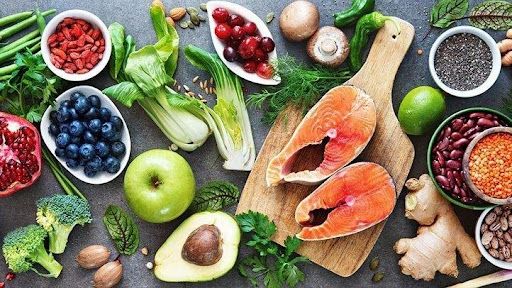
These go-to ingredients make it easier to build balanced, satisfying meals while keeping added sugars in check. Each one supports steady energy, curbs cravings, and forms the foundation of a naturally nourishing way of eating.
Leafy greens
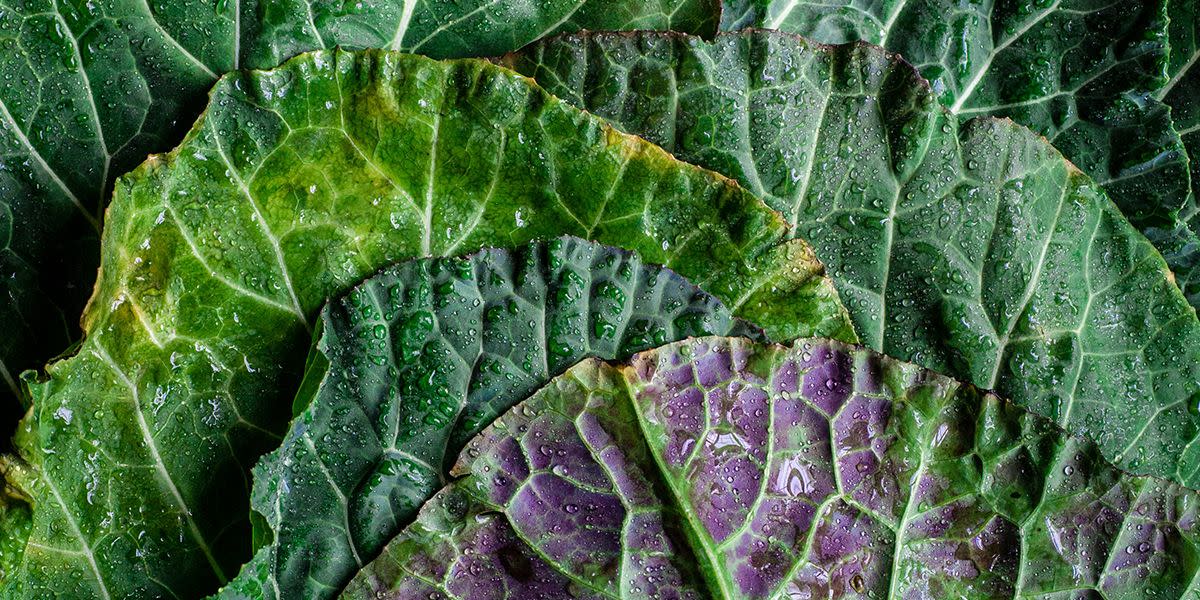
Spinach, kale, and lettuce are naturally low in sugar and packed with essential nutrients. Their fiber-rich profile helps slow the absorption of carbs, promoting steadier energy levels. Loaded with vitamins A, C, and K, plus minerals like calcium and iron, leafy greens are a flavorful foundation for any low-sugar meal.
One standout dish that puts them to good use: Chef Santiago Lopez’s Mexican Chicken and Chorizo Paella. Inspired by the coastal ports of Mexico, this hearty dish blends seasoned chicken, shrimp, and bold chorizo with dried chilies and perfectly cooked rice—offering depth, spice, and satisfaction without added sugars.
Cruciferous vegetables
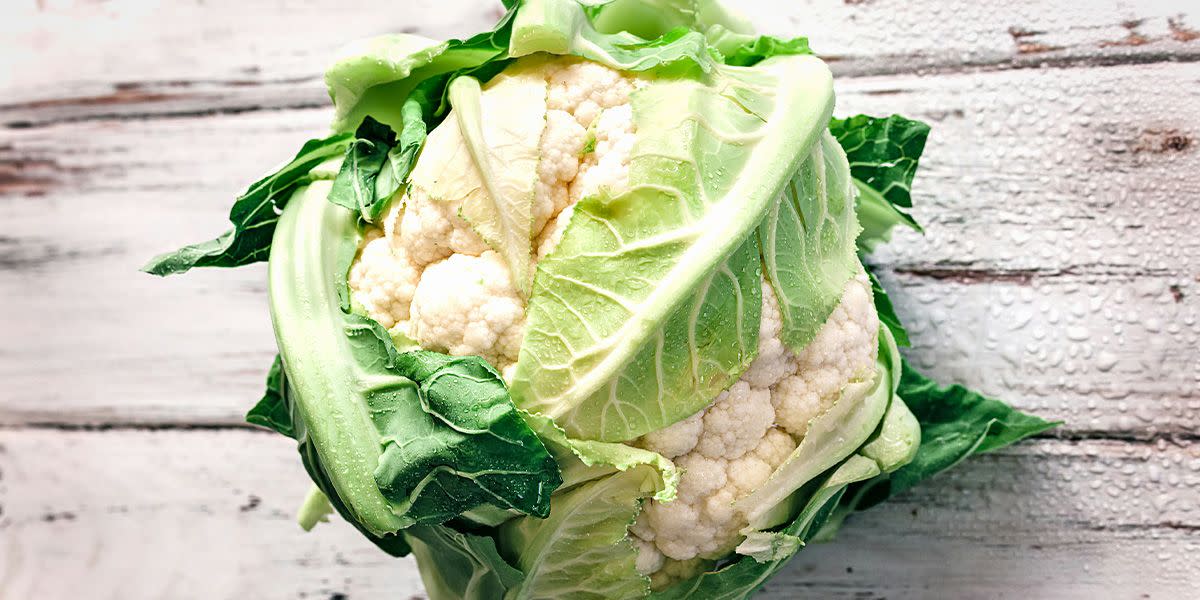
Broccoli, cauliflower, Brussels sprouts, and cabbage deliver big nutrition with barely any sugar. Packed with fiber, antioxidants, and anti-inflammatory compounds, these veggies support immunity and help you feel full longer—an ideal combo for anyone reducing sugar without sacrificing satisfaction.
For a cozy, comforting take, try Chef Chris Ratel’s Broccoli and Cheddar Soup. This creamy, flavor-forward dish transforms simple ingredients into a hearty, low-sugar meal that feels indulgent and nourishing all at once.
Low-sugar fruits
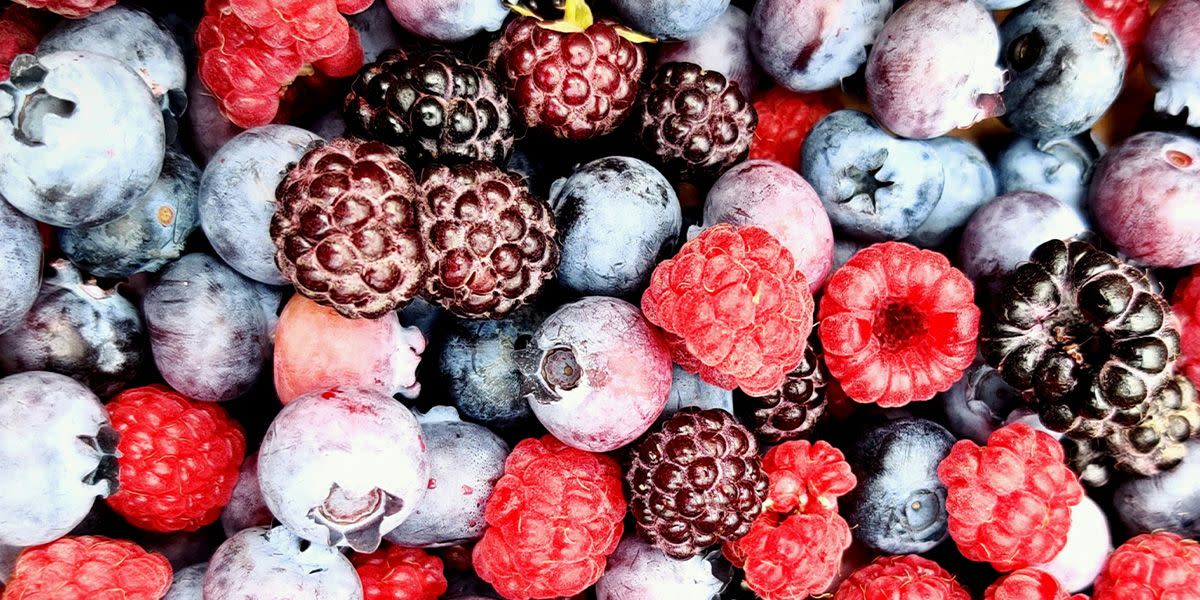
Not all fruits are sugar bombs. Some pack plenty of nutrients without the high sugar count. Here are some of the best options to keep your cravings (and blood sugar) in check:
Berries – Strawberries and blackberries have about 7g of sugar per cup and are loaded with antioxidants that help fight inflammation.
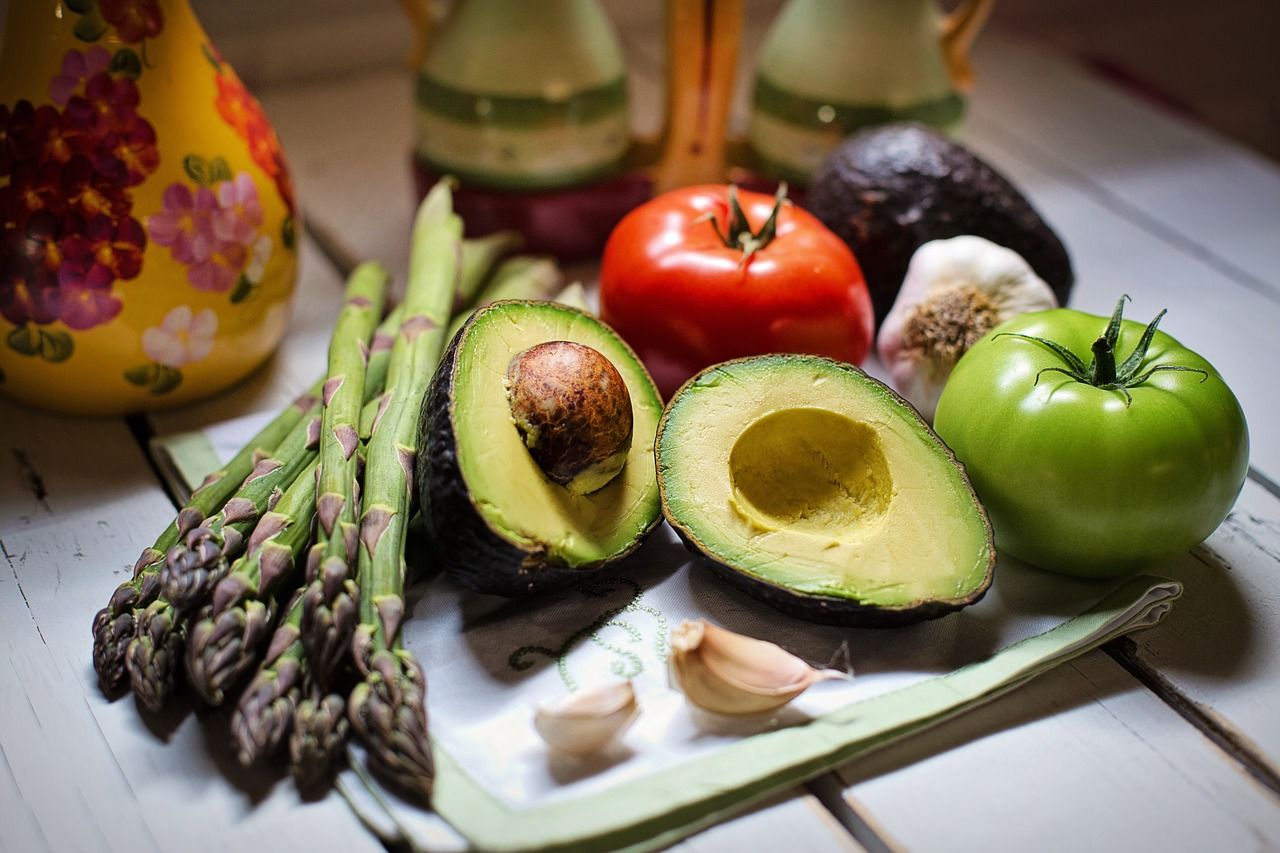
Avocados – With less than 1g of sugar per serving, they're a fiber-rich, heart-healthy choice.
Green apples – About 10g of sugar per medium apple, plus a satisfying crunch and dose of vitamin C.
Lemons and limes – Less than 2g per fruit, perfect for adding brightness without the sweetness.
These fruits offer the flavor and fiber your body craves, without the sugar spike. Whether tossed into salads or blended into smoothies, they’re everyday staples for a low-sugar lifestyle.
Lean proteins
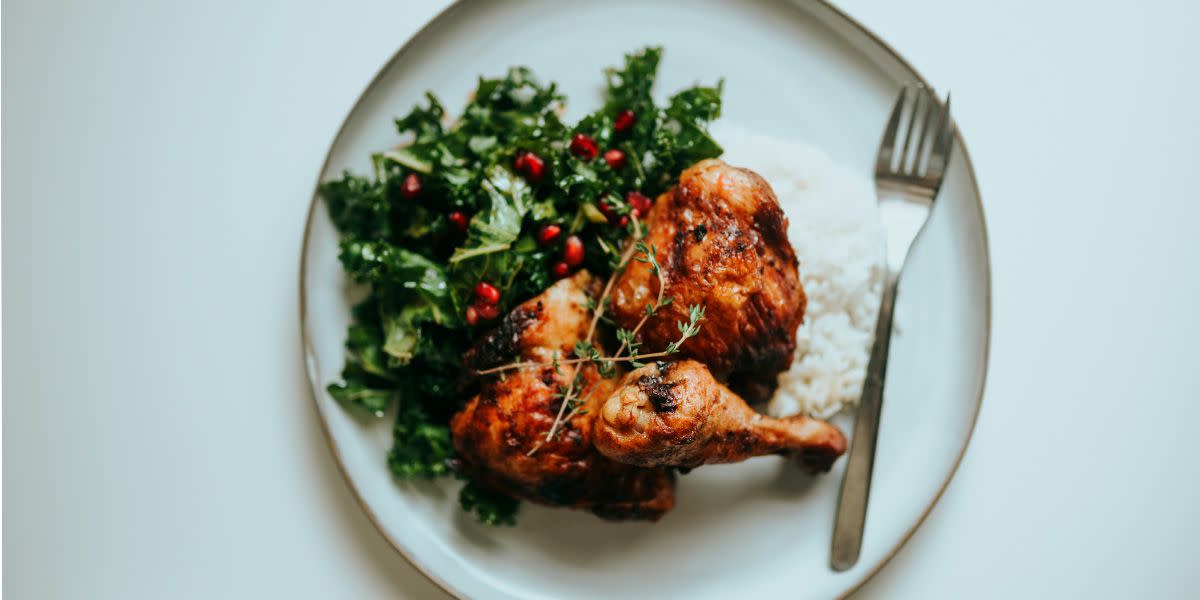
Chicken breast, turkey, lean beef, and pork tenderloin naturally contain zero sugar and play a vital role in keeping blood sugar stable. These proteins help control hunger between meals and support sustained energy.
Since protein takes more energy to digest than carbs, it contributes to the thermic effect of food—meaning your body works harder to process it, which can aid in weight management.
For a clean, satisfying option, try Chef Chris Massiah’s Organic Chicken Breast. Served over farro and baby spinach with a bold sun-dried tomato, garlic, and parmesan sauce, it’s high-quality protein with zero added sugar and full-on flavor.
Fish and seafood
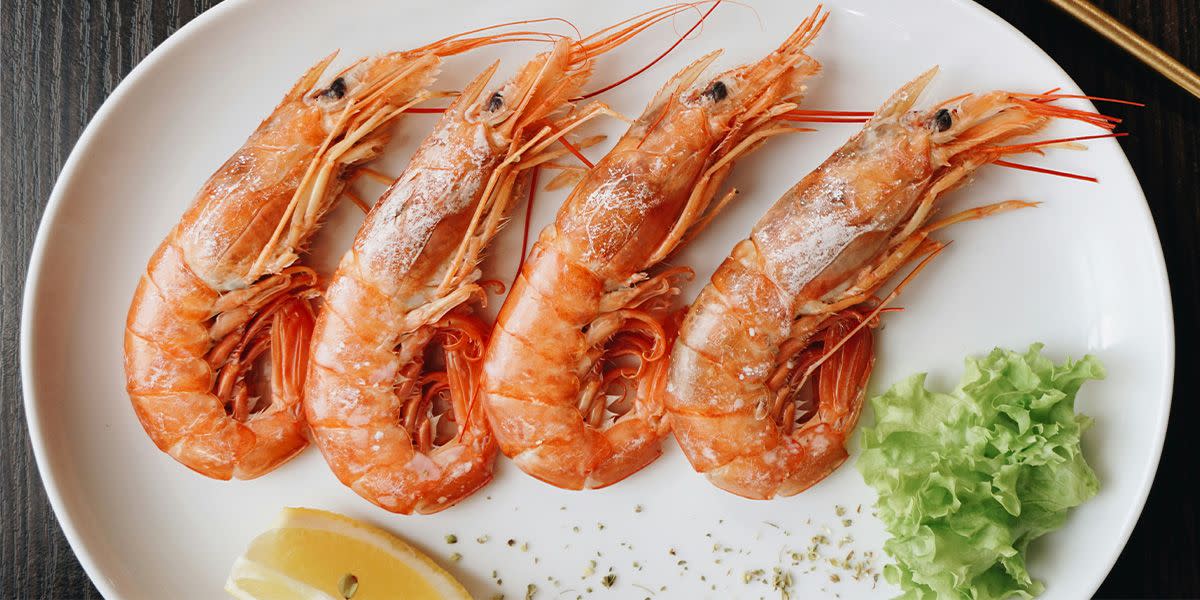
Salmon, cod, tuna, and shellfish are naturally sugar-free powerhouses packed with protein and heart-healthy omega-3 fatty acids. These nutrients help reduce inflammation, support cognitive health, and promote overall wellness.
For a flavorful way to enjoy the benefits of omega-3s, try one of these chef-crafted favorites:
Chef Cat Cora’s Seared Citrus Garlic Herb Salmon balances bold citrus, garlic, and oregano atop buttery seared salmon. Served with turmeric-toasted couscous, garlicky spinach, and nutty almonds, this dish is both nutrient-dense and deeply satisfying.
Chef Santiago Lopez’s Southern Low Country Boil delivers a taste of the South with Cajun-spiced shrimp, clams, corn, and potatoes. The traditional boil is elevated with buttery rice and tender lobster meat for a comforting, low-sugar seafood feast.
These options show how fish and seafood can be the star of deeply flavorful, low-sugar meals.
Eggs

Eggs are naturally sugar-free and packed with complete protein, offering all essential amino acids your body needs. They also deliver vital nutrients like choline and vitamin D, supporting everything from brain function to bone health.
Their versatility makes them a perfect choice for any meal—breakfast, lunch, or dinner.
Looking for healthy meal options? Explore the weekly menu and select your meals.
Dairy alternatives
Unsweetened almond, coconut, soy, and flax milks are smart swaps for anyone cutting back on sugar. Naturally low in sugar, these plant-based options blend seamlessly into smoothies, coffee, or baked goods while keeping things light and nourishing.
Pro tip: Always check the label. Even “healthy”-looking options can sneak in added sweeteners, especially in flavored varieties. Stick to unsweetened versions to keep your low sugar lifestyle on track without sacrificing flavor or versatility.
Nuts and seeds
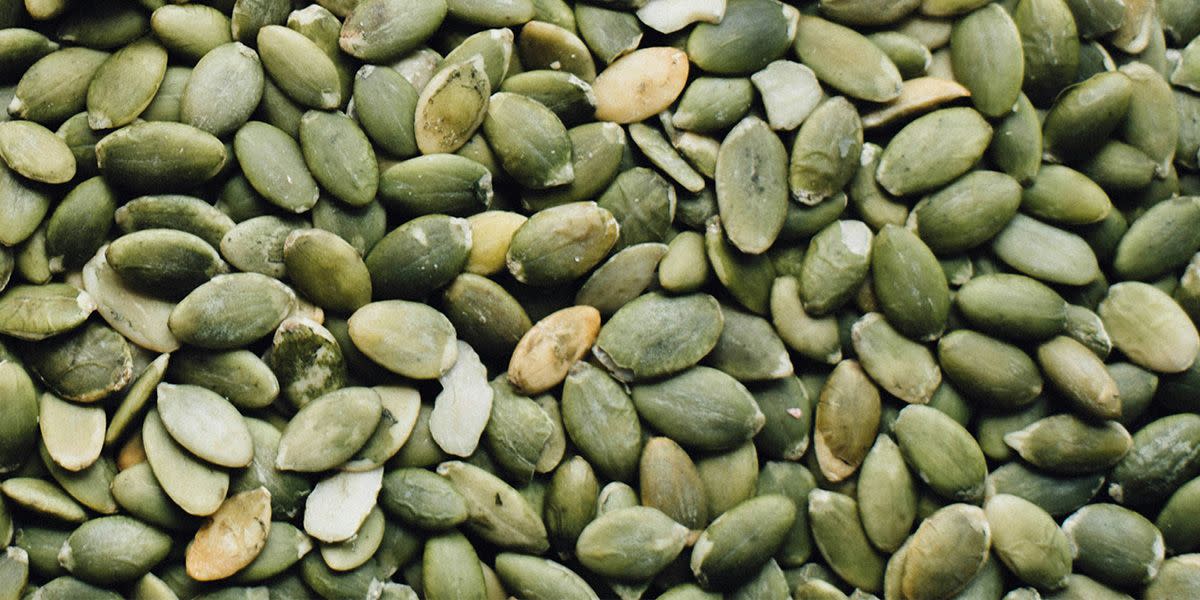
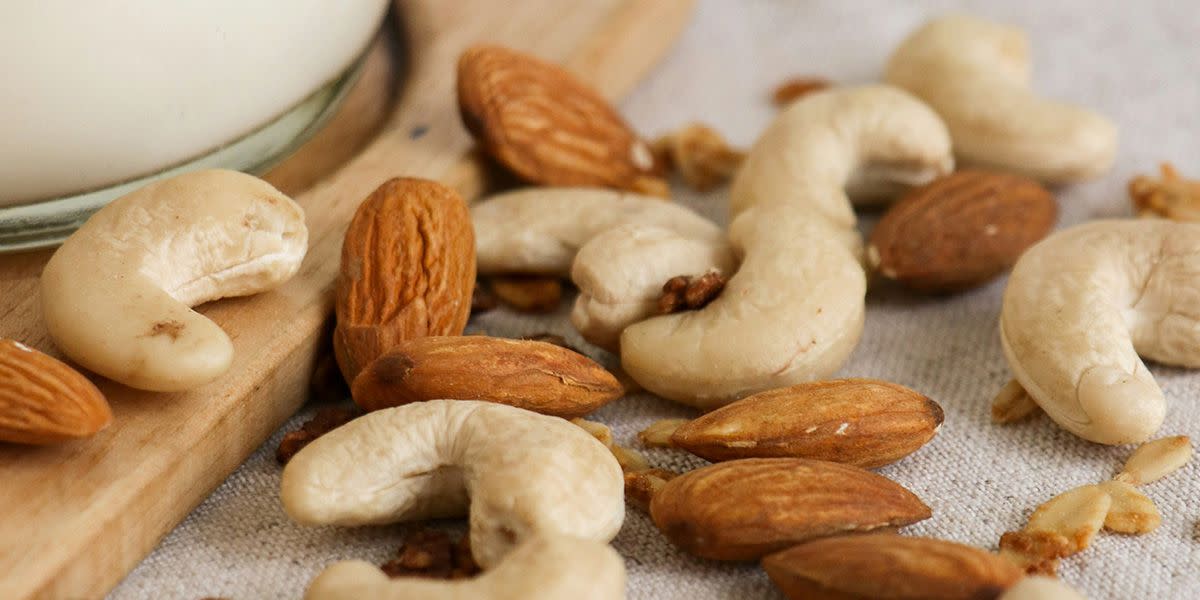
Almonds, walnuts, chia seeds, and flaxseeds are nutrient-dense staples with virtually no sugar. They deliver a winning combo of healthy fats, plant-based protein, and fiber, all key for keeping blood sugar steady and hunger in check.
A small handful makes for a satisfying, no-fuss snack that powers you through the day without the crash. They're also perfect sprinkled over yogurt, salads, or grain bowls for a boost of crunch and nutrition.
Healthy fats

Olive oil, avocado oil, coconut oil, and grass-fed butter contain zero sugar and help create satisfying meals. These fats slow digestion and help maintain stable blood sugar levels.
Incorporating fats into meals helps increase satiety and reduces cravings for sugary foods later in the day. For optimal health, focus on healthy unsaturated fats like olive oil and avocado oil and unrefined nut and seed oils.
Low-sugar snacks
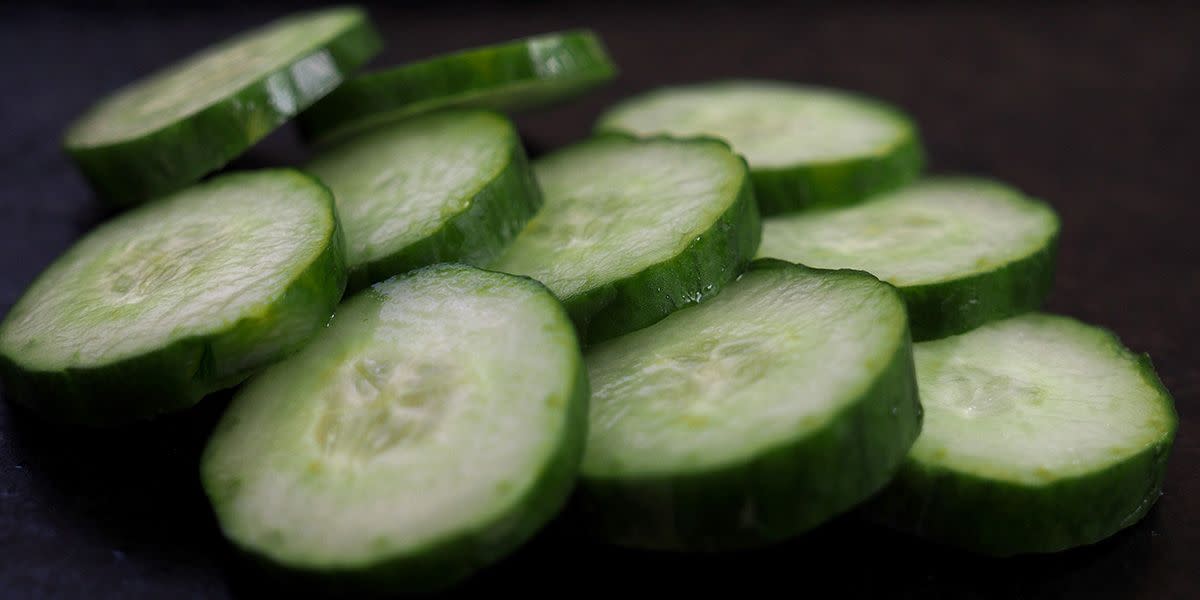
Finding satisfying low-sugar snacks is essential for maintaining energy between meals. Good options include:
Hard-boiled eggs
Cucumber slices with guacamole
Celery with unsweetened nut butter
Plain Greek yogurt with cinnamon
Beef or turkey jerky (check labels for added sugar)
For those following a low-sugar diet alongside other dietary needs, explore our guide to keto-friendly fruits that provide nutrients with minimal sugar impact.
Health benefits of reducing sugar
Reducing sugar intake offers both immediate and long-term health benefits that extend beyond weight management.
Immediate benefits:
Stable energy: No more afternoon crashes and fatigue
Reduced cravings: Less intense hunger between meals
Improved mood: More balanced emotional state
Better sleep: Improved sleep quality and duration
Long-term benefits:
Weight management: Easier maintenance of healthy weight
Reduced inflammation: Less joint pain and improved recovery
Better skin health: Reduction in acne and premature aging
Improved dental health: Fewer cavities and gum issues
Reduced disease risk: Lower risk of type 2 diabetes, heart disease, and certain cancers
Many people find that their sugar cravings naturally decrease after a few weeks of reducing added sugars in their diet.
Simple ways to cut down on sugar
Reducing sugar doesn't mean eliminating flavor or enjoyment from your diet. These practical strategies help lower sugar intake while still enjoying satisfying meals.
Check labels for hidden sugars
Sugar hides in many unexpected foods like pasta sauce, salad dressing, and bread. To better understand sugar content, try imagining how much sugar is in a product in terms of teaspoons, which can make labels easier to interpret.
Pay special attention to products marketed as "healthy" – granola, yogurt, and breakfast cereals often contain surprising amounts of added sugar.
Make smart swaps
Beverage swaps:
Replace soda with sparkling water infused with fruit
Swap sweetened coffee drinks for coffee with cinnamon and unsweetened almond milk
Choose unsweetened tea instead of bottled tea drinks
Food swaps:
Use plain Greek yogurt instead of flavored varieties
Choose marinara sauce without added sugar
Opt for unsweetened nut butters instead of sweetened versions
Select dark chocolate (70%+ cacao) instead of milk chocolate
Gradually adjust your palate
Sudden elimination of sugar can lead to headaches, irritability, and intense cravings. Reducing sugar gradually over 2-4 weeks allows your taste preferences to adjust without uncomfortable withdrawal symptoms.
Most people find that foods they once enjoyed taste overly sweet after adapting to a lower sugar diet. This natural shift in preference makes maintaining a low sugar approach easier over time.
Easy meal ideas with low-sugar foods
Creating satisfying, flavorful meals without excess sugar is simple with these practical ideas. These options prove that low sugar eating can be both delicious and convenient.
Breakfast options
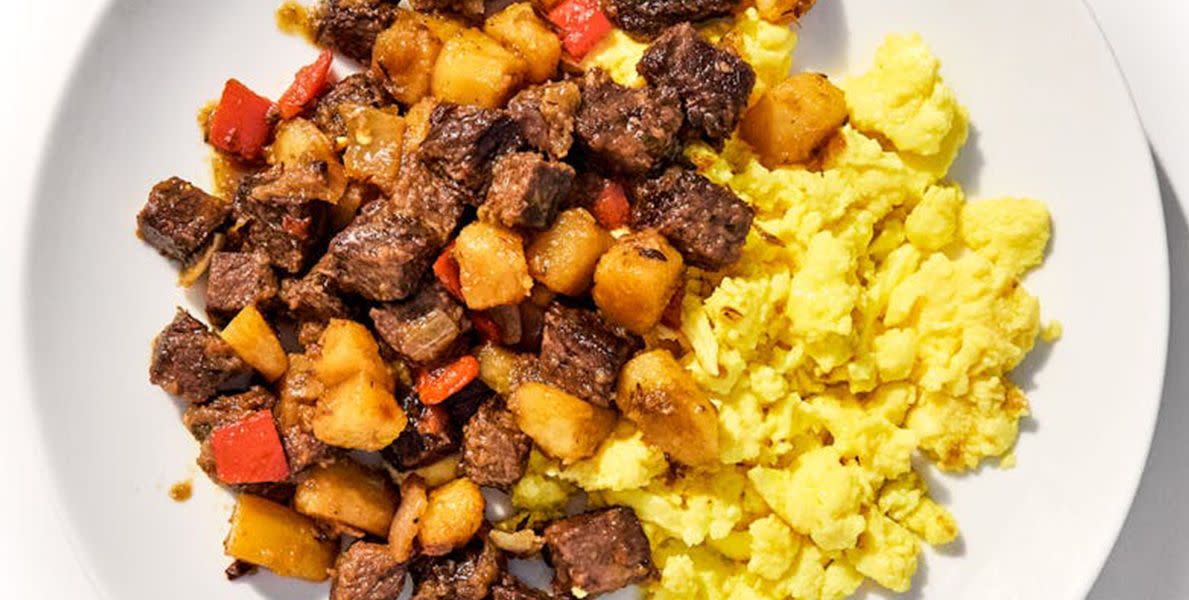
Savory breakfast bowl: Sautéed vegetables topped with two eggs and avocado slices (0g added sugar)
Protein-packed yogurt: Plain Greek yogurt with a handful of berries, cinnamon, and chopped nuts (approximately 5g natural sugar)
Chef-crafted option: Braised Short Rib Breakfast Hash by Chef Vanessa Cantave offers a protein-rich start with minimal sugar.
Lunch ideas

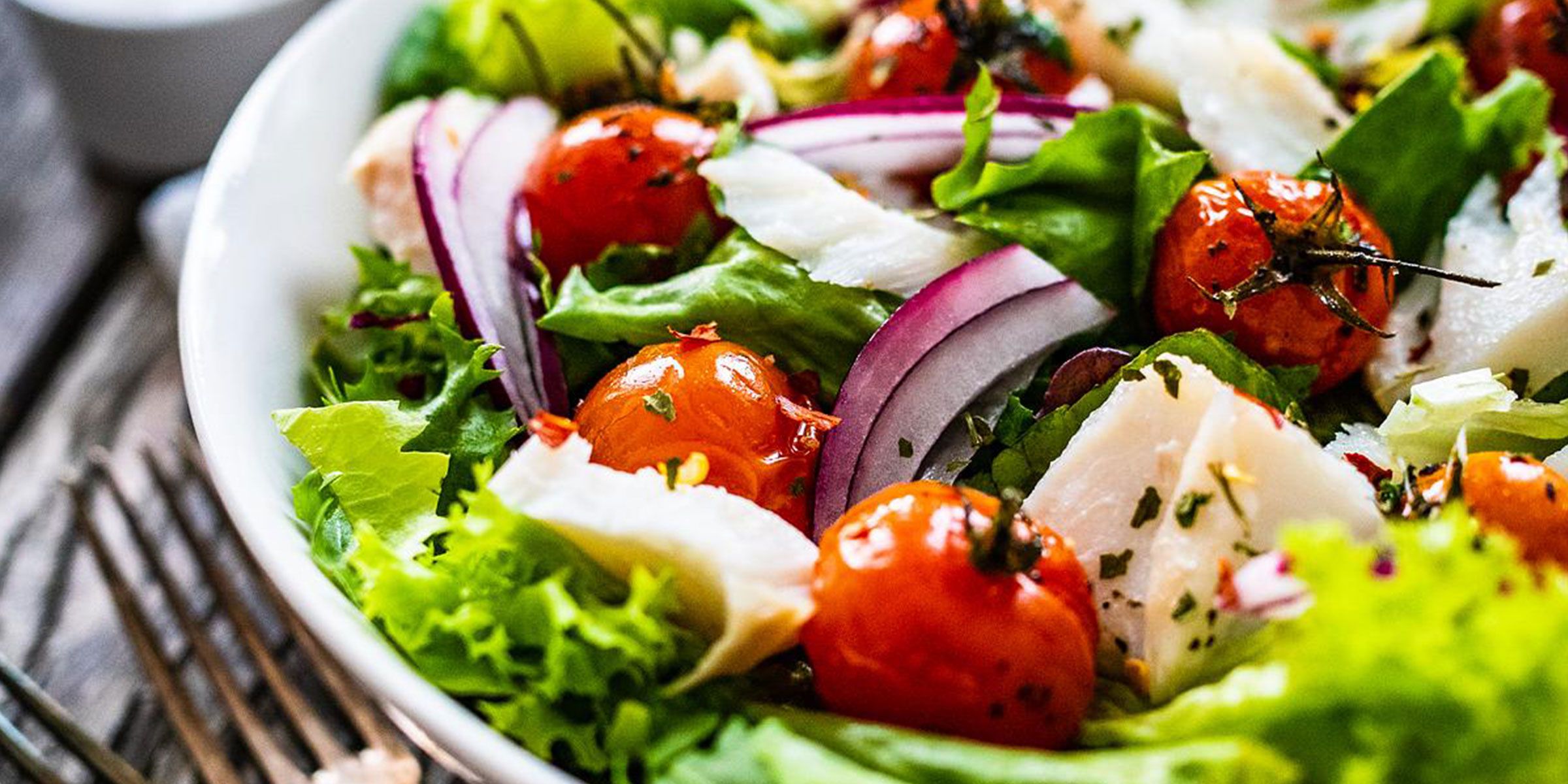
Power salad: Mixed greens with grilled chicken, avocado, cucumber, and olive oil dressing (0g added sugar)
Lettuce wraps: Large romaine leaves filled with tuna salad made with avocado instead of mayonnaise (0g added sugar)
Chef-crafted option: Herb Grilled Chicken Caprese Salad by Chef Chase Evans offers a fresh, low sugar lunch.
Dinner suggestions

Sheet pan meal: Roasted salmon with Brussels sprouts and cauliflower (0g added sugar)
Zucchini pasta: Spiralized zucchini topped with ground turkey and low-sugar marinara sauce (approximately 4g sugar)
Chef-crafted option: Slow Braised Beef Short Rib by Chef Walther Adrianzen delivers rich flavor without added sugars.
A lasting approach to a low-sugar lifestyle
Finding a sustainable approach to low-sugar eating involves balance rather than strict elimination. Your taste preferences will naturally adapt over time, making lower sugar foods more satisfying.
Planning ahead by keeping low-sugar options readily available helps maintain consistency, especially during busy times. Including occasional treats prevents feelings of deprivation and makes the overall approach more sustainable long-term.
Our meal delivery service makes maintaining a low-sugar lifestyle easier with chef-crafted meals that prioritize flavor without excess sugar. Each meal is designed by professional chefs who understand how to create satisfying dishes without relying on added sugars.
Frequently asked questions about low-sugar foods
Are these meals safe for those with severe dietary allergies, such as dairy, soy, and nuts?
While our meals are crafted without certain ingredients, they're prepared in kitchens where cross-contamination may occur. If your allergy is life-threatening, we recommend reviewing ingredient labels carefully before eating.
What specific foods have the lowest amount of sugar?
Non-starchy vegetables like leafy greens, cucumbers, and celery contain virtually no sugar while providing fiber and essential nutrients. Proteins such as eggs, meat, poultry, and fish are also naturally sugar-free.
Which low-sugar fruits can I include in my diet?
Berries (especially strawberries and blackberries), avocados, and lemons provide valuable nutrients with minimal sugar impact. These fruits contain fiber that slows sugar absorption and offer antioxidant benefits.
How can I manage sugar cravings when first reducing my sugar intake?
Eat protein and healthy fat with each meal, stay hydrated, get adequate sleep, and use cinnamon or vanilla extract to enhance sweetness perception naturally. Most cravings diminish significantly after 2-3 weeks of consistent low sugar eating.
Is it better to use artificial sweeteners or natural sugar in small amounts?
Small amounts of natural sweeteners like honey or maple syrup are generally preferable to artificial sweeteners, which may disrupt gut bacteria and potentially increase cravings. However, both should be used sparingly on a low sugar diet.
How can I identify hidden sugar when reading food labels?
Look for terms ending in "-ose" (like dextrose, maltose), syrups (corn syrup, rice syrup), concentrates (fruit juice concentrate), and other names like cane juice, honey, and molasses. Remember that ingredients are listed by weight, so check where these appear in the list.

Be the first to know about new offers
Multiorder discounts, free items and more.