Back
Back
Lifting weights is only half the equation. If you want to build serious muscle, you’ve got to fuel your body with the right nutrients at the right time. Your muscles are in a constant cycle of breakdown and repair, and without enough high-quality protein, your progress can stall, no matter how hard you train.
Below, you’ll discover 20 of the best high-protein foods to support muscle growth, recovery, and strength, including animal-based staples, plant-powered picks, and convenient options that fit your lifestyle. Whether you’re bulking up or just looking to stay strong and lean, these foods deliver the amino acids your body needs to rebuild, repair, and come back stronger.
Key takeaways:
Aim to include a generous amount of protein in your daily diet to support muscle growth and recovery, especially if you're engaging in regular strength training.
Consider spreading your protein intake throughout the day, aiming for balanced portions at each meal to help support muscle building efforts.
Both animal and plant proteins can build muscle effectively when consumed in sufficient quantities
Pair proteins with complex carbohydrates and healthy fats for complete muscle-building nutrition
What is protein and why does it matter for muscle growth?
Protein is the key ingredient your body needs to build and repair muscle tissue. After a tough workout, your muscles go through tiny tears, and it’s protein that helps patch them back together, stronger than before. When you eat protein-rich foods, your body breaks them down into amino acids, which directly support recovery and growth.
But here’s the catch: your body can’t store protein long-term like it does with carbs or fat. That means you need a steady supply, especially if you’re training hard. Without enough protein, your muscles can’t recover properly, no matter how intense your workouts are.
For best results, aim to spread protein intake throughout the day, not just in one big post-gym meal. Research shows that 20–40g of protein per meal helps maximize muscle protein synthesis, the process your body uses to build new muscle fibers.
And remember, not all protein is created equal. Complete proteins (like meat, eggs, dairy, and soy) contain all nine essential amino acids your body can't make on its own. Incomplete proteins (like many plant-based options) can still be powerful. You just may need to combine them to get the full amino acid profile your muscles need.
20 high-protein foods for optimal muscle building
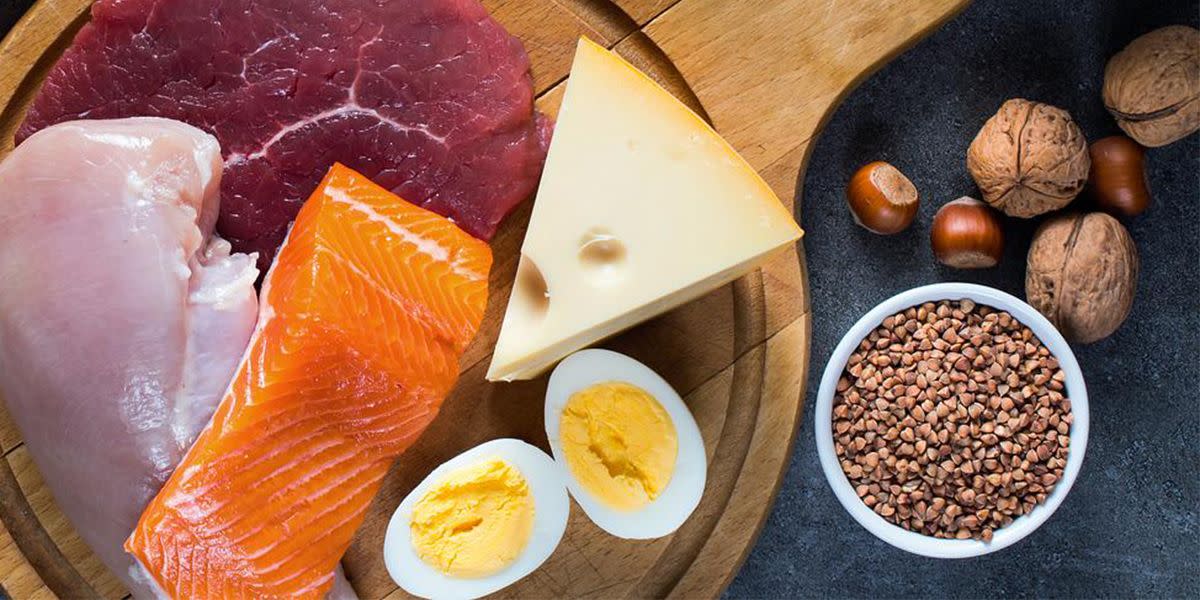
These foods represent the most efficient protein sources for muscle development, from animal-based to plant-based options. The protein content listed is approximate and may vary by preparation method.
1. Eggs
Eggs are a muscle-building powerhouse, delivering all nine essential amino acids your body needs for recovery and growth. They offer a unique mix of fast-digesting protein from the whites and slow-digesting protein from the yolks, plus added benefits like vitamin D and choline to support muscle function and metabolism.
Looking for a protein-packed breakfast that goes beyond basic? Try Chef Vanessa Cantave’s Egg White Turkey Sausage Sandwich, a flavorful, on-the-go option that combines a fluffy egg white omelet, sweet Italian turkey sausage, Gruyère cheese, and fresh herbs. It’s all layered with a slice of roasted sweet potato and a spicy red pepper sauce on a toasted potato bun. Hearty, high-protein, and built to fuel your morning.
2. Salmon
Salmon checks every box for muscle-building nutrition. It’s loaded with high-quality protein to support repair, plus omega-3 fatty acids that help reduce inflammation and improve recovery. You’ll also get a dose of vitamin D for hormone health and B vitamins that help convert protein into lean muscle.
Want a creative (and delicious) way to enjoy it? Try Chef Cedric Nicolas’s Salmon and Spinach Lasagna, a lighter, elevated twist on a comfort food favorite. Layers of fresh pasta, creamy ricotta, and seared salmon are paired with nutrient-rich spinach, then topped with both garlicky basil pesto and a sweet cherry tomato sauce with just a hint of spice. It’s bold, balanced, and packed with recovery-fueling flavor.
3. Chicken breast
A true classic in the muscle-building world, chicken breast is a lean, high-protein staple that supports muscle repair and growth without excess fat. It’s rich in B vitamins, which help your body convert food into usable energy, key for performance and recovery. Plus, it's easy to digest and fast-acting, making it ideal post-workout fuel.
No time to cook? Chef Chris Ratel’s Chicken Breast is a ready-to-enjoy, protein-packed solution. It’s fully prepared, high in protein, and perfect for building muscle without spending hours in the kitchen.
Want even more ways to stay fueled without the fuss? Check out our easy high-protein meal prep ideas, curated for muscle-building goals, busy schedules, and real-life appetites.
4. Lean beef
Lean beef delivers a powerful combo of high-quality protein, iron, and zinc, which are all essential for muscle repair, strength, and hormone support. Iron plays a key role in oxygen transport, while zinc supports testosterone production. You’ll also get a natural dose of creatine, which can enhance performance and muscle strength during resistance training.
For a flavorful way to work lean beef into your routine, try Chef Esther Choi’s Grilled Flank Steak Chow Mein. This savory stir-fry features tender grilled flank steak served over thick wonton noodles with baby corn, shiitake mushrooms, sweet bell peppers, and more, all tossed in a rich soy-sesame sauce. It’s a perfect mix of protein and complex carbs to fuel recovery and support strength gains, with flavor that rivals your favorite takeout.
5. Greek yogurt
Greek yogurt is a muscle-building multitasker, offering a mix of fast-digesting whey and slow-digesting casein proteins to fuel recovery over time. With around 17 grams of protein per ¾-cup serving¹, it’s a smart choice for breakfast, post-workout, or an anytime snack.
Beyond protein, it delivers calcium to support proper muscle contractions and probiotics that can enhance nutrient absorption, helping your body make the most of every bite.
Creamy, convenient, and packed with nutrition, Greek yogurt earns its place in any strength-focused meal plan.
6. Cottage cheese
Cottage cheese is loaded with casein protein, a slow-digesting powerhouse that delivers a steady stream of amino acids, perfect for supporting overnight muscle recovery. That makes it an ideal snack before bed to help prevent muscle breakdown while you sleep.
It’s also a great source of calcium and phosphorus, which support strong bones and joint stability. This is essential when you’re lifting heavy and training hard.
Mild, versatile, and protein-packed, cottage cheese is a no-fuss way to keep your muscles nourished around the clock.
7. Tuna
Tuna is a lean, high-protein choice that's especially popular during muscle definition phases, thanks to its low fat content and clean nutrient profile. It’s rich in selenium, which supports recovery, and delivers omega-3 fatty acids that help reduce exercise-induced inflammation, making it a go-to for both strength and recovery.
While not tuna-specific, Chef Abe Moiz’s Buttery Lobster Spaghetti offers another protein-rich seafood option for muscle-building food lovers. This dish features succulent lobster tossed in a turmeric-coriander sauce, topped with turmeric butter and freshly grated Parmesan for a rich, satisfying spin on post-workout fuel.
Looking for more protein-packed meals without the prep? Explore our weekly menu for chef-crafted dishes that help you hit your macros, no grocery list required.
8. Whey protein powder
Whey protein is a go-to for serious muscle-building, and for good reason. It’s packed with essential amino acids, especially leucine, the key trigger for muscle protein synthesis. Plus, it digests rapidly, making it the perfect post-workout refuel when your muscles are primed for repair.
Why it works for building muscle:
Fast absorption: Delivers nutrients to muscles quickly after training
Complete amino acid profile: Supports full-body recovery and growth
Leucine-rich: Stimulates muscle-building at a cellular level
Ultra-convenient: Easy to mix with water or milk when you’re on the go or short on time
Whether you’re topping off your protein goals or need a fast post-gym fix, whey protein keeps gains on track.
9. Lentils
Lentils are a powerhouse plant protein that pull double duty, delivering muscle-supporting protein and slow-digesting complex carbs that help sustain your energy through intense training. They’re also packed with fiber for nutrient absorption and iron to support oxygen delivery during exercise.
Craving a comforting, plant-based way to get your lentil fix? Try Chef Emily Peck’s Mushroom Lentil Bolognese, a rich, umami-packed pasta dish made with wild mushrooms, red lentils, and Sfoglini organic pasta, topped with crispy roasted mushrooms and a crunchy walnut-herb breadcrumb. It’s a hearty, high-protein option that fuels muscle growth (and flavor cravings) in equal measure.
10. Tofu
Tofu is one of the few plant-based proteins that delivers all nine essential amino acids, making it a complete protein and a smart staple for muscle-building without meat. Just ½ cup of raw tofu packs around 10 grams of protein², plus iron to support oxygen flow during workouts and isoflavones that may aid in hormonal balance as you train.
Don’t underestimate the power of plants. When they’re consumed consistently and in the right amounts, plant proteins like tofu can absolutely support serious muscle gains.
Looking to add more plant power to your plate? Check out our guide to high-protein vegetables you should add to your diet for even more strength-supporting options.
11. Quinoa
This mighty grain punches above its weight. Quinoa is a complete plant-based protein, offering all nine essential amino acids—a rare find in the grain world. One cup of cooked quinoa delivers around 8 grams of protein³, plus complex carbs to restock glycogen stores and magnesium to support muscle function. It’s light on the stomach, big on endurance, and plays well in everything from grain bowls to post-run pilafs.
12. Turkey breast
Turkey breast is a lean, muscle-friendly protein that does more than just fuel gains. It also supports recovery and rest. It’s rich in L-tryptophan, an amino acid linked to better sleep and muscle repair, making it a smart post-training or evening meal choice.
You’ll also get a solid dose of B vitamins to power energy production and metabolism, all with less saturated fat than red meat. Whether sliced, shredded, or grilled, turkey breast is a versatile protein that keeps your plate (and your progress) lean and clean.
13. Beans (kidney, black)
Kidney and black beans deliver a double win for muscle-building: plant-based protein and slow-burning complex carbs to fuel your workouts and recovery. They’re rich in fiber to support digestion and nutrient absorption, plus magnesium, a key player in muscle contraction and protein synthesis.
Add them to bowls, stews, or salads for a satisfying, nutrient-dense boost that works as hard as you do. When combined with other plant proteins, beans help form a complete amino acid profile to support muscle growth on a plant-powered path.
14. Pumpkin seeds
Pumpkin seeds may be small, but they’re packed with muscle-supporting nutrients. Just a handful delivers a solid dose of plant-based protein, plus zinc to support recovery and magnesium to aid in muscle relaxation after tough workouts.
You’ll also get a hit of healthy fats that help reduce inflammation and keep joints happy, especially useful if you’re lifting heavy on the regular. Keep them on hand as a crunchy, no-prep snack or toss them into salads and bowls for extra protein power.
15. Lean pork tenderloin
Lean pork tenderloin delivers serious muscle-building protein with a flavorful edge. It’s also a rich source of thiamine, which plays a vital role in energy metabolism, and selenium, an antioxidant that helps protect muscle tissue from oxidative stress during intense training.
While not pork tenderloin specifically, Chef Armando Litiatco’s Banana BBQ Spare Ribs bring bold, pork-powered flavor to your fitness journey. These Filipino-style ribs are slow-cooked until fall-off-the-bone tender, glazed in a sweet-savory banana BBQ sauce, and served with buttery sweet potato mash and sautéed green beans for a well-rounded, protein-rich meal you’ll want on repeat.
16. Chickpeas
Chickpeas offer a powerful plant-based combo of protein and complex carbs, making them ideal for building strength and sustaining energy. They're loaded with manganese, which helps your body convert nutrients into usable energy, and folate, a key nutrient in red blood cell production that ensures oxygen gets where your muscles need it most.
Toss them into bowls, blend them into hummus, or roast them for a crunchy snack. However you enjoy them, chickpeas deliver nutrient-dense fuel for plant-powered muscle gains.
17. Edamame
While edamame might look like just young soybeans in a pod, don’t be fooled. They’re one of the few plant-based foods that deliver all nine essential amino acids. That makes them a complete protein source, perfect for muscle recovery and growth. You’ll also get fiber for digestion and folate to help oxygen reach your muscles when they need it most.
Snack on them steamed with sea salt or toss them into bowls and stir-fries for an easy, protein-packed boost. Whether you’re plant-based or just mixing it up, edamame is a smart, satisfying addition to any strength-focused routine.
18. Almonds
Don’t underestimate the power of a handful of almonds. These plant-based powerhouses serve up protein, healthy fats, and a dose of vitamin E, a key antioxidant that helps reduce oxidative damage caused by intense workouts. They’re also rich in magnesium, which plays a critical role in muscle recovery and function.
Whether you’re snacking between sets or sprinkling them on a bowl, almonds offer clean, sustained energy that supports strength and overall wellness.
19. Bison
Looking for a leaner alternative to beef that still delivers big on protein? Bison is your go-to. This nutrient-dense red meat supports muscle growth with a generous helping of complete protein, plus iron for oxygen delivery and vitamin B12 to keep your energy metabolism firing and your nervous system sharp.
It’s naturally lower in fat than beef, which makes it a great choice when you want strength-building fuel without the extra heaviness. Whether you grill it, roast it, or sauté it, bison brings the muscle without the compromise.
20. Tempeh
Tempeh isn’t just tofu’s firmer, bolder cousin. It’s a fermented soy protein that brings gut-friendly prebiotics to the table along with complete plant-based protein. Thanks to its natural fermentation, tempeh may support better digestion while packing slightly more protein than tofu per serving.
Its meaty texture makes it a favorite among plant-based athletes looking for something satisfying and muscle-friendly, whether grilled, stir-fried, or baked into bowls.
How much protein do you need for muscle development?
Protein requirements vary based on activity level, body weight, and fitness goals. Sports nutrition research provides clear guidelines for optimal muscle development:
Activity level | Protein recommendation | Example for 180lb person |
|---|---|---|
Sedentary adults | 0.8g per kg body weight | 65g protein daily |
Recreational exercisers | 1.1-1.4g per kg body weight | 90-115g protein daily |
Endurance athletes | 1.2-1.6g per kg body weight | 98-130g protein daily |
Strength/power athletes | 1.6-2.2g per kg body weight | 130-180g protein daily |
Athletes building muscle | Up to 2.2g per kg body weight | Up to 180g protein daily |
Distribute these amounts throughout the day rather than consuming them in one or two large meals. Research suggests 20-40g of protein per meal optimizes muscle protein synthesis, with larger amounts not necessarily providing additional benefits.
Starting your day with a protein-rich breakfast can jumpstart muscle protein synthesis after overnight fasting. For inspiration, explore these 15 high-protein breakfast ideas for an energy-packed start to your day.
While overall protein intake is key, having a protein-rich meal after exercise may support the recovery process. However, total daily protein intake remains more important than perfect timing for long-term results.
High-protein meal tips for faster results
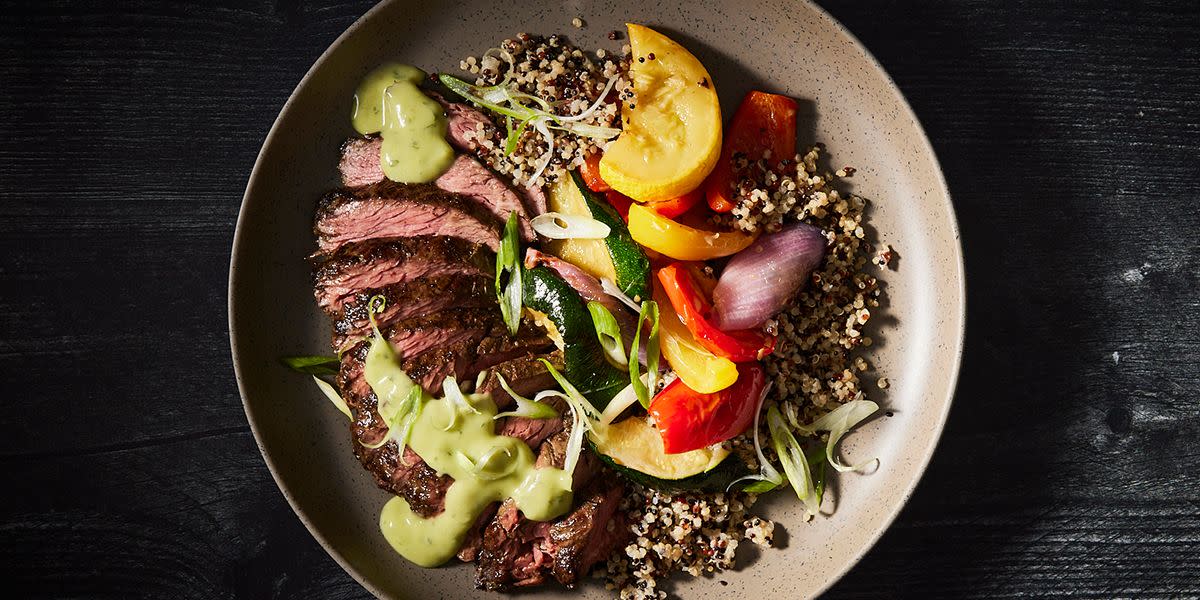
1. Pair protein with nutrient-dense carbohydrates
Combine protein with complex carbohydrates to replenish muscle glycogen after workouts. Include fiber-rich foods that improve protein digestion and choose whole food carbohydrates that provide micronutrients supporting recovery.
Want a ready-made option that checks every box? Try our Grilled Flank Steak Superfood Bowl by Chef Silvio Rodriguez, a performance-forward meal built for serious fuel and flavor. This protein-packed bowl features tender flank steak over a vibrant quinoa salad with roasted corn and kale (rich in vitamins C, K, and A), antioxidant-loaded sweet potatoes, and hydrating cucumbers. Briny feta, a bright citrus dressing, and toasted sunflower seeds add the final touches for a perfectly balanced bite.
2. Distribute protein intake throughout the day
Aim for 20-40g of protein per meal to maximize muscle protein synthesis rather than consuming most protein in one sitting. Include protein-rich snacks between meals to maintain positive nitrogen balance throughout the day.
Optimal protein distribution strategy:
Morning: 20-40g within 30 minutes of waking
Mid-morning: 15-25g protein snack
Lunch: 30-40g complete protein source
Afternoon: 15-25g protein snack
Post-workout: 20-40g fast-digesting protein
Dinner: 30-40g complete protein with vegetables
Before bed: 20-30g slow-digesting protein (casein or cottage cheese)
3. Choose lean protein whenever possible
Select proteins with minimal saturated fat to optimize hormone balance during training phases. Choose lean cuts of meat that provide more protein per calorie and incorporate lean cooking methods like grilling or baking.
4. Keep an eye on overall calories
Maintain a slight caloric surplus (200-300 calories) to support muscle growth without excessive fat gain. Monitor fat intake, aiming for mostly unsaturated sources from foods like avocados, nuts, and olive oil.
Adjust protein and overall calories based on your results and body composition changes. Consider tracking macronutrients initially to ensure adequate protein intake for your specific goals.
For convenient access to chef-crafted, high-protein meals that support muscle building without meal prep, explore our Protein Boost meal delivery service and save 50% on your first week.
Should you focus on animal or plant protein?
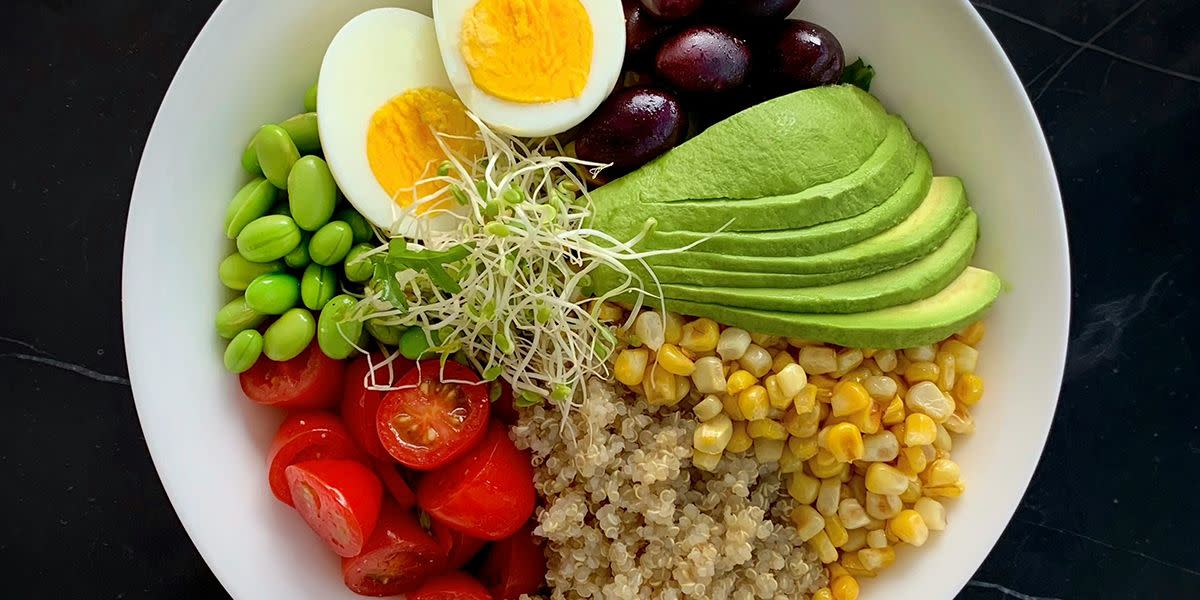
Both animal and plant proteins can effectively support muscle growth when properly planned. Understanding their differences helps you make informed choices based on your preferences and goals.
Animal protein advantages:
Complete amino acid profiles in every serving
Higher protein density (more protein per serving)
Better digestibility and bioavailability
Naturally contains nutrients like B12, zinc, and creatine
Plant protein advantages:
Often contains fiber that improves digestion
Provides antioxidants that reduce exercise inflammation
Generally lower in saturated fat
Often more environmentally sustainable
Elite athletes succeed with both approaches, making this a personal choice based on your preferences, ethics, and digestive response. Many successful bodybuilders now follow plant-based or flexitarian approaches, showing that muscle can be built effectively with either protein source.
The protein foods list you choose should reflect your individual needs and preferences while meeting your total protein requirements. Experiment with both animal and plant proteins to discover what works best for your body and lifestyle.
Better results through balanced nutrition
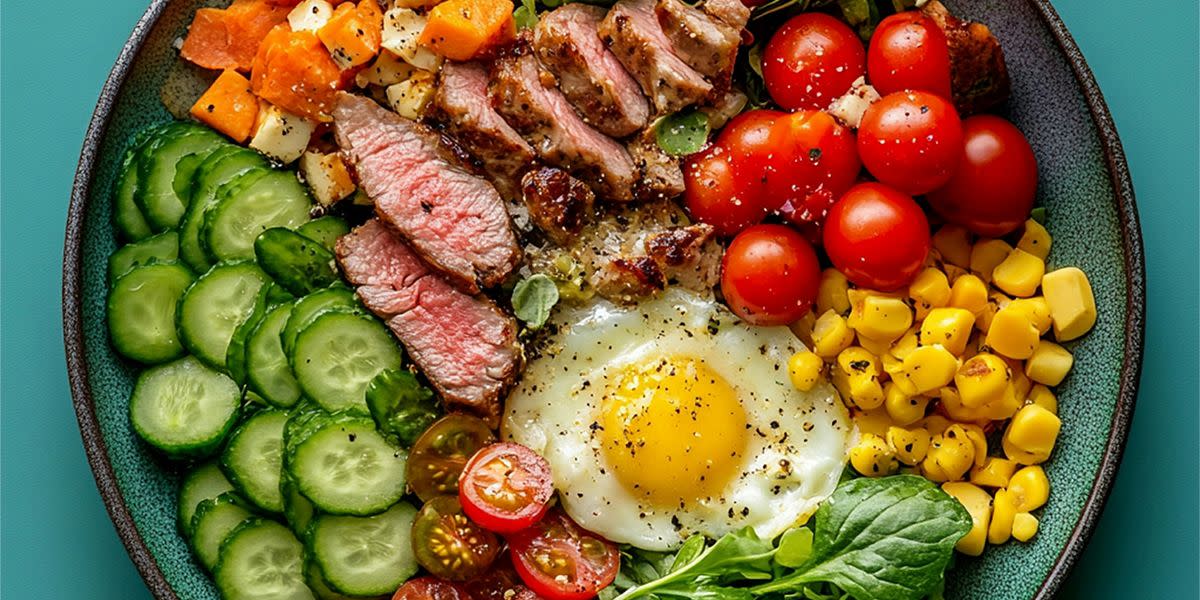
While protein is crucial for muscle building, it works best as part of a balanced diet that includes quality carbohydrates, healthy fats, and micronutrients. Consistency in both nutrition and training ultimately determines your results.
Meal preparation can be time-consuming when following a high-protein diet, creating a barrier for many busy professionals. Our chef-made meals provide a convenient solution with properly portioned, high-quality, protein-boosted options that support muscle development without the shopping and cooking.
Start by incorporating 3-4 of the listed high-protein foods into your weekly rotation rather than attempting a complete diet overhaul. Experiment with both animal and plant proteins to discover what works best for your recovery and performance.
Read to elevate your at-home dining experience? Explore the weekly menu and select your meals.
Frequently asked questions about high-protein foods
What is the best protein food for muscle gain?
Eggs, chicken breast, and whey protein are often considered top choices due to their complete amino acid profiles and high digestibility, though the "best" protein depends on your individual dietary preferences and digestion.
Are two eggs enough to build muscle?
Two eggs (approximately 12g protein) provide quality protein but fall below the 20-40g threshold research suggests is optimal for maximizing muscle protein synthesis in most adults.
What foods build muscle fast?
No food builds muscle "fast" as muscle growth requires consistent protein intake, caloric surplus, and progressive resistance training over time, though leucine-rich foods like whey, eggs, and lean meats may optimize the process.
How can I bulk in a week?
True muscle gain isn't possible in just one week as it requires multiple weeks of consistent training and nutrition, though increasing calories, protein intake, and training volume can begin the process and cause initial water retention that may appear as muscle fullness.
What does protein do for your body besides building muscle?
Protein supports immune function, enzyme production, hormone regulation, tissue repair, and transportation of nutrients throughout the body, making it essential for overall health beyond just muscle development.

Be the first to know about new offers
Multiorder discounts, free items and more.