Back
Mediterranean food list: 70+ ingredients for your kitchen
Mediterranean food isn’t just good for you—it’s good food, period. Rooted in tradition and bursting with bold, vibrant flavors, it’s the kind of cooking that feels effortless and tastes like home.
In this guide, you’ll find 70+ essential ingredients that make up the heart of Mediterranean cuisine, including everything you need to stock your pantry, build flavor, and cook with confidence.
Key takeaways:
Essential Mediterranean ingredients include fresh vegetables, whole grains, legumes, herbs, and extra virgin olive oil.
For authentic Mediterranean flavors without cooking, consider chef-crafted meals from services like CookUnity.
Building a Mediterranean pantry with staples like olive oil, dried herbs, and canned beans makes it easy to create balanced, flavorful meals.
Mediterranean food groups and essential ingredients
Fresh vegetables
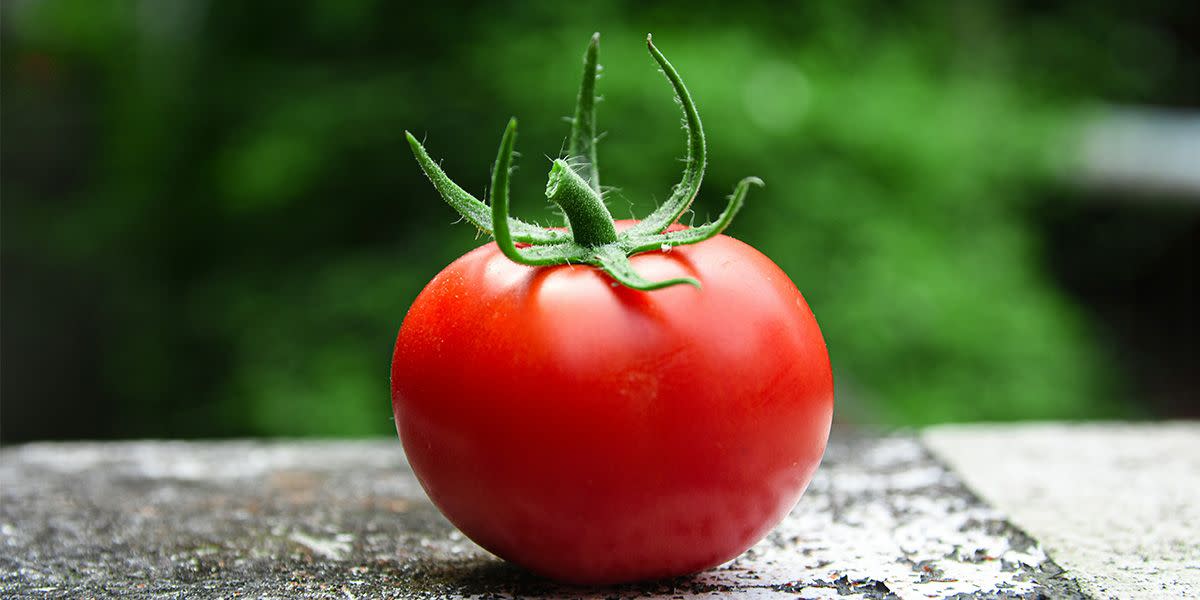
Tomatoes: The cornerstone of Mediterranean cooking, these versatile fruits appear in everything from sauces and soups to salads and roasted dishes.
Bell peppers: Rich in vitamin C and antioxidants, bell peppers add color and flavor to Mediterranean dishes.
Eggplant: This distinctive purple vegetable features prominently in dishes like Greek moussaka, Italian caponata, and Middle Eastern baba ganoush.
Key Mediterranean vegetables include:
Zucchini and summer squash
Leafy greens (spinach, arugula, various lettuces)
Artichokes
Cucumbers
Onions and garlic
Chef Ivy Stark crafts a vibrant Mediterranean Citrus & Carrot Salad, where fresh vegetables meet bright, aromatic citrus. Before it even gets to your door, the carrots, fennel, red onions, radishes, and olives are marinated to perfection, so every bite is bold, balanced, and bursting with brightness.
Fresh and dried fruits
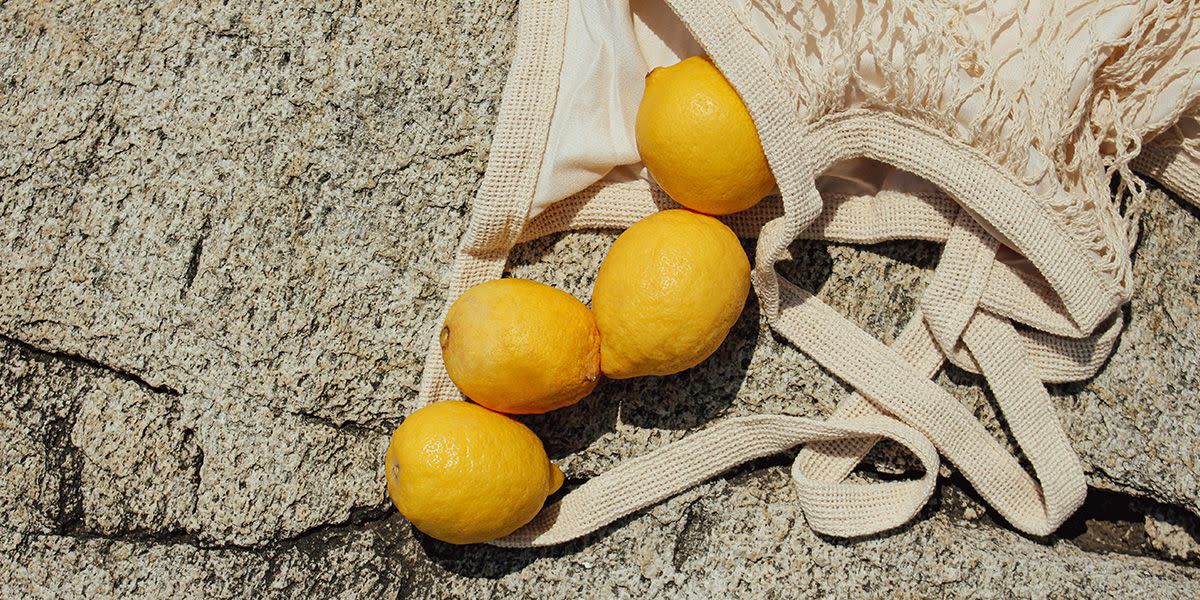
Lemons and oranges: Used for both juice and zest, citrus fruits add brightness to Mediterranean dishes.
Figs: Enjoyed fresh in summer or dried year-round, figs add natural sweetness to both sweet and savory Mediterranean dishes.
Essential Mediterranean fruits include:
Dates
Grapes (fresh and as raisins)
Pomegranates
Apples and pears
Seasonal berries
Mediterranean cuisine makes artful use of citrus and preserved fruits to balance savory elements with brightness and depth, and you’ll taste that harmony in every bite of Chef Fabio Viviani’s Mediterranean Salmon. His vibrant couscous salad is loaded with bold ingredients like Kalamata olives, roasted red peppers, artichoke hearts, and fresh basil, all brought to life with charred lemon and perfectly grilled salmon. It’s a light-yet-satisfying dish that captures the sunny essence of the region.
Whole grains
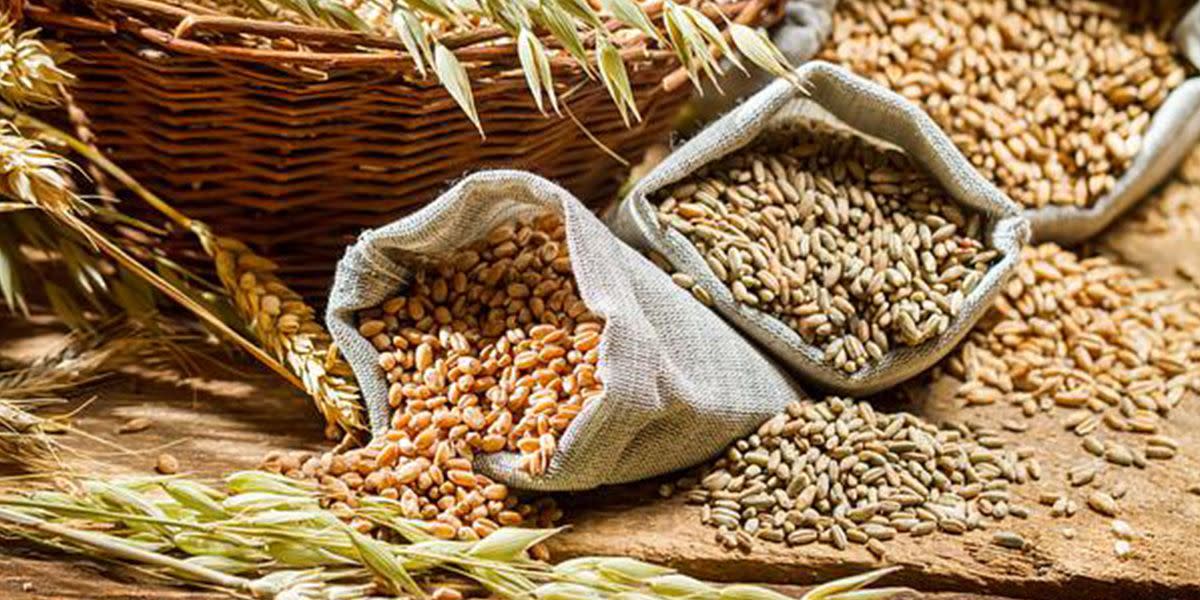
Whole grain bread: Used for dipping in olive oil, making bruschetta, or as an accompaniment to meals.
Bulgur wheat: This quick-cooking grain is used in tabbouleh and pilafs throughout the Mediterranean region.
Common Mediterranean whole grains include:
Farro
Barley
Couscous
Brown rice
Polenta
Whole grains are a cornerstone of Mediterranean cooking—hearty, wholesome, and the perfect foundation for layering bold, fresh flavors. Chef Chris Ratel’s Mediterranean Grilled Shrimp Grain Bowl brings that philosophy to life. Marinated shrimp are grilled to perfection and paired with farro and tricolor quinoa, then topped with a vibrant Greek salad of feta, olives, and baby spinach. A creamy avocado green goddess dressing ties it all together for a feel-good bowl that’s anything but basic.
Explore our weekly menu featuring chef-crafted Mediterranean meals that bring these authentic ingredients to your table with zero prep work. Browse our Mediterranean options now.
Legumes
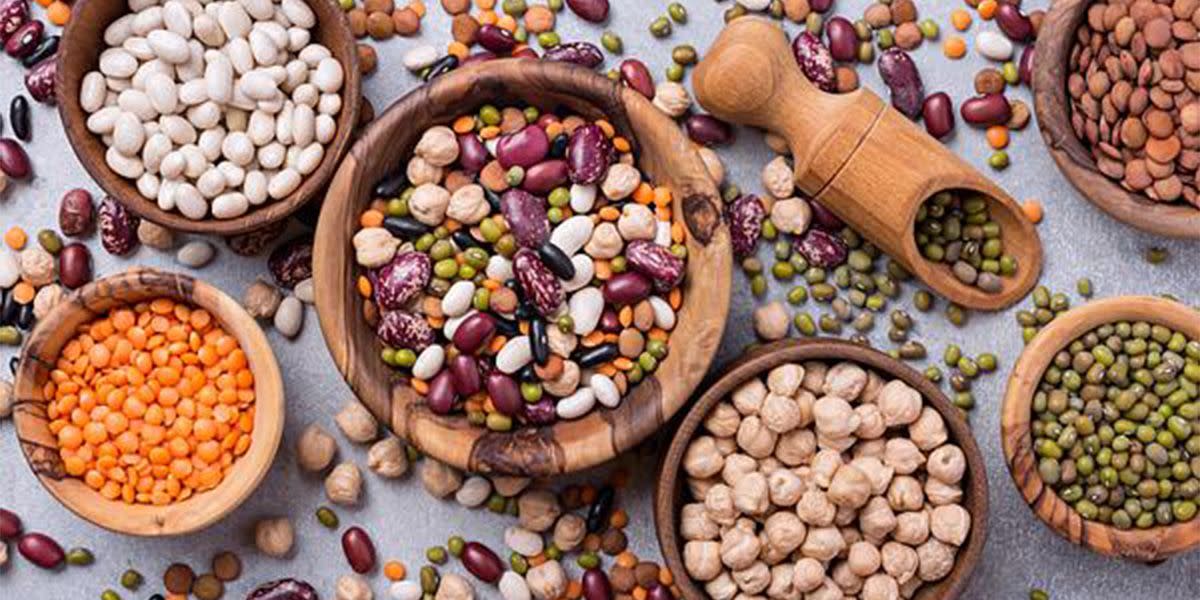
Chickpeas: Used in hummus, falafel, and added to salads and stews, chickpeas are perhaps the most versatile legume in Mediterranean cooking.
Lentils: These quick-cooking legumes appear in soups, salads, and side dishes throughout Mediterranean cuisine.
Mediterranean staples also include:
Fava beans
White beans (cannellini and navy)
Split peas
Legumes play an important role in Mediterranean cuisine, offering plant-based protein, fiber, iron, and complex carbohydrates. Many people also appreciate them as a budget-friendly and environmentally conscious alternative to animal-based proteins.
Healthy fats
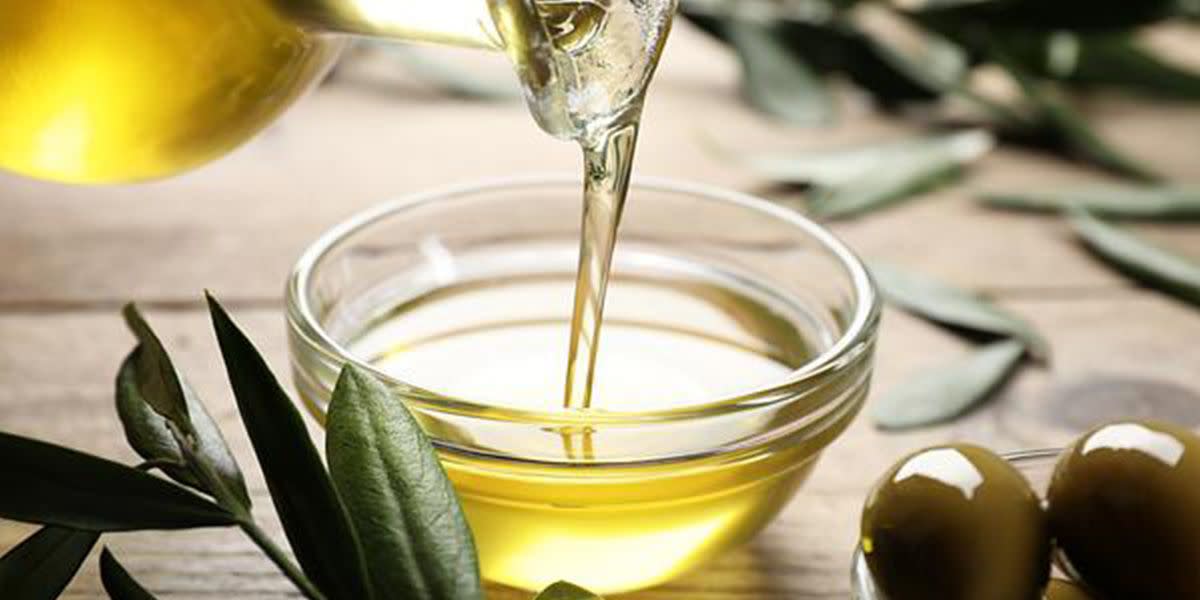
Extra virgin olive oil: The highest quality olive oil is used for dressings, dipping, and finishing dishes in Mediterranean food.
Virgin olive oil: Good for everyday cooking with a milder flavor than extra virgin, this oil is still a staple in Mediterranean cuisine.
Mediterranean healthy fats include:
Various olive varieties
Avocados (in modern Mediterranean cooking)
Nuts and seeds (almonds, walnuts, pine nuts, sesame seeds)
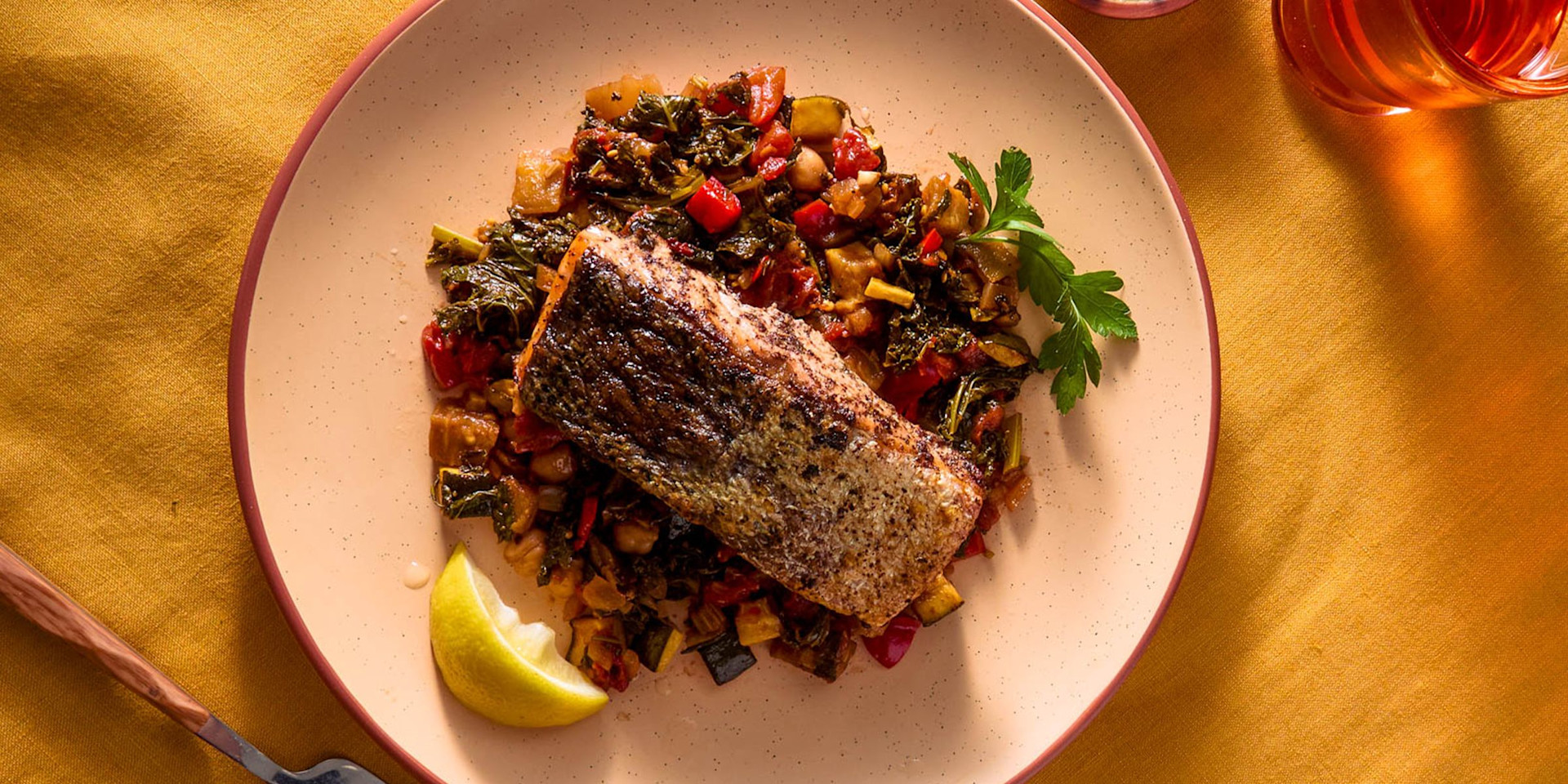
Healthy fats like olive oil, nuts, and omega-rich fish are essential to Mediterranean cuisine—not just for nutrition, but for flavor and satisfaction. Chef Einat Admony’s Mediterranean Seared Salmon with Cauliflower Lentil Mujadara is a standout example. She reimagines the classic Levantine rice dish with cauliflower “rice” and lentils, then tops it with a sumac and baharat–crusted salmon fillet. Finished with a punchy za’atar chimichurri, this dish hits every note: wholesome, balanced, and full of bold personality.
Seafood
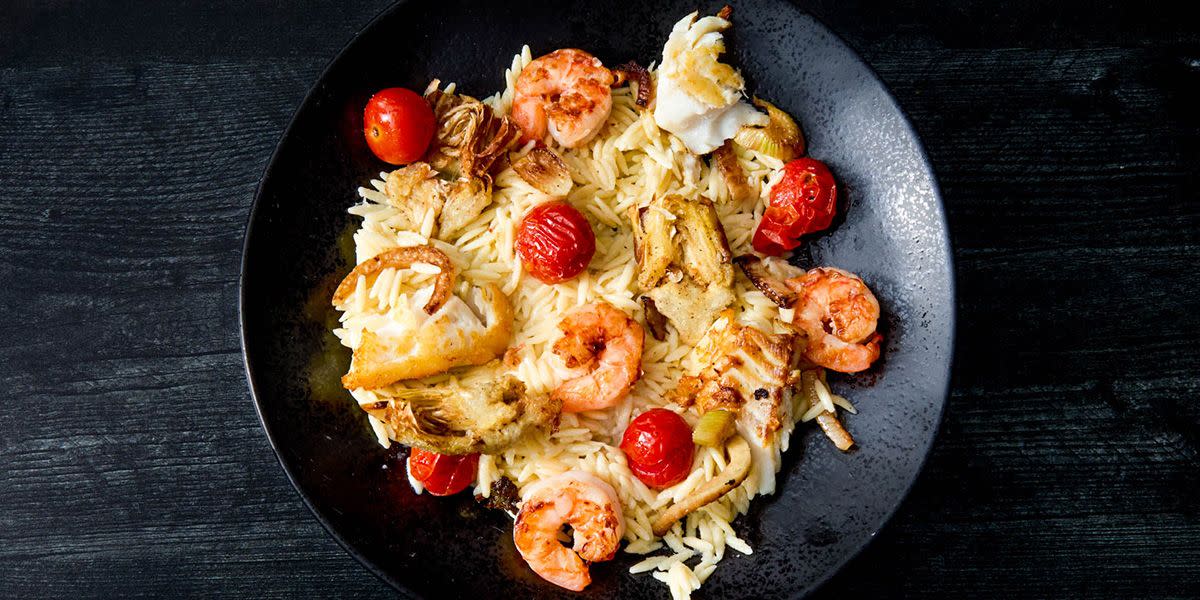
Fatty fish: Salmon, sardines, mackerel, and herring provide omega-3 fatty acids and are typically prepared simply in Mediterranean dishes.
White fish: Cod, sea bass, and tilapia offer lighter options in Mediterranean cooking.
Mediterranean seafood also includes:
Shellfish (shrimp, mussels, clams, scallops)
Octopus and squid
Seafood plays a starring role in Mediterranean cuisine, often paired with grains and vegetables for a complete, balanced meal. Chef Ruben Garcia’s Mediterranean Quinoa Bowl with Shrimp brings that harmony to life. He layers nutty quinoa and tender baby kale with oregano- and lime leaf–seasoned shrimp, then adds roasted asparagus, cherry tomatoes, guacamole, and hard-boiled eggs. A creamy Greek yogurt dressing inspired by tzatziki ties it all together—flavorful, textured, and unmistakably Mediterranean.
Poultry and meat
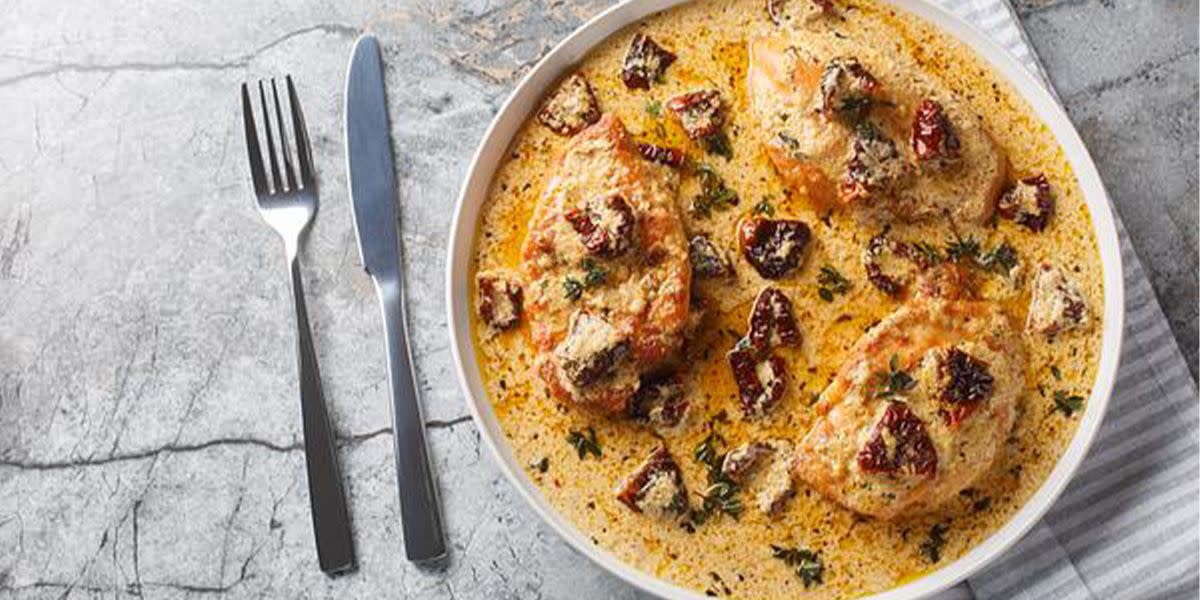
Chicken: The most common poultry in Mediterranean cuisine appears in numerous dishes across all Mediterranean countries.
Lamb: The most common red meat in Mediterranean cuisine, often reserved for special occasions.
Mediterranean proteins include:
Turkey (in modern Mediterranean cooking)
Pork (in Spanish and Italian cooking)
Beef (used sparingly)
Poultry and meat in Mediterranean cuisine are typically served in moderate, balanced portions alongside plenty of vegetables and grains. Chef Einat Admony’s Mediterranean Chicken Souvlaki Pita captures this perfectly. Her take on the Greek street food favorite features juicy grilled chicken thighs marinated in herbs and spices, paired with paprika-spiced chickpeas, blistered tomatoes, and sumac-seasoned onions—all tucked into warm pita. A punchy Greek Toum sauce made from garlic, lemon, and olive oil brings it all home for a vibrant, satisfying meal.
Dairy and eggs
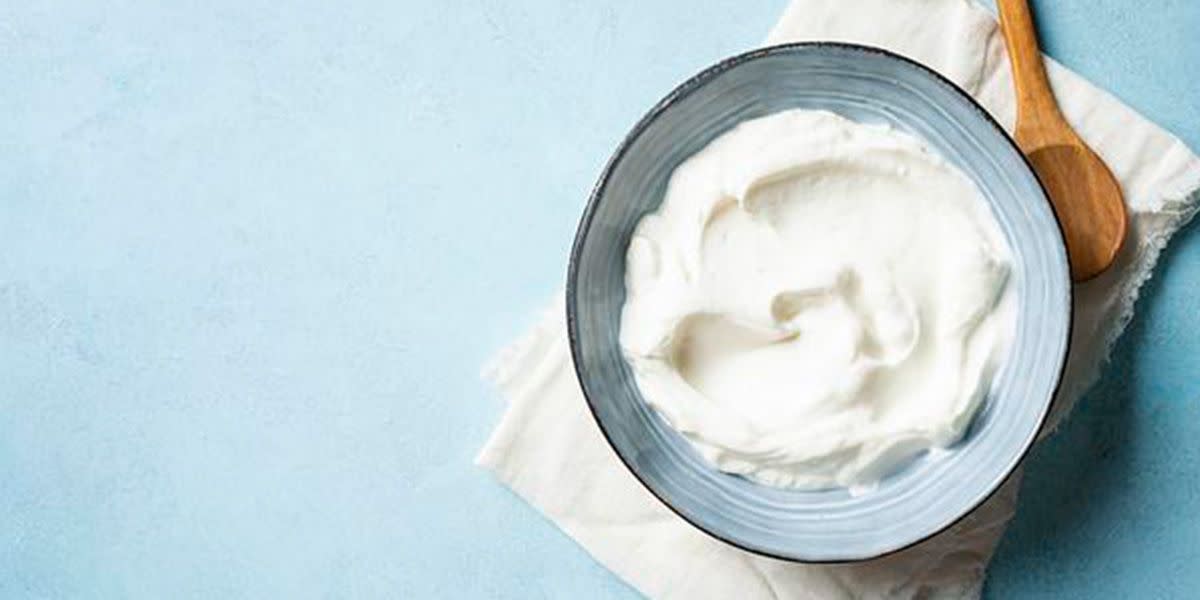
Greek yogurt: Higher in protein than regular yogurt, Greek yogurt is used in tzatziki and as a breakfast food topped with honey and nuts.
Feta cheese: This crumbly, tangy cheese made from sheep or goat milk is essential to Greek salads and many Mediterranean dishes.
Mediterranean dairy options include:
Halloumi cheese
Ricotta cheese
Parmesan cheese
Eggs (consumed in moderation)
Dairy and eggs play a quiet but crucial role in Mediterranean cooking, adding richness, creaminess, and that unmistakable savory tang. Chef Fabiola Rivera’s Greek Chicken Couscous Bowl leans into these elements with intention. Her bright, summery bowl layers marinated shredded chicken and fluffy couscous over baby spinach, then crowns it all with zesty vegetables, a sprinkle of briny feta, and a generous spoonful of creamy tzatziki made with Greek yogurt, garlic, lemon, and mint. It's a full-spectrum flavor experience that proves dairy doesn’t need to be dominant to make a dish unforgettable.
Herbs and spices
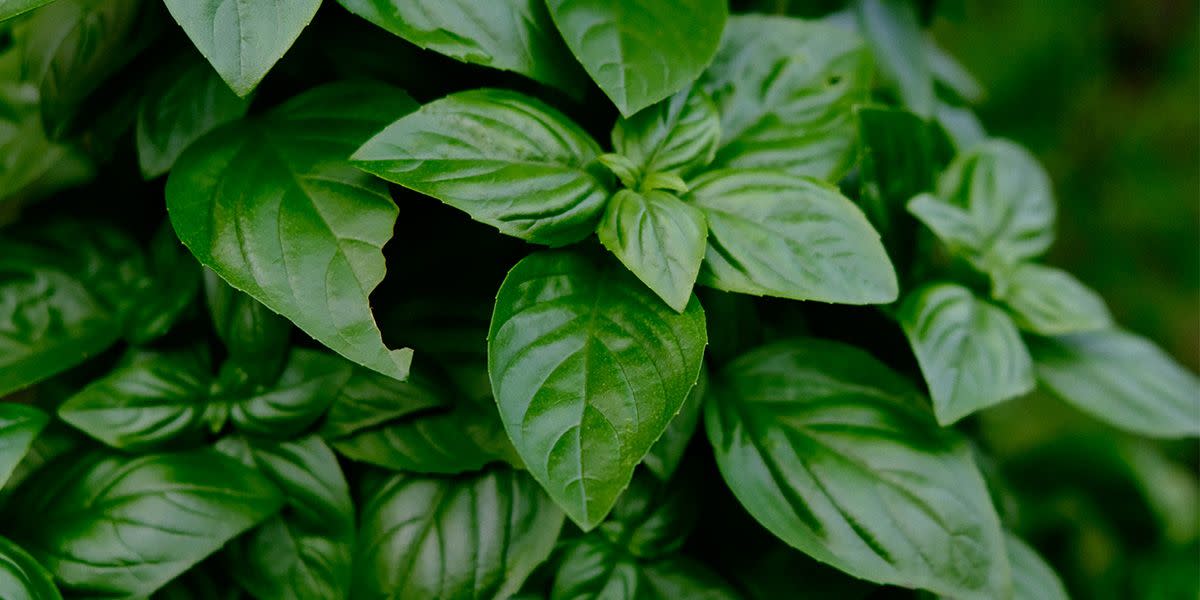
Basil: Essential in Italian Mediterranean cooking, particularly for pesto sauce.
Oregano: This distinctive herb flavors Greek and Italian dishes, often used dried rather than fresh.
Key Mediterranean herbs and spices:
Rosemary
Thyme
Parsley
Mint
Dill
Cilantro/Coriander
Cumin, paprika, and cinnamon
Herbs and spices are the soul of Mediterranean cooking—used not to mask, but to elevate and define. Chef Ludo Lefebvre’s Herbs de Provence Roasted Chicken is a masterclass in subtlety and balance. He leans into the floral, woodsy notes of the classic herb blend to transform a simple roast into something distinctly Mediterranean. Paired with a rustic salad of toasted bread, leafy greens, and sweet currants, this dish proves that when herbs lead the way, even the most humble ingredients can sing.
Creating a Mediterranean pantry
A well-stocked pantry is the backbone of Mediterranean cooking. With just a few core ingredients on hand, it’s easy to whip up flavorful meals that feel effortless and satisfying. These essentials form the building blocks of the region’s iconic dishes—no last-minute grocery run required.
Essential Mediterranean pantry items include:
Foundation ingredients: Extra virgin olive oil, vinegars (balsamic, red wine), canned tomatoes
Protein sources: Canned beans (chickpeas, white beans)
Flavor enhancers: Dried herbs and spice blends (za'atar, herbs de Provence)
Staples: Dried pasta, grains, nuts, seeds, honey, dried fruits, olives, capers
Pantry Item | Shelf Life | Uses |
|---|---|---|
Extra virgin olive oil | 1-2 years unopened, 6 months opened | Cooking, dressings, finishing |
Dried beans | 1-2 years | Soups, stews, salads |
Dried herbs | 1-3 years | Flavoring for most dishes |
Nuts and seeds | 3-6 months at room temp, 1 year refrigerated | Snacks, toppings, sauces |
Building balanced Mediterranean meals
There’s no rigid rulebook—just a smart, flexible formula rooted in balance, variety, and flavor. A typical Mediterranean-style plate comes together like this:
Half the plate: Vegetables and fruits
Quarter of the plate: Whole grains
Quarter of the plate: Protein (primarily plant-based, fish, or lean poultry)
Small amounts: Healthy fats like olive oil, nuts, or avocado
Optional: Small serving of dairy (yogurt or cheese)
Need a little inspiration? Here’s how it plays out in real life:
Breakfast: Greek yogurt with honey, nuts, and fresh fruit.
Lunch: Mediterranean grain bowl with roasted vegetables, chickpeas, and tahini dressing.
Dinner: Grilled fish with roasted vegetables and farro.
Snacks: Hummus with vegetable sticks or a small handful of nuts and dried fruit.
This flexible framework makes it easy to create satisfying meals, whether you're cooking from scratch or heating up a chef-crafted dish from our menu.
Chef Ruben Garcia brings the Mediterranean plate formula to life in his Mediterranean Chicken Grain Bowl. Built on a base of herbed barley and dotted with citrusy chickpeas, this dish layers in oven-roasted chicken thighs marinated in Dijon, garlic, and lemon zest. Roasted beets, sweet peppers, and tender baby kale add contrast and depth, while za’atar-spiced almonds and feta offer crunch and savoriness. A drizzle of lemon-yogurt dressing ties everything together for a clean, tangy finish that checks every box—balanced, vibrant, and totally craveable.
Simple ways to eat more Mediterranean foods
Incorporating Mediterranean habits doesn’t have to mean overhauling your whole diet. Small shifts add up to big flavor (and big benefits). Try these easy swaps:
Cook and bake with olive oil instead of butter
Toss a handful of nuts into your breakfast or salad
Add one more serving of vegetables to your day
Trade refined grains for wholesome options like farro or bulgur
Aim for two seafood meals each week
Season with herbs and spices instead of extra salt
Reach for fresh fruit over packaged snacks
Enjoying Mediterranean cuisine without cooking
For those with busy schedules who still want to enjoy authentic Mediterranean cuisine:
Shop smart: Visit Mediterranean specialty stores for prepared items like hummus and olives.
Choose wisely: Look for Mediterranean-inspired prepared meals with whole ingredients.
Dine out: Select restaurants specializing in authentic Mediterranean cuisine.
Delivery options: Consider a meal delivery service like ours, which offers chef-prepared Mediterranean options.
And when you're craving something bold and comforting? Chef Einat Admony has you covered with her Mediterranean Chicken Shawarma Bowl—bringing layers of authentic flavor, spice, and soul straight to your table.
Bringing Mediterranean flavors to your table
The Mediterranean diet combines fresh, whole foods in delicious ways that nourish both body and soul. By stocking your kitchen with these essential Mediterranean ingredients, you'll be well-equipped to create flavorful, nutritious meals that can improve your health and bring the sunny Mediterranean spirit to your table.
For those times when you want authentic Mediterranean flavors without the prep work, we offer chef-crafted Mediterranean meals delivered fresh to your door. Explore the weekly menu, and select your meals.
Frequently asked questions about the Mediterranean food list
Are these meals safe for those with severe dietary allergies, such as dairy, soy, and nuts?
While our meals are crafted without certain ingredients, they're prepared in kitchens where cross-contamination may occur. If your allergy is life-threatening, we recommend reviewing ingredient labels carefully before eating.
What are the main foods in Mediterranean cuisine?
Mediterranean cuisine emphasizes vegetables, fruits, whole grains, legumes, olive oil, fish, and moderate amounts of dairy, poultry, and eggs, with limited red meat consumption.
How is Mediterranean food different from other cuisines?
Mediterranean cuisine is distinguished by its emphasis on olive oil, abundant vegetables and fruits, moderate protein (especially seafood), and flavorful herbs and spices rather than heavy sauces.

Be the first to know about new offers
Multiorder discounts, free items and more.