Back
Back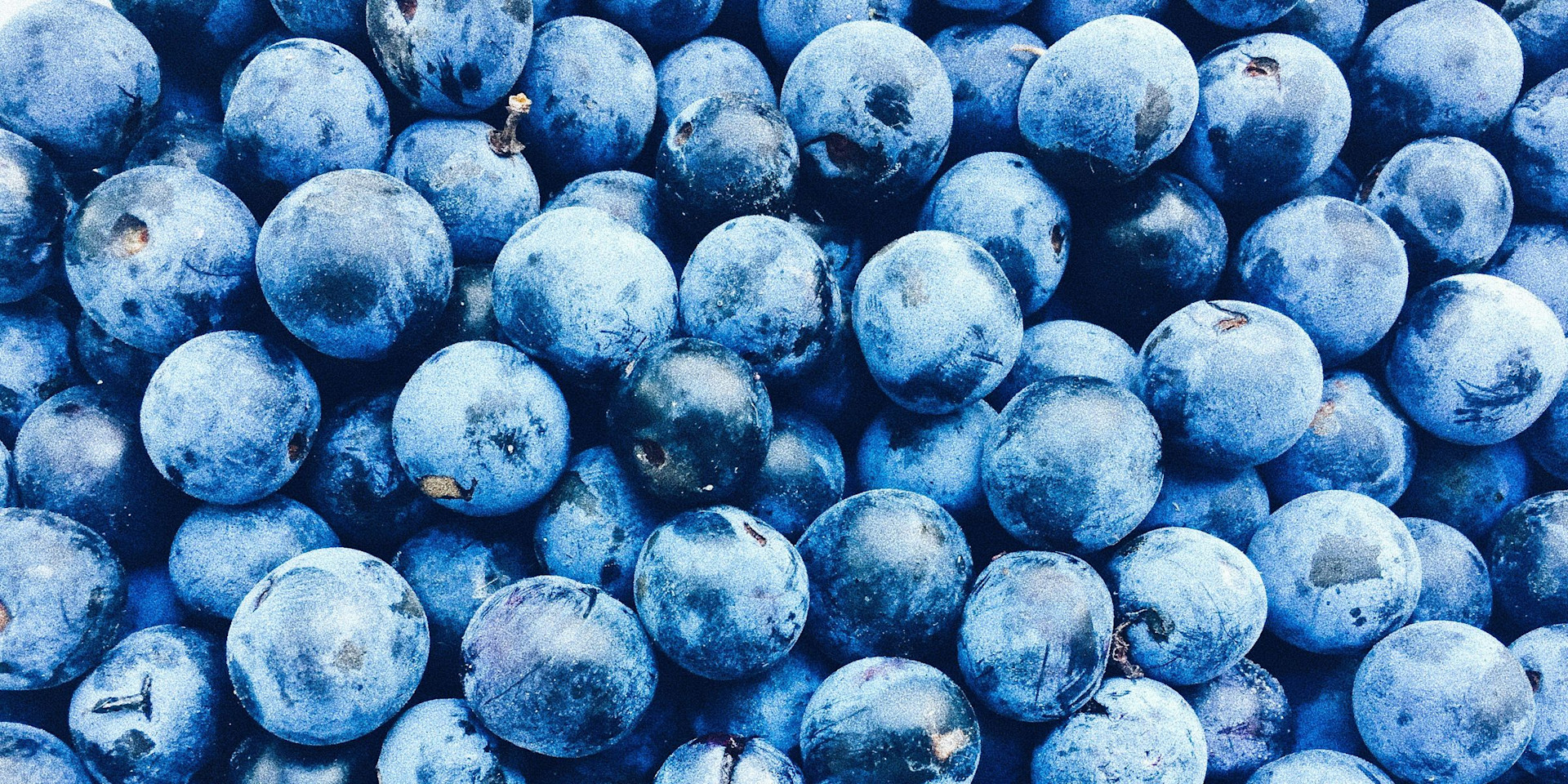
Fruit doesn't have to be off-limits when managing blood sugar. The secret lies in knowing which varieties contain the least natural sugar. Low-sugar fruits offer the nutritional benefits of produce while minimizing glucose impact, making them perfect allies for balanced eating.
Key takeaways:
Fruits with less than 5g of sugar per 100g like avocados, berries, and lemons are ideal for blood sugar management
The fiber in whole fruits slows sugar absorption, creating a gentler impact on blood glucose than fruit juices or dried fruits
Pairing low-sugar fruits with protein or healthy fats further reduces their glycemic impact
Fresh and frozen fruits have similar sugar content, while dried fruits and juices contain more concentrated sugars
What are low-sugar fruits?
Low-sugar fruits are often recommended for blood sugar management because they typically have less natural sugar than other fruits and are rich in fiber and nutrients. These fruits low in sugar provide essential vitamins, minerals, and fiber while minimizing glucose impact.
Natural fruit sugars (fructose) differ from added sugars because they come packaged with fiber that slows absorption. The glycemic load—which considers both sugar content and absorption rate—matters more than sugar content alone.
Fruit category | Sugar content range (per 100g) |
|---|---|
Low-Sugar Fruits | 0-5g |
Medium-Sugar Fruits | 6-10g |
High-Sugar Fruits | 11g+ |
Why low-sugar fruits matter for blood sugar management
Blood glucose levels rise when we consume carbohydrates, including sugars in fruit. Rapid spikes can lead to energy crashes, increased hunger, and over time, insulin resistance.
The fiber in fruits slows sugar absorption, creating a more gradual rise in blood glucose. This gentler impact makes low sugar containing fruits valuable for anyone managing diabetes or insulin sensitivity.
People with diabetes can generally enjoy low-sugar fruits in moderation as part of a balanced meal plan. Pairing fruits with protein or healthy fats further reduces their glycemic impact.
Beyond blood sugar benefits, these fruits provide antioxidants that combat inflammation and oxidative stress. The best fruits to eat for blood sugar management offer essential nutrients without excessive sugar load.
15 best low-sugar fruits for blood sugar management
1. Avocados (Less than 1g sugar per 100g)
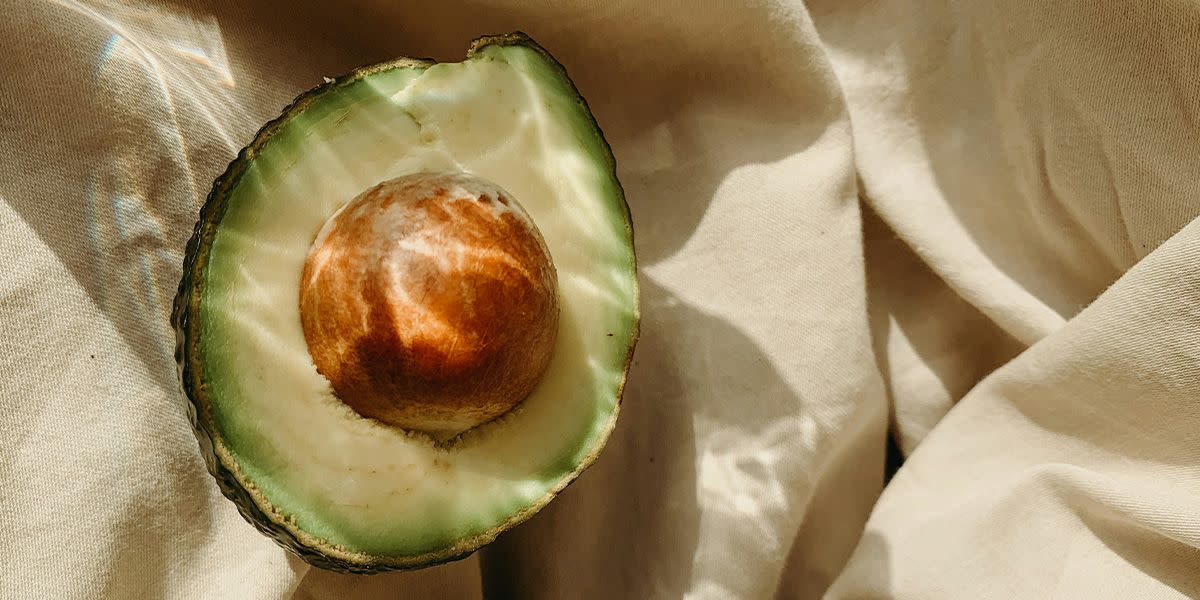
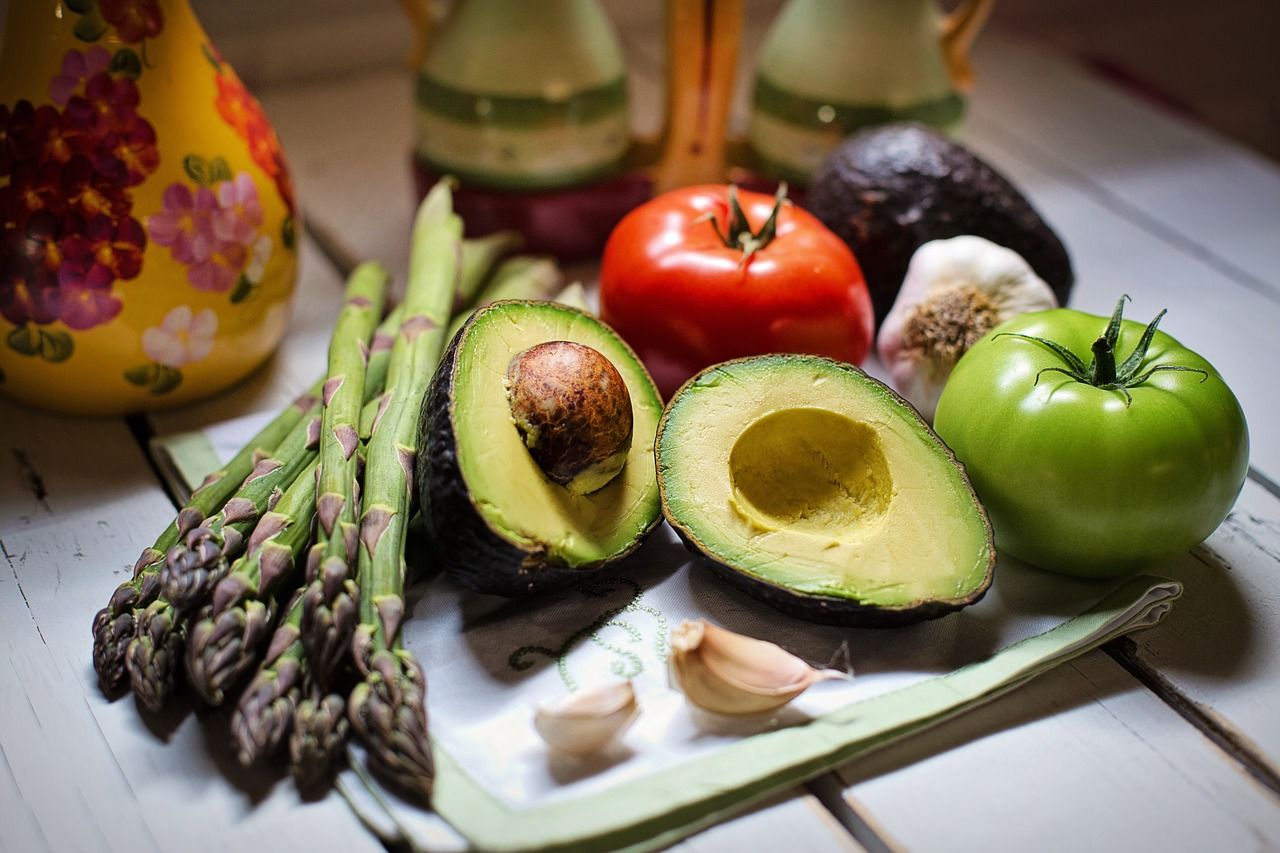
Avocados are naturally low in sugar, making them a great choice for people looking to reduce their sugar intake. They're rich in heart-healthy monounsaturated fats that slow digestion and prevent blood sugar spikes.
The fiber in avocados helps support blood sugar stability. Avocados also provide potassium, which helps regulate blood pressure.
Key benefits:
Blood Sugar Stability: Healthy fats slow digestion and sugar absorption
Heart Health: Monounsaturated fats support cardiovascular function
Satiety: High fiber and fat content promotes fullness
Meal connection: Our Squash Blossoms and Pine Nut Ricotta by Chef Tony Perez offers a low-sugar, nutrient-dense option with healthy fats similar to avocados.
2. Berries (2-5g sugar per 100g)
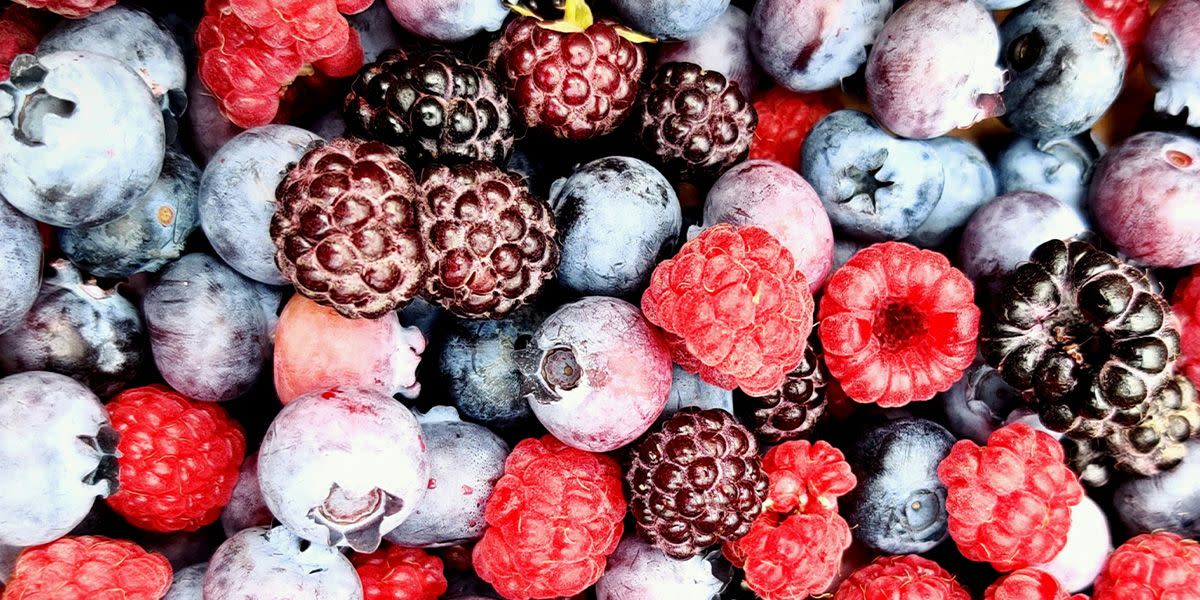
Berries rank among the lowest-sugar fruits while delivering exceptional nutritional value. Strawberries, raspberries, and blackberries are all naturally lower in sugar compared to many other fruits, making them a smart choice for blood sugar management.
Their impressive fiber-to-sugar ratio helps minimize blood glucose impact. Berries also contain powerful antioxidants called anthocyanins that may improve insulin sensitivity.
Meal connection: Our Beet Goat Cheese Arancini by Chef John DeLucie incorporates vegetable-forward flavors with a low sugar profile.
3. Lemons and limes (1-2g Sugar Per 100g)
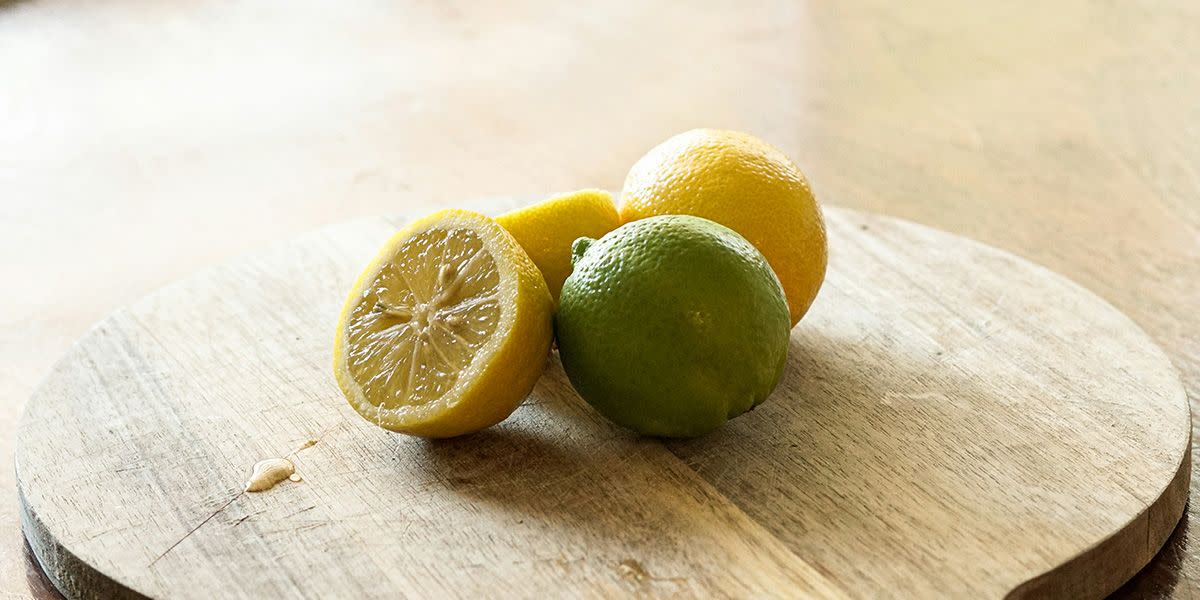
Lemons and limes offer bright flavor and vitamin C with less sweetness than many other fruits. These citrus fruits add zest to dishes without adding significant carbohydrates.
Their acidic nature may help slow digestion of other foods, potentially reducing the glycemic impact of an entire meal. The pectin fiber in citrus fruits supports gut health and helps regulate blood sugar.
Meal connection: Our Seared Citrus Garlic Herb Salmon by Chef Cat Cora showcases how citrus can enhance flavors without adding significant sugar.
4. Grapefruit (4g sugar per 100g)
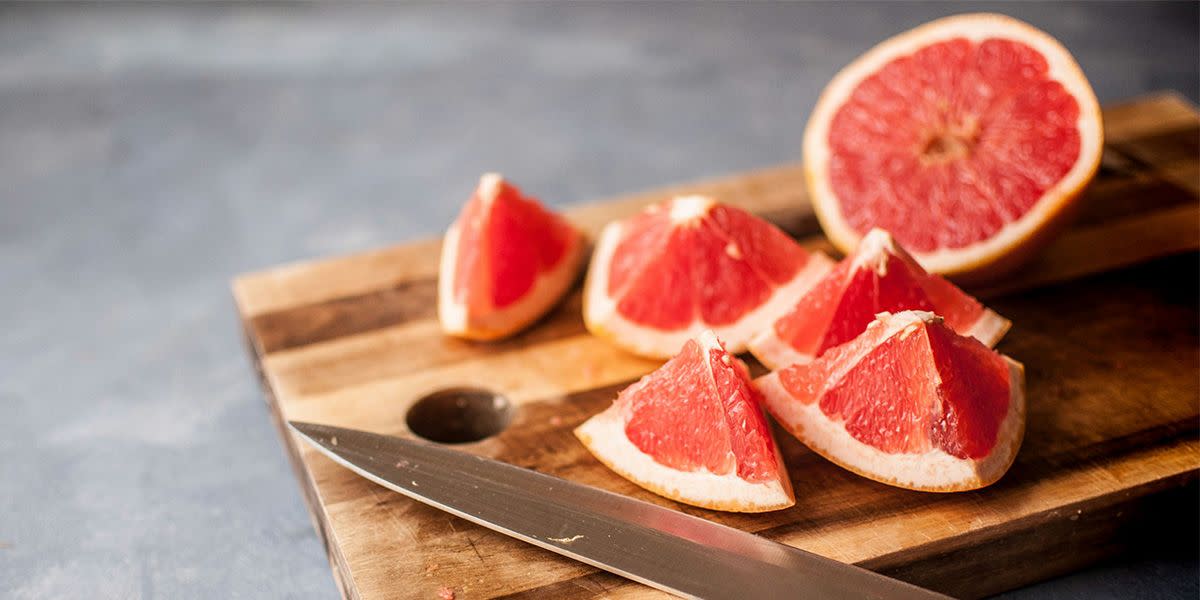
Grapefruit is known for its relatively low sugar content compared to many other citrus fruits, making it a popular choice for those watching their sugar intake. Research suggests its compounds may help lower insulin levels and improve insulin sensitivity.
The high water and fiber content in grapefruit creates a feeling of fullness that can support weight management. Its distinctive tangy flavor makes it satisfying despite its low sugar content.
Looking for more low-sugar options for your diet? Explore our Sugar Savvy meal delivery service for chef-crafted meals designed to support blood sugar management.
Meal connection: Our Grilled Asparagus with Citrus Garlic Butter by Chef Chris Ratel incorporates citrus flavors in a low-sugar vegetable dish.
5. Kiwis (6g sugar per 100g)
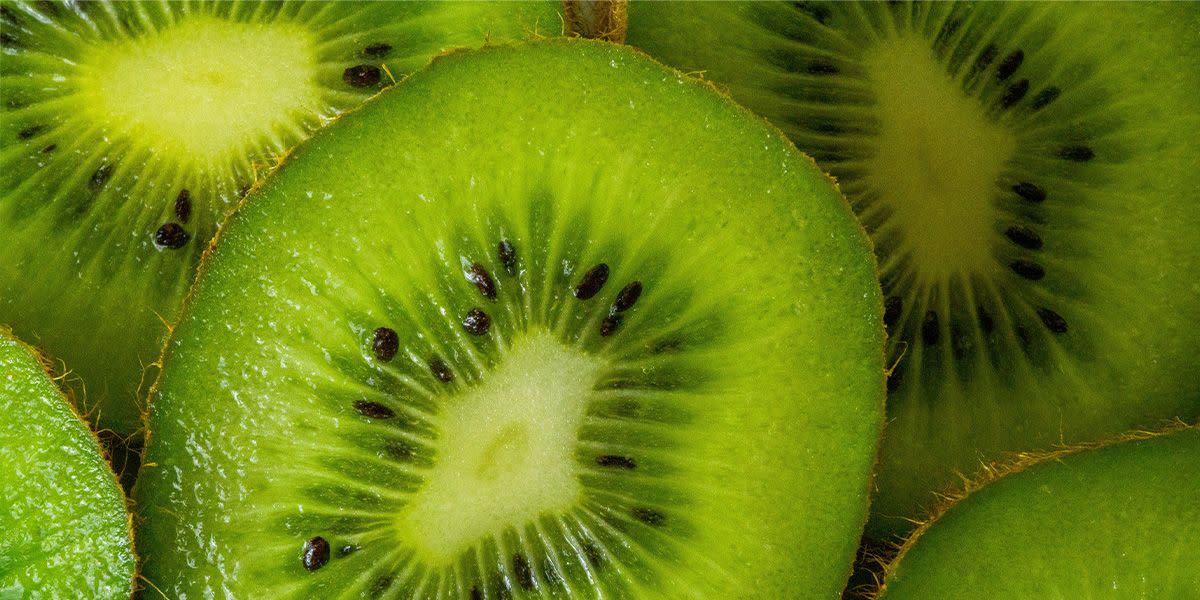
Kiwis are considered a medium-sugar fruit and can be a flavorful option for those aiming to manage their sugar intake. Their impressive fiber content helps offset the sugar impact, supporting stable blood glucose levels.
One kiwi provides more vitamin C than an orange, along with potassium and vitamin K. The enzyme actinidin in kiwis may aid protein digestion and reduce post-meal blood sugar spikes.
Meal connection: Our Caprese Quiche by top Chef John DeLucie offers a low-sugar meal option that pairs well with fresh fruits like kiwi.
6. Cantaloupe (8g sugar per 100g)
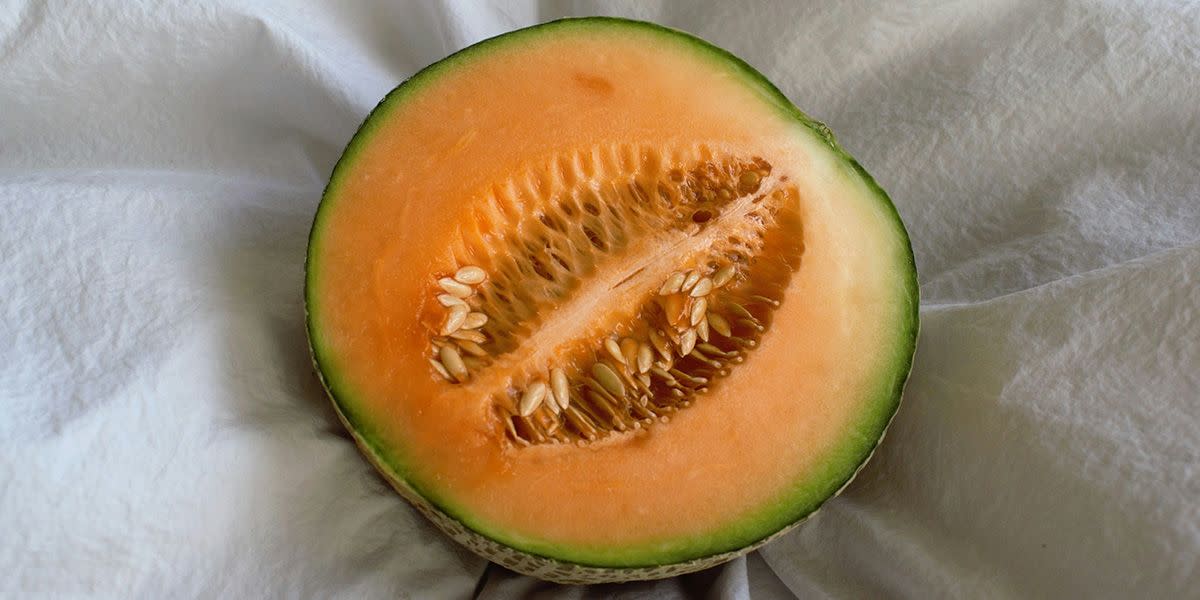
Cantaloupe has a naturally sweet taste, but its high water content helps make it a refreshing and hydrating fruit choice. This melon provides significant vitamin A and vitamin C with relatively moderate carbohydrate content.
Its natural sweetness makes it satisfying despite having less sugar than many other fruits. The fiber in cantaloupe helps slow sugar absorption and supports digestive health.
Meal connection: Our Lemon Grilled Chicken Grain Bowl by Chef Chris Ratel offers a balanced meal with a low-sugar profile that pairs well with fresh fruit like cantaloupe.
7. Watermelon (6g sugar per 100g)
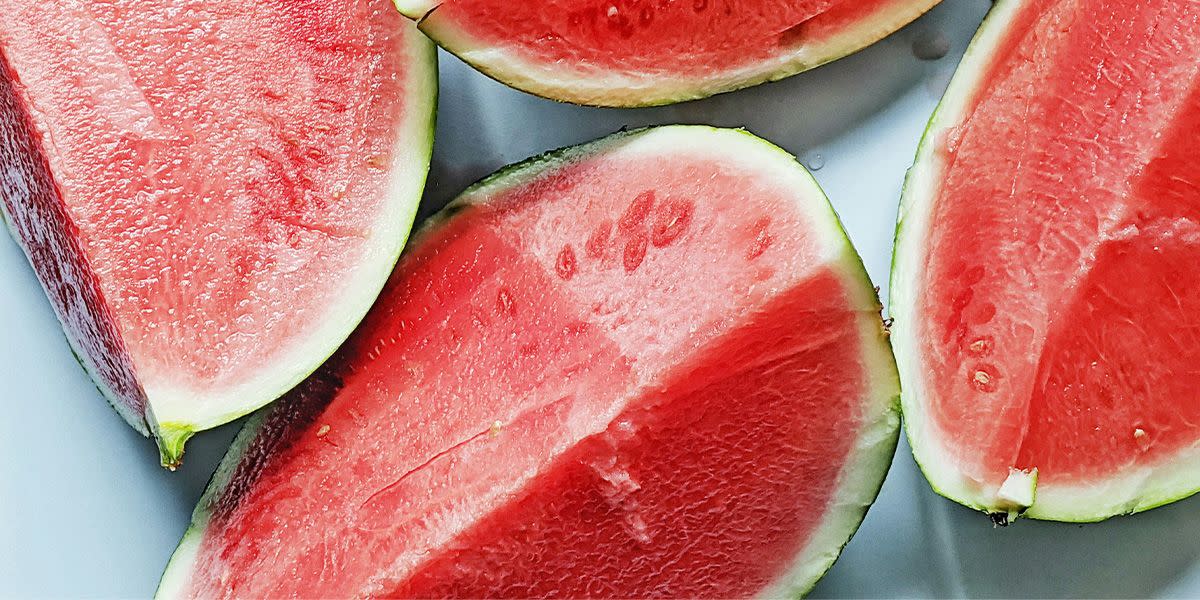
Watermelon has a naturally sweet taste and high water content, which can make it a refreshing and hydrating fruit option with a lighter impact on blood sugar compared to some other fruits. This gives watermelon a lower glycemic load than its sugar content might suggest.
Rich in the antioxidant lycopene, watermelon supports heart health while providing hydration. Its refreshing taste makes it a satisfying low-sugar option during hot weather.
Meal connection: Our Lemony Cactus Salad by Chef Santos Jimenez offers a refreshing, hydrating low-sugar option similar to watermelon's refreshing qualities.
8. Peaches (8g sugar per 100g)
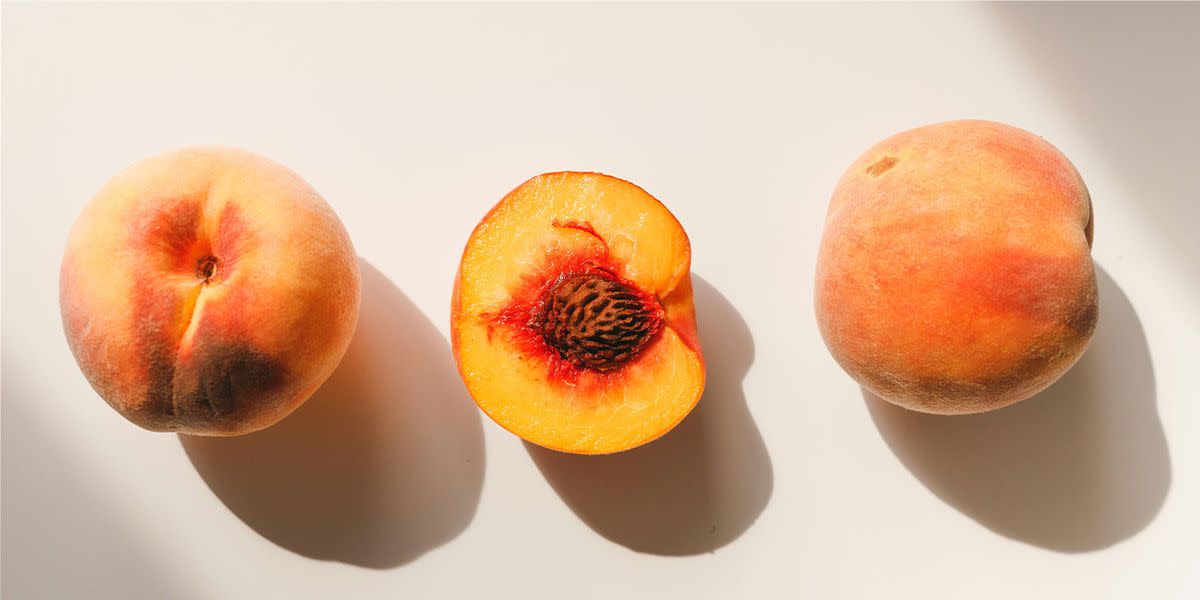
Peaches are considered a moderate-sugar fruit and can be part of a balanced diet when enjoyed in reasonable portions. Their fiber content helps slow sugar absorption, and their natural sweetness satisfies cravings without excessive sugar.
These stone fruits provide vitamins A and C along with potassium and antioxidants. Fresh peaches have a lower glycemic impact than canned varieties packed in syrup.
Meal connection: Our Fresh Guacamole Azteca by Chef Santiago Lopez offers a fruit-based low-sugar appetizer option.
9. Oranges (9g sugar per 100g)
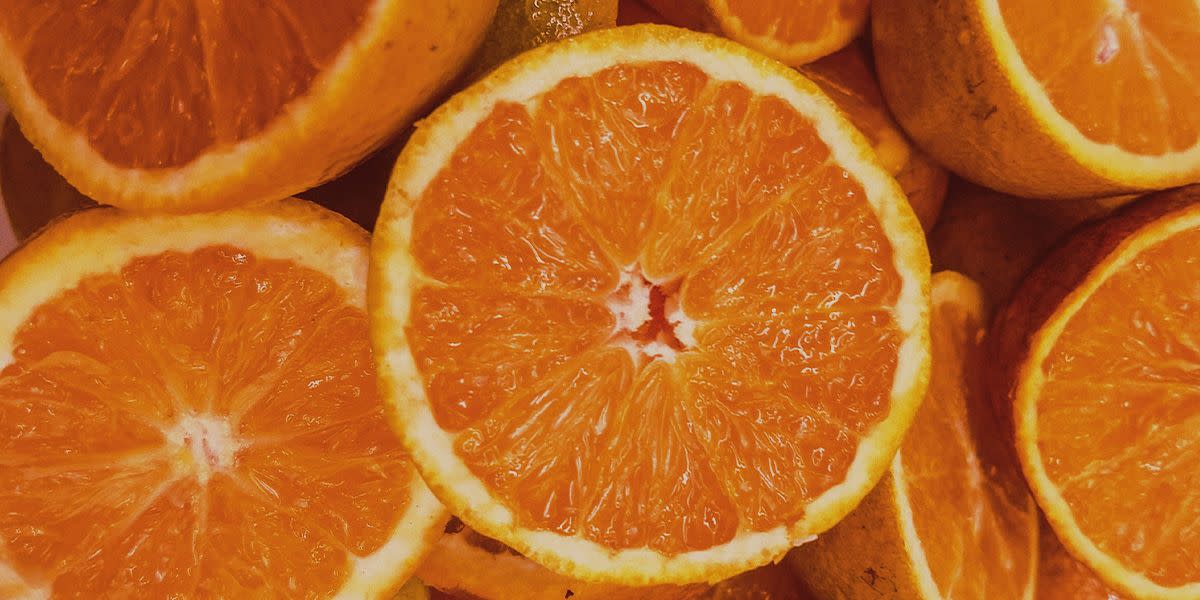
Oranges offer natural sweetness and contain fiber, which may help support a more balanced blood sugar response. The soluble fiber pectin forms a gel-like substance that slows digestion and sugar absorption.
Rich in vitamin C, folate, and potassium, oranges provide significant nutritional value beyond their carbohydrate content. Their natural sweetness combined with slight tartness creates a satisfying flavor profile.
Meal connection: Our Lemon Pepper Chicken Orzo Bowl by Chef Tracey Bloom incorporates citrus flavors in a balanced, low-sugar meal.
10. Papaya (8g sugar per 100g)
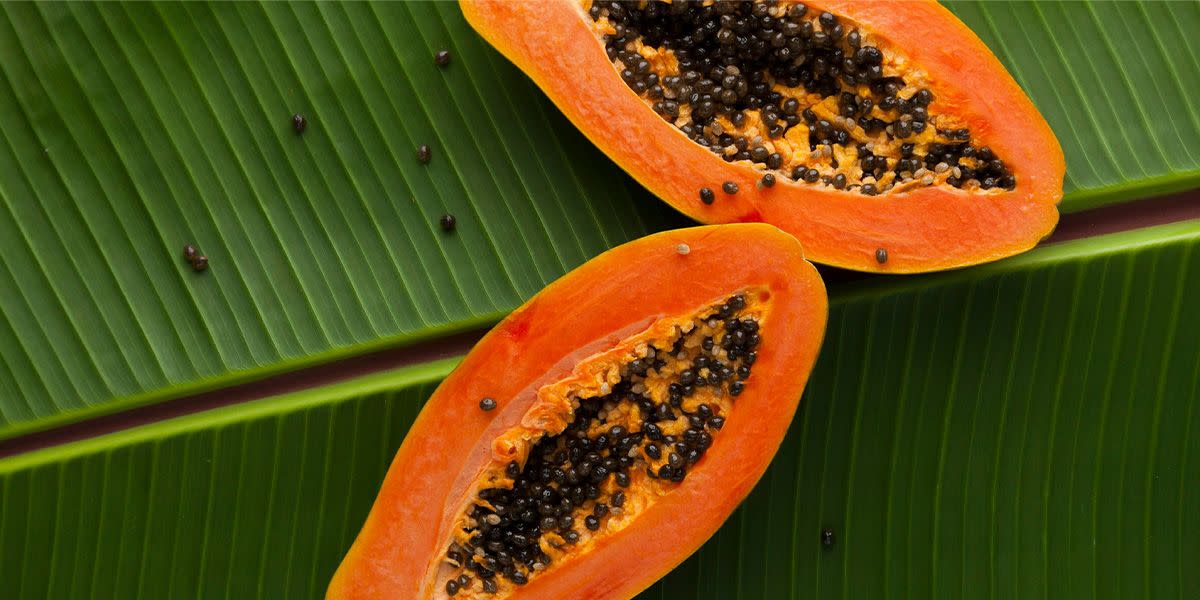
Papaya contains about 8g of sugar per 100g, but offers digestive enzymes that may help regulate blood sugar. The enzyme papain aids protein digestion and may reduce post-meal glucose spikes.
This tropical fruit provides significant vitamin C, vitamin A, and folate. Its fiber content supports gut health and helps moderate the fruit's sugar impact.
Meal connection: Our Tangy Alleppey Branzino Curry by Chef Gaurav Raj incorporates tropical flavors in a low-sugar profile.
11. Apricots (9g sugar per 100g)
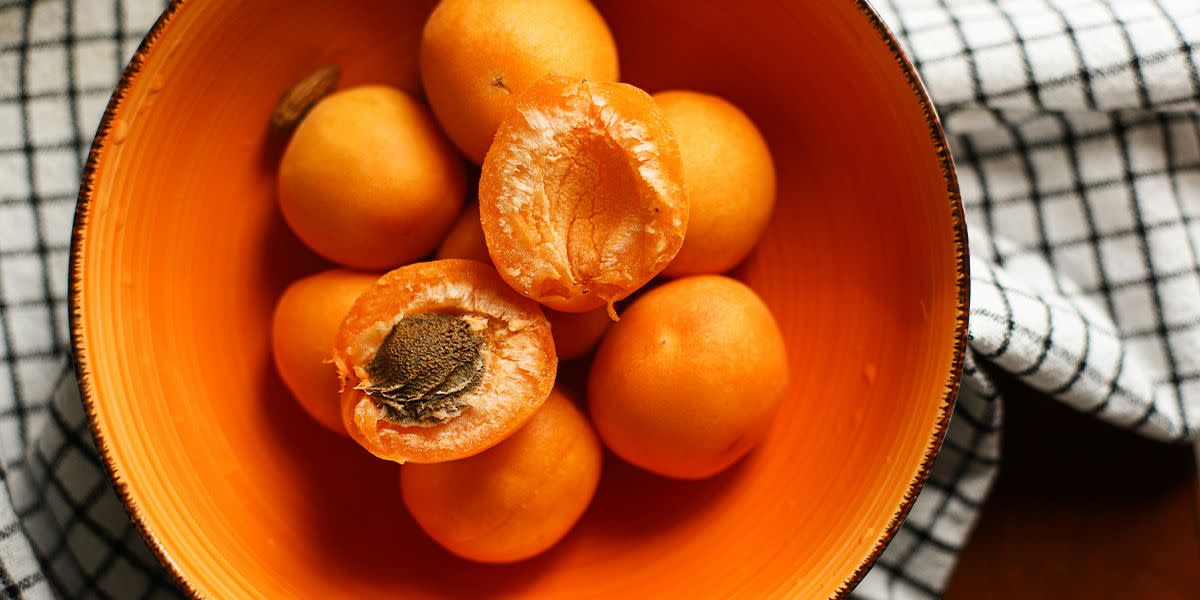
Fresh apricots contain about 9g of sugar per 100g, with fiber that helps slow sugar absorption. These stone fruits provide beta-carotene, potassium, and vitamins A and C.
Their small size makes portion control easier than with larger fruits. Dried apricots, while nutritious, have concentrated sugar and should be consumed in smaller amounts.
Meal connection: Our Creamy Green Goddess Detox Soup by real Chef Lena Elkousy offers a nutrient-dense, low-sugar option with vibrant flavors.
12. Plums (10g sugar per 100g)
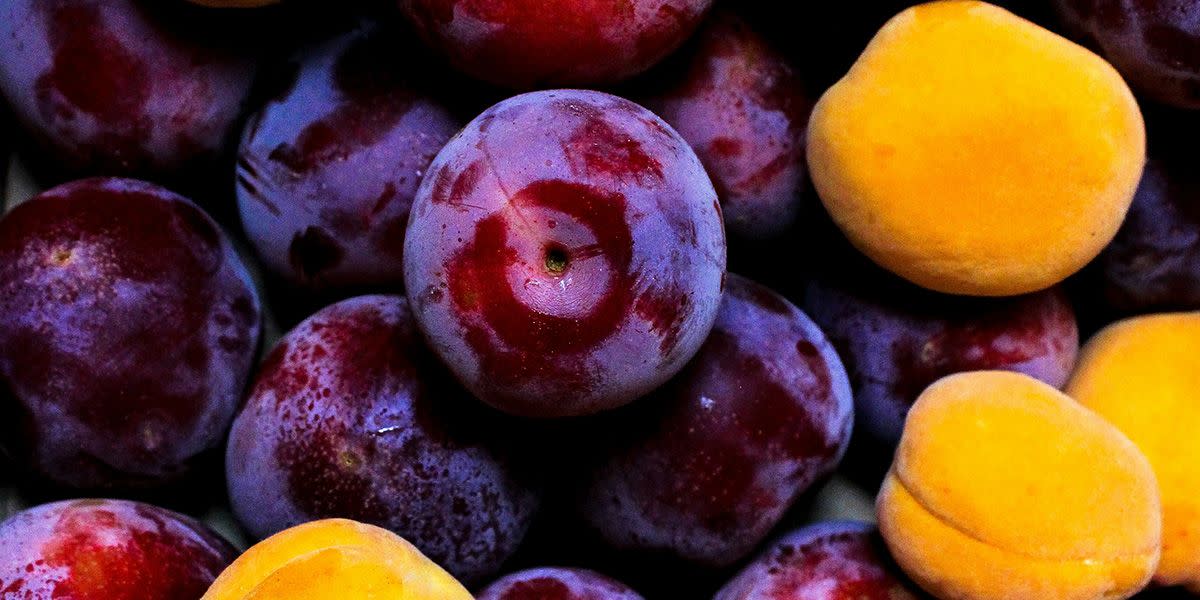
Plums offer a combination of natural sweetness and fiber, which may help support balanced blood sugar levels. These fruits contain unique antioxidants called neochlorogenic and chlorogenic acids that may help manage blood sugar.
Their small size makes portion control straightforward. Plums also provide vitamin C, vitamin K, and potassium.
Meal connection: Our Roasted Mediterranean Salmon by Chef Chase Evans offers a balanced, low-sugar meal with Mediterranean flavors.
13. Guava (9g sugar per 100g)
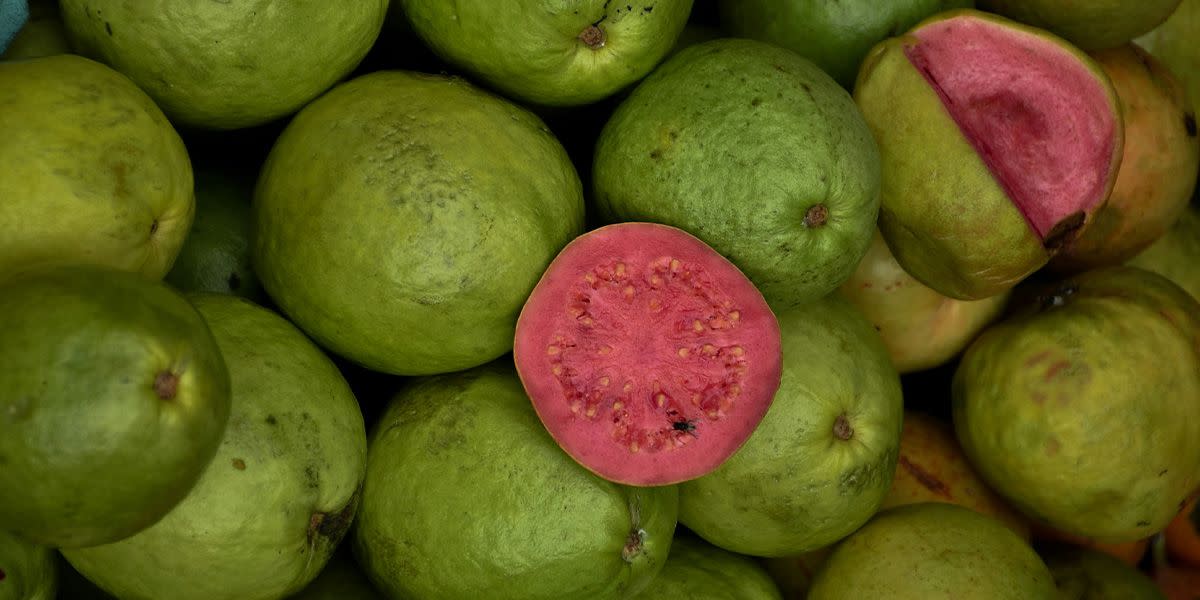
Guava contains about 9g of sugar per 100g, but boasts an impressive fiber content that helps slow sugar absorption. Guava is a fiber-rich tropical fruit that offers a favorable balance of fiber to sugar, making it a smart choice for those watching their blood sugar.
This tropical fruit delivers more vitamin C than oranges and contains lycopene, potassium, and vitamin A. Its unique flavor satisfies sweet cravings with moderate sugar content.
Meal connection: Our Greek Chicken Couscous Bowl by Chef Fabiola Rivera offers a Mediterranean-inspired low-sugar meal option.
14. Honeydew melon (9g sugar per 100g)
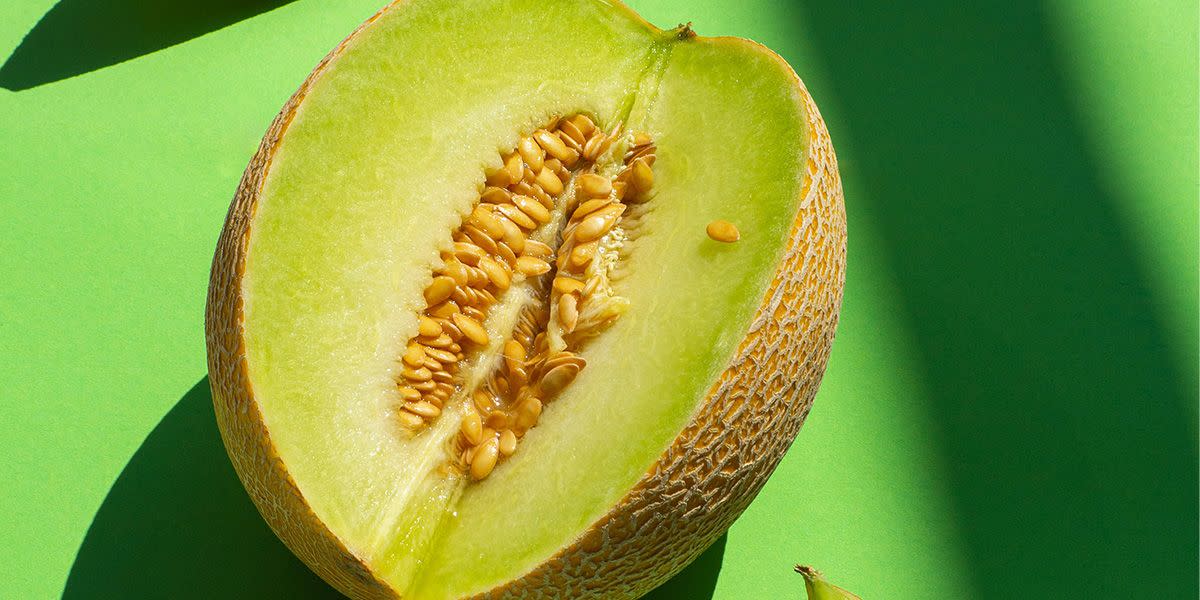
Honeydew contains about 9g of sugar per 100g, but its high water content helps dilute the sugar impact. This melon provides vitamin C, potassium, and B vitamins with a refreshing, mildly sweet flavor.
The water and fiber in honeydew create a feeling of fullness that can help with portion control. Its natural sweetness makes it satisfying despite moderate sugar content.
Meal connection: Our Organic Chicken Breast by Chef Chris Massiah offers a protein-rich, low-sugar meal that pairs well with fresh melon.
15. Coconut, fresh or unsweetened flakes (3g sugar per 100g)
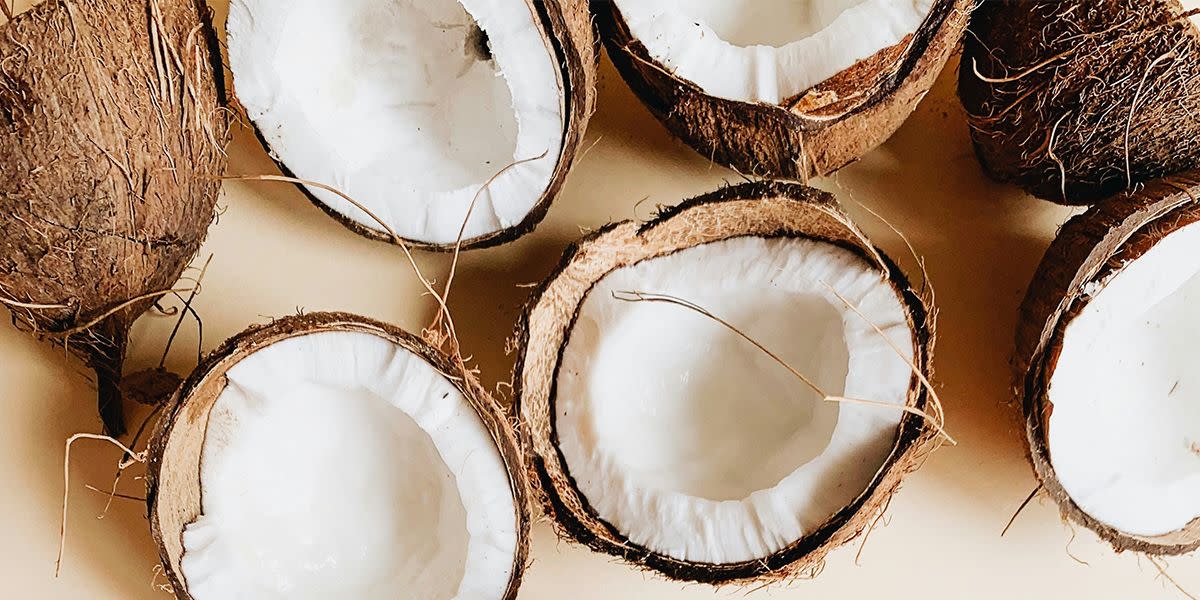
Fresh coconut meat is naturally low in sugar compared to many other tropical fruits, making it a smart choice for those watching their sugar intake. It provides healthy medium-chain triglycerides (MCTs) that may support stable blood sugar levels.
The fiber in coconut slows sugar absorption and supports gut health. Unsweetened coconut flakes make a satisfying low-sugar topping for yogurt or oatmeal.
Meal connection: Our Creamy Hawaiian Spaghetti by Chef Santos Jimenez incorporates tropical flavors in a balanced meal.
Which fruits to limit or avoid for high sugar content
While all fruits offer nutritional benefits, some contain significantly more sugar and may cause larger blood glucose fluctuations. High sugar fruits such as bananas, grapes, cherries, mangoes, and pineapples are often recommended to be limited by those aiming to manage their blood sugar levels.
Dried fruits like dates, raisins, and dried cranberries tend to be high in natural sugars due to their reduced water content and should be eaten in moderation, especially for those watching their blood sugar. Their water content has been removed, concentrating sugars into smaller volumes.
High-sugar fruit | Sugar content | Low-sugar alternative | Sugar content |
|---|---|---|---|
Banana | 12g | Avocado | <1g |
Grapes | 16g | Berries | 2-5g |
Cherries | 12g | Lemons/Limes | 1-2g |
Mango | 14g | Kiwi | 6g |
Dried fruits | 38-66g | Fresh fruits | 1-10g |
For more information about fruits that work well with specialized diets, check out What Fruits Are Keto-Friendly? 9 Healthy Options.
Most fruit juices lack fiber and contain concentrated sugars, making them less ideal for blood sugar management than whole fruits. Even 100% juice can cause rapid blood sugar spikes similar to sugar-sweetened beverages.
Ways to incorporate low-sugar fruits into daily meals
1. Smoothies with the right balance
Create blood sugar-friendly smoothies by combining low-sugar fruits with protein and healthy fats. Start with a base of unsweetened almond or soy milk or plain Greek yogurt for protein.
Add a small portion of berries, kiwi, or avocado for flavor and nutrients. Include a tablespoon of nut butter, chia seeds, or hemp seeds to provide healthy fats that slow sugar absorption.
Smoothie formula:
1 cup unsweetened liquid (almond milk, coconut milk, soy milk, water)
½-1 cup low-sugar fruit (berries, avocado)
1 serving protein (Greek yogurt, protein powder)
1-2 tbsp healthy fat (nut butter, seeds, avocado)
Meal connection: Our Roasted Pepper Corn Egg Bites by Livy's All Day Cafe offers a protein-rich breakfast that pairs well with low-sugar fruits.
2. Fruit salads and salsas
Create fruit salads using primarily low-sugar options like berries, kiwi, and melon with smaller amounts of higher-sugar fruits for variety. Add fresh herbs like mint or basil to enhance flavor without sugar.
For savory applications, make fruit salsas using low-sugar fruits like avocado, lime, and small amounts of sweeter fruits. Pair with proteins like grilled chicken or fish.
Explore the weekly menu and select your meals. https://www.cookunity.com/our-menu
Meal connection: Our Herb Grilled Chicken Caprese Salad by Chef Chase Evans demonstrates how fresh, low-sugar ingredients create flavorful meals.
3. Low-sugar desserts
Satisfy sweet cravings with desserts featuring low-sugar fruits and minimal added sweeteners. Baked apples or pears with cinnamon provide natural sweetness with fiber intact.
Create parfaits using Greek yogurt, berries, and a small amount of granola for crunch. The protein in yogurt helps balance the fruit sugars.
Meal connection: Our Mediterranean Salmon by Chef Fabio Viviani demonstrates how Mediterranean flavors can create satisfying meals without added sugars.
How to choose low-sugar fruits for a balanced diet
Select fruits with a favorable fiber-to-sugar ratio to minimize blood glucose impact. Generally, colorful berries, citrus fruits, and avocados offer the best nutritional value with minimal sugar content.
Consider portion sizes when including moderate-sugar fruits in your diet. A small apple or half a cup of pineapple provides nutrients without excessive sugar.
Key strategies:
Pair strategically: Combine fruits with protein sources like Greek yogurt or nuts to slow digestion
Shop seasonally: In-season fruits often taste sweeter naturally, allowing smaller portions
Consider preparation: Fresh or frozen fruits typically have less impact on blood sugar than juiced or dried options
For convenience without blood sugar concerns, consider chef-prepared meals that incorporate fruits thoughtfully. We offer meals designed with balanced nutrition in mind, including appropriate portions of fruits and vegetables.
Meal connection: Our Slow-Roasted Kalua Pulled Pork by Chef Armando Litiatco is a protein-rich, low-sugar meal option that pairs well with fresh fruits.
Frequently asked questions about low-sugar fruits
Are these meals safe for those with severe dietary allergies, such as dairy, soy, and nuts?
While our meals are crafted without certain ingredients, they're prepared in kitchens where cross-contamination may occur. If your allergy is life-threatening, we recommend reviewing ingredient labels carefully before eating.
Is fresh fruit better than frozen for lower sugar content?
Fresh and frozen fruits have comparable sugar content as long as no sugar is added during processing. Frozen fruits are often flash-frozen at peak ripeness, preserving nutrients.
Can people with diabetes eat fruit safely?
Most people with diabetes can include moderate portions of low-sugar fruits in their diet, especially when paired with protein or healthy fats and consumed as part of a balanced meal plan approved by their healthcare provider.
Which fruits have the lowest glycemic index?
Berries, cherries, apples, pears, and grapefruit typically have the lowest glycemic index values among fruits, making them good choices for blood sugar management.
Should all dried fruits be avoided on a low-sugar diet?
Small portions (1-2 tablespoons) of unsweetened dried fruits can be included occasionally, preferably paired with protein or healthy fats to minimize blood sugar impact.

Be the first to know about new offers
Multiorder discounts, free items and more.